The Final Redemption Will Come From Zion Only
God can speak from anywhere. The rabbis believed he would end the story in one place only, and pinned the final act to a specific mountain.
Table of Contents
 Click for full size
God Can Speak From Anywhere
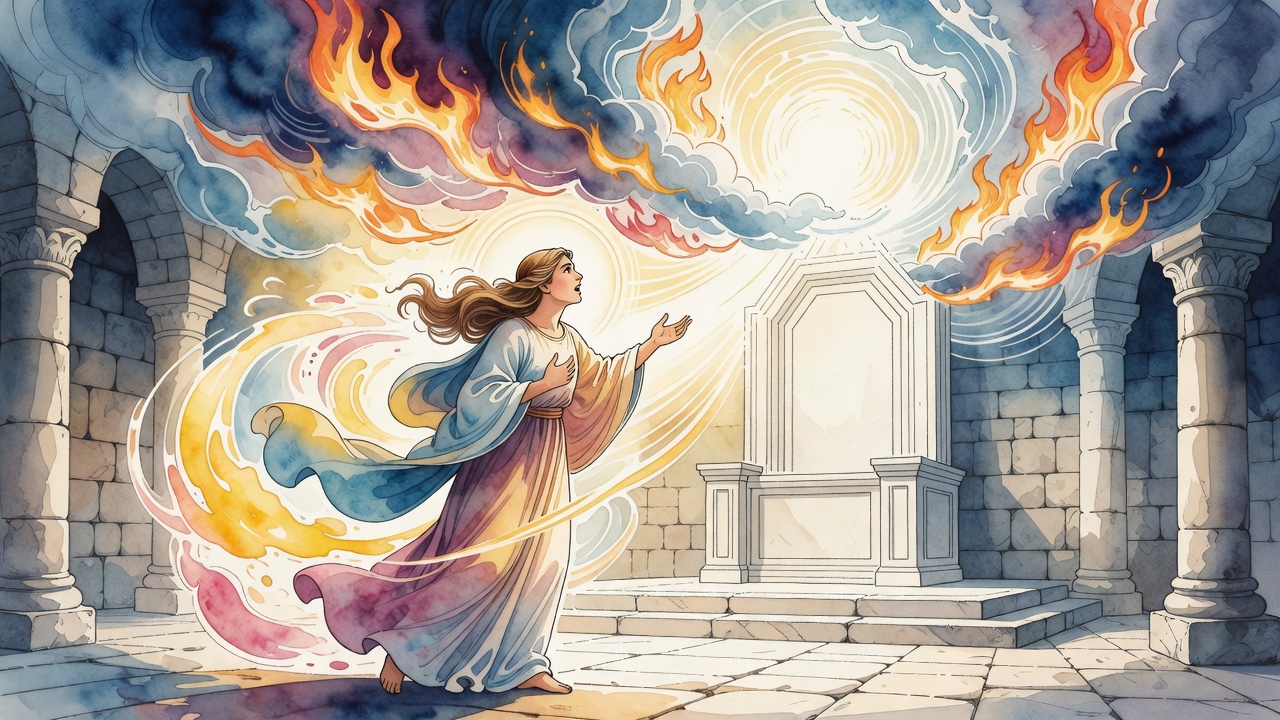
God spoke to Moses out of a bush in Midian (Exodus 3:2). He spoke to Elijah out of a still small voice in the Sinai wilderness (1 Kings 19:12). He spoke to Hannah out of a silence so interior that the priest Eli thought she was drunk. He is not confined to one address. The whole earth is full of his glory, and his voice has arrived from deserts, from mountains, from the cleft of rocks, from the inner life of a woman praying with no sound coming out of her mouth.
So the rabbis of the Aggadat Bereshit, a homiletical midrash compiled around the tenth century CE in Byzantine-era Palestine or southern Italy, had a pointed question to answer. If God is everywhere, why does the final redemption have a specific location? Why does salvation have a geography?
From Zion, and Nowhere Else
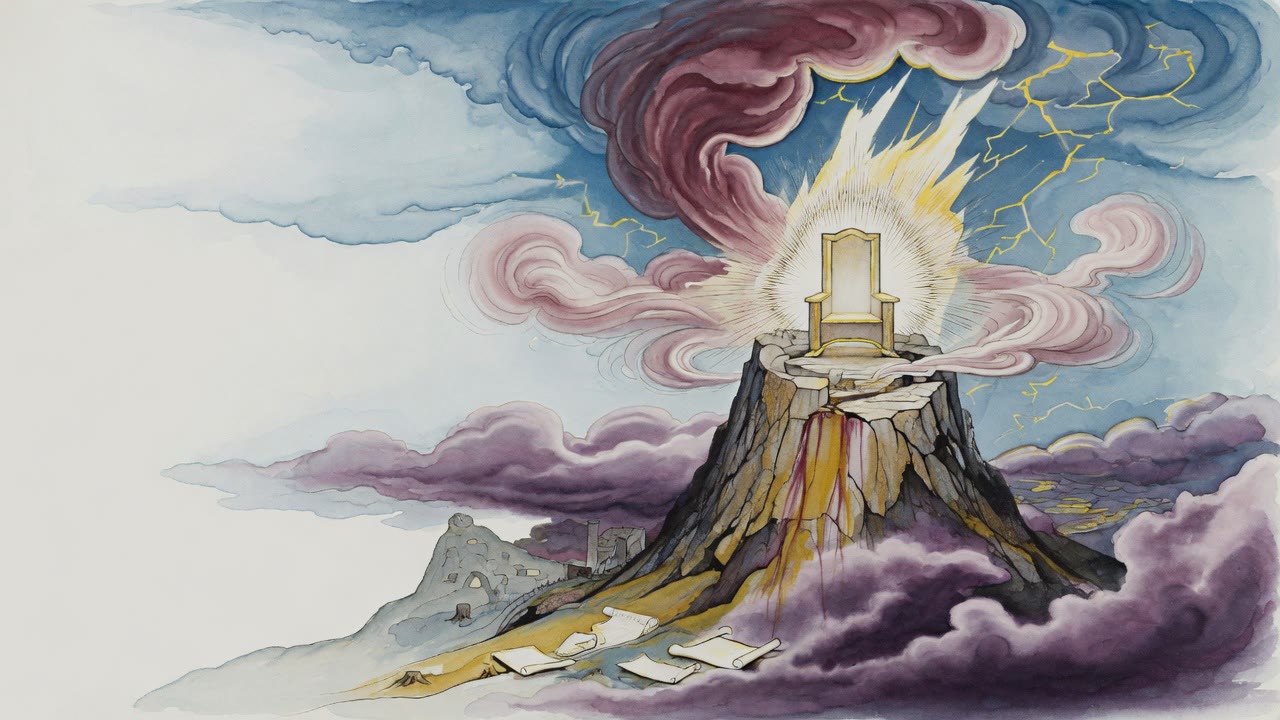
The midrash is unambiguous: when the final redemption comes, God will bring it from one place only. Not from the desert where the Torah was given. Not from the waters where the sea split. Not from any place of exile, however long the exile has lasted. From Zion. From the Temple Mount. From Psalm 50:2: from Zion, perfection of beauty, God shines forth.
The center of creation, the stone from which God began building outward, the navel of the world, that is where it ends. The rabbis grounded this in Zechariah's vision of the Day of the Lord: and His feet shall stand on that day upon the Mount of Olives (Zechariah 14:4). The redemption is physical. The feet stand on a real mountain on a real day. The geography of salvation is not metaphorical.
Why Moses Alone Saw the Bush
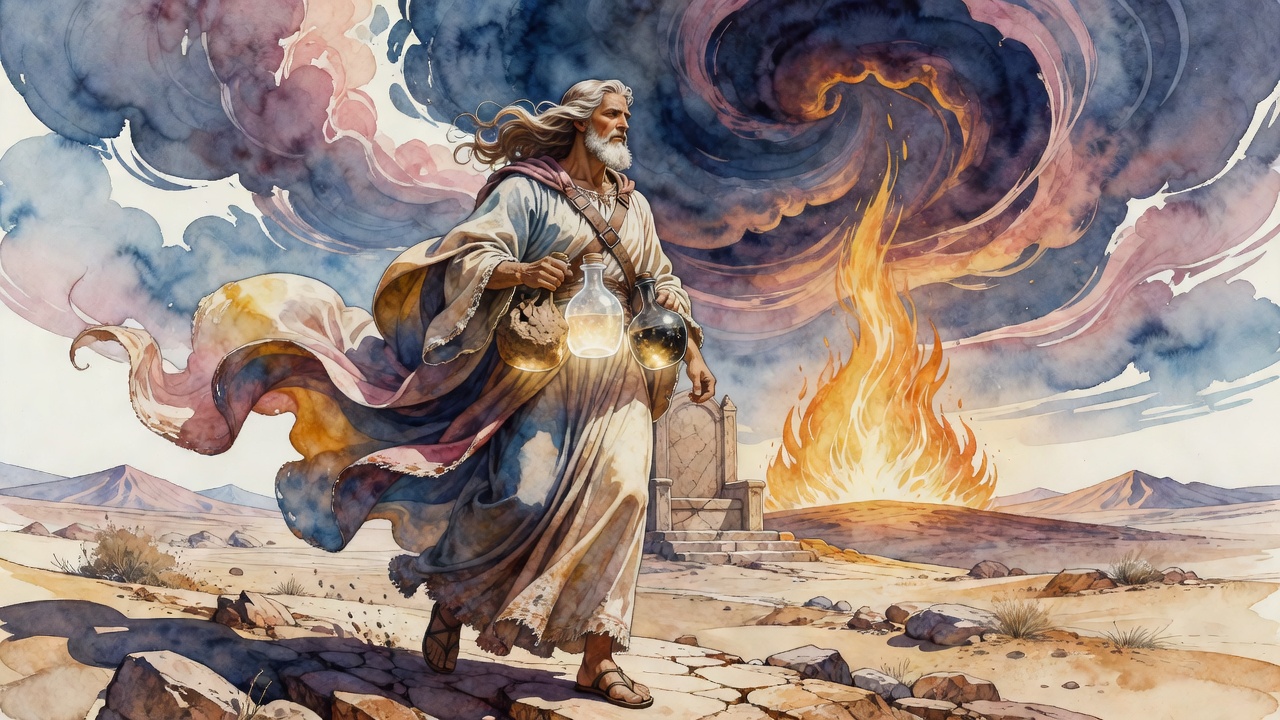
The second source in this reading, from the Legends of the Jews, turns to a parallel question about Moses at the burning bush. Other shepherds were standing in that same wilderness on that same afternoon. None of them saw it. The bush was burning for Moses alone.
Why him? The traditions preserved in Ginzberg's vast anthology say God saw Moses' face, read the grief on it, recognized the weight of care he was carrying for the suffering of the people, and named him: this one is worthy of the office of pasturing my people. The shepherd who felt the suffering of others would be the shepherd who could lead them toward relief.
The Weight of a Specific Place
The two readings belong together because they are both about specificity. Redemption will come from one mountain and not from another. The vision of the burning bush was given to one shepherd and not to the others standing in the same field. The rabbis who held these teachings were living in exile, centuries after Jerusalem's destruction. They knew what it meant to love a specific place from a distance. They also knew what it meant to be the one who could see what others had missed.
The claim that Zion is the site of the final act was not merely geographic pride. It was a claim that the relationship between God and Israel had a specific shape, that its beginning and its end were marked, that the story was not vague. The exile had a destination. The wandering had a mountain it was aimed at. That mountain was real, and it had a name, and the feet that would stand on it would stand on ground that could be pointed to on a map.
← All myths