36 myths · Page 1 of 2
Each story names the sources it was written from.
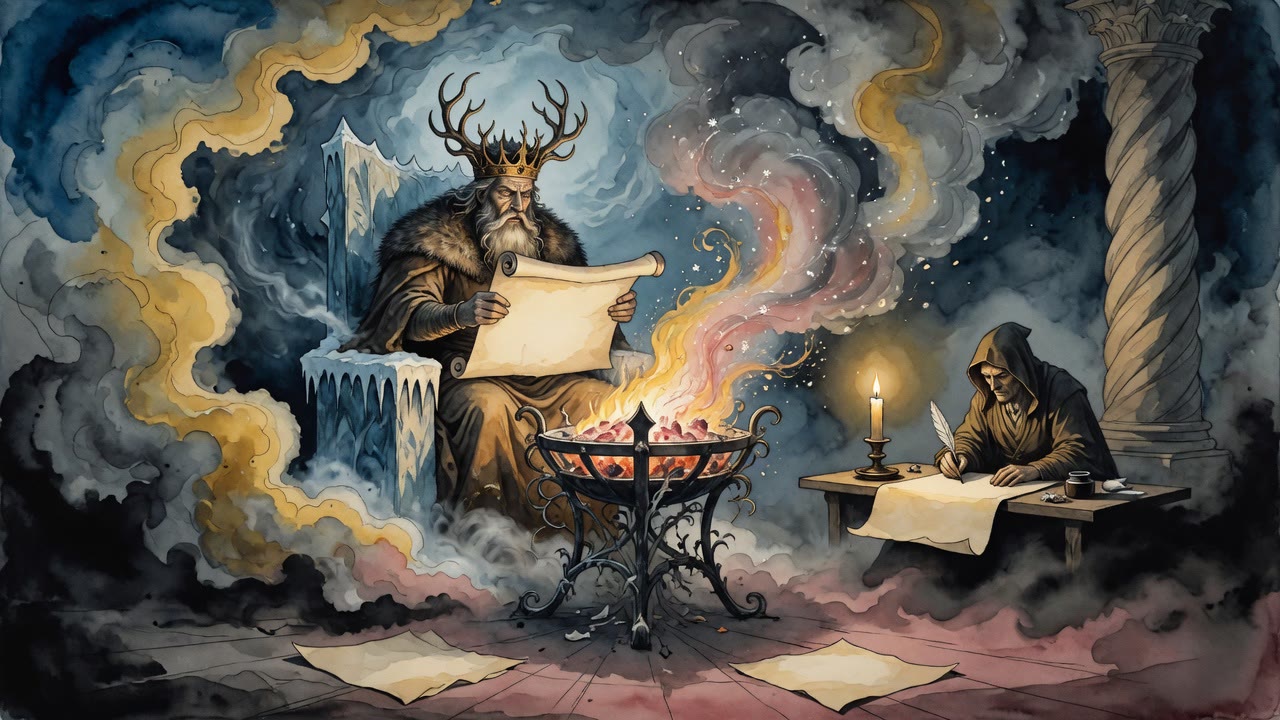
Jehoiakim sat in the winter house and fed Jeremiah's columns to the brazier. Three officials begged him to stop. No one in the room tore his clothes.
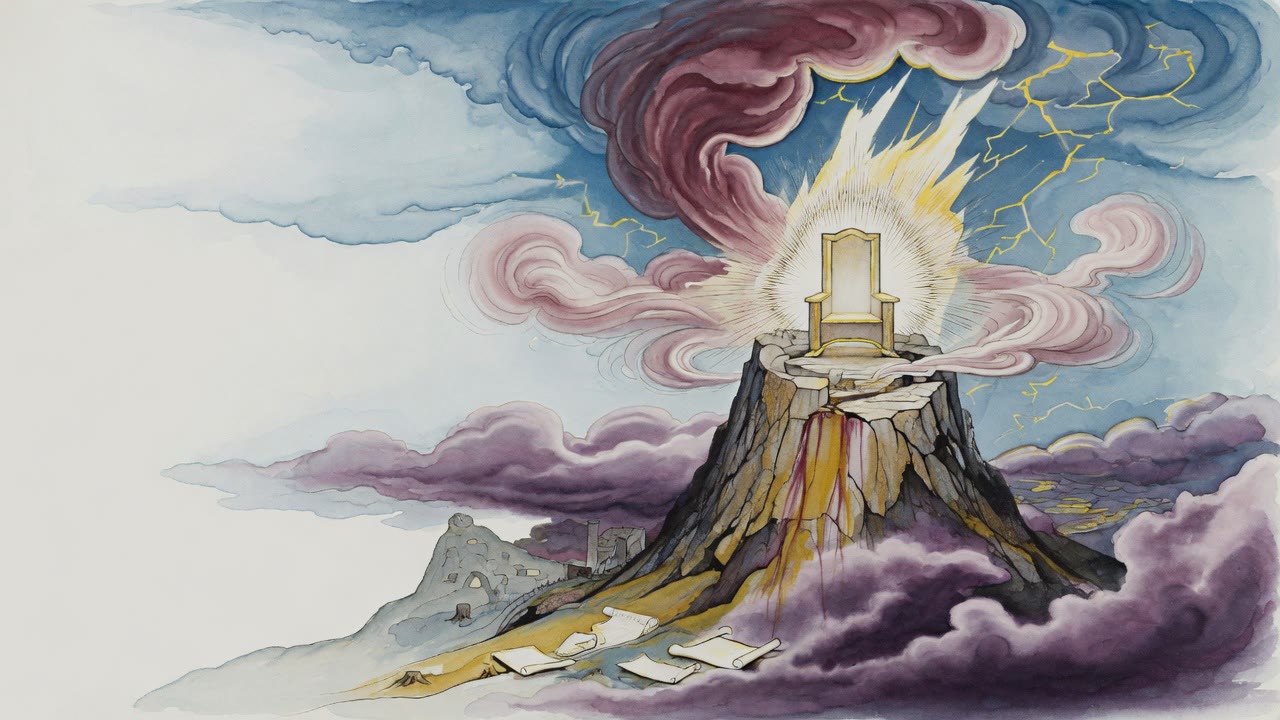
God can speak from anywhere. The rabbis believed he would end the story in one place only, and pinned the final act to a specific mountain.
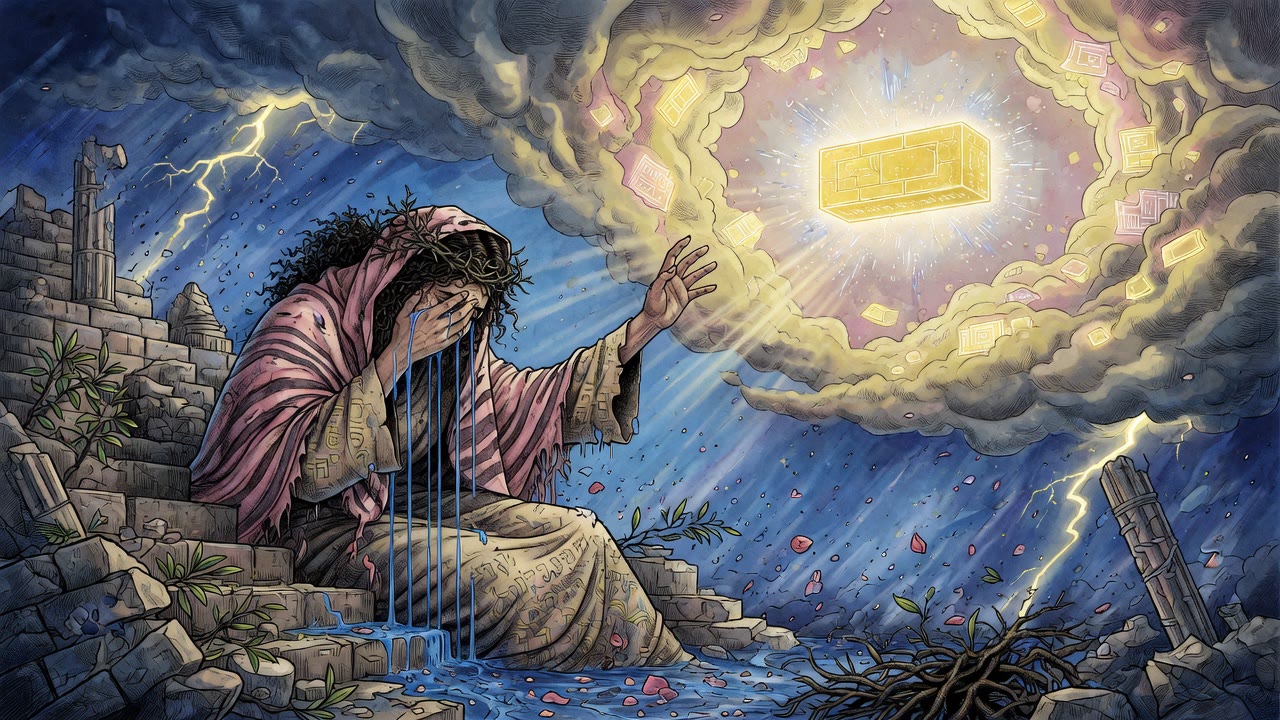
Jerusalem stood in her own rubble and counted every span of years that had ended for somebody else. Heaven answered by naming what it had kept.
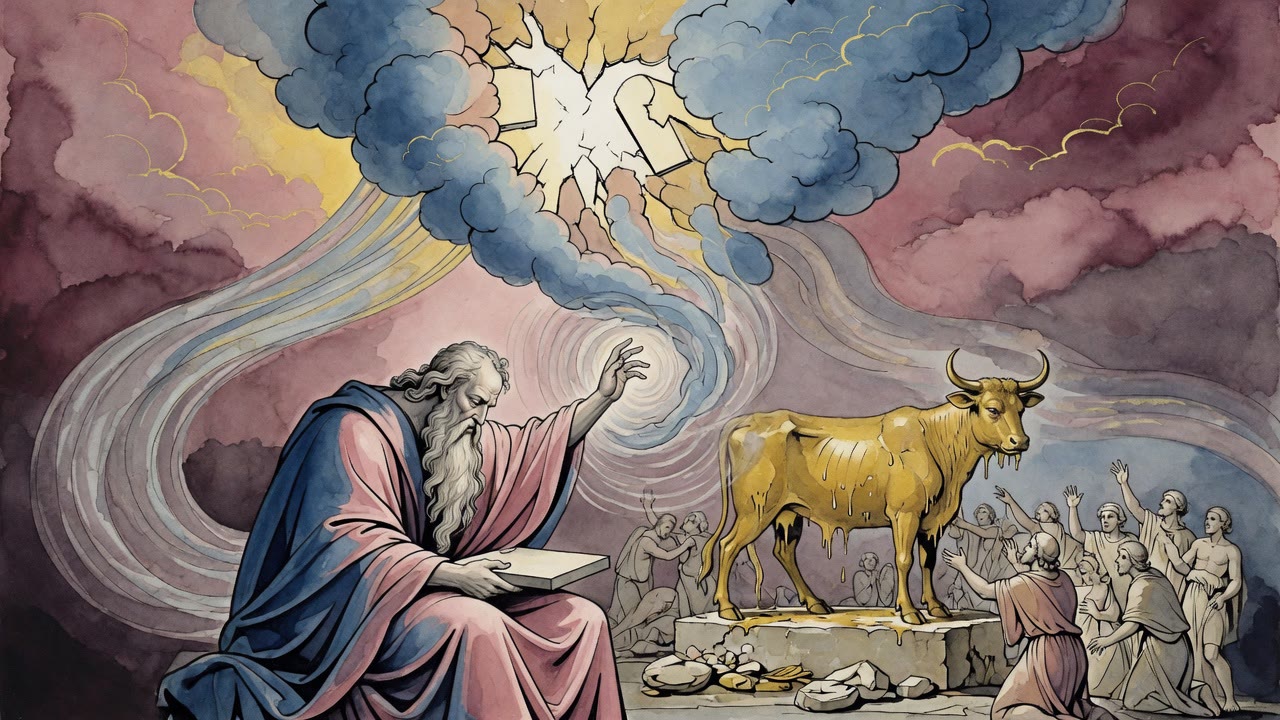
When Israel worshipped the calf, Moses wrapped himself in his cloak, sat as an elder, and dissolved the oath God had sworn to destroy them.
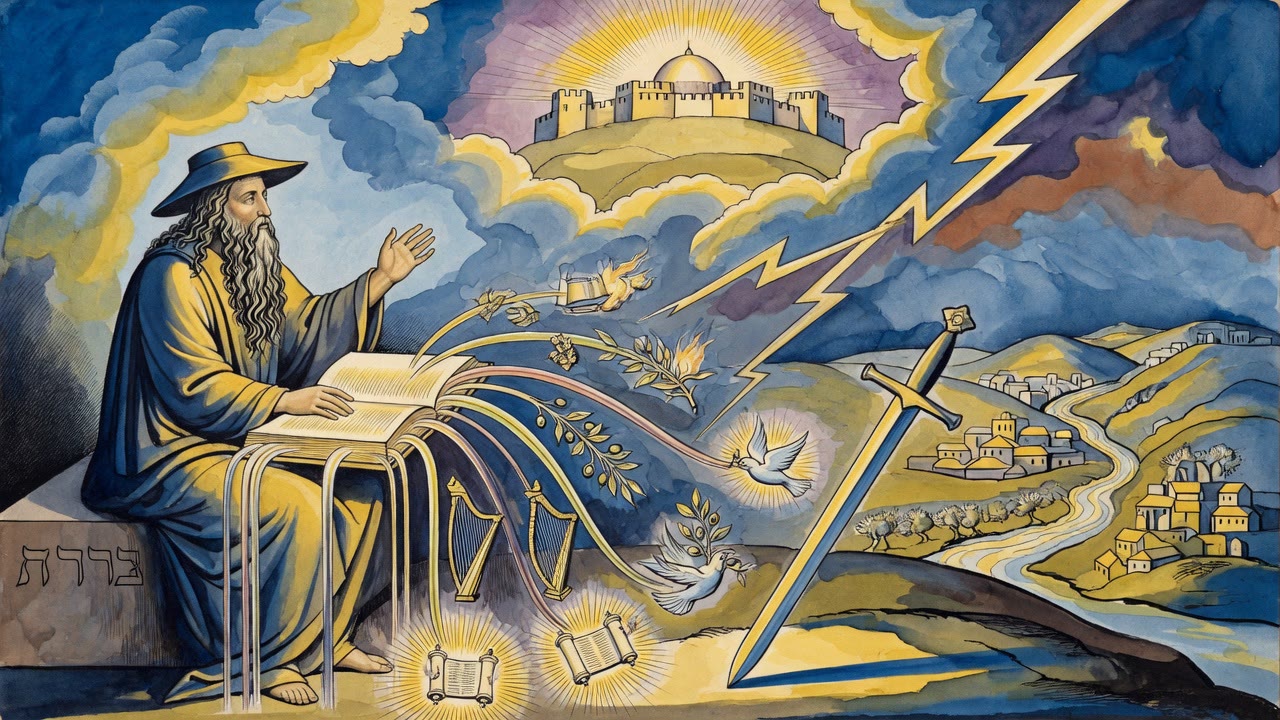
Two of Jeremiah's four questions came back through Moses. The other two stayed open until Zion carried them to the Throne herself.
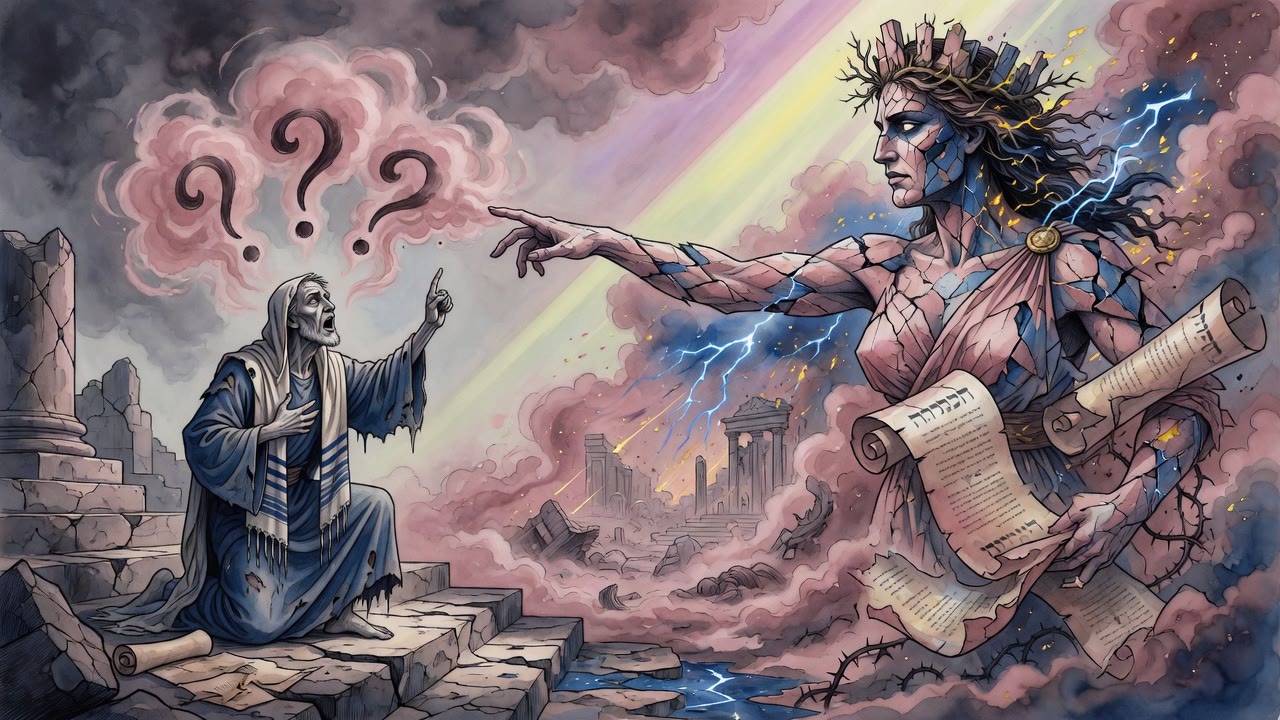
Heaven sent a book with a sword twisted through it. No hand could take the words without feeling the blade. Rabbi Levi still counted seven gifts leaving Zion.
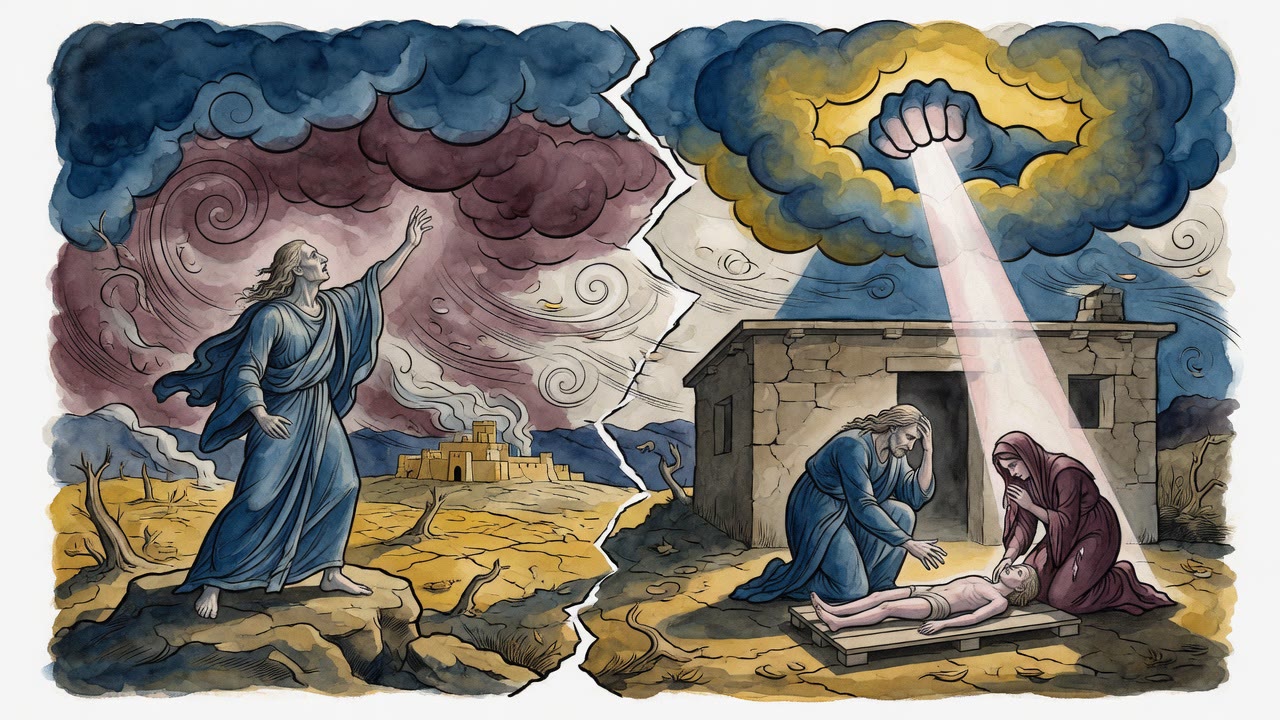
Ahab hunted the prophet through dry ravines. Elijah would not return while the king still stood unbent. Heaven answered with soil.
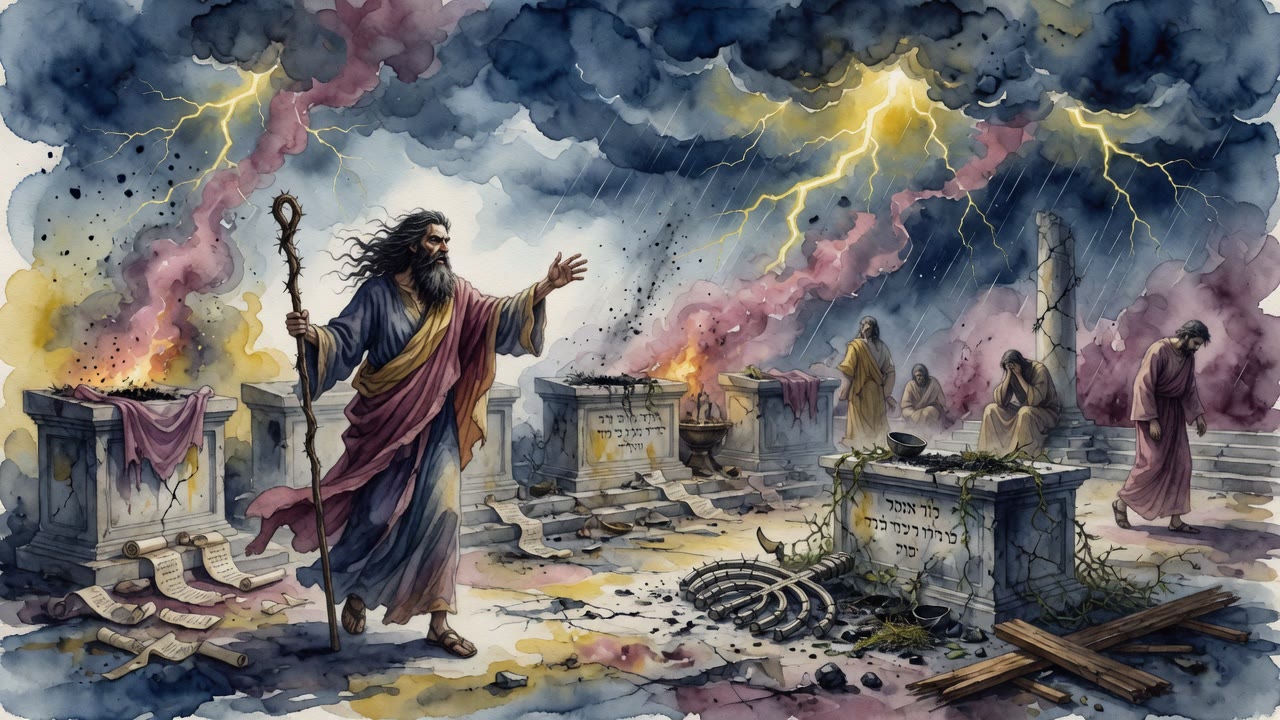
Every prophet went to comfort Zion after the destruction. Every one was turned away. Then the patriarchs tried. Then God came personally. Then Isaiah.
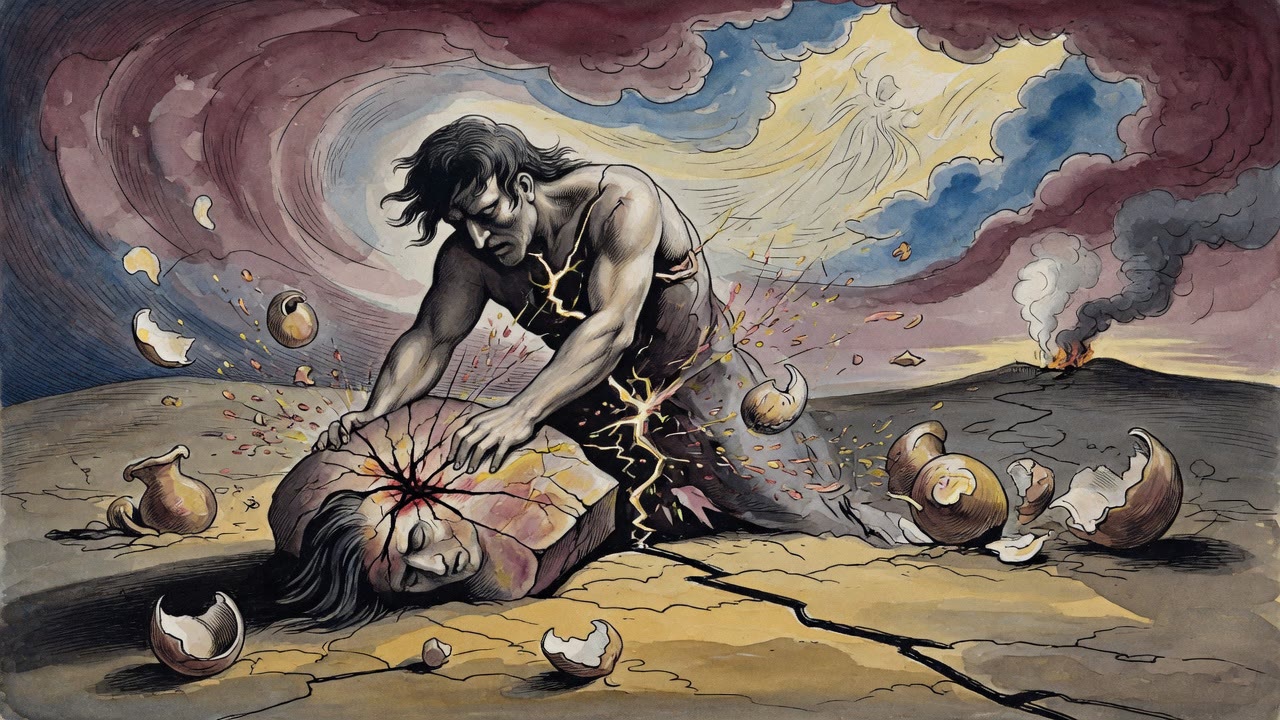
Before the Temple was built, a stone already held the abyss under Zion, engraved with the Name, and King David nearly lifted it and flooded the world.
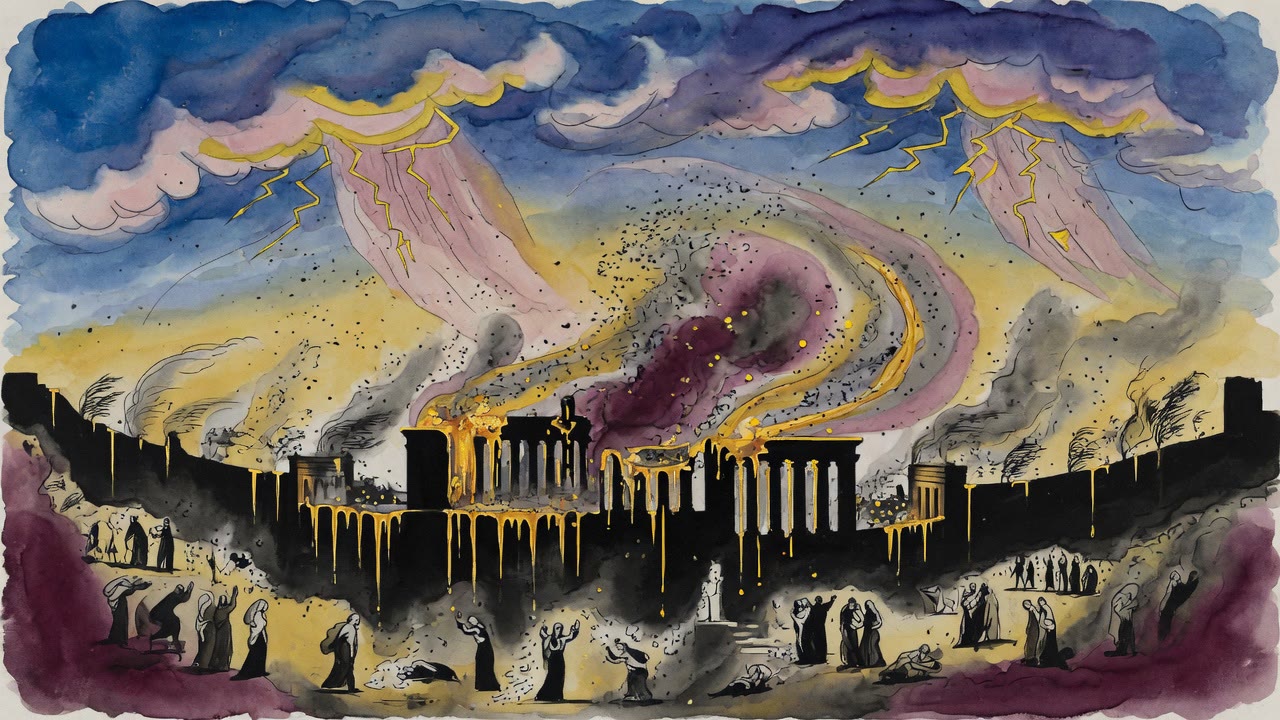
Three times a year the roads filled with dust and song. Then the feet stopped. Priests stood at empty gates with gifts no one came to take.
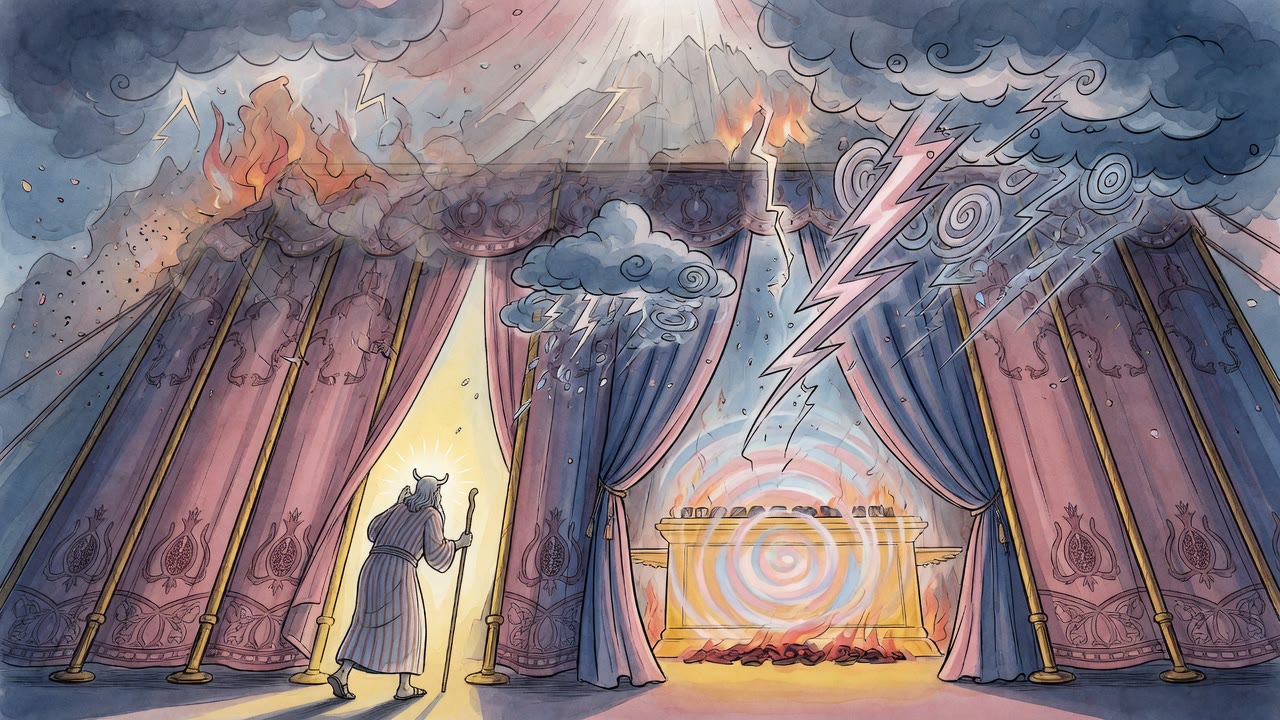
Moses enters the Mishkan and hears the divine voice pressed through holy space, from Sinai's thunder down to the Temple's last fire.
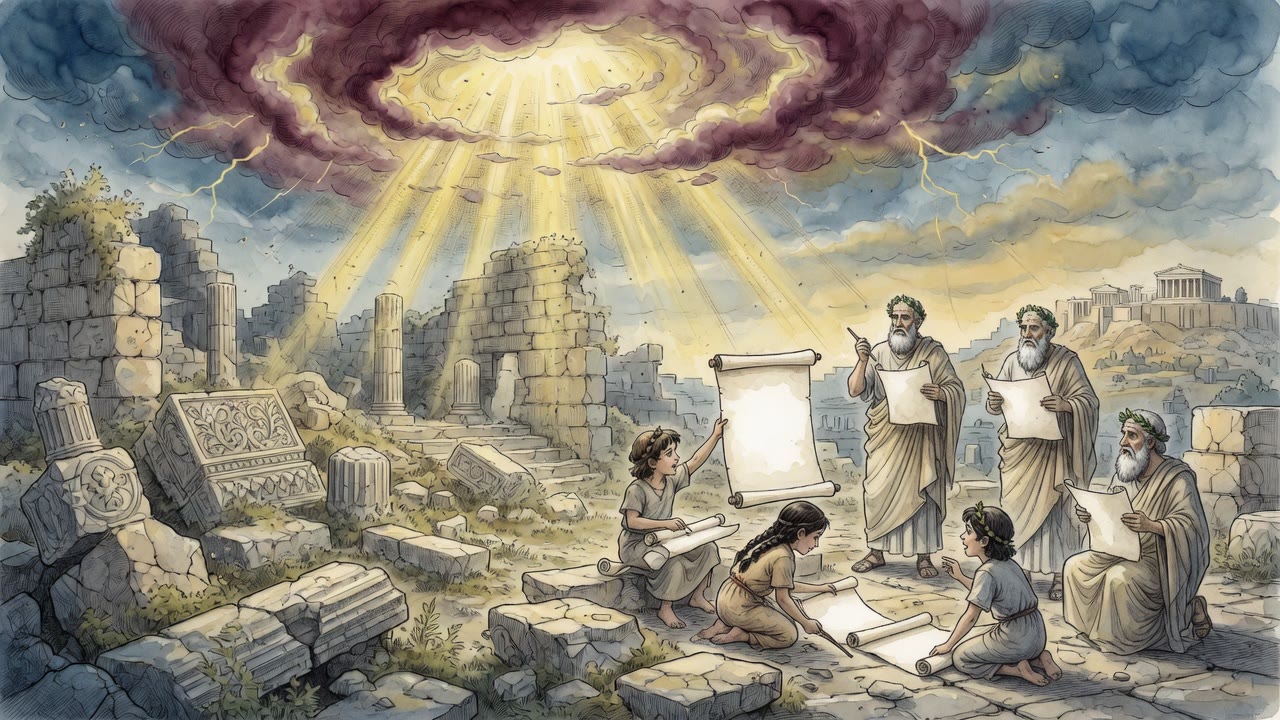
A woman in Rabban Gamliel's neighborhood wept every night for her dead child. He heard her each time and wept with her until his eyelashes fell out.
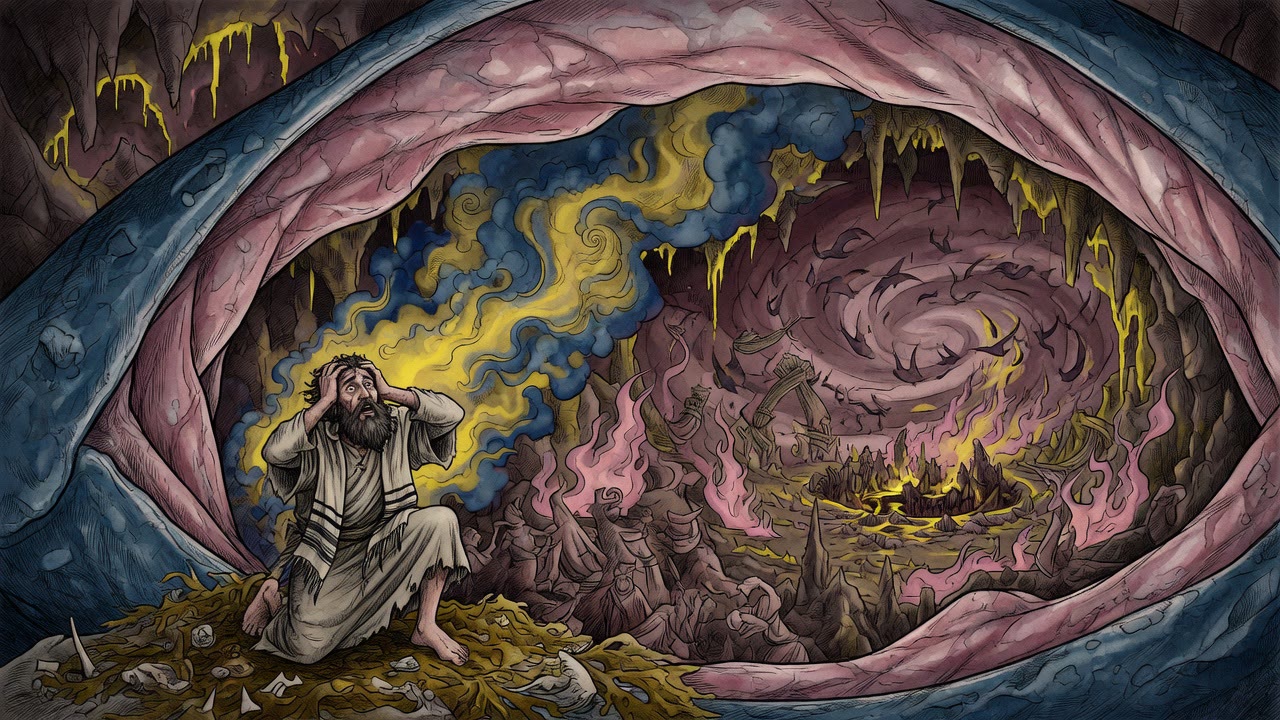
No fallen city could equal Jerusalem, so God sent no deputy into exile with Israel. Only the one who lit the fire could pay what was owed.
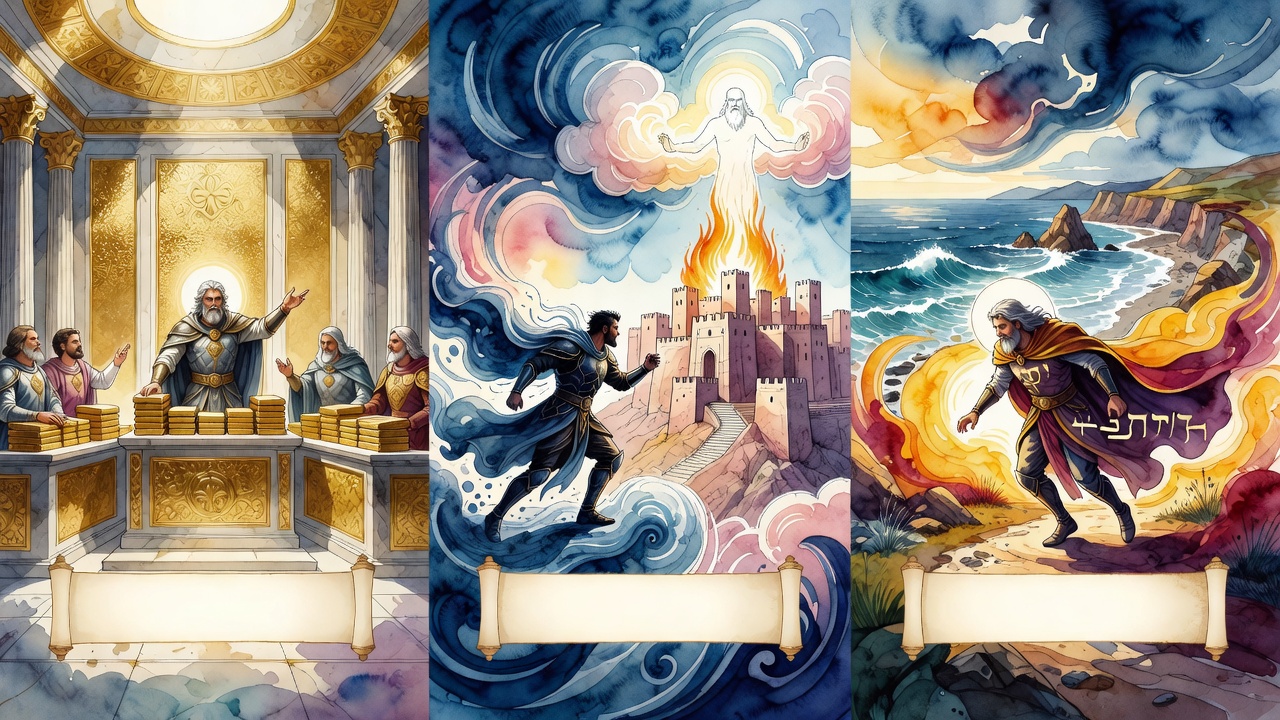
He let the silence stretch before he spoke. Gold at every collar. A people in Jerusalem who would not sacrifice to his gods.
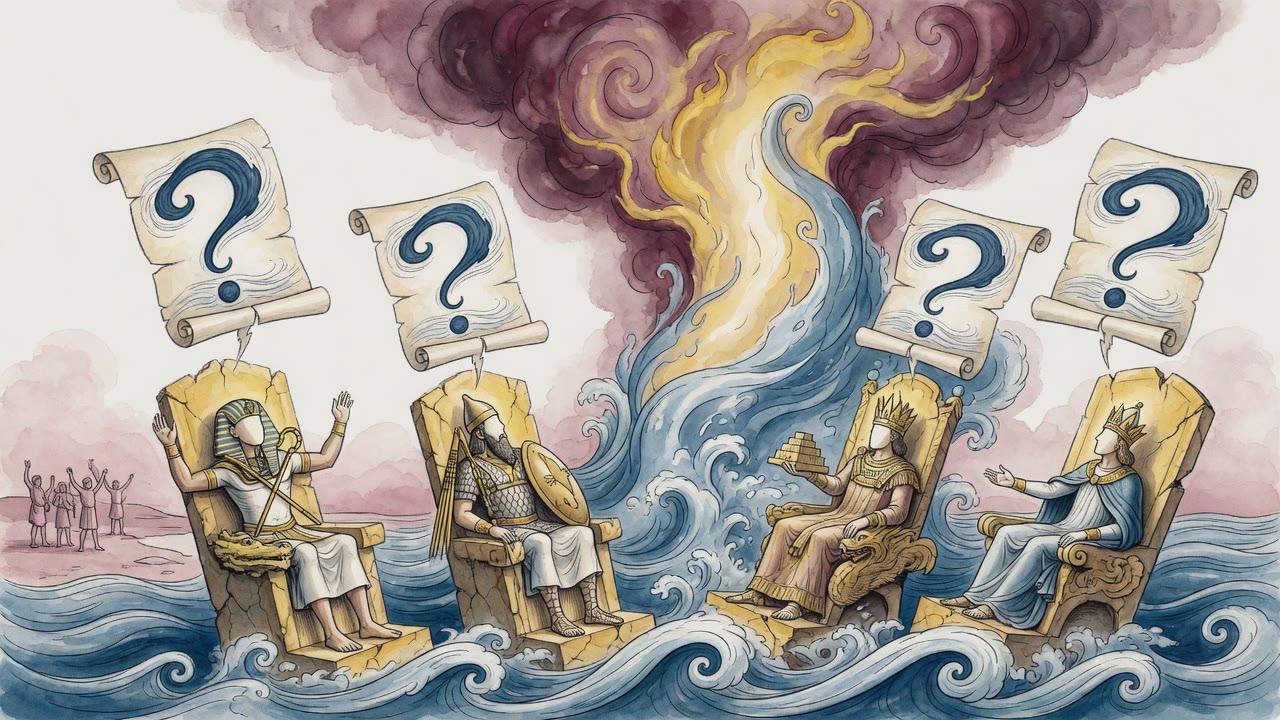
Jeremiah climbs the bloodied road and finds a woman weeping in black over empty cradles, and she is the burned land herself, the one God keeps His glory for.
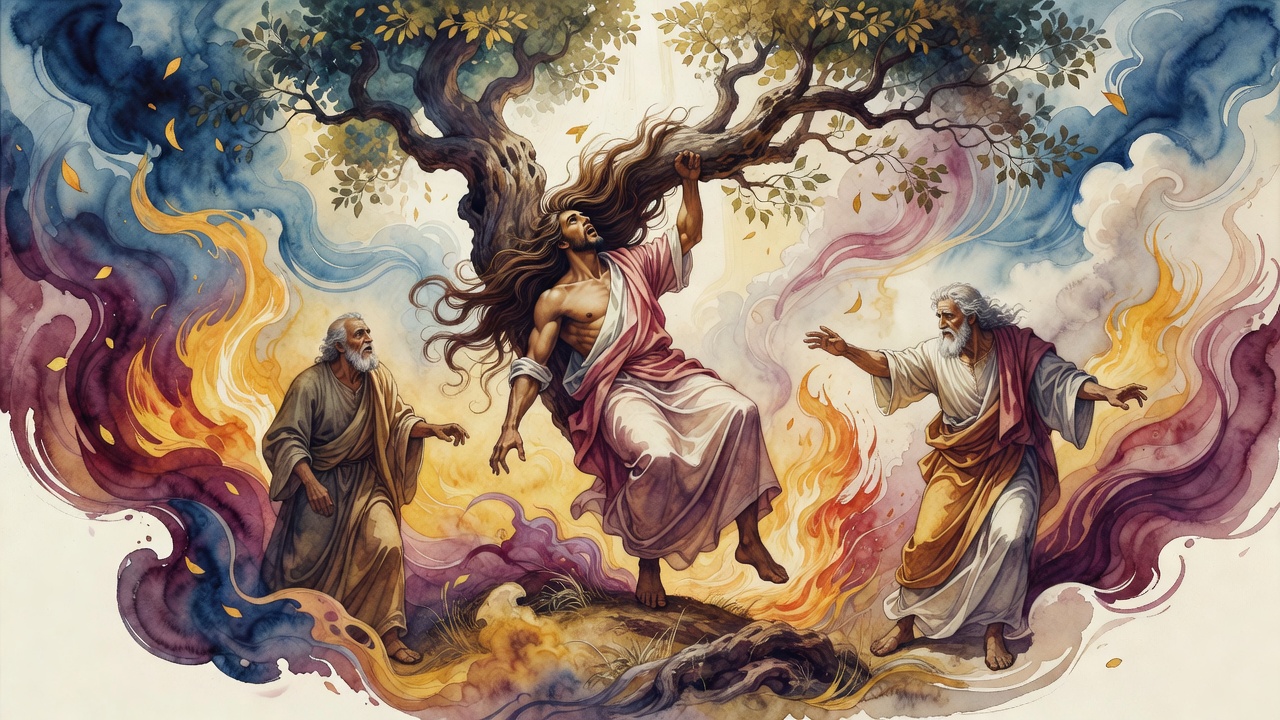
He made a ceremony of the shears. The mule ran out from under him. Joab found a prince who could not get his own head free.
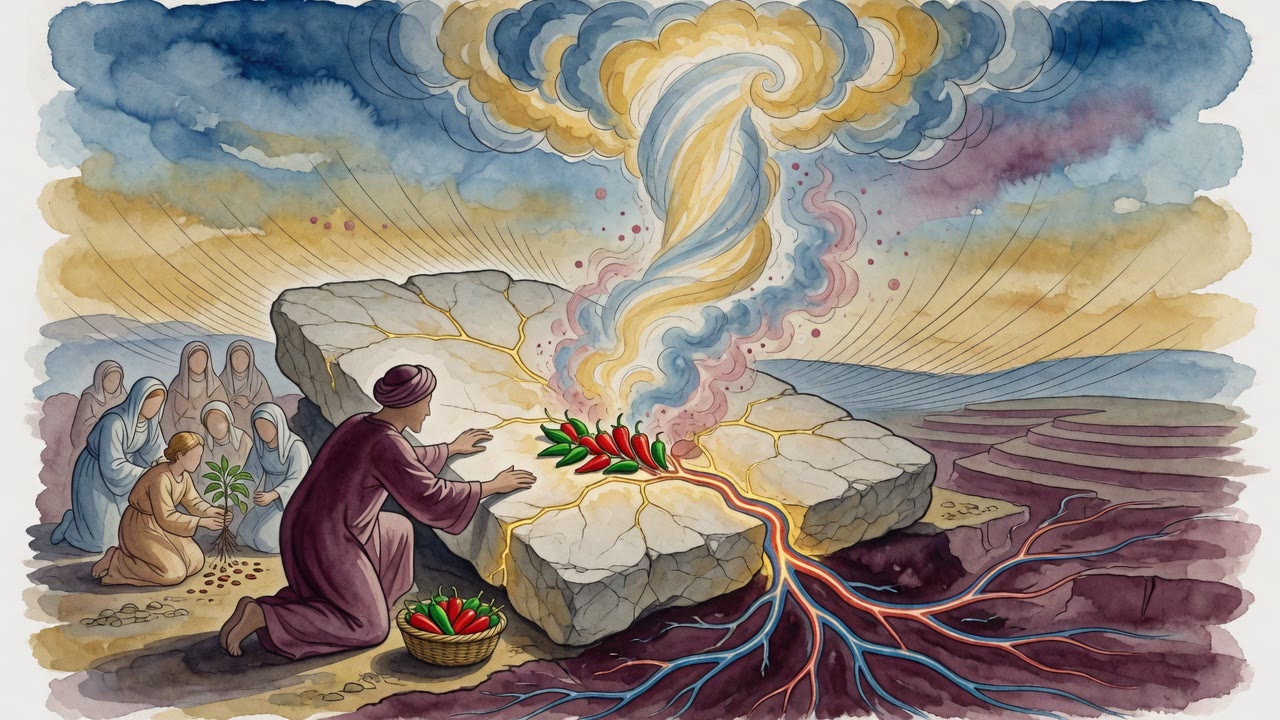
Hadrian stopped on the road to mock an old man planting fig saplings. Three years later the old man walked into camp with a basket.
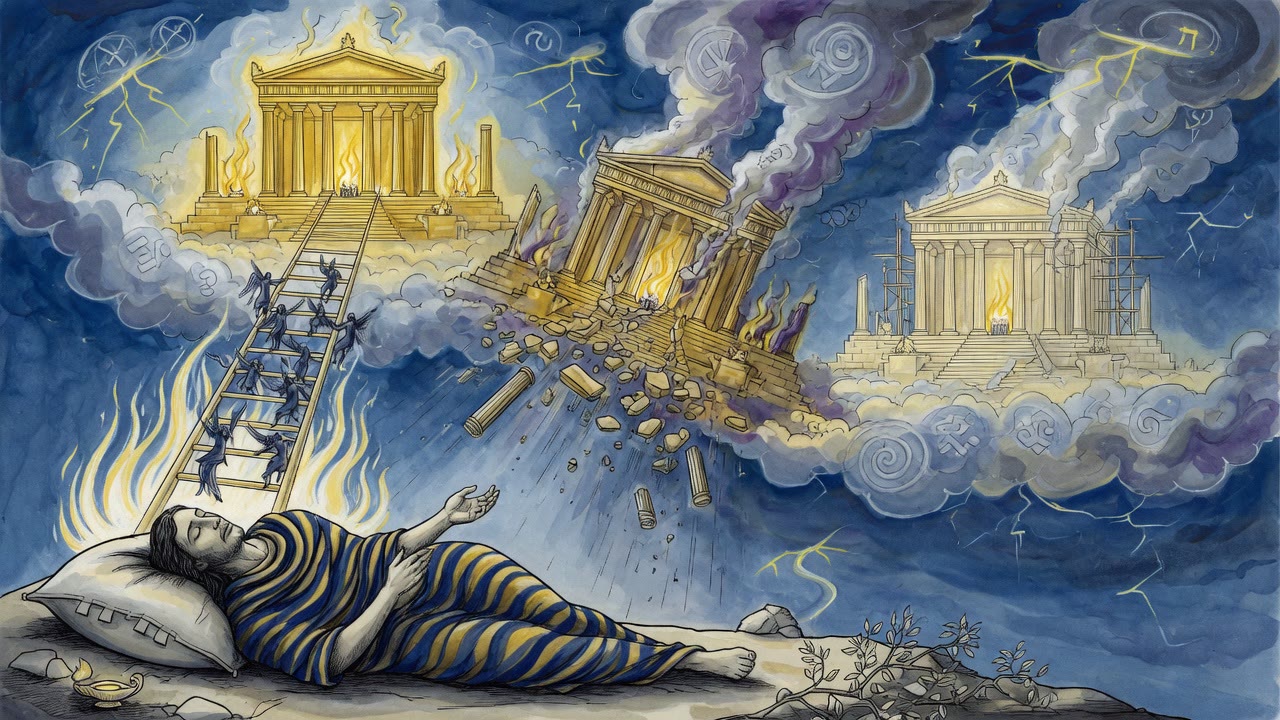
For a long stretch only God knew what would become of the House. Then He told a fugitive asleep on a rock, who woke at dawn and poured oil over the stone.
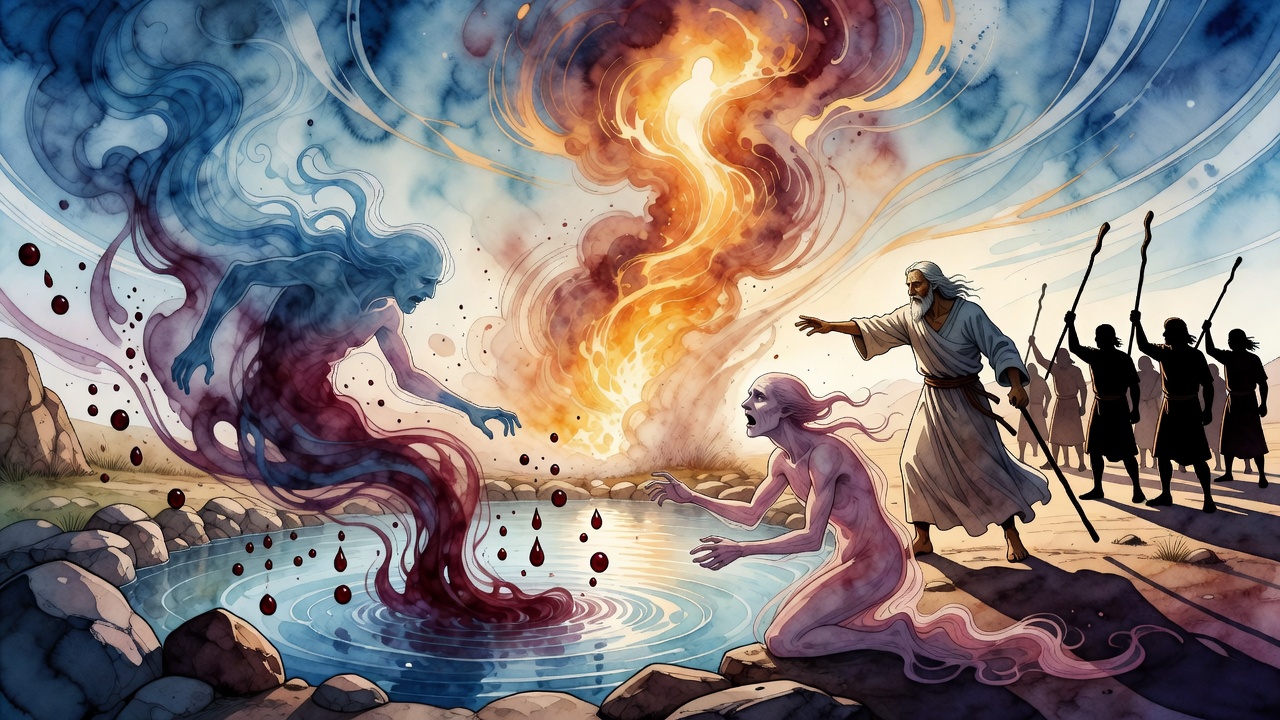
The spirit living in the spring had never hurt anyone. A stronger one came that wanted to, so the old one went looking for a rabbi.
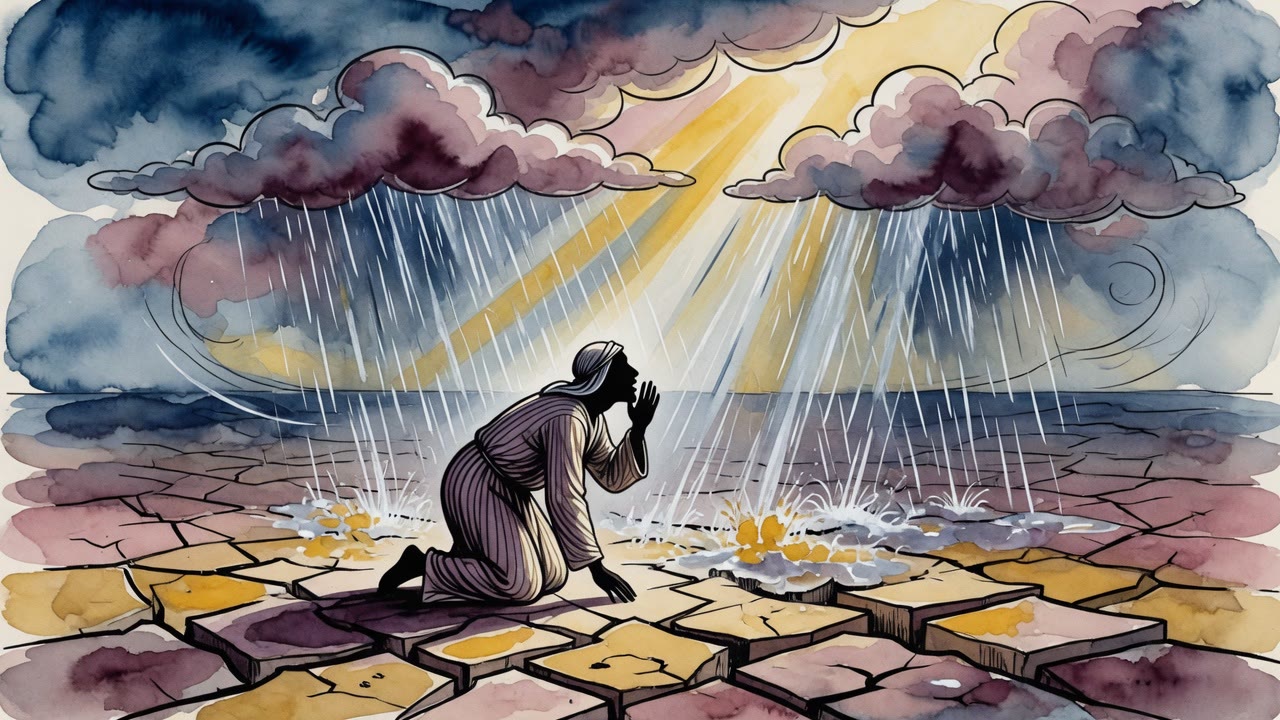
He asked his friends for water and silence, and they gave him theories. Then the first drop hit his wrist and left a clean spot in the dust.
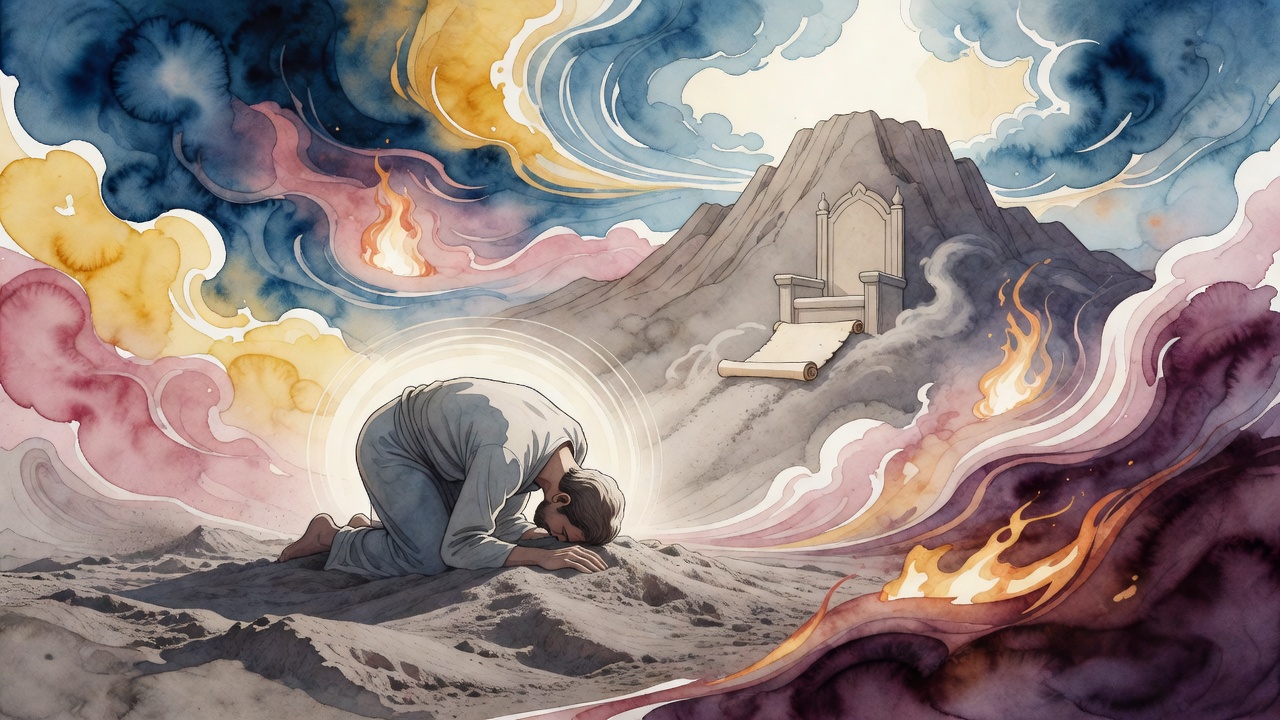
Rabbi Berechiah said that if God's kingdom is late, wait for it in the dust. Do your deeds with kindness, the midrash promised, and redemption comes at once.
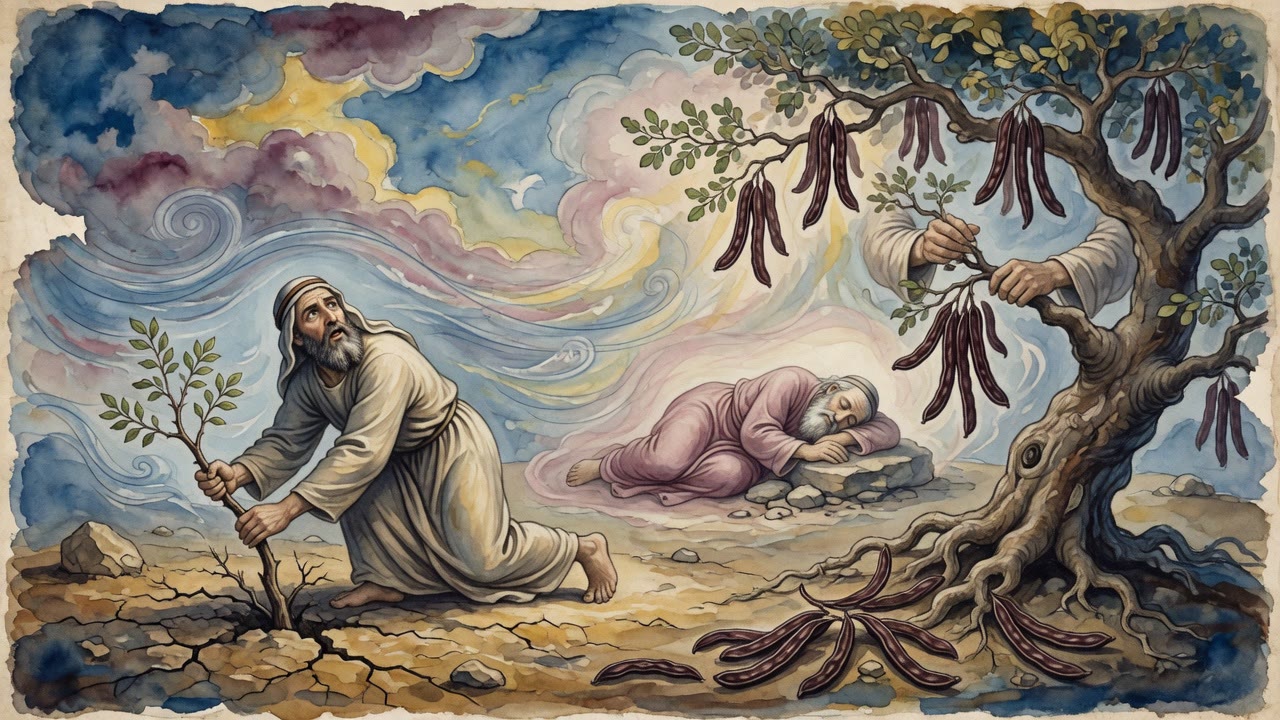
Sixty myriads cannot fit at the Tent door. God answers with stretched heavens, Sinai chariots, and a future Jerusalem that climbs to the Throne.
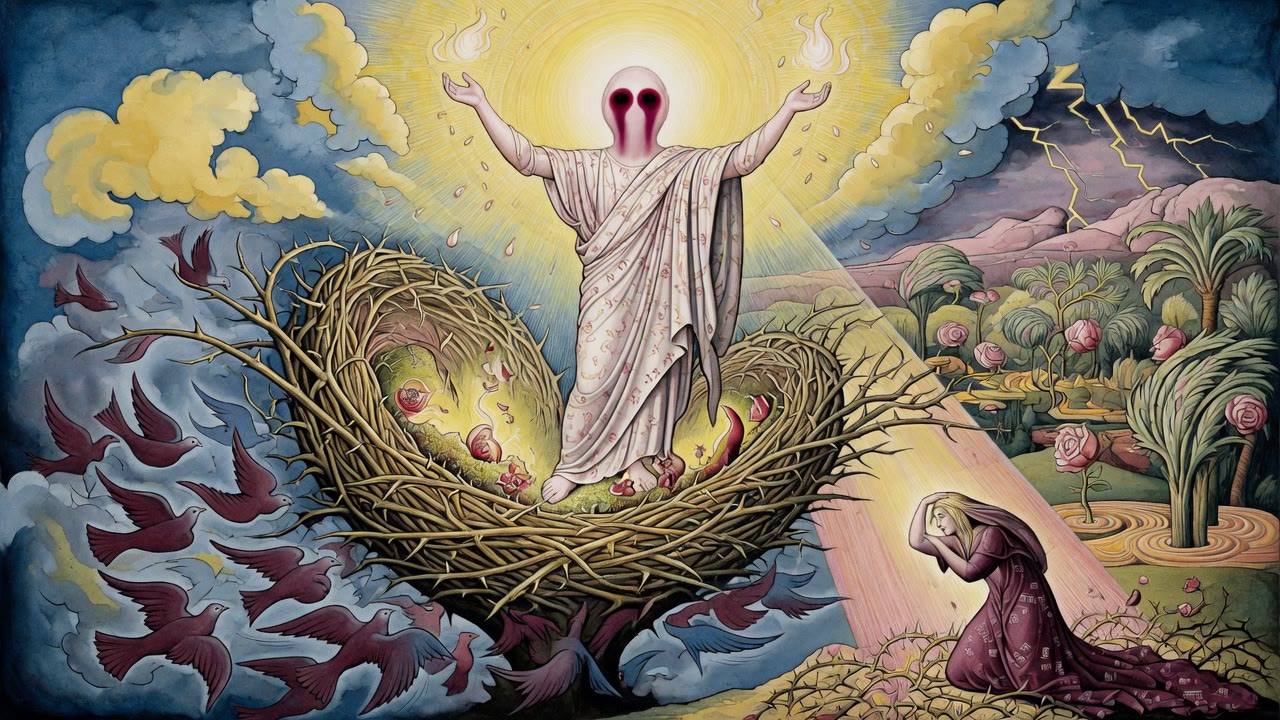
Each sixth day the Bird's Nest opens in Gan Eden (the Garden of Eden). The Messiah rises, eyes pure as wine, and Zion is redeemed before her trembling arrives.
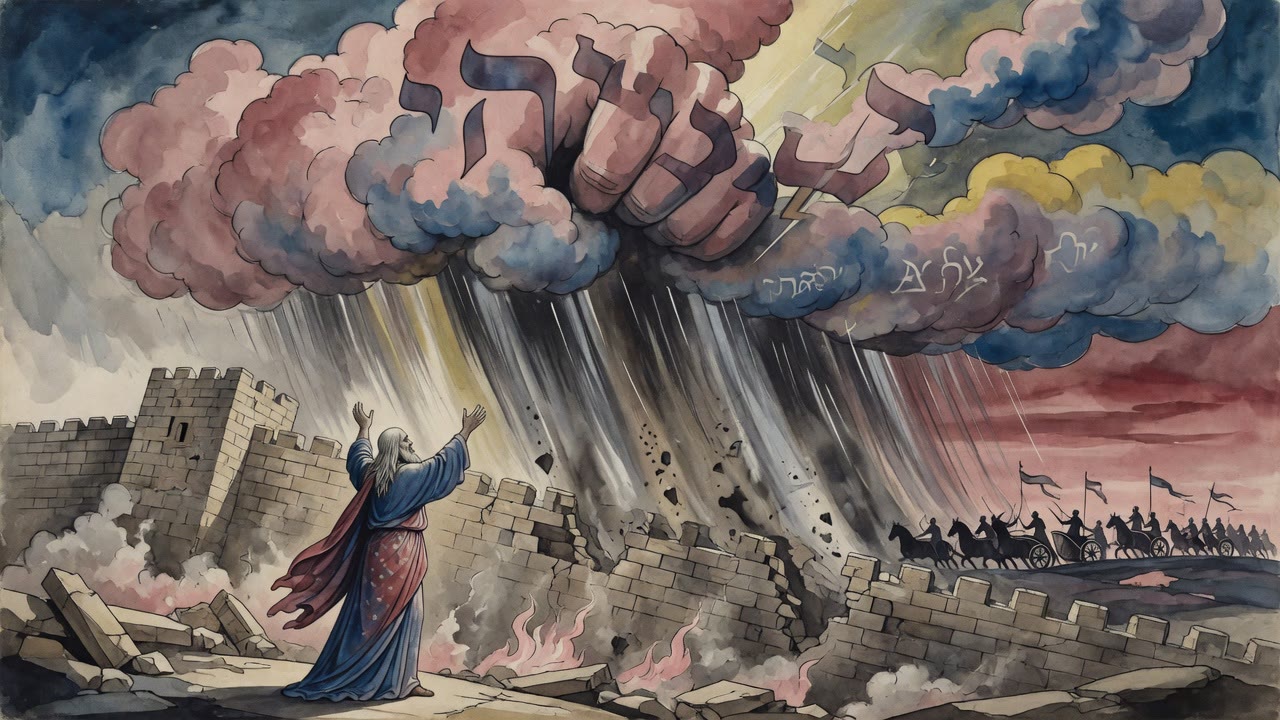
A thing with one eye in its chest walked the noon shade between Tamuz and Av. Schoolteachers were told to put down their straps for four hours.
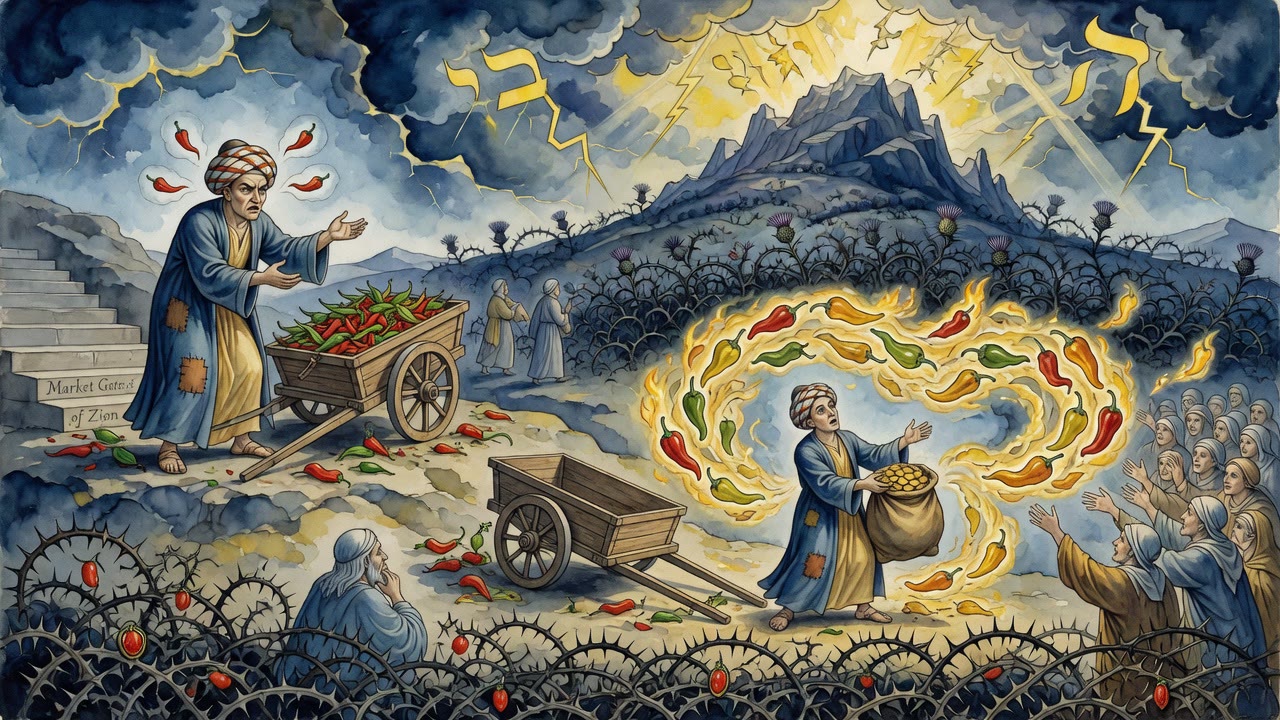
He carried his peppers up into the Land of Israel and sat in the market with nothing selling. An hour later his hands were empty and his purse was not.
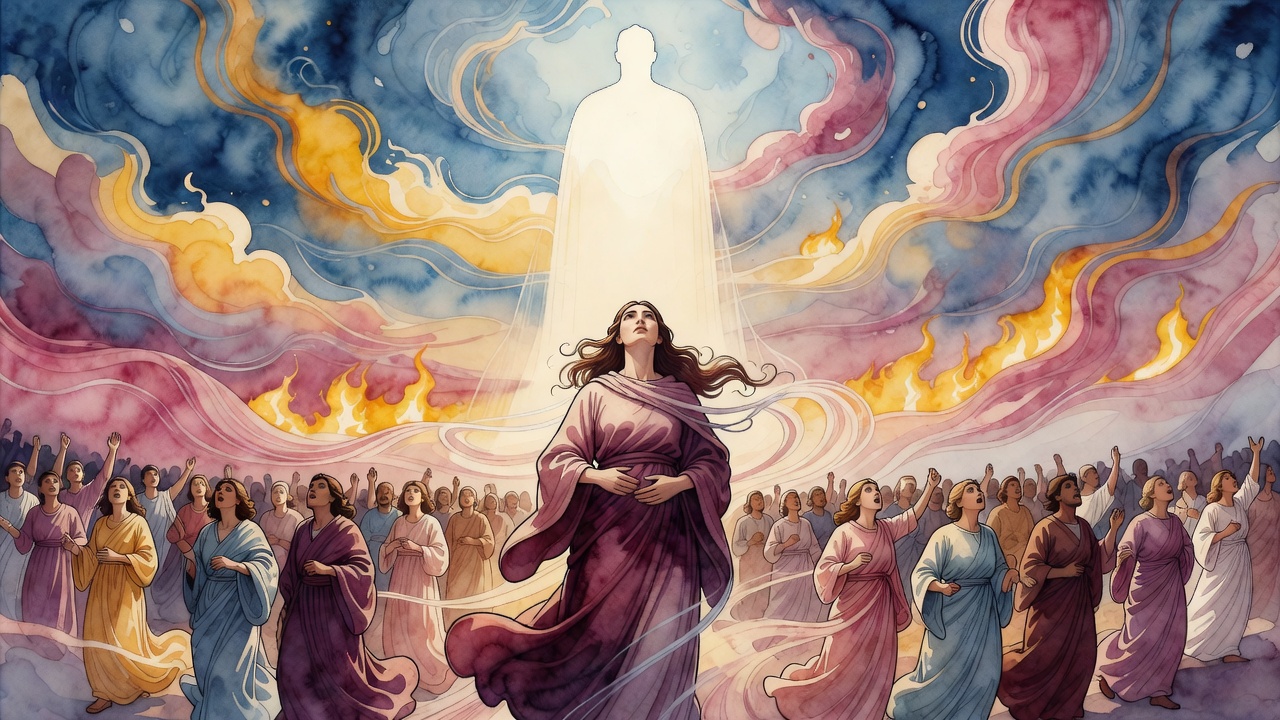
Eli watched a woman mouthing words at Shiloh and took her for a drunk. Hannah left the sanctuary lighter, and bore five more children after Samuel.
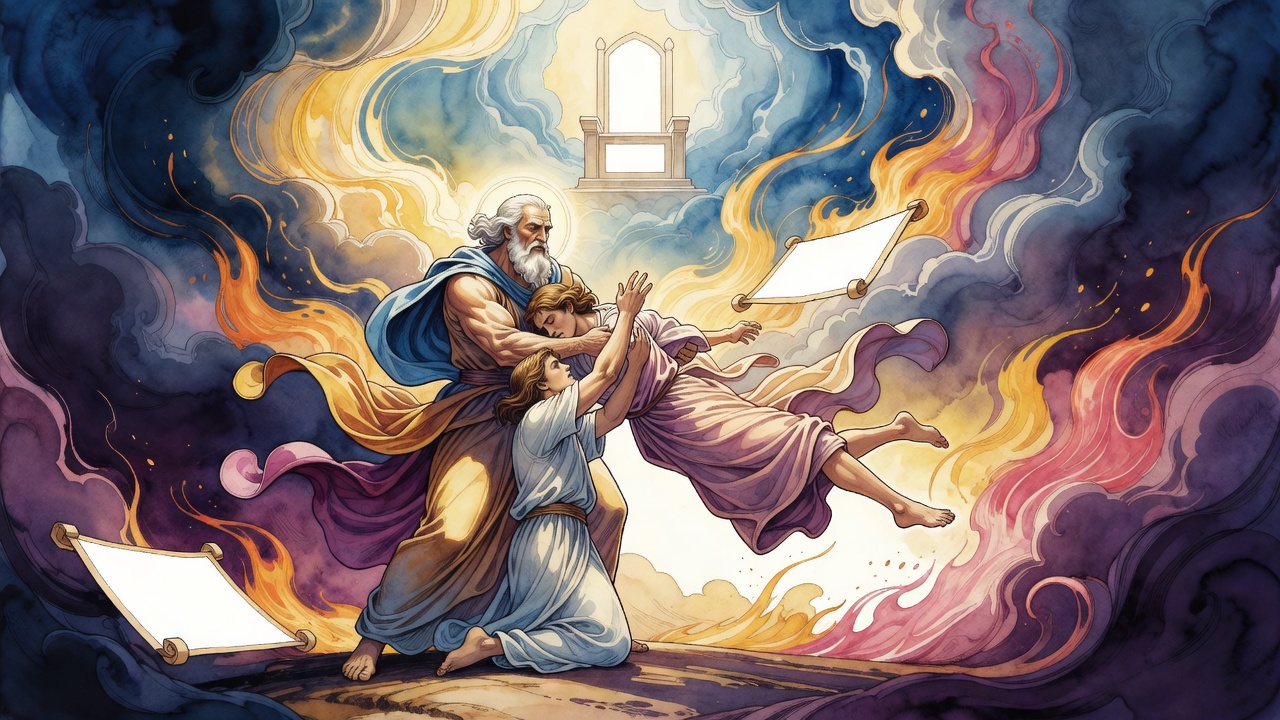
The boy would not stop weeping, so the king lifted him higher. One mess on the royal robe, and the child hit the floor.
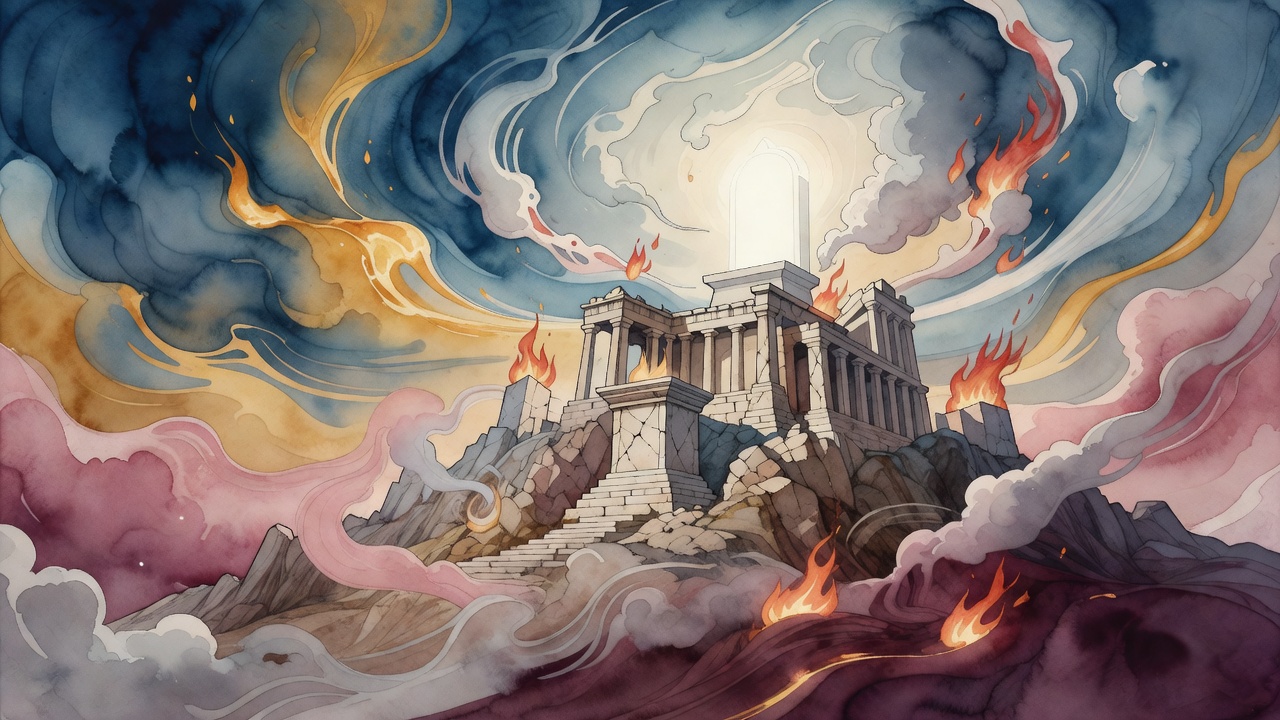
On the first of Nisan the boards finally stood. God said the world had been made again, because a room was ready to hold Him.
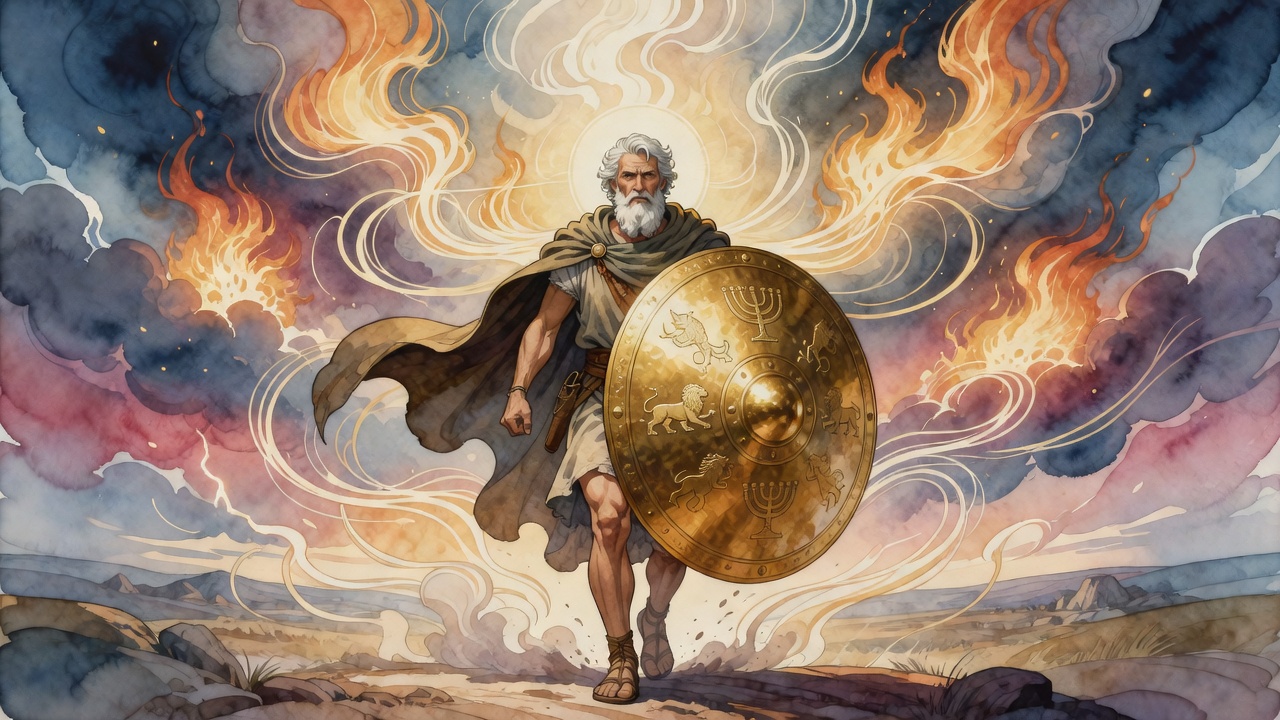
Simon the Maccabee sent Numenius to Rome with a gold shield of a thousand pounds while Judea asked how to thank its saviors.
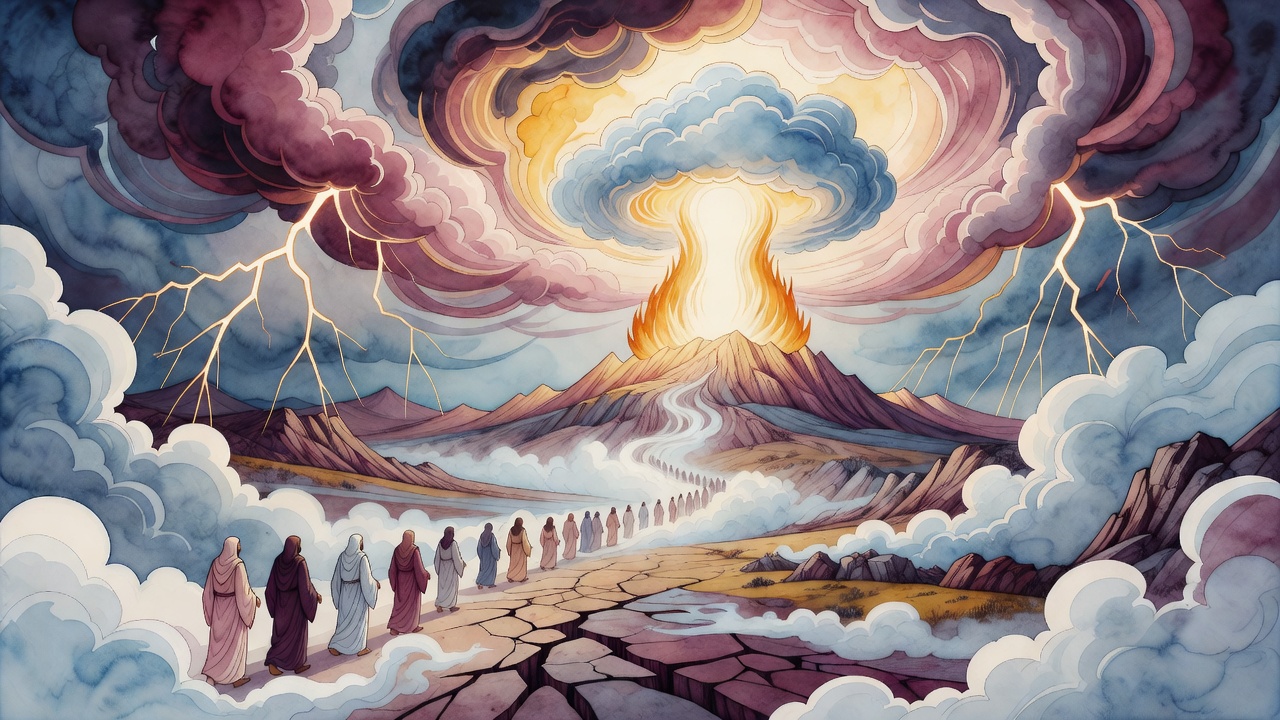
Thunder, quake, and cloud will answer again in Jerusalem. From the sea they were led in mercy toward the mountain of the holy Shekhinah, the Divine Presence.
