The Roads Mourned When Zion's Pilgrims Stopped Coming
Three times a year the roads filled with dust and song. Then the feet stopped. Priests stood at empty gates with gifts no one came to take.
Table of Contents
 Click for full size
Empty Roads on a Festival Morning
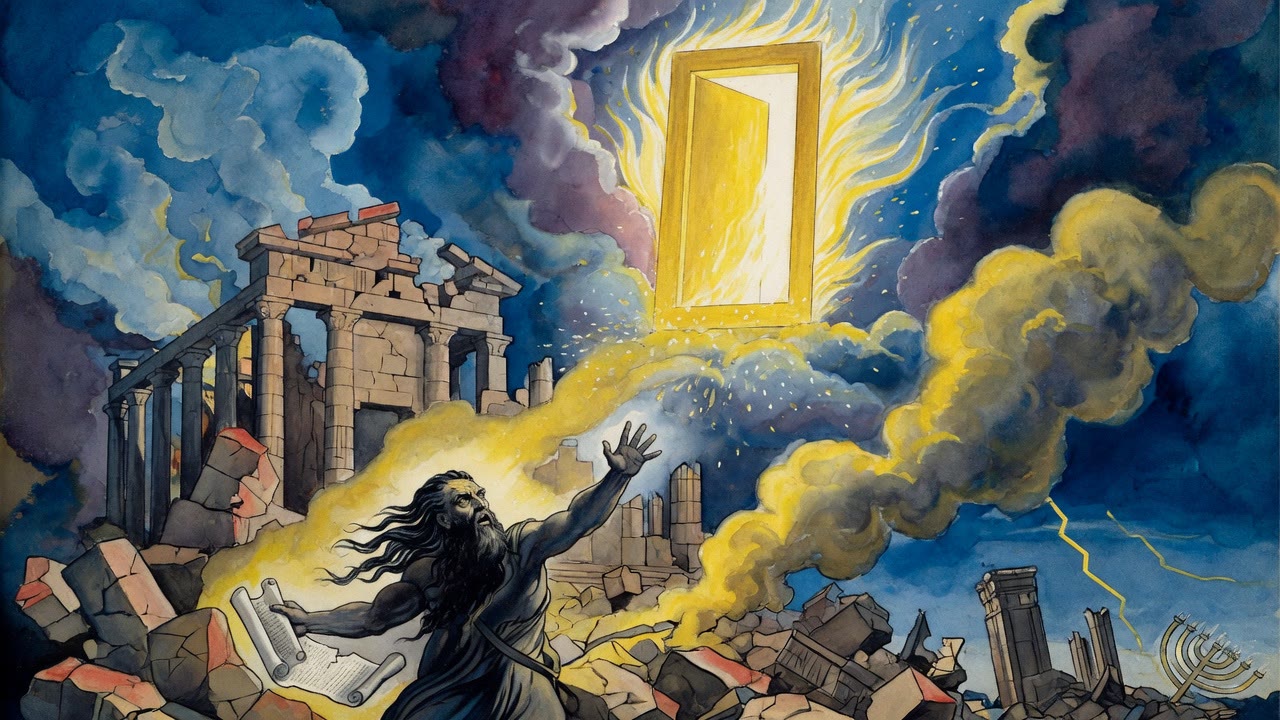
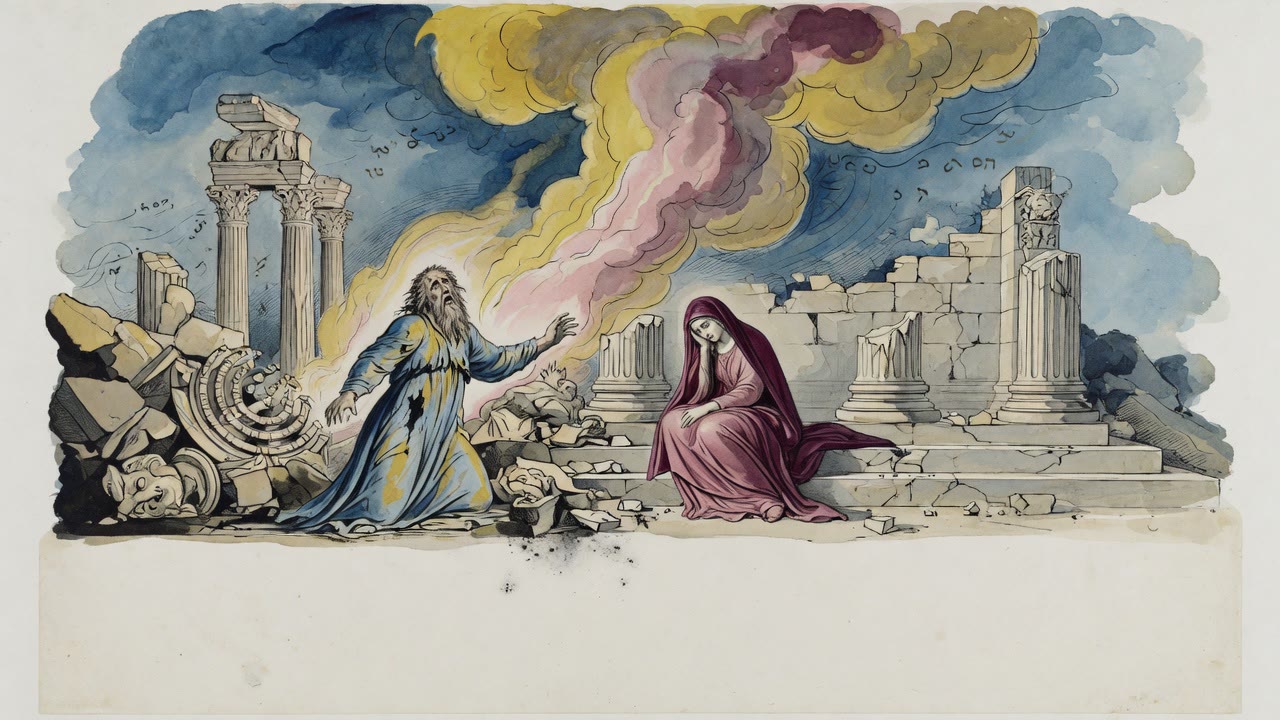
Jeremiah stood at a gate of Zion on a morning that should have been full. Three times a year the roads had been beaten smooth by families climbing with offerings and songs, sandals striking stone, dust rising in a cloud you could smell before you saw it. This morning the stone was clean. No dust. No song.
The ways of Zion are in mourning, without festival pilgrims (Lamentations 1:4). The sentence sat on the road like a body. The gates still stood. The priests still breathed. The maidens of Zion still had throats. None of it was being used for what it was built to do.
A priest came to the gate with the foreleg, the jaw, and the maw in his hands, the gifts a pilgrim was supposed to give (Deuteronomy 18:3). He waited. No one entered. No one left. He did not lower the meat. He stood there holding it until his arms shook, then he turned back into a city that could take nothing from him.
The roads wanted feet. They had been made for pilgrims. A trained dog will climb a crag to find its mate, even a crag it was never taught to climb. The roads had that same hunger, and no one came to feed it.
Cedars in a Foreign Palace
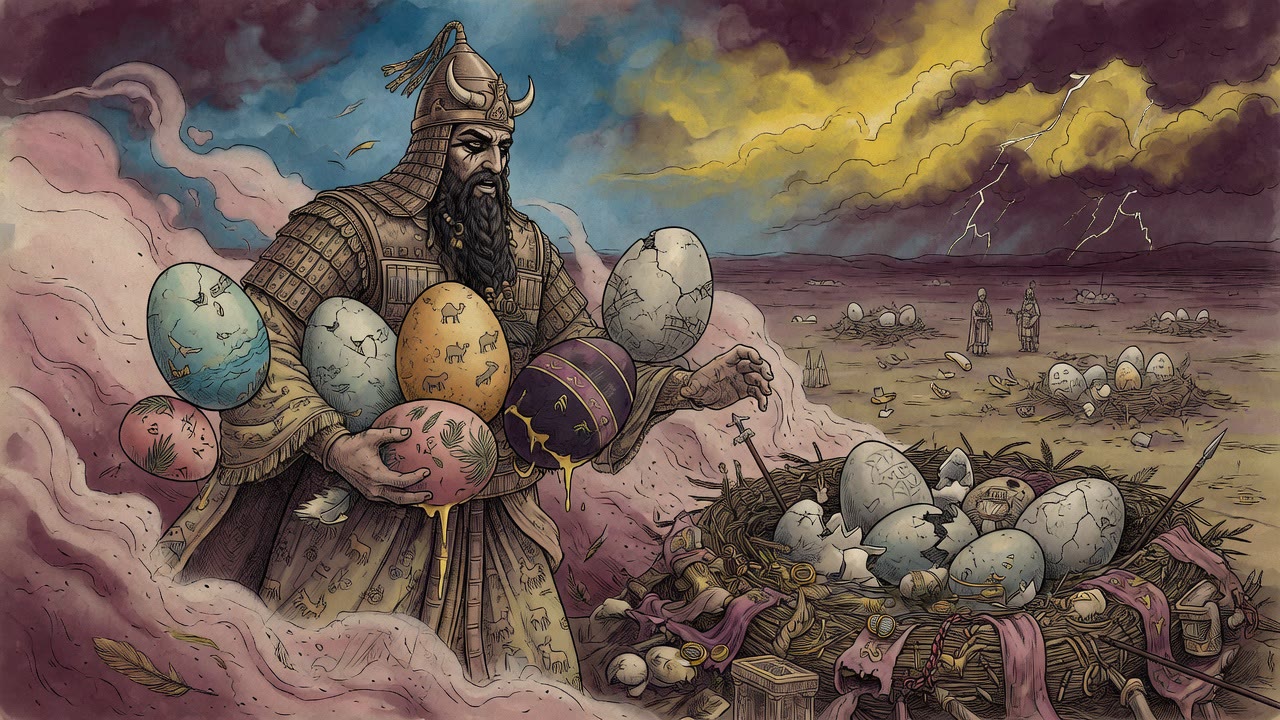
When Nebuchadnezzar sent his armies into the Land in the sixth century BCE, his men did not take only people. They took trees. They uprooted the great cedars and hauled them east, roots wrapped, trunks groaning on wagons, and they replanted them in Babylon, where no cedar had grown.
The wood that had held up the House of God, that had been soaked with incense and sacrifice and the presence that filled the Temple, now stood in the courtyards of the king who had burned that House. The cedars did not forget the mountain. They stood in the wrong soil and waited.
Isaiah had already heard what the trees would do when that king finally fell. Cypresses, too, rejoice over you, the cedars of Lebanon, since you have been laid down, the woodcutter does not come against us (Isaiah 14:8). The cedars had been suffering in Babylon all along. Waiting is what a tree does when it is taken from its mountain.
When the king died, the axes went quiet. The cedars stopped weeping. In a palace garden in a city that had stolen them, the trees did the only thing left to them. They stood. And for the first time since the wagons, they were not afraid of the next blade.
Gold Under the Ash
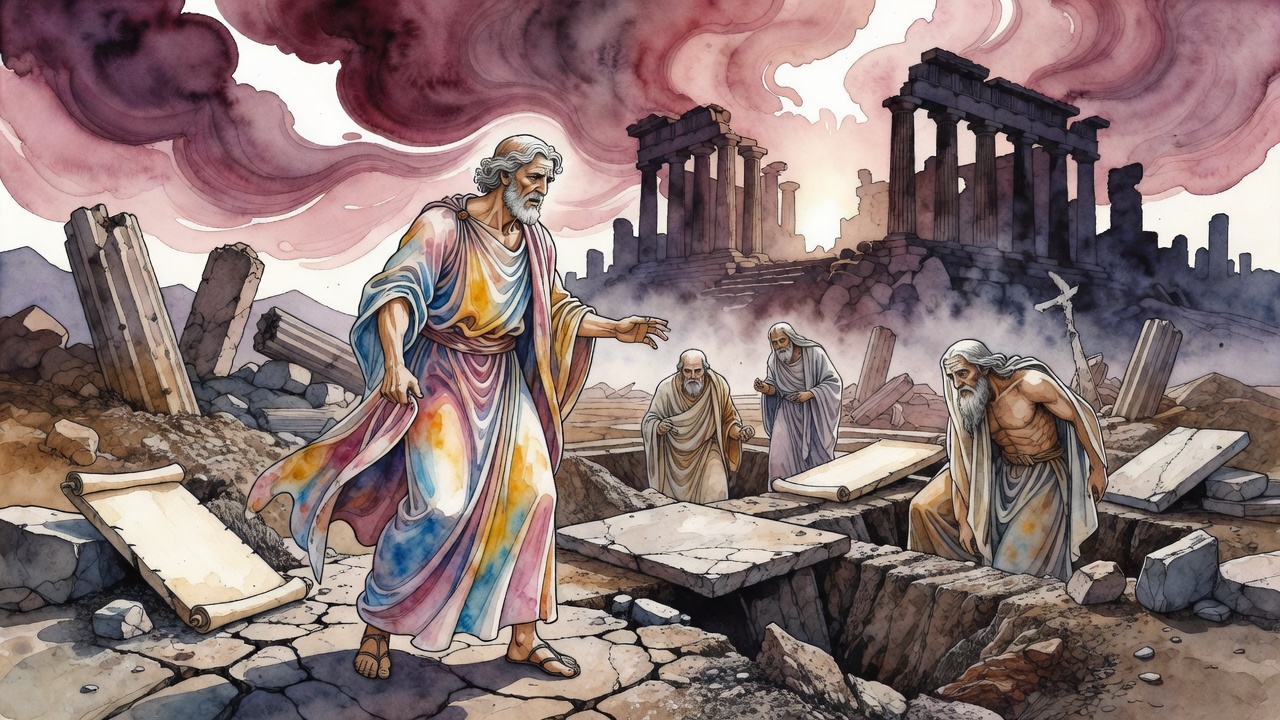
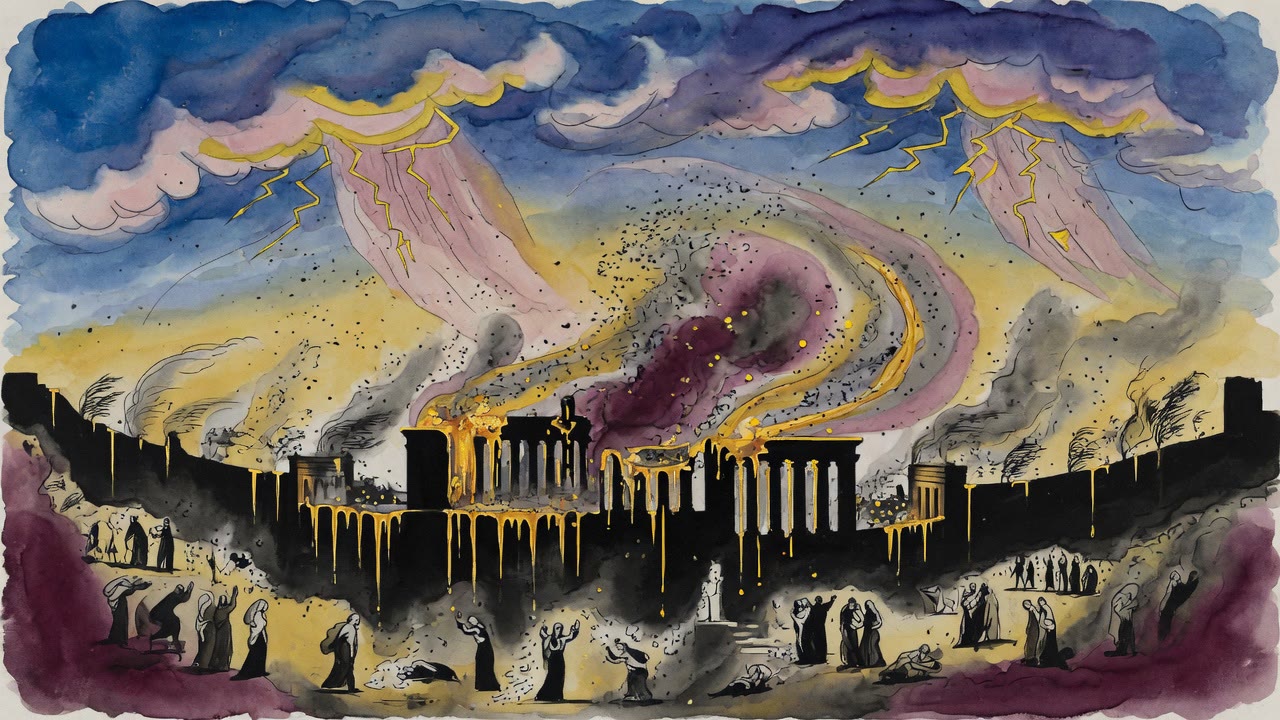
How has gold tarnished, the fine gold changed? The sacred stones are spilled at the head of every street (Lamentations 4:1). Temple gold lay in the dust of alleys it was never meant to touch. A man walking those streets after the fire could put his heel on a vessel and not know it was holy. Ash had done that. Grime had done that.
A survivor knelt in a lane and scraped a dark crust with his thumbnail. Under the black, the metal still held its color. The gold had not been destroyed. It had been covered. The grimy surface was not the truth of the thing. He put the vessel inside his robe and walked on, carrying a holiness that ash had hidden and had not eaten.
The Blood Jeremiah Buried
Before the city burned, the gold had walked on two legs. Josiah had been a golden ornament in the eyes of those who loved him, his body like a gem. Then an Egyptian arrow found him at Megiddo, and the fine gold changed.
Jeremiah came for what was left. Two quarter-log of blood. He took them and buried them. He did not preach over the hole. He set the king's blood in the tombs of the ancestors and covered it, because even a king's holiness can be spilled in a street if no one stoops to gather it.
The roads still wanted pilgrims after that. The cedars still wanted Lebanon. The gold still wanted light. None of them got what they wanted in the year the Temple fell. What they got was a prophet on his knees in a lane, burying blood, and a priest at a gate with meat in his hands and no one to take it.
A road only mourns when it knew what it was to be full. A cedar only weeps in exile when it remembers the mountain. Tarnished gold still holds its color under the tarnish. The covering was real. The thing under the covering was real too. Jeremiah stood up from the grave he had dug for a king's blood and walked an empty festival road home, and the road did not forgive him for being only one pair of feet.
← All myths