367 texts · Page 1 of 8
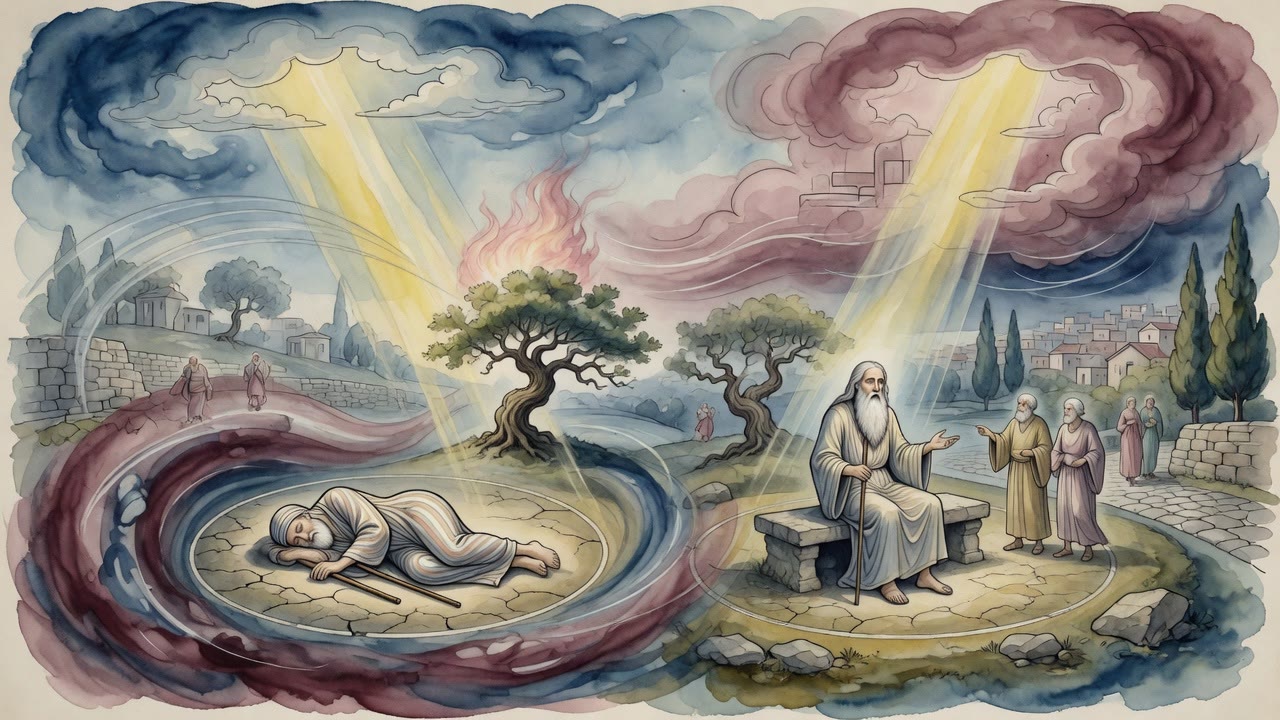
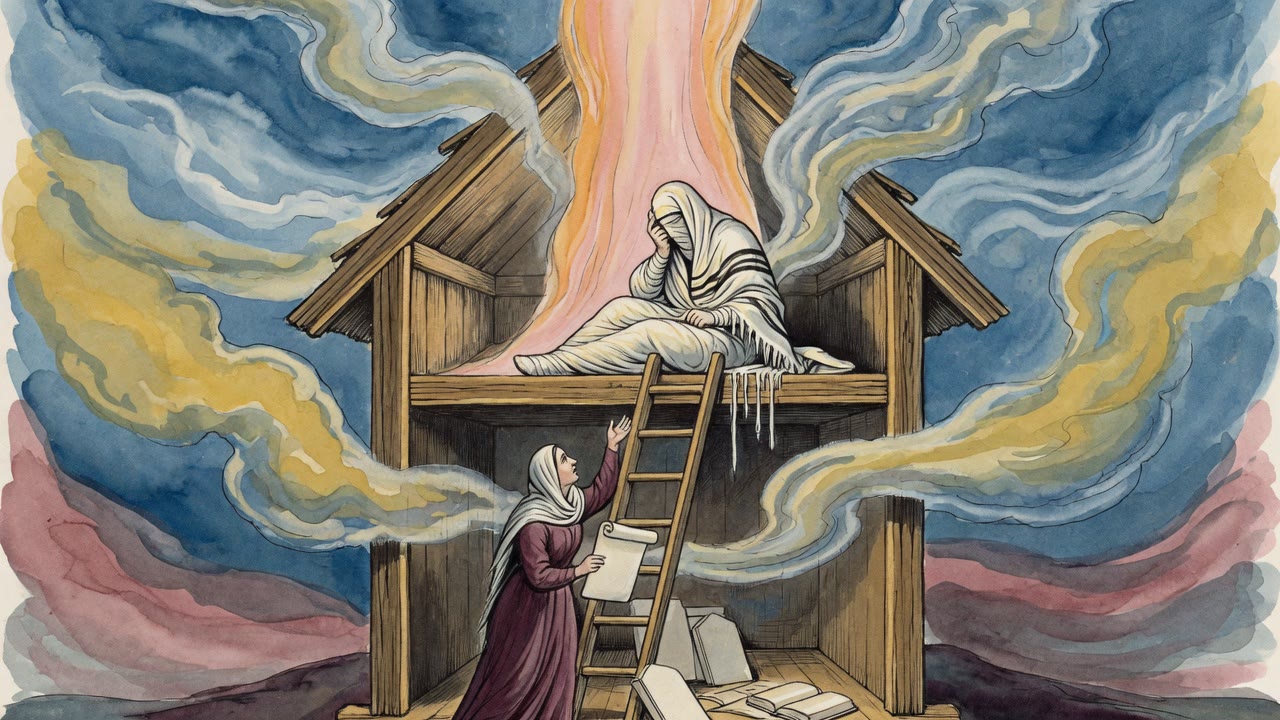
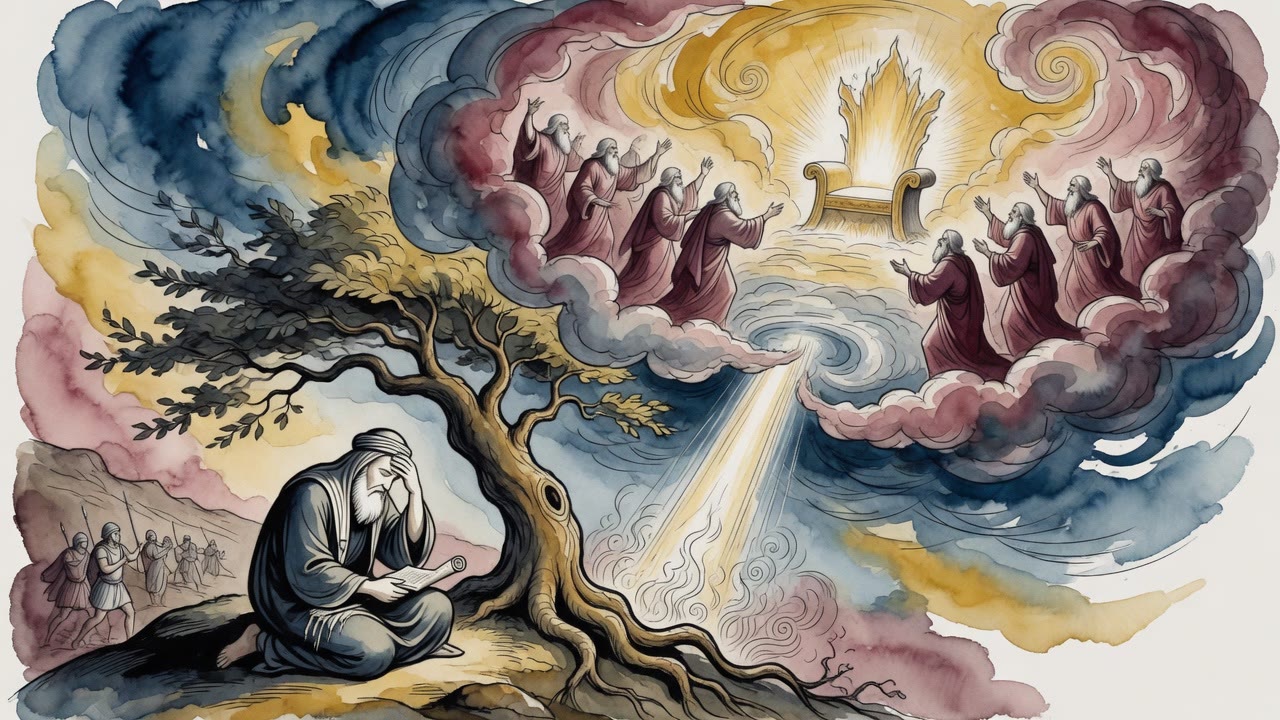
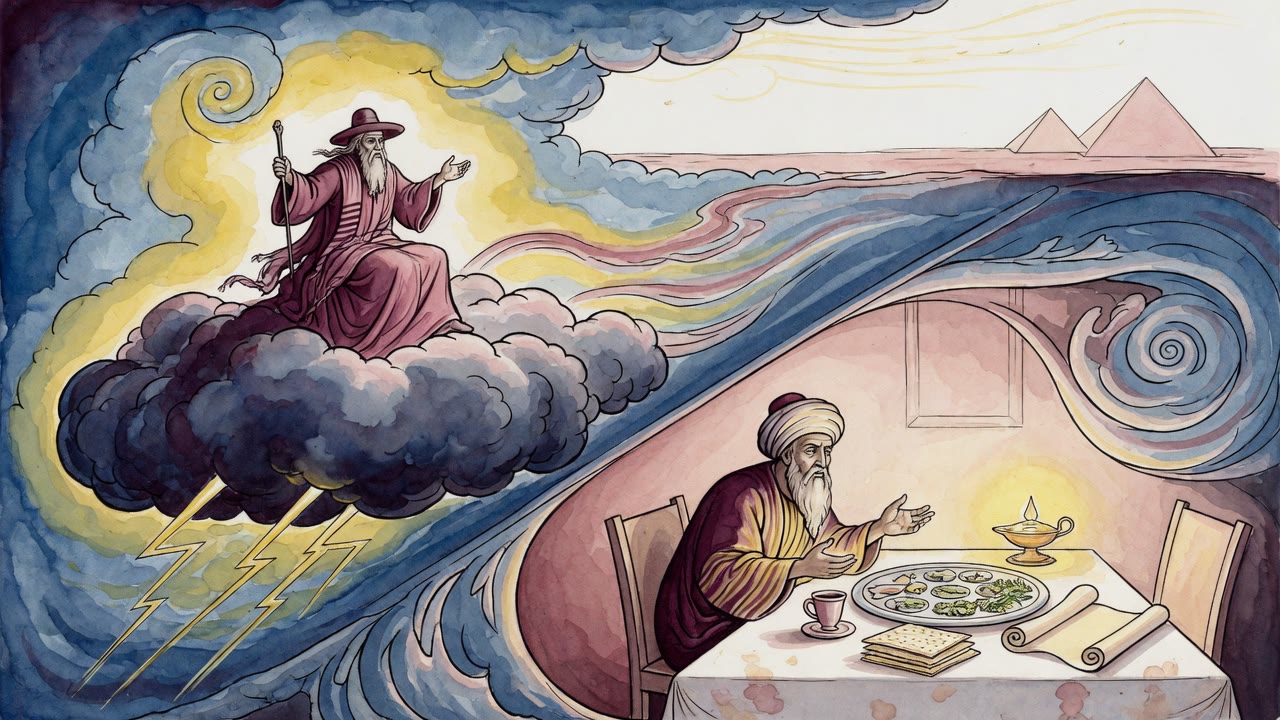
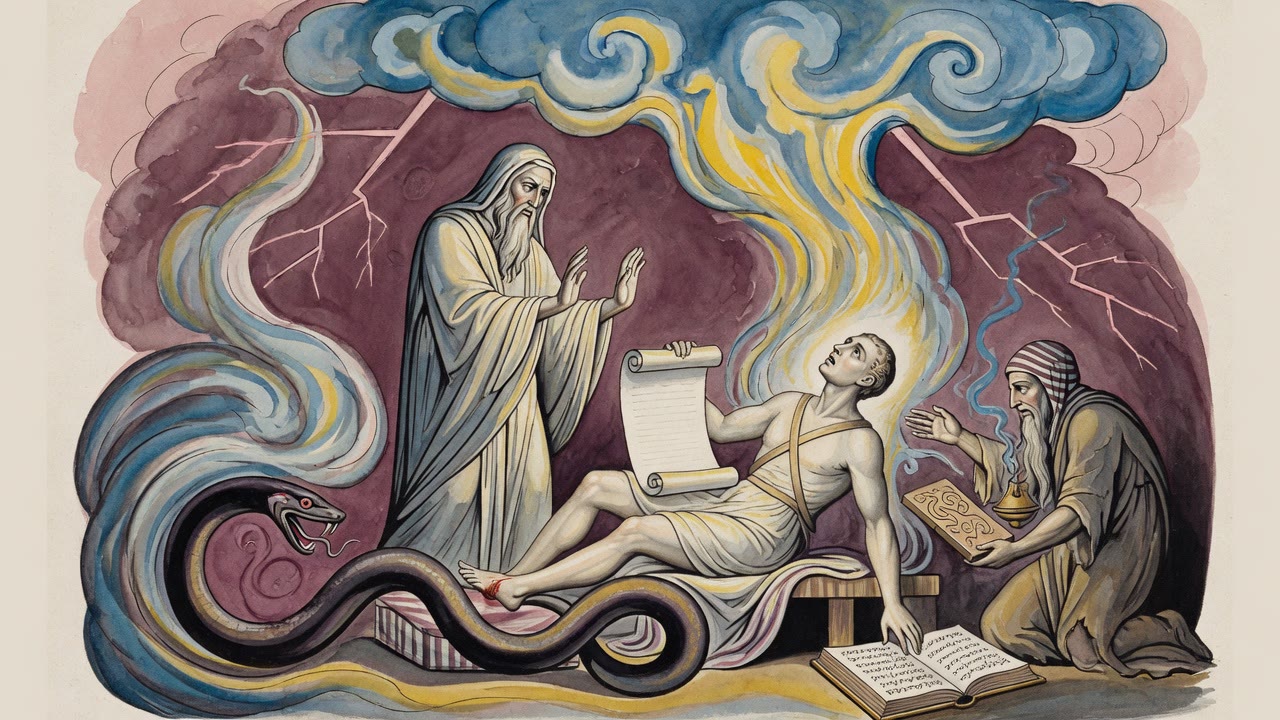
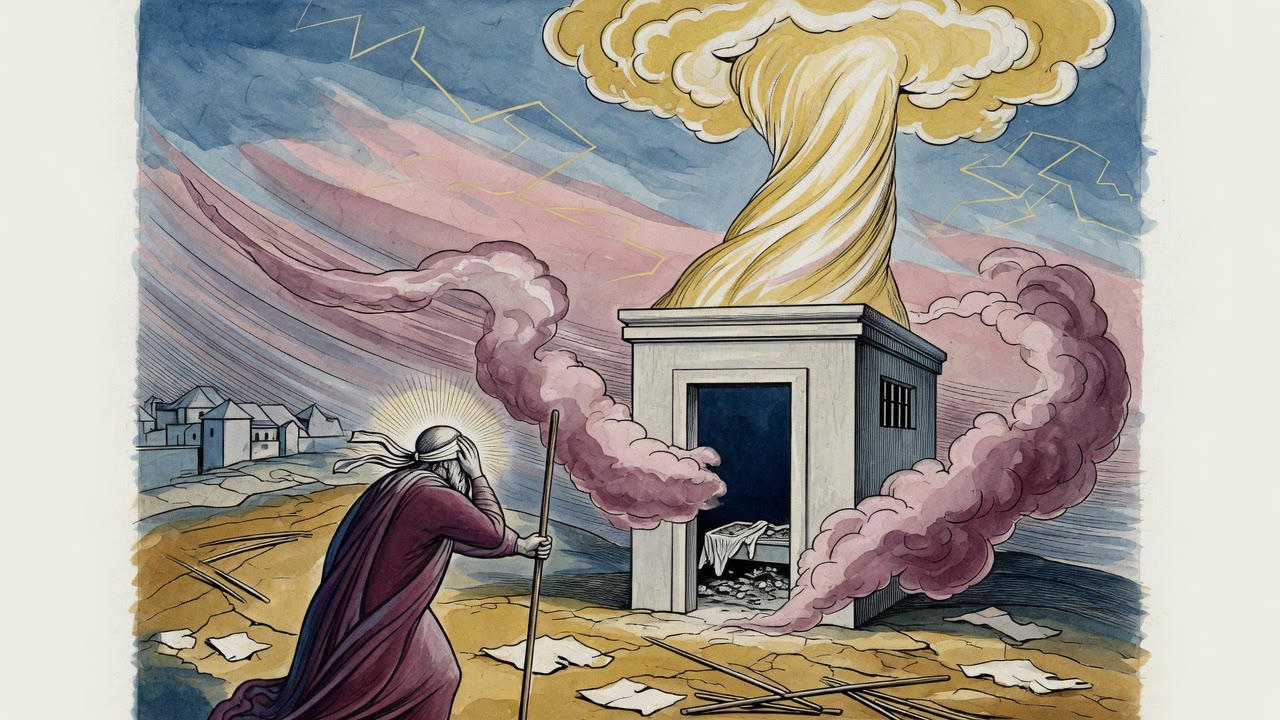
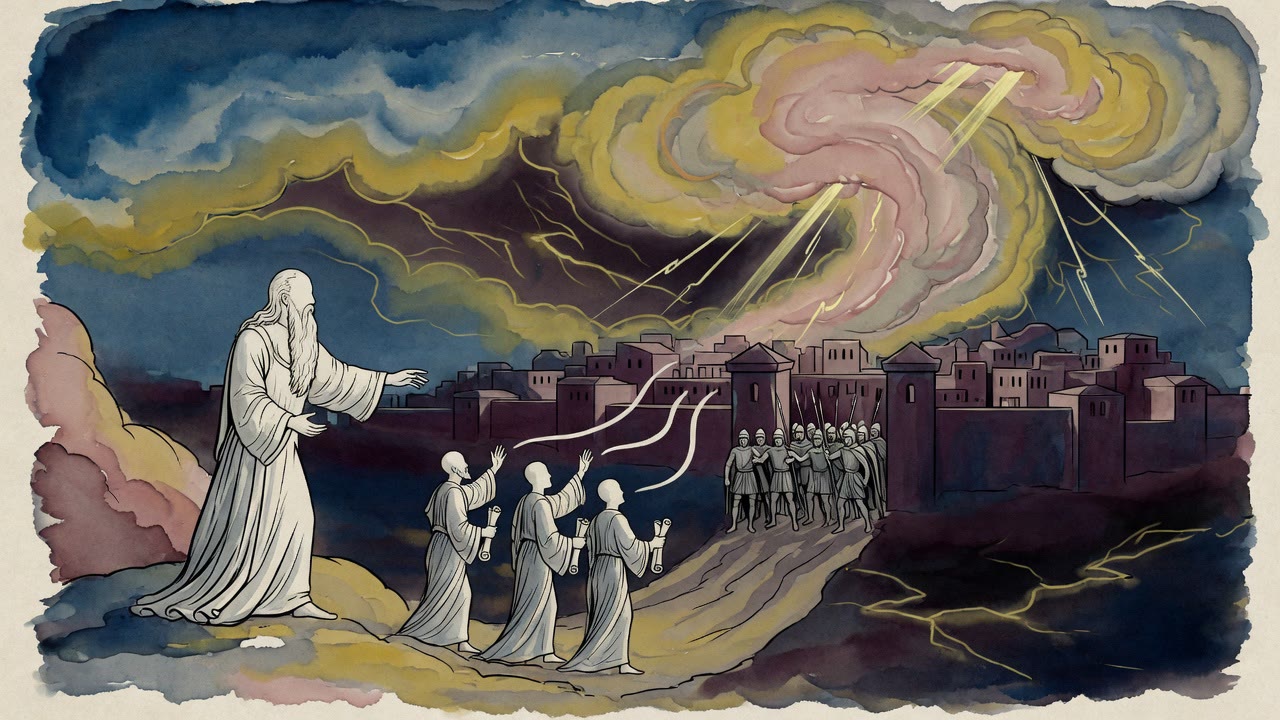
Rabbi Yochanan ben Zakkai was riding his donkey along a road when his student Rabbi Eleazar ben Arach asked for permission to expound the secrets of the Ma'aseh Merkavah, the myste...
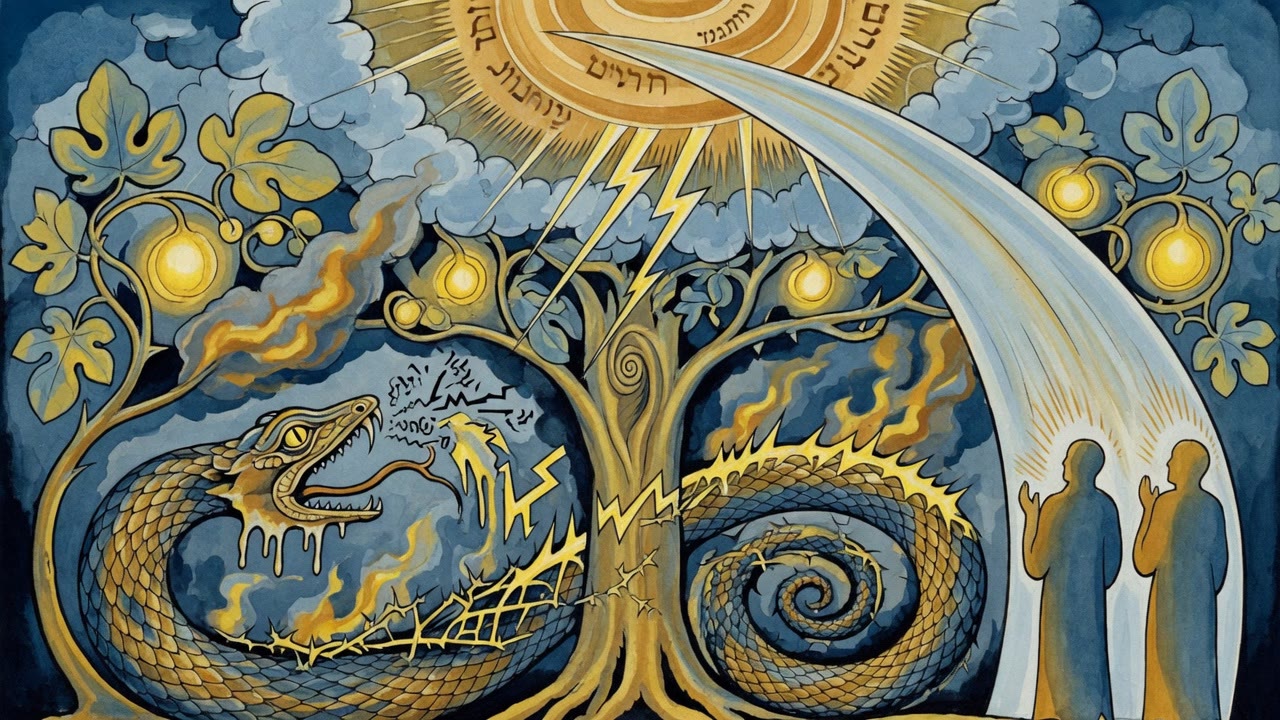
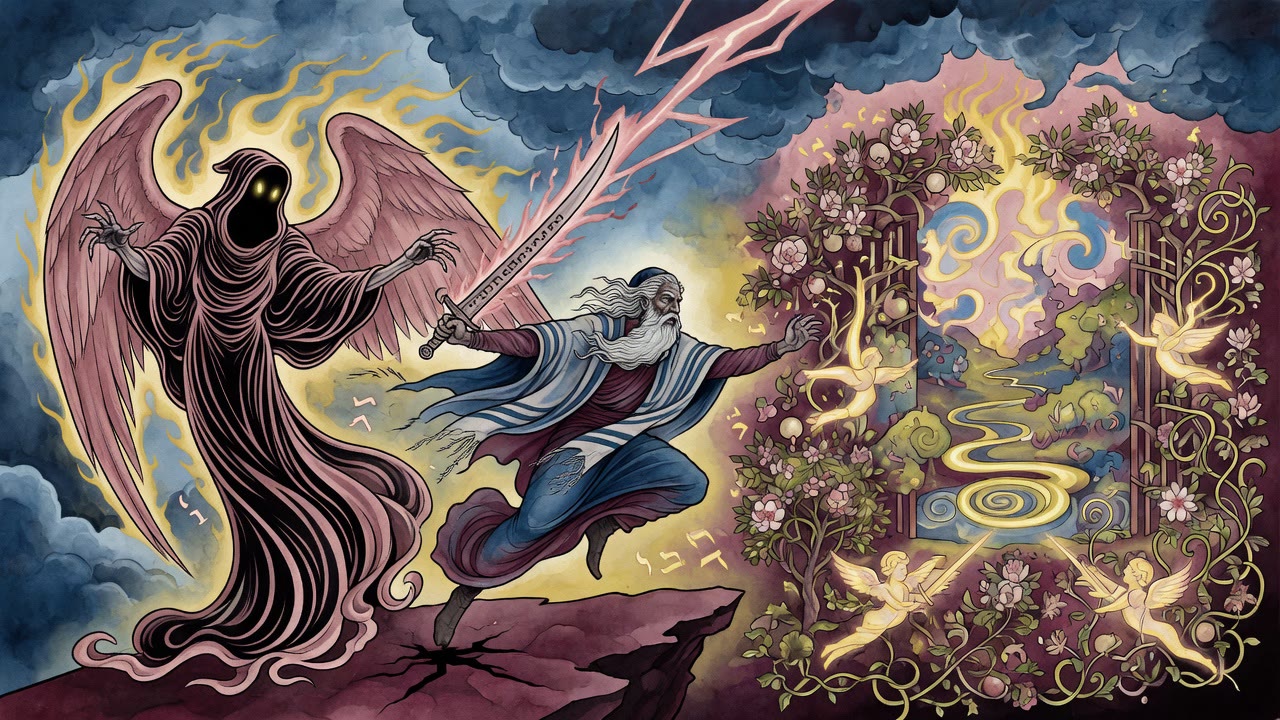
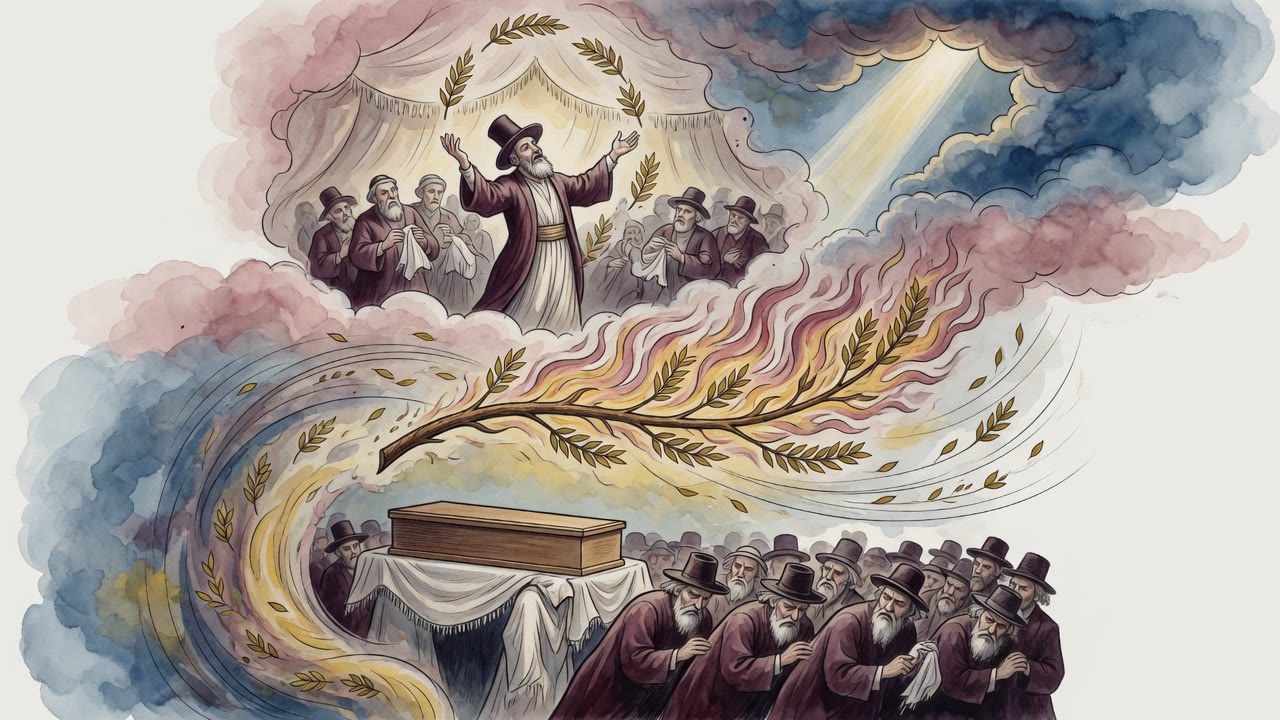
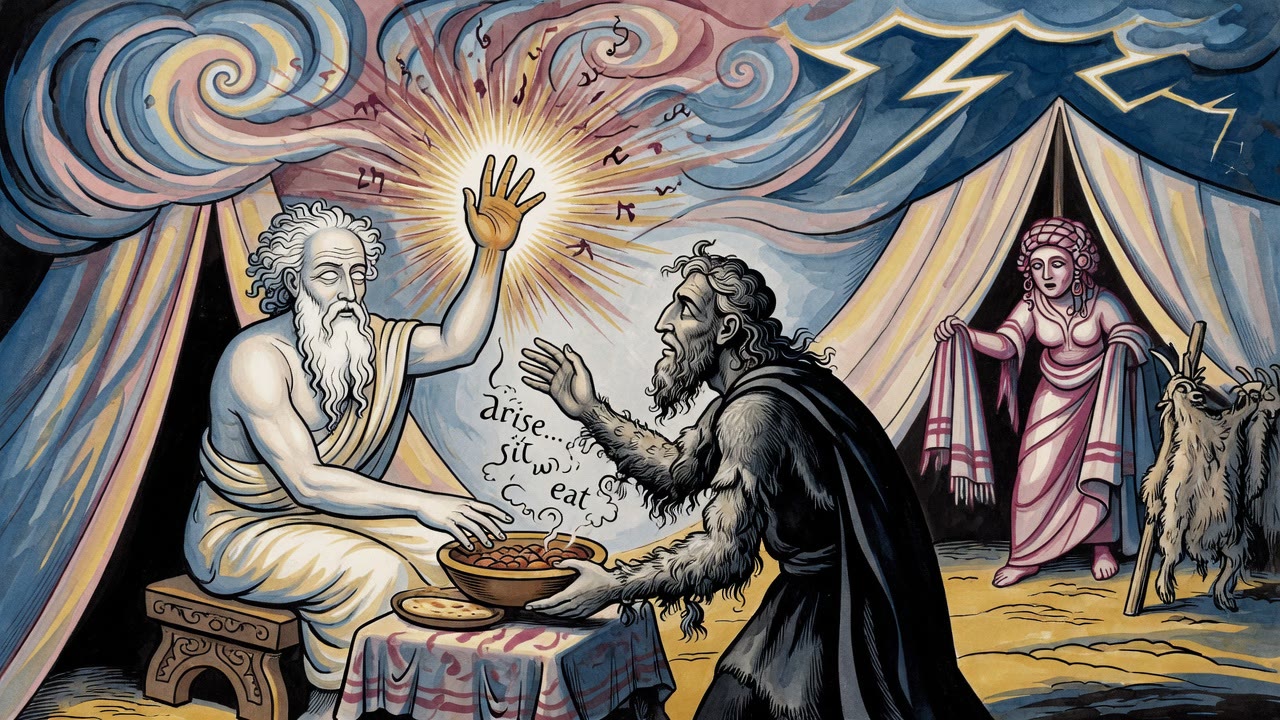
Gaster's exemplum No. 365 preserves one of the most vivid Kabbalistic legends from medieval Ashkenazi Jewry — a tale about the Chasidei Ashkenaz, the mystics of the Rhine Valley in...
When Rome forbade Israel to study Torah on pain of death, Rabbi Akiva went right on teaching it in the open, gathering crowds around him. His friend Pappus ben Yehudah stumbled acr...
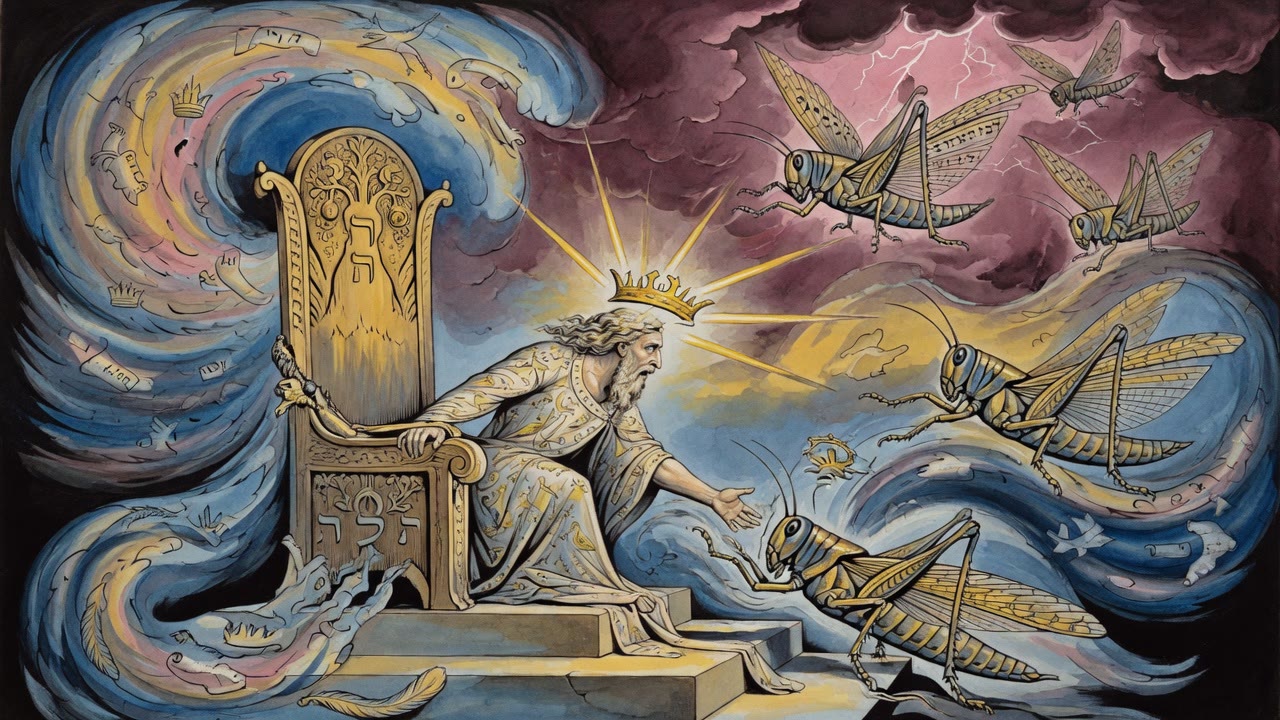
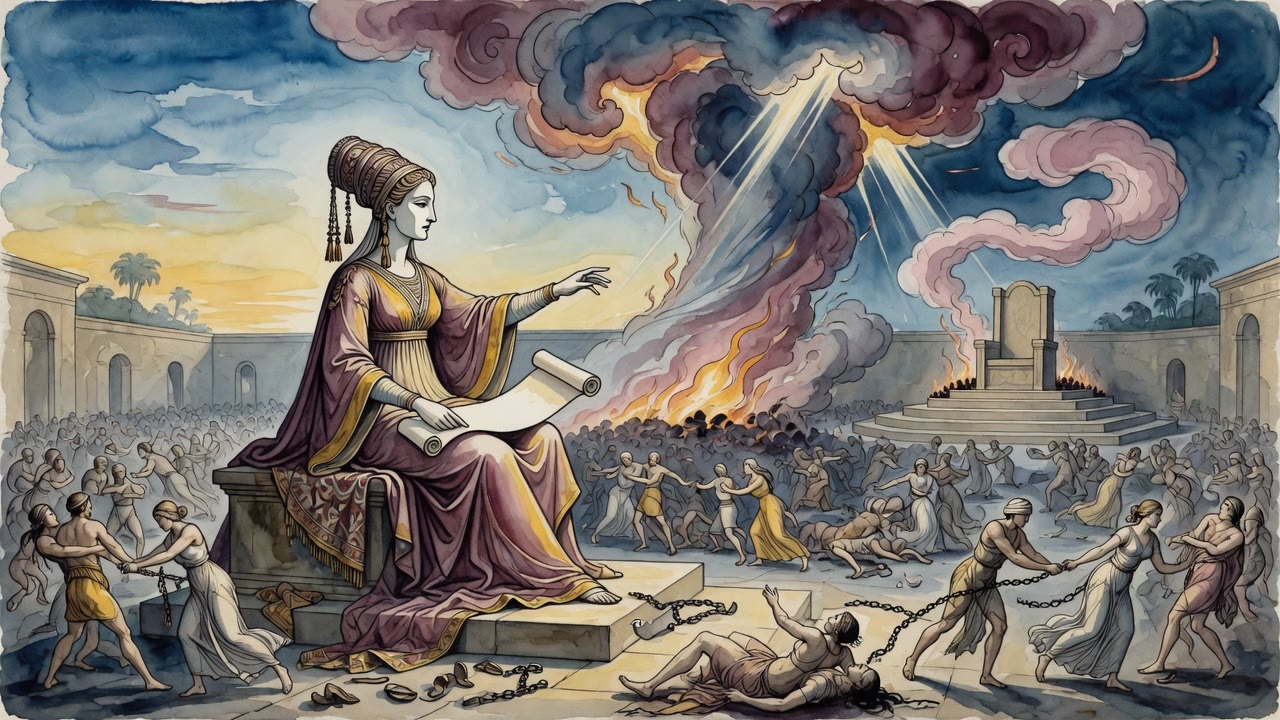
After Titus destroyed the Second Temple in 70 CE, the Rabbis tell us, a small insect flew up his nose and lodged in his brain. It ate at him for the rest of his life. The only thin...
The Rabbis teach that three things come into the world directly from the hand of the Holy One, never secondhand. Famine. Plenty. And a wise ruler. For famine, Scripture says, The L...
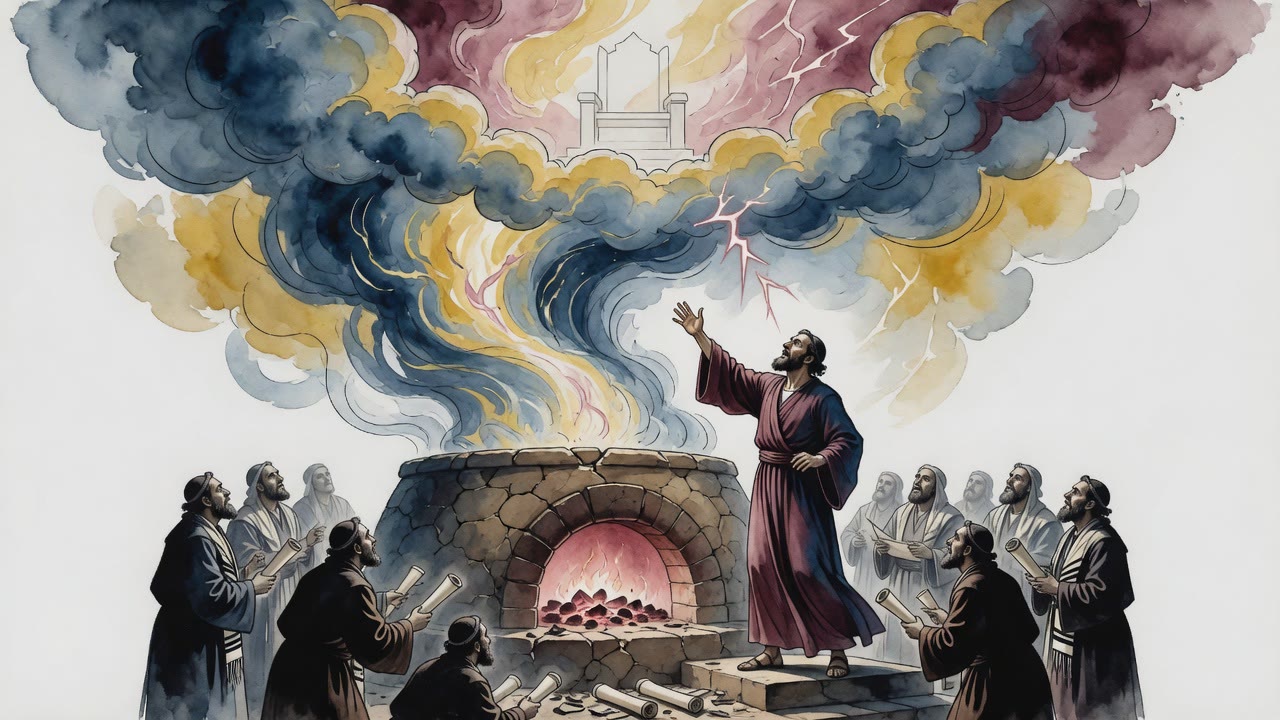
When Nimrod hurled Abraham into the blazing furnace at Ur of the Chaldeans — the place whose very name, the Rabbis note, means fire — the angel Gabriel stood up in the heavenly cou...
Five times in the two psalms that open Bless the Lord, O my soul (Psalms 103 and 104), David addresses his own soul. Why five? The Rabbis of the Talmud (Berakhot 10a) answer: becau...
The Rabbis of the Talmud (Yoma 21b) teach that there are six kinds of fire in the world, and not all of them behave the way fire should. The first is ordinary fire — it eats but do...
At the most joyful festival in the Jewish year — the Simchat Beit HaShoevah, the Rejoicing of the House of the Water Drawing, held on the nights of Sukkot — the Sages did things yo...
A man in the Talmud (Bava Batra 58a) once overheard his wife whispering to their daughter. Of their ten sons, she admitted, only one was truly his. She would not say which. The fat...
Before Rabbi Akiva became the greatest sage of his generation, he was an illiterate shepherd in the employ of Calba Savua, one of the wealthiest men in all Jerusalem. He was forty ...
The procedure for a capital trial under the Sanhedrin, as preserved in the Mishnah (Sanhedrin 6) and carried forward in the 1901 anthology Hebraic Literature, sounds less like an e...
At the end of days, the Rabbis of the Talmud (Bava Batra 75a, Pesachim 119b) tell us, the Holy One will set a great banquet for the righteous. The main course will be the flesh of ...
Rav Yitzchak asked: what did David mean when he wrote, Grant not, O Lord, the desires of the wicked; further not his wicked device, lest they exalt themselves. Selah (Psalms 140:8)...
When the Holy One announced that He was going to give the Torah to flesh and blood, the angels objected. "What is man that You are mindful of him," they said, quoting the psalm, "a...
The Roman-appointed Jewish king Agrippa II, who reigned over parts of Judea in the first century CE, once tried to count the male population of Israel. Because a direct census of I...
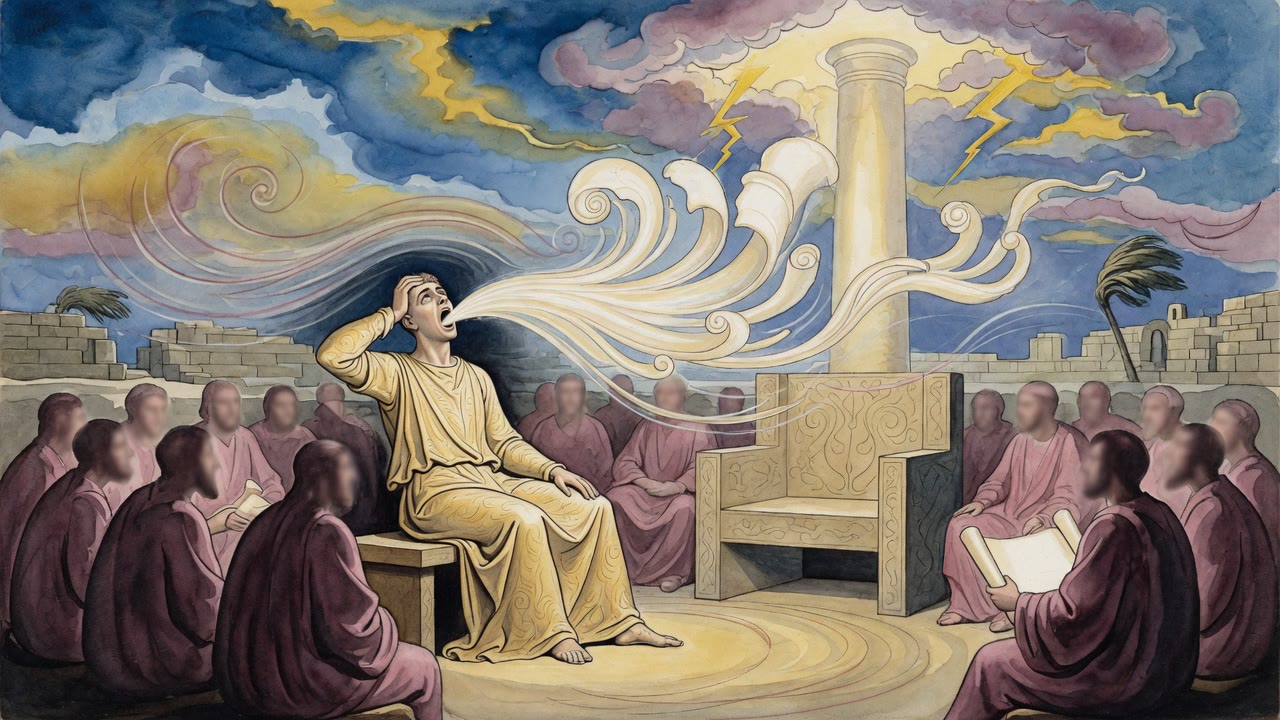
The Torah says something strange when Balaam, the prophet hired by Balak of Moab to curse Israel, finally opened his mouth. And the Lord put a word in Balaam's mouth (Numbers 23:5)...
A man named Joseph, who kept the Shabbat with uncommon care, had a neighbor who was rich, fearful, and utterly convinced of astrology. The neighbor was told by a professional astro...
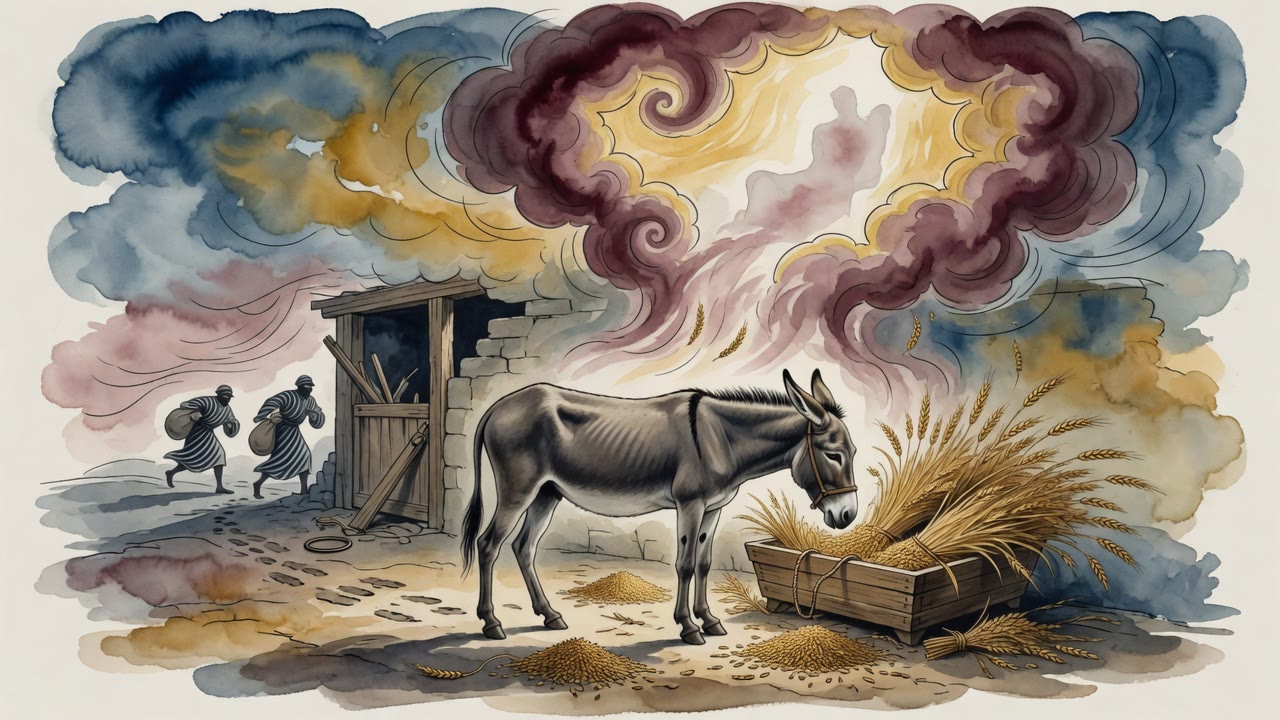
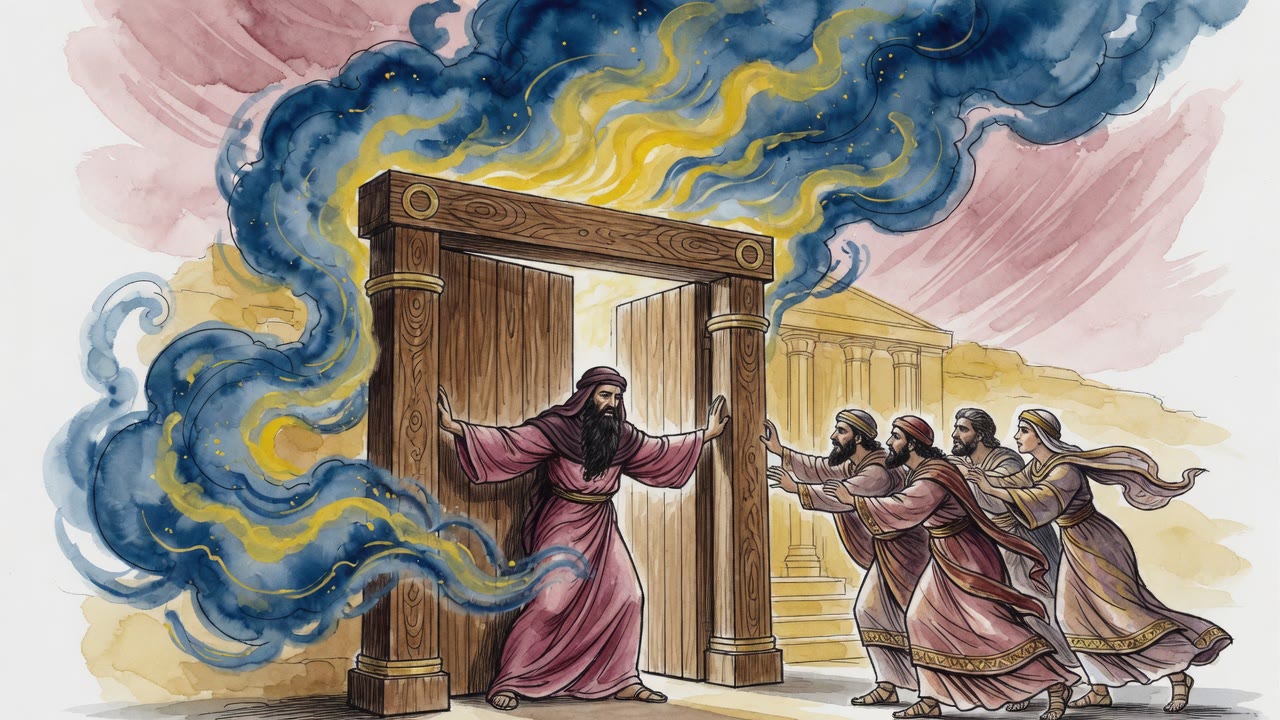
During the Roman siege of Jerusalem in 70 CE, the storehouses had been burned by Jewish zealots to force the city to fight. Rabbi Yochanan ben Zakkai, walking through the streets a...
Although the reading of the Book of Esther — the Megillah — on Purim is not commanded anywhere in the Pentateuch, the Rabbis teach that it is binding on us and on every generation ...
Turnus Rufus, the Roman governor of Judea in the early second century, once pulled Rabbi Akiva into a debate on the Shabbat. Rufus opened with the move he thought would win. "I hol...
A Roman Emperor once tried to embarrass Rabban Gamliel with a joke that sounded, at first, like a theological objection. "Your God is a thief," the Emperor said. "He put Adam into ...
Rabbi Eleazar ben Shimon, son of the great Rabbi Shimon bar Yochai, was appointed by the Roman government as an official — a kind of investigator authorized to catch thieves. He wa...
Hananiah, the nephew of Rabbi Yehoshua ben Chananiah, was living in Babylonia in the second century CE when he began doing something the Sages in the Land of Israel could not toler...
On his deathbed, Rabbi Yose began to weep. His students, surprised, asked why. He had been a great scholar, a faithful teacher, a man whose life by any reasonable accounting had be...
The Roman Emperor Antoninus — traditionally identified with one of the Antonine emperors of the second or third century CE — came to Rabbi Yehudah ha-Nasi, the redactor of the Mish...
Rabbi Hanina ben Dosa, the first-century miracle worker whom the Mishnah (Berakhot 5:5) calls a man whose prayers could heal from a distance, was once deep in tefillah — the silent...
Rabbi Yishmael ben Yose, the son of the great Galilean sage Rabbi Yose, was walking on pilgrimage toward Jerusalem when a Samaritan stopped him on the road near Mount Gerizim. The ...
At a gathering of sages, Rabban Gamliel — the head of the academy, the Nasi of the generation, the most politically powerful rabbinic figure of his age — picked up a pitcher and be...
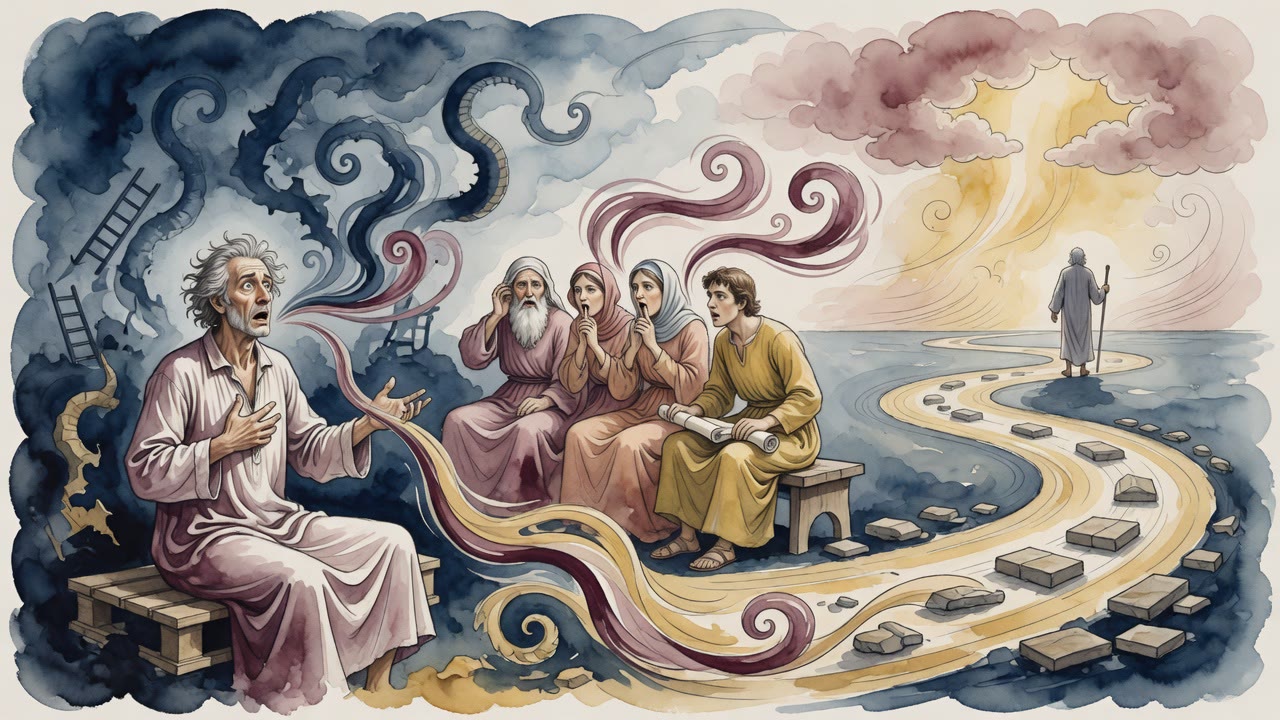
A min — a heretic, an opponent of the Rabbis' tradition — came to Rabbi Yishmael with a stack of strange dreams he wanted interpreted. He had clearly hoped that the Rabbi would pla...
Rabbi Yishmael and Rabbi Elazar ben Azariah were teaching in the same academy — and during the set times of communal prayer, they deliberately did not pray in the same way. One wou...
Four men sat together one afternoon in the Galilee: Rabbi Yehudah ben Ilai, Rabbi Yose, Rabbi Shimon bar Yochai, and a certain Yehudah ben Gerim. They fell into conversation about ...
Rabbi Yochanan ben Zakkai was once asked a question that sounds strange to modern ears. Why does Jewish law punish a thief — who works by stealth — more severely than a robber, who...
Rabbi Joshua ben Levi, a third-century sage famous in the Talmud for his conversations with the prophet Elijah and with the Angel of Death, once asked a question only a very confid...
Rabbi Akiva had a habit, whenever he taught, of binding the body to the soul. "If we who study Torah suffer," he would say, "how much more would we suffer if we neglected it?" He h...
Two great sages, Rav Ami and Rav Assi, sat one day in the company of Rabbi Isaac Naphcha, and the three men fell into conversation. One of them turned and said, "Rabbi, tell us a b...
The Romans had thrown Rabbi Akiva into prison, and his disciple Yehoshua Hagarsi was permitted to bring him water — a small ration, carefully measured, just enough to keep an old m...
It is popular to lump all Pharisees together. The rabbis themselves did not. In Avot de-Rabbi Natan (chapter 37), the sages drew up a list — not of their enemies, but of themselves...
The question hung in the beit midrash: what happened to the ten tribes exiled by Assyria, and will they ever come home? The sages opened Deuteronomy 29:28 and read: And the Lord ro...
For twelve long years Rabbi Akiva had studied Torah far from home, leaving behind his wife Rachel, who had married him when he was an illiterate shepherd and had believed in him wh...
The prophet Hosea was instructed to buy back his unfaithful wife for a price that seemed arbitrary — fifteen pieces of silver, and an homer of barley, and an half homer of barley (...
The Torah says (Deuteronomy 21:23), His body shall not remain all night upon the tree, but thou shalt in any wise bury him that day; for he that is hanged is accursed of God. The M...
Rav Huna once woke to find that four hundred of his casks of wine had soured into vinegar. This was not an inconvenience. This was ruin. Word spread. Rav Yehudah, the brother of Ra...
Buneis, son of Buneis, came to pay a call on Rabbi Yehudah ha-Nasi — Rabbi, the Prince, the redactor of the Mishnah, the wealthiest and most celebrated sage of his age. As Buneis e...
Someone once came to Rabbi Ishmael, the son of Joshua, with a question that must have been asked in every generation: how did the wealthy of the land of Israel come by their wealth...
A Roman matrona — a noblewoman who liked to corner rabbis with hard questions — came to Rabbi Joshua and asked him something she thought he could not answer. "If God finished His w...
Rabbi Yehudah ben Hanina was traveling through Rome when he learned that a Jewish child had been taken captive — a boy of remarkable beauty and already, in his young life, of remar...
A certain man in Jerusalem wanted to divorce his rich wife. The problem was that her marriage contract — her ketubah — stipulated a considerable sum to be paid to her in the event ...