Issachar Chose the Simple Life and Called It Wisdom
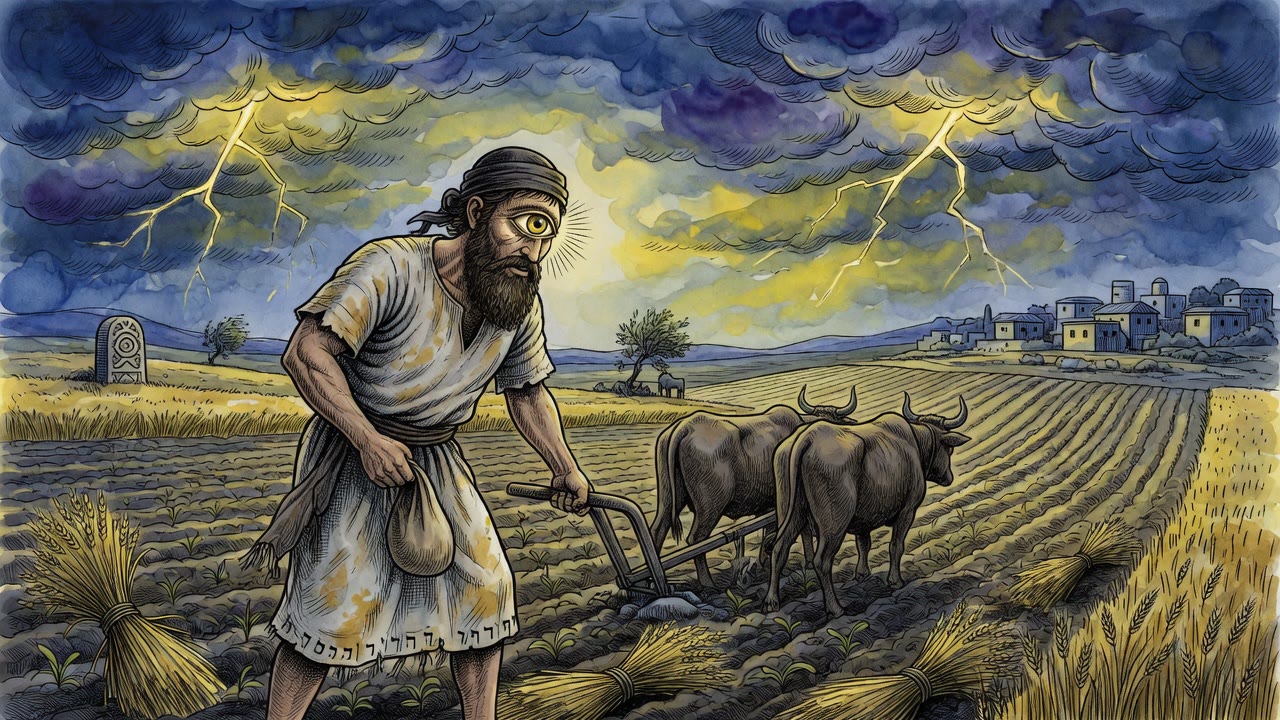
While his brothers sought power, Issachar farmed. He did not marry until he was thirty, too worn out by the fields for desire to find him at night.
Table of Contents
 Click for full size
The Son Born From a Deal
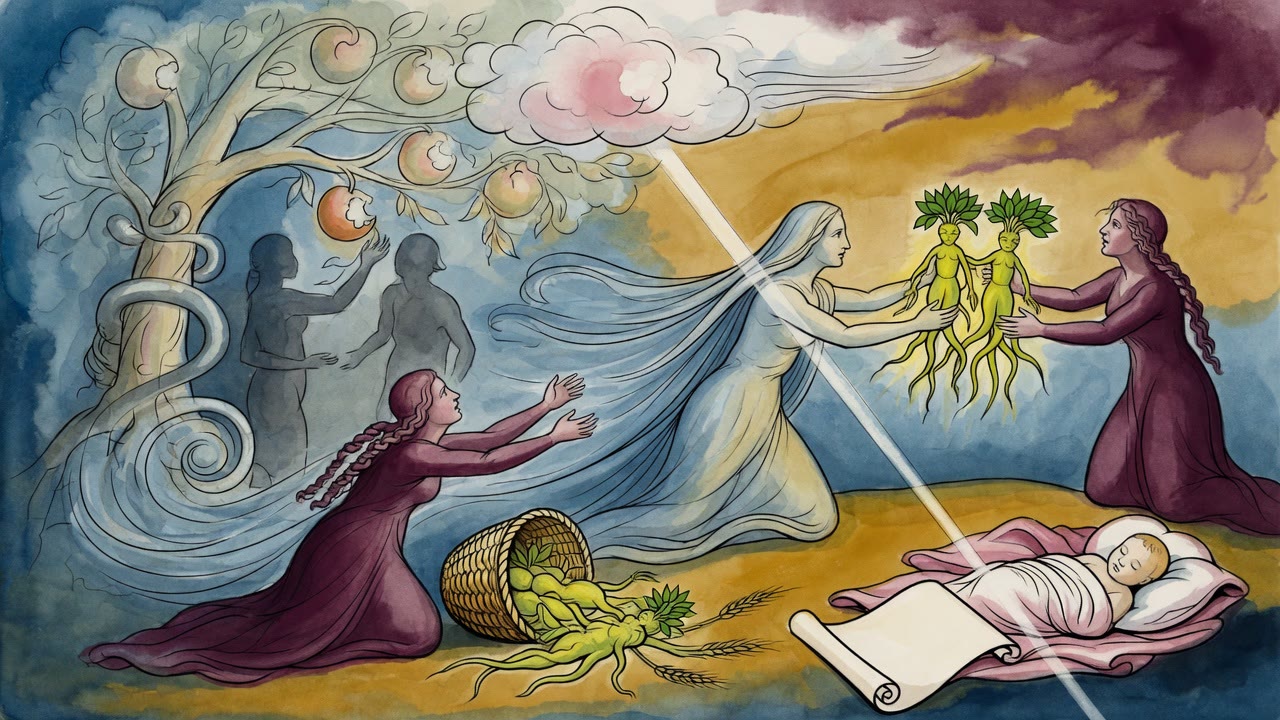
Issachar entered the world as the result of a transaction. His mother Leah had traded his father Jacob to his other mother Rachel for a night, exchanging mandrakes she had found in the fields in return for the right to sleep with her own husband. The Book of Genesis records this with the flatness of a ledger entry. Issachar's name is understood in the tradition to mean reward, the fruit of what Leah had paid. He was the dividend of a negotiation over fertility between two women who shared a tent and a husband and almost nothing else.
He spent his life refusing to negotiate.
Singleness of Heart
The testimonies his brothers left to their children were full of the texture of experience: Reuben and his seven years of fasting, Judah and the lions he had killed and the staff he had surrendered, Levi and the vision over Abel-Meholah, Dan and the sword he had held over his brother's head. These were men who had been tested by power and desire and guilt and vision. They had suffered and failed and recovered and suffered again. They had things to confess.
Issachar's testament is almost without drama. He farmed. He gave the firstfruits of his labor to the priest, then gave to his father, then kept what remained for himself. He did not marry until he was thirty years old, not from ascetic principle but from exhaustion: the fields consumed him during the day and sleep took him at night before desire could find him. His father blessed the simplicity of this. He understood it as a form of strength, not a form of passivity.
A Life Without Complications
He did not know envy. This is not a claim the other patriarchs made for themselves. Dan confessed that he had held a sword over Joseph's head from envy. Reuben confessed that guilt over his own transgressions had lived in him for years like a bone under the skin. Judah catalogued the ways that desire had bent his judgment. Issachar said: I did not know envy. He said it plainly, as a man reports weather.
He did not deceive anyone. He did not set himself against a neighbor for gain. He did not allow his eyes to collect the things that belonged to other people. He kept his heart pointed in one direction at a time, which is what the tradition means by singleness of heart, and the simplicity of that practice meant that he almost never found himself in a situation where he had to choose between competing obligations or manage the consequences of a desire he had fed too long.
In a family where nearly every major story is a story about what happens when a person's interior becomes complicated, Issachar's refusal to become complicated was itself a kind of achievement. It was not an absence of character. It was a specific choice about what to put in the center of a life and what to leave at the edge.
What He Offered His Sons
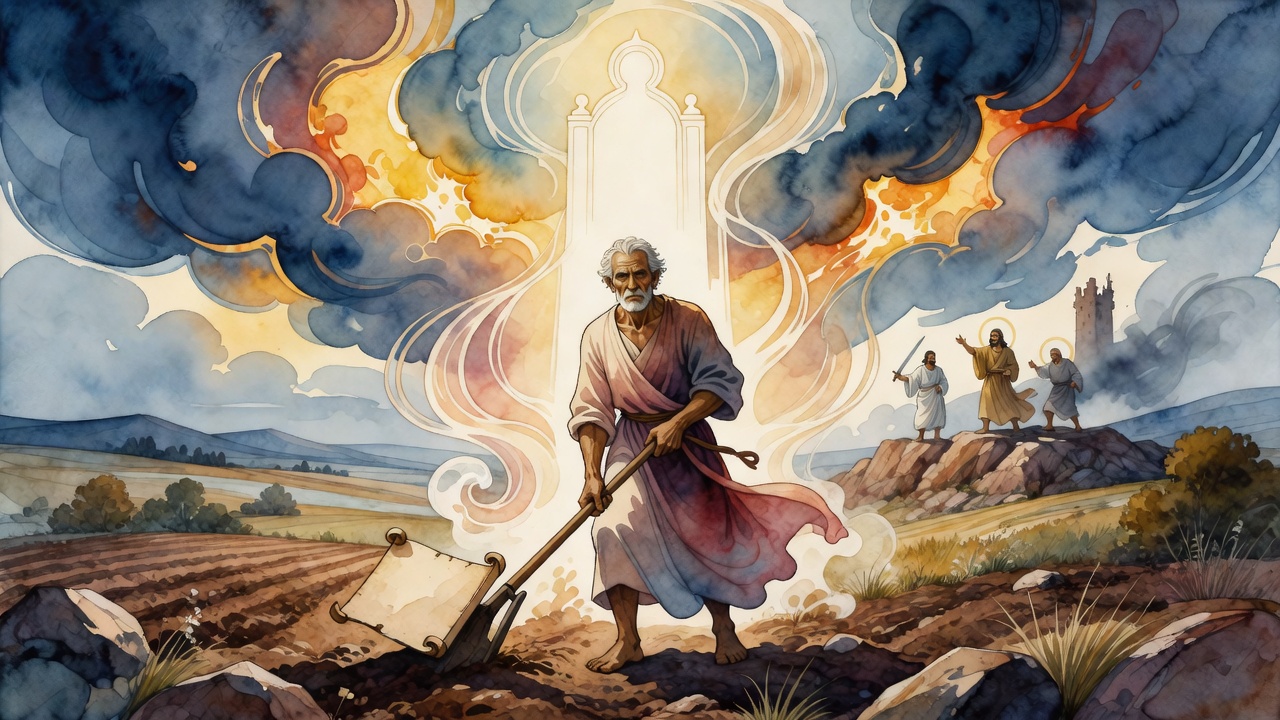
On his deathbed Issachar told his sons to love the land. He told them to labor in it until their backs bent and their hands cracked, and not to feel ashamed of the work. He told them to offer the firstfruits before they ate. He told them to keep the law of Moses, to fear the Lord, to love their neighbor. He said that the one who lived this way would have no enemies in the world, because a man who wants nothing from anyone else has nothing that can be used against him.
This is the radical claim buried inside the testimony of the simplest patriarch: that singleness of heart is not the absence of ambition but the form of ambition that leaves you the least exposed. The brothers who had hungered for more had found themselves in complicated situations requiring complicated choices. Issachar had farmed, given the firstfruits, gone to sleep, and woken up without new enemies. He was not unintelligent. He was disciplined about what he allowed himself to want.
← All myths