Esther Put On a Joyful Face and Walked Toward the King
She leaned on one maiden the way Persian queens lean. The other held the gold off the floor. Joy sat on her face. The death law sat in her heart.
Table of Contents
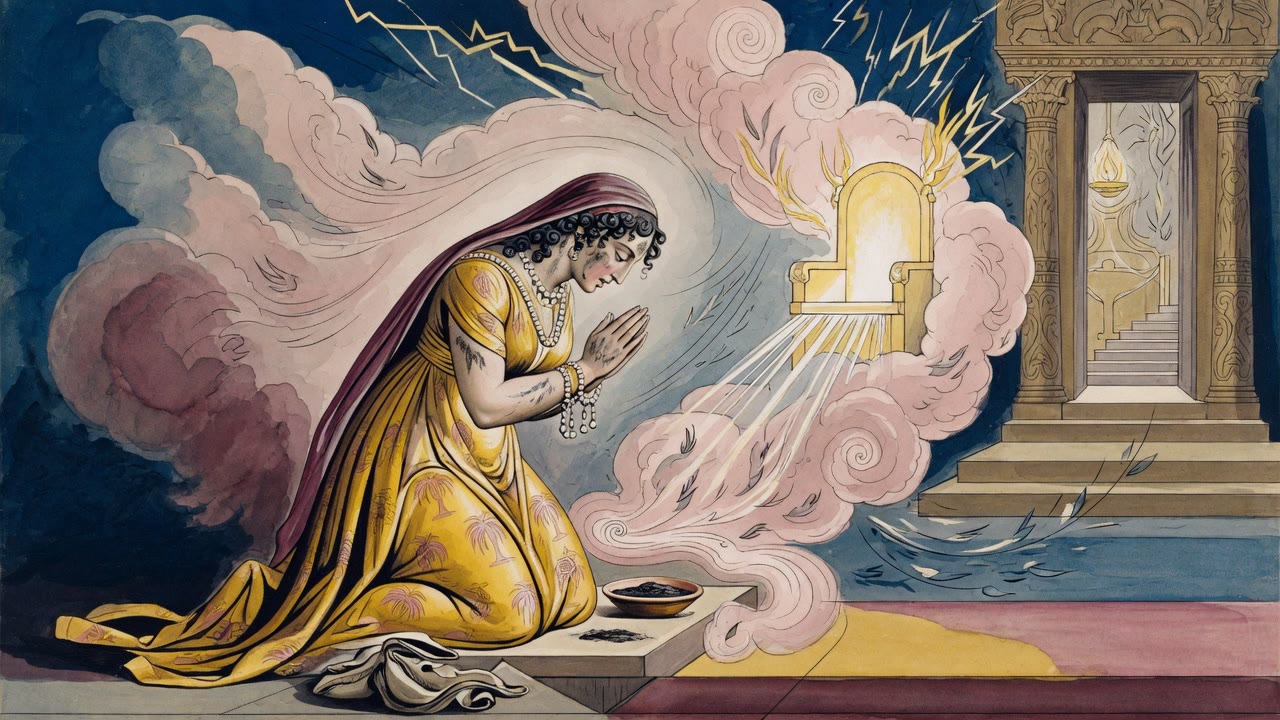
On the third day Esther rose from the earth, from the dust of three days of fasting and prayer, and prepared to die. That was the count. The law of the Persian court was absolute. Anyone who entered the king's presence uninvited, without being summoned, was killed. The only exception was the golden scepter, extended or not. The law made no distinction for queens.
 Click for full size
Gold From Ophir
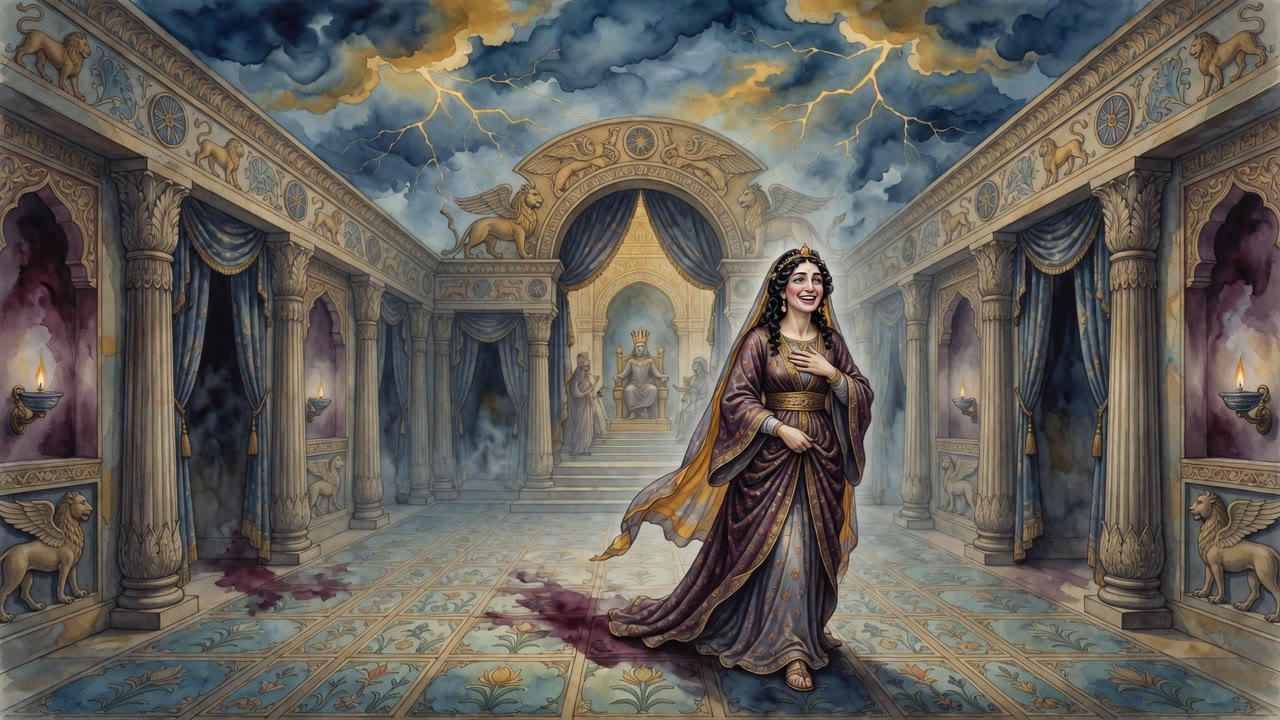
She dressed carefully. A silken gown embroidered with gold from Ophir, spangled with diamonds and pearls sent from Africa. A golden crown on her head. Golden shoes on her feet. She put on everything she had, because she was walking toward a moment that required everything.
When the last clasp was shut she stood still and spoke. "You are the great God, the God of Abraham, Isaac, and Jacob, and the God of my father Benjamin. Not because I consider myself without blemish do I dare appear before the foolish king, but that the people of Israel may not be cut off from the world. If Israel ceases, who will come and cry Holy, holy, holy before You three times a day? As You saved Hananiah, Mishael, and Azariah from the furnace, and Daniel from the lions, save me from this foolish king."
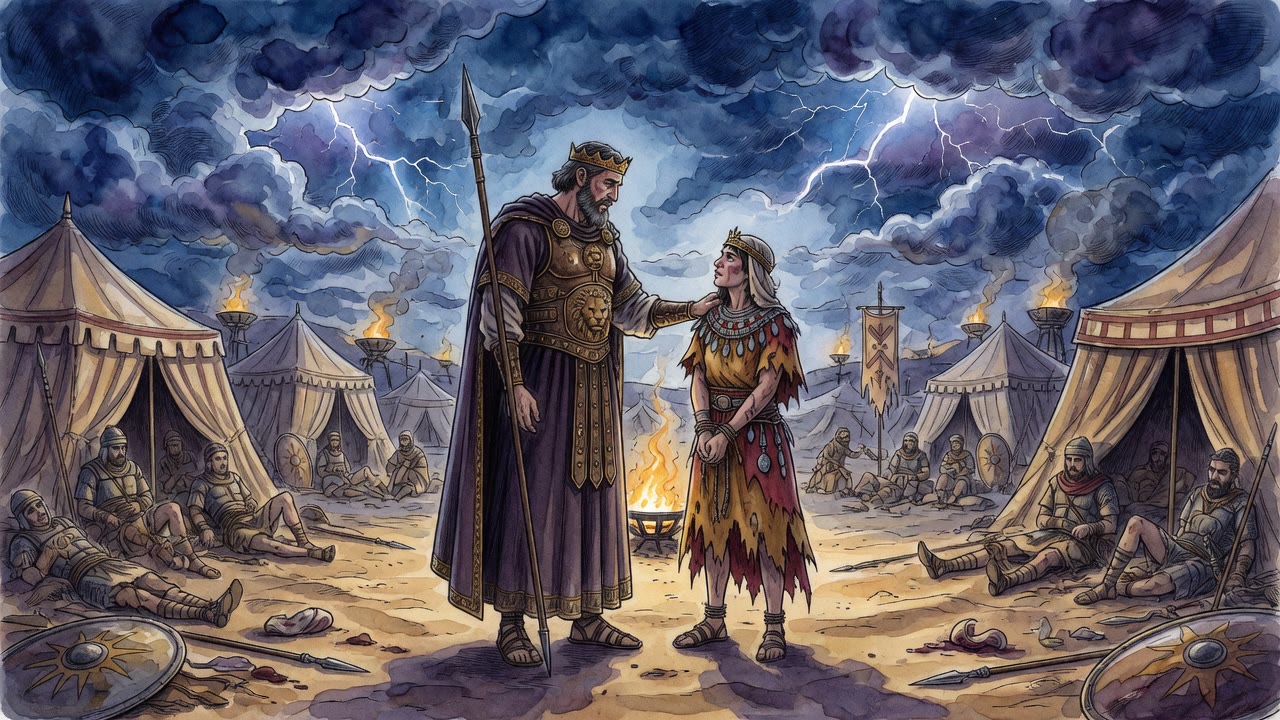
The decree to kill them had already been issued. Elders in sackcloth. Children who had done nothing. Sucklings who had done less. She asked for the sucklings. Then she walked.
Two Maidens and a Masked Heart
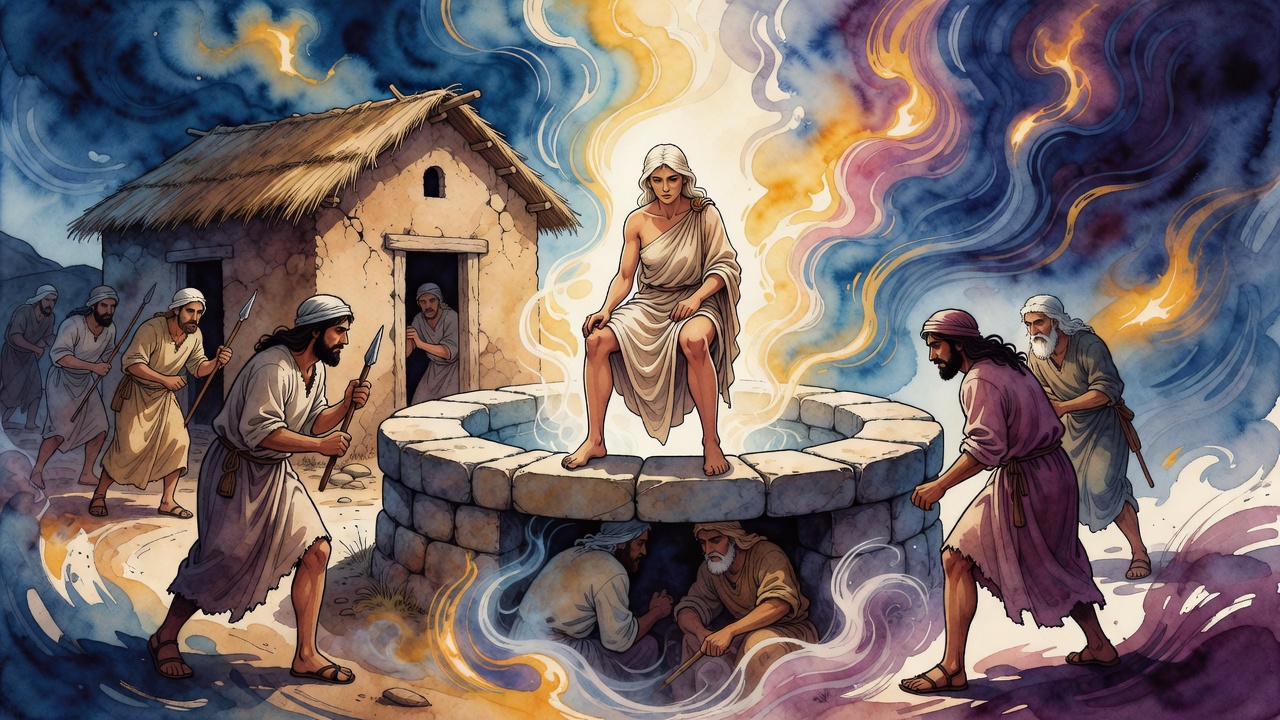
She took two young women with her. The first walked at her right. Esther placed her hand on that woman's shoulder and leaned, the posture of Persian royal women, composed authority over shaking legs. The second walked behind, holding the trailing gold so it would not drag along the ground.
On her face she wore joy. In her heart she carried terror. The joy was real. She had chosen to walk forward knowing what might happen, and the choosing itself had a kind of brightness in it. The terror was also real. They lived in the same body, in the same steps, across the same floor toward the same throne. She masked the worry. Fear was not going to direct her feet.
The King's Eyes Were Fire
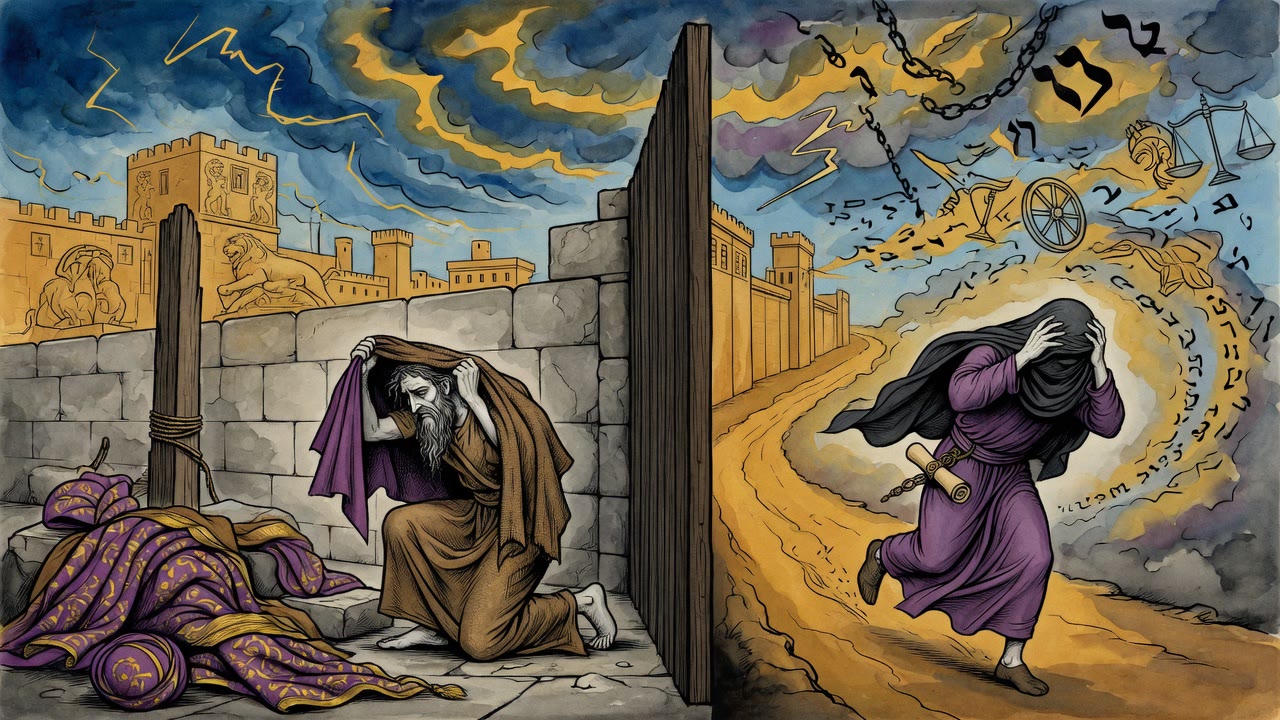
She reached the inner court facing the palace. Ahasuerus sat on his royal throne in garments of gold and jewels, facing the entrance. He was watching. He lifted his eyes and saw her standing there uninvited, and his wrath caught. She had violated the protocol. She had come without being summoned.
Esther lifted her eyes and saw his face. His eyes were like fire, blazing from the fury in his heart. She recognized the anger and her spirit went faint. She put her head on the young woman supporting her on the right. The scepter had not moved. The law was still the law. An orphan in gold was about to die in the doorway for a people who did not know she had left her rooms.
He Left the Throne
God saw. He took pity on His people. He recognized the suffering of the orphan who had placed her trust in Him. He invested her with grace before the king, and added beauty to her beauty, and magnificence to her magnificence.
The king rose from his throne in a frenzy. He ran to her. He put his arms around her neck and kissed her. Not a monarch extending a scepter at a distance. A man who got up from his seat and came, alarmed by whatever he now saw on her face.
"Queen Esther, why are you afraid? This protocol is not incumbent upon you. You are my beloved and my companion. Why, when I saw you, did you not speak to me?"
She found a mouth. "My lord the king, when I saw you, my soul was startled due to your greatness." She did not say the rest. She did not say the three days on the floor, or the sucklings, or the law that should have killed her in the doorway. She had put on a joyful face and walked. The king had left the throne. The scepter, when it came, was already an afterthought.
← All myths