15 myths
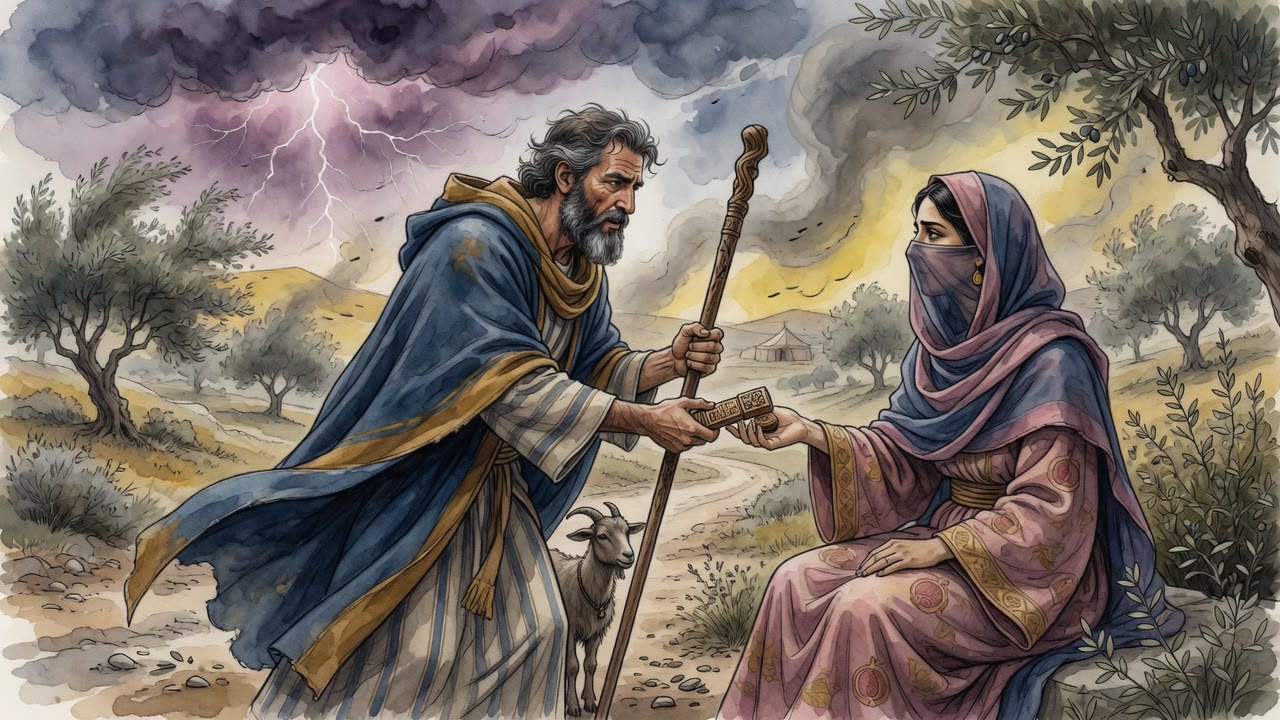
He had killed a lion bare-handed and dragged a king off his horse. At a town gate, drunk, he handed a veiled stranger the three signs of his rank.
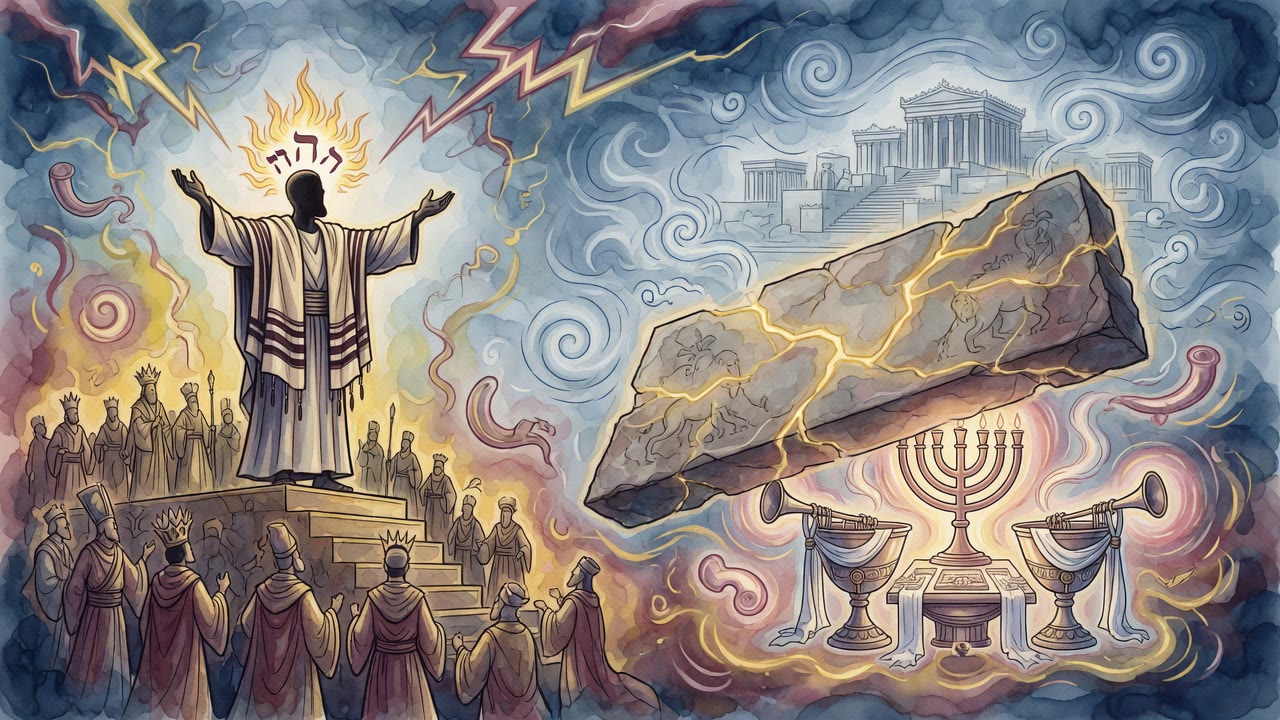
Daniel hid the cups under a stone that killed anyone who touched it. Years later a night guard asked a king for Jerusalem.
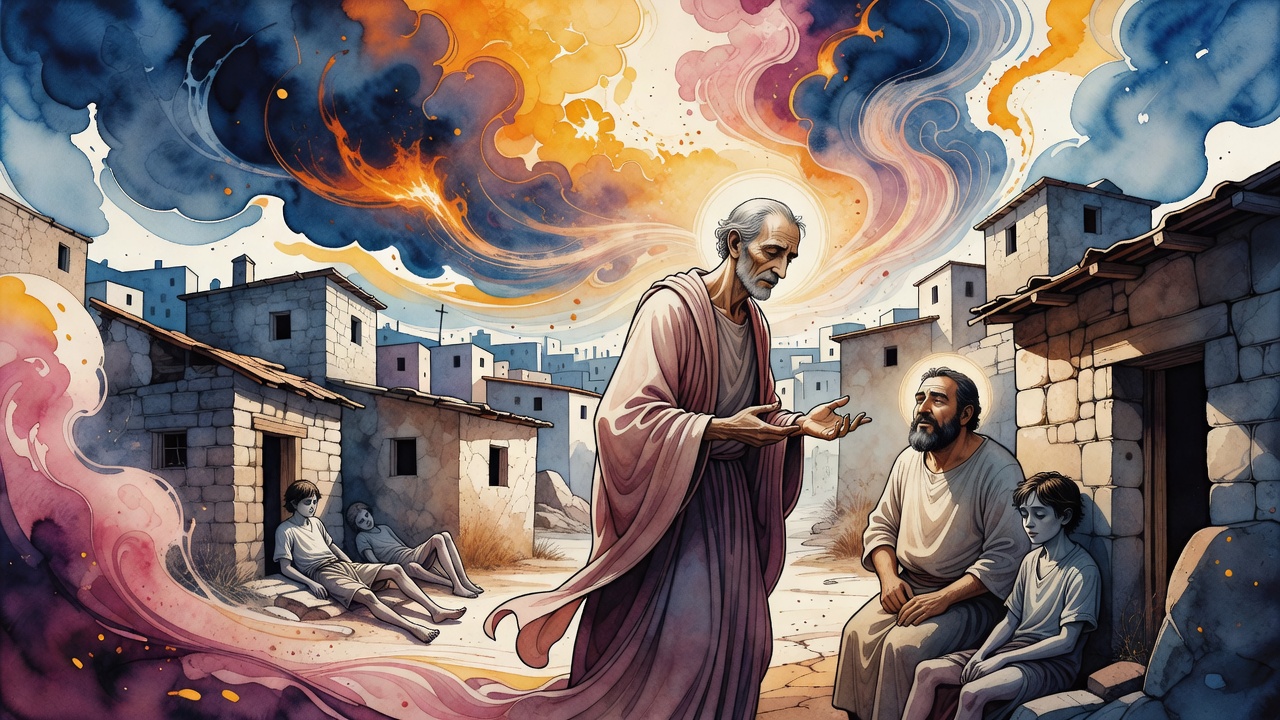
His wife sat inside combing her hair. A neighbor knocked. He said she was not at home, and both of his sons were dead before the week ended.
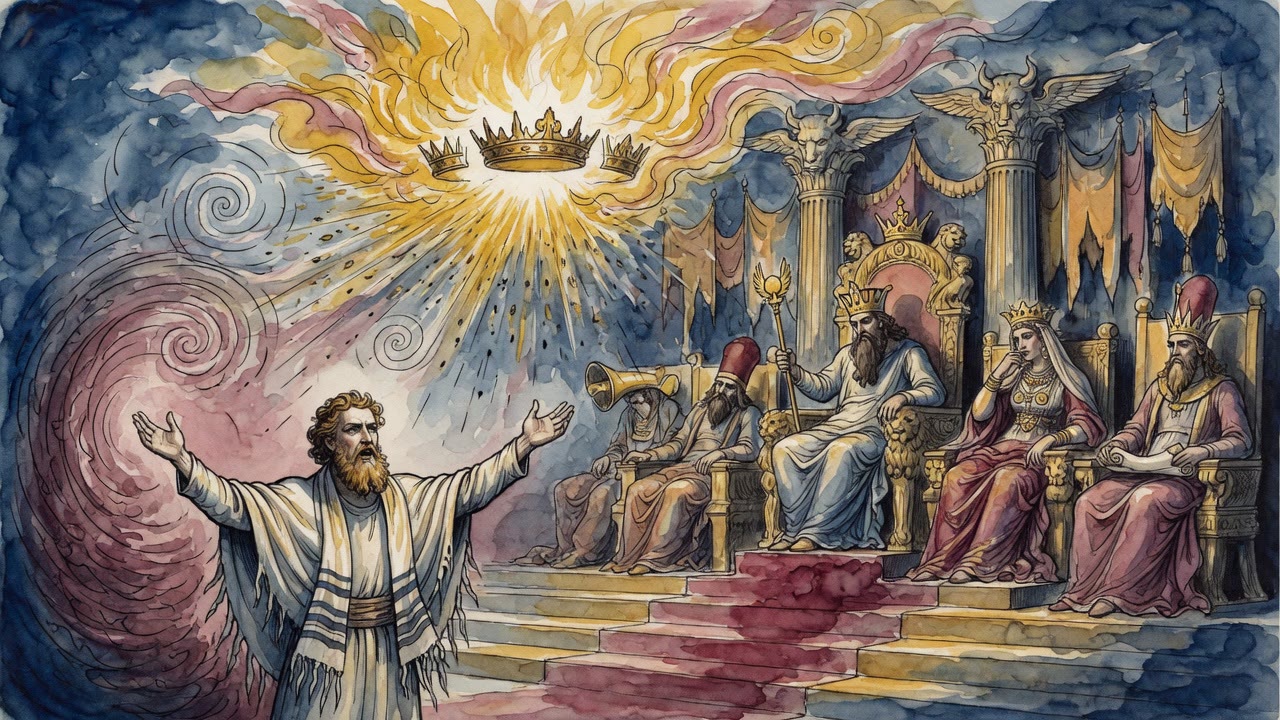
Daniel had grown too old to hold a court together. He walked out to the camp of the exiles, took a man by the hand, and brought him back as his replacement.
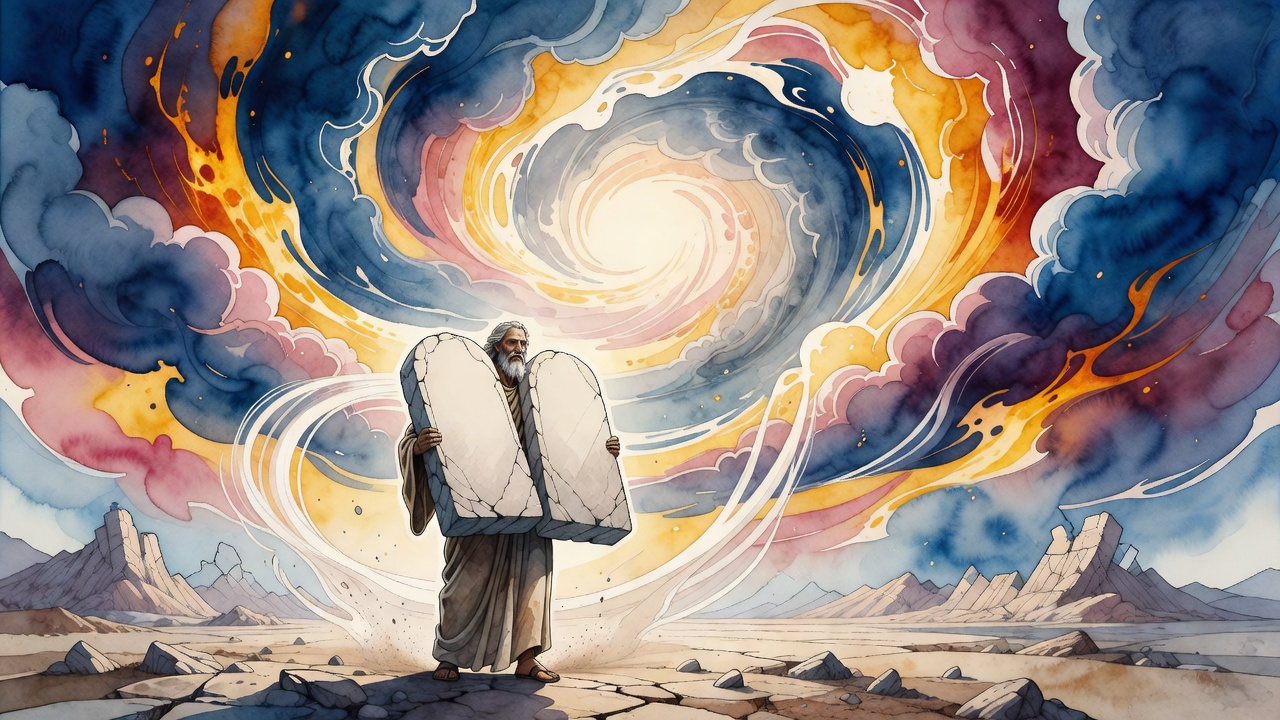
After the Golden Calf, Moses holds stone carved by human hands. Devarim Rabbah says God signed it with the word that begins and ends all creation.
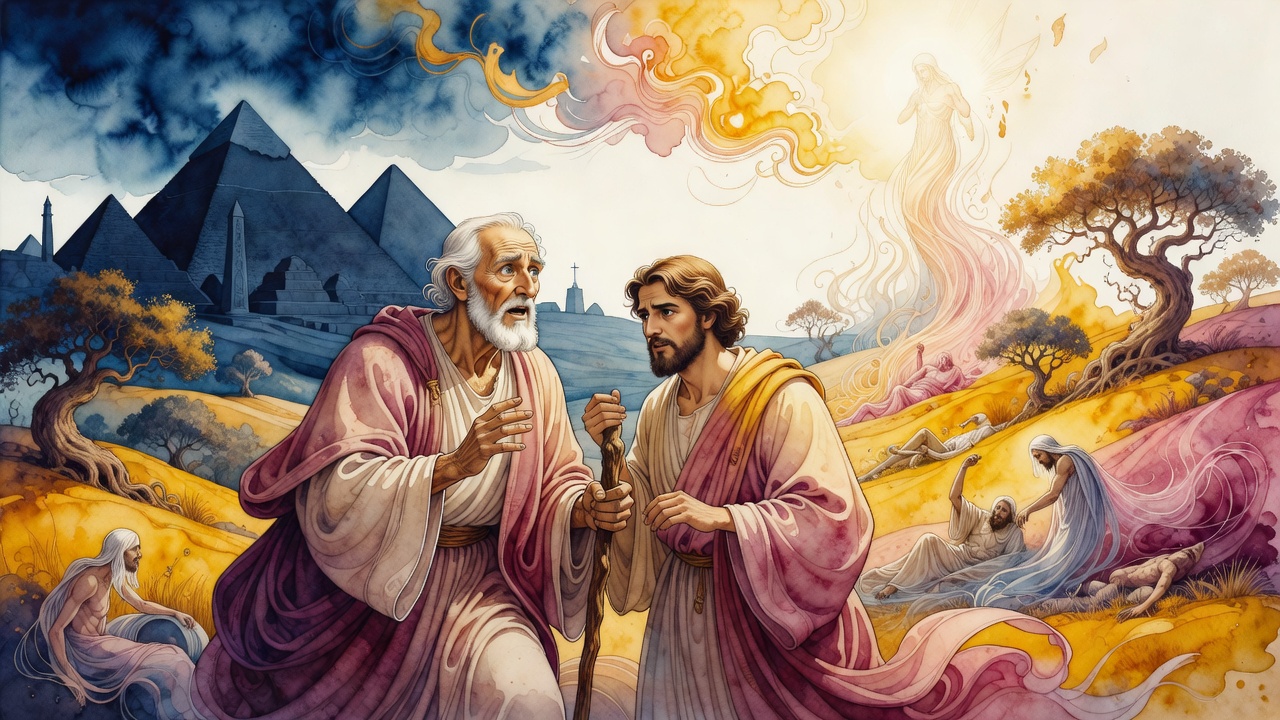
Jacob fears Egypt will worship his tomb. He asks Joseph for kindness and truth. The dead of the Land rise first when Messiah comes.
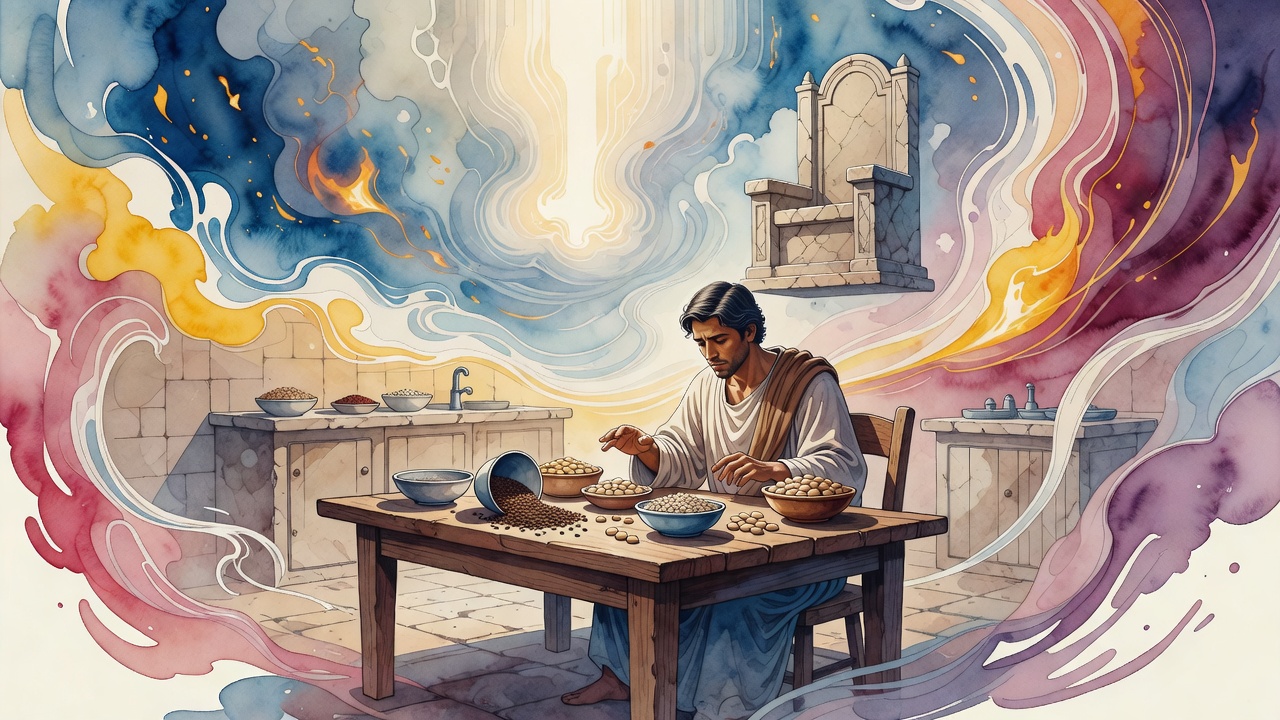
Rav asked for lentils and got beans until his son quietly reversed every order. Peace returned to the table, and Rav ordered the lying stopped.
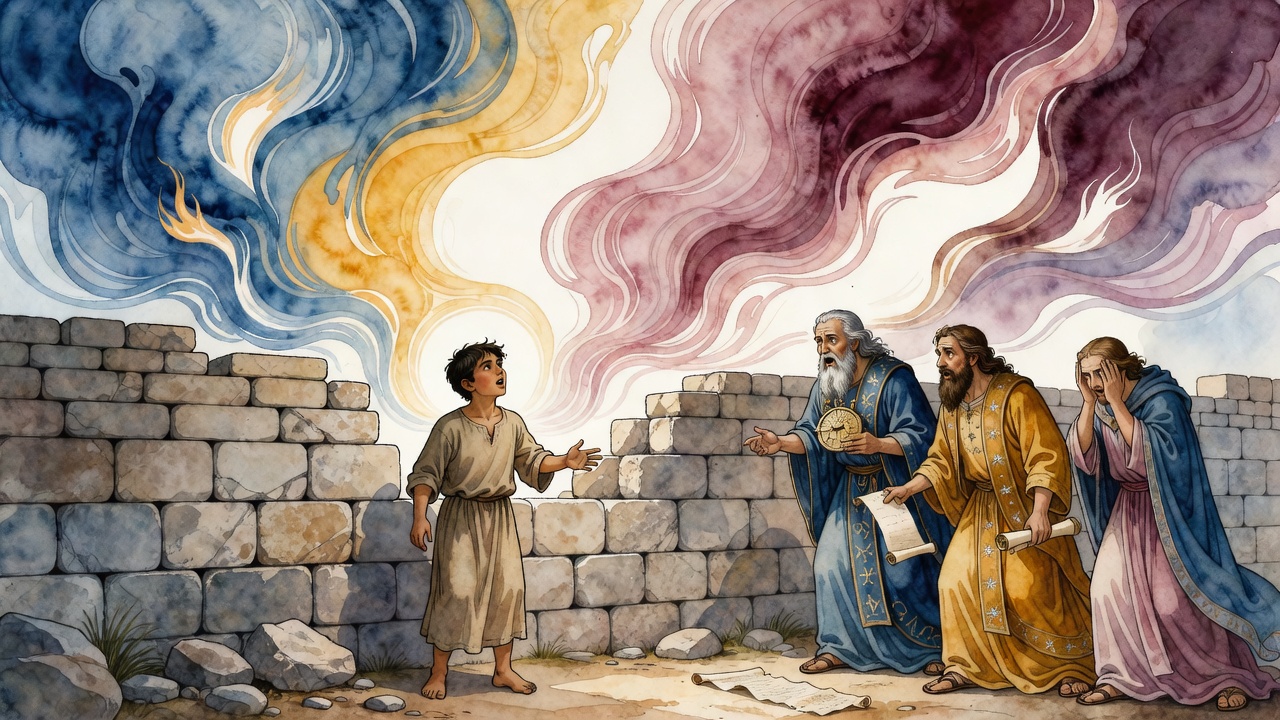
A child about to be walled alive into a city's foundation asks three questions that break the court science used to justify his death.
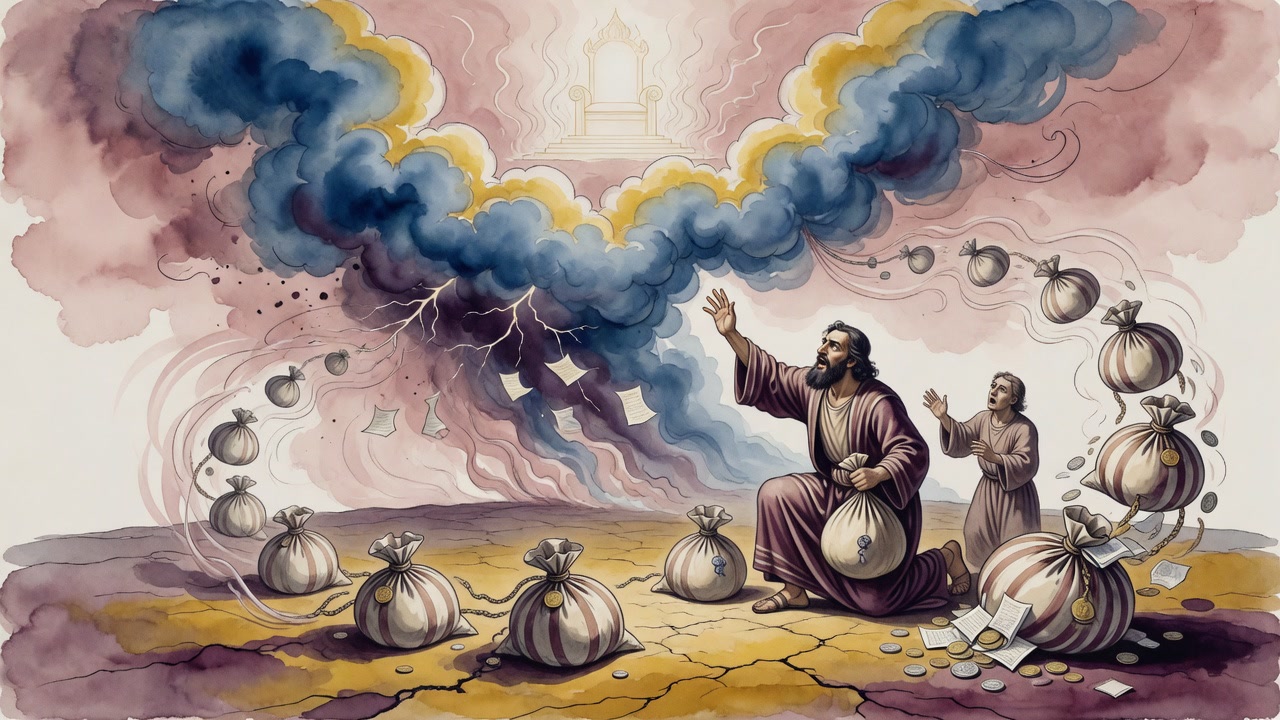
A man locked his neighbor's silver in a chest and swore it was stolen. Confess first and he repays a fifth more. Wait for witnesses and he pays double.
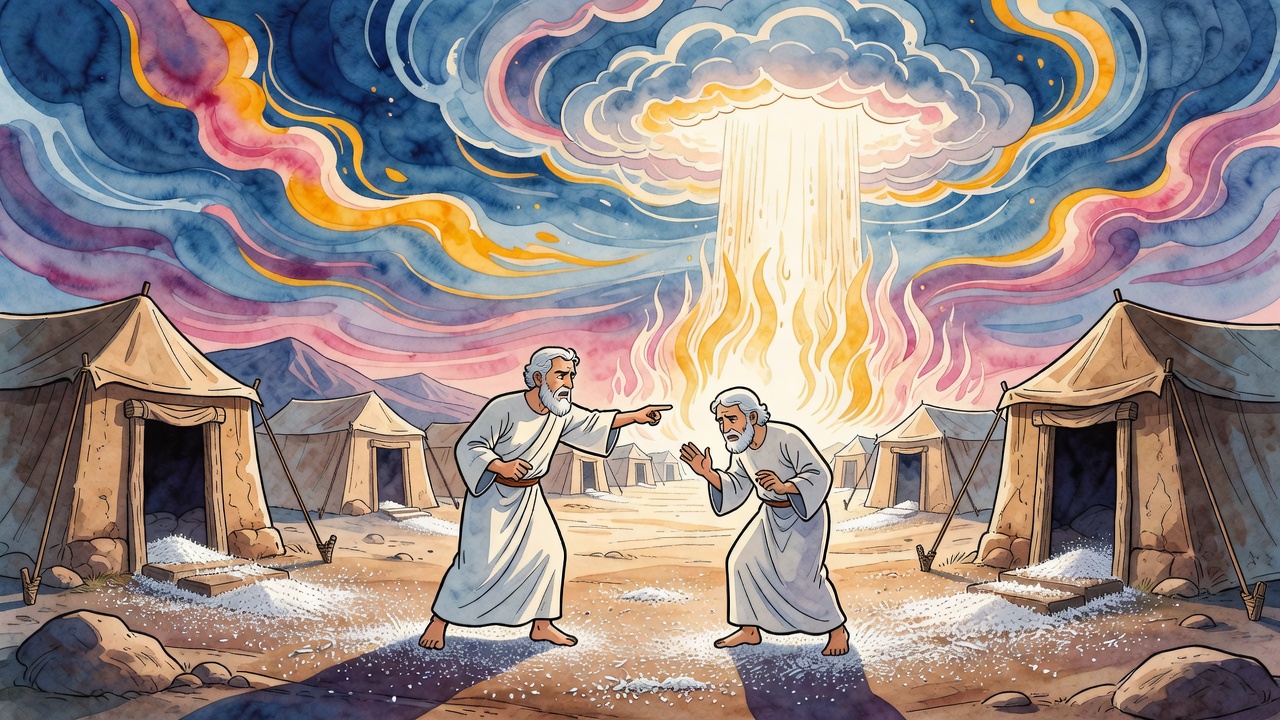
Each morning the manna fell like a verdict. A stolen claim shifted portion and doorstep, and Friday's bread kept Sabbath without spoil.
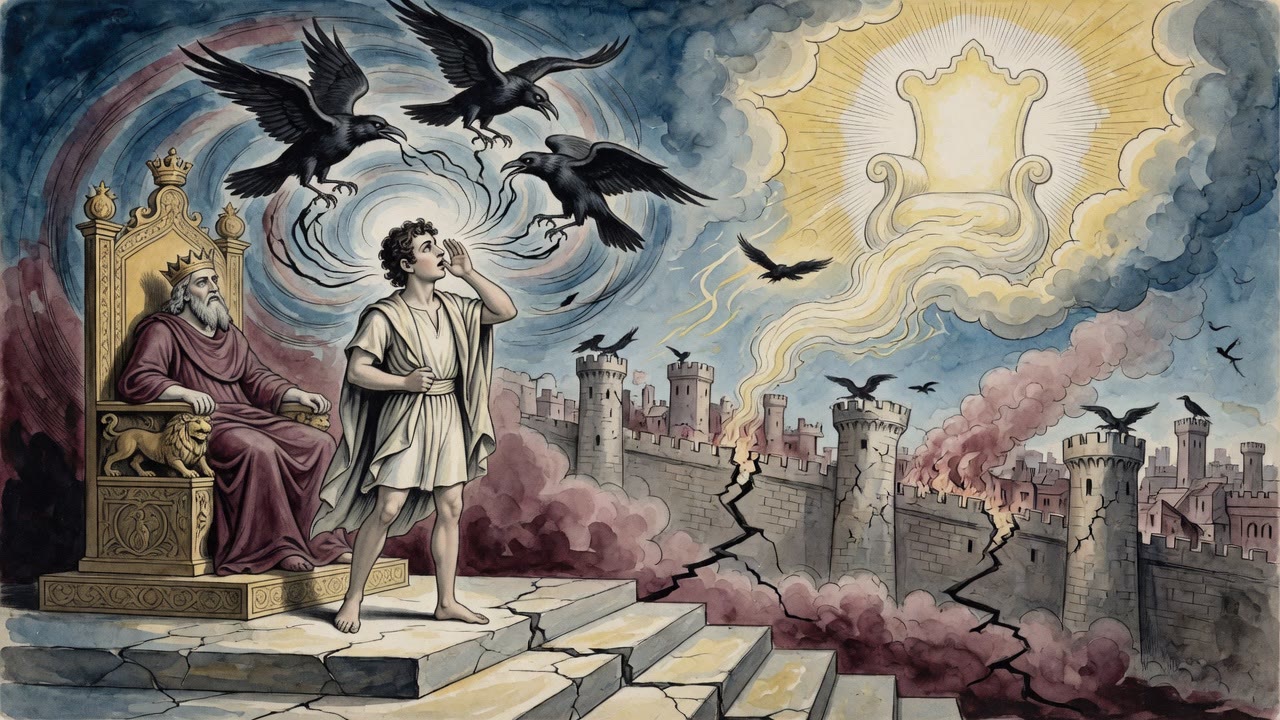
A youth who understood bird speech told a king his throne would fall, then learned that one lie can crack a city built on truth.
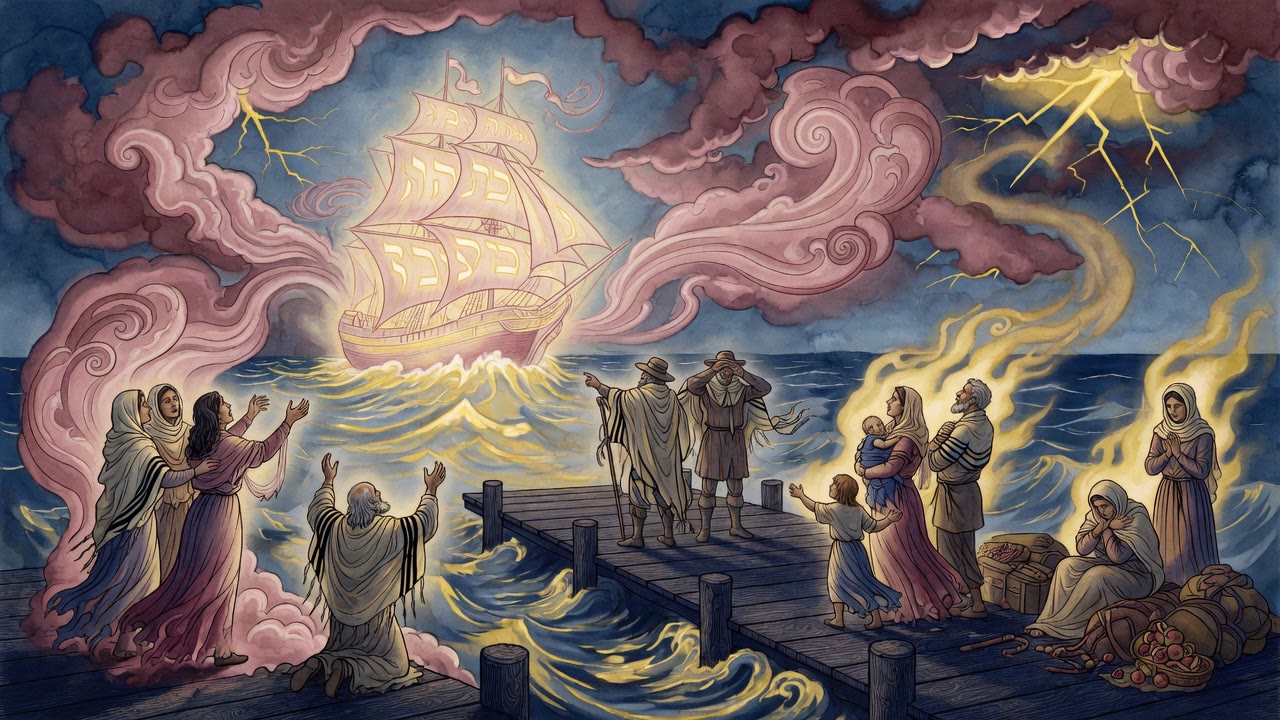
Someone wrote Hadrian a letter that hated life. A stand-in claimed the words, faced the sword, and bought his family bread.
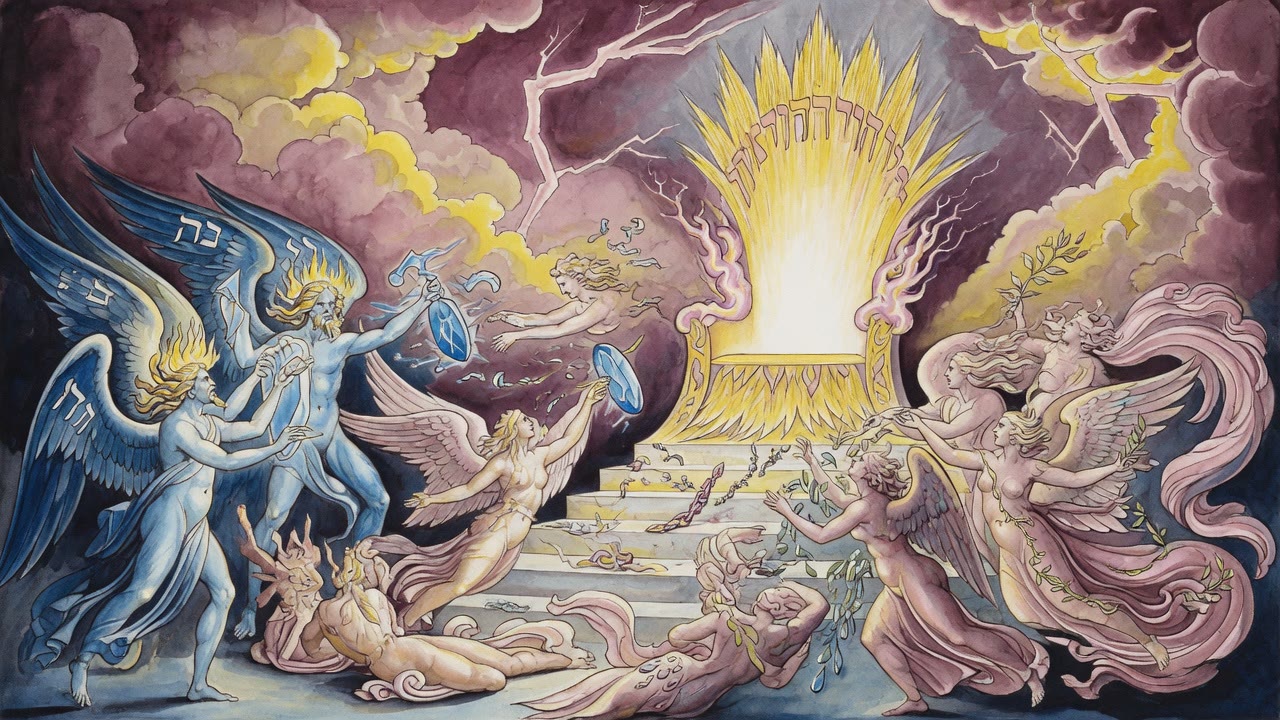
A soul reached the high throne. Hosts on the right cried for life. Hosts on the left cried for death. The King did not move.
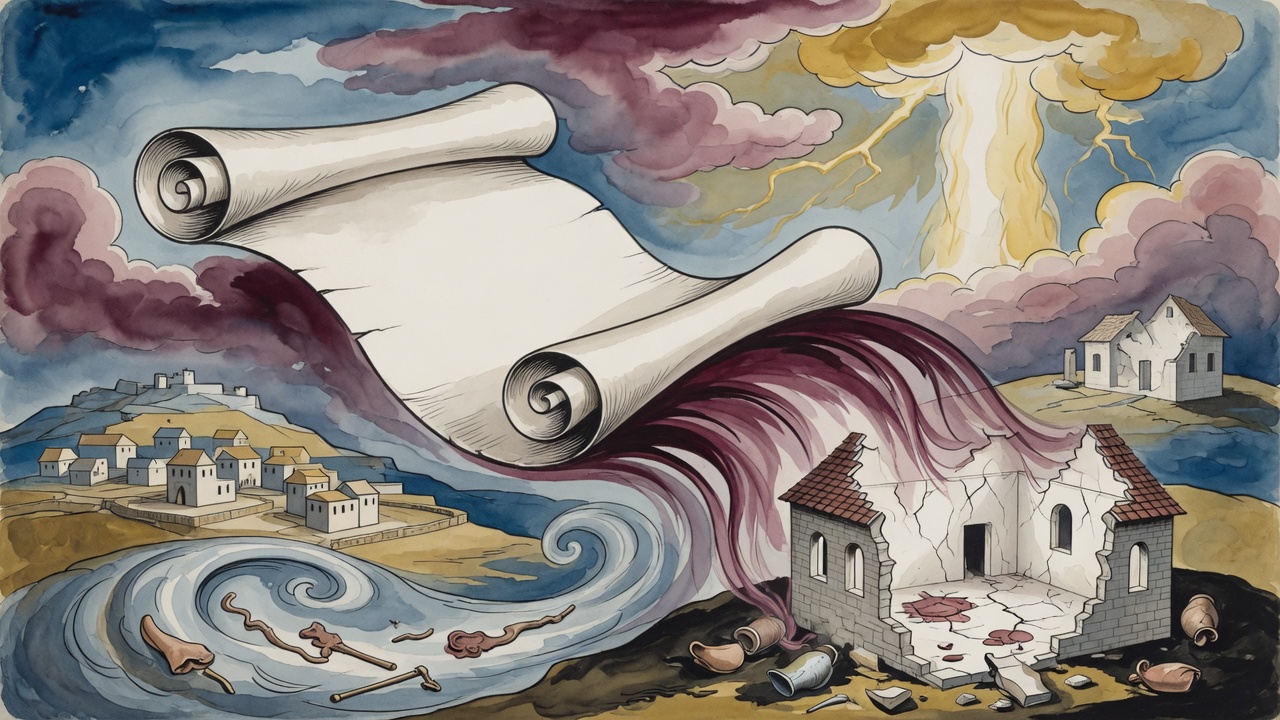
Zechariah saw a huge curse flying over the land, and the rabbis say a false oath can empty a house the way a jug once full of wine is left hollow and dry.
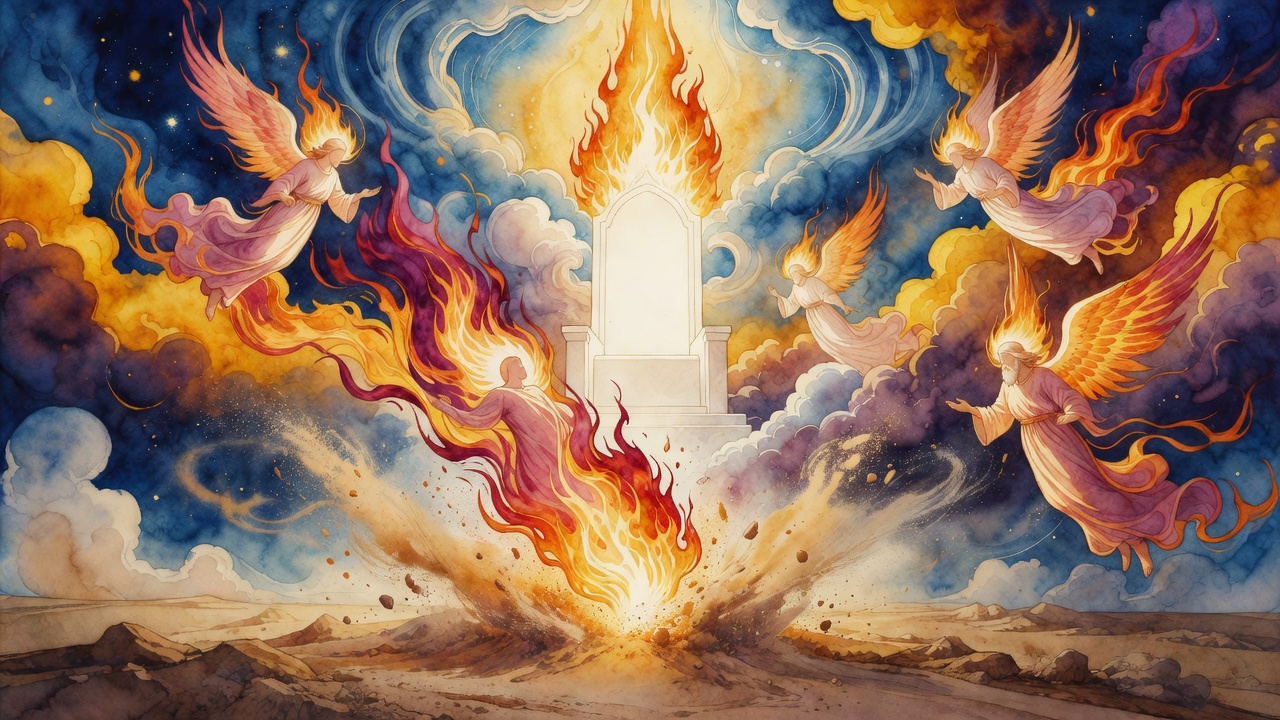
Love spoke for the first human. Truth would not. God threw Truth down, and while he lay in the dirt, clay took a first breath.
