84 myths · Page 2 of 3
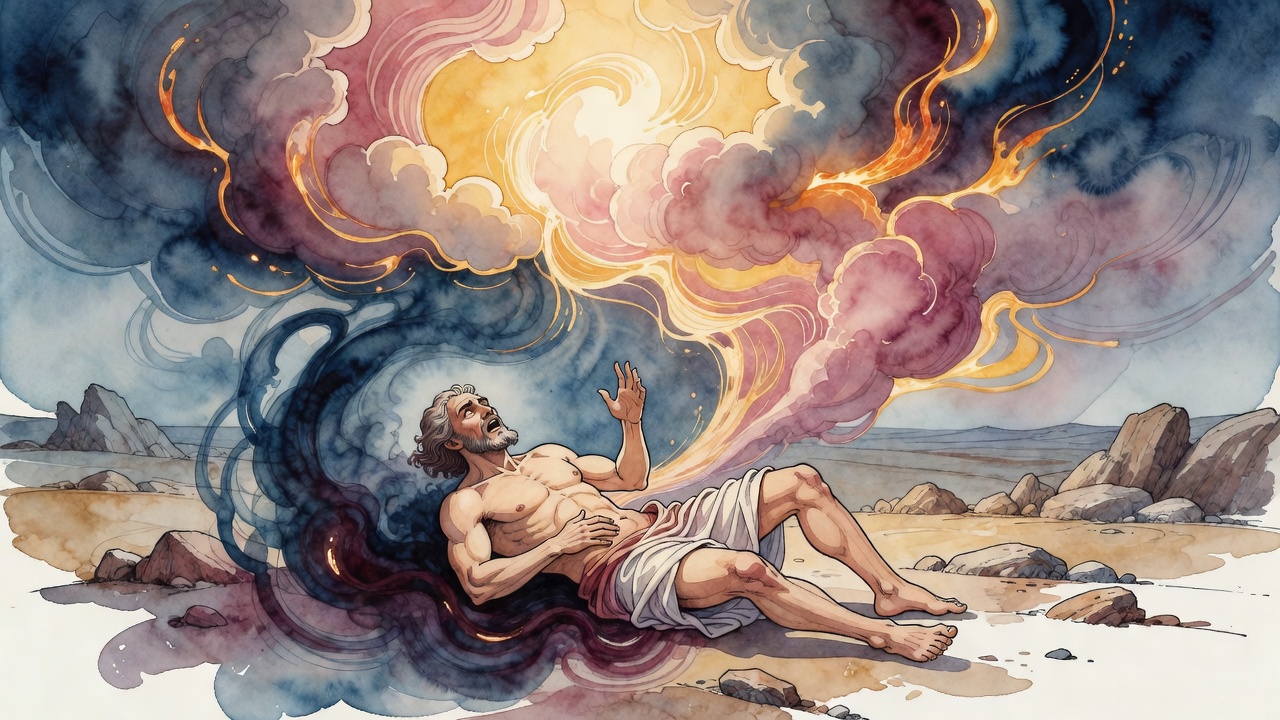
The firstborn was thirty years old when he committed the act. God struck him with a plague in his loins. Jacob's prayer saved his life.
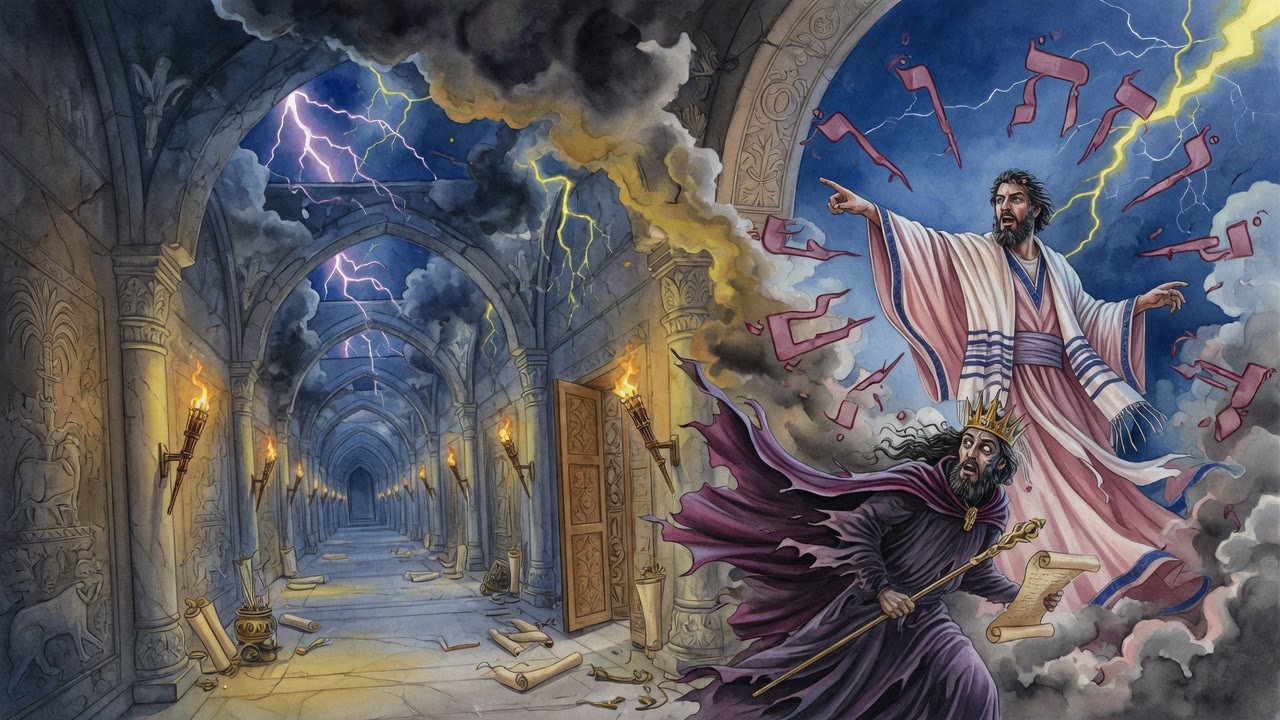
The angels at the gates called one word: Come. Isaiah walked in anyway. In the fifth chamber Pharaoh sat watching the other kings.
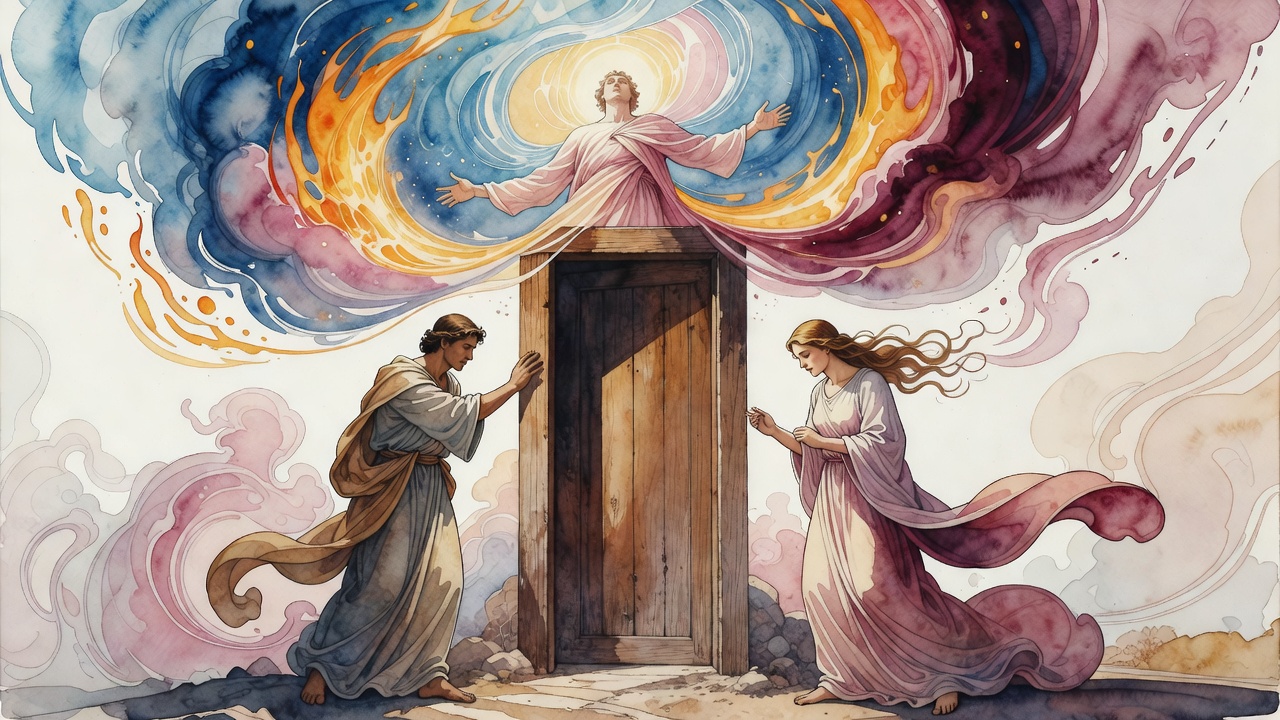
He took the offer back once she opened the latch. She swore by the throne of God, and by the tree of life, before he climbed.
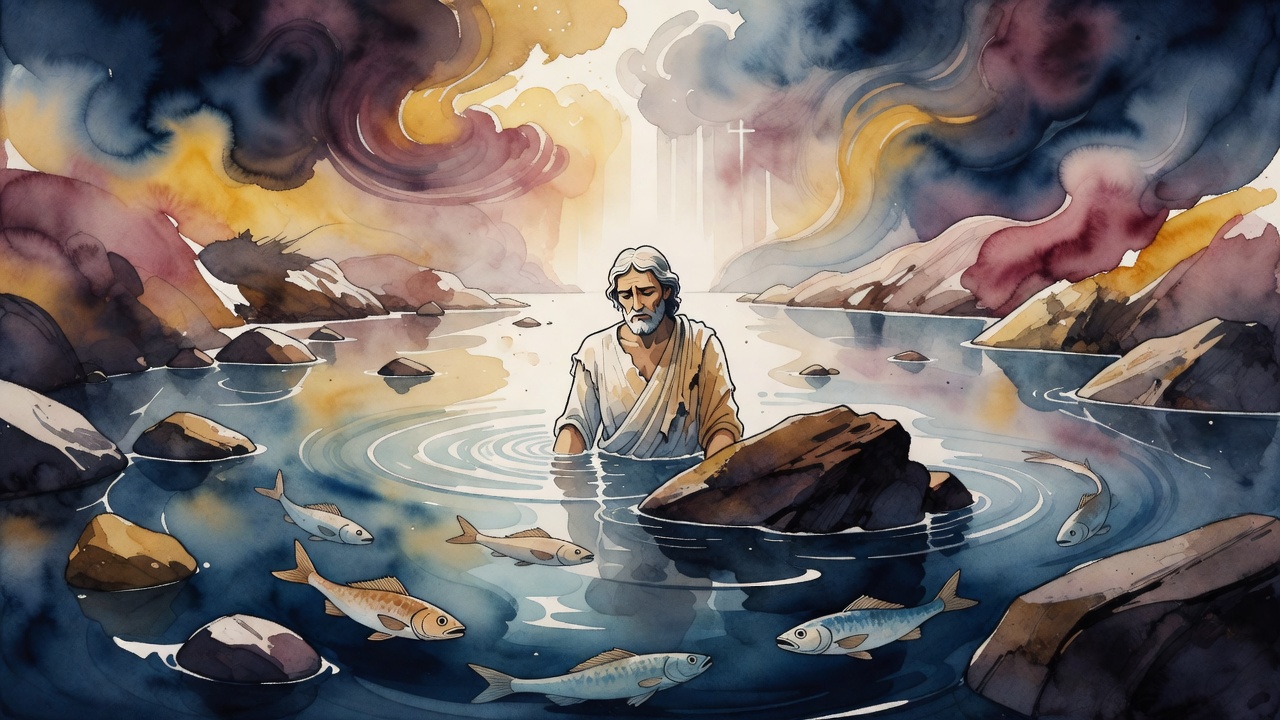
He stood on a stone until the water reached his neck. He told the fish not to beat their own breasts. The Jordan held still.
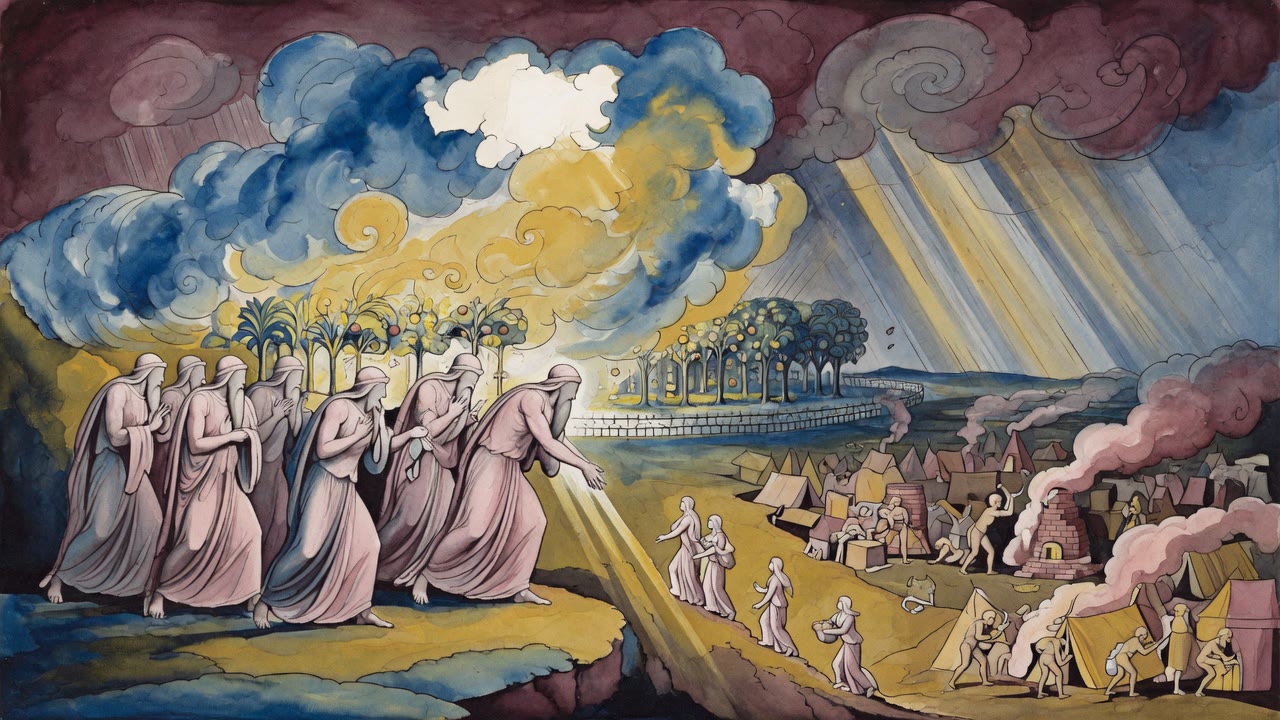
Seth's descendants lived near Paradise for generations, pious and untouched. Then they looked down at the Cainites and made a choice they could not take back.
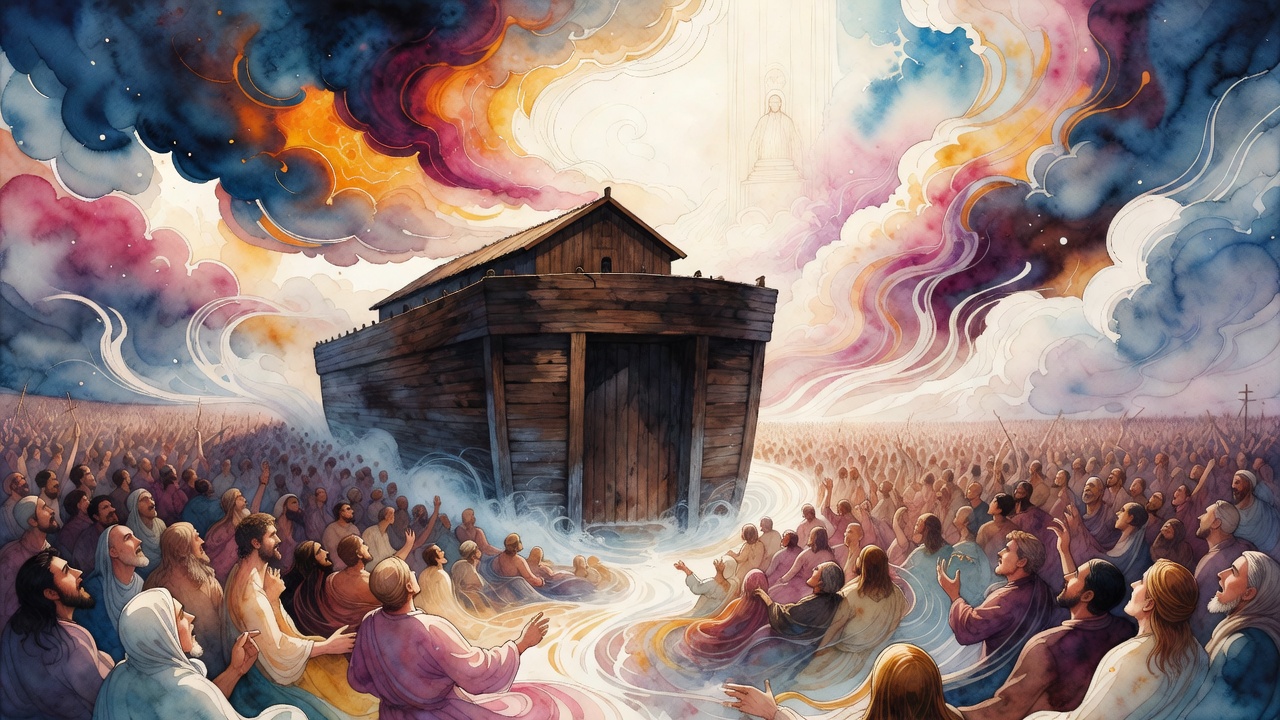
Seven hundred thousand people begged at the ark door and Noah shouted them down. He had been standing outside it himself a moment earlier.
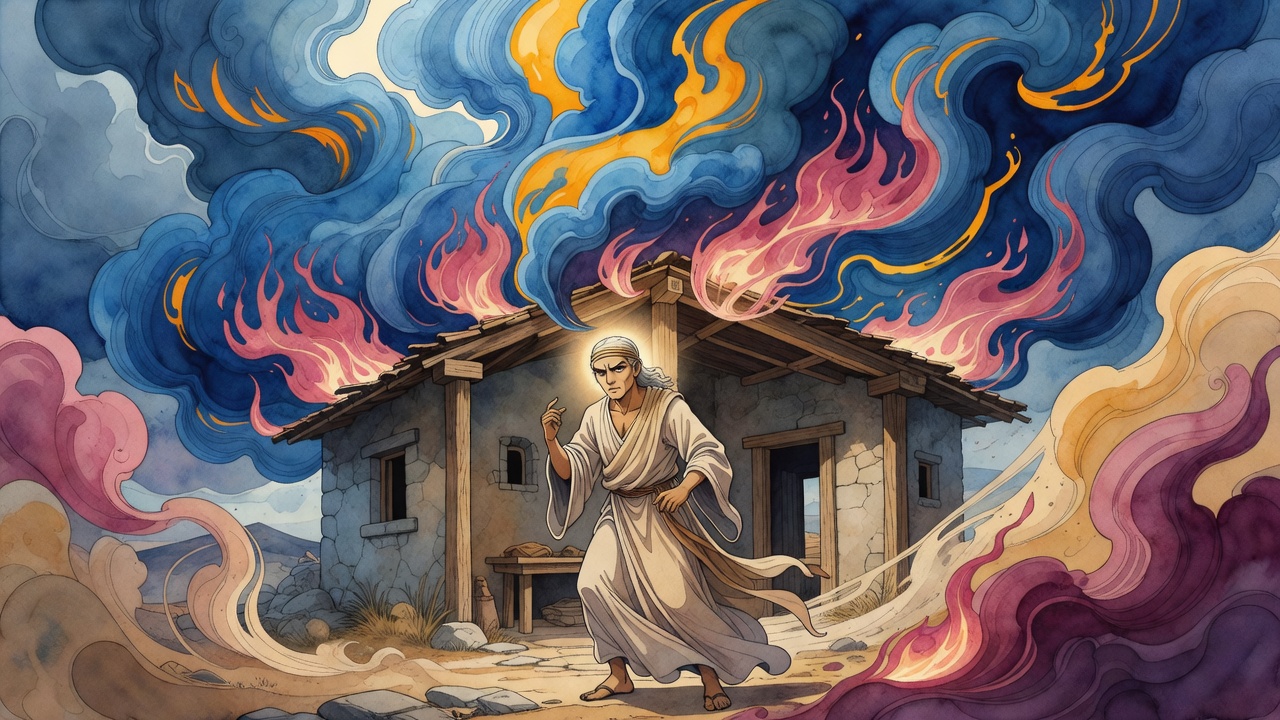
God asked who the men with him were. The question sounded like a neighbor catching up. Balaam filed it as a gap he could use.
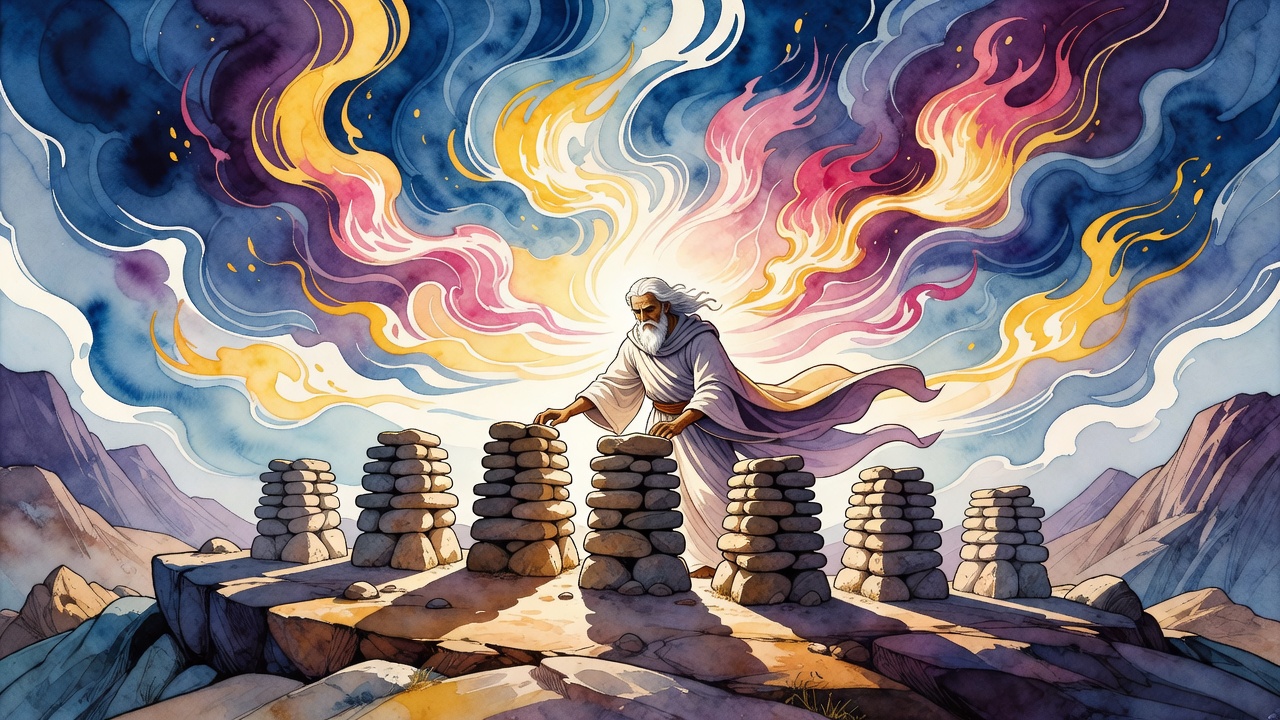
Balaam counted every altar the patriarchs had ever built, then built the same number to match their merit. God answered with a single verse about dry bread.
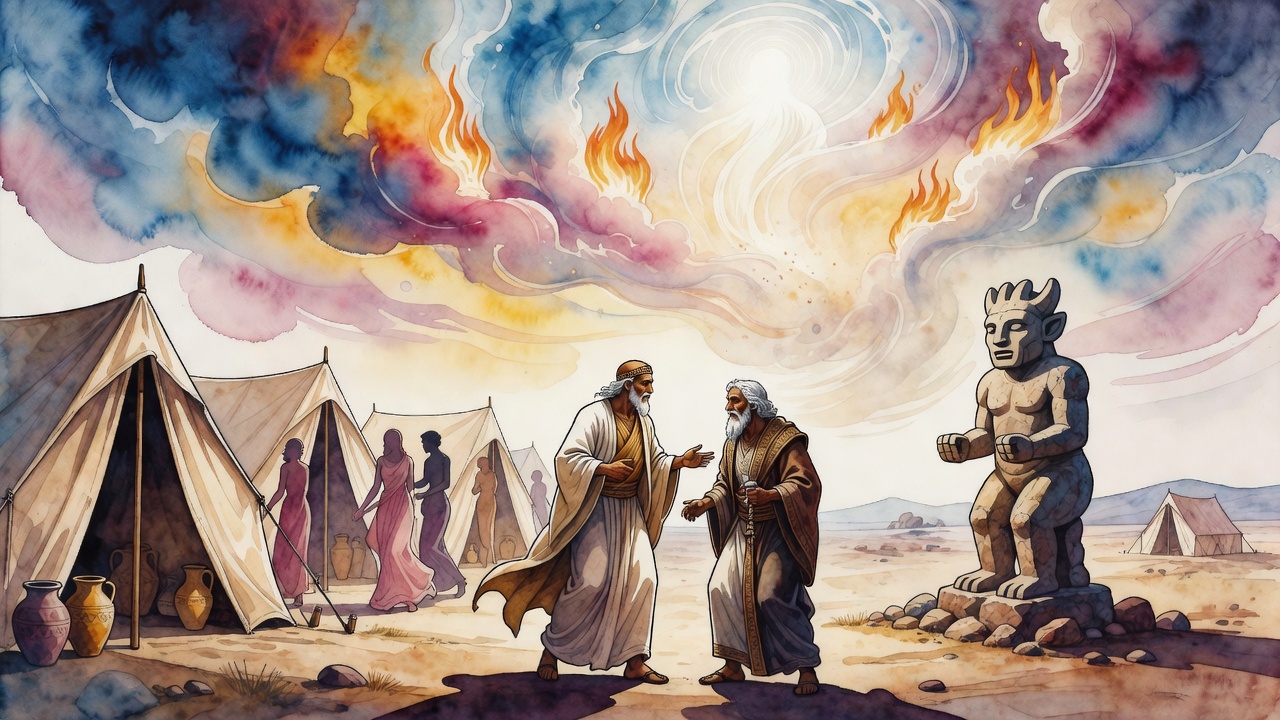
Curses had failed, so Moabite women sold cheap linen at their tent doors. Inside there was wine, and under the linen an idol was waiting.
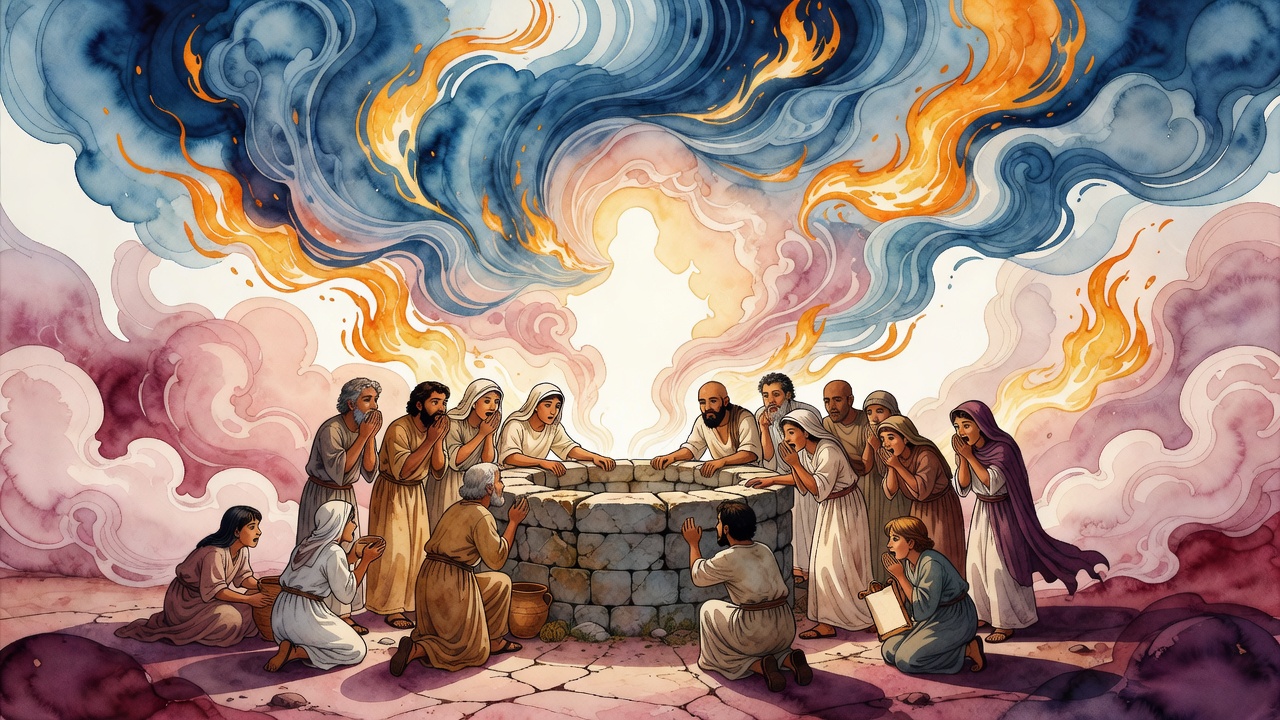
For generations nobody dared draw from it. Israel arrived after forty years in the desert and found cold water with no marker and no warning on it. They drank.
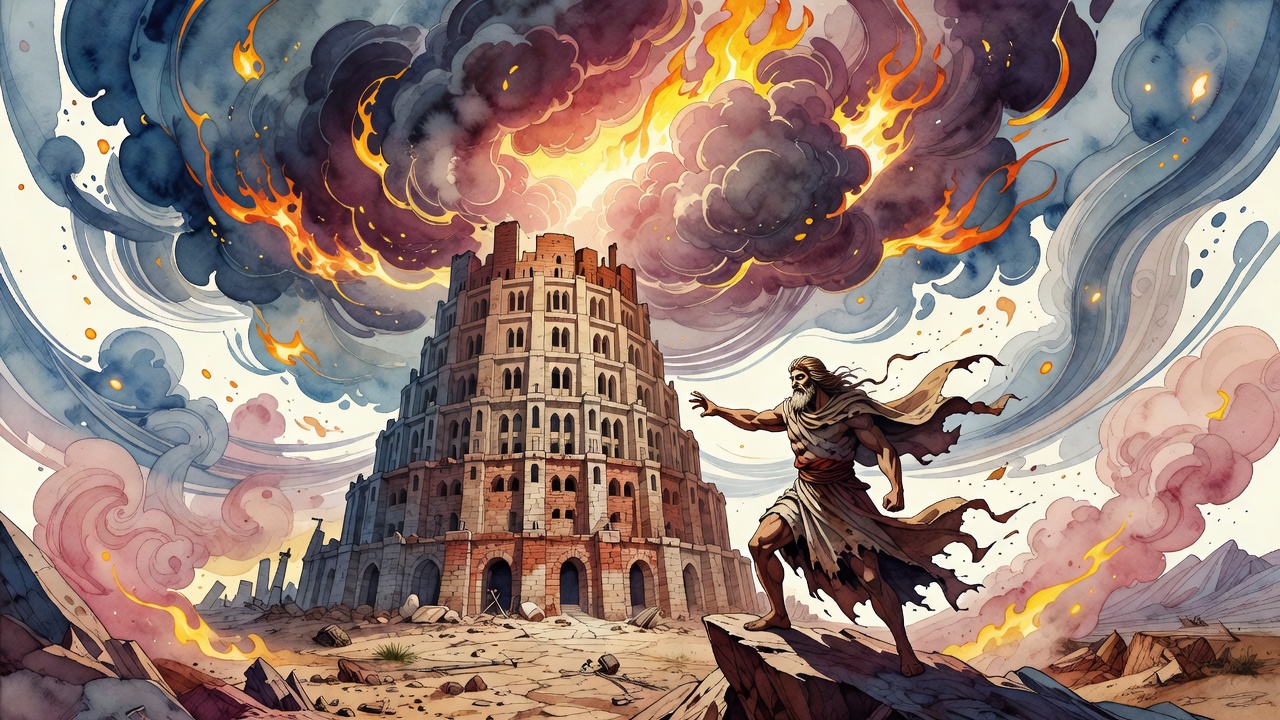
The bricks were fired hard and sealed with bitumen so no water could get in. Nimrod was not reaching for heaven. He was building above the flood line.
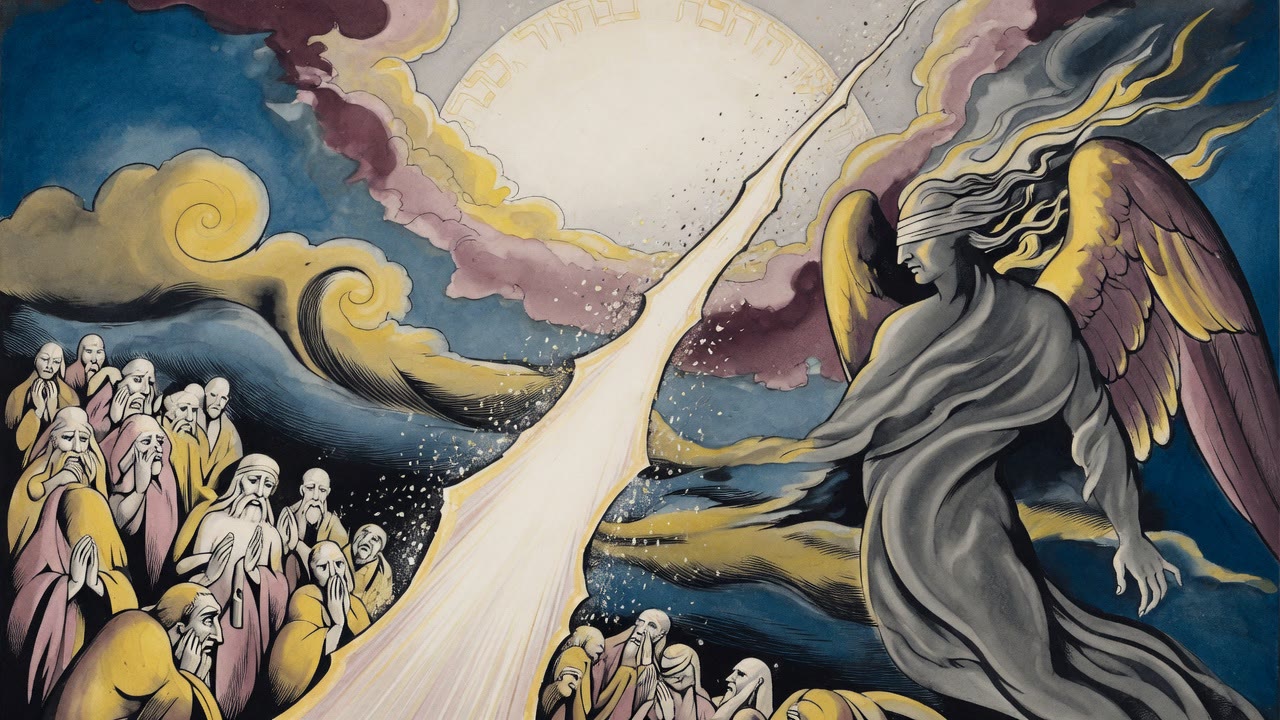
Samael does not seize power. He is given it. The gap sin creates is the only space Samael enters, and God is the one who opens the door.
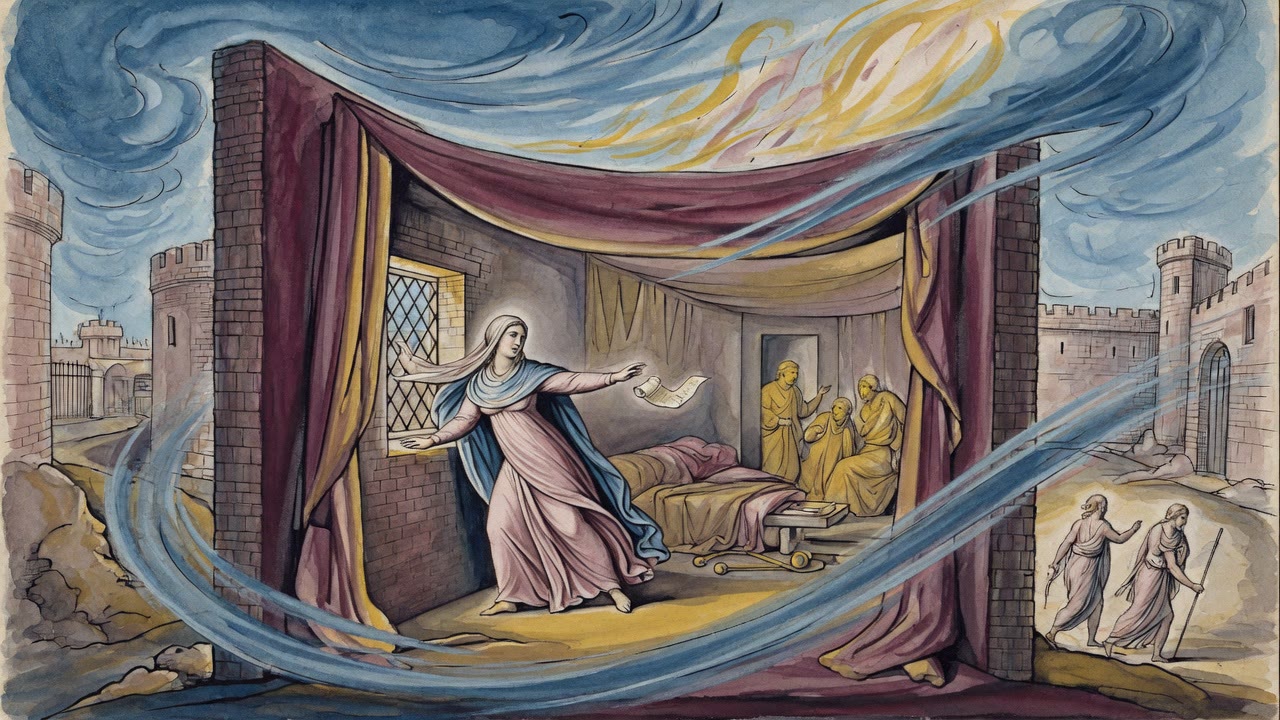
She was twelve and she was being held in the prince's house when she overheard what the men downstairs were planning to do to her family.
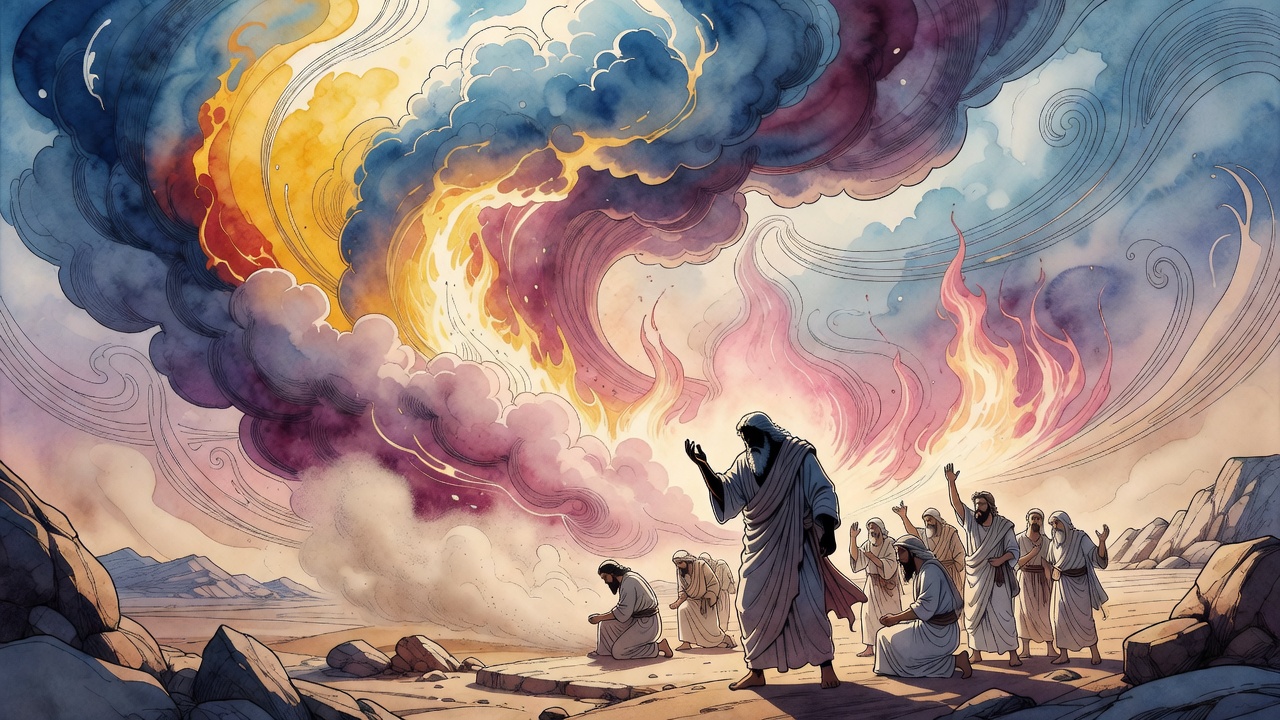
The Torah says Moses trespassed against God at Meribah. The rabbis read the Hebrew causative and found a heavier charge: he caused others to trespass.
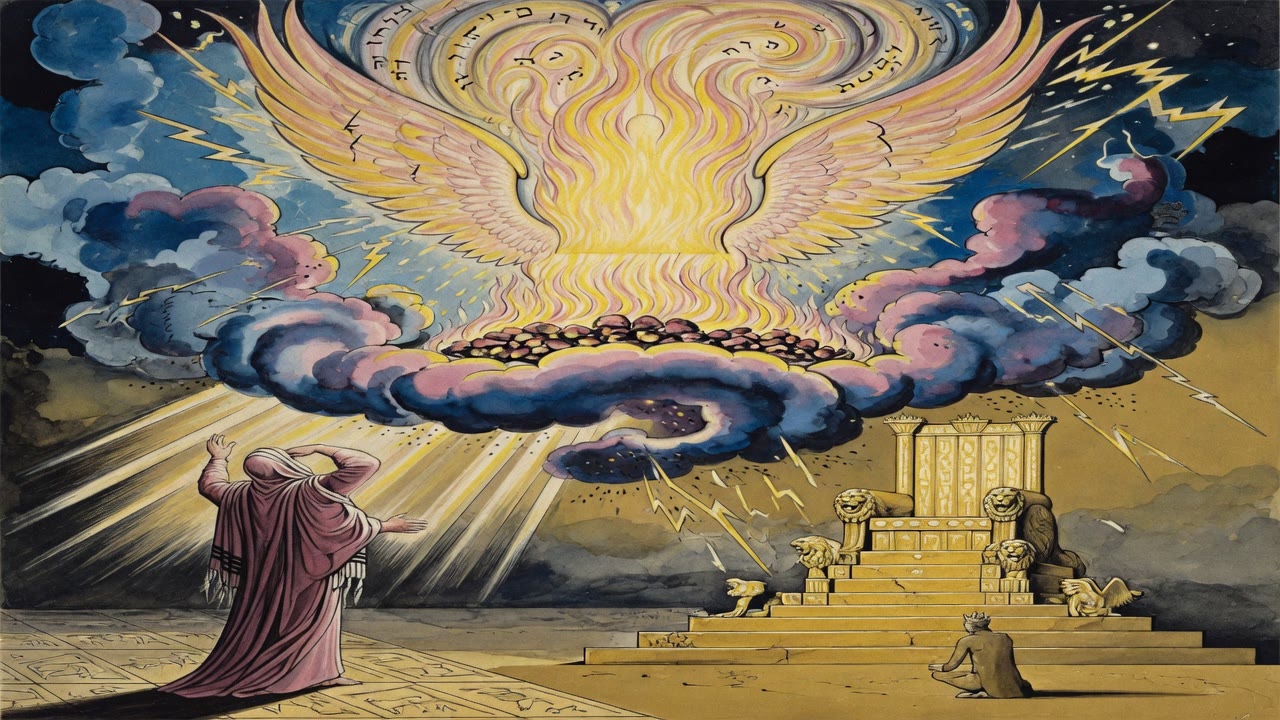
Sihon and Og took Moab's money for years to stand between Balak and the desert. Israel killed them both in one season. Now nothing stood there.
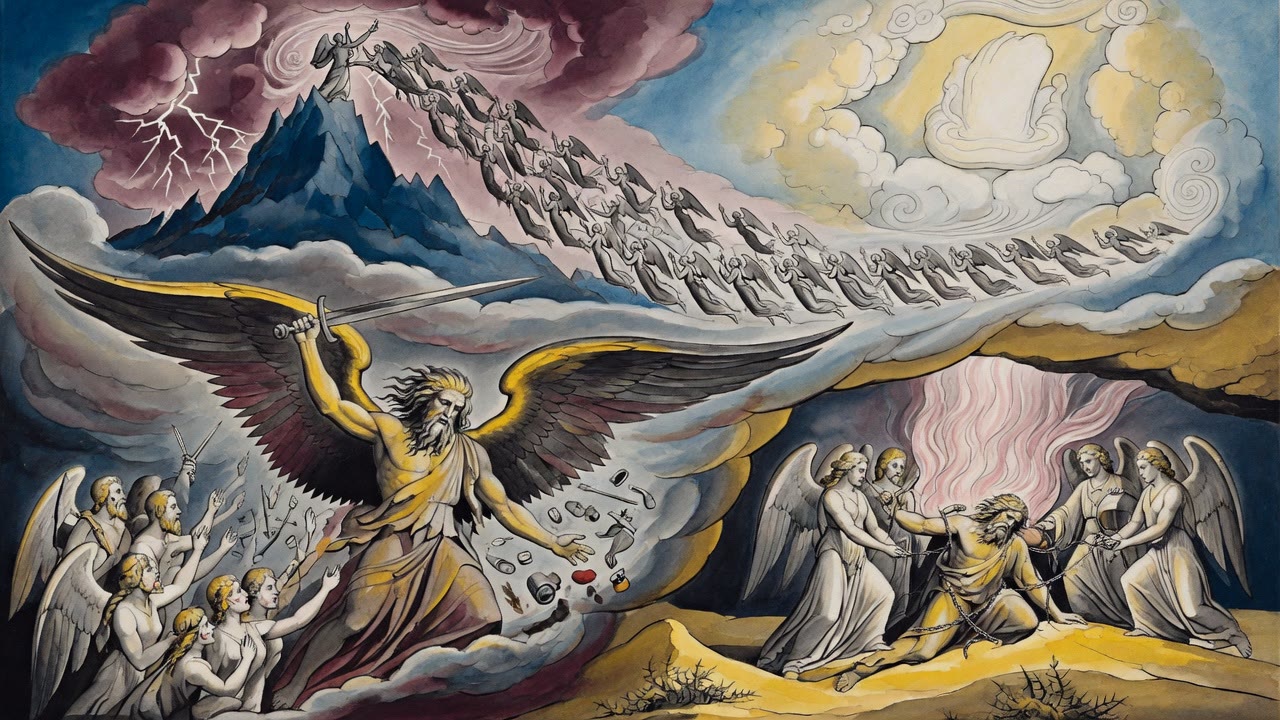
Two hundred angels swore an oath on Mount Hermon and descended. Azazel taught weapons and cosmetics. Four archangels bound him under the desert.
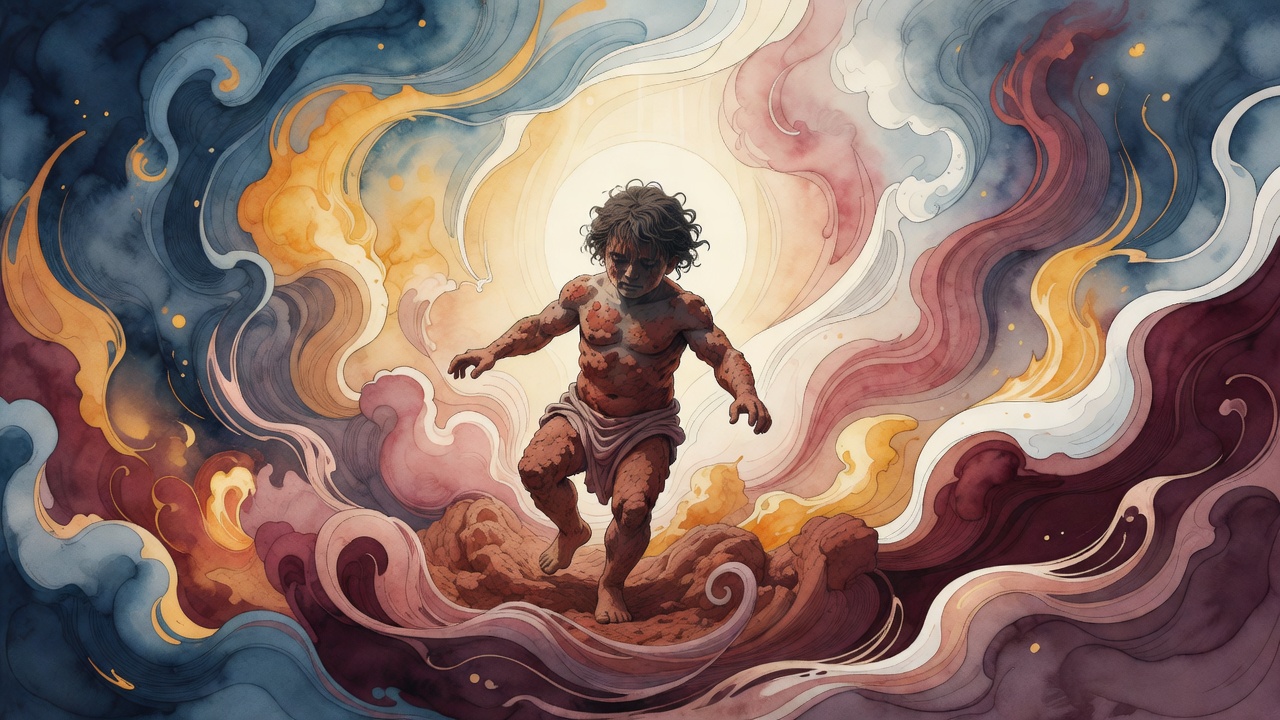
Rebekah's twins fought inside her, and one threatened to kill her to get out first. Shem told her why: her body was holding two nations.
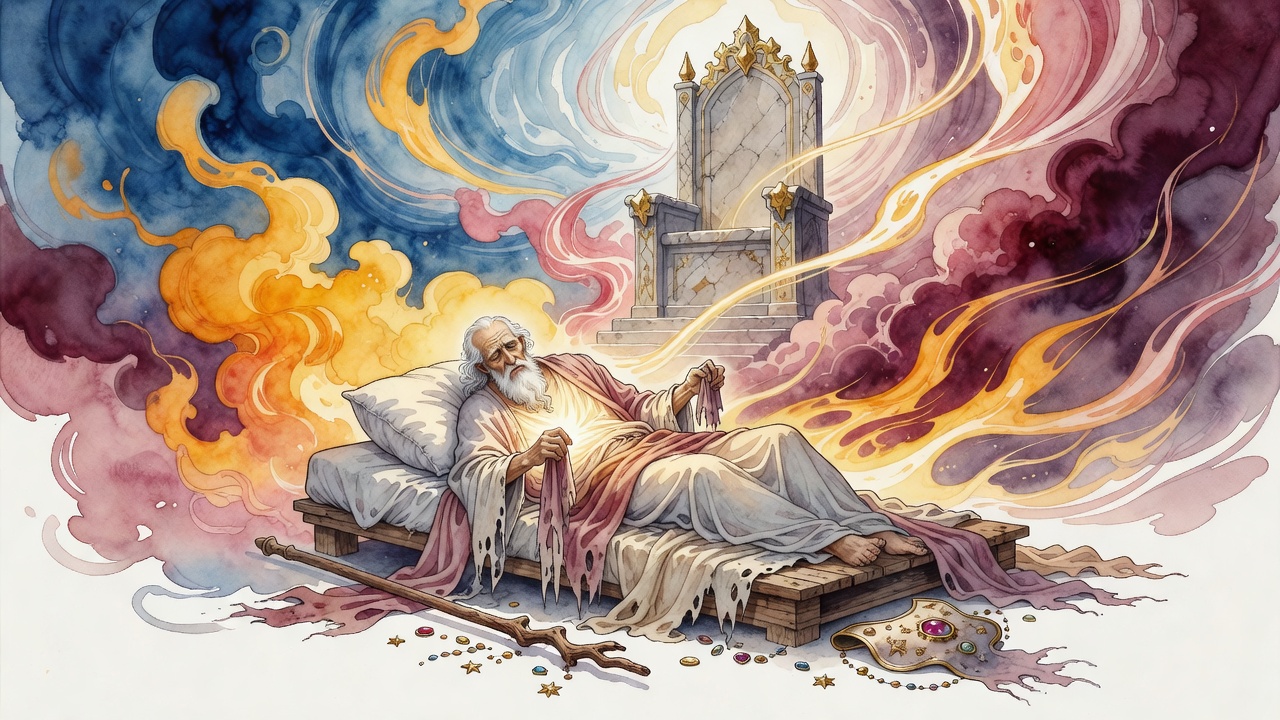
Reuben held the birthright, kingship, and priesthood for one year before a single night took all three. On his deathbed he named exactly what had done it.
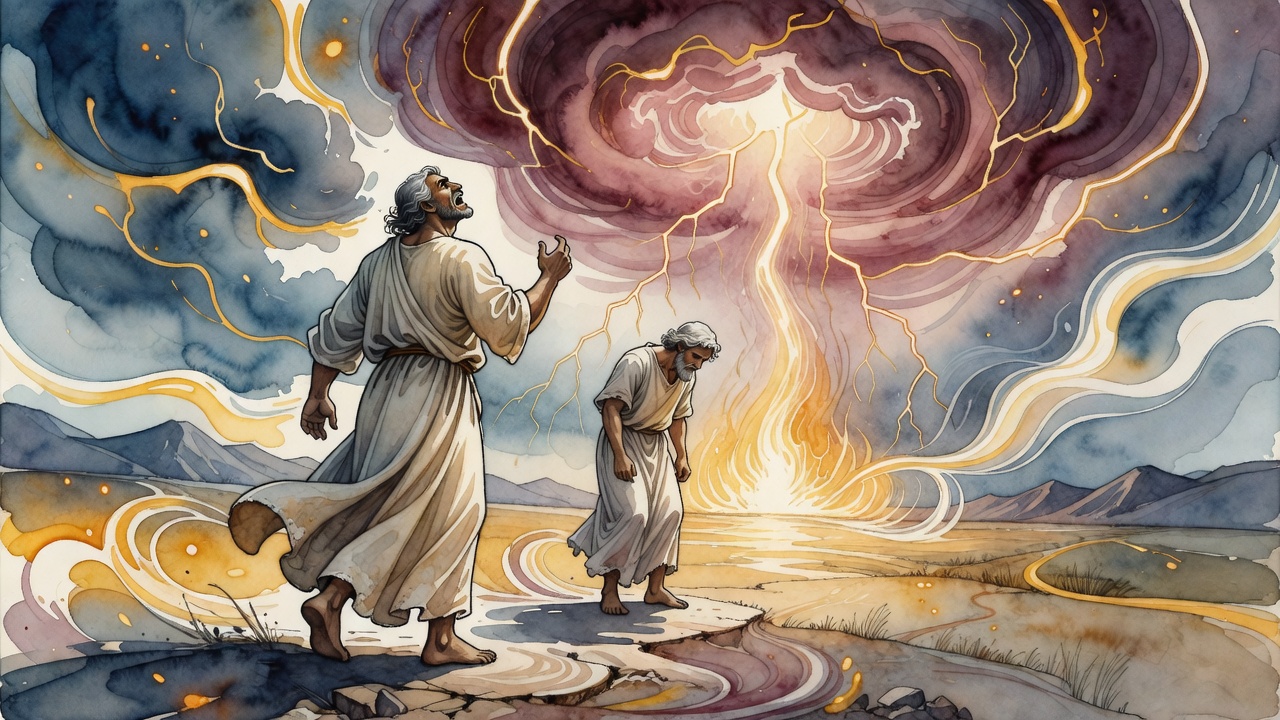
Ham came out of the tent and told his brothers what he had seen. They took a garment and walked in without looking. The curse missed him.
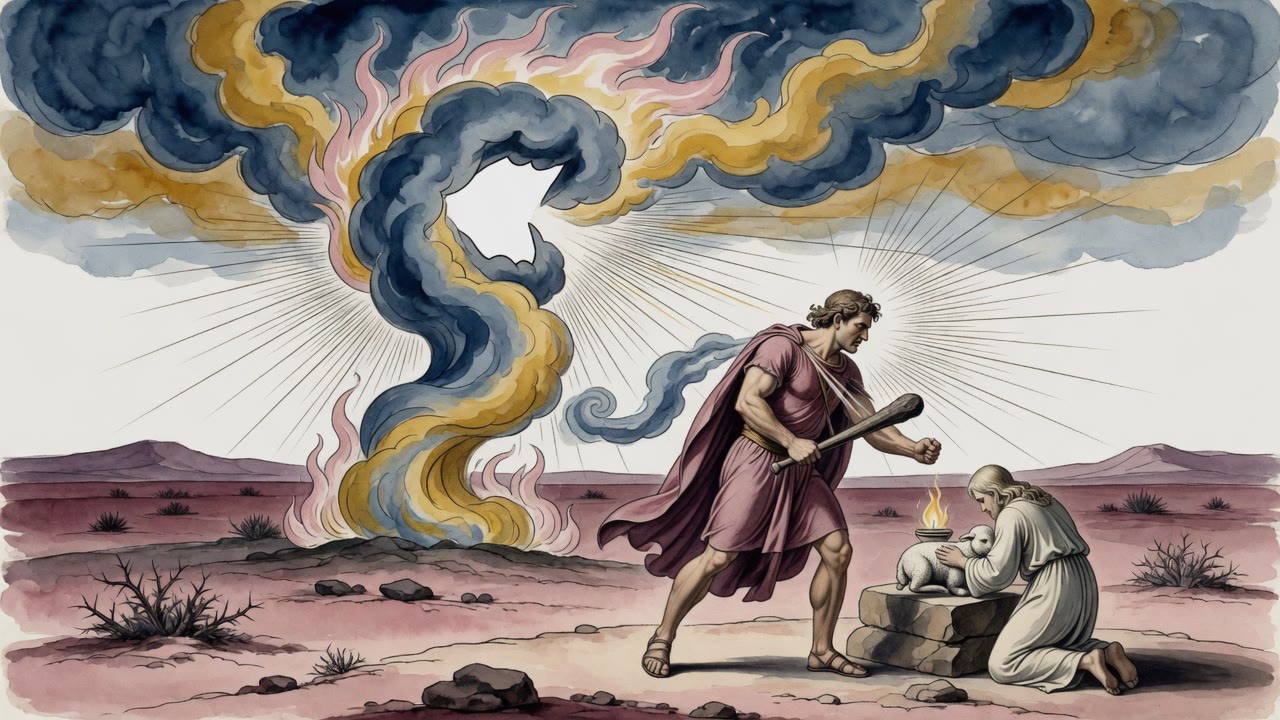
The princes of Moab were still asleep under his roof. Balaam was out in the cold before dawn, tightening the girth with his own hands.
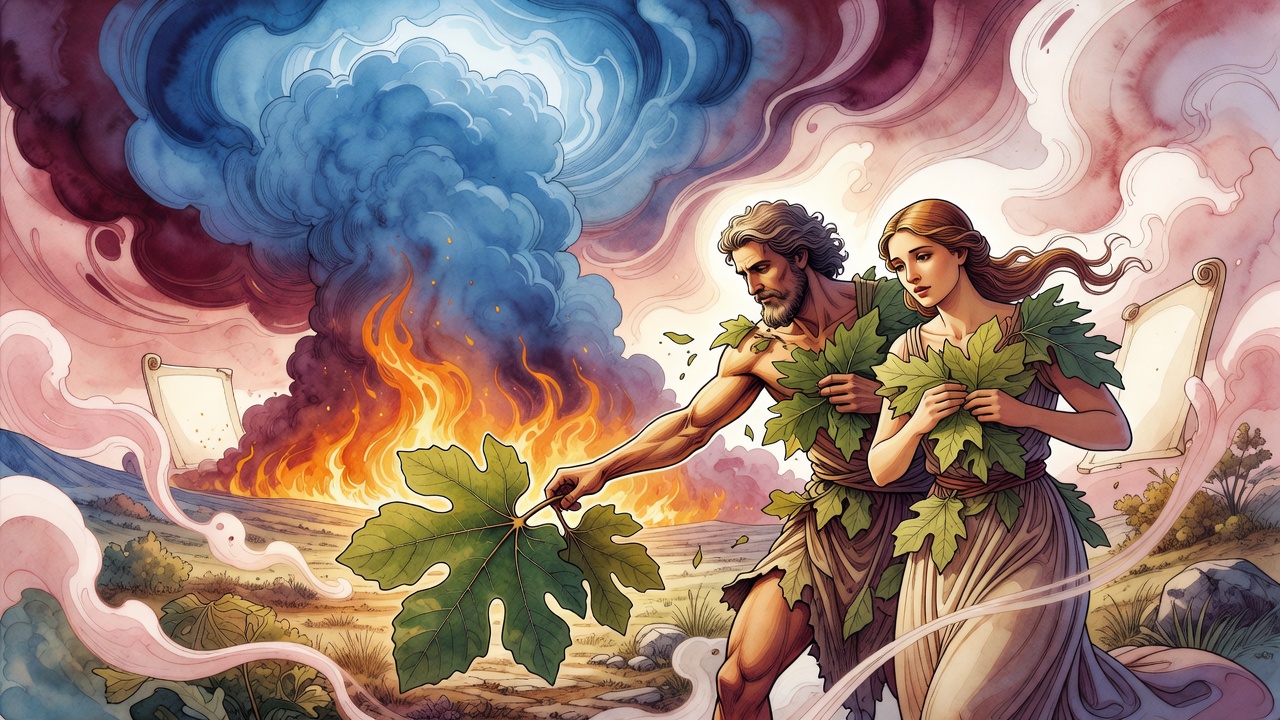
After the first sin, Adam and Eve reached for fig leaves. Philo says that choice explains everything about how pleasure works after Eden.
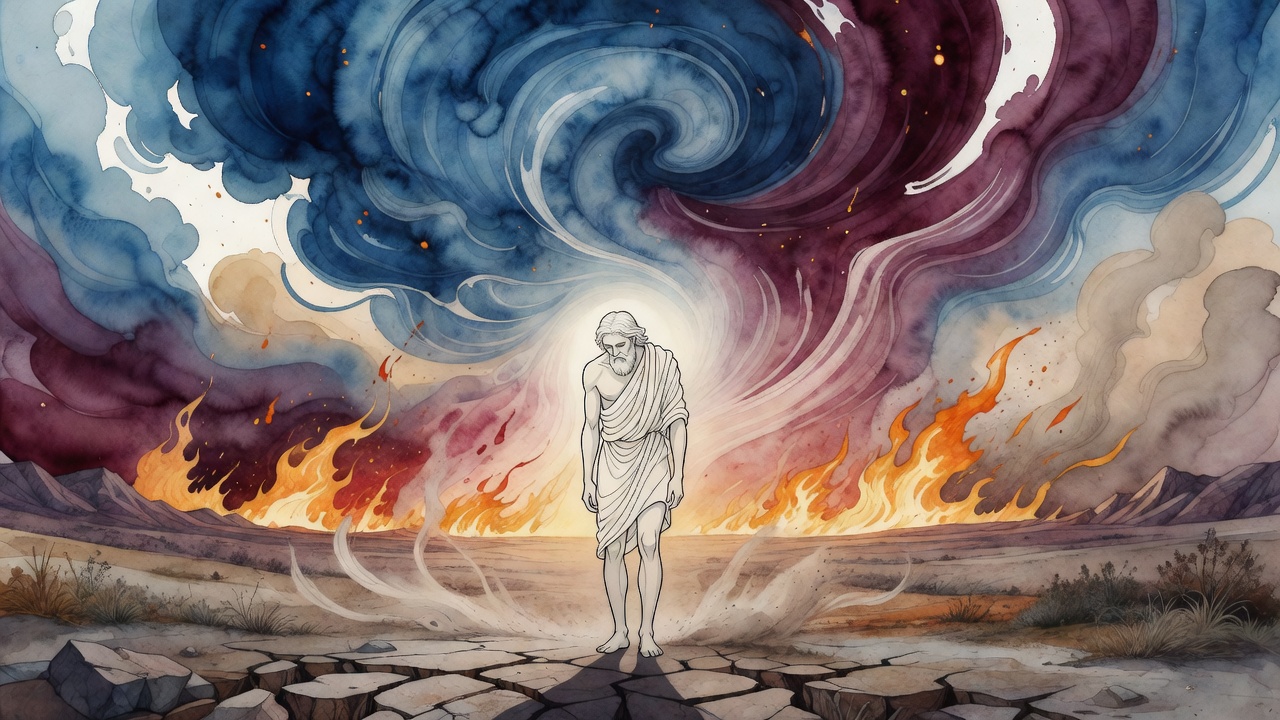
Cain told God that a world heavy enough to be carried could surely carry one sin. He did not mean a word of it. Half his sentence came off anyway.
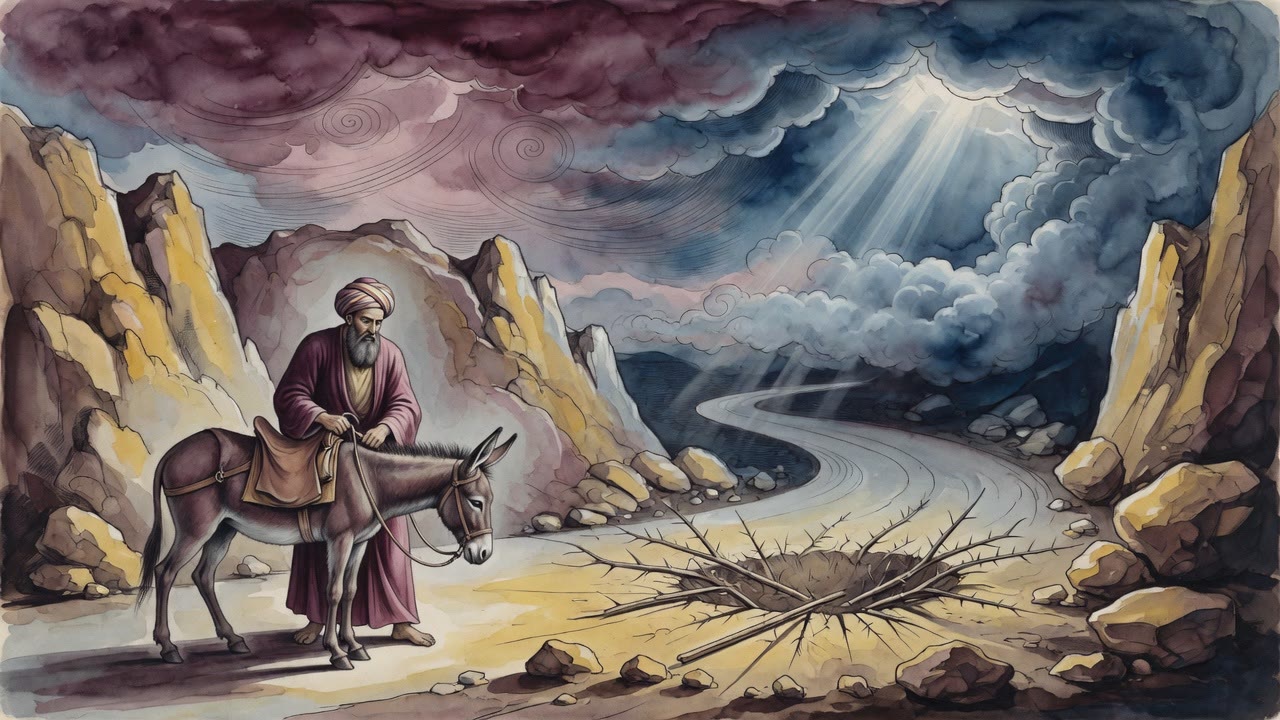
Smoke from Abel's flock went up. Cain's fruit sat on the stones unused. Then God spoke, and Cain still walked into the field.
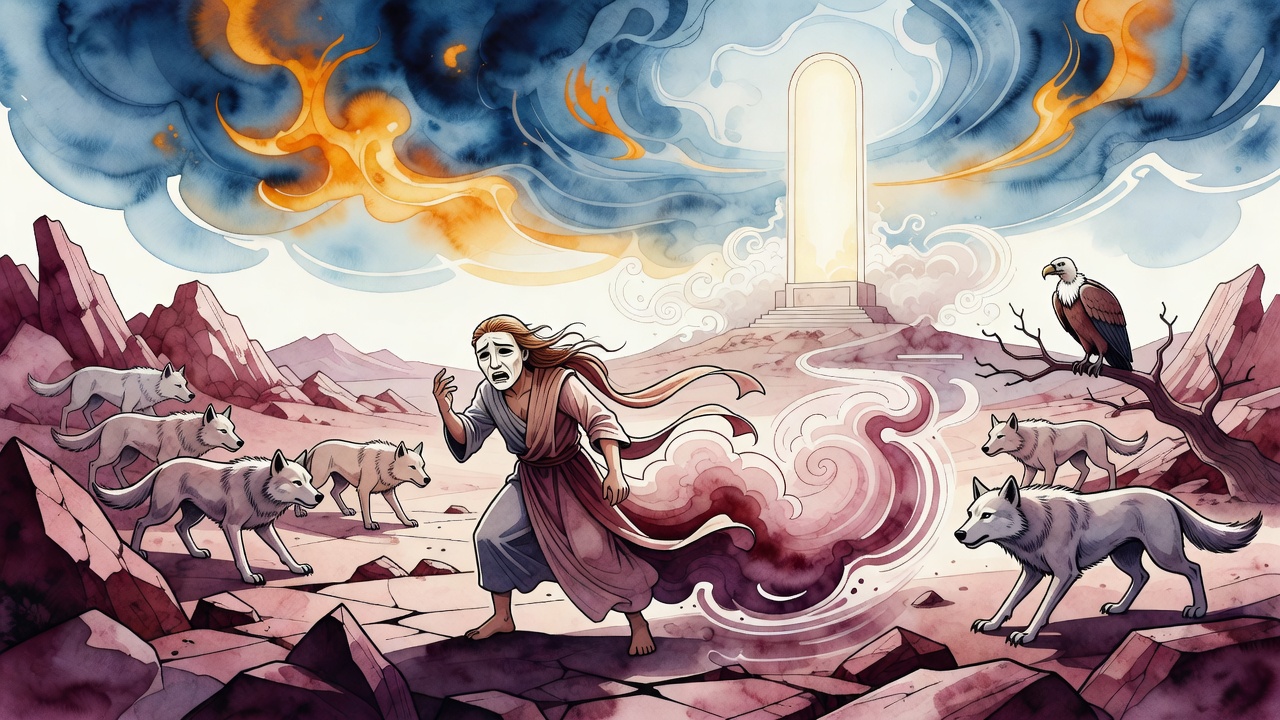
After the murder, Cain faced something harder than punishment. The world itself felt hostile, and the animals waited, and his own guilt pursued him.
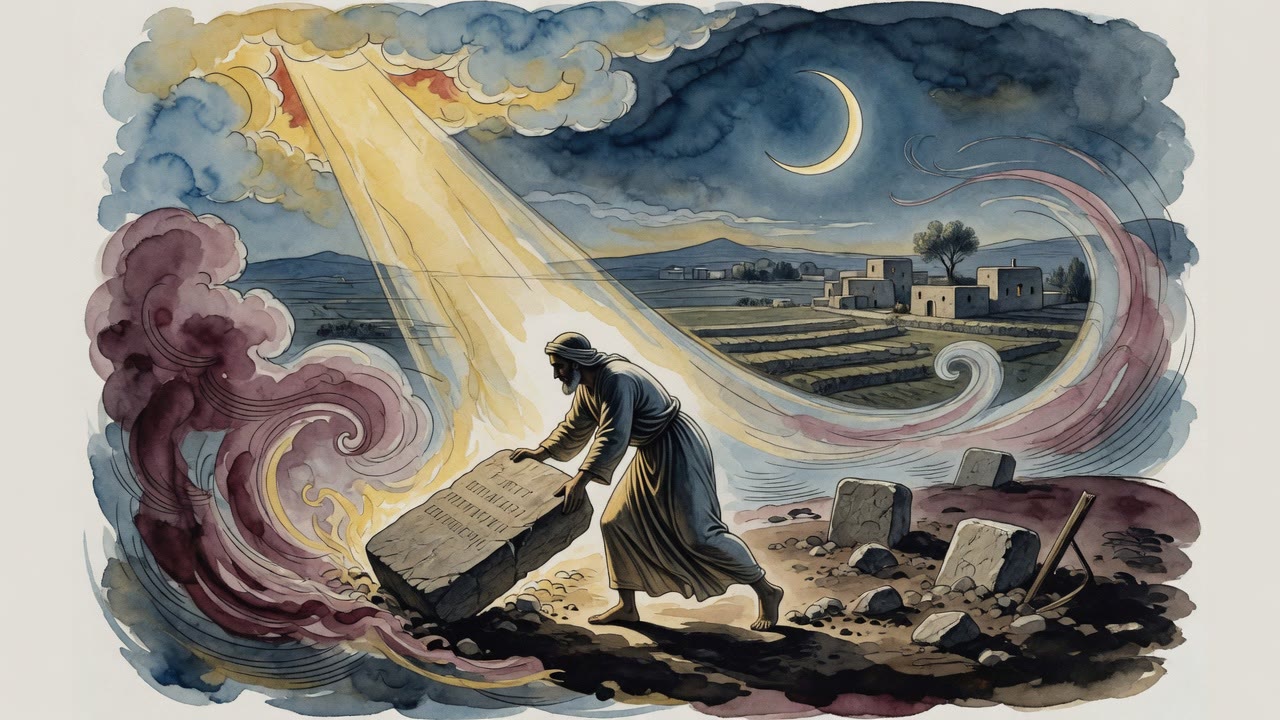
God cursed Cain, then marked him for protection. Philo argues the mark was not mercy but the sharper punishment, a sentence that would never end.
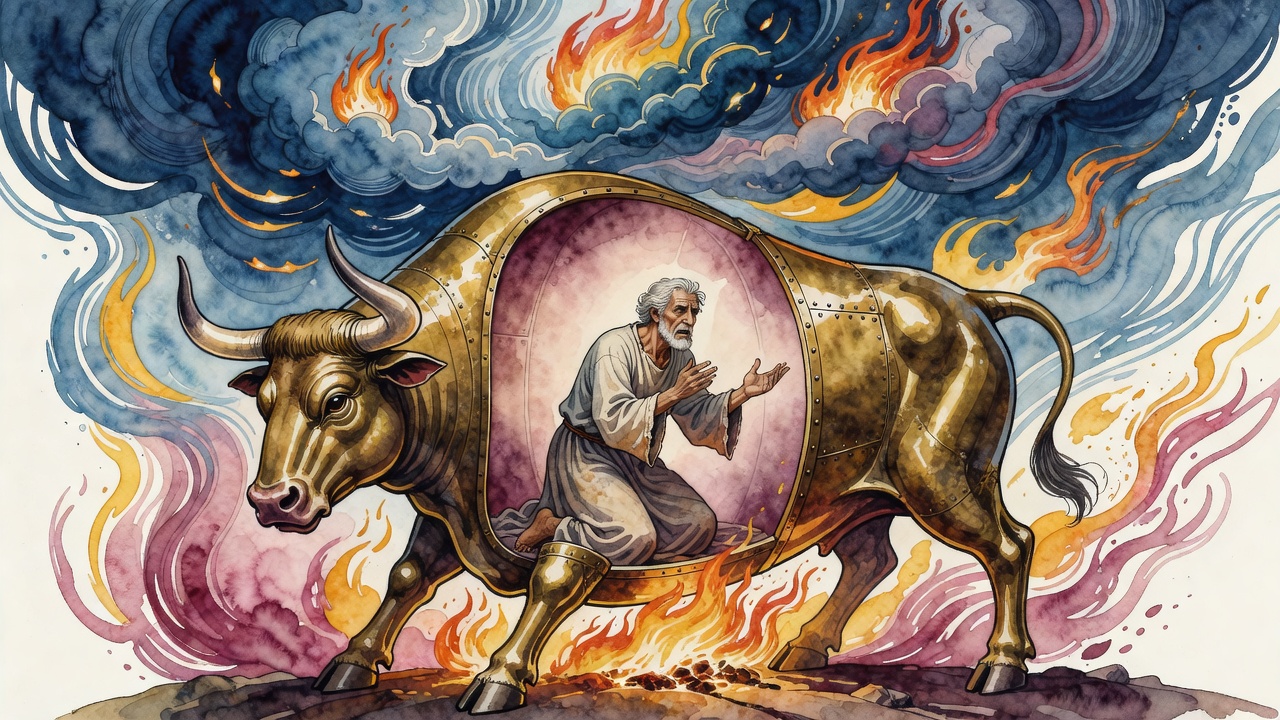
Manasseh had spent a lifetime closing every door back to God. Sealed inside a heated brass bull by his captors, he found the one door still open.
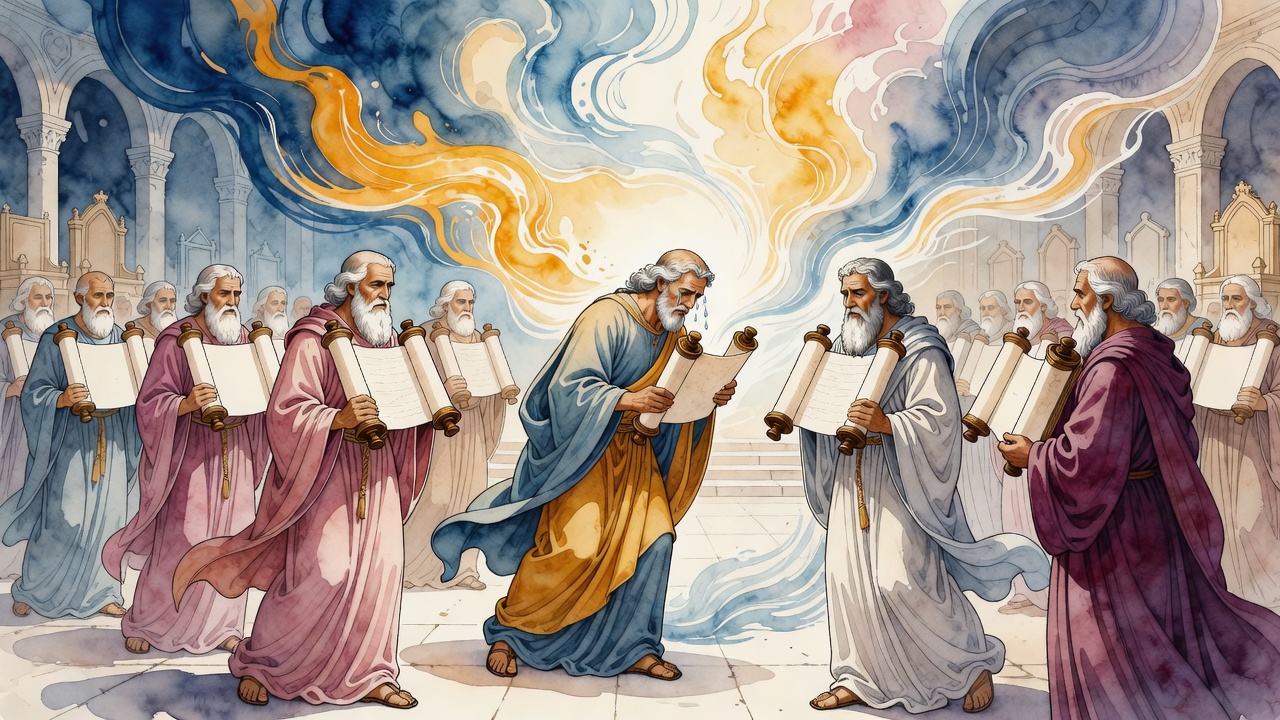
Seventy-two elders carried the Torah from Jerusalem into the Greek king's hall. He asked why no king before him had ever been given this book.
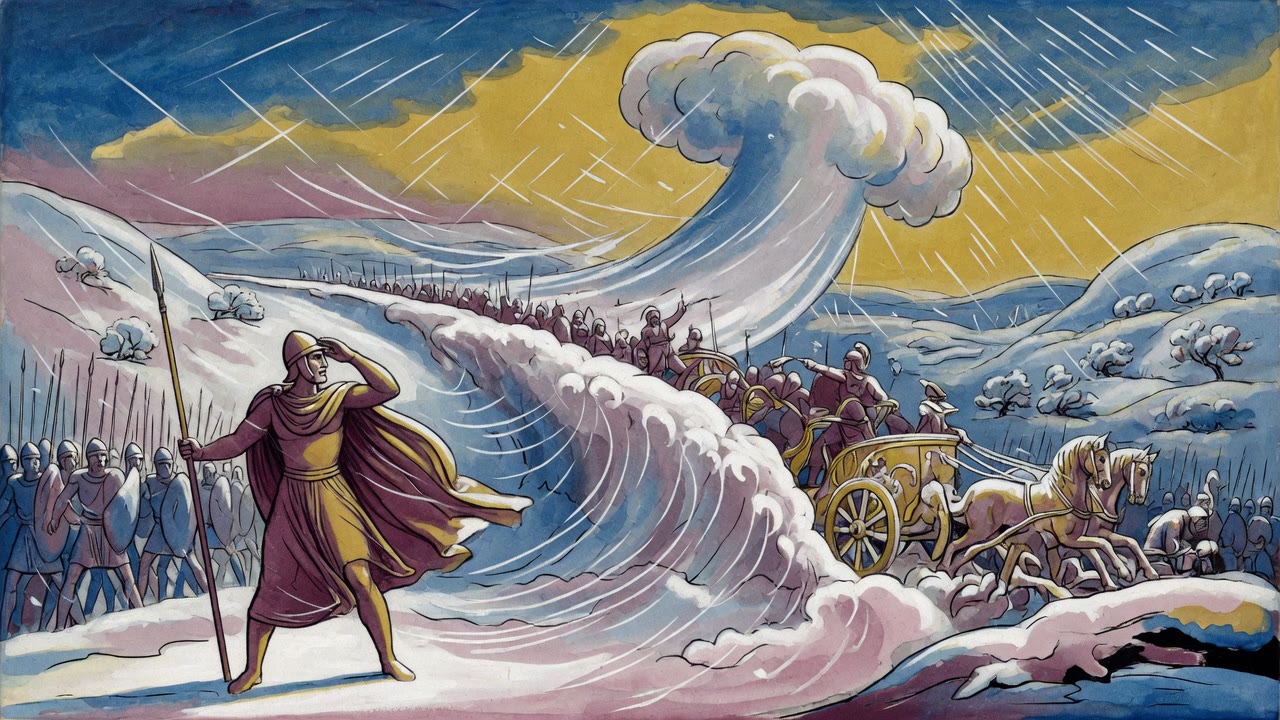
Jonathan was still alive in Tryphon's camp when the price arrived. Simon paid anyway. Snow, not swords, shut the last road to Jerusalem.
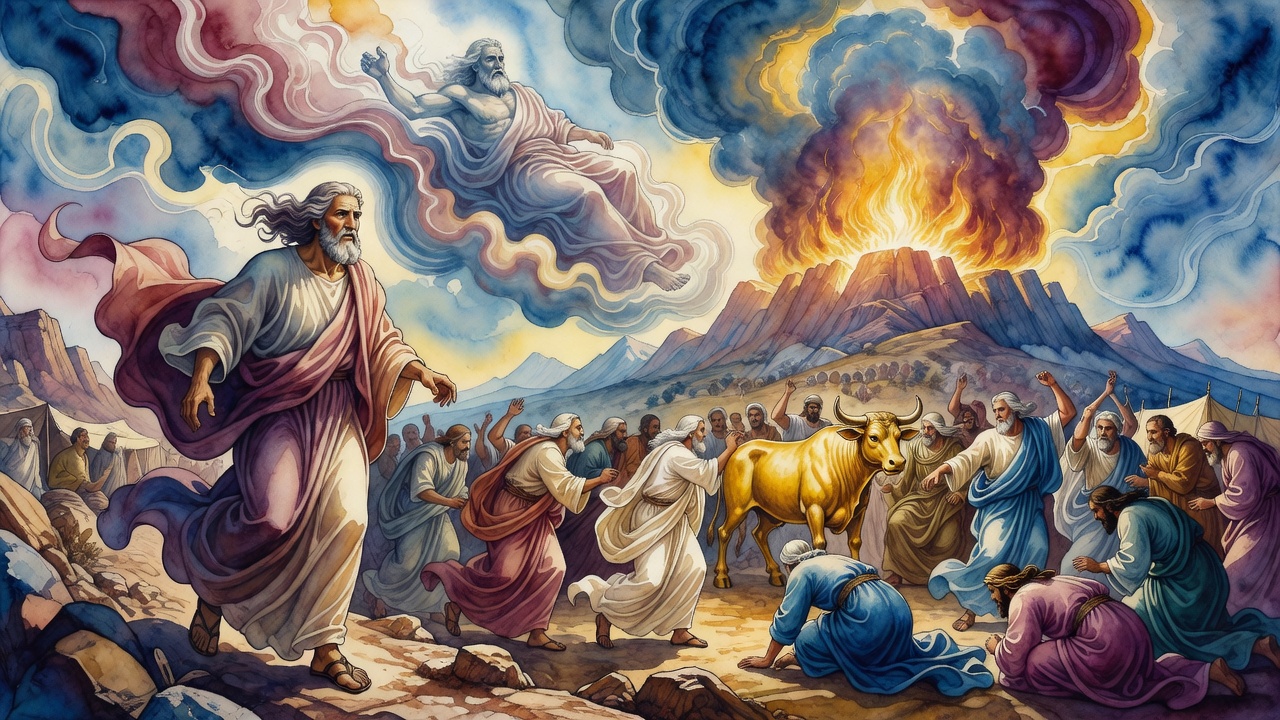
Joshua called it war. Moses listened longer and heard merriment. Then he came around the ridge and saw the calf, and the Accuser dancing in front of it.
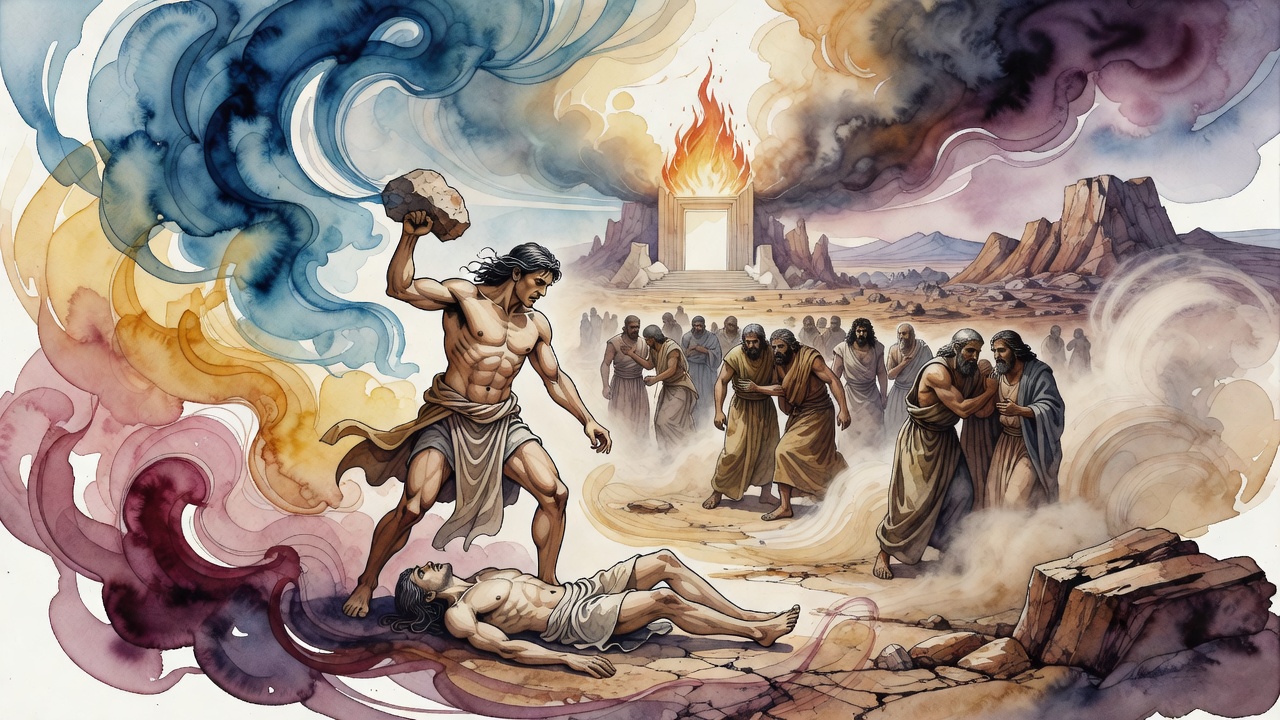
Abel had his brother pinned in the field and let him up. God did not count one death afterward. He counted every child Abel would never father.
