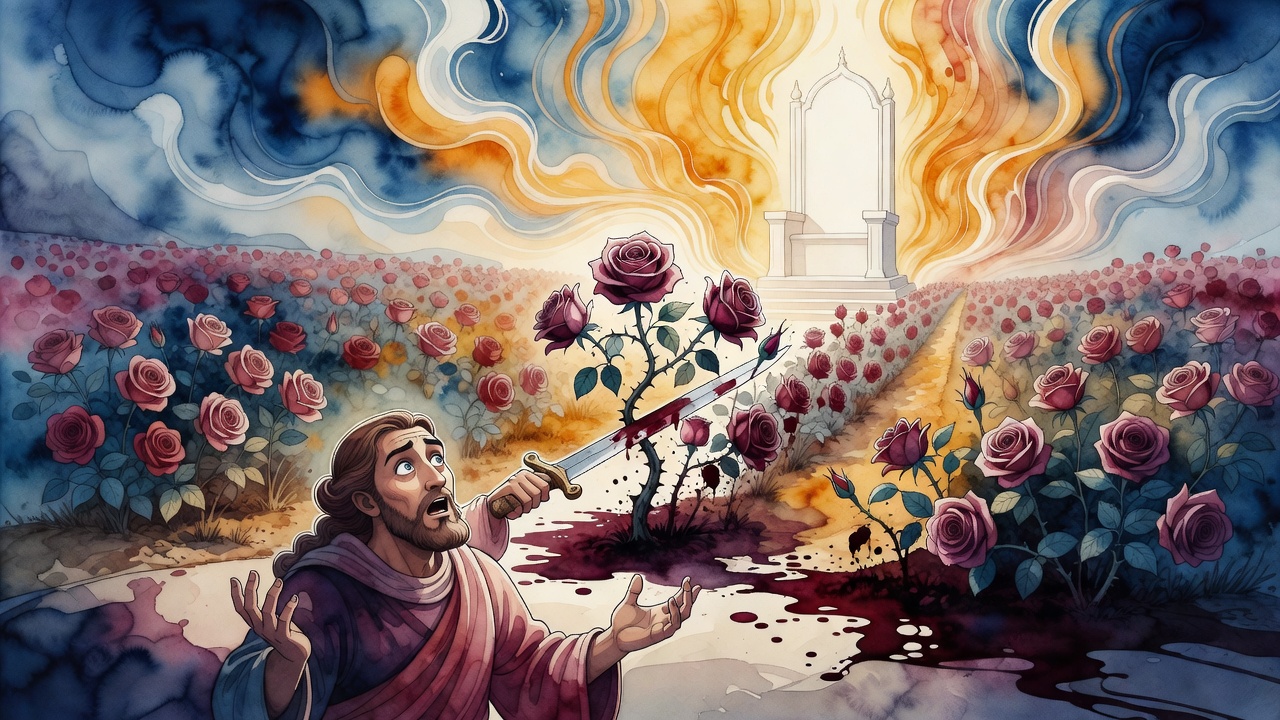
The Spring at Shittim Had Once Watered Sodom
For generations nobody dared draw from it. Israel arrived after forty years in the desert and found cold water with no marker and no warning on it. They drank.
Table of Contents
 Click for full size
A Spring with a History No One Talked About
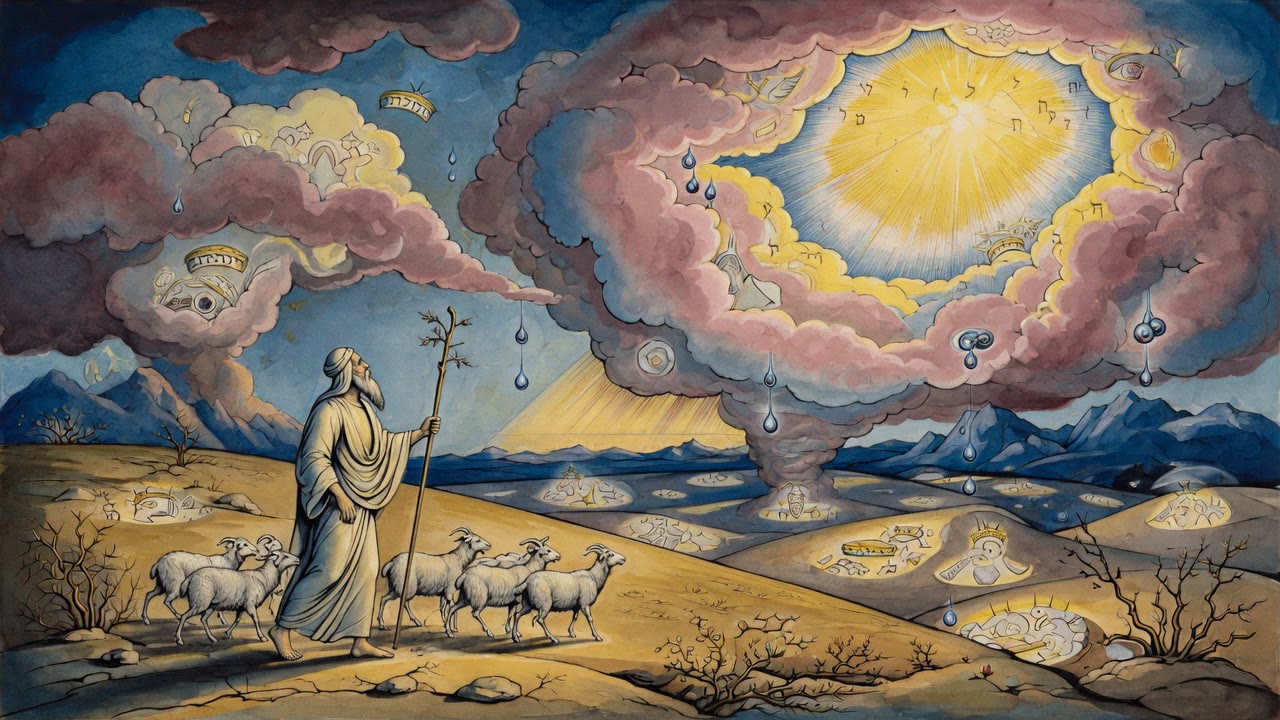
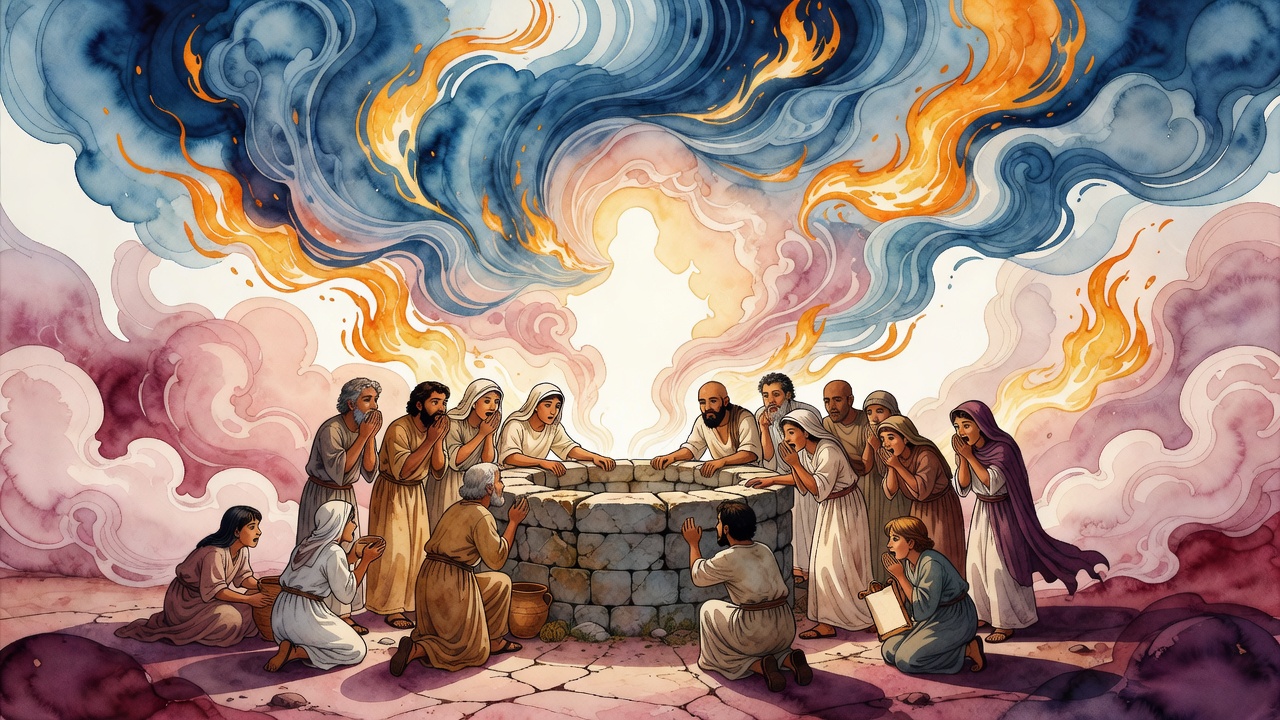
They had been in the desert for forty years. Water was not something you turned away from when you found it. When the camp of Israel reached Shittim at the edge of Canaan, at the Jordan's edge, and found a spring, they drank. There was no marker on it. No warning inscribed in stone. The spring sat there as springs do, available and cold, and the people who needed water took what it offered.
The tradition recorded in the Legends of the Jews, Louis Ginzberg's compilation published between 1909 and 1938, drawing from the aggadic sources in Numbers Rabbah (5th-century Palestine), knew what that spring was. It was called, in the rabbinic literature, the Well of Lewdness. Its water had once been the primary supply of Sodom itself. When God destroyed Sodom with fire and sulfur, the cities turned to ash and the plain turned to salt and the civilization built on the banks of the Jordan basin was erased. But the spring remained. The water kept flowing from the same source, through the same ground. No one drew from it for generations. No one dared.
What the Water Did
Israel came to Shittim and drank and did not know what they were drinking from. The tradition is careful about what it claims the water actually did. It does not describe a poison that produced specific symptoms. It does not say the water made men violent or ill or immediately transgressive. What it says is that before Israel drank from Shittim's spring, they were known for their chastity. After, they were not. The change took the form of a sequence: the Moabite women at the tent entrances, the linen goods and the genuinely attractive prices, the wine inside, the younger women and their kinship appeals and their concealed idols. But the tradition roots that sequence in the water the people had been drinking, in the invisible inheritance that Sodom had left behind in the soil and the aquifer beneath Shittim's ground.
This is how the rabbis explained why the same people who had maintained their integrity through forty years of desert hardship, through slavery and plagues and the wilderness, could fall so quickly into the worship of Peor. The forty years had not changed them. Shittim's spring changed them. They had walked into something ancient and contaminated without knowing it, because it looked like an ordinary well in an ordinary campsite on the edge of the Jordan.
The Nations Were Watching
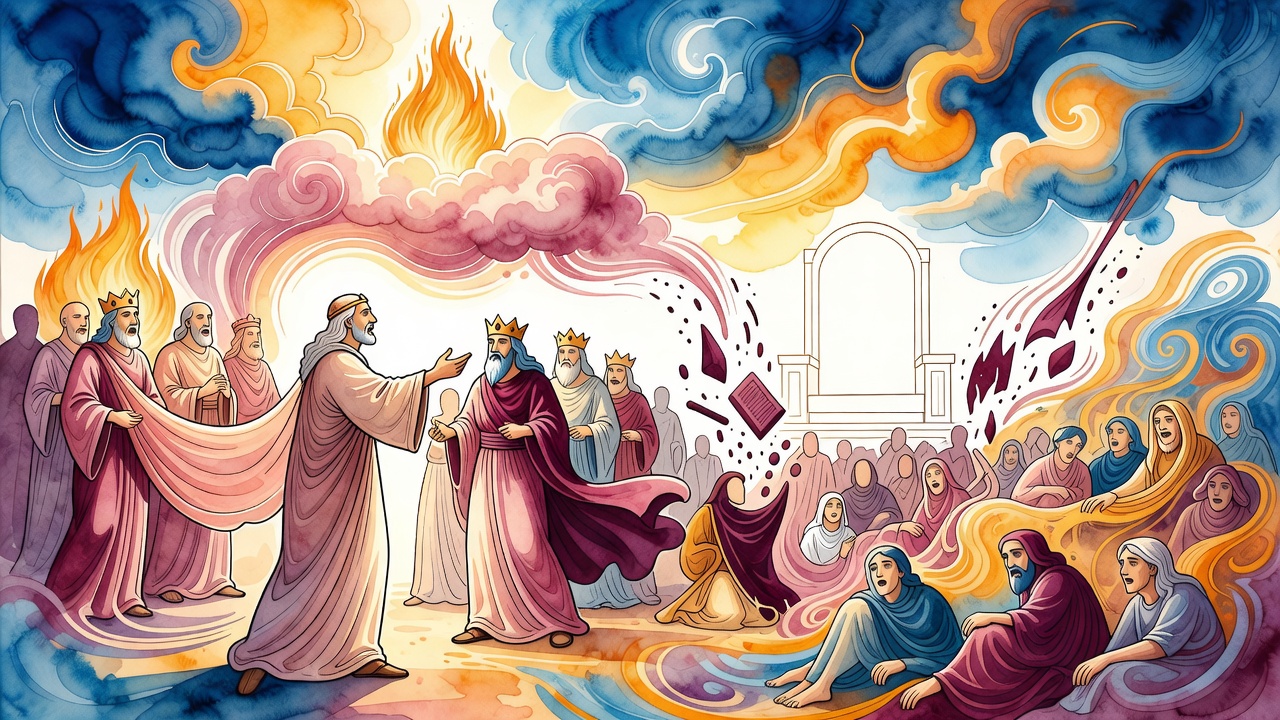
When Israel sinned at Shittim, the surrounding nations saw it happen and understood something had shifted. The Ginzberg tradition records their reaction with precision: "the crown has been taken from Israel's head," they said. "Now they are no better than us." This was not simple opportunistic gloating. It was a theological claim. The nations had observed, correctly or incorrectly, that Israel's invincibility derived from their moral distinctiveness. A people kept by God, backed by covenant faithfulness and accumulated righteousness, that was what they had been watching advance through the wilderness for forty years. The moment those people sinned publicly and conspicuously, the nations believed the protection was gone.
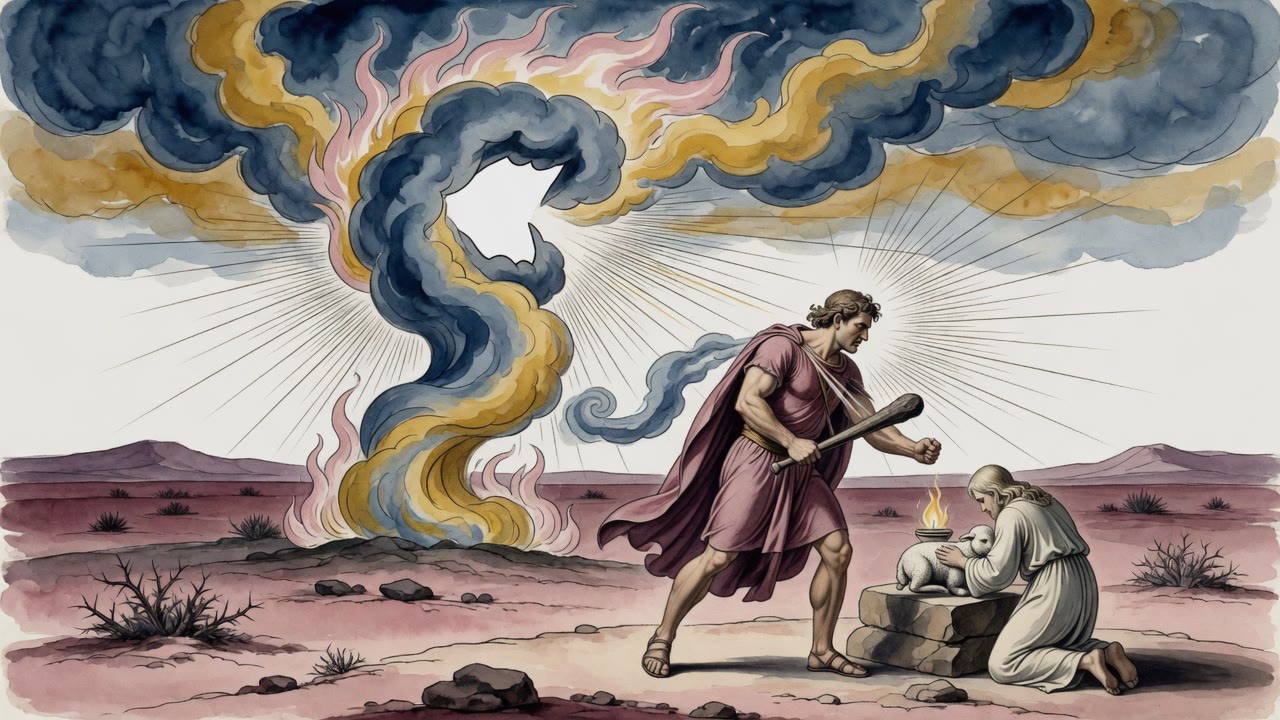
They were partly right about the mechanism and completely wrong about the conclusion. God did not abandon Israel at Shittim. God sent a plague that killed twenty-four thousand of the sinners, which is not abandonment but a very particular form of engagement. The nations had understood that sin had consequences within the covenant. They had not understood that the covenant itself survived the sin. They had expected the sin to function as an exit, as a permanent break between Israel and their God. What they witnessed instead was a plague, a crisis, a young priest driving a lance through the most prominent sinner in the camp, the plague stopping, and Israel standing on the east bank of the Jordan ready to cross.
What the Spring at Shittim Was Connected To
The wicked judges of Sodom, whose names Abraham's servant Eliezer knew well enough to rename to better reflect their true characters, the Liar of Gomorrah, the Arch-deceiver of Admah, the Perverter of Judgment of Zeboiim, had built their courts on the banks of the same water source that Israel was now drinking from. The civilization of Sodom had been built on a specific principle: the perversion of hospitality, the inversion of justice, the weaponization of the social bonds that are supposed to protect the vulnerable. They had turned the form of welcome against its content.
What happened at Shittim was the same operation, run in the same place, from the same source. The Moabite women offered genuine linen goods at genuine prices and genuine wine and genuine kinship appeals and then produced an idol from beneath their clothing. The form of hospitality carried a weapon inside it, just as Sodom's courts had done. The spring that connected Shittim to Sodom was not incidental to the parallel. It was the midrash's way of saying that the same spiritual current ran through both, and that water drawn from that source was already compromised before anyone drank it.
← All myths