When Cain Killed Abel Something Broke in Heaven
The Book of Jasher records what Cain and Abel argued about before the murder. The Tikkunei Zohar says when Abel died, letters were removed from God's own name.
Table of Contents
 Click for full size
The Argument Before the First Murder
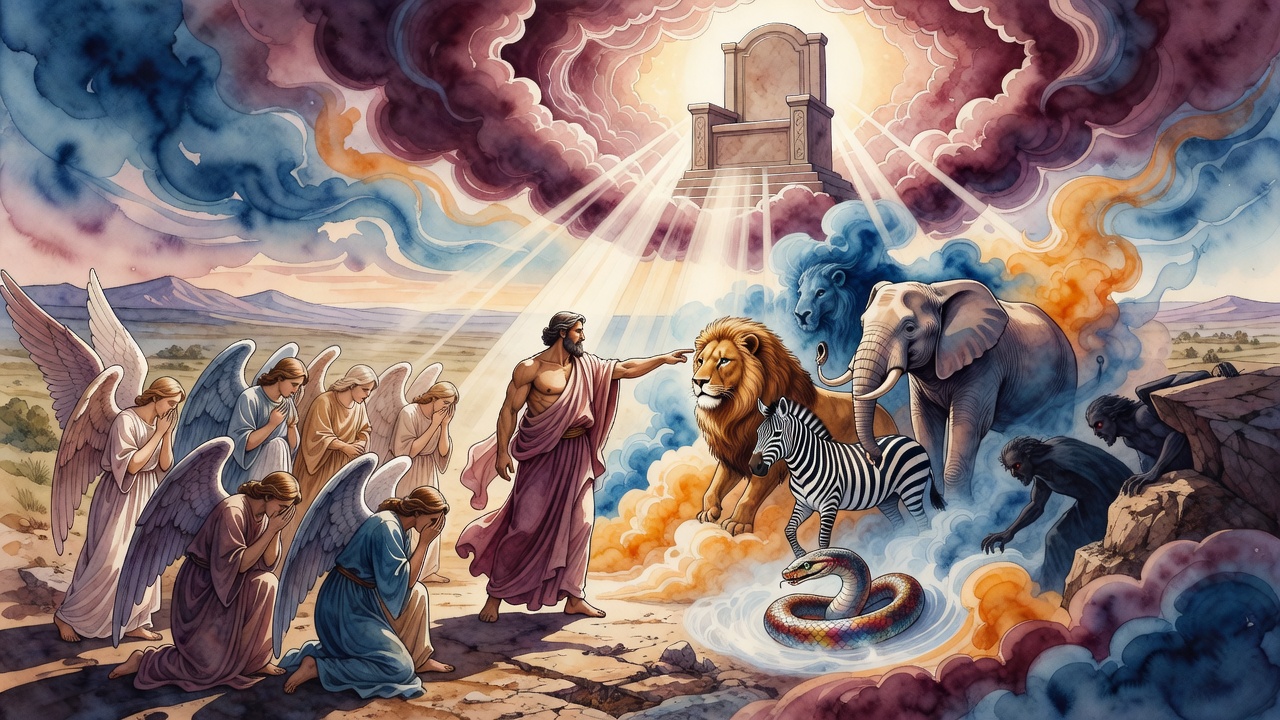
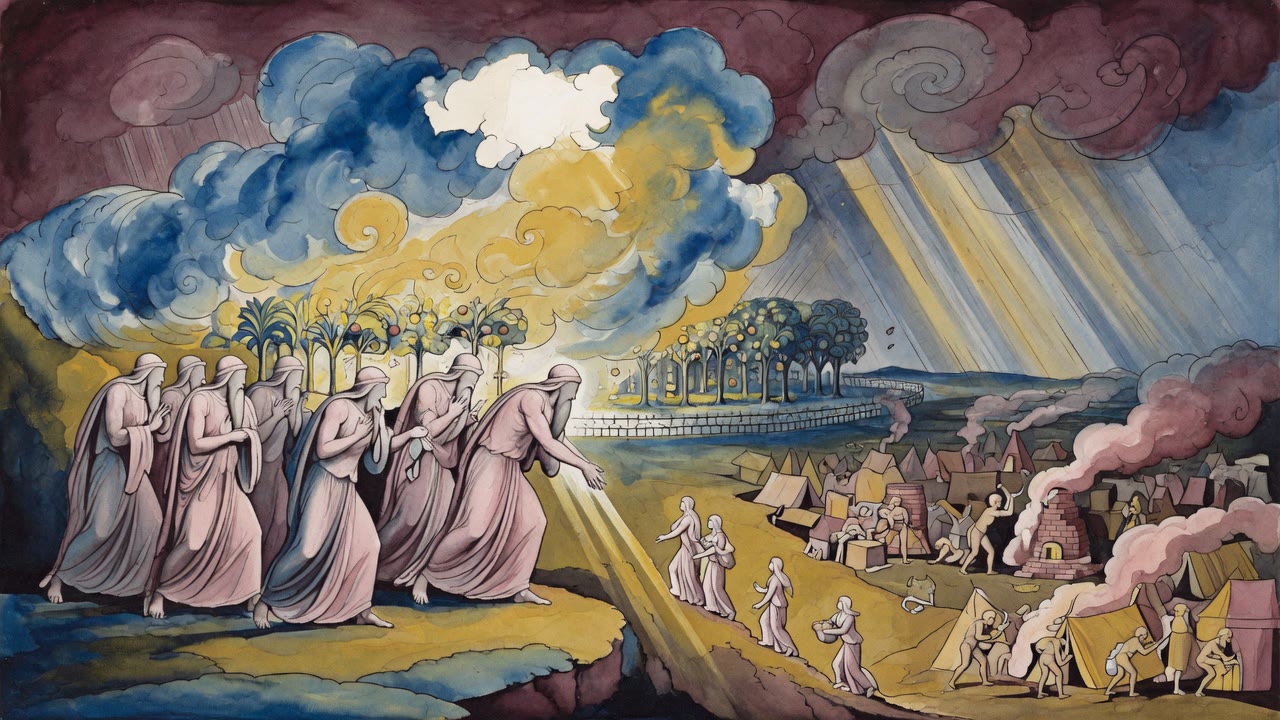
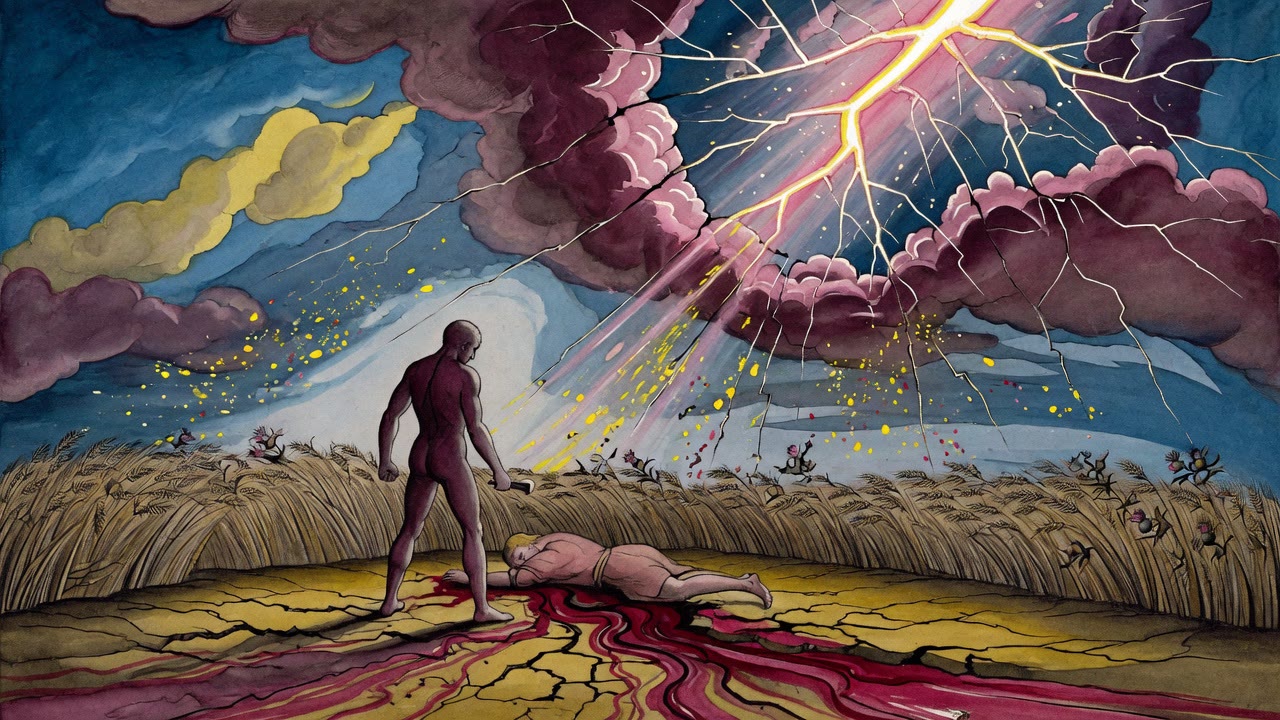
They argued about land and livestock before Cain raised his hand. That detail comes from the Book of Jasher, and it makes the first murder sound almost mundane: Abel's flock had wandered onto the field Cain had plowed. Cain was angry. He demanded compensation. Abel countered that Cain had been eating his flock's meat and wearing its wool for years without payment. The negotiation broke down. The grievance was specific and bilateral, and the resolution came in blood.
The Book of Jasher had watched Adam's name the animals in the preceding chapter, had seen the same father give names to every living creature the way a man marks his territory and his understanding simultaneously, and then within a few years the first human being born of woman was dead on the ground at the edge of a field, killed by his brother over a grazing dispute. The distance between naming and murder was shorter than anyone would have liked.
What Adam Gave His Sons
Jasher records that Adam had divided the world between his sons. Cain received the earth, the fields and furrows and everything that grew from ground. Abel received the animals, the moving breathing things that lived above the ground. The arrangement was a settlement of inheritance before either son was old enough to have done anything to deserve or not deserve it. It was paternal division, the kind that looks clean on paper and turns into conflict in the field.
The conflict had been building since the offerings. Cain had brought grain and Abel had brought fat portions from his flock, and God had looked at Abel's offering and not at Cain's, and Cain had been angry, and God had asked him why he was angry, and Cain had not answered. He had gone quiet in the way that people go quiet when they are deciding something. Then he said to Abel: "let us go into the field." And in the field was where the land dispute was, and that was where Abel died.
What the Zohar Saw in Heaven
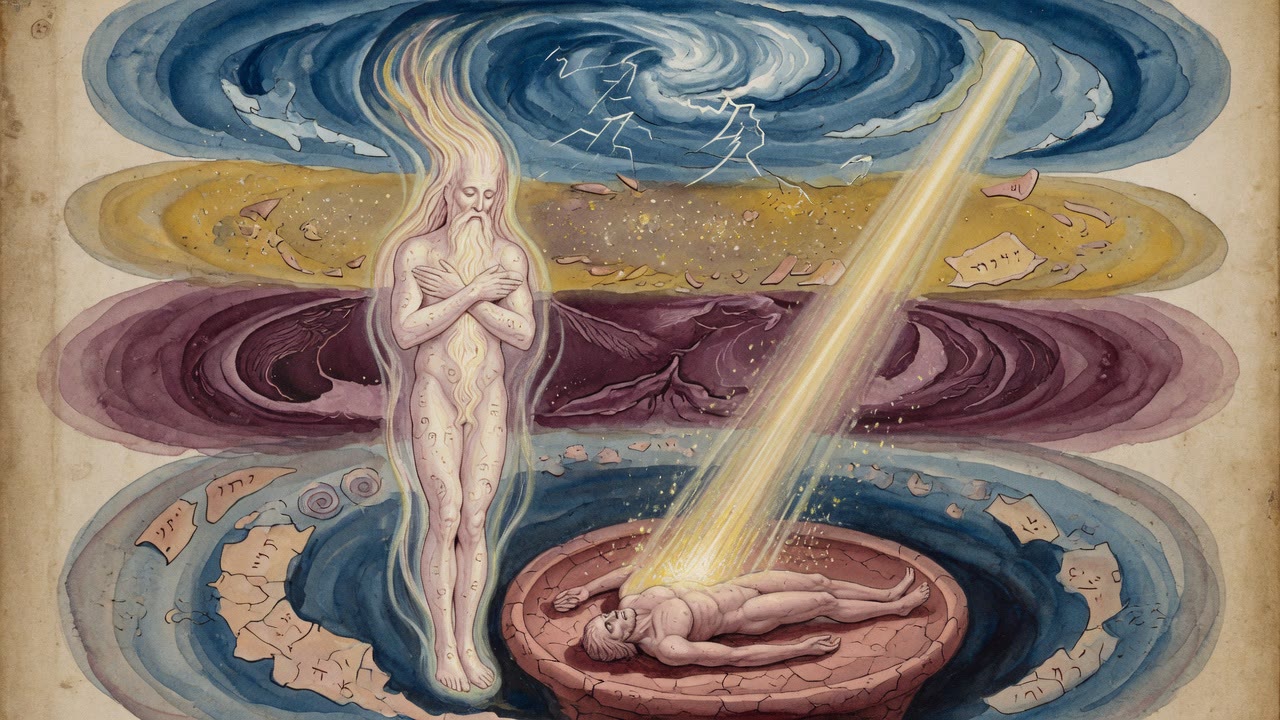
Tikkunei Zohar, the Kabbalistic commentary that reads every word of the Torah as a map of divine structure, was interested in what the murder meant at the level of the sefirotic system, the ten divine attributes through which God relates to the created world. It preserves a brief but extraordinary teaching about what happened in heaven when Abel's blood soaked into the ground.
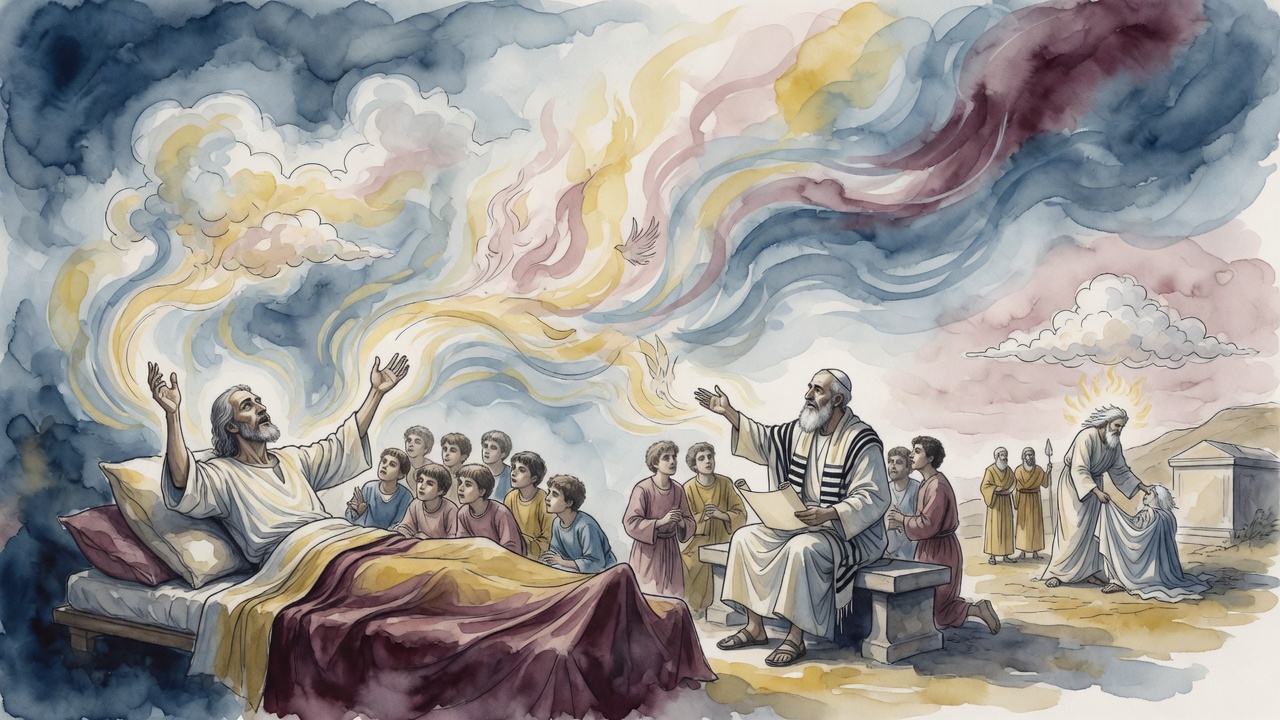
The text speaks of Higher Mother and Lower Mother standing by Adam and Abel. In Kabbalistic language, Higher Mother is Binah, the aspect of divine understanding, while Lower Mother is Malchut, the realm of manifestation and the divine feminine presence in the world. They stood by Adam and Abel not as observers but as sustaining presences, as the aspects of God that hold the human being in relationship with the divine structure.
When Abel died, that sustaining relationship was severed. Something in the divine name itself was damaged. Letters were removed. The Kabbalistic tradition counts letters in the name of God the way a doctor counts pulse beats, and the removal of letters from the divine name is not a metaphor about feeling. It is a description of a structural change in the relationship between the divine and the human. When the first human being killed the second, something happened in heaven that was not immediately repaired. The world that continued after Abel's death was a world missing something it had had before, not just the life of one man but a presence in the divine name that had been bound to that life.
The Mark That Was Also a Shield
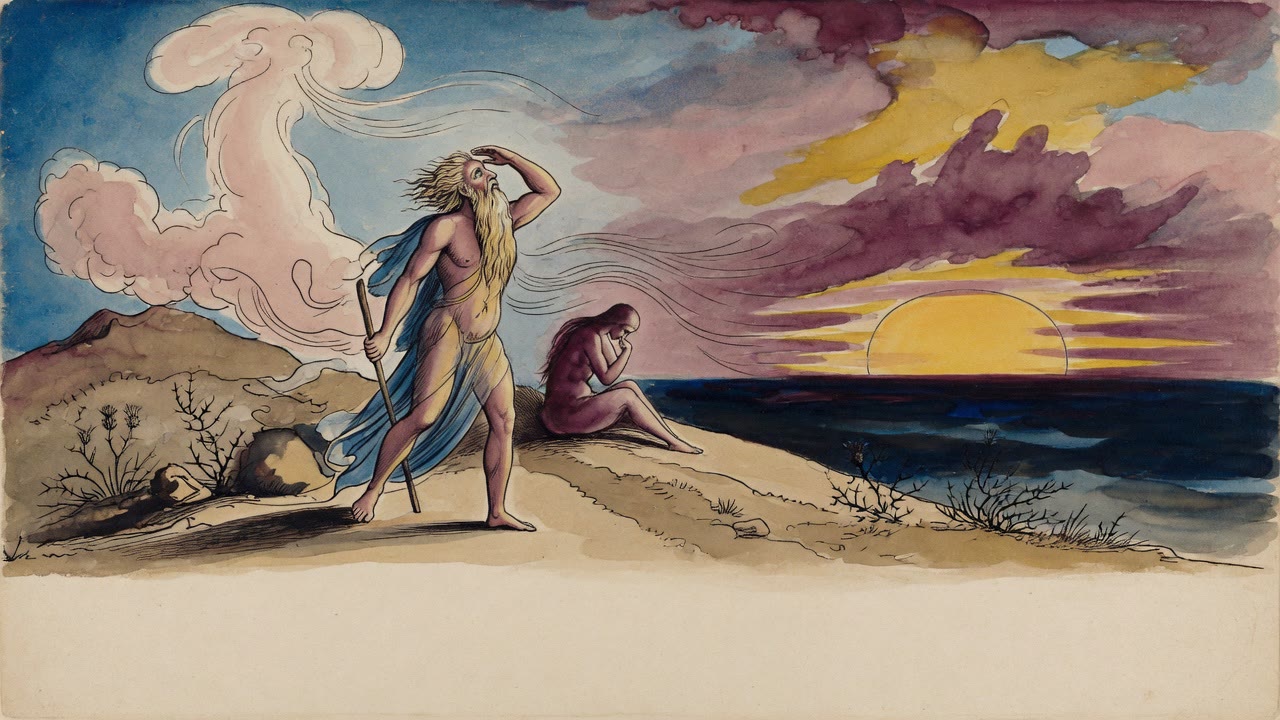
Cain went away from the presence of God and settled east of Eden and built a city and named it after his son. He carried the mark God had put on him, the sign that whoever met him should not kill him. The mark protected him from human revenge while the divine name went about the work of its own repair, the work of adding back what Abel's death had subtracted, slowly, across the generations that followed.
Jasher's interest is in the human mechanics of the murder: the land dispute, the negotiation that failed, the specific geography of a field that Cain had worked and Abel had grazed. The Tikkunei Zohar's interest is in the cosmic mechanics: the divine name, the two Mothers, the letters removed. Together they read the same event from the ground and from the sky, and the question they share is the same question: what exactly was lost when this happened, and can the loss be measured?
← All myths