The Sambation River Holds the Lost Tribes Until They Return
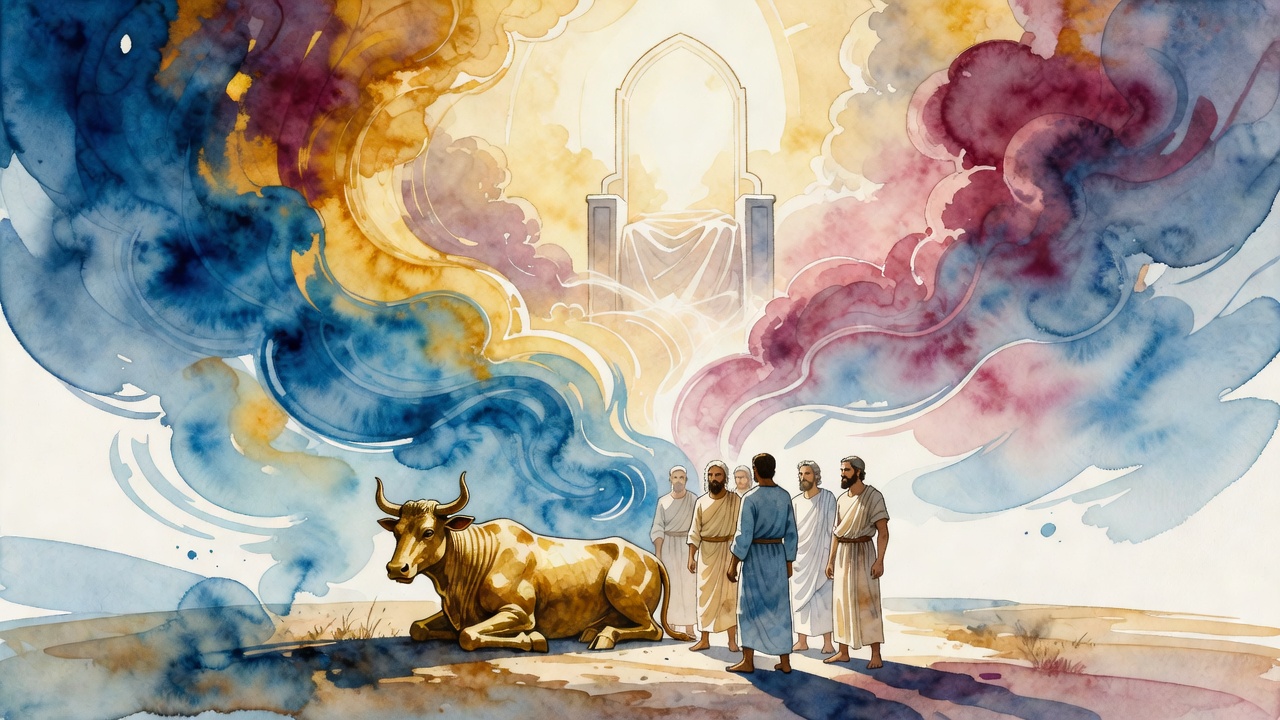
After the calf, Moses feared God would swap Israel for another people. God named a river that throws stones six days a week, and a way home.
Table of Contents
 Click for full size
Stones Six Days and Fire on the Seventh
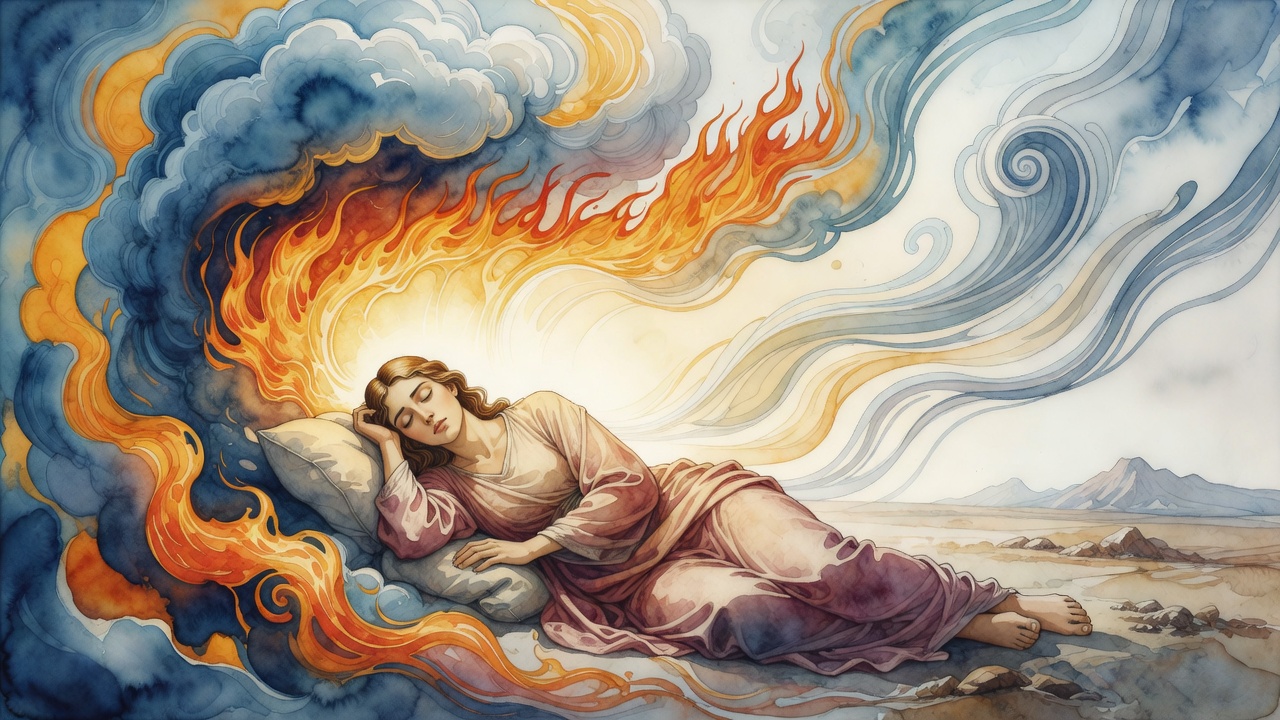
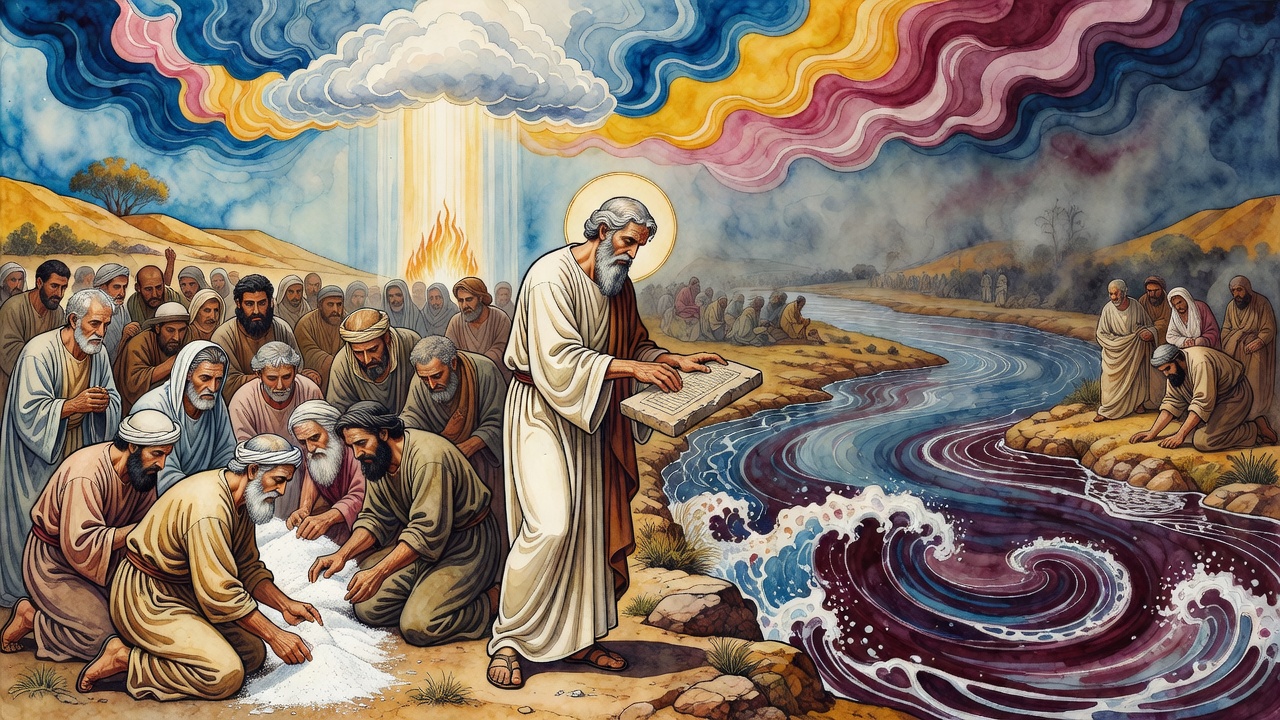
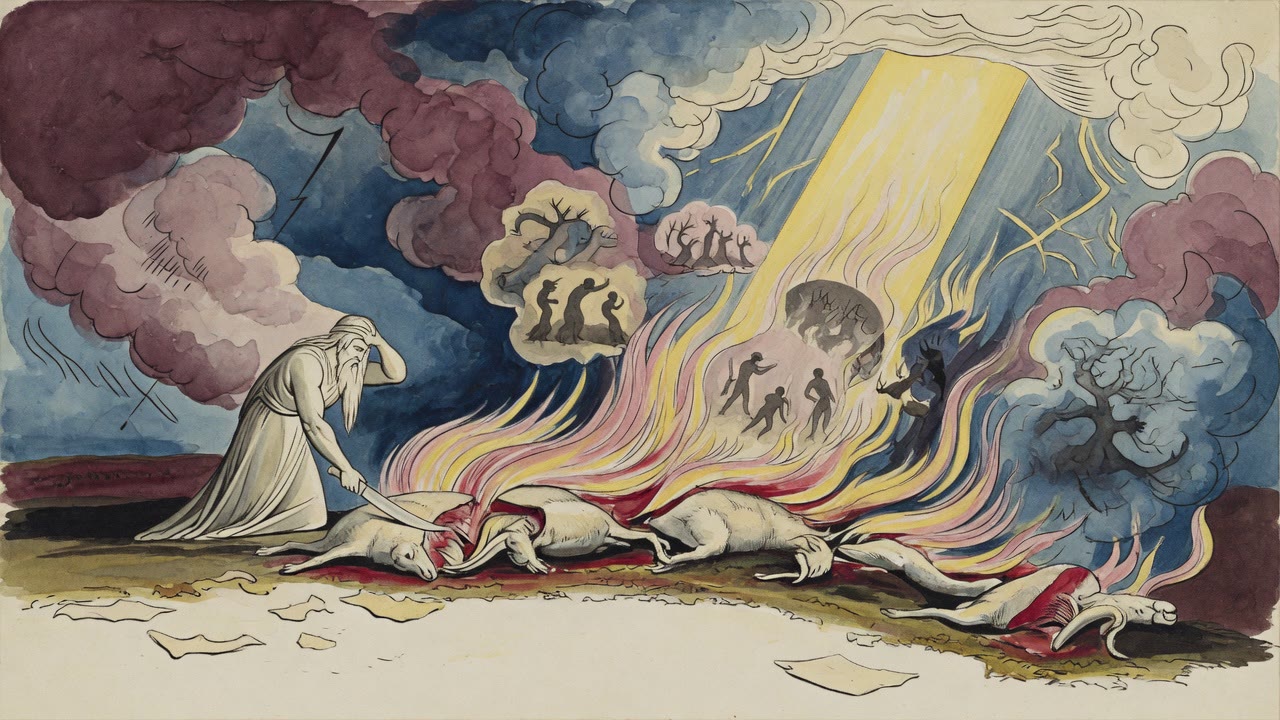
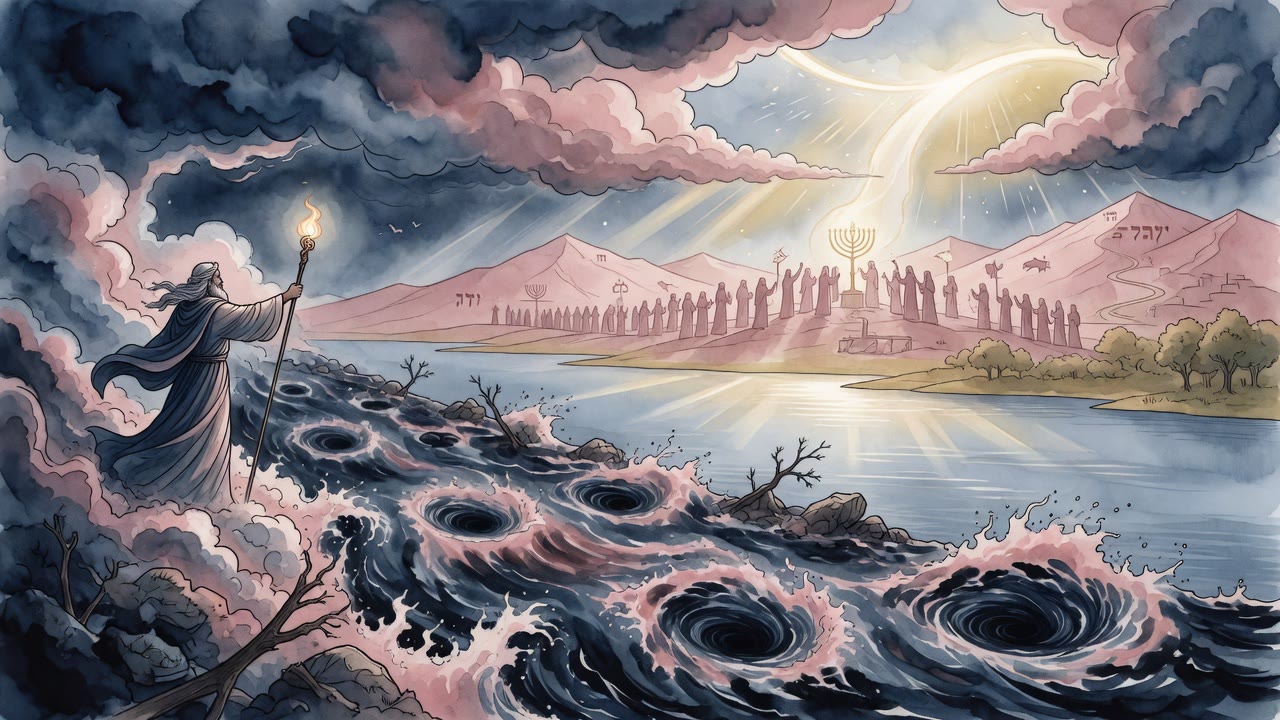
The river threw a boulder the size of a millstone, then another. Six days it did this. Rock and sand came down so hard that a man on either bank could only cover his head and wait. On the seventh day the Sambation went still, and a column of fire and cloud stood on the water so that rest would not turn into a crossing.
Beyond it lived the tribes Assyria had taken, and a people called the sons of Moses. No one crossed. The river kept both banks honest.
Moses Begged Not to Be Replaced
On the mountain, after the calf, Moses stood with a second pair of tablets he had hewn himself. The first had been God's stone and God's finger, and they lay in pieces. He was afraid the people would be swapped for a cleaner nation.
"Change us not to become an alien people," he said.
God answered with an oath the Hebrew verse does not name. "I will not change this people to become an alien people. From you shall proceed a multitude of the righteous. In the time when they go into captivity by the rivers of Bavel, I will bring them up from there, and make them dwell from within the river Sambation."
The promise had a geography. Exile would be real. Return would be real. Somewhere past a river that throws stones, a portion of Israel would wait to be brought home.
The Far Bank Keeps Open Doors
On the far side, the sons of Moses lived as if the calf had never been made. Only clean animals walked their fields. They would not swear. If an oath slipped, the speaker went white, because they feared their children would die young for a Name used cheap. They kept no princes and no judges, because they did not sue. Every house stood the same height. Doors stayed open at night. They buried their dead by the threshold, so a living foot had to pass a grave to go out for water. Birth made them mourn, because no one could promise the child would stay faithful. Death made them rejoice, because the dead had made it through.
Disease did not come. They said sickness is for sin, and they would not give it a foothold.
The Lost Tribes Waited Behind the Spray
The ten tribes Assyria had taken in 722 BCE were somewhere in that same hidden country, waiting on a schedule the river enforced. Ordinary Israel, on the near side, lived under foreign kings and the ordinary work of keeping a covenant in a loud world. The redemption God had named was not perfection walking into the camp. It was the barrier coming down.
A scout could stand on the near bank six days and watch boulders. On the seventh he could watch fire. Neither view gave him a ford.
The Tablets Came Down With a River in Them
God passed before Moses and spoke the thirteen attributes. He pardons those who return to the law. He does not clear, on the great day of judgment, those who will not. Mercy and justice stood in the same sentence. Then He named Bavel, which would not burn for centuries yet, until 586 BCE, and He named the Sambation as the place from which He would bring them up.
Moses came down. His face shone. Aaron and the people backed away until he veiled it. In his arms were tablets a man had cut. In the covenant was a river that throws stones, and a promise of return no one on the near bank has collected yet.
← All myths