196 myths · Page 2 of 7
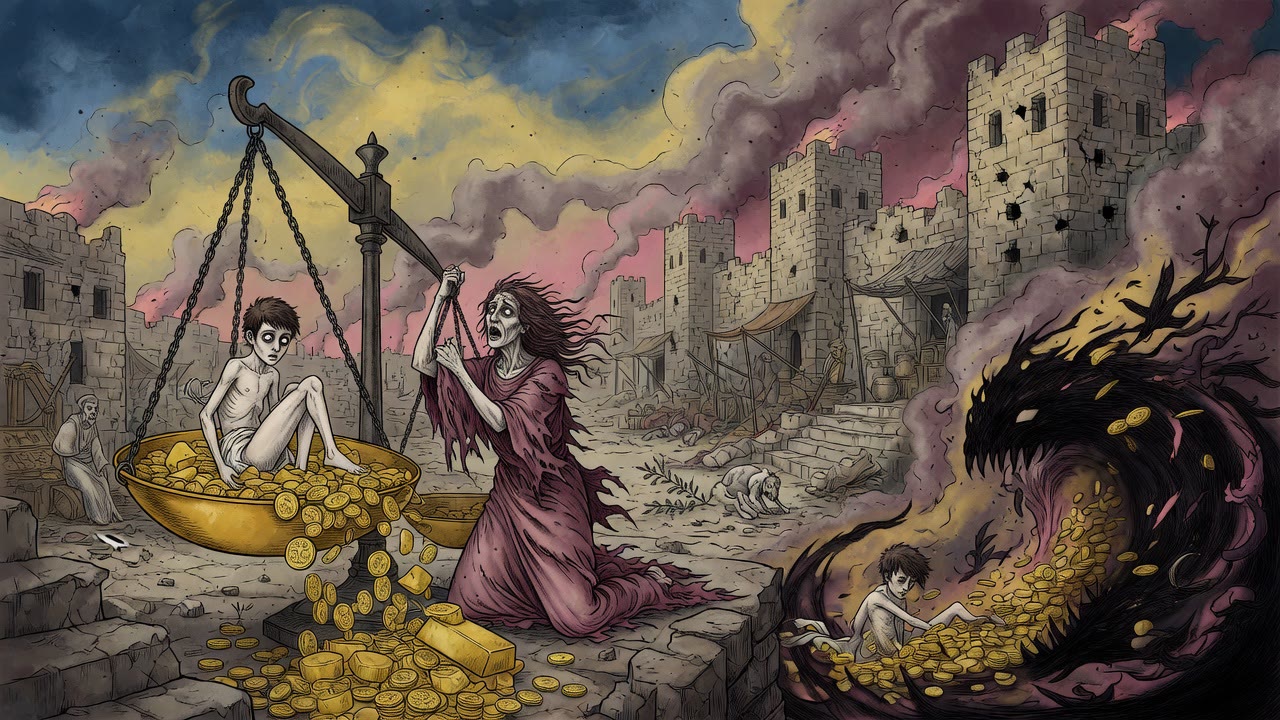
When Jerusalem fell, the rabbis counted ten severed horns: patriarchs, Torah, priesthood, prophecy, Temple, and Israel itself.
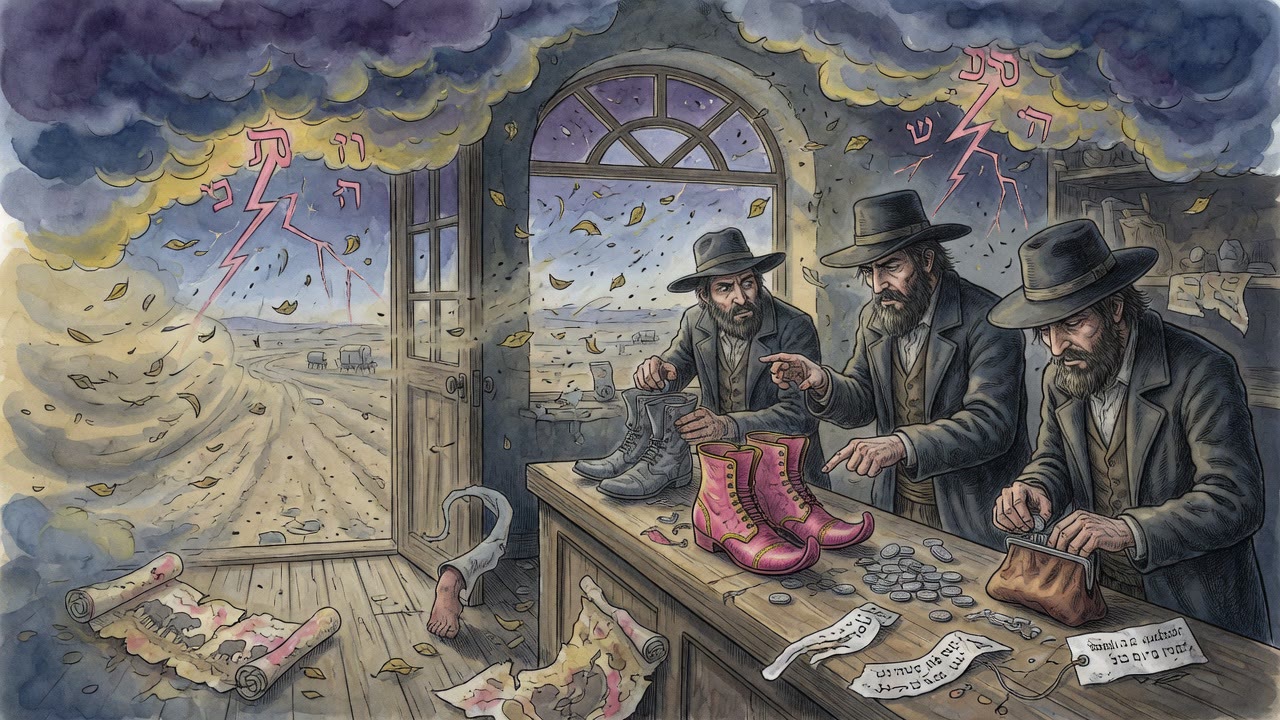
Joseph is sold for twenty silver pieces, his brothers divide the money and buy shoes, and the transaction echoes across a thousand years.
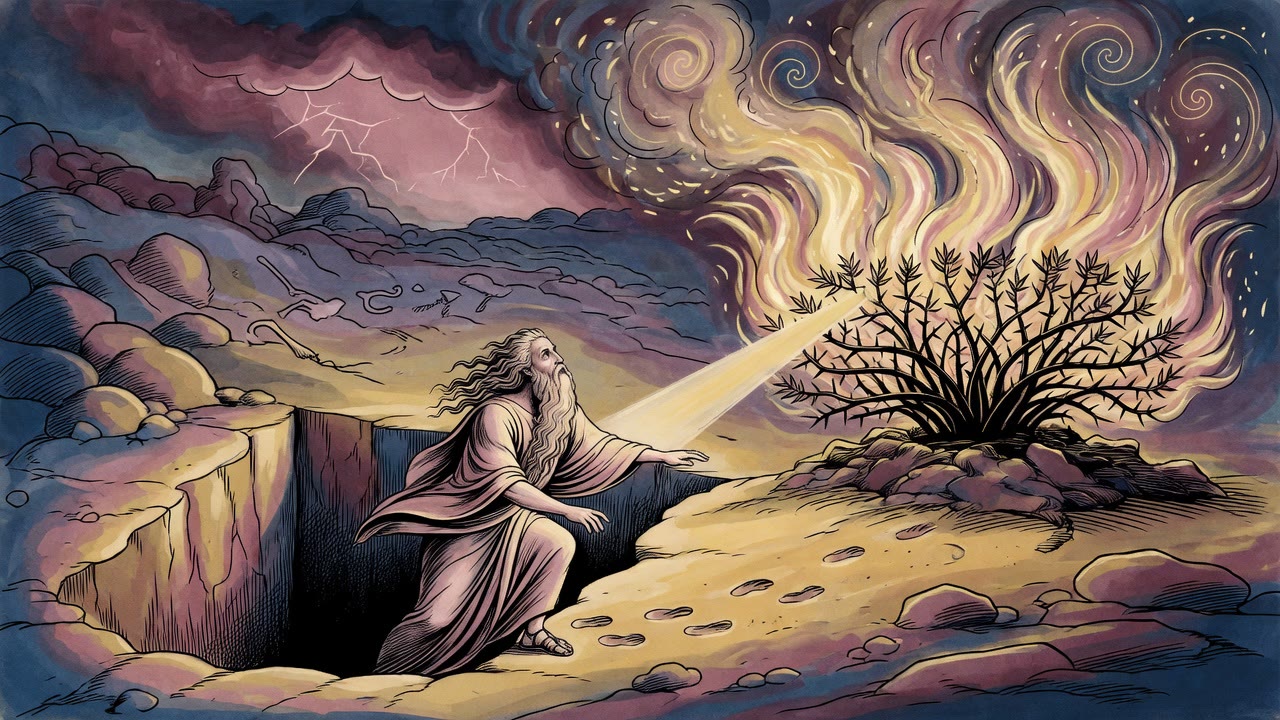
Thirty years before Moses, the tribe of Ephraim left Egypt and died in the wilderness. Moses waited in a pit in Midian until the moment was exactly right.
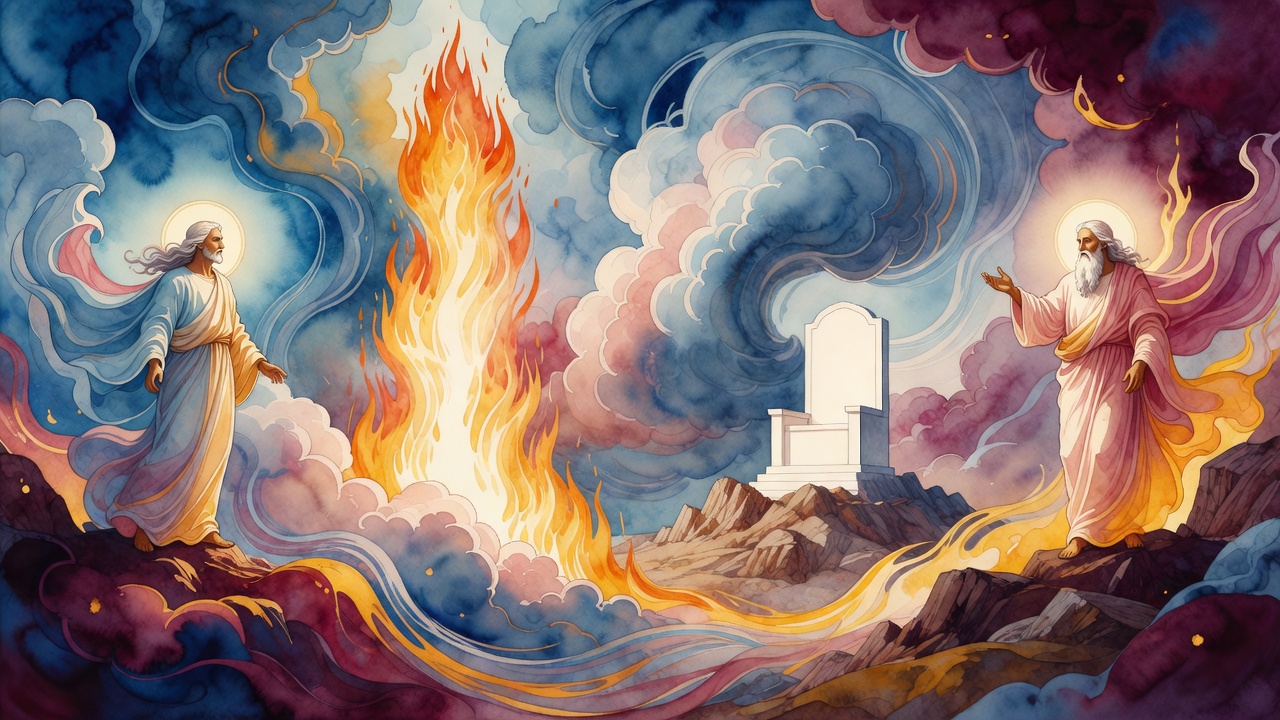
The rabbis placed Elijah at both ends of history, present before creation and appointed to announce the end. On Mount Horeb, God showed him all of time at once.
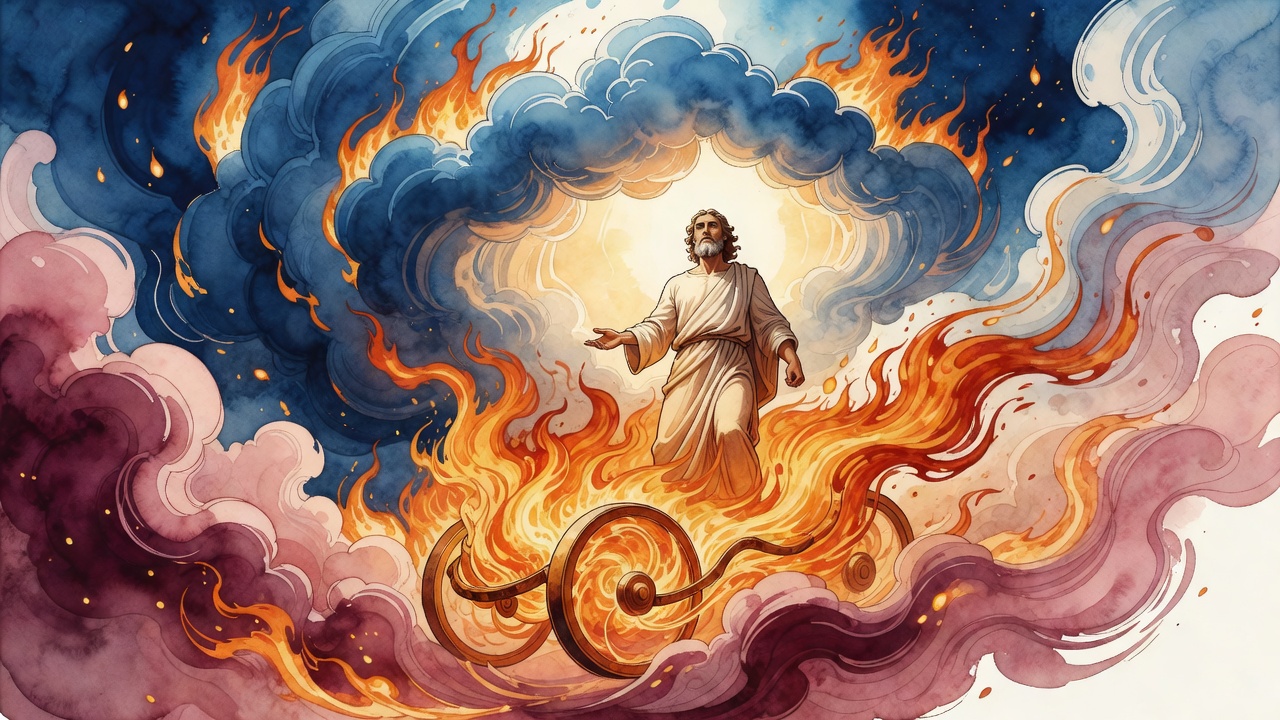
Before any human existed, an angel asked to go down and be useful. God changed his name and later sent him into Ahab's ruined kingdom.
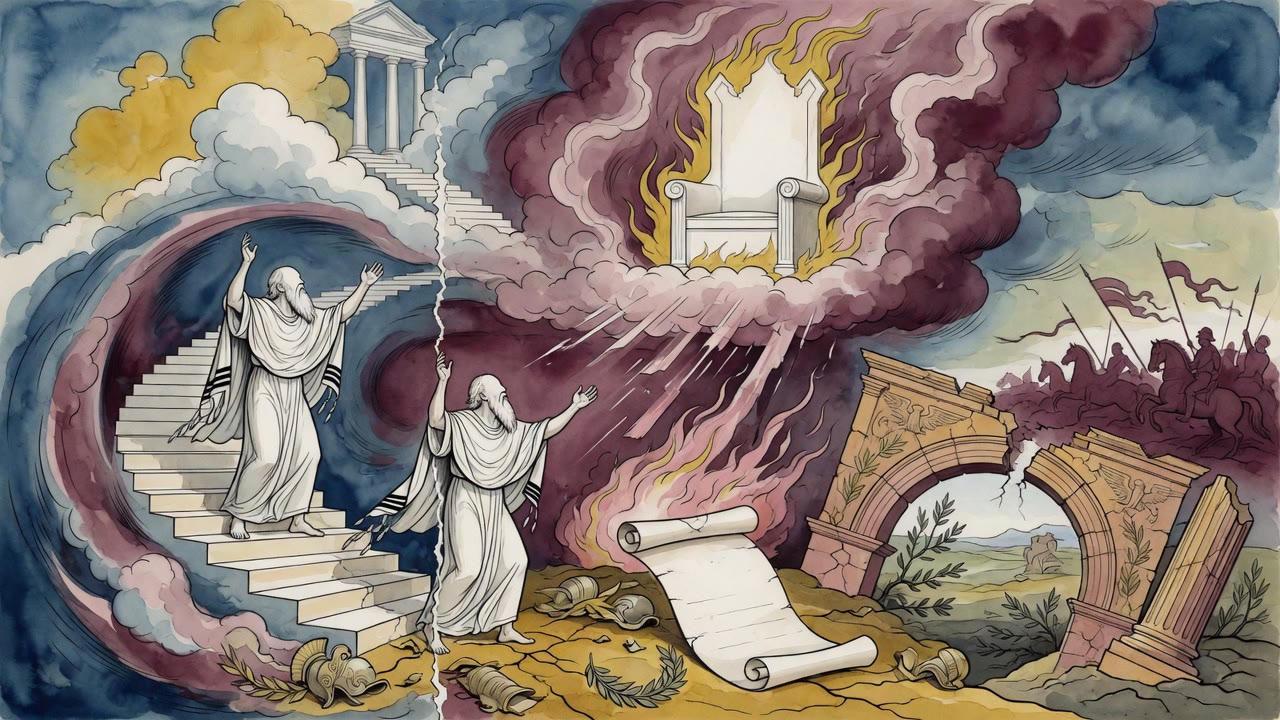
He sat the Sanhedrin at the Temple's third door. Fire hung in webs between them. He spoke of a walk out of Edom in red.
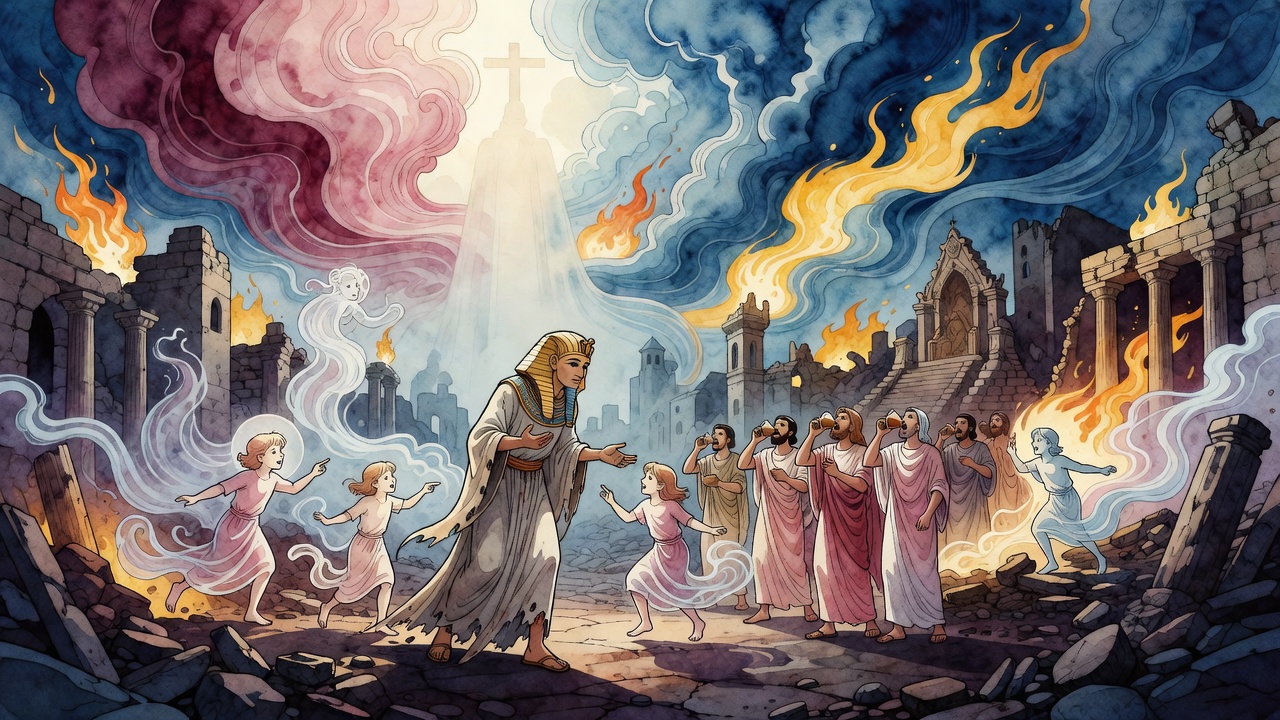
He did not wait for the third hour, when kings rise. He shook his slaves awake and hunted Moses through streets that would not help him.
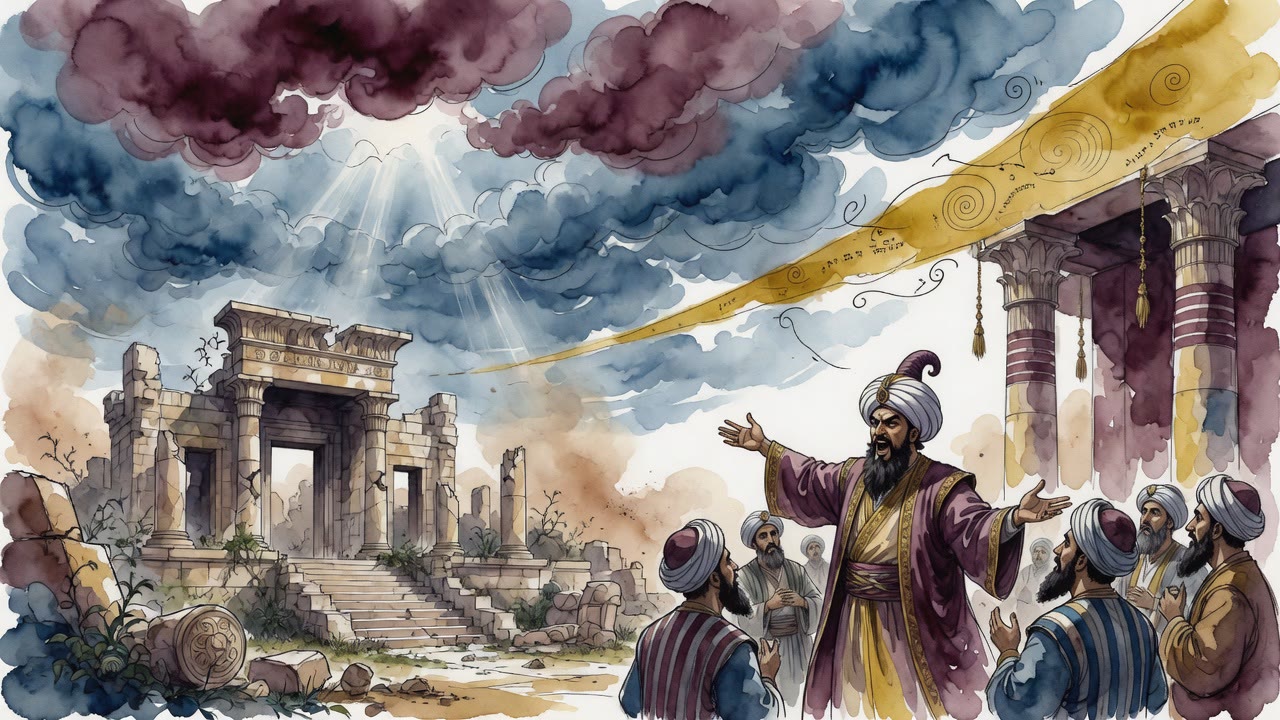
Nisan held Egypt broken open. Iyar held Amalek. Tishri held Solomon's Temple. Haman went down the year like a thief listening for one unbolted latch.
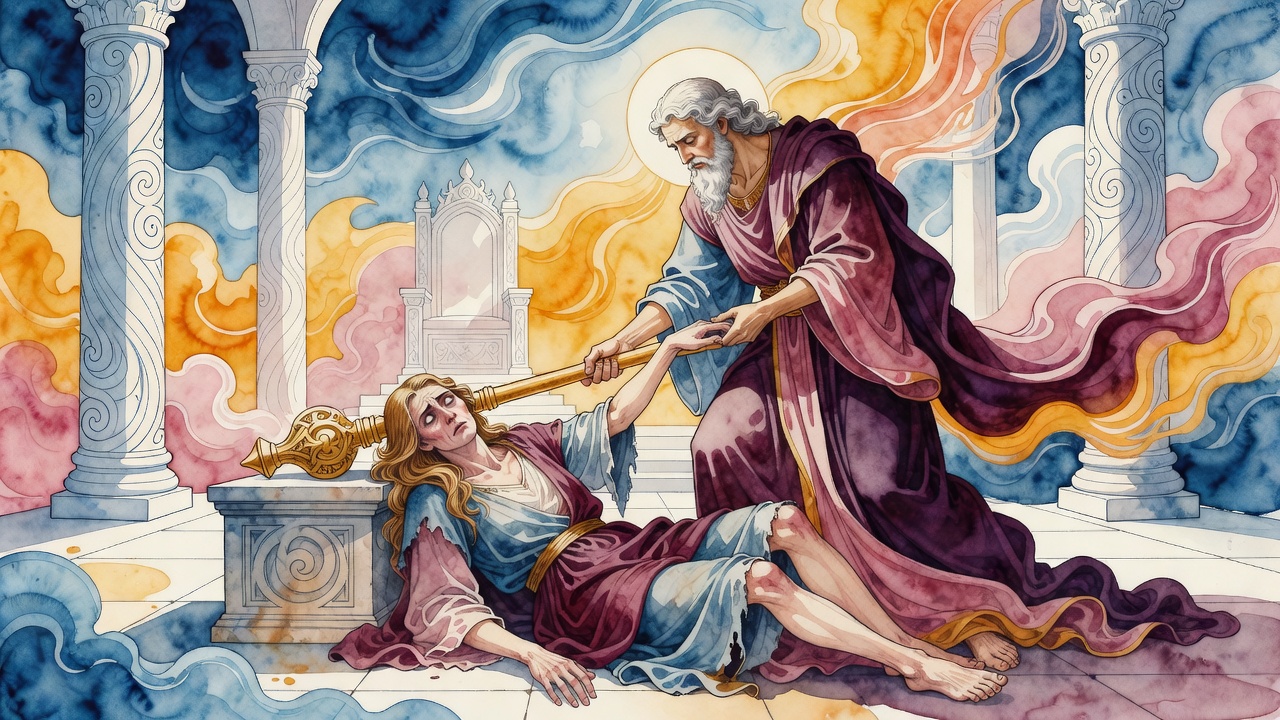
Gabriel threw the king of Persia out of bed. Three hundred and sixty-five times in one night. Each fall he whispered the same sentence into the king's ear.
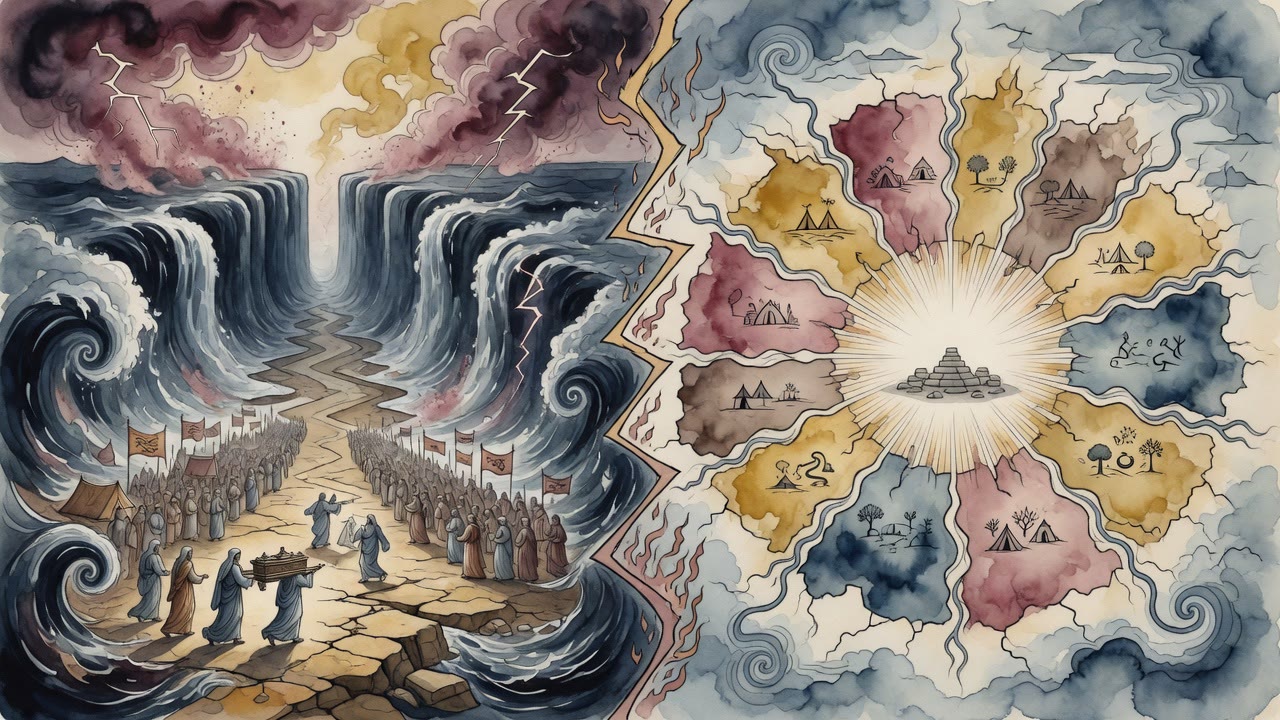
Fifty thousand men crossed the Jordan to fight for land they would never live on. When they went home and built an altar, Israel armed against them.
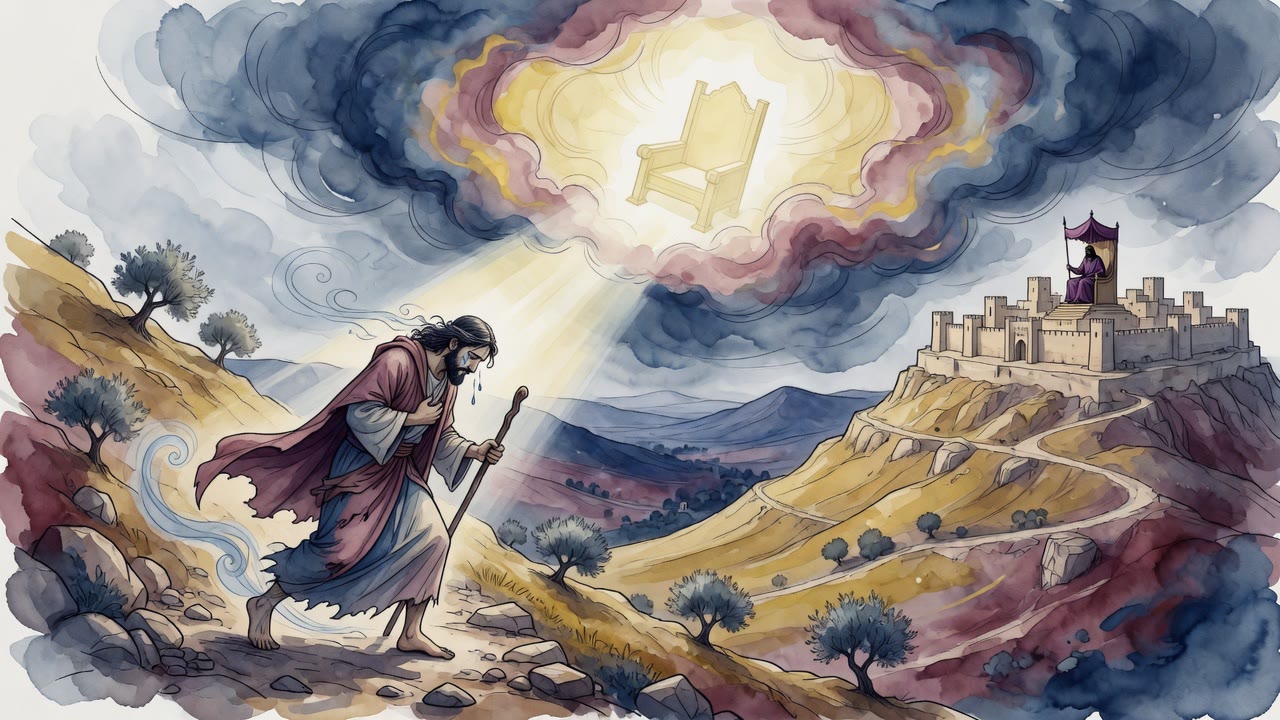
The angel clapped a hand over the mystic's eyes. Seven lightnings struck as one. David was coming, and the fourth heaven could not hold still.
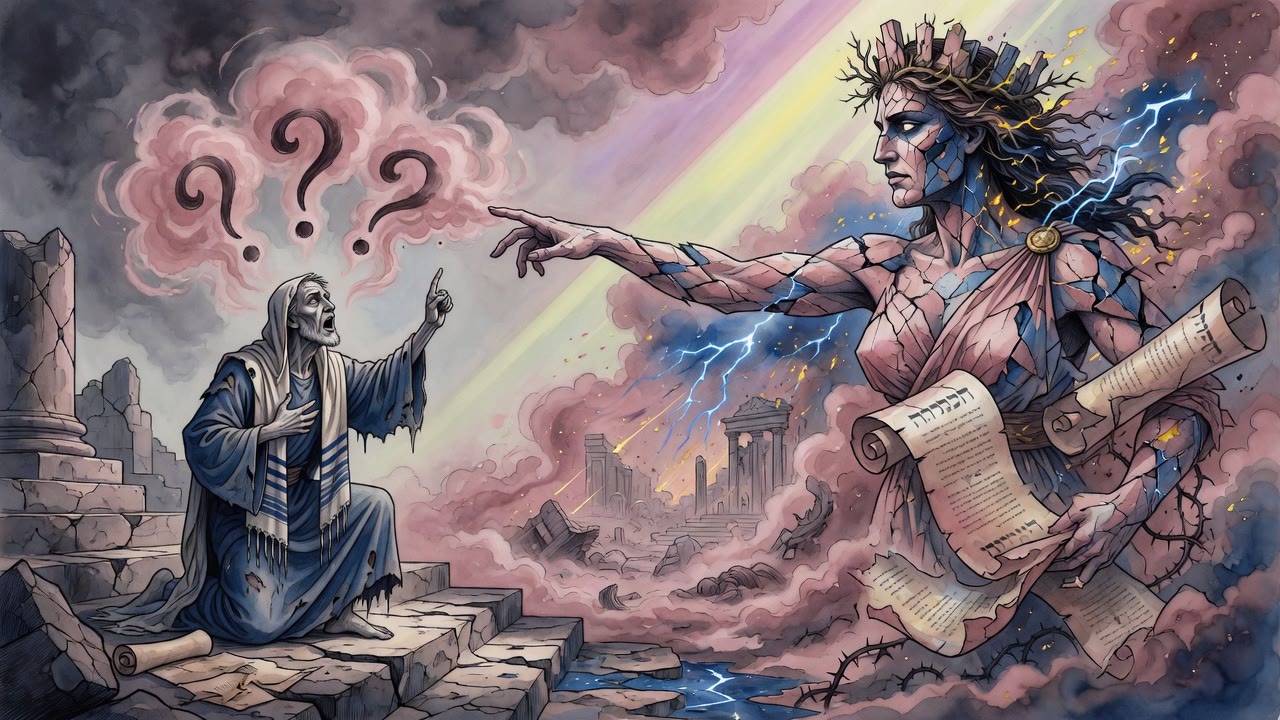
Heaven sent a book with a sword twisted through it. No hand could take the words without feeling the blade. Rabbi Levi still counted seven gifts leaving Zion.
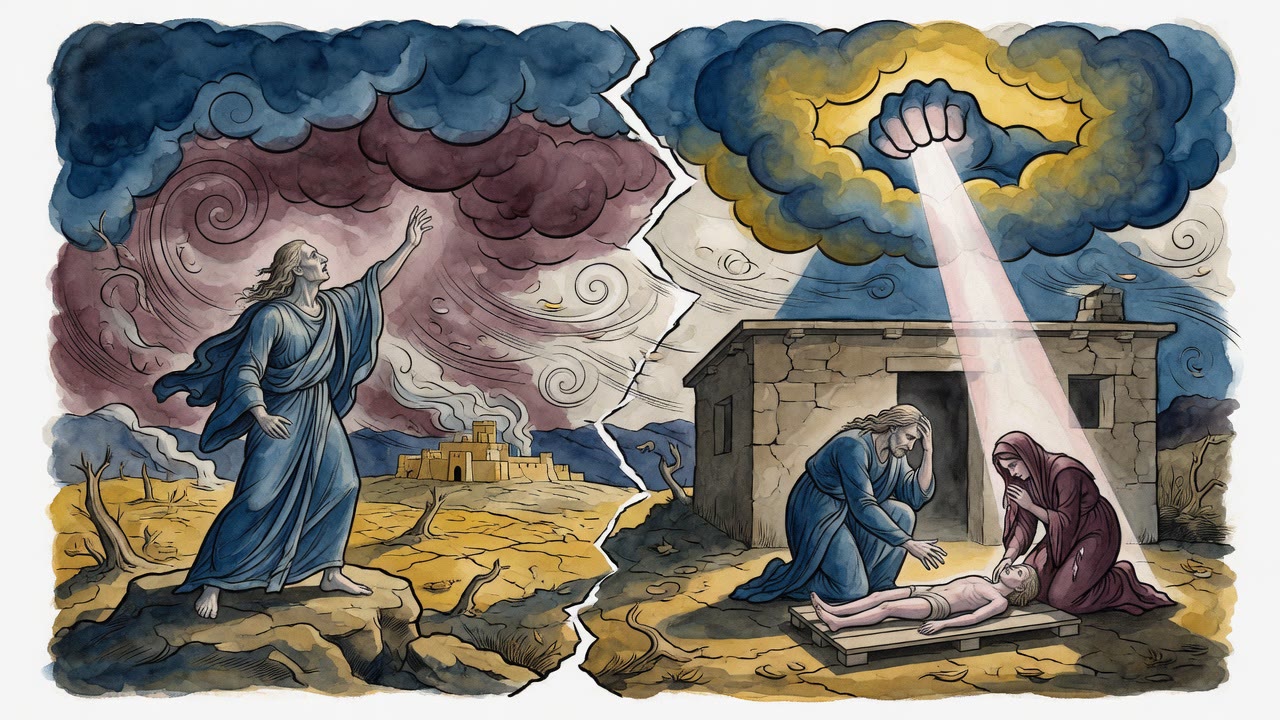
Ahab hunted the prophet through dry ravines. Elijah would not return while the king still stood unbent. Heaven answered with soil.
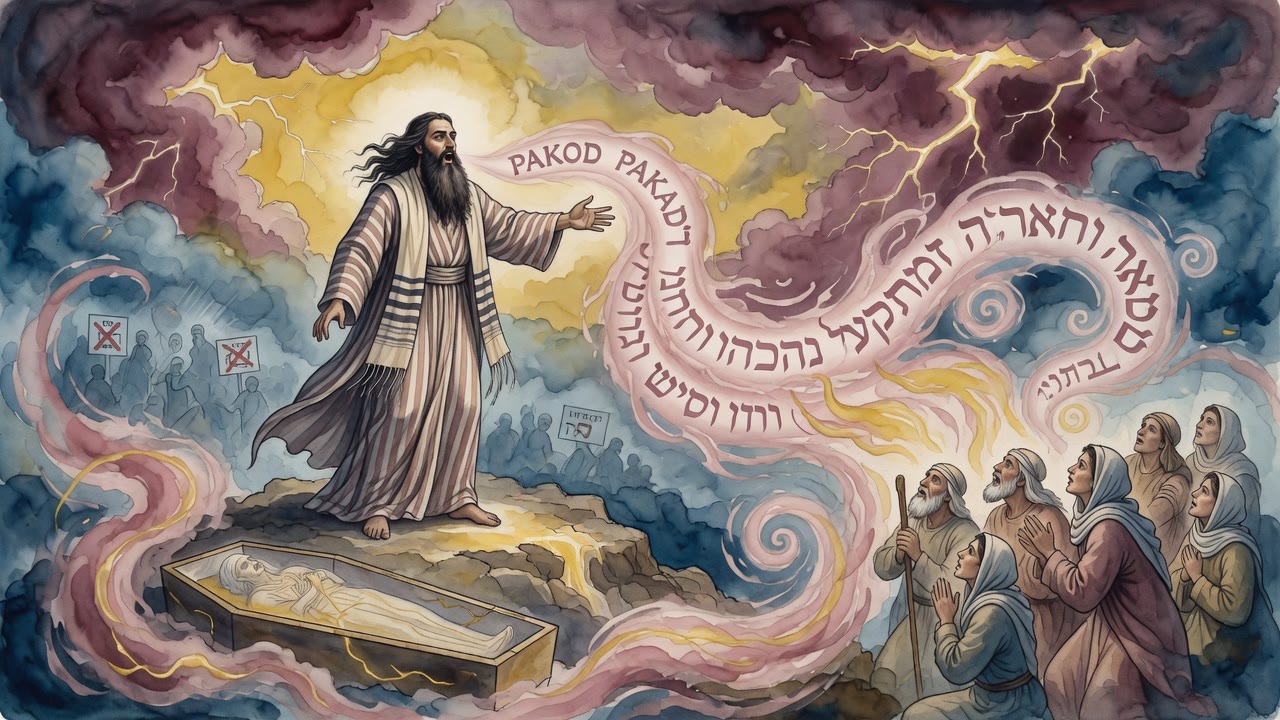
Israel did not believe because Aaron made signs in Egypt. They believed when his mouth carried the phrase Joseph had buried in memory.
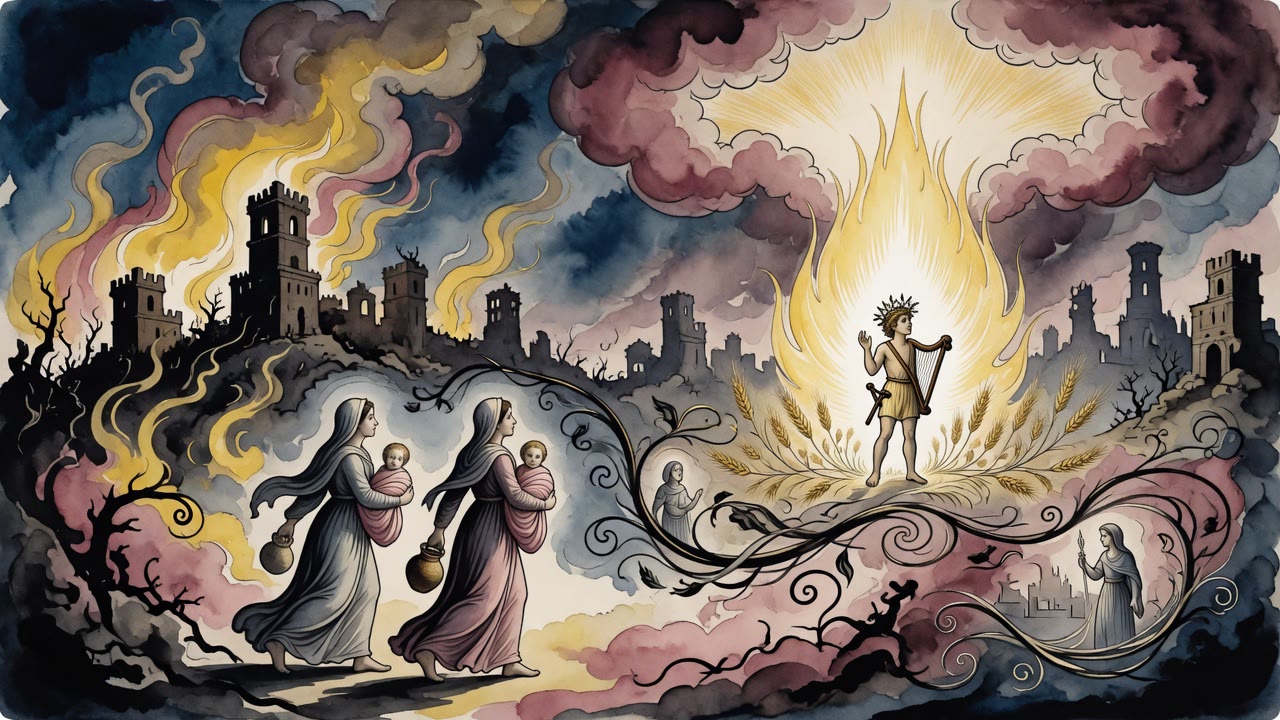
Lot looked east, saw grass, and moved his tents toward the city. Two of Israel's royal lines walked out of the cave above it at dawn.
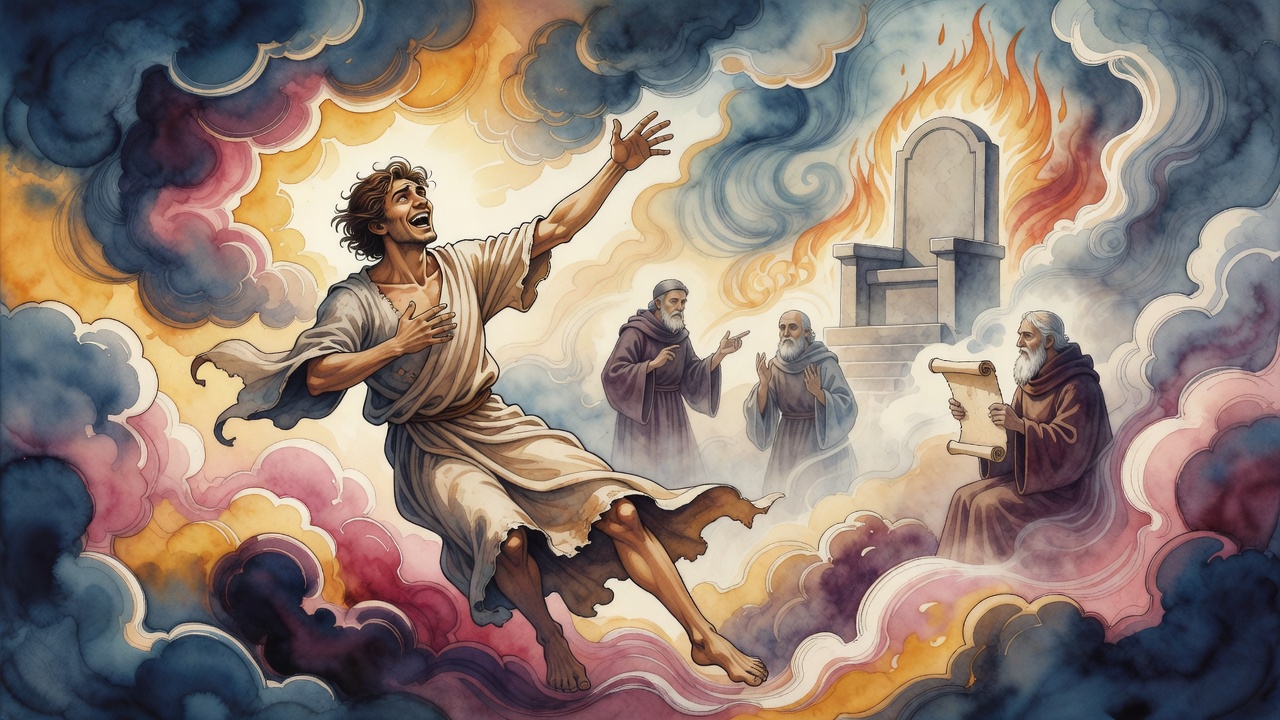
Sarah watched him in the yard with a bow. Then she told Abraham to send the boy and his mother out of the house for good.
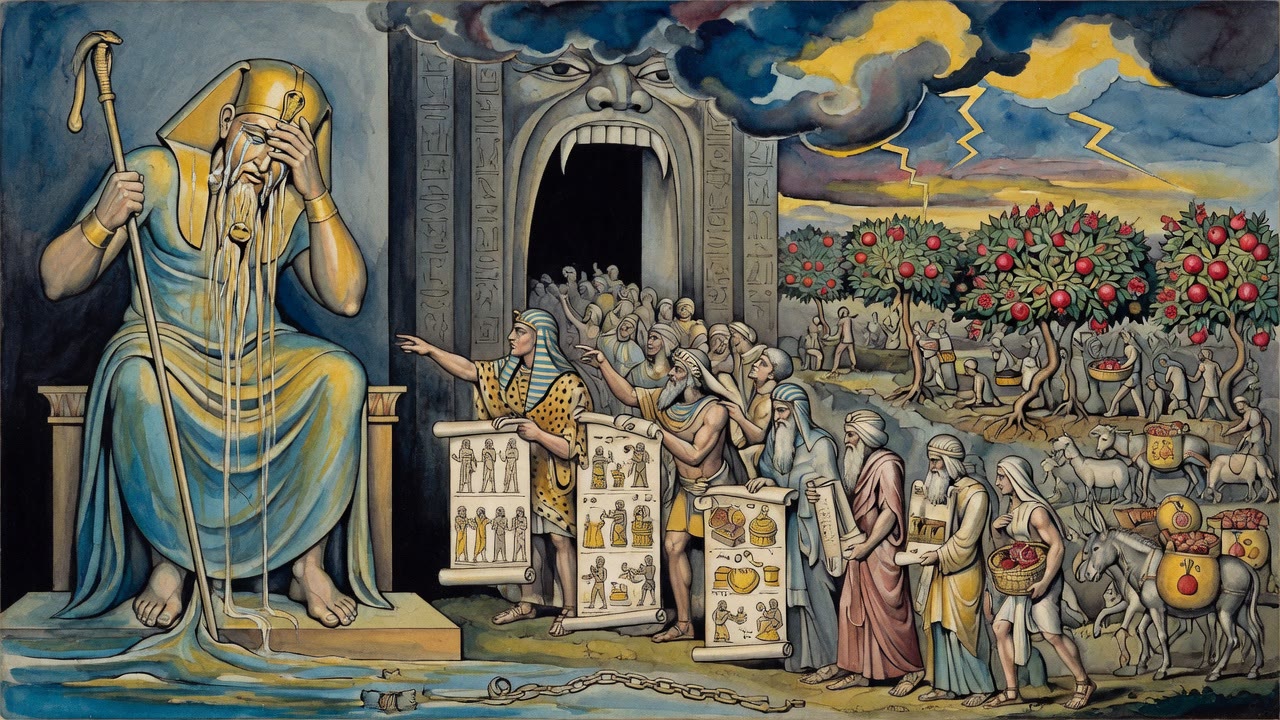
Pharaoh thought he was releasing slaves. His advisors catalogued what walked out, wise men, artisans, wealth, an orchard of pomegranates.
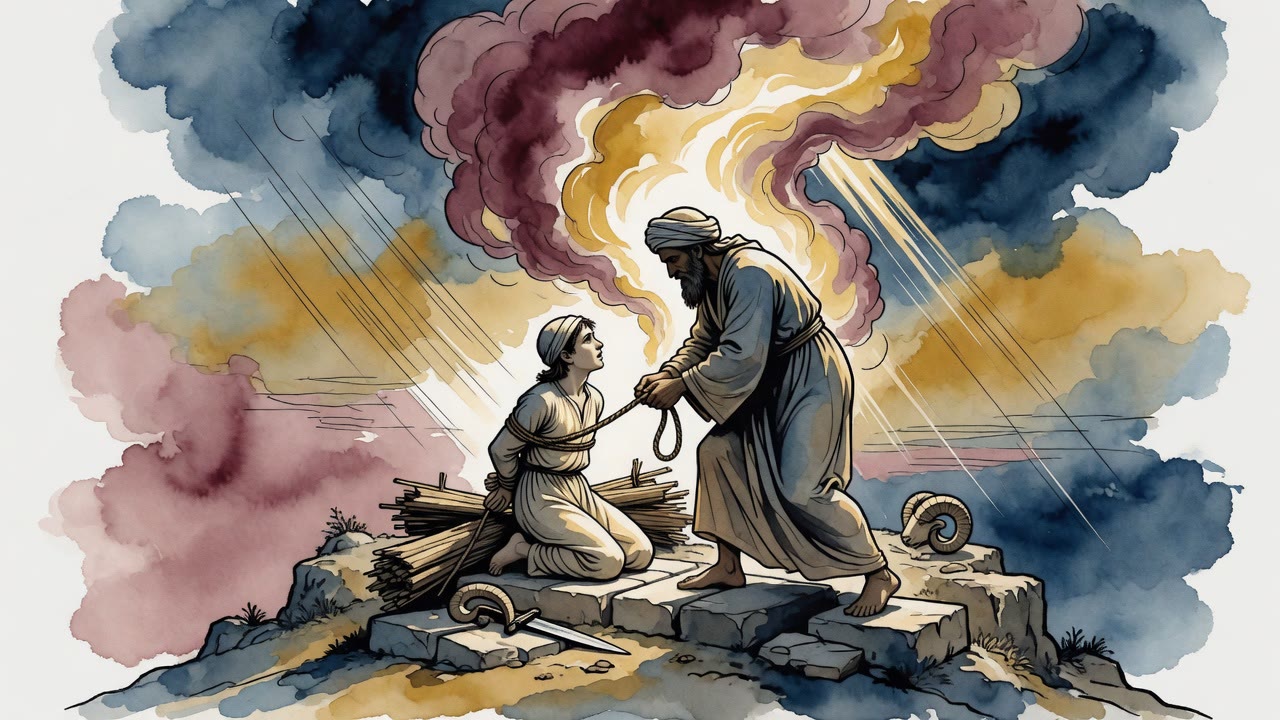
Abraham told God to wipe Israel out so the Name would stay holy. Jacob said the same. Isaac, who had been on the altar, began to count.
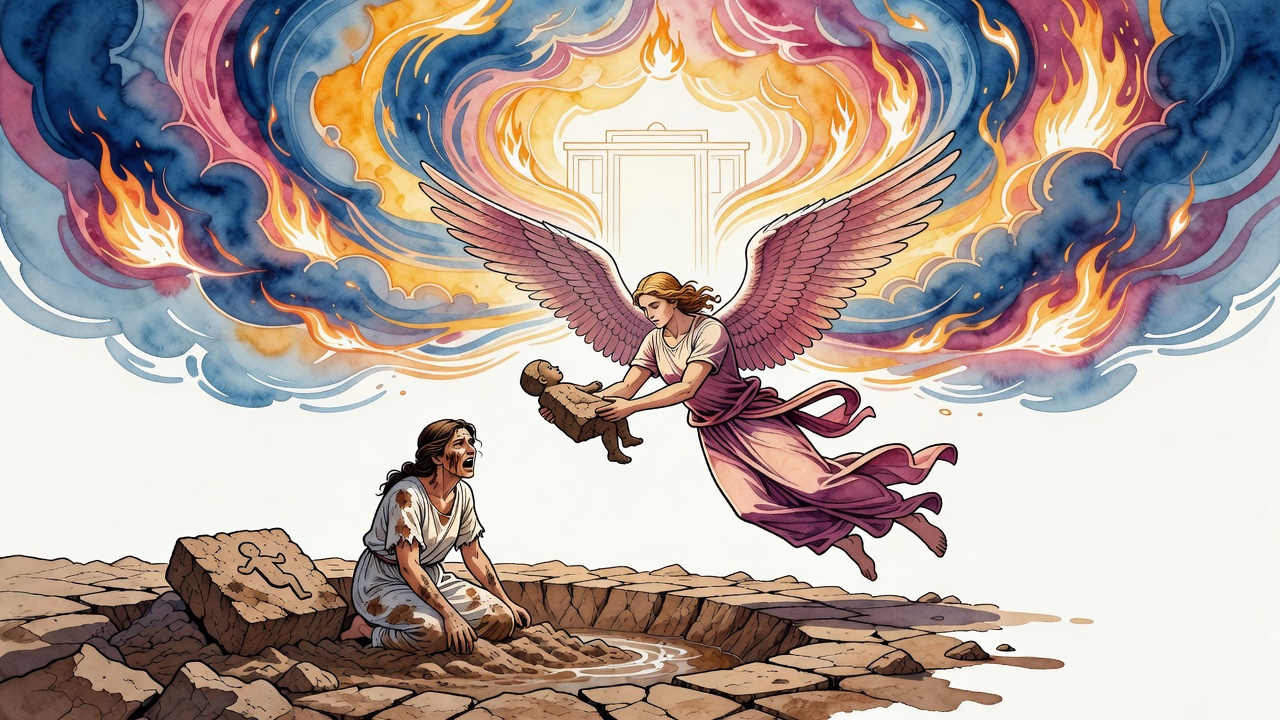
Rachel was treading clay for bricks when her labor came. The child dropped into the mud and sank. An angel went down after it.
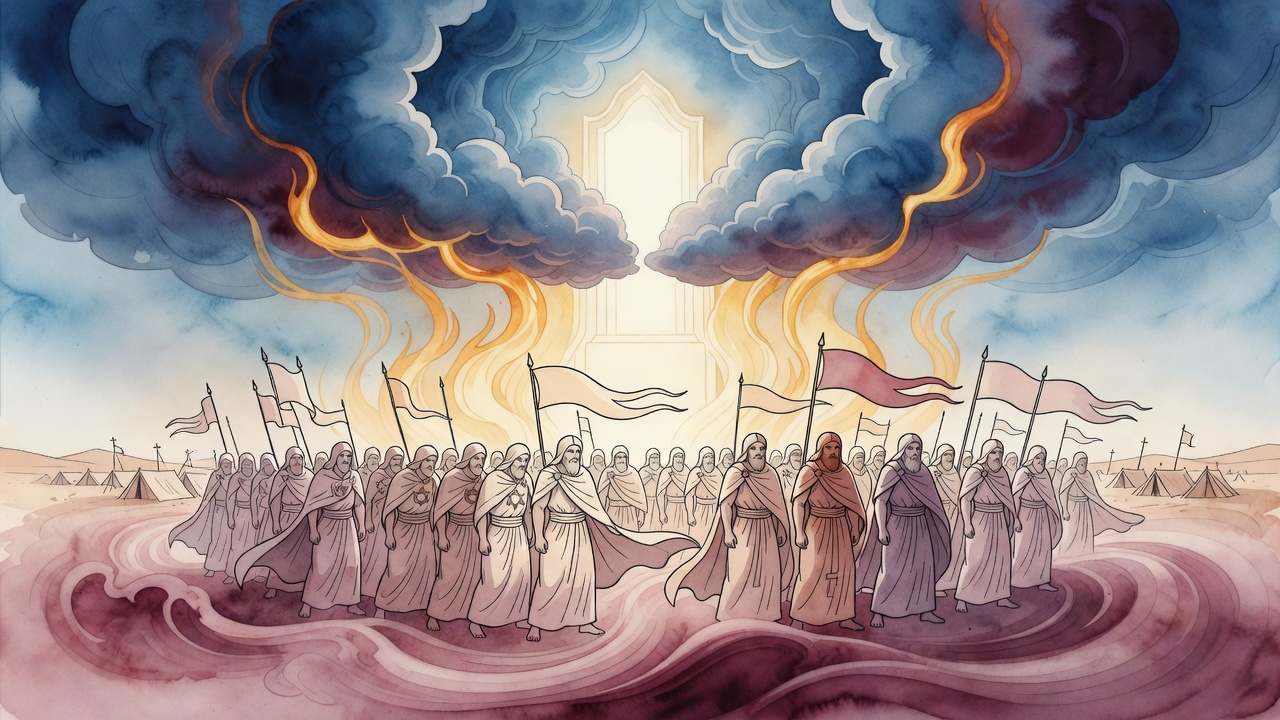
Dan was prone to idolatry and placed at the rear of the camp. The tribes beside them were not chosen at random to fill a gap in the formation.
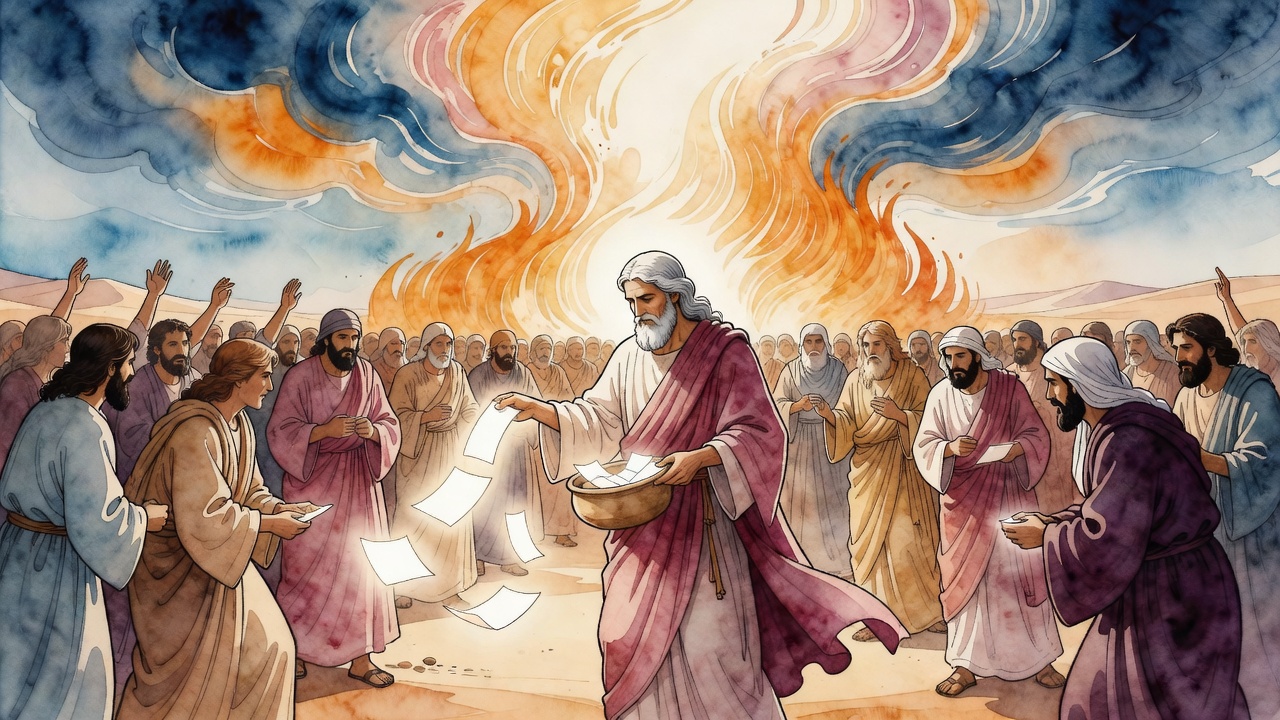
Two hundred seventy-three firstborn sons had no Levite to stand for them. Moses put slips in an urn so no father could cry that the count was fixed.
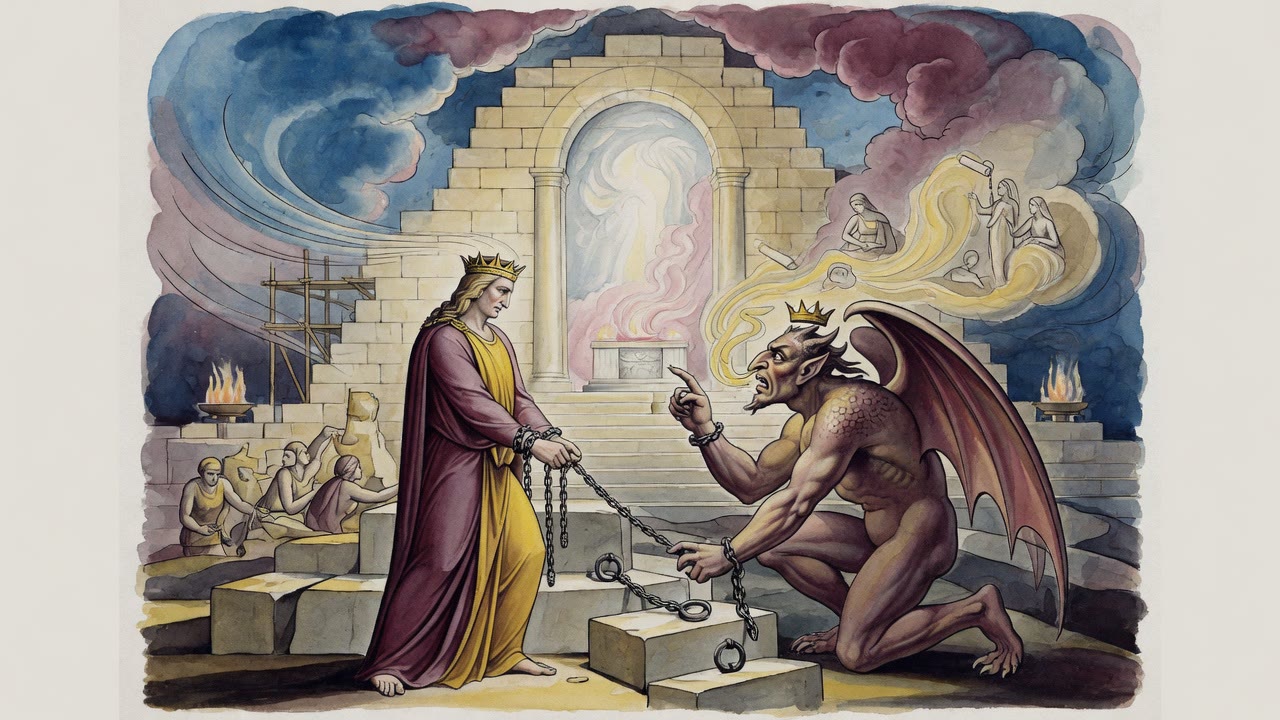
Asmodeus wore Solomon's face and ruled his throne. Solomon wandered for three years telling people his name while they laughed.
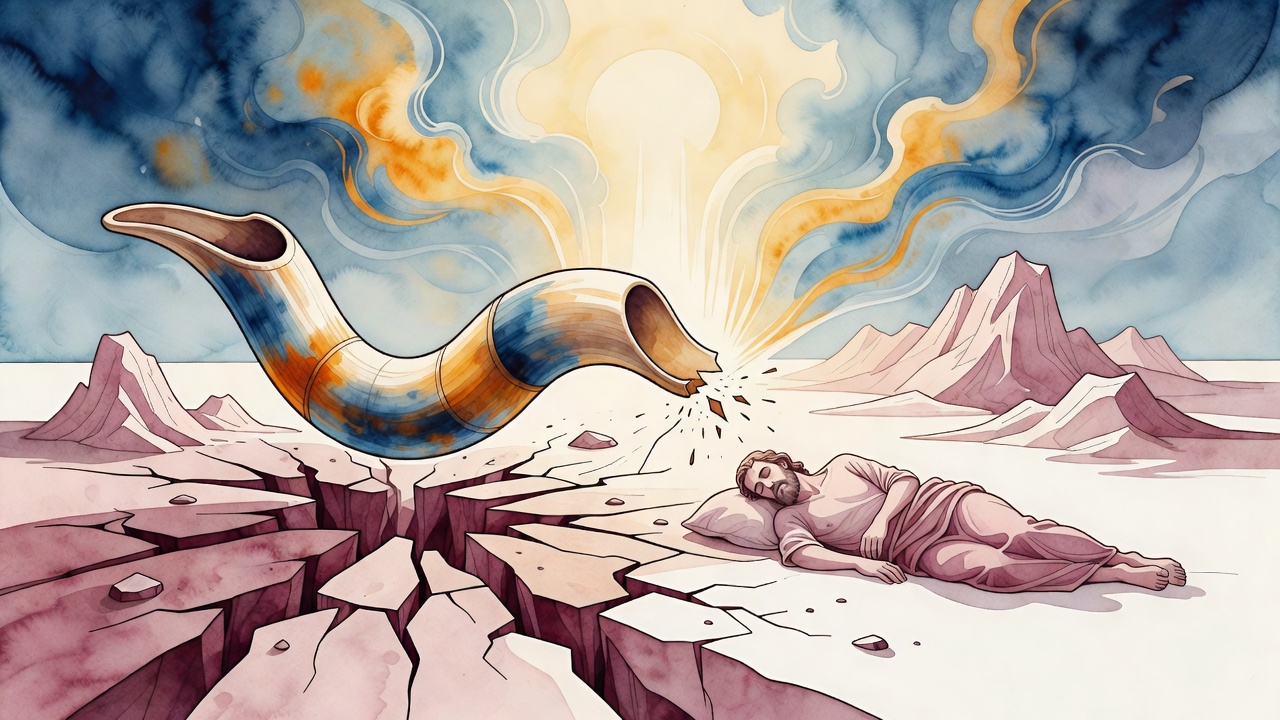
Three shofar (a ram's horn) blasts will shatter and remake the earth at the end of days. The broken teruah blast is aimed at Abraham, asleep in the world to.
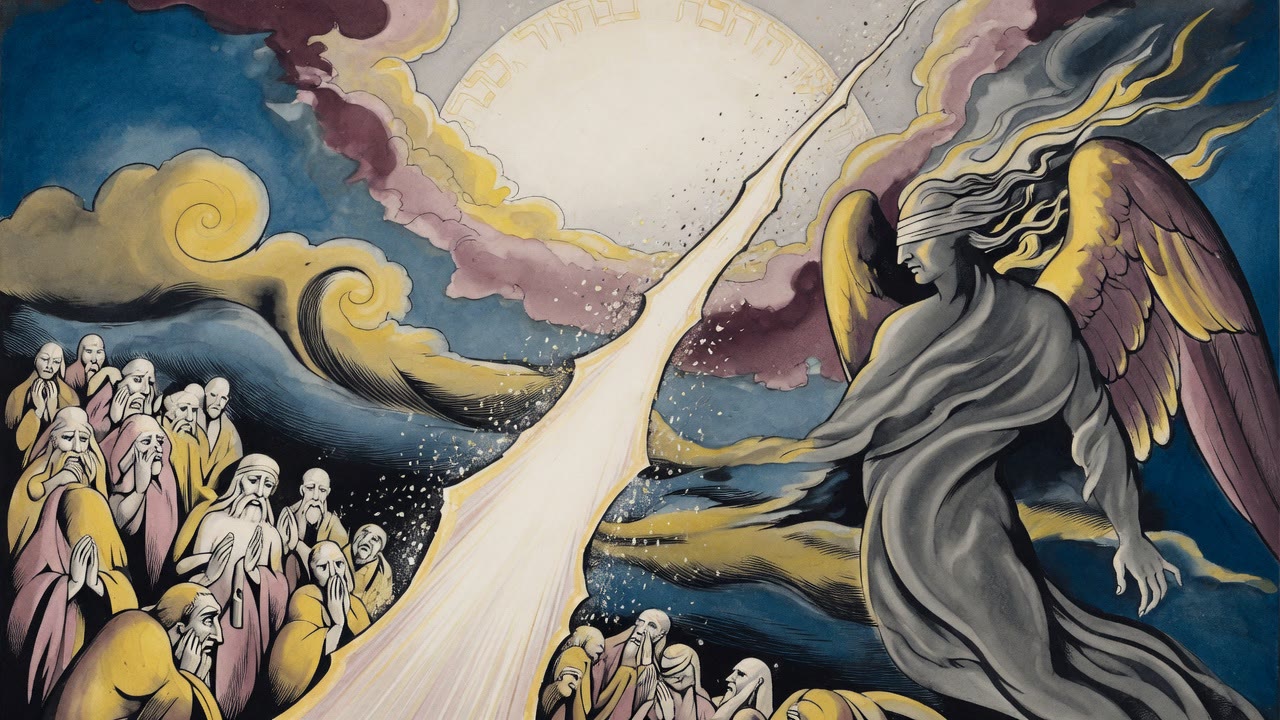
Samael does not seize power. He is given it. The gap sin creates is the only space Samael enters, and God is the one who opens the door.
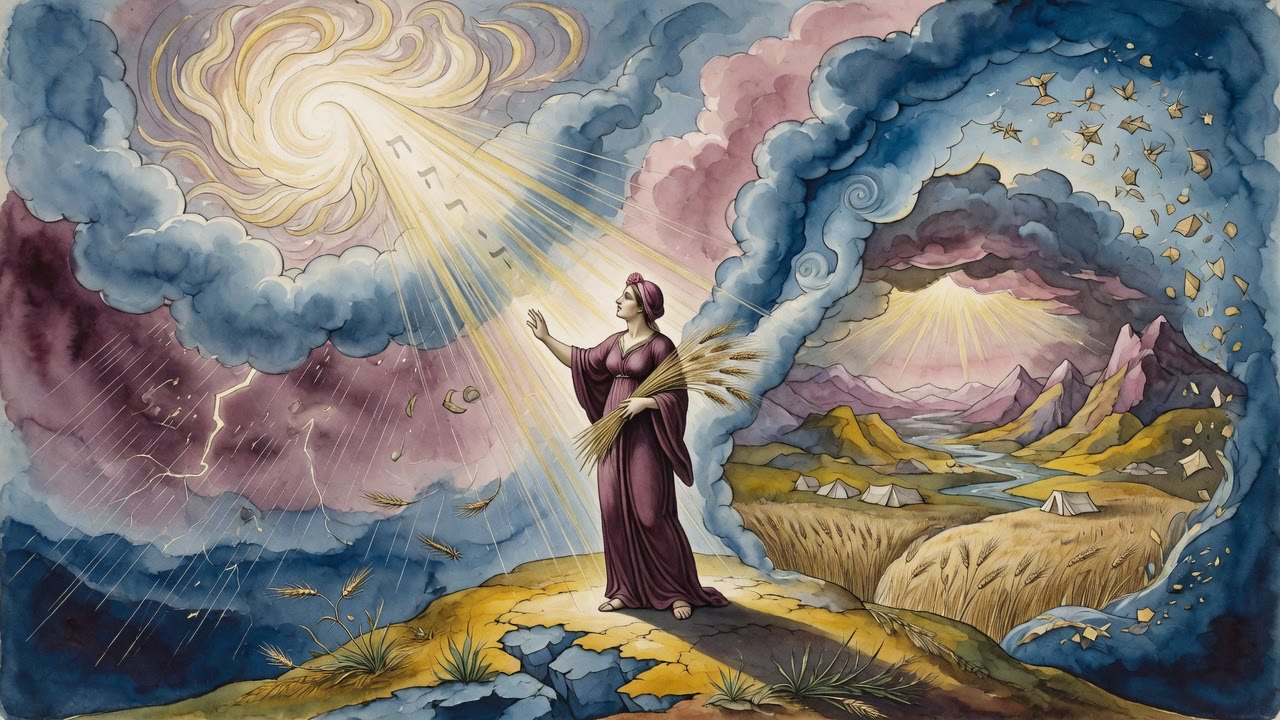
Ruth bowed in Boaz's field and asked why he had shown her kindness. The Tikkunei Zohar saw the Shekhinah, the Divine Presence, in her posture.
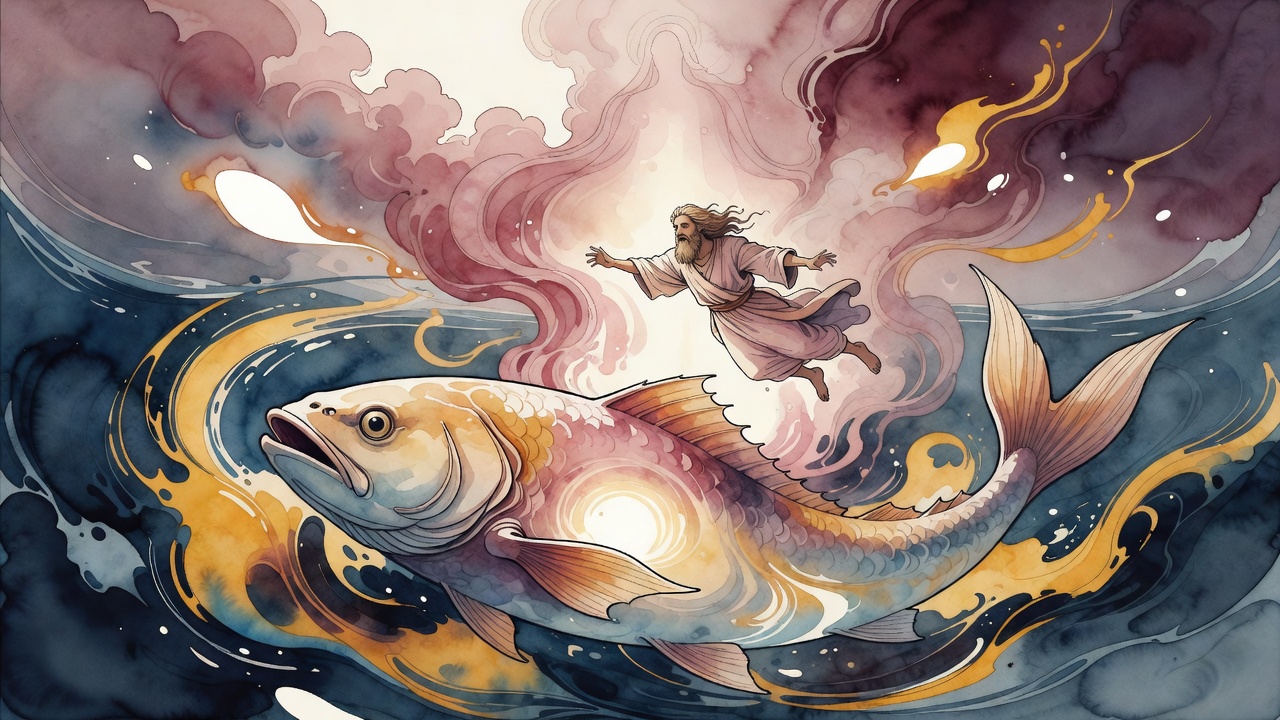
Jonah flees his mission and is swallowed by a fish the Tikkunei Zohar names as the Shekhinah, the Divine Presence, already waiting below.
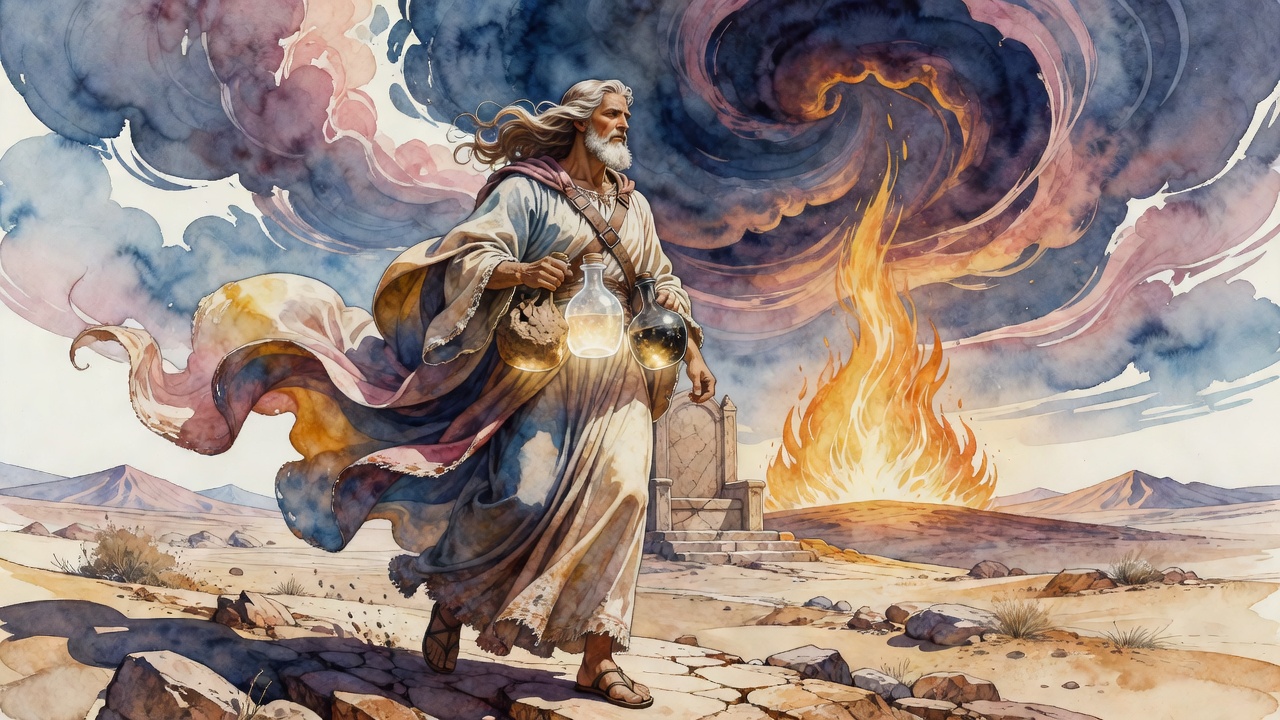
Two of them named what they wanted and had it before morning. The third asked for a beautiful wife, and Elijah made him walk three nights for her.
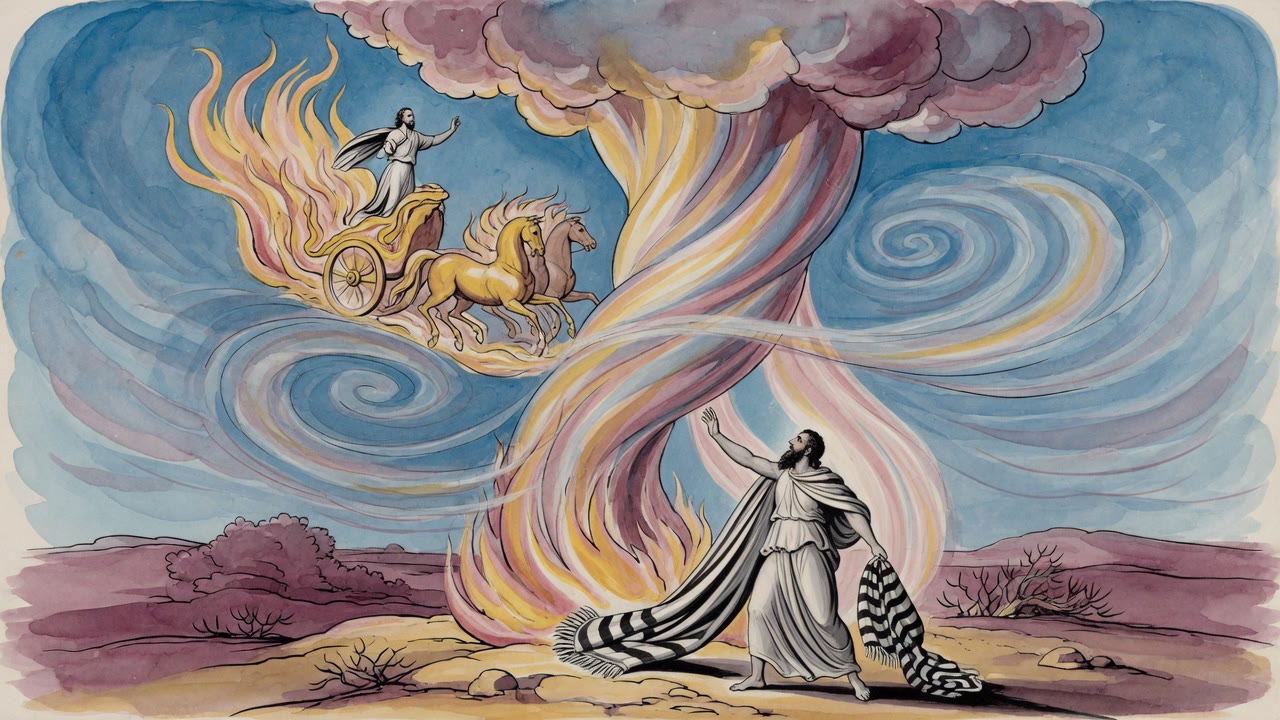
Every seder has a cup for Elijah. Every circumcision has his chair. But a tradition older than both holds that Elijah is not present everywhere. He is hidden.
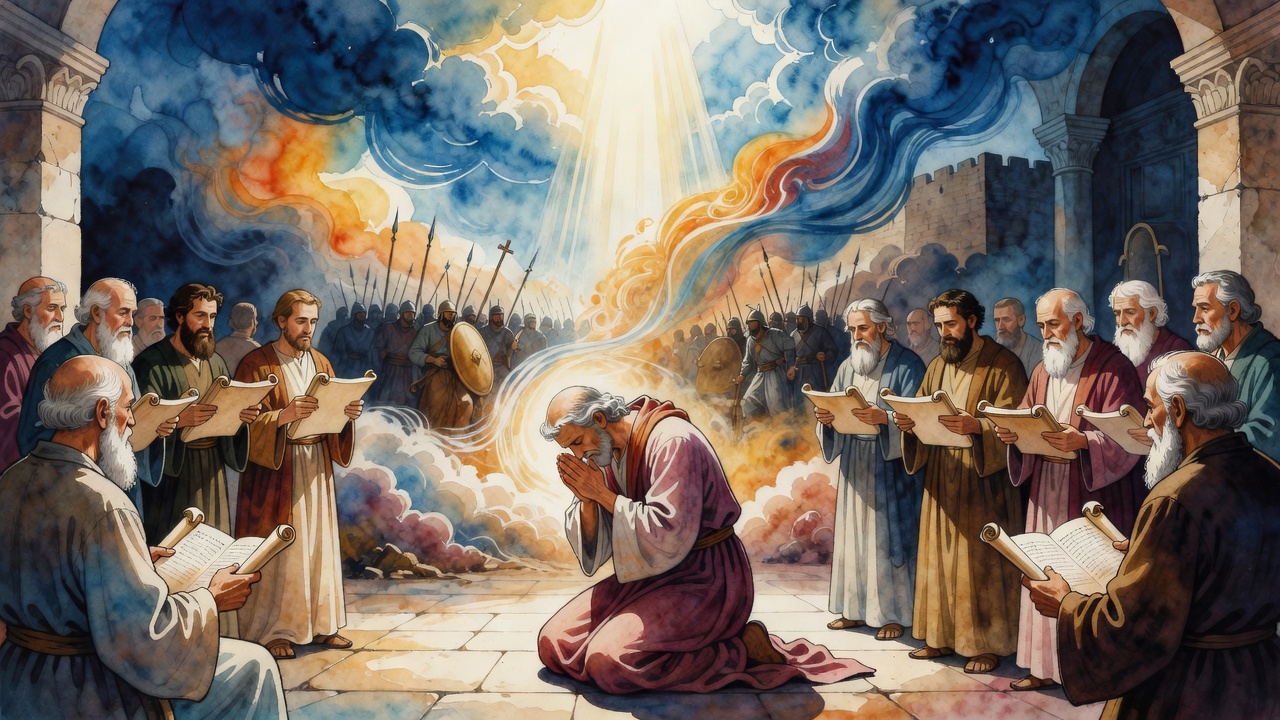
Ahaz meant to give his son to Moloch. The boy's mother rubbed him with the blood of a salamander first, and the fire could not have him.
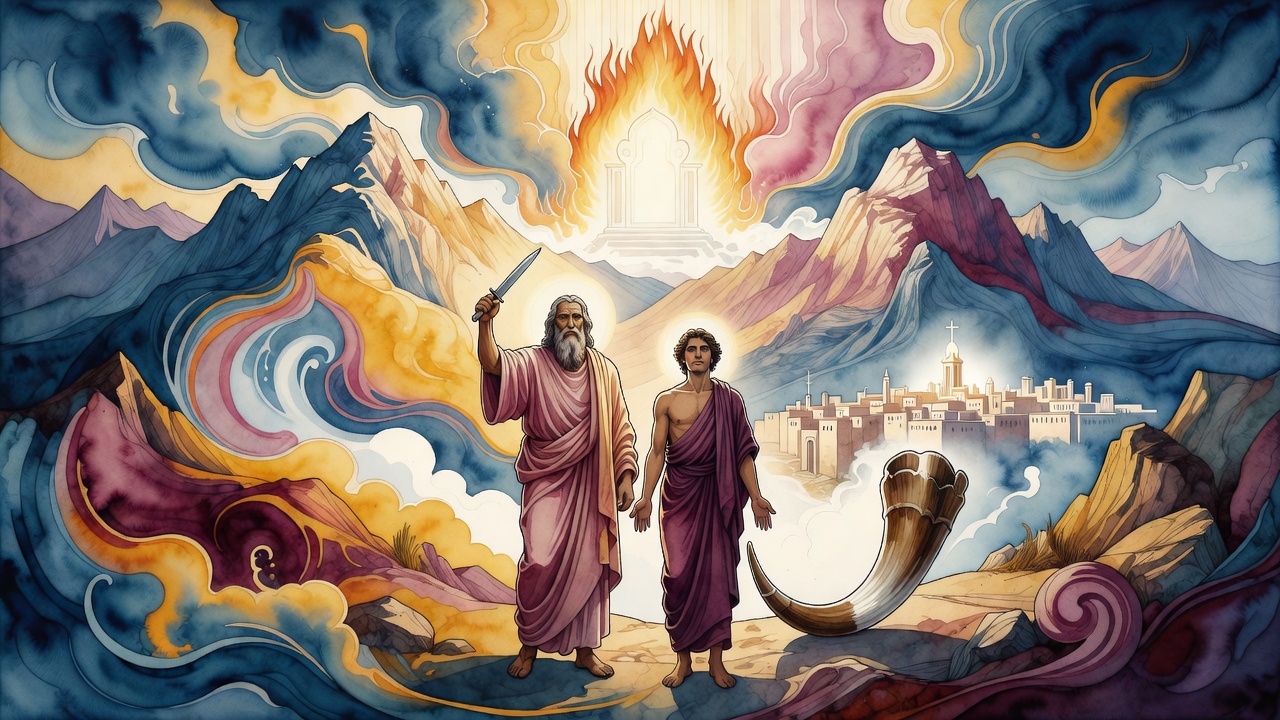
Isaac told his father to bind him tight so a tremble would not spoil the offering. He looked at the angels, not at the knife.
