196 myths · Page 3 of 7
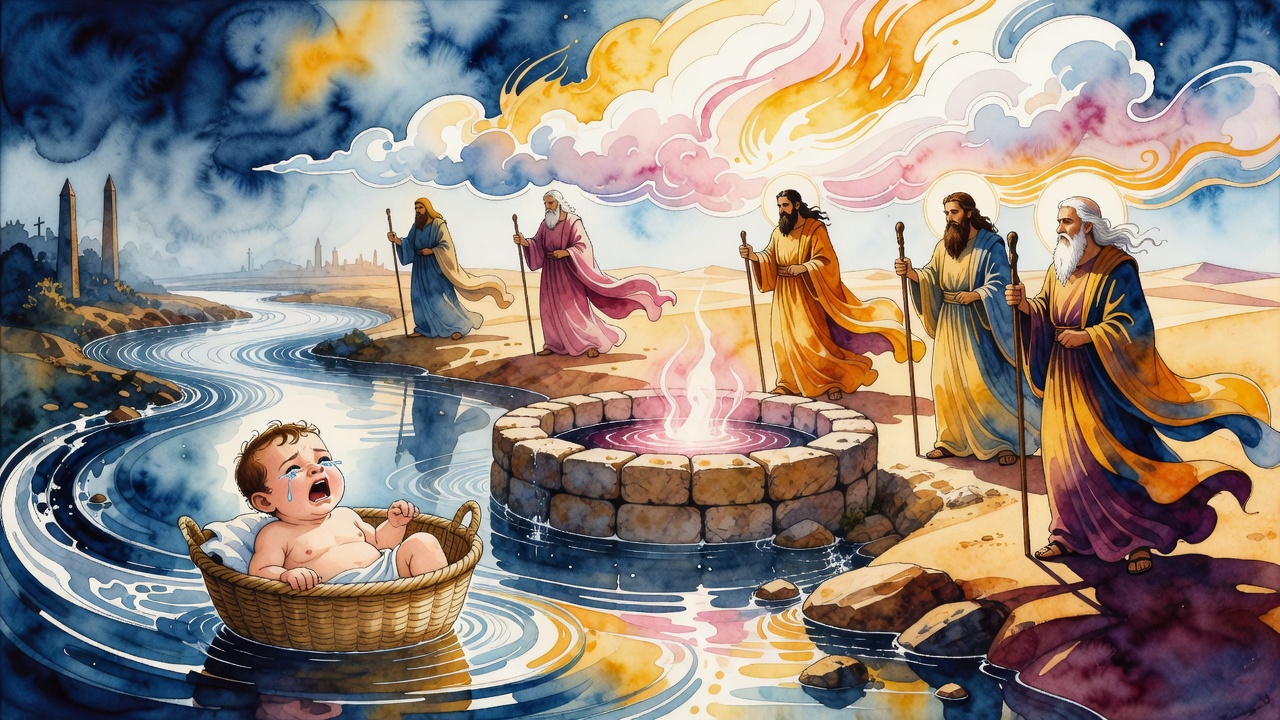
A crying child in a basket on the Nile became the redeemer of Israel. The rabbis followed the water from Pharaoh's river to Miriam's well to the desert clouds.
Psalm 106 holds a petition small enough to miss: remember me, O Lord. Midrash Tehillim gives God one answer. Your words are living with me, my child.
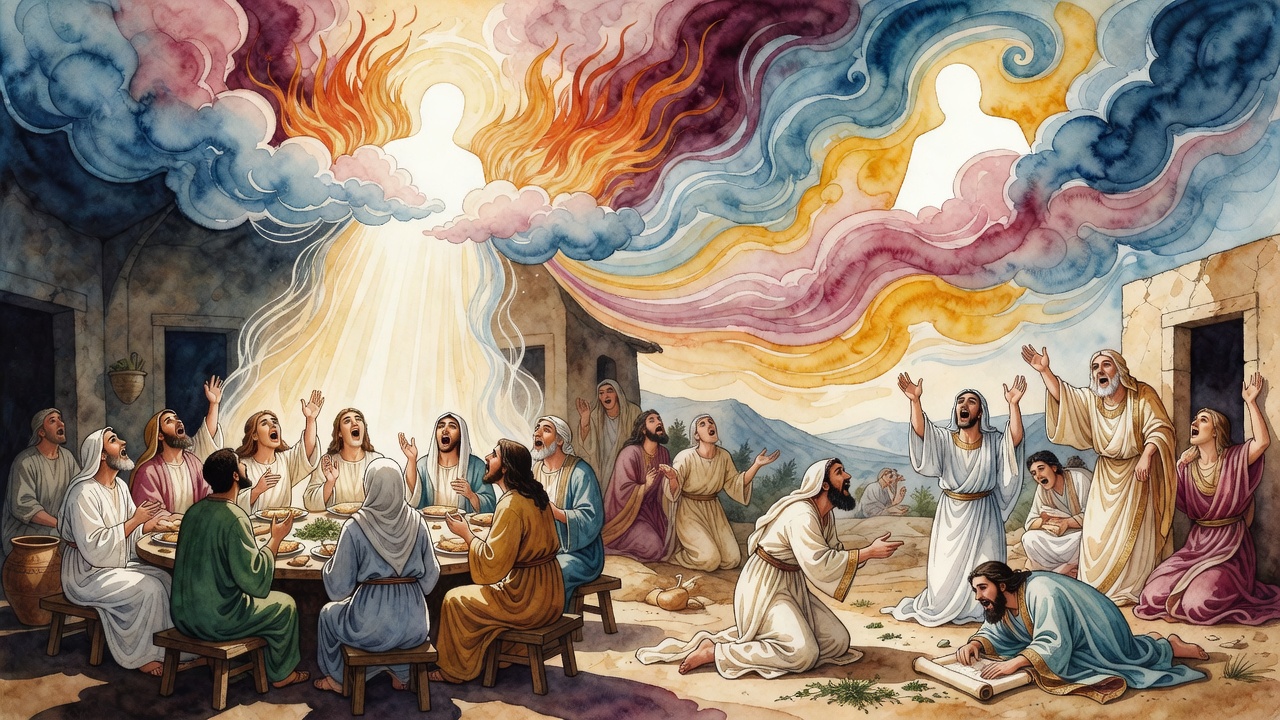
On the first Passover night, Israel ate and sang in their houses while Egypt screamed over the firstborn. The rabbis preserved both sounds at once.
Moses prays 515 times at the Jordan's edge, draws a circle in the dust, and prays until heaven trembles. God finally says: enough, do not continue.
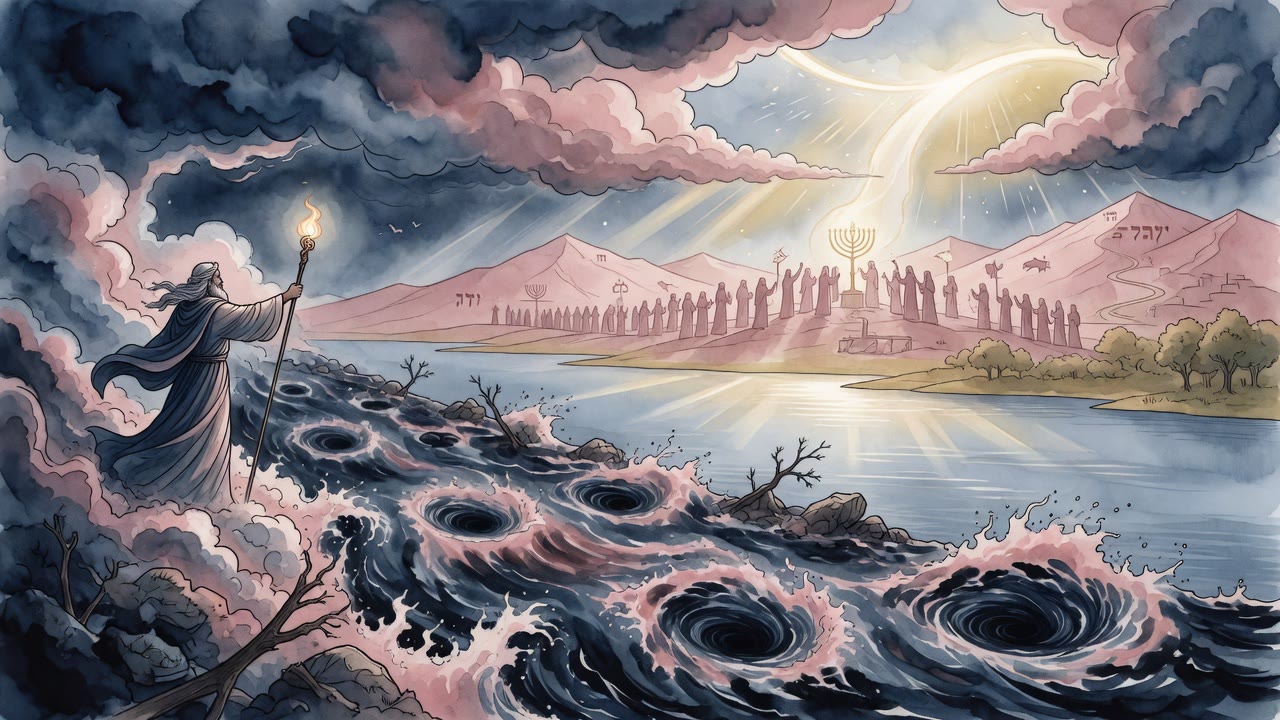
After the calf, Moses feared God would swap Israel for another people. God named a river that throws stones six days a week, and a way home.
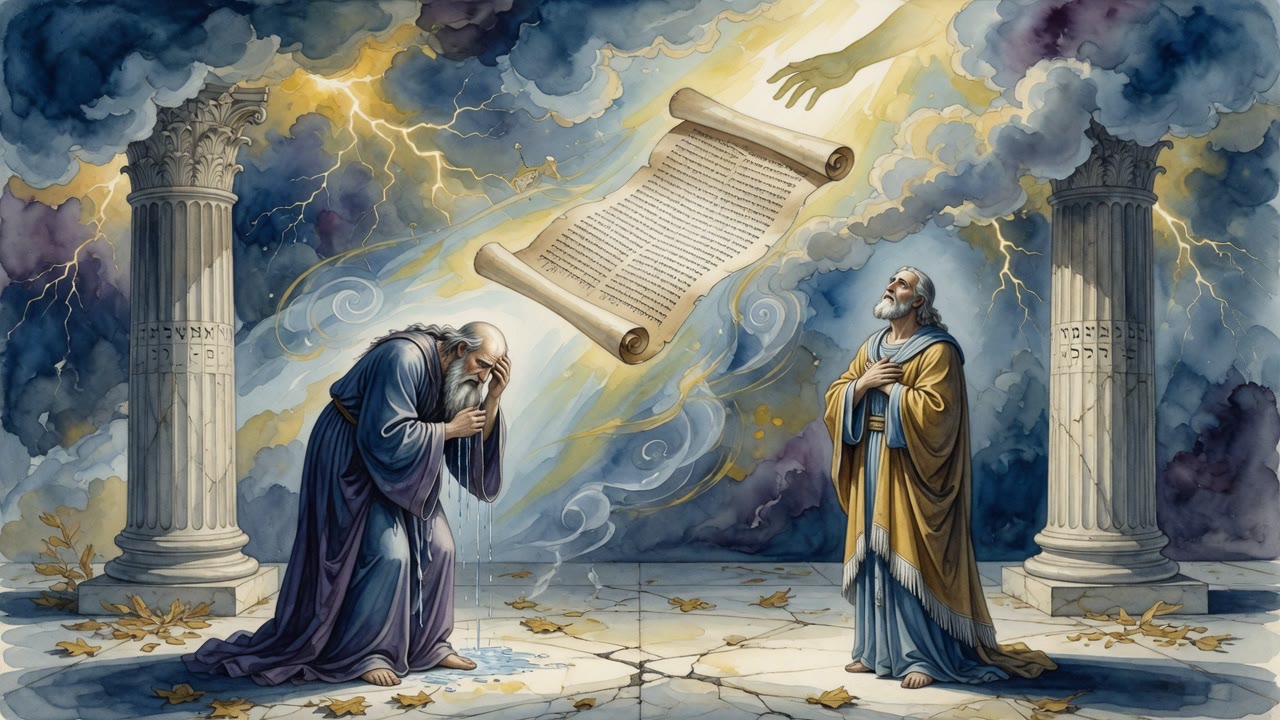
Rabban Shimon walked in Roman chains and wept because he could not name his sin. Rabbi Ishmael, bound beside him, told him to listen.
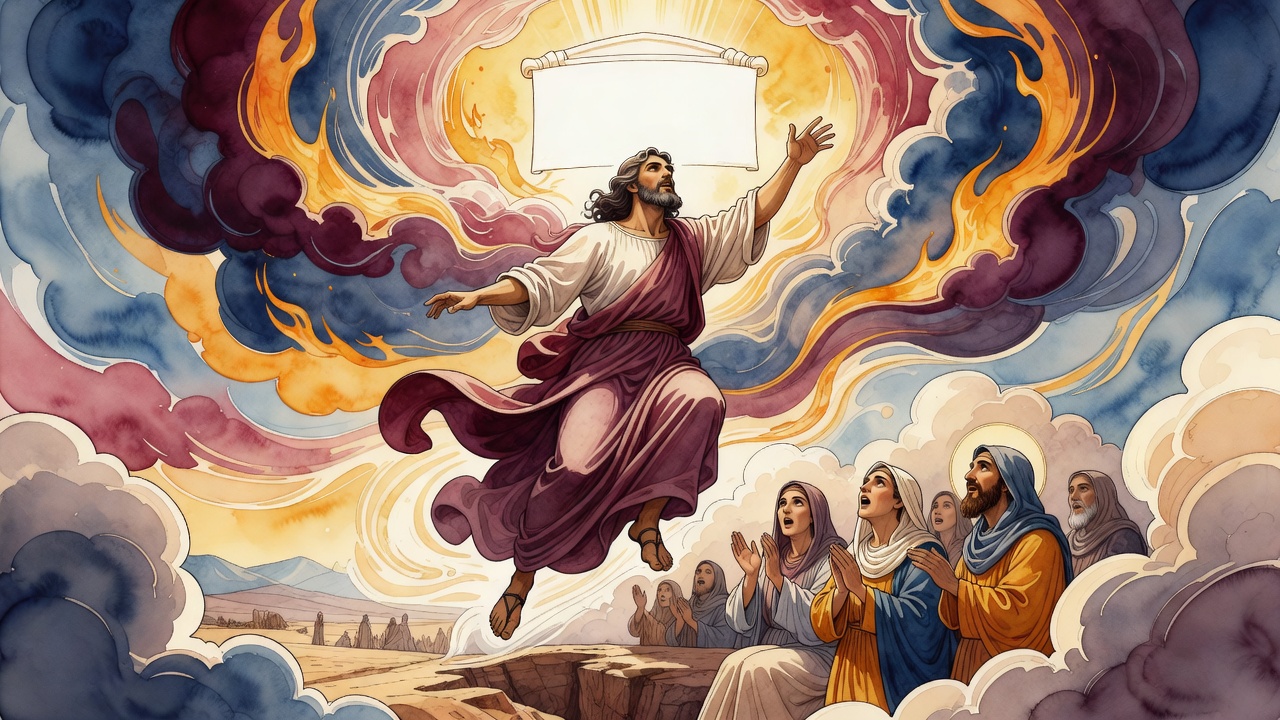
When Joseph revealed himself to his brothers in Egypt, the rabbis say the matriarchs were watching from above. His rise from the pit had a celestial audience.
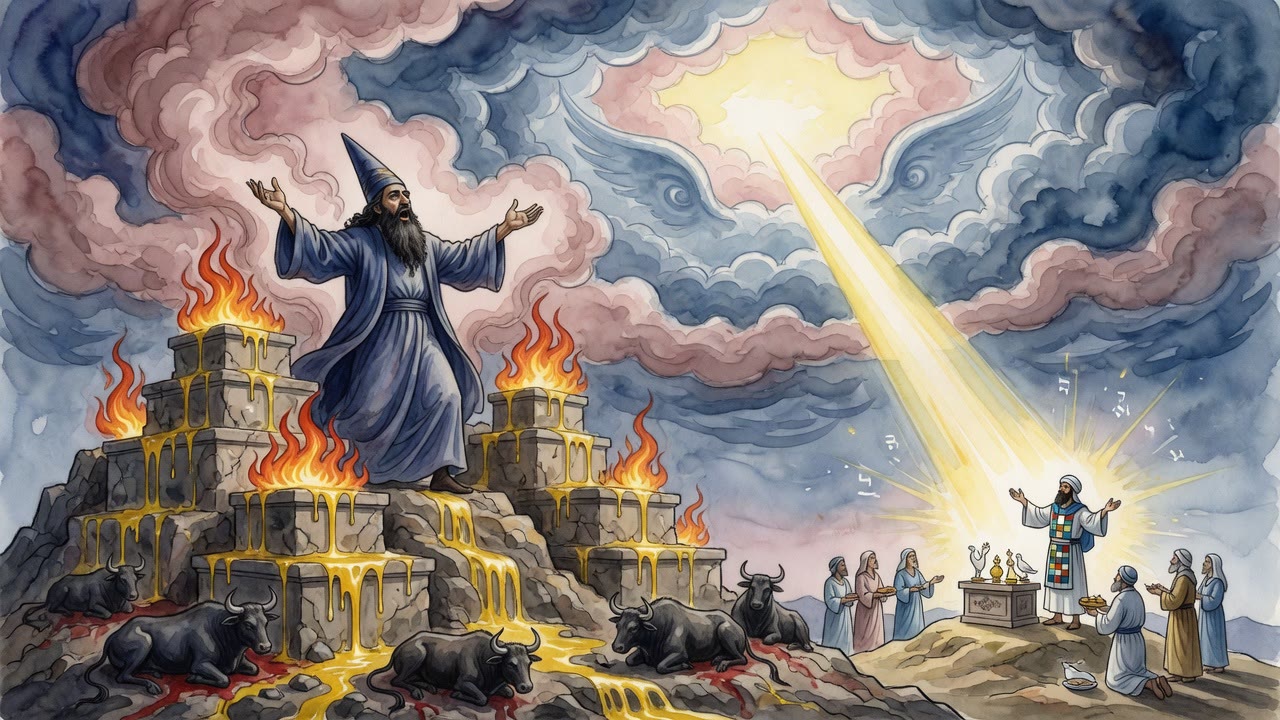
Balak paid for a curse. From the mountain Balaam's mouth opened and he saw David, the star from Jacob, and the King Messiah rising at the end of days.
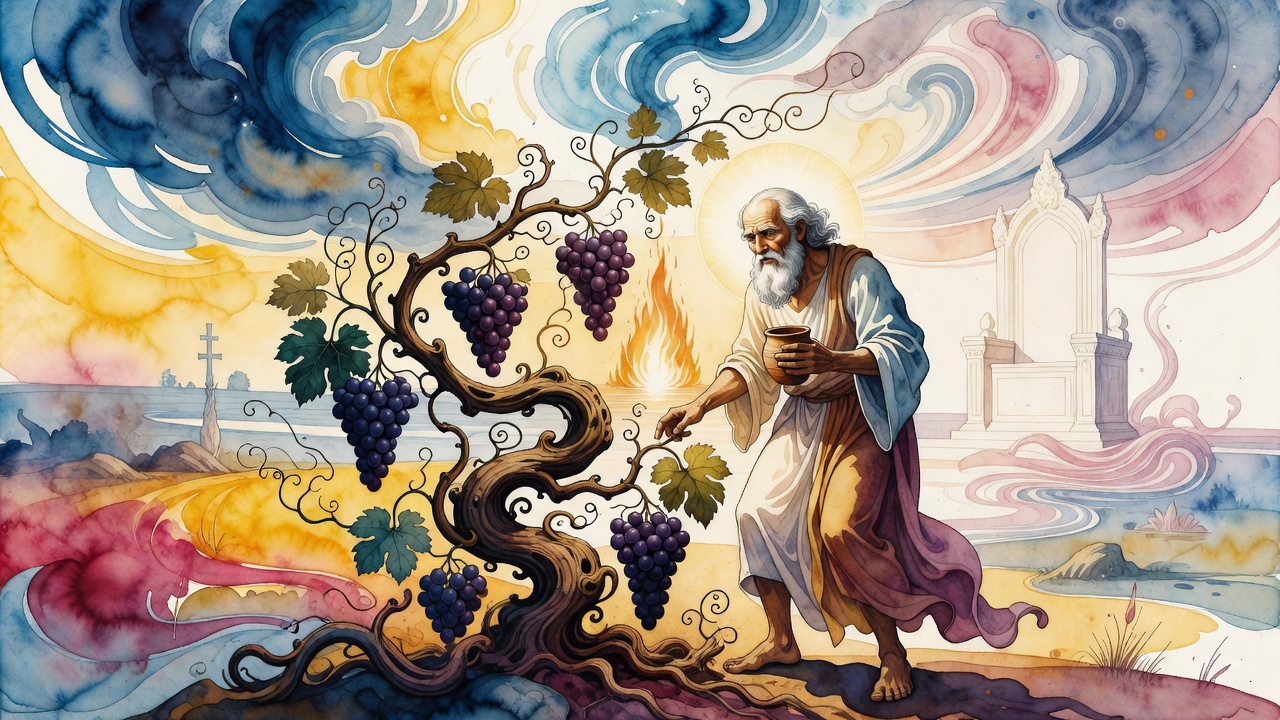
The ground was barely dry. Noah set a cutting from Eden into it. Satan walked up with a lamb, a lion, a pig, and a monkey.
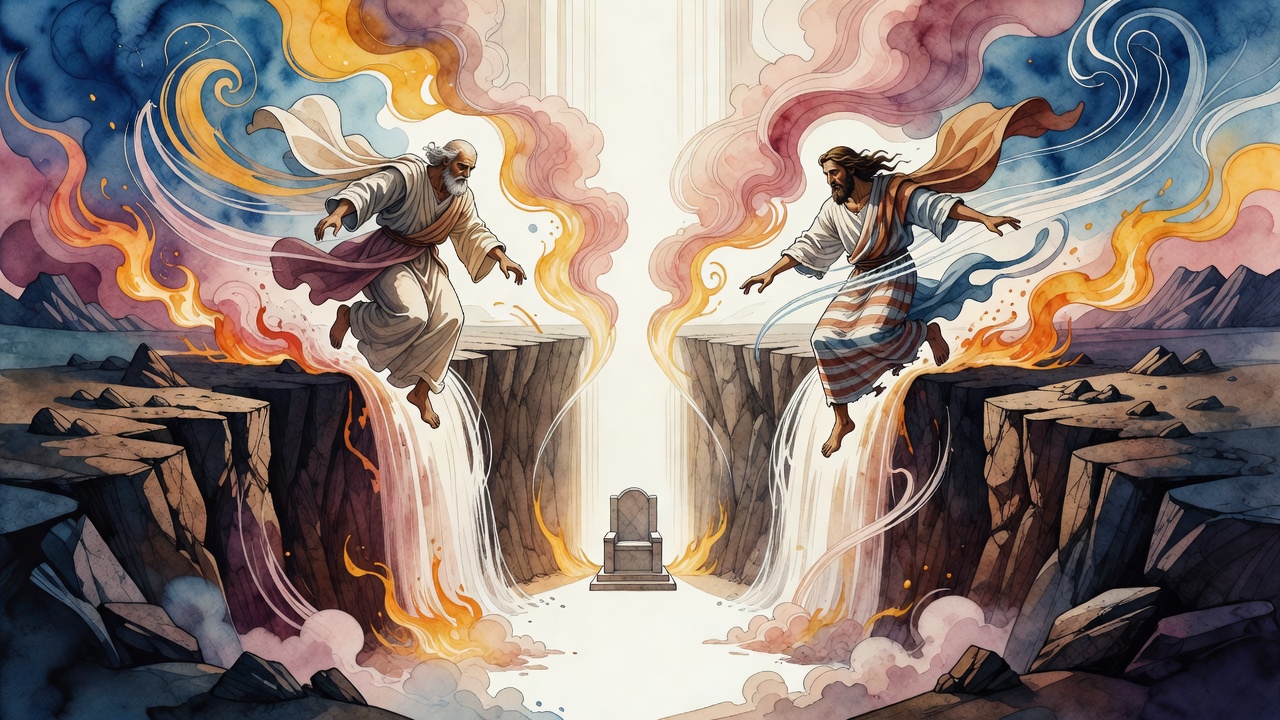
Lot looked at a valley that wore Eden's face and walked in. Years later a king in a cave asked God not to destroy him, because that walk had been paid.
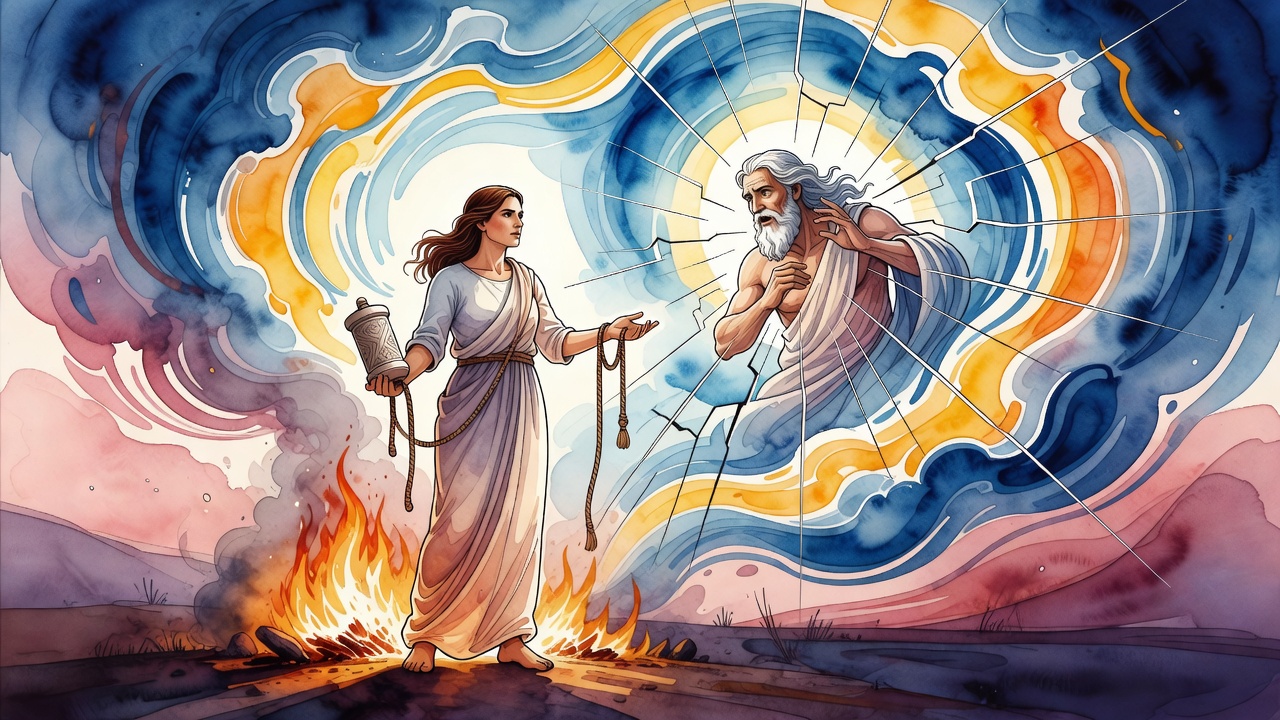
Tamar stood by the stacked wood with Judah's seal in her sleeve. She sent it privately. She did not shout his name into the fire.
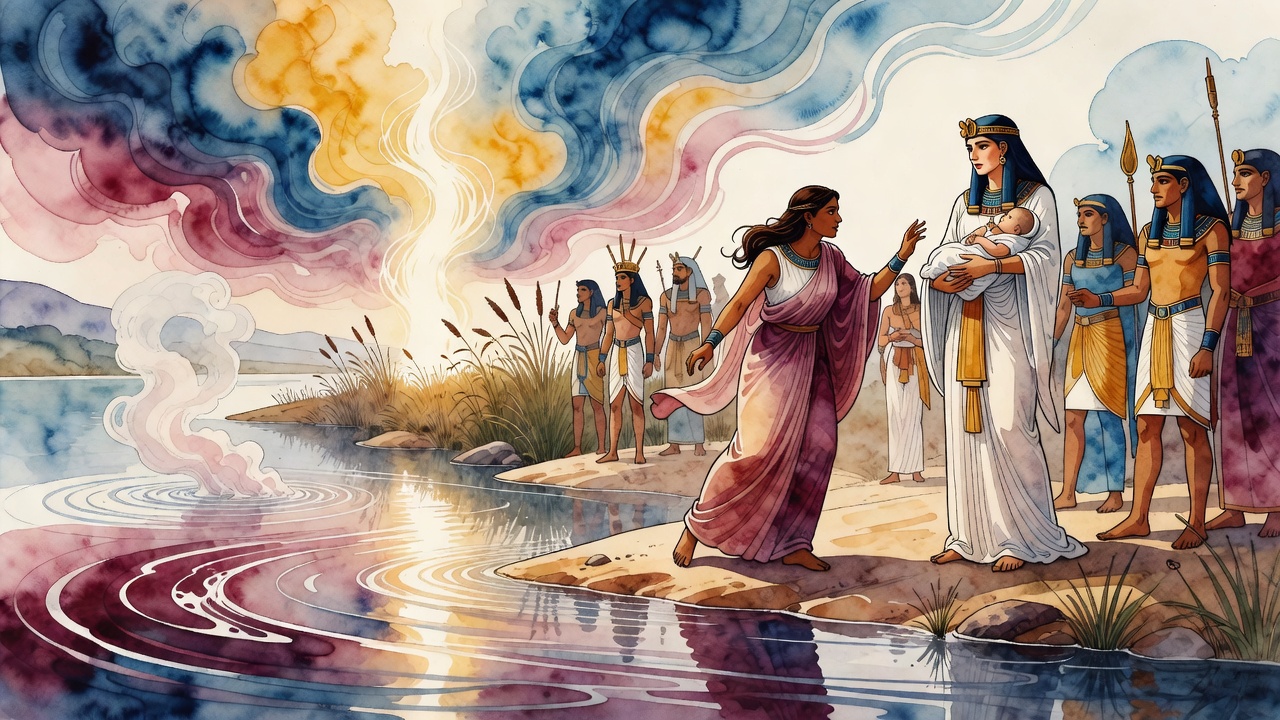
Pharaoh's daughter had a Hebrew infant who would not nurse and a line of Egyptian women who had all failed. A girl was watching from a distance.
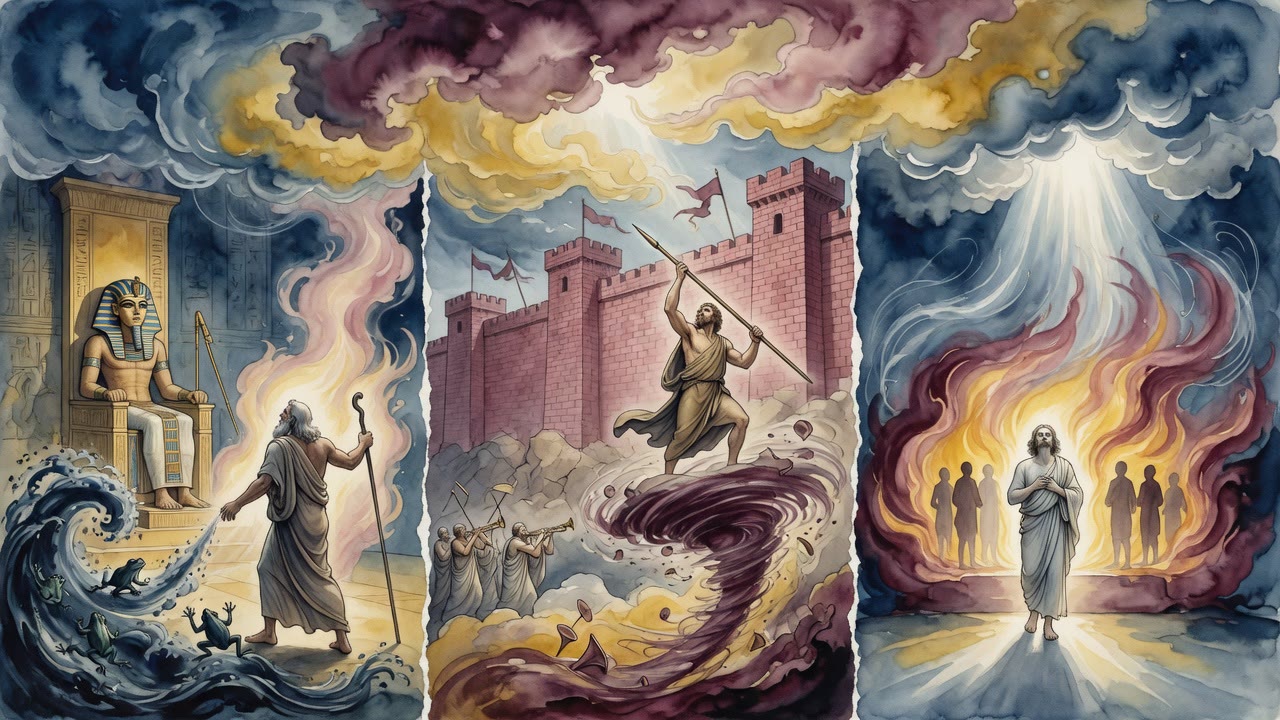
Moses said let my people go ten times. Joshua raised a javelin at Ai. Belshazzar locked the palace doors and then could not get out himself.
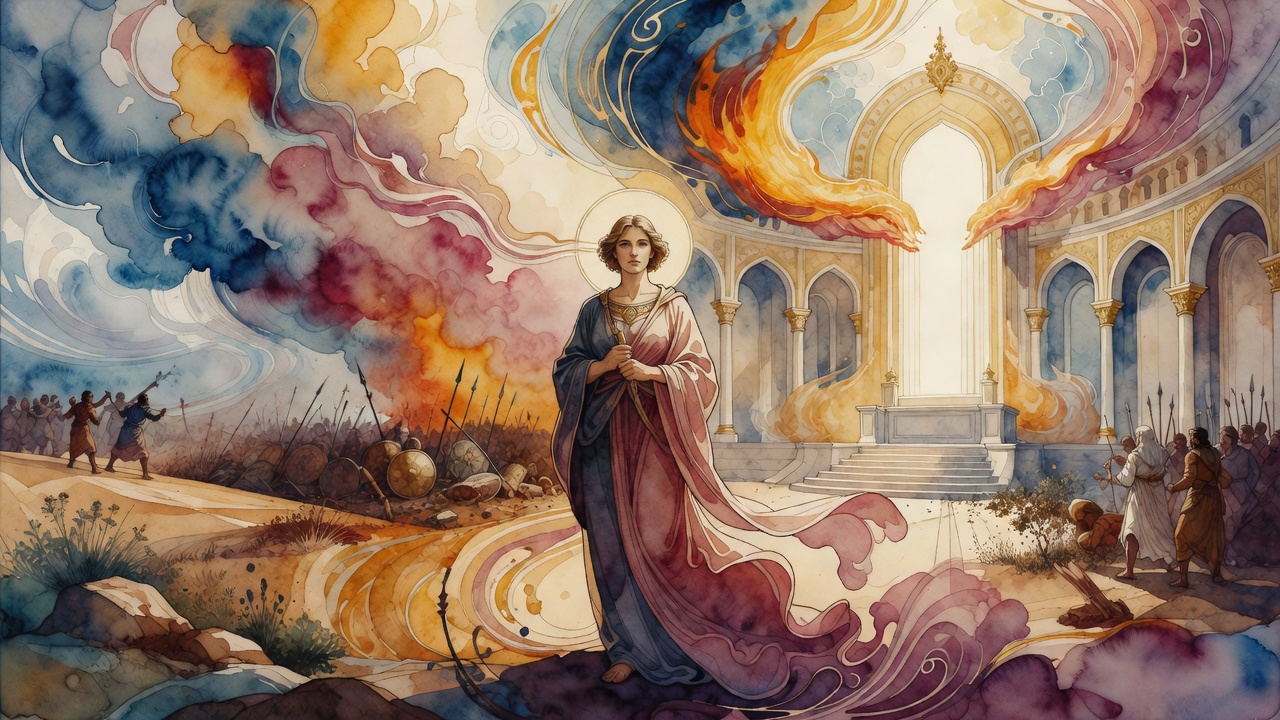
Her father died before he could teach her much. What he did teach her was one promise God made through Moses, and she held God to it on the floor.
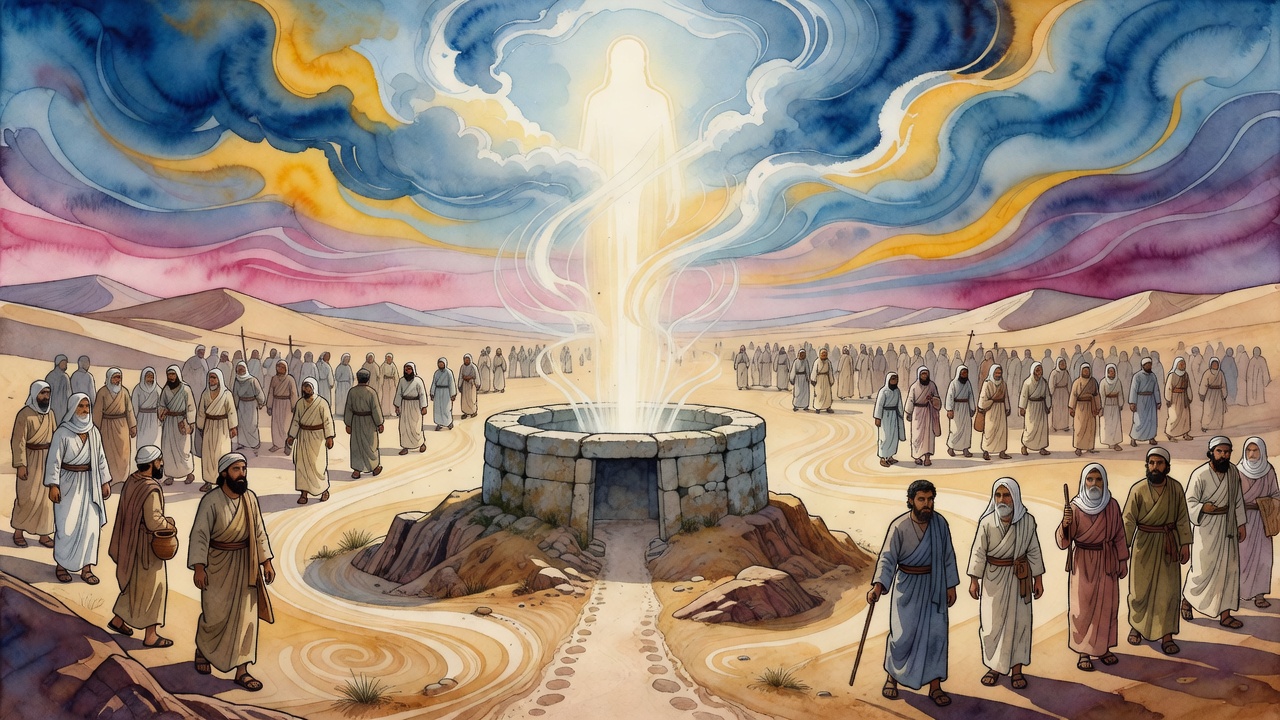
A well followed Israel forty years in the desert. The Talmud named whose merit sustained it. The morning after Miriam died the people found nothing to drink.
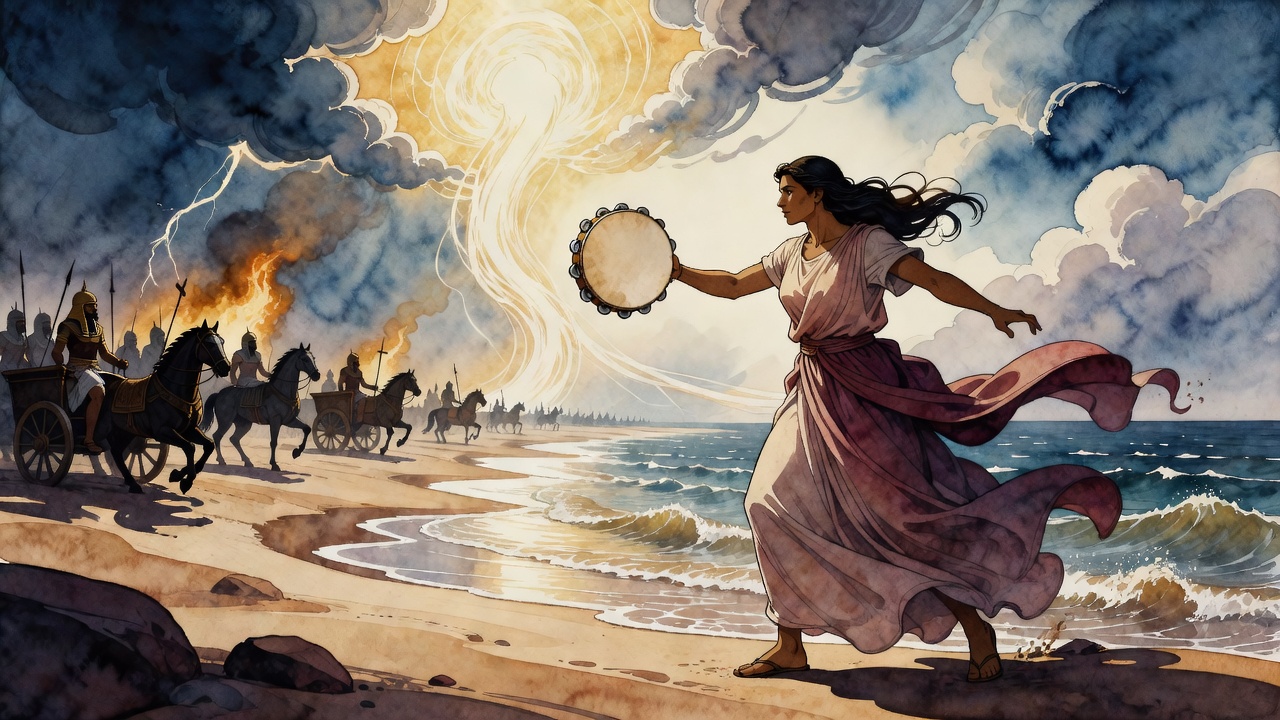
When Miriam led the women at the Red Sea, she had a tambourine ready. She packed it in Egypt while Pharaoh's army lived and the plagues were still running.
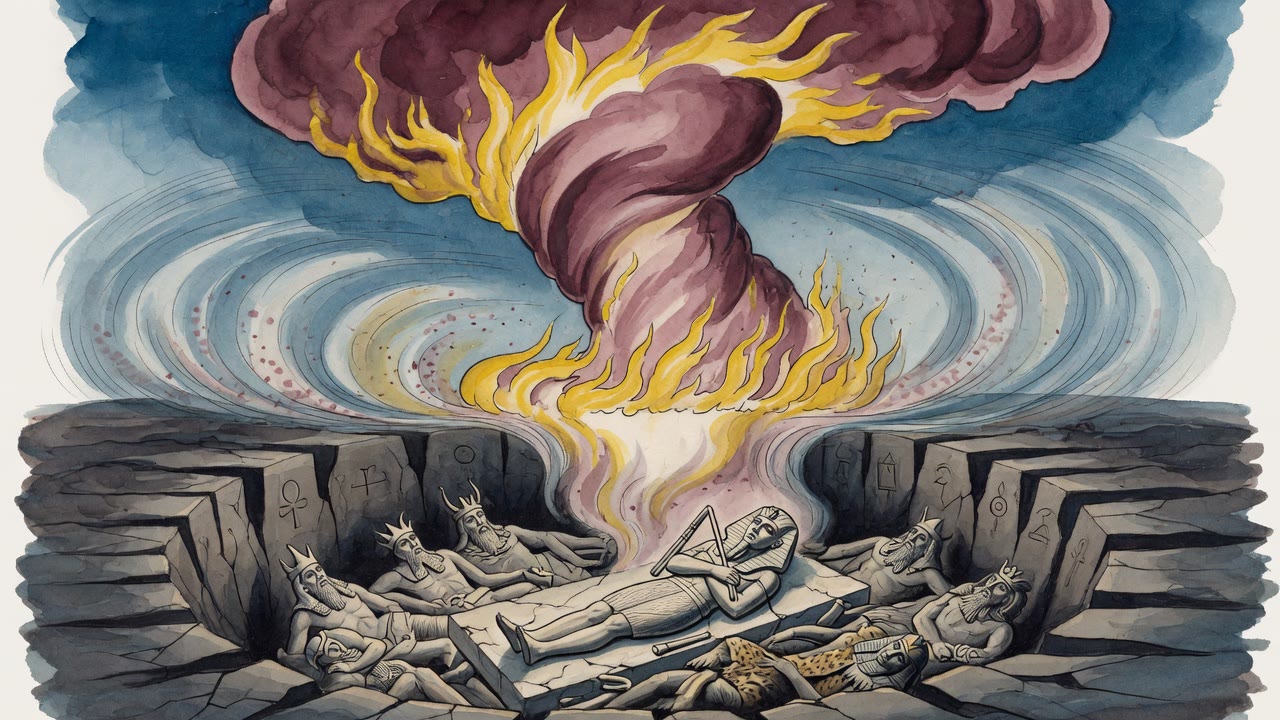
At the Red Sea, Israel and Egypt looked alike to strict justice. God split the water not because Israel was worthy but because an oath outranked merit.
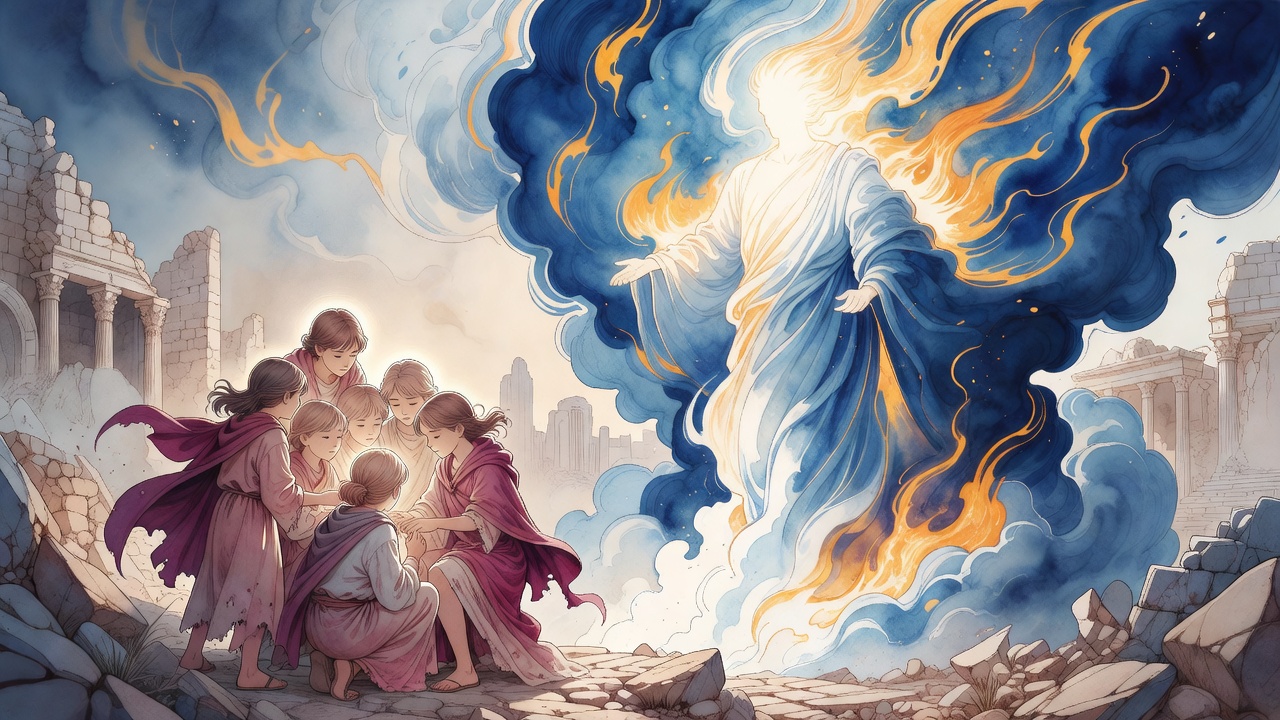
The Sanhedrin marched north. The Temple guard followed. She stayed in the empty courts until the children were driven through the wall.
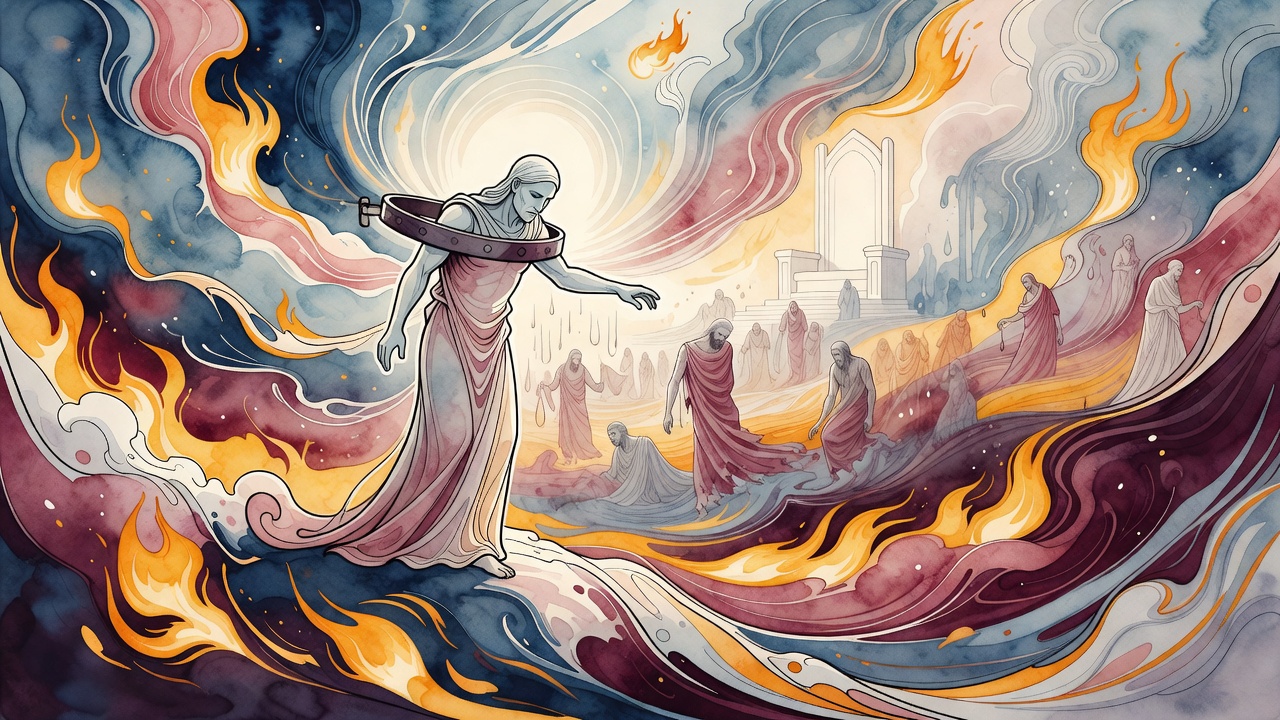
The Accuser asked whose light waited under the Throne. God drew Ephraim forward. The Accuser fell on his face before a king who had no world yet.
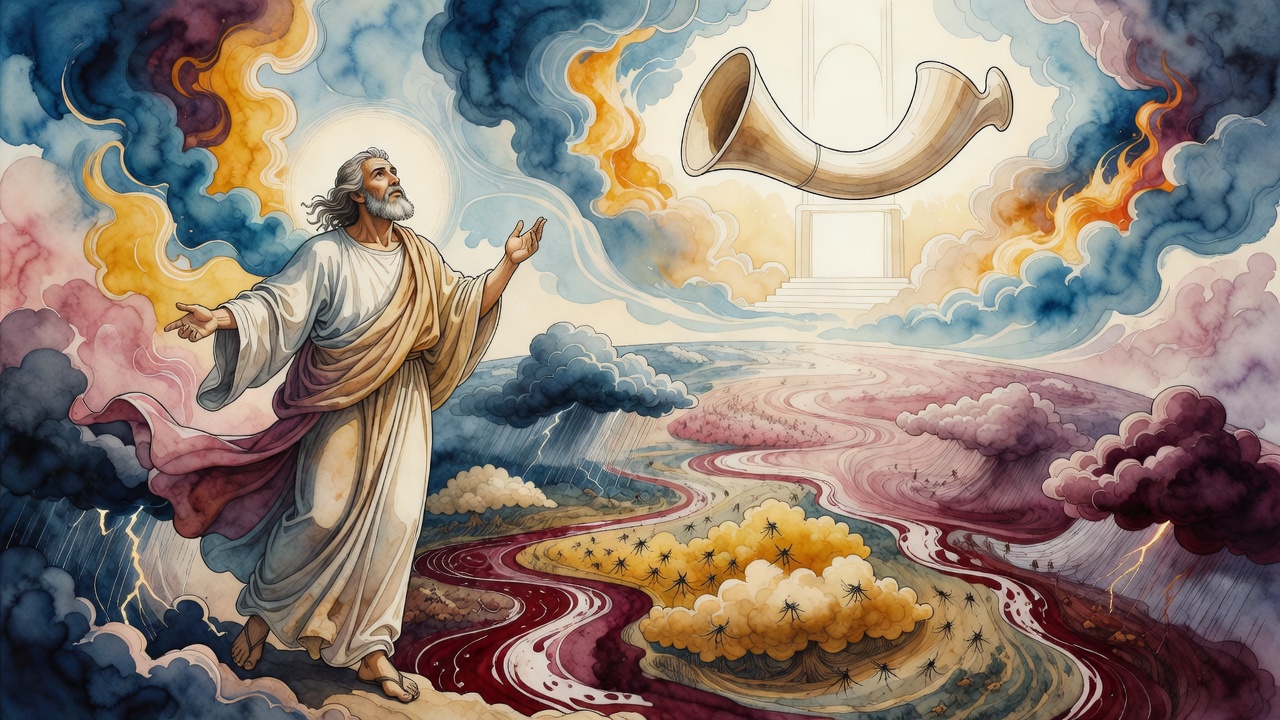
Lifted above the earth in vision, Abraham asks how long suffering will last and watches the age unwind in plagues, measures, and a heavenly trumpet.
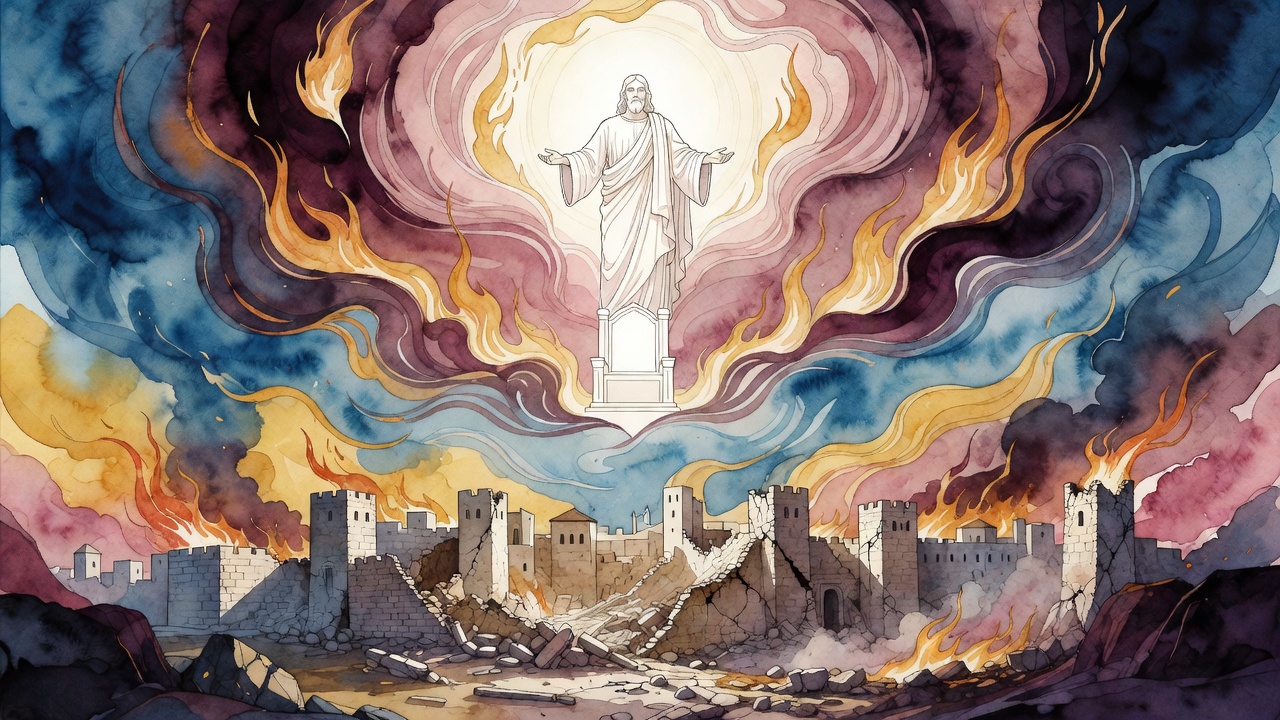
Above the city that can burn stands a Jerusalem that cannot, waiting in light above the ruins, aligned with what was lost below.
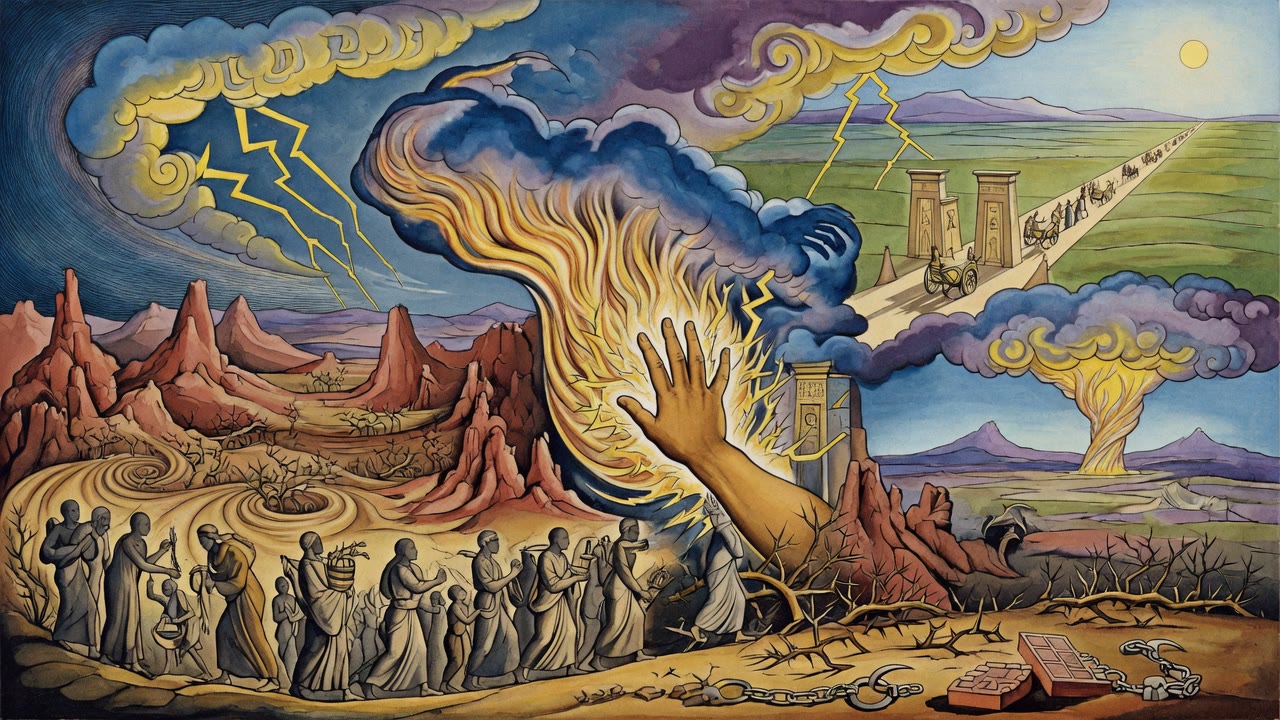
God told Moses to turn the Nile to blood. Moses refused. No man drinks from a well and then throws a stone down into it.
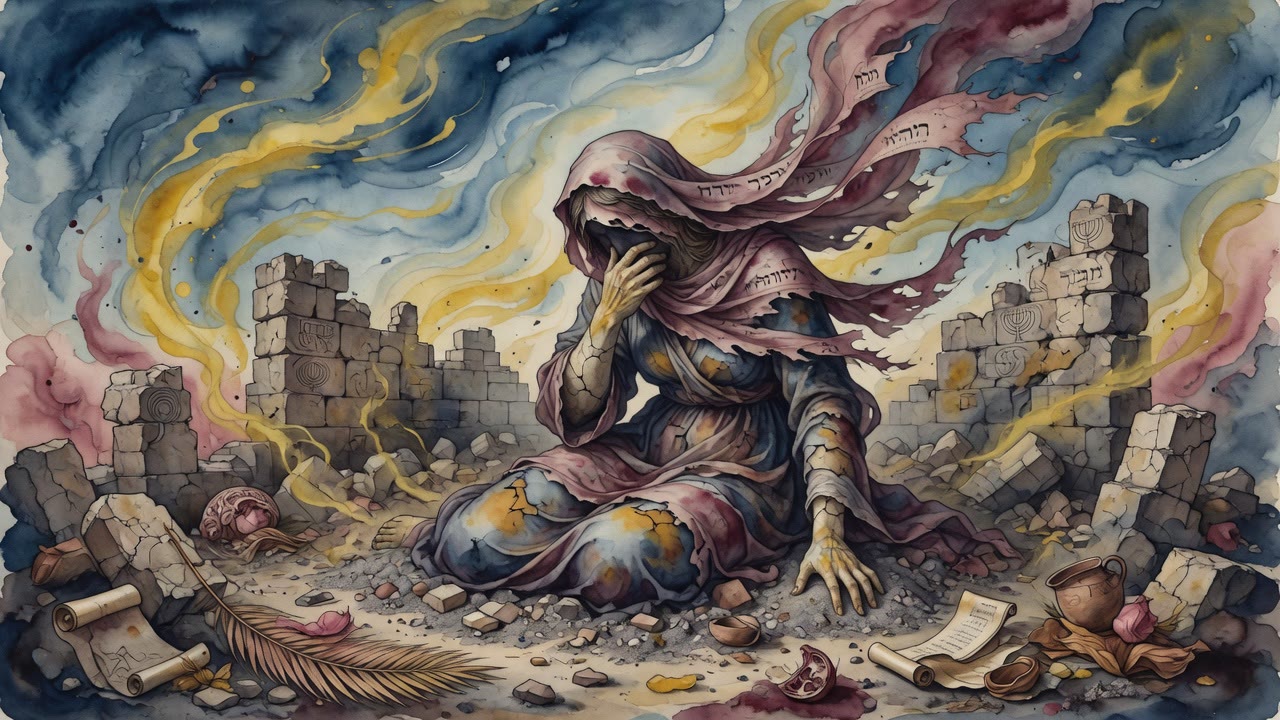
They heard Rome from a hundred and twenty mil and wept. Akiva laughed then too, long before a fox walked out of the Holy of Holies.
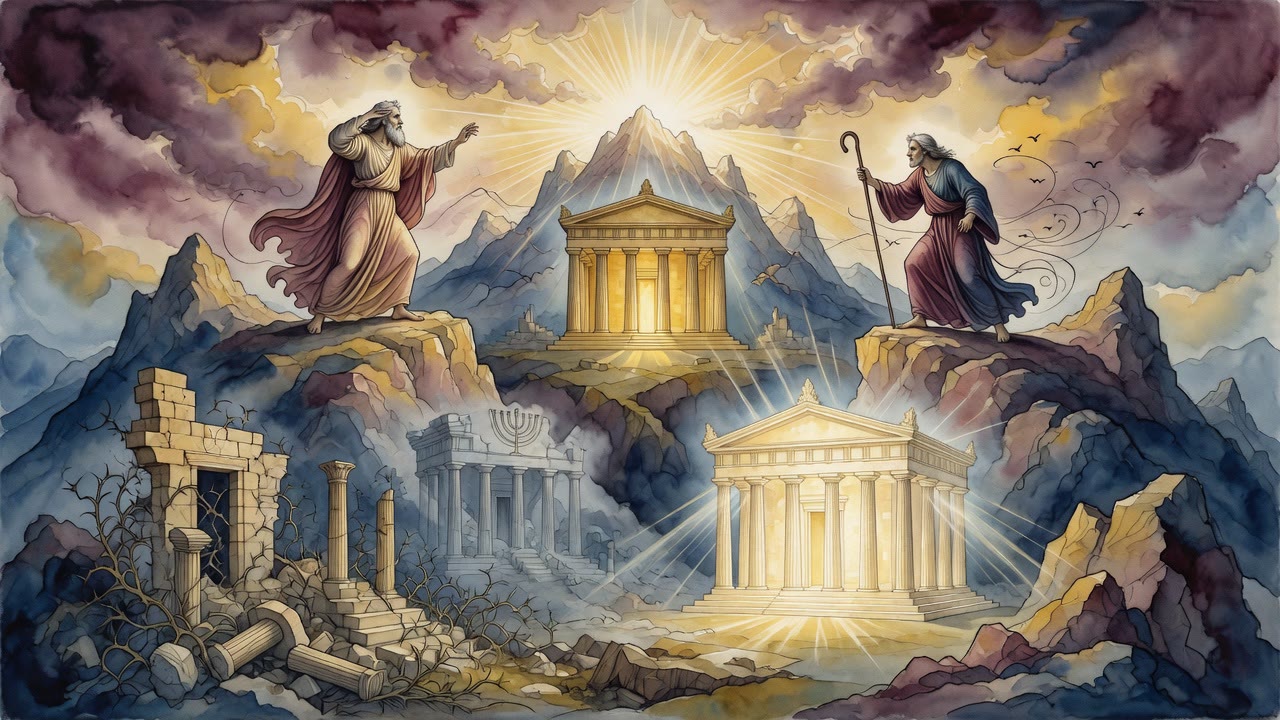
Egyptian soldiers drove oxen across the ground where the infants were hidden. Once the men had gone, the children came up out of the field like grass.
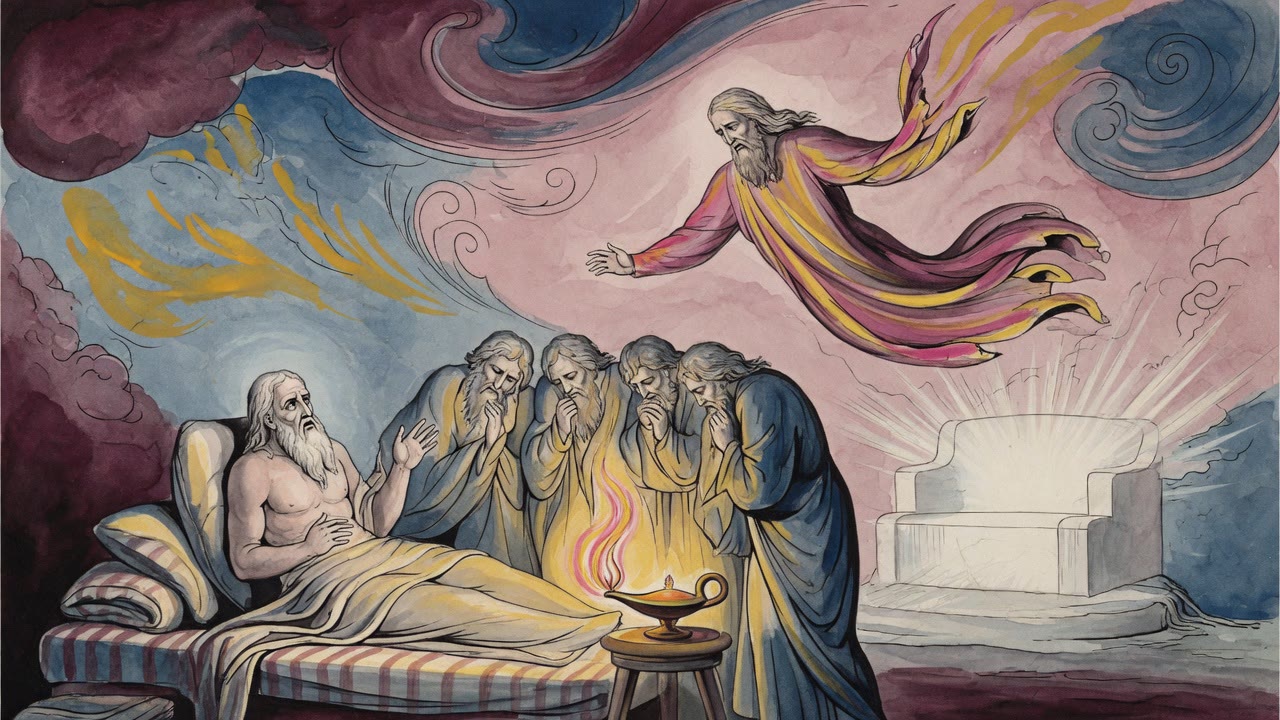
Rabbi Yehoshua found him among the wounded at Rome. One bandage was off. The rest stayed bound, in case the call came before night.
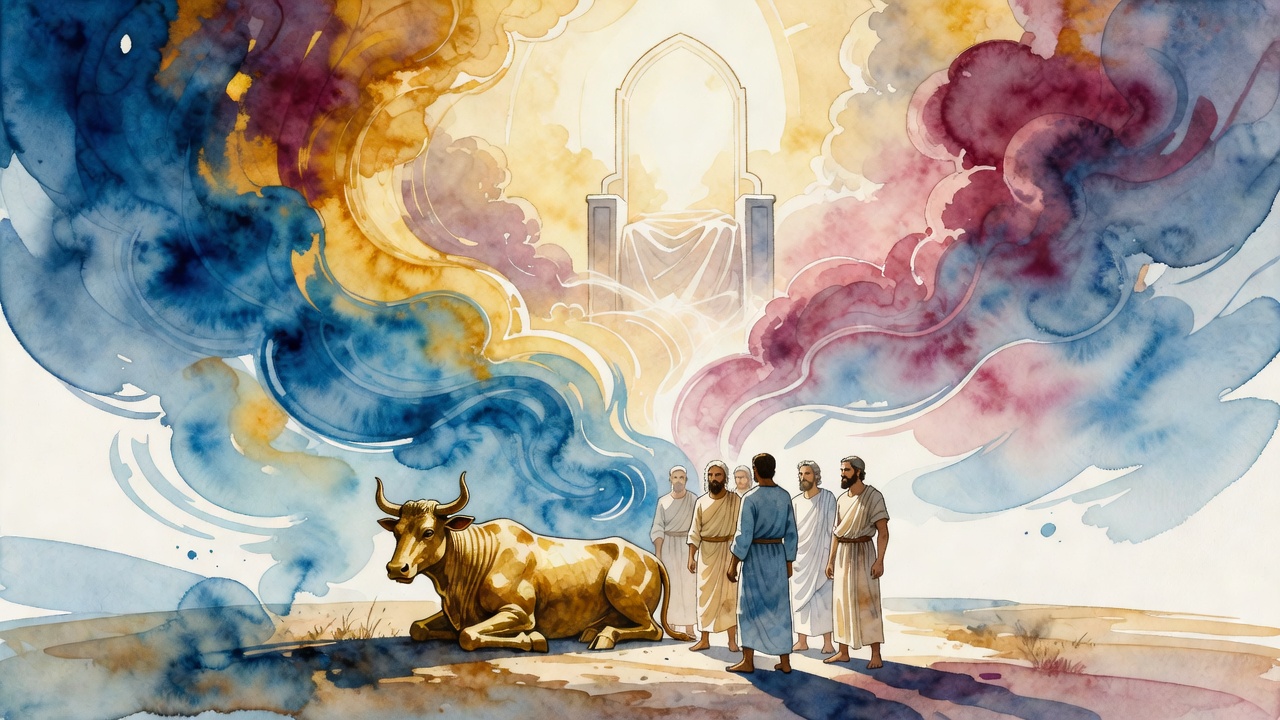
Everyone in the camp would have said they were loyal. Moses asked a narrower question, and only the men who had kept their gold could answer it.
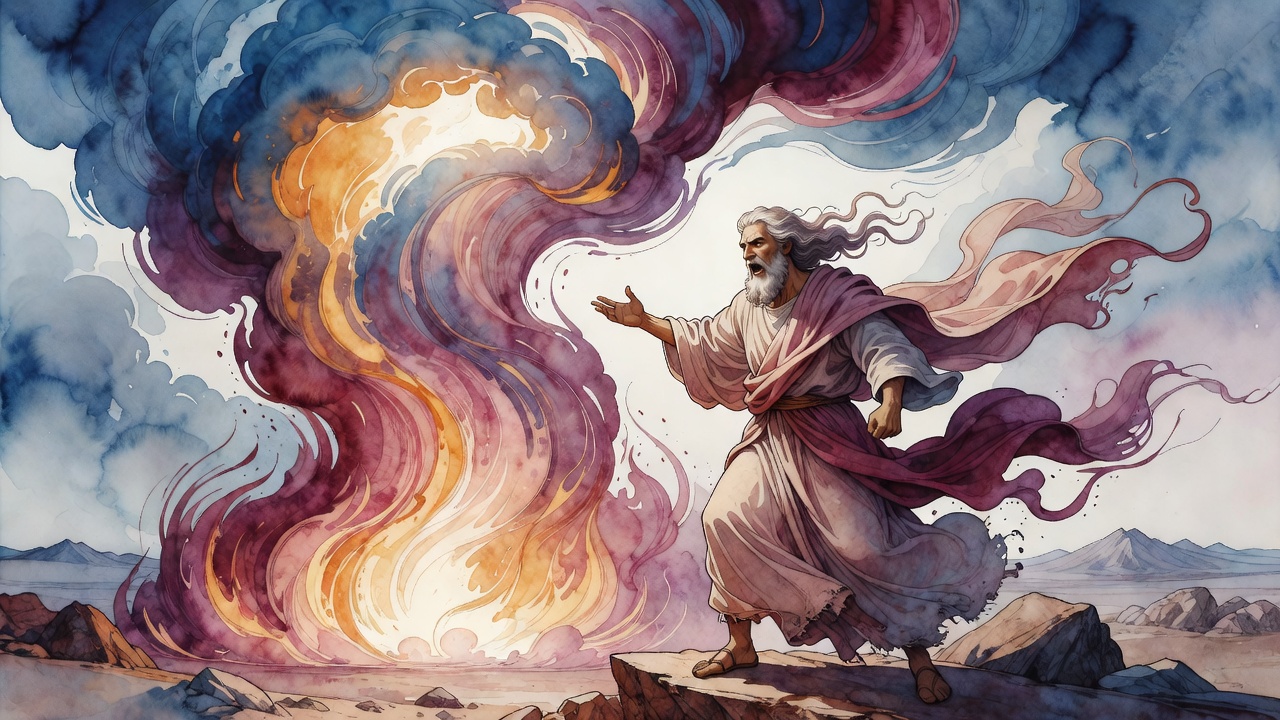
When the calf was still warm, God told Moses: go down to your people. Two words cut the nation off. Moses argued back like a fighter who cannot afford to lose.
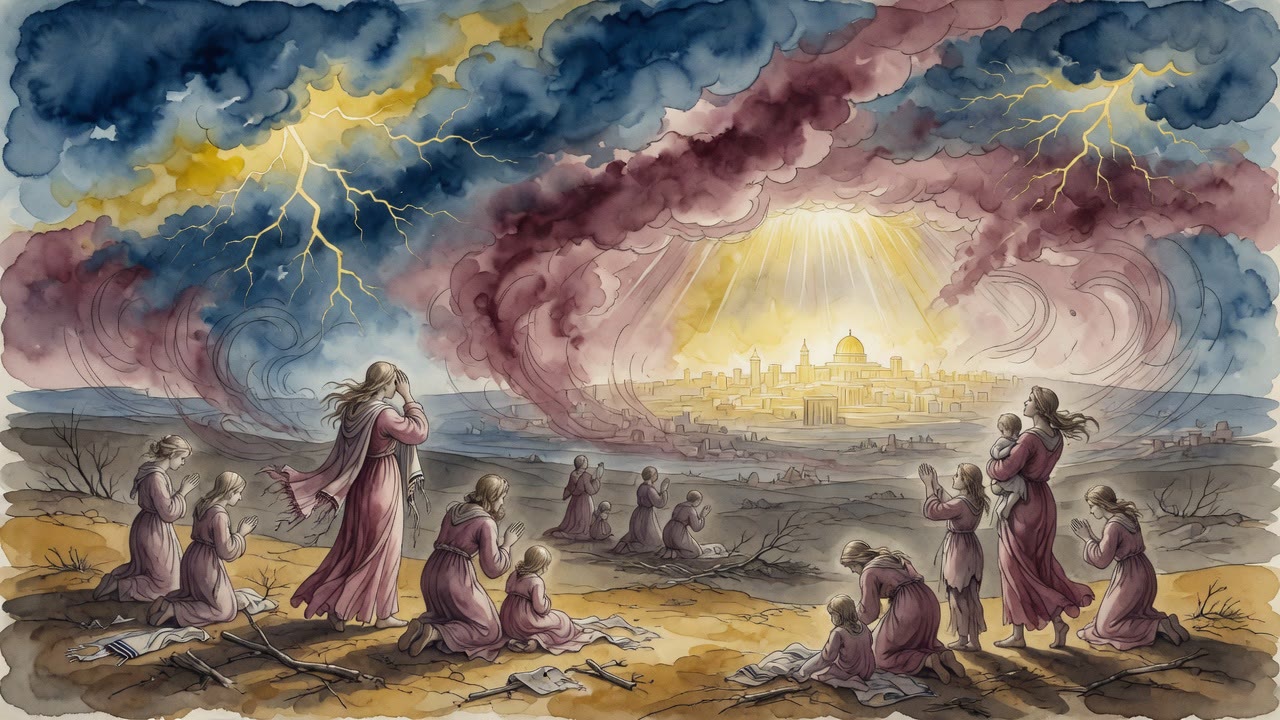
Hadrian ordered his soldiers to behead any Jew they found with hair on his head. Shaving the head was how a man stayed alive.
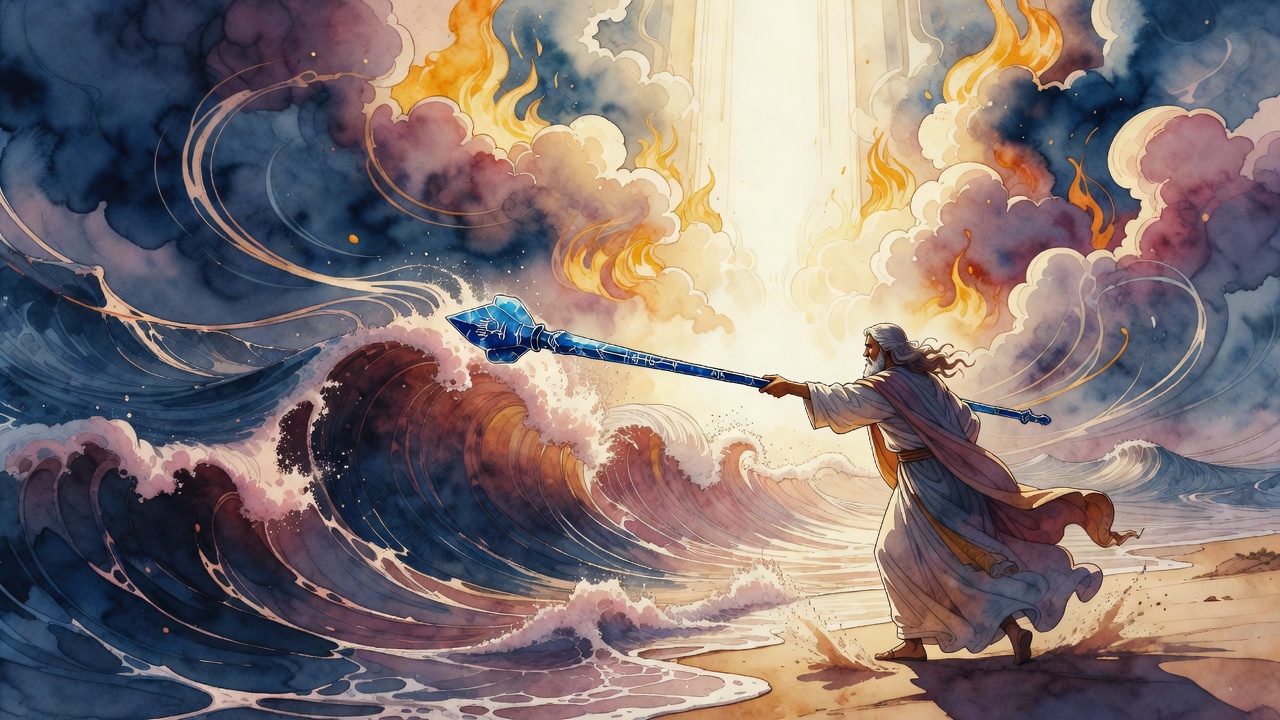
Moses stretched out the ancient sapphire staff over the water and the sea refused him, standing firm until the King Himself appeared at the shore.
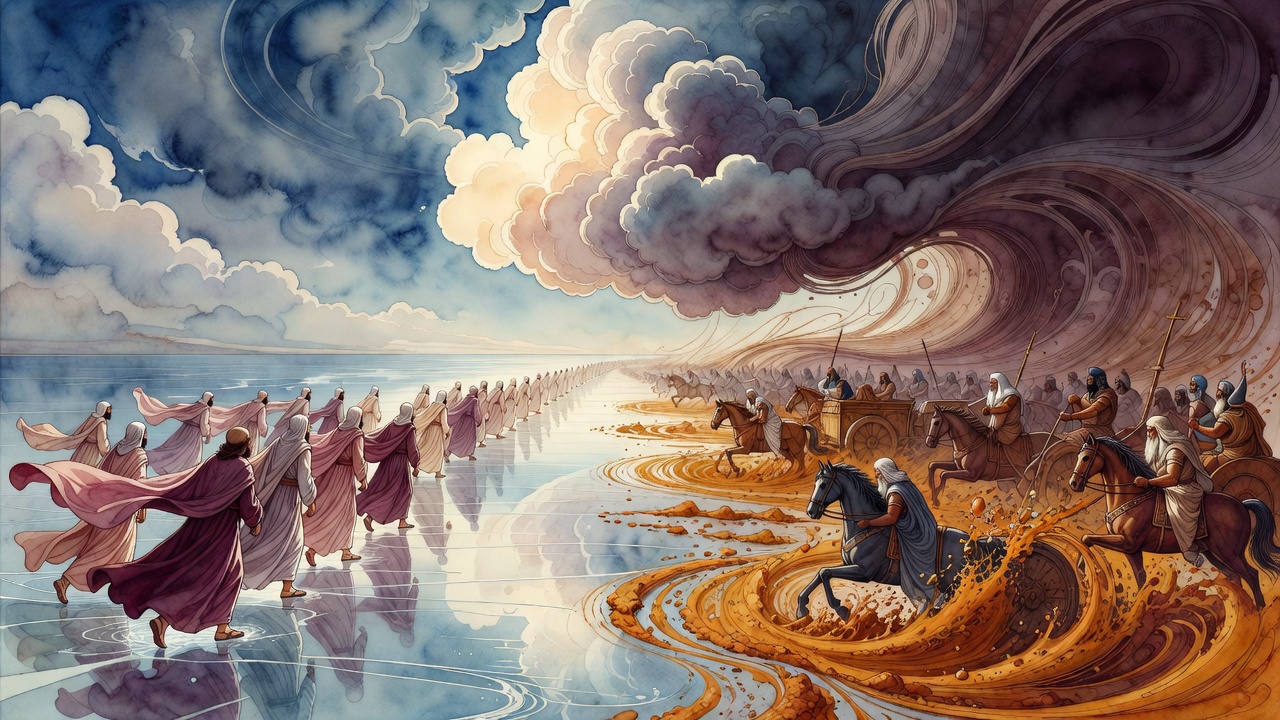
The same water that opened smooth as glass beneath Israel's feet turns to mud under Egypt, and one cloud becomes both lantern and blindfold at once.
