196 myths · Page 4 of 7
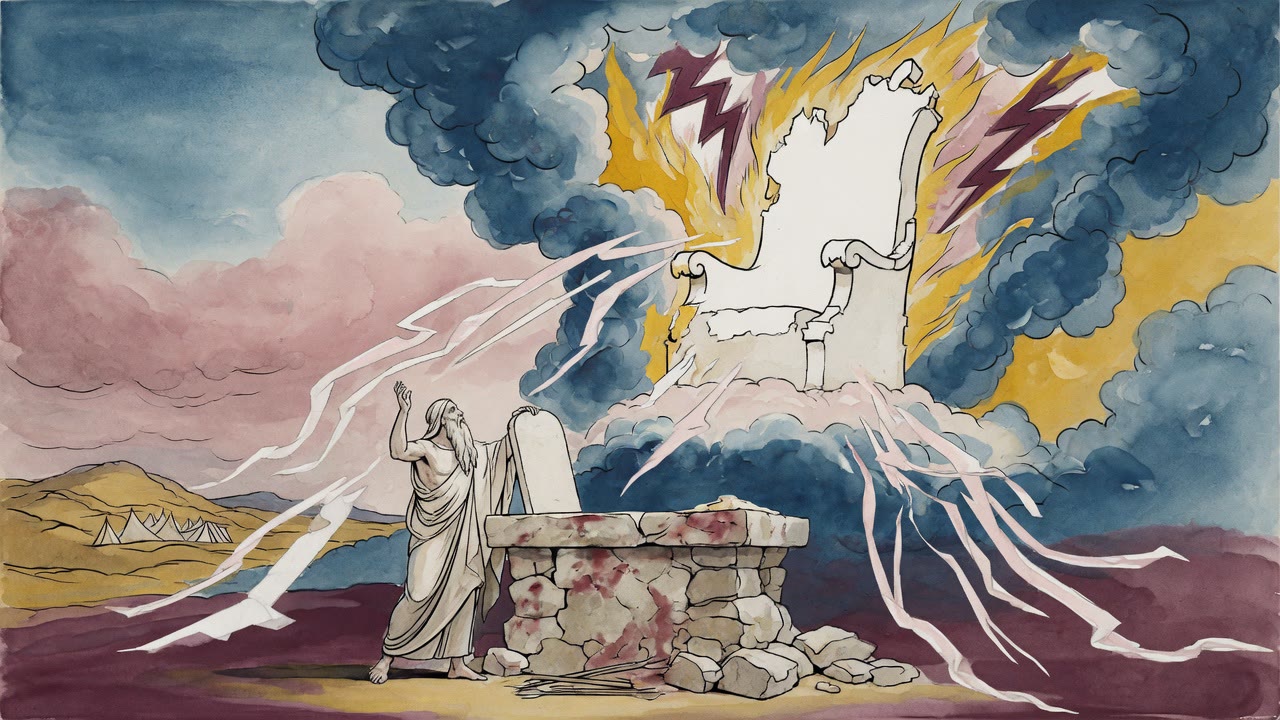
After Rephidim, Moses names shared trouble at the altar while God swears the divine name and throne stay incomplete until Amalek is erased.
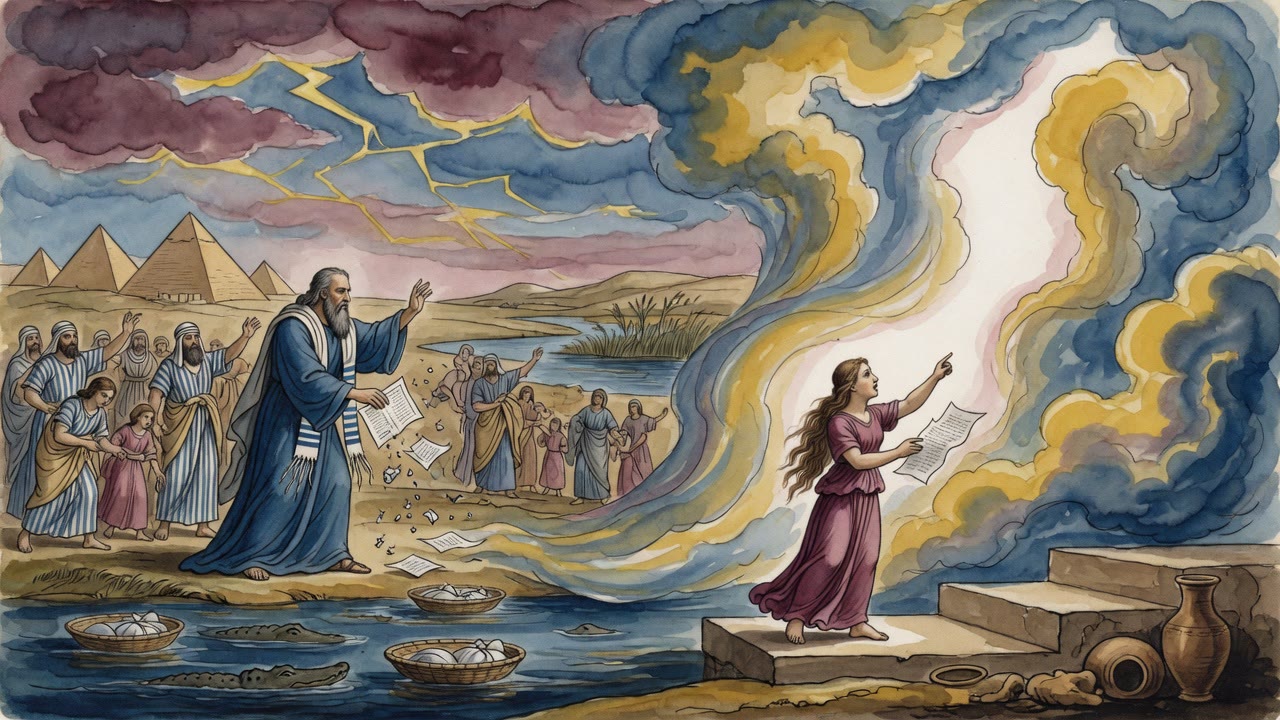
Amram sent Jochebed away so no more sons would drown. His daughter stood up and prosecuted him in front of the house.
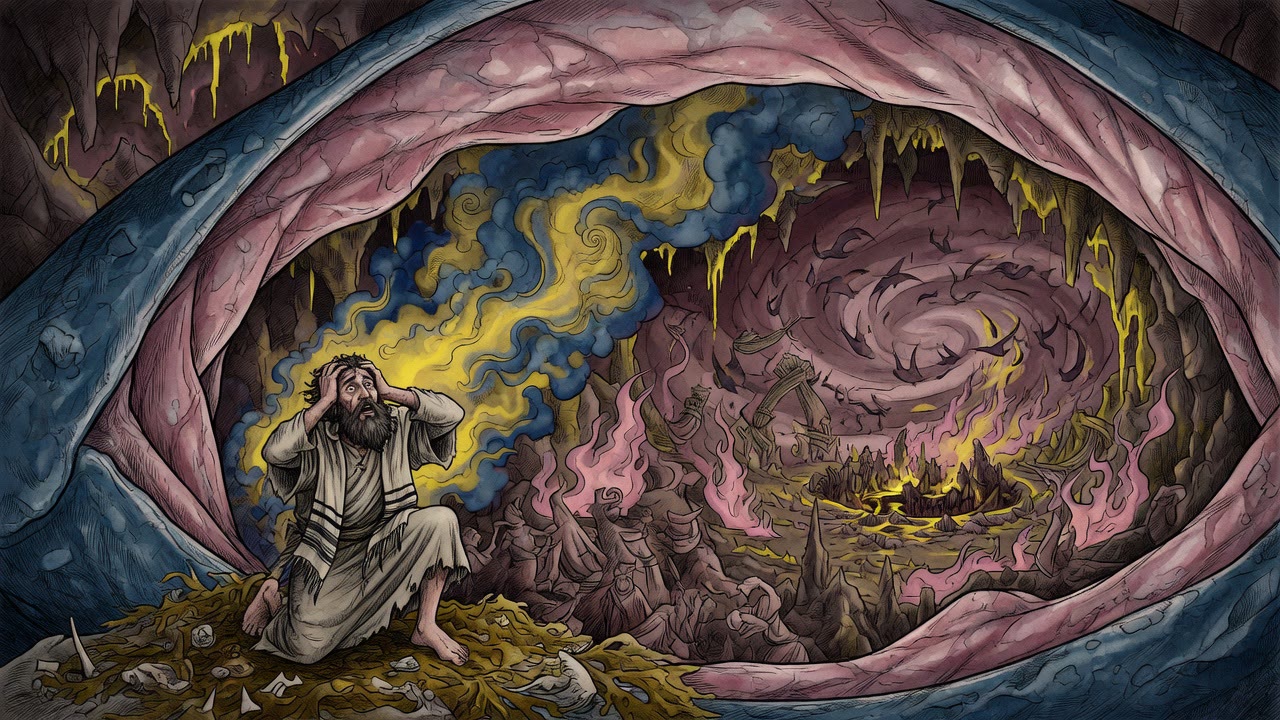
No fallen city could equal Jerusalem, so God sent no deputy into exile with Israel. Only the one who lit the fire could pay what was owed.
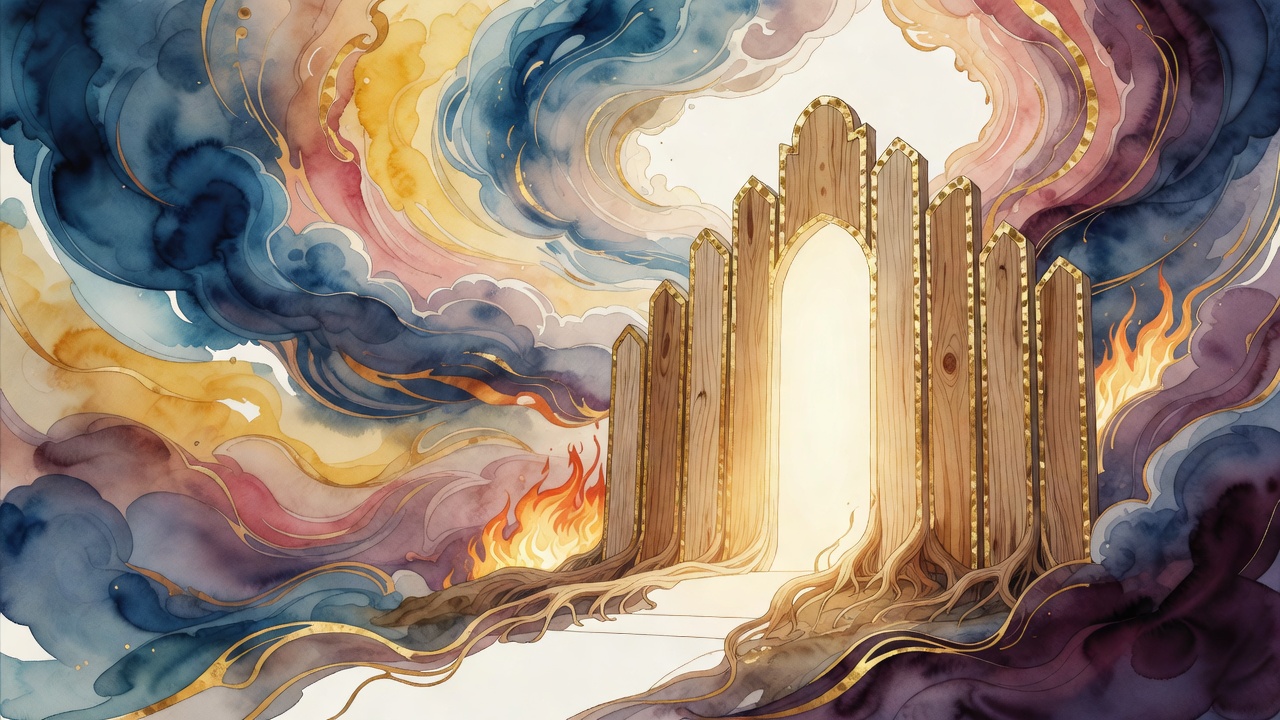
Somebody lit a candle for him on the road and it went out. Somebody lit another. He stopped walking. From here on, he said, I am waiting for the morning.
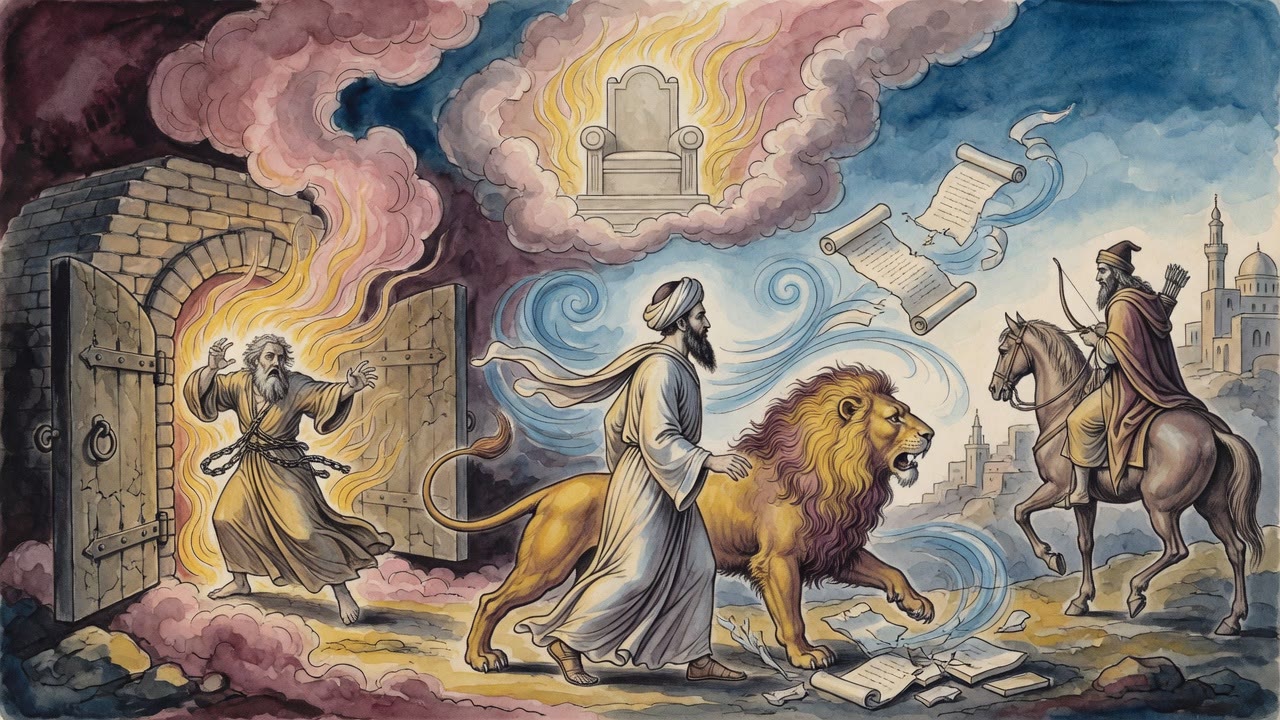
Jacob held God's own promise yet trembled before Esau. His fear unlocked a question the sages carried all the way to Ezra's silent exile return.
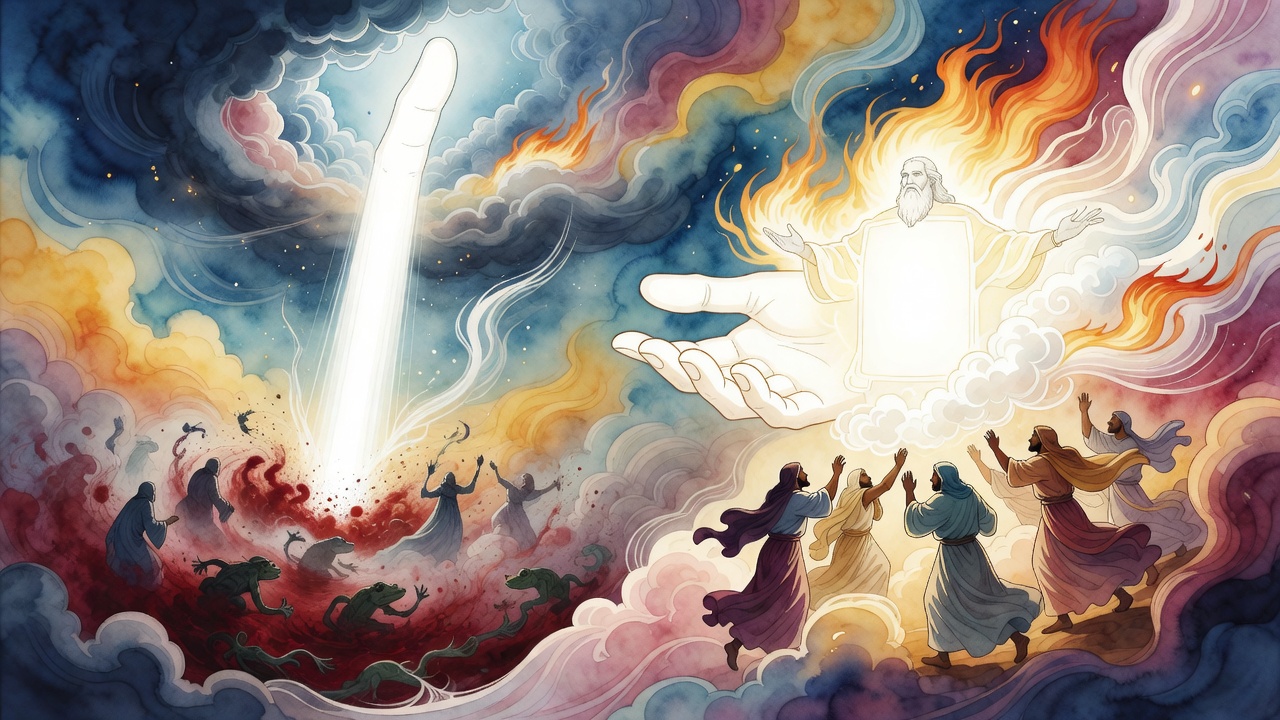
Egypt's sorcerers could copy blood and frogs but failed at lice. From that single admitted finger the rabbis traced the whole open hand of Israel's rescue.
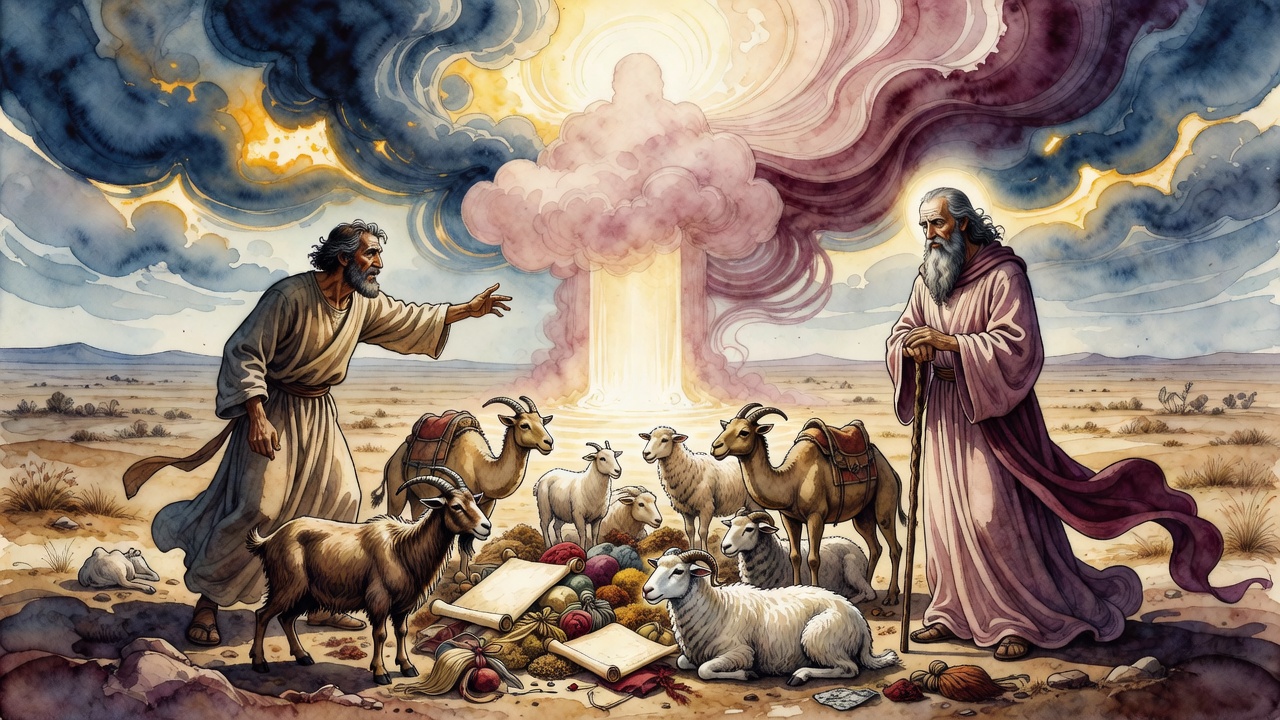
An unlearned man told a rabbi that Jacob's tribute to Esau was never really given away. It was lent, and it comes due in the days of the Messiah.
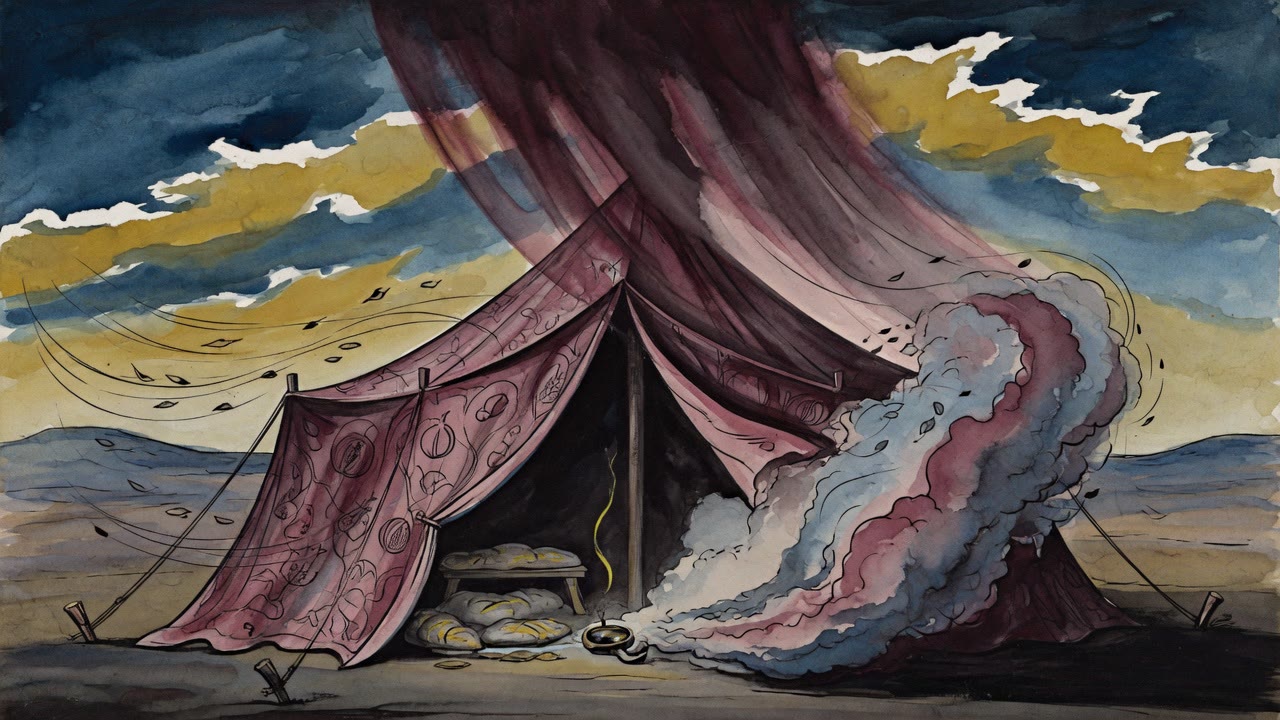
The knife came down on nothing. When Abraham looked up, an animal was fighting free of one thicket only to catch in the next, and it would not stop.
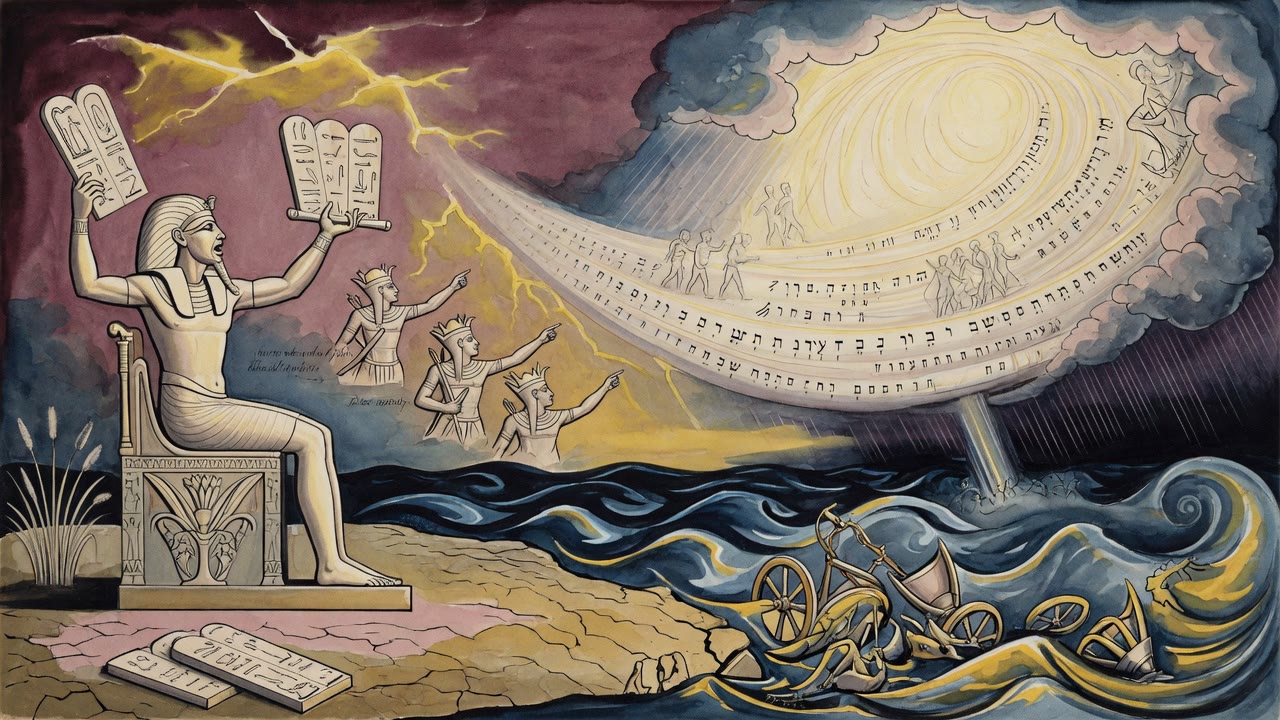
On one mountain two patriarchs were shown the same house in three tenses at once: standing, in ruins, and rebuilt in a time still to come.
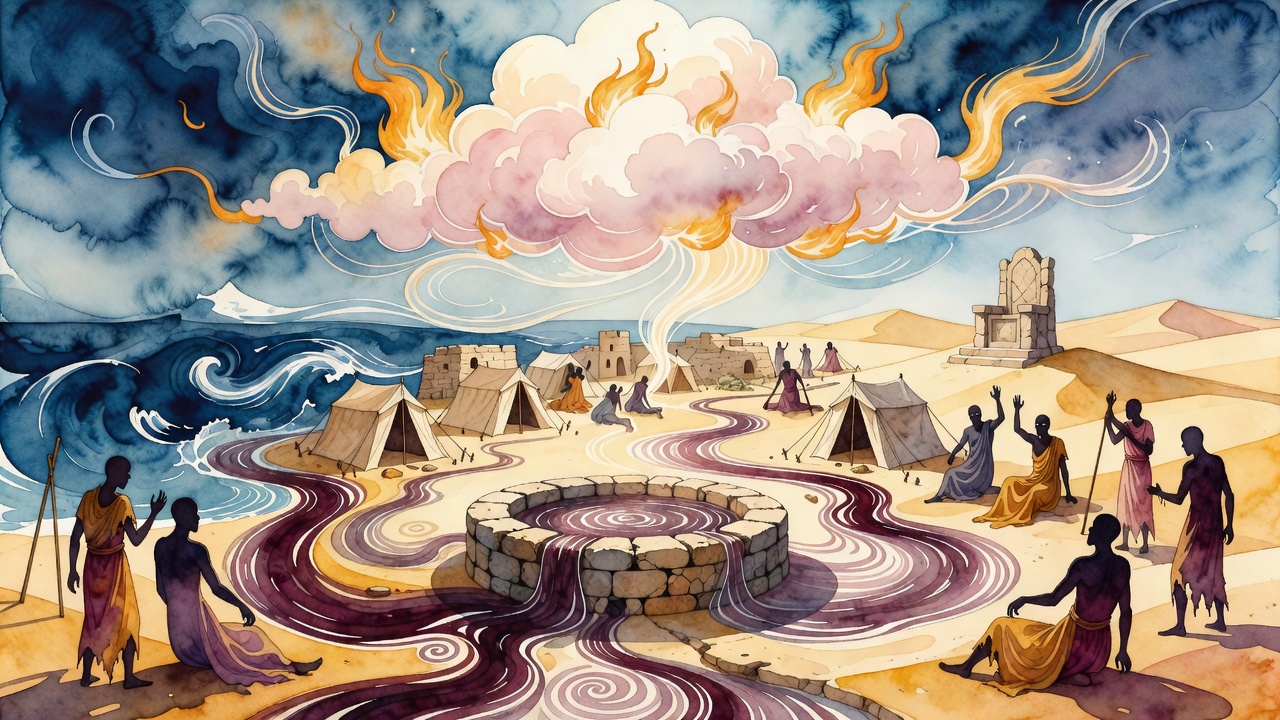
Before any Israelite army reached Canaan, the news from the sea had already hollowed out its kings. A singing well then drew rivers around the desert camp.
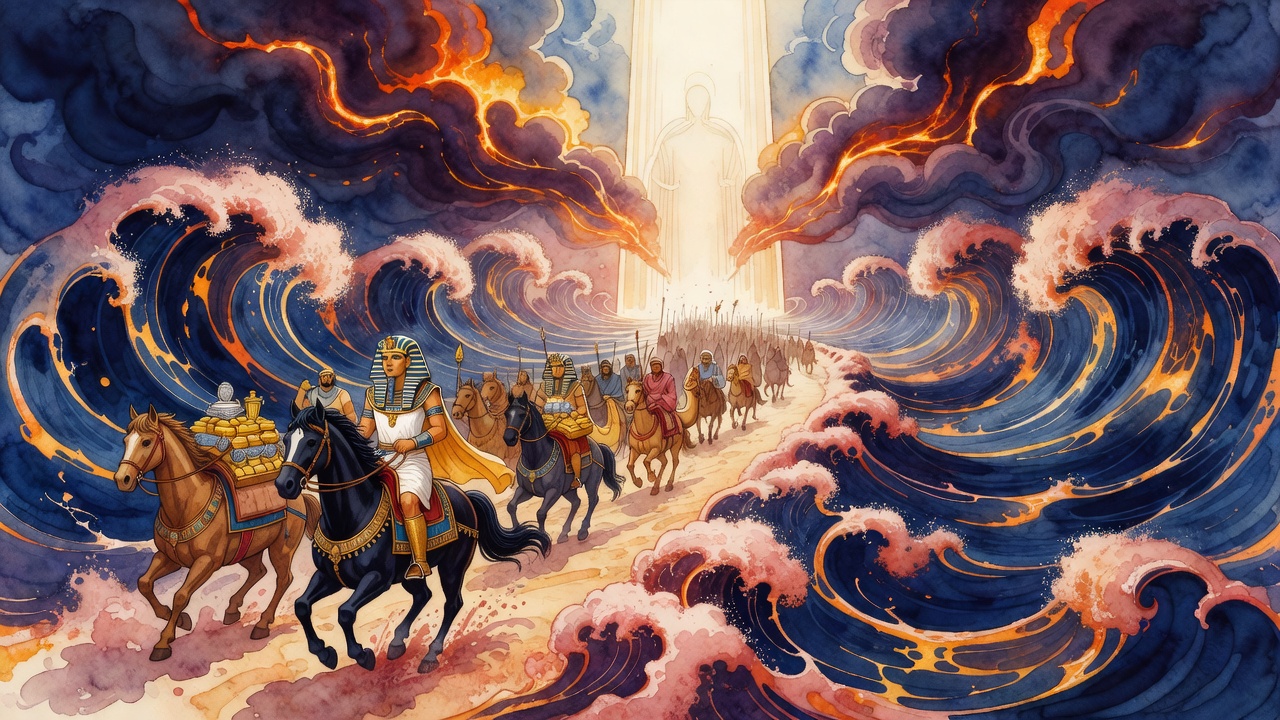
Pharaoh opened Joseph's storehouses and told his cavalry to hang the gold on their horses, so nothing would distract them from the chase.
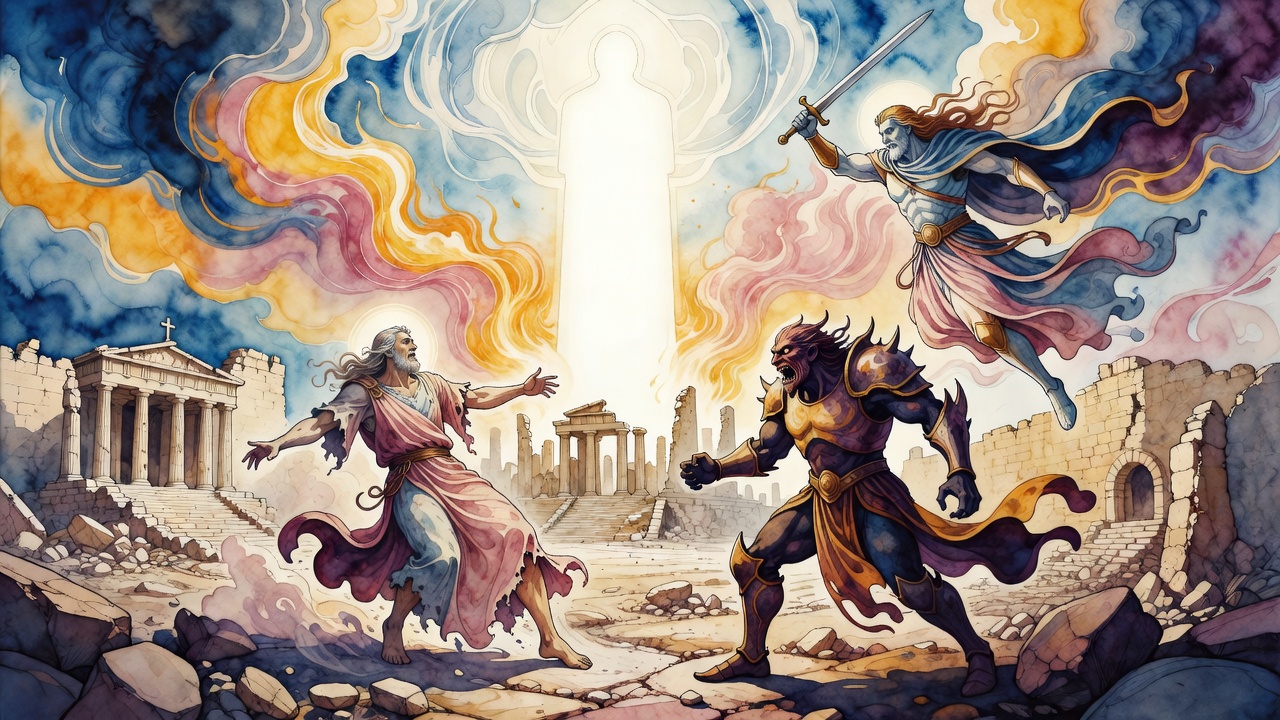
A warrior anointed from Ephraim rises to rebuild the Temple and falls, until the king from Judah descends girded for battle to slay the tyrant.
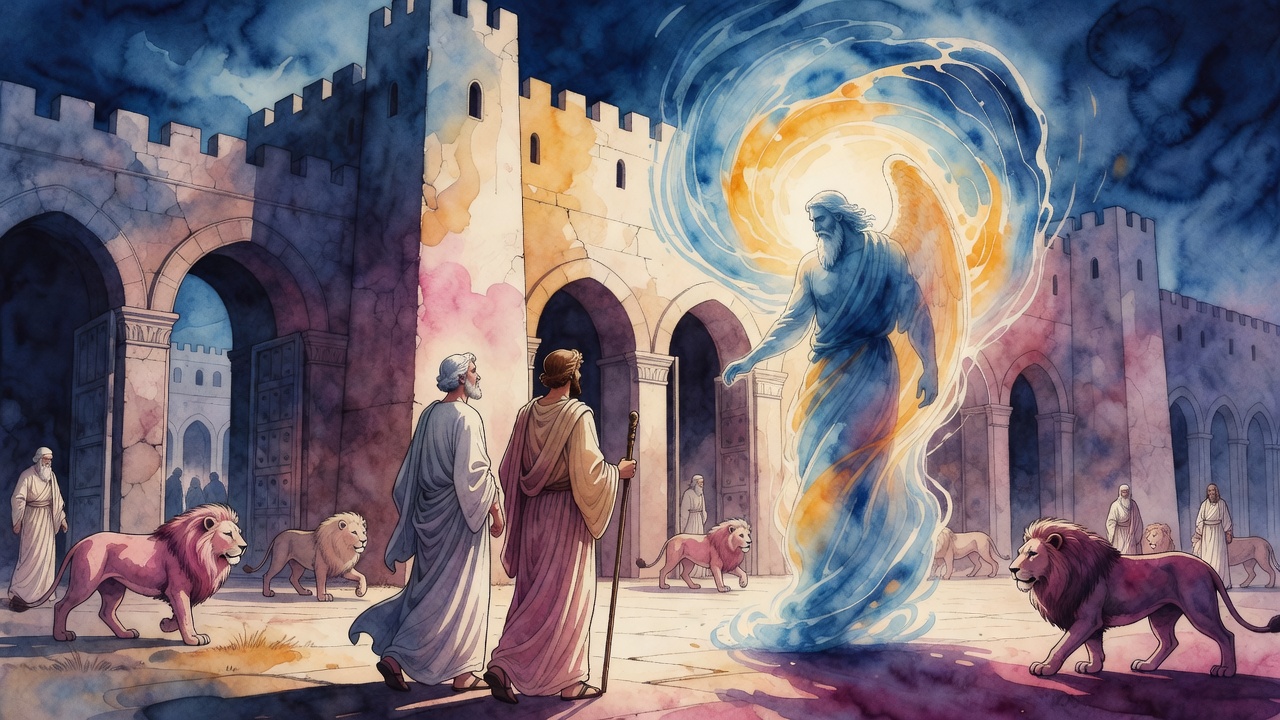
The elders slipped away one by one until only two brothers faced a fortress of four hundred gates and lions, and an angel walked them in.
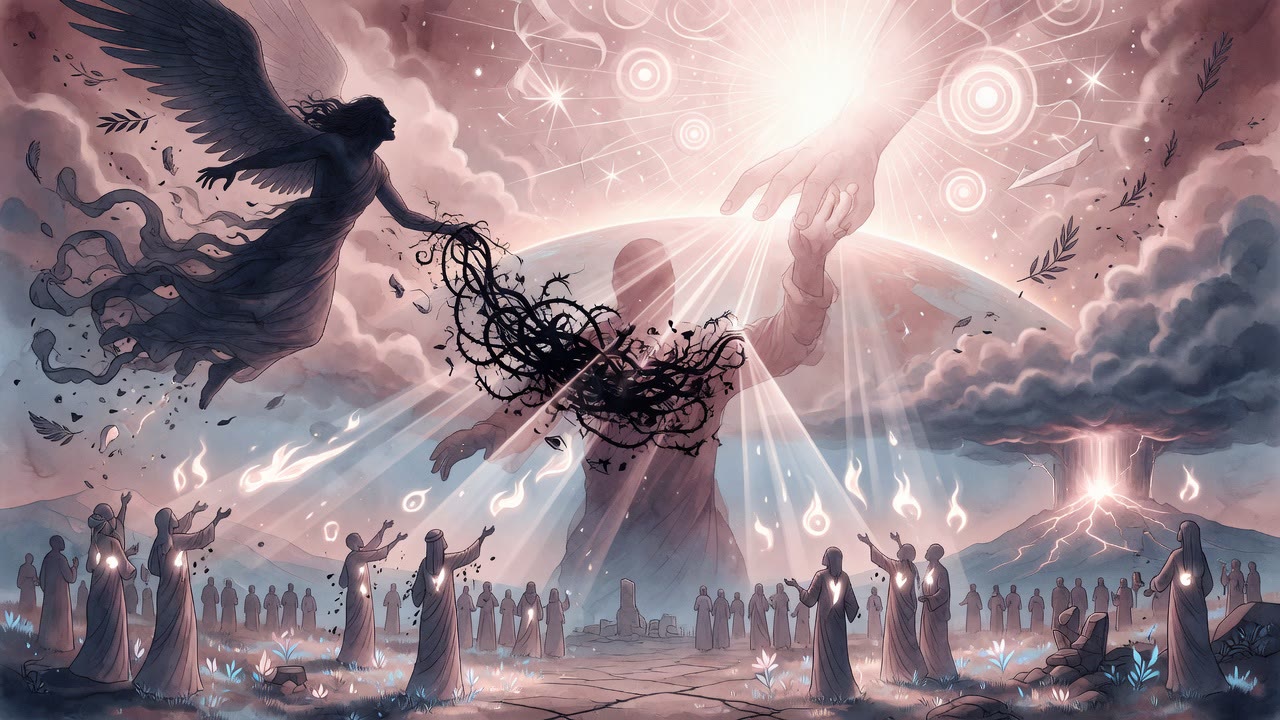
Mastema laid a skin over every heart so the voice of God stayed outside. In Jubilees, God promises to cut that skin away and leave him nothing.
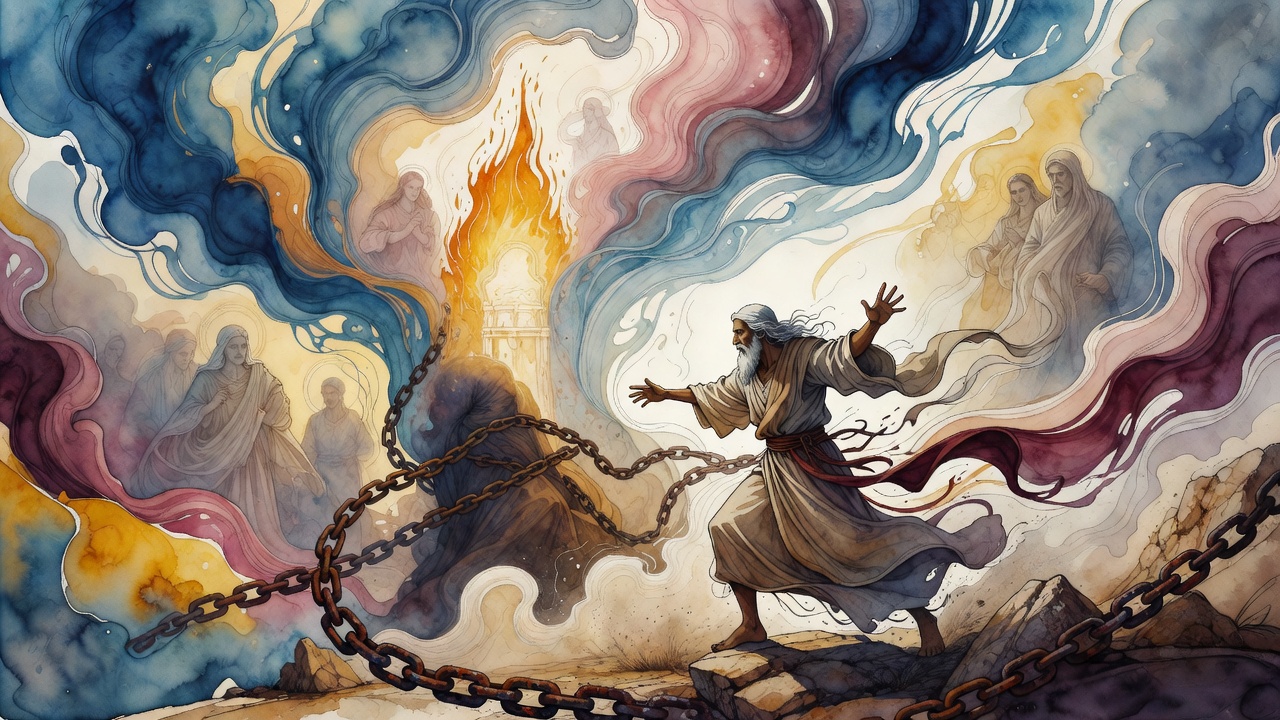
David's line runs through Lot's daughters and Moabite Ruth, so the redeemer is quarried from evil, and one mystic in Hebron set out to break his chains.
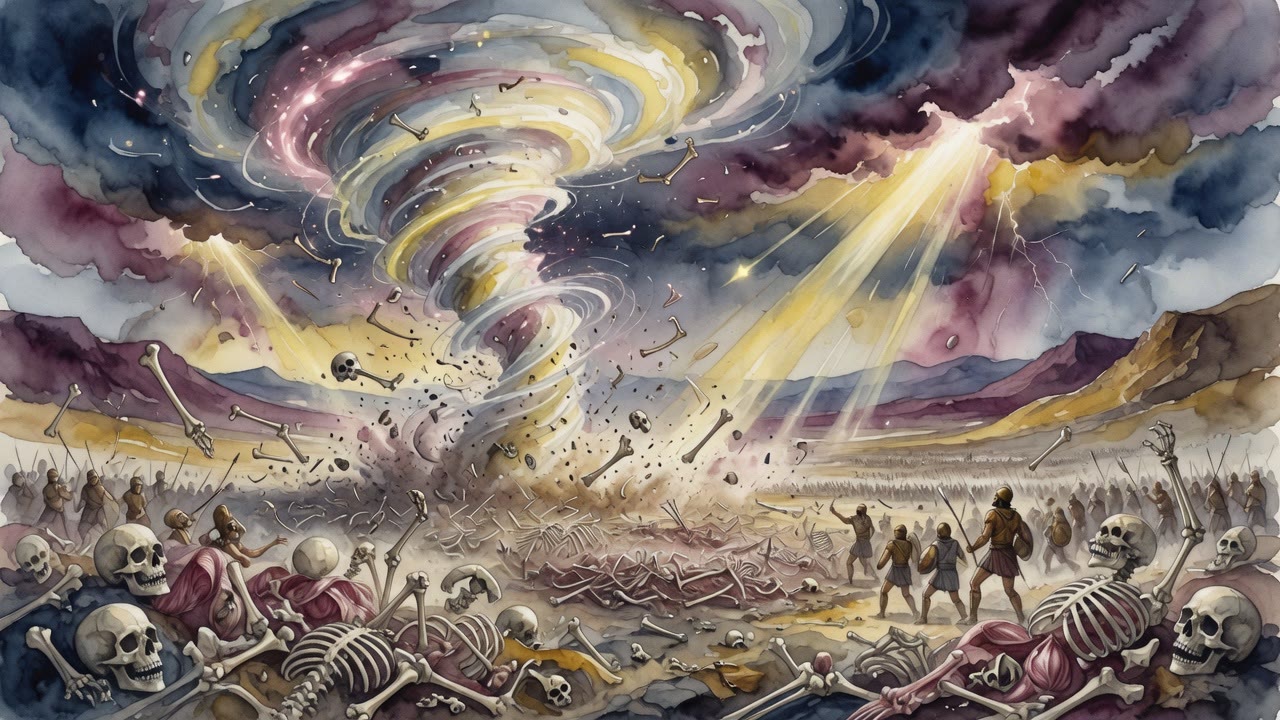
In exile beside a Babylonian canal, Ezekiel is shown a Temple no hand will build, and a river from its threshold that wakes the dead salt sea.
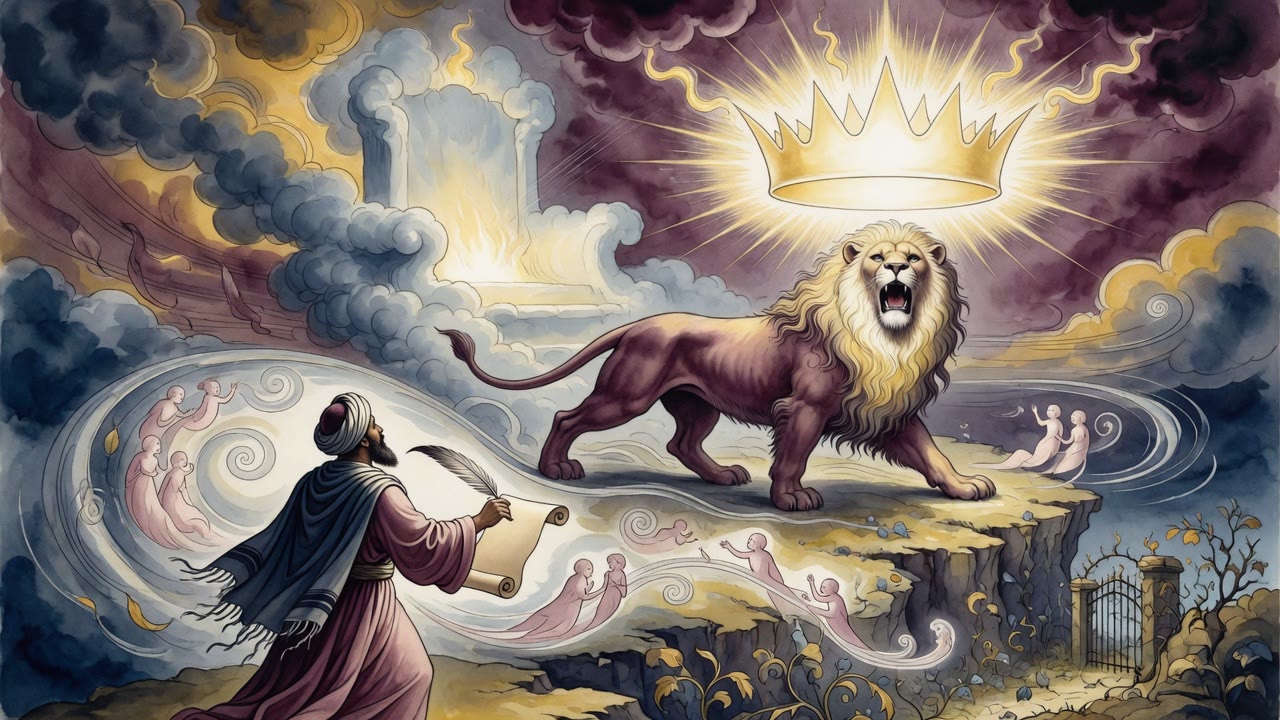
In 1665 a prophet wrote of a Messiah on a celestial lion, a Torah that begins with aleph (the first Hebrew letter), and souls who refuse Eden until he comes.
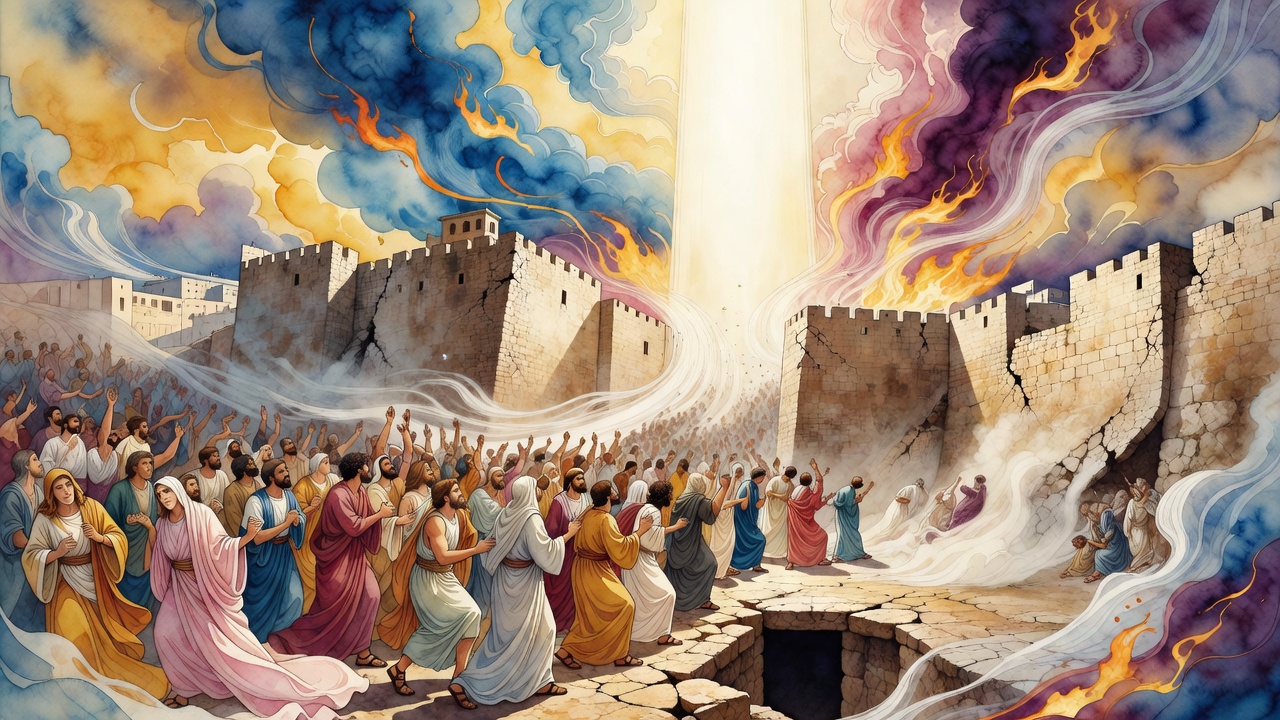
In the age of resurrection the righteous rise in such numbers that Jerusalem itself cries the place is too narrow, and the walls begin to move.
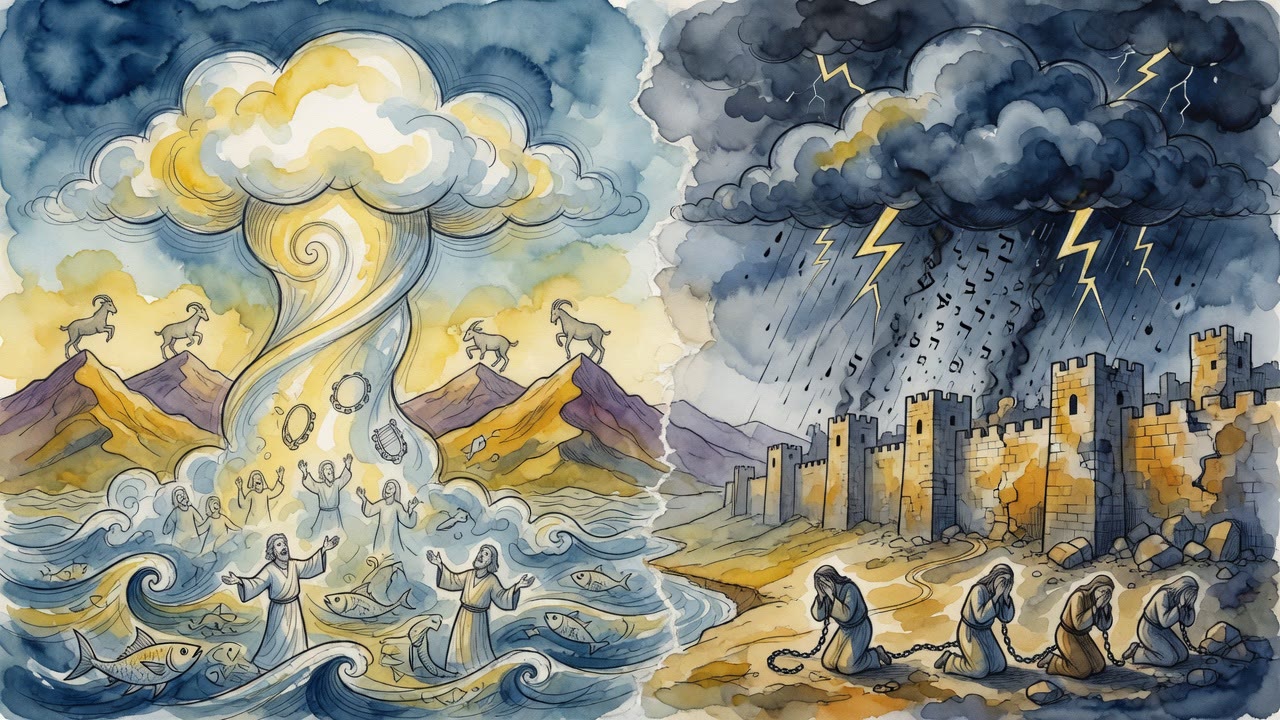
At the sea a freed nation sang until the mountains leapt. Out of Jerusalem the same people wept in chains, every mercy turned to ruin.
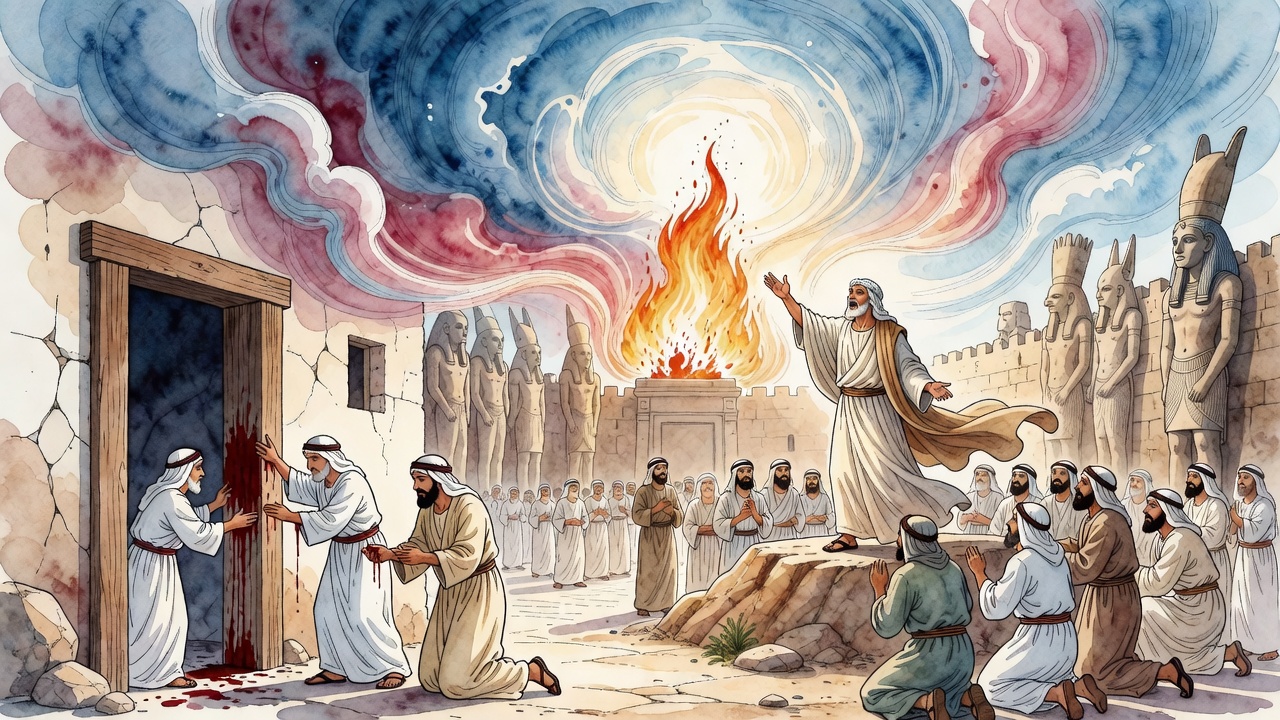
Rabbi Yishmael put the mark on the inside of the doorframe. No neighbor could count the painted houses, and no Egyptian ever saw one.
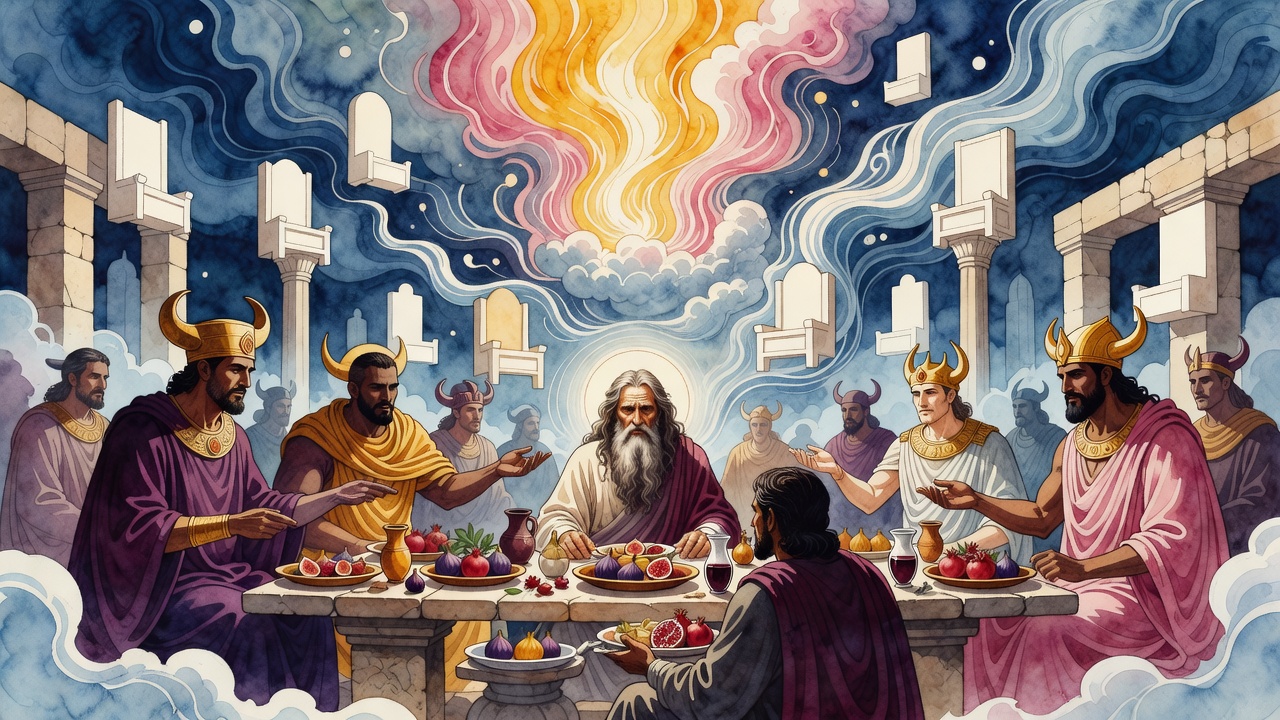
Joseph sent clothes up from Egypt, a turban among them for his father. Jacob put it on, then slaughtered sacrifices asking whether he should go at all.
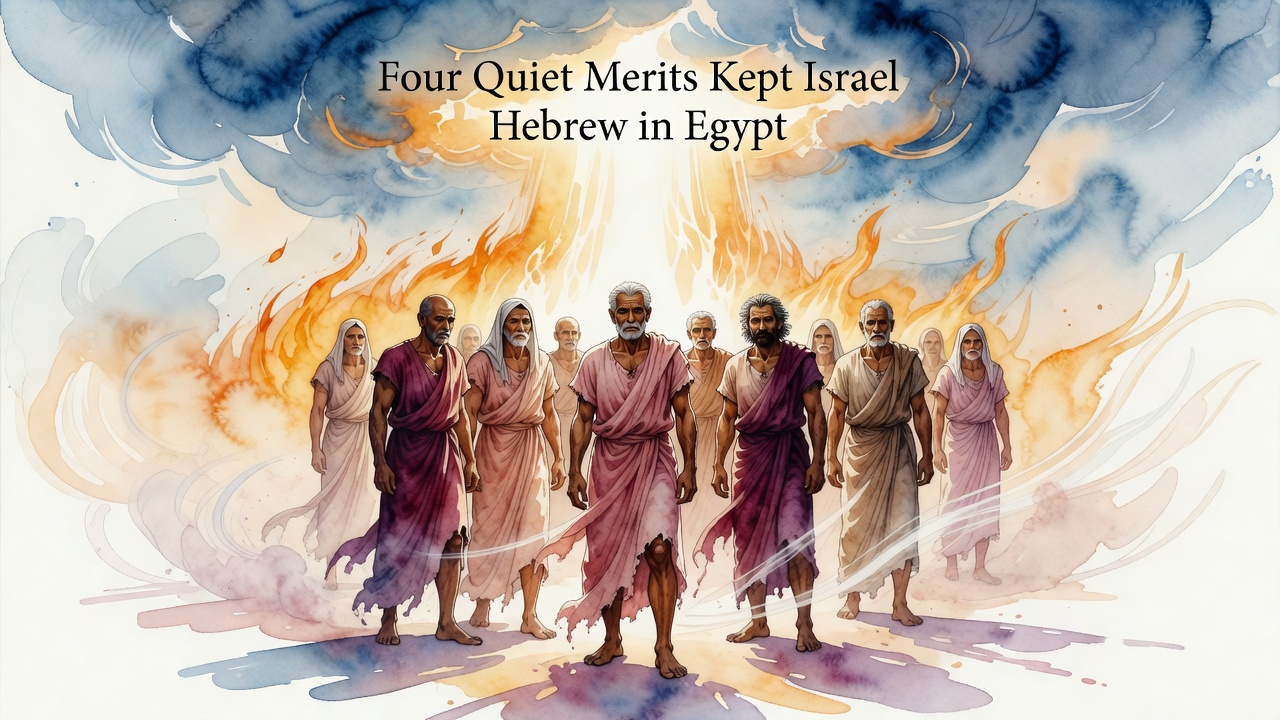
They strangled Israelites inside their own walls. A mother still named her boy Reuven, and would not teach him the overseer's speech.
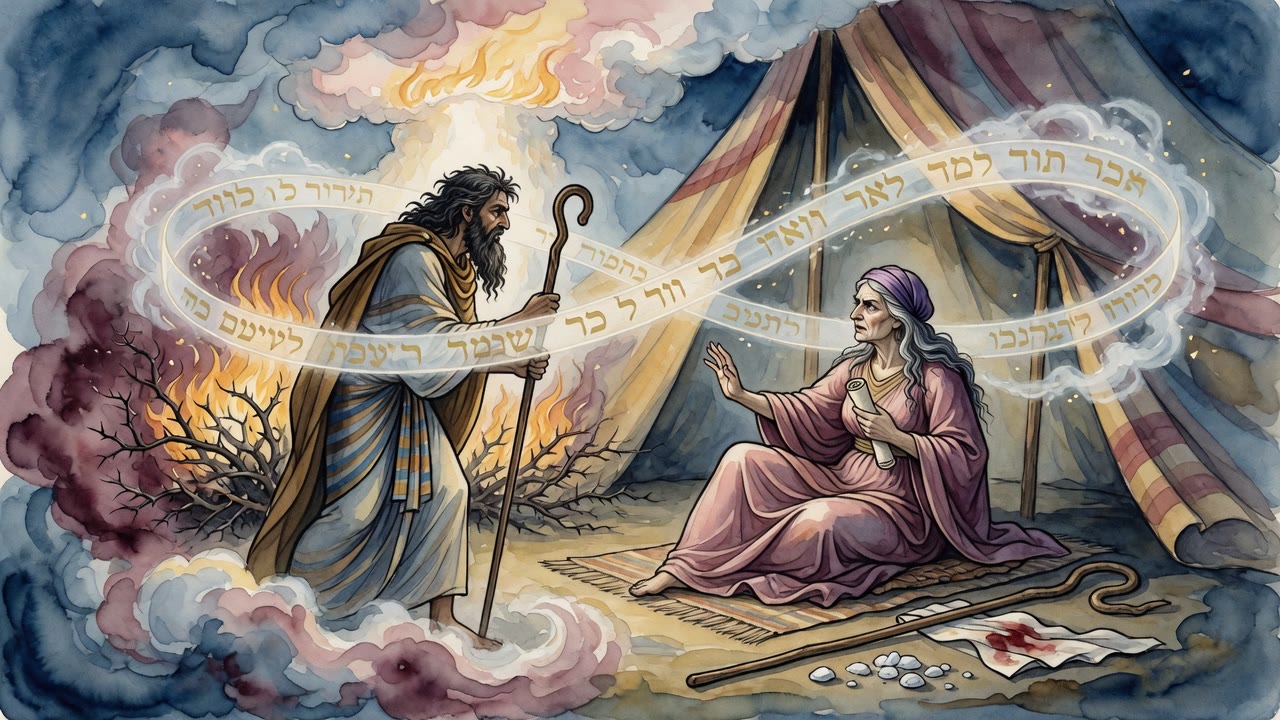
The elders wanted a verdict on a staff that had moved. Serach asked for a sentence Joseph spoke while dying. When she heard it, she named the man.
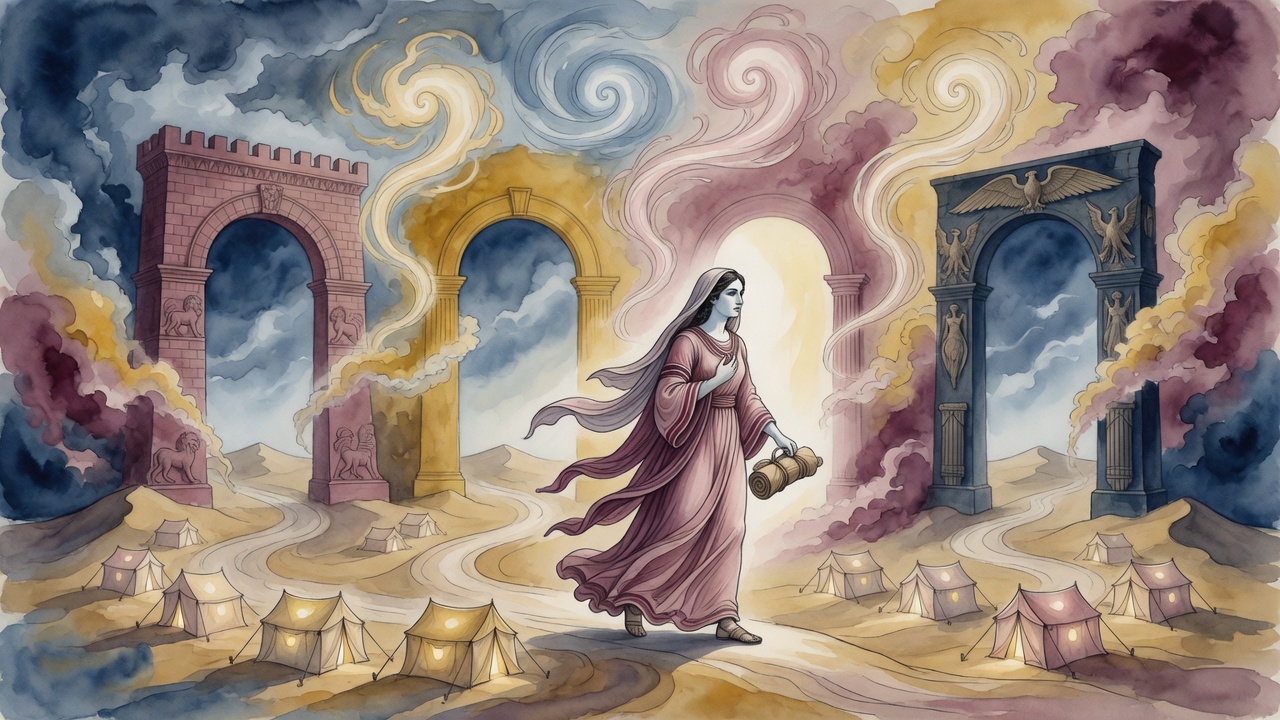
She brought two stones to her wedding and the king matched them with two of his own. Then she lost hers, and he quietly took his back off the table.
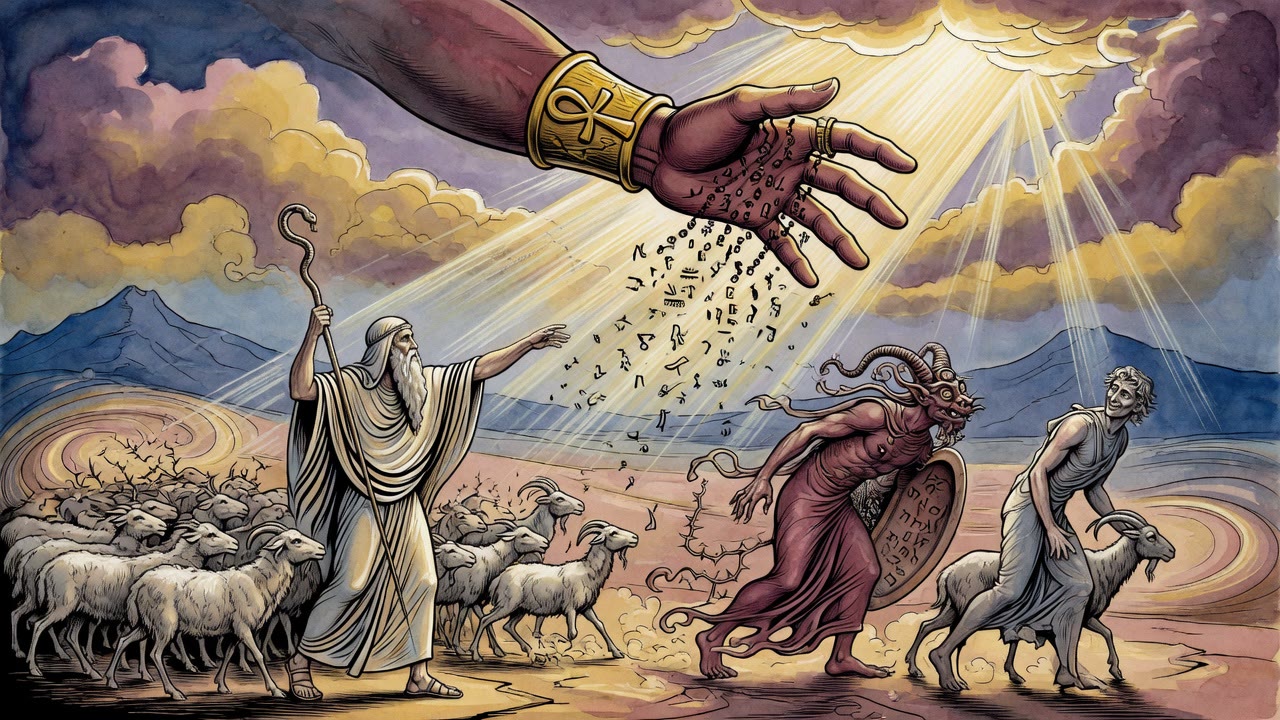
At the sea Moses kindled each phrase and Israel completed it. The Name warred without weapons, and faithfulness turned left hand into right.
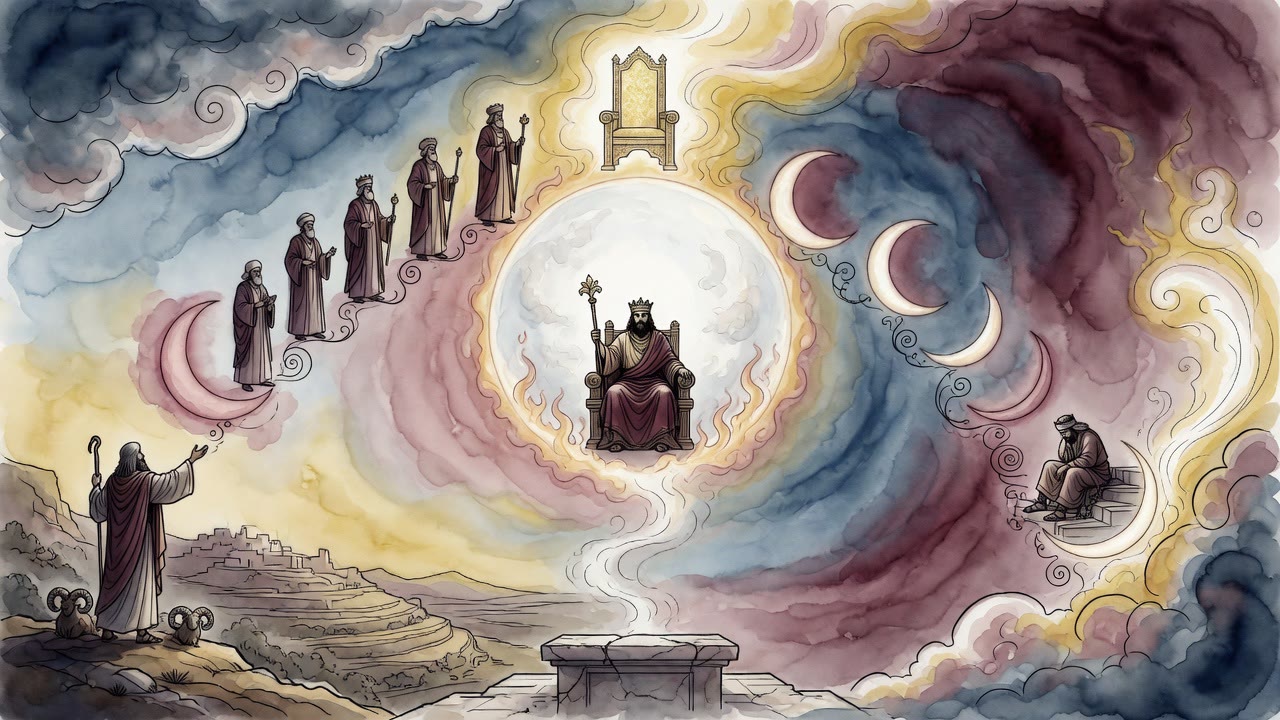
Solomon made the shields of gold. Rehoboam replaced them with bronze. The kings kept shrinking until Zedekiah, whose eyes were put out.
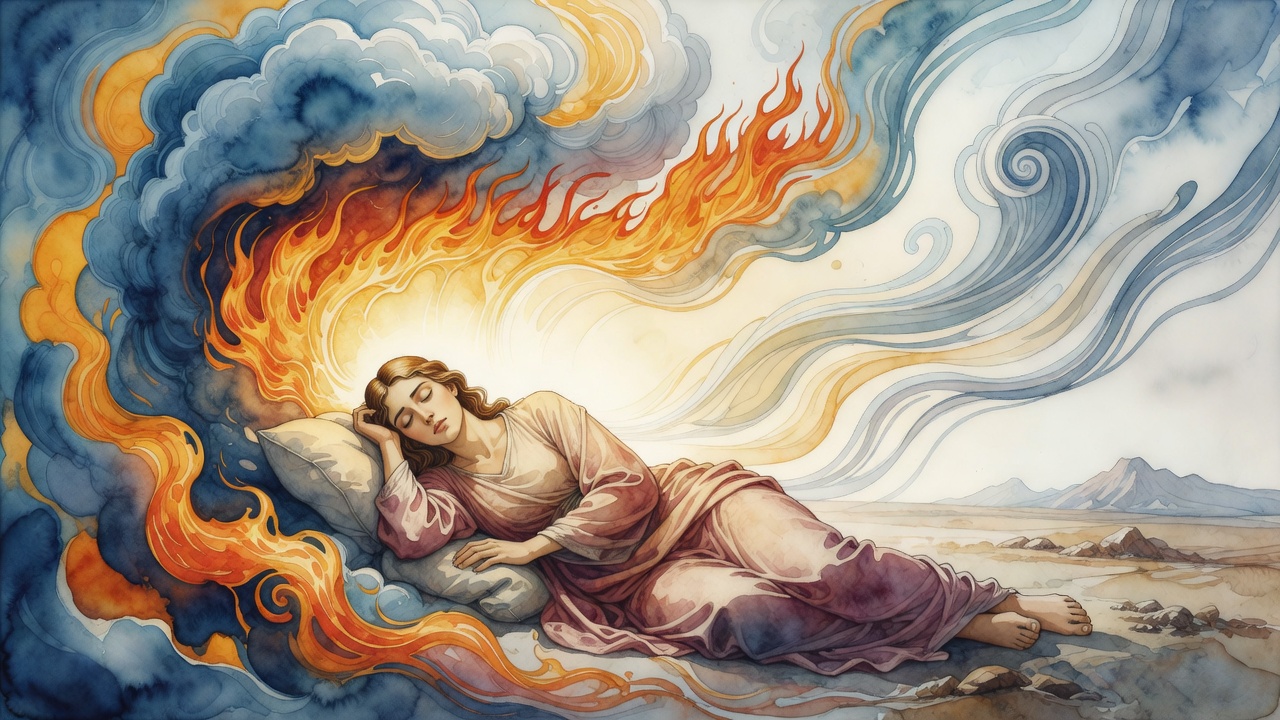
Love climbed past every title. God named Israel daughter, then sister, then mother, while Israel's heart stayed awake in exile's sleep.
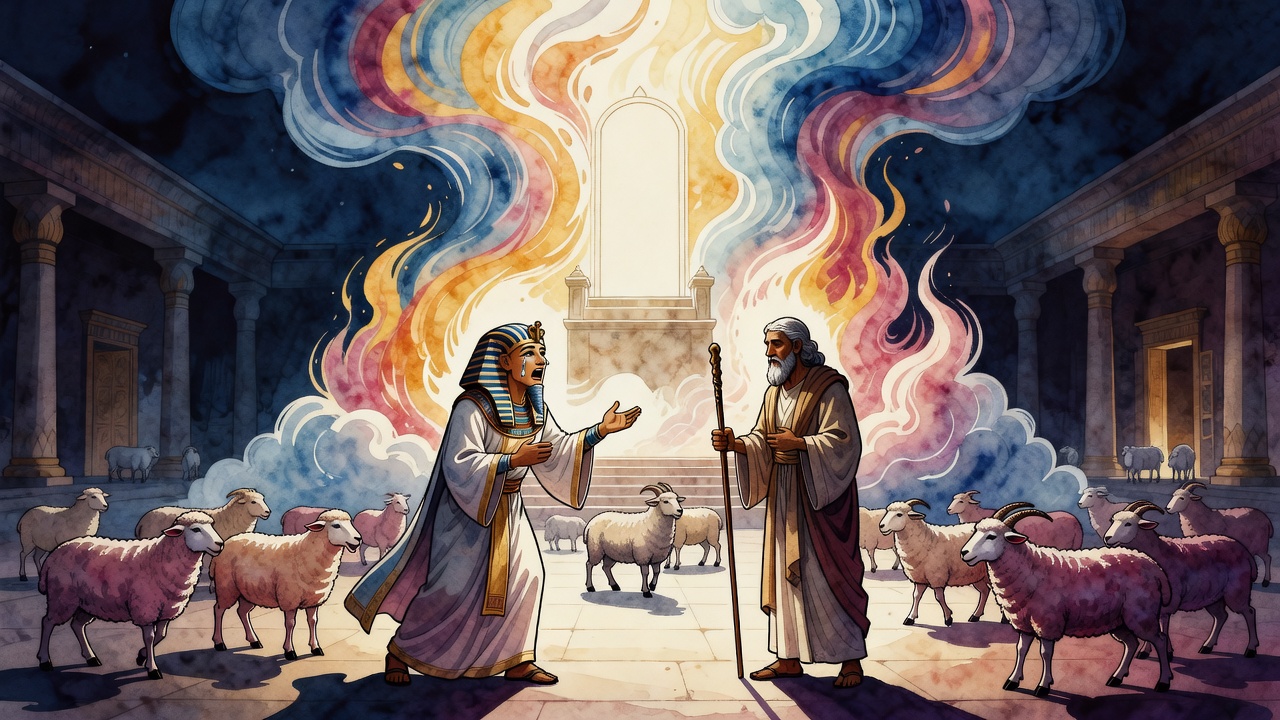
After the locusts he still wanted the herds left as chains. By midnight every firstborn was dead, and he sent for Moses in the dark.
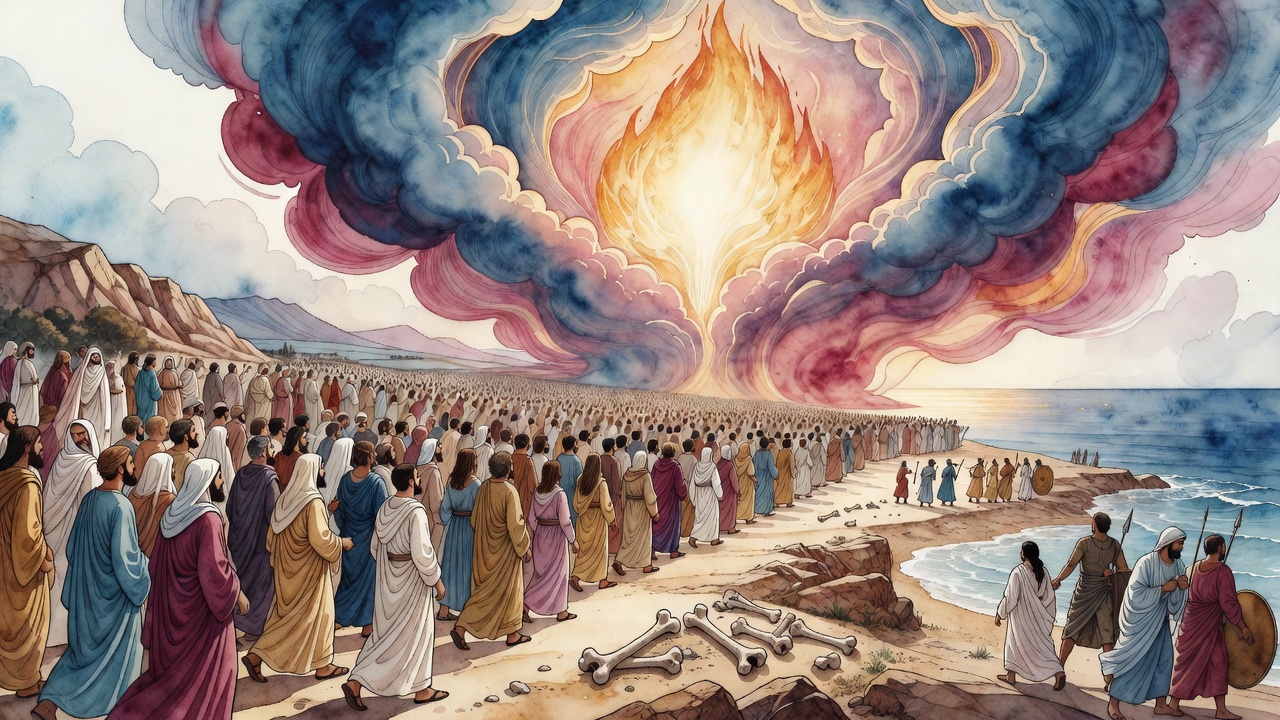
The coastal road was shorter. Along it lay Philistine war and Ephraimite bones. God took the people the long way so they would not turn back.
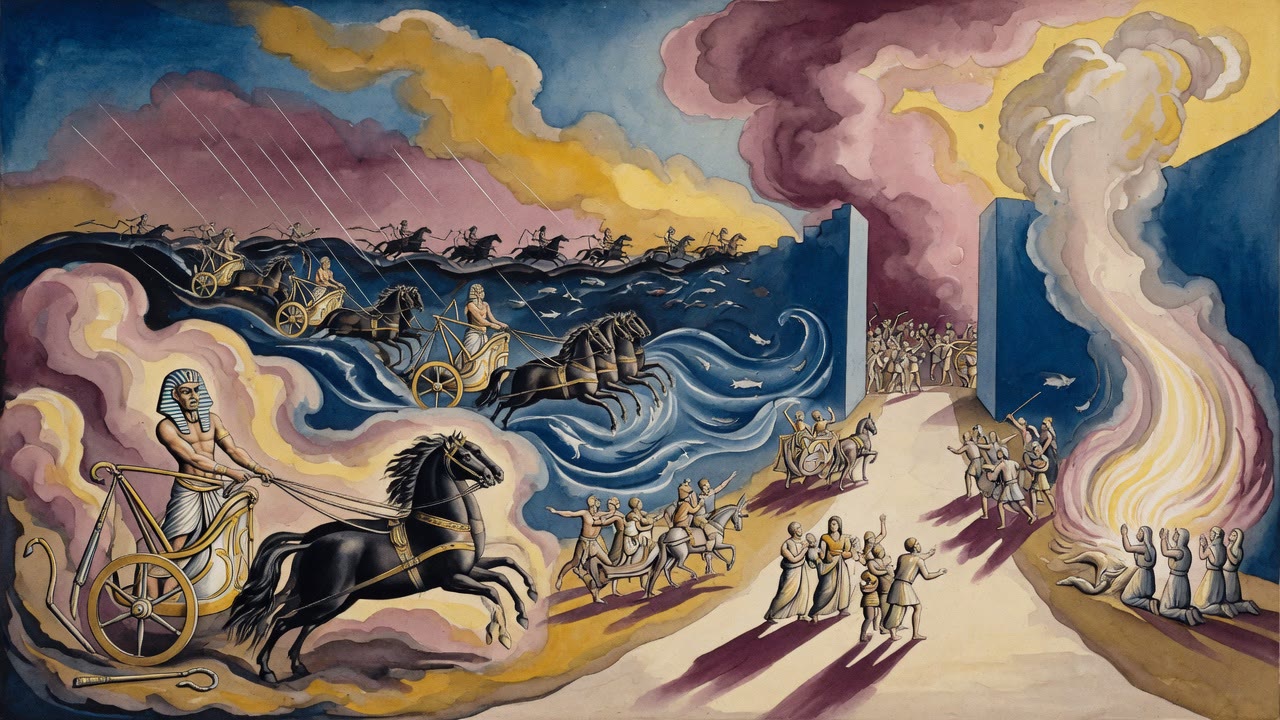
At the sea, fire burns chariot wheels while heavy labor returns on Egypt; clouds of glory still shelter the people who walk free.
