Haman Cast Lots and Creation Refused Him
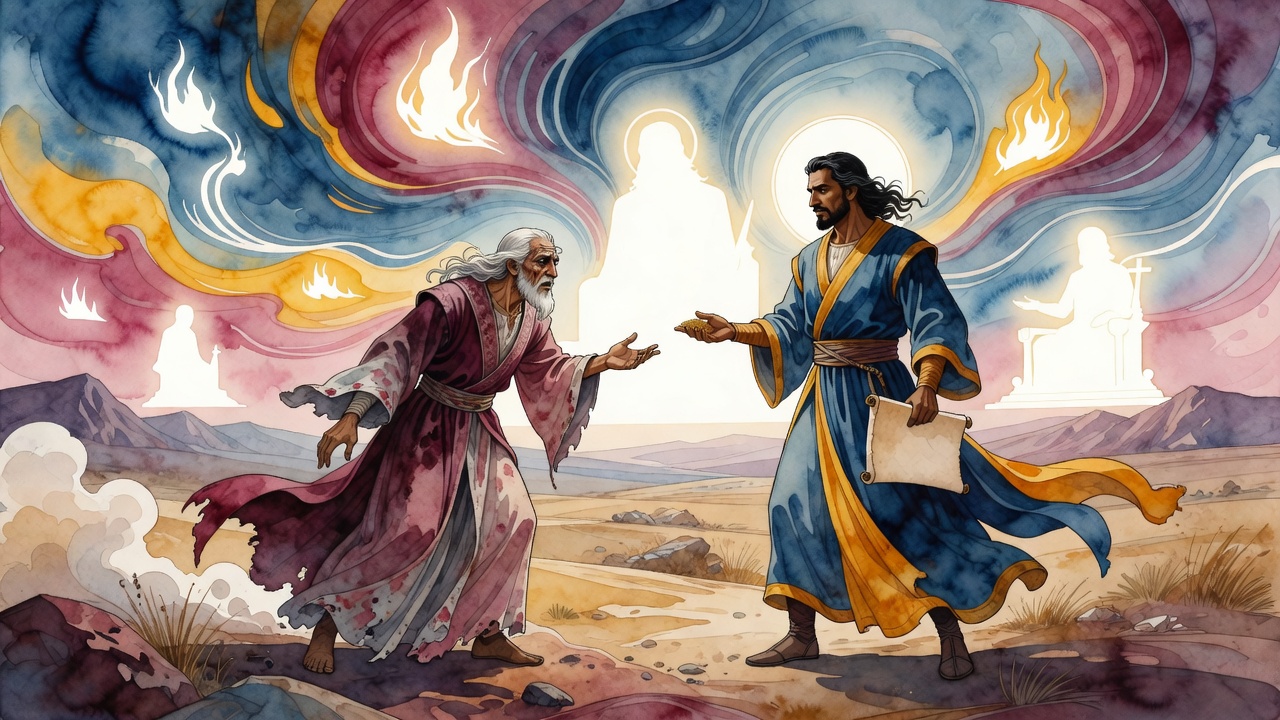
Haman threw lots at days and months until Adar smiled at him. Moses had died there. He did not know Moses had been born there too.
Table of Contents
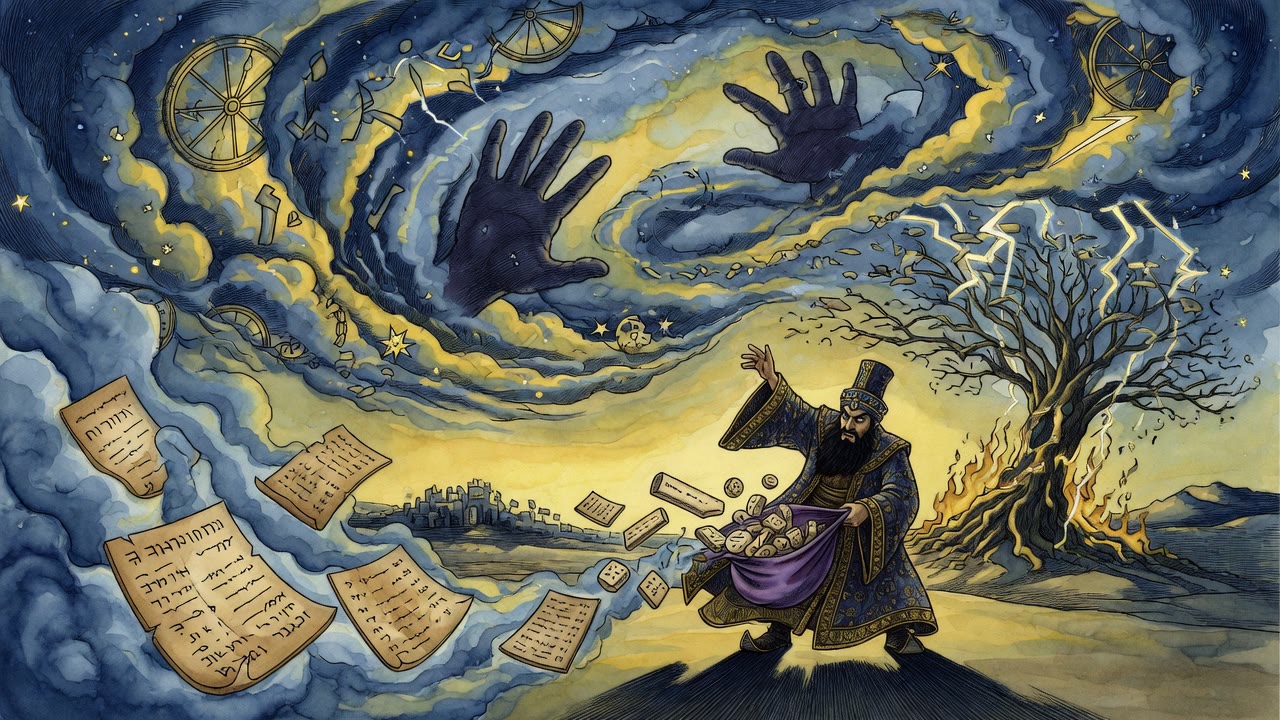
Haman shook the lot until he heard a date he liked. He wanted one exposed place in the calendar, one loose thread where Israel could be torn out. The lot was supposed to make murder look like fate. A number falls. A month is chosen. A decree puts on the costume of destiny.
 Click for full size
Every part of time had a memory. The lot kept hitting it.
He Wanted a Date from Heaven
He cast first at the days of the week, as if a weekday might be empty enough to hold a massacre. The first day carried light. The second stood under the covenant of day and night, the fixed order God had appointed for heaven and earth (Jeremiah 33:25). The third carried Eden. The fourth remembered the sun stopping for Joshua at Gibeon. The fifth held the creatures of the field. The sixth held Behemoth, the beast of a thousand mountains. Shabbat stood with Israel's rest in its hands.
No day would become his accomplice. Haman wanted time to behave like an empty box. Time answered back with creation already inside it.
The Days Would Not Serve Him
He moved from days to months, hunting a weaker door.
Nissan answered with the Passover lamb. Iyar answered with manna. Sivan stood under Sinai with the Torah still smoking. Tammuz and Av already held grief, and catastrophe would not be doubled for him there. Elul carried the tithing of animals. Tishrei carried holy days. Cheshvan remembered the Temple. Kislev held the completed Tabernacle and the lights of dedication.
Month after month the lot bounced. Haman's jaw tightened. He had come to steal a date. Creation kept reclaiming its own.
Adar Hid a Birthday
Then Adar appeared.
Haman rejoiced with a full-throated joy, because Moses had died in Adar. At last, he thought, the month of loss had opened. He did not know the trap inside his own gladness. Moses died on the seventh of Adar, and Moses was also born on the seventh of Adar. The month that held burial also held arrival. Death had not finished the account.
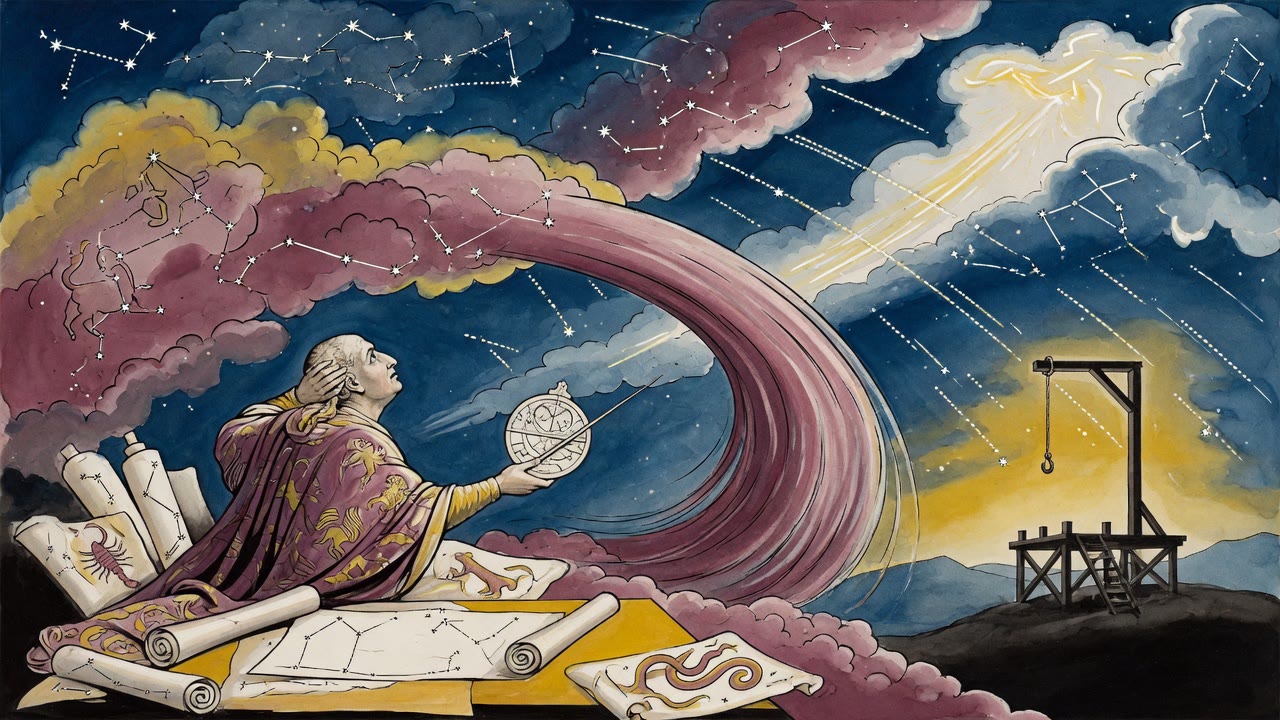
The constellation seemed better. Adar belonged to the fish. Haman saw Israel caught in his hand like fish in a net. He mistook the image for ownership.
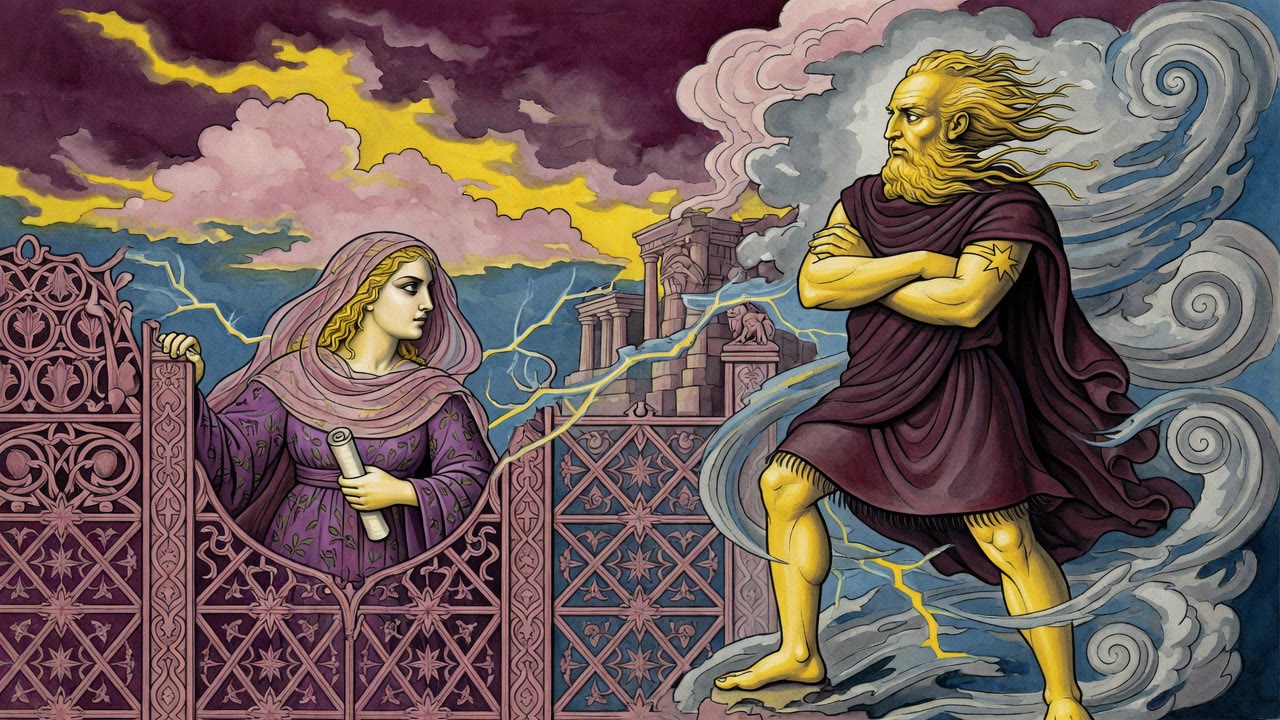
A voice answered him from inside his own symbol. "Evil one, they are not in your hands. You are in theirs. Fish swallow, and fish are swallowed." He thought Israel was in his fist. He was already in theirs. The same sign he read as capture turned while he looked into it. The opposite would happen, and the Jews would gain power over those who hated them (Esther 9:1).
The Fish Closed Its Mouth
Haman had not found fate. He had found a mirror with teeth.
That night Ahasuerus could not sleep. In heaven the patriarchs had already bowed under judgment, and mercy had already moved. God told them Israel had been condemned, because in the days of Nebuchadnezzar they had failed to sanctify His name. The patriarchs accepted the verdict. The moment they bowed, God rose from the throne of justice and sat on the throne of mercy. The heavenly host asked what would become of them if this nation were destroyed, since the world had been made for the Torah given to Israel. God filled with mercy.
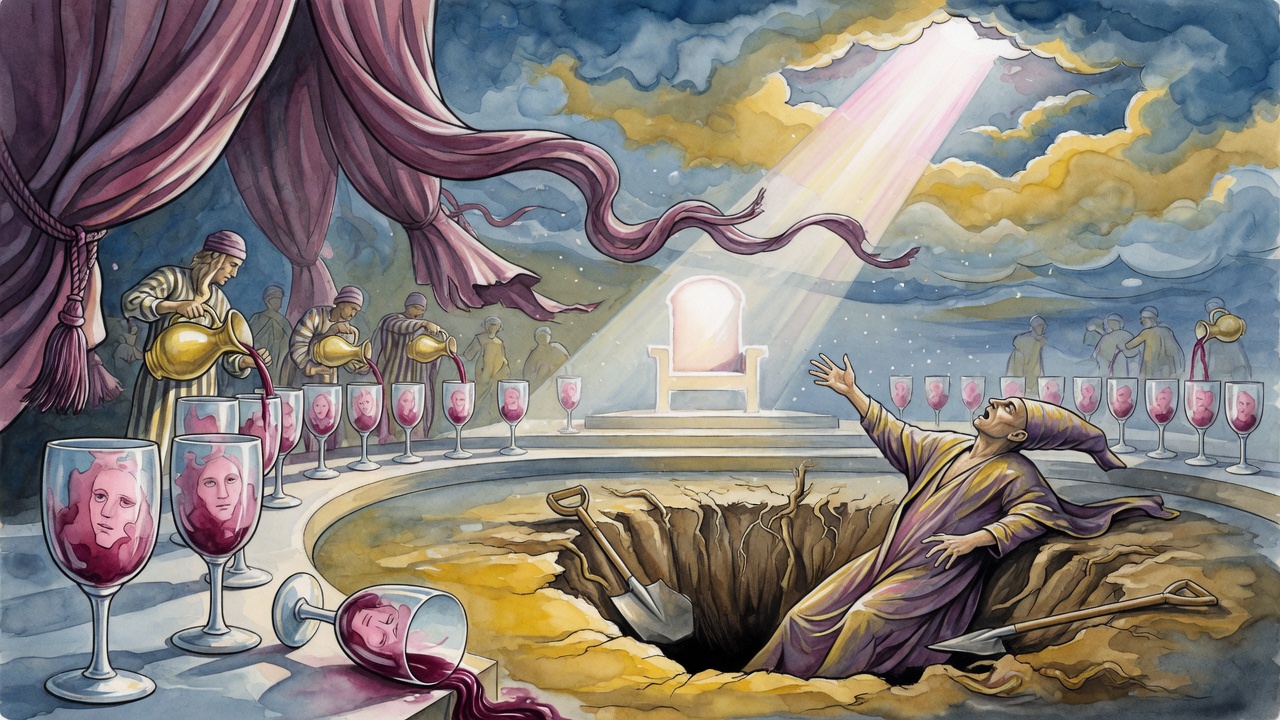
Then He called the trees and asked which one would serve as the gallows for Haman.
The Thorn Took the Job
The fig tree stepped forward. The vine came. The pomegranate, walnut, citron, willow, olive, apple, and cedar all offered themselves, each carrying some verse that tied it to Israel. Then the thorn spoke. The wicked had been compared to thorns. Let the thorn serve. God silenced the noble trees and chose the rough one.
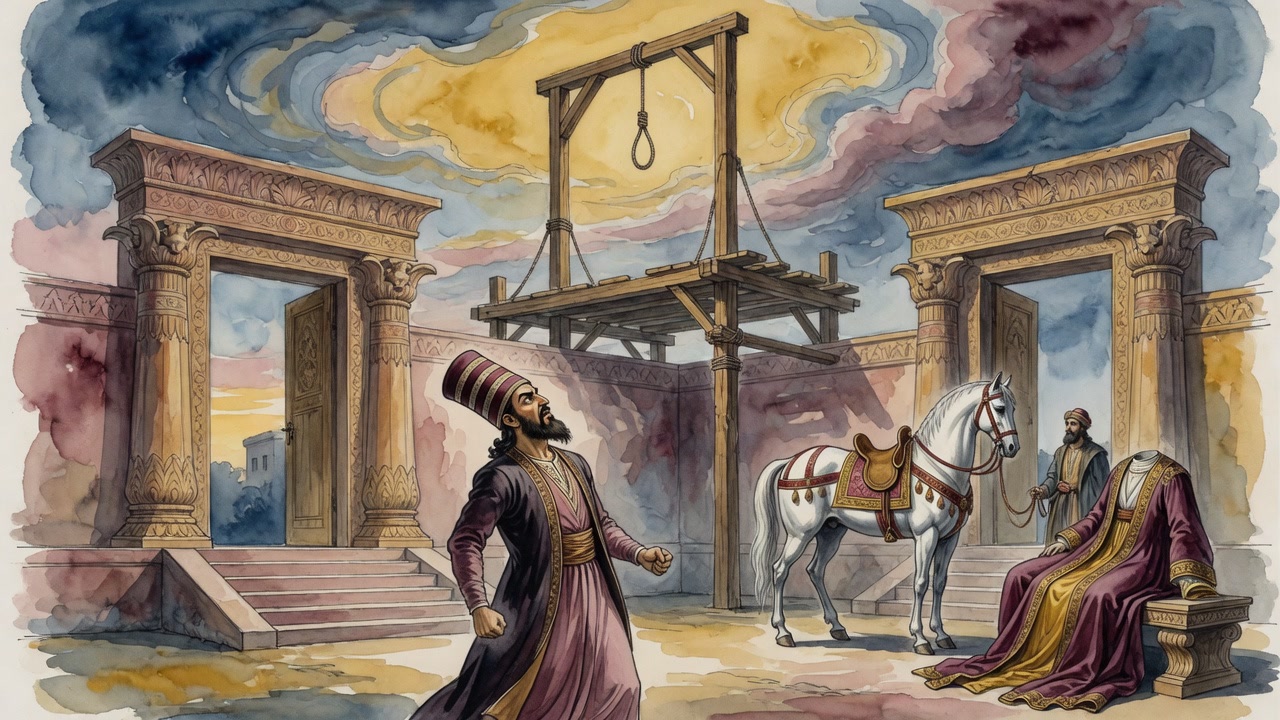
Michael knocked the king from his bed again and again, three hundred and sixty-six times. Unable to sleep, Ahasuerus ordered the royal chronicles brought. Gabriel appeared in a dream disguised as Haman, sword drawn. When Haman entered the next morning with his dream of honor, the king, already terrified, asked how to honor a man the king wished to raise. Haman described a lavish parade, assuming the man was himself. The king ordered him to do it for Mordecai the Jew.
The lot, the fish, the sleepless king, and the thorn all moved toward one beam. Haman had asked creation for permission. Creation gave him wood, but not for Israel. By morning he was building height for Mordecai and imagining honor for himself. The king's sleeplessness turned the ladder upside down.
The gallows became the last lot. Haman had tried to make heaven, calendar, constellation, and tree line up beneath his decree. Instead they lined up against him. The day refused. The month answered. The fish reversed. The thorn accepted. The king's sleep broke open at the exact hour Mordecai needed memory to speak from the royal book. By the time Haman reached the courtyard, fate had stopped sounding like dice and started sounding like footsteps behind him.
← All myths