Esther Poured Haman His Wine Until He Thought He Was Honored
Haman left the queen's first banquet certain he was the only man in Persia she wanted at her table. He had one night left.
Table of Contents
 Click for full size
They Sealed the Order and Sat Down to Drink
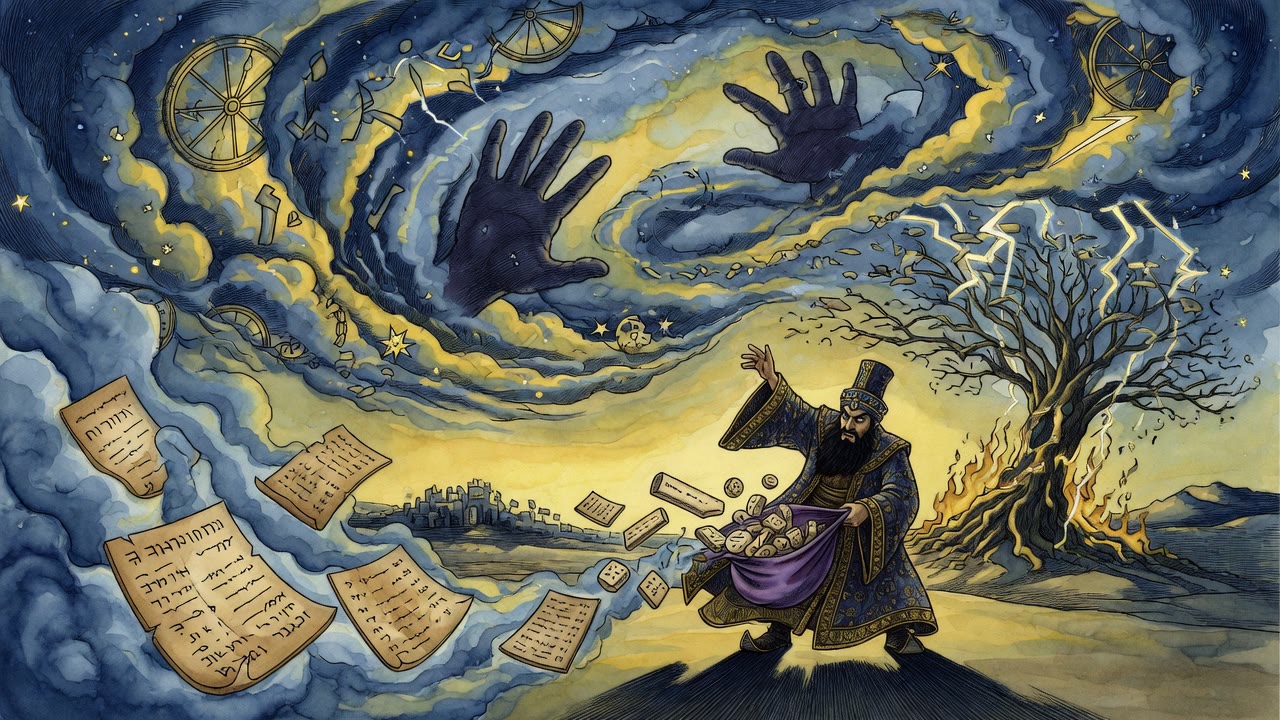
The couriers rode out of Shushan with the order in their bags. Every Jew in a hundred and twenty-seven provinces, on one day, in the twelfth month, and their property to whoever wanted it. Behind them, in the palace, the king and Haman sat down to drink, and the city outside came apart.
Nothing sealed with that ring had ever been recalled. Mordecai tore his clothes and went through the streets crying out, and sent word into the harem that whatever protection Esther thought the palace gave her was a story she was telling herself.
She had one way in and it was a capital offense. Anyone who came before the king unsummoned died where they stood, unless he lifted the gold sceptre, and he had not sent for her in a month.
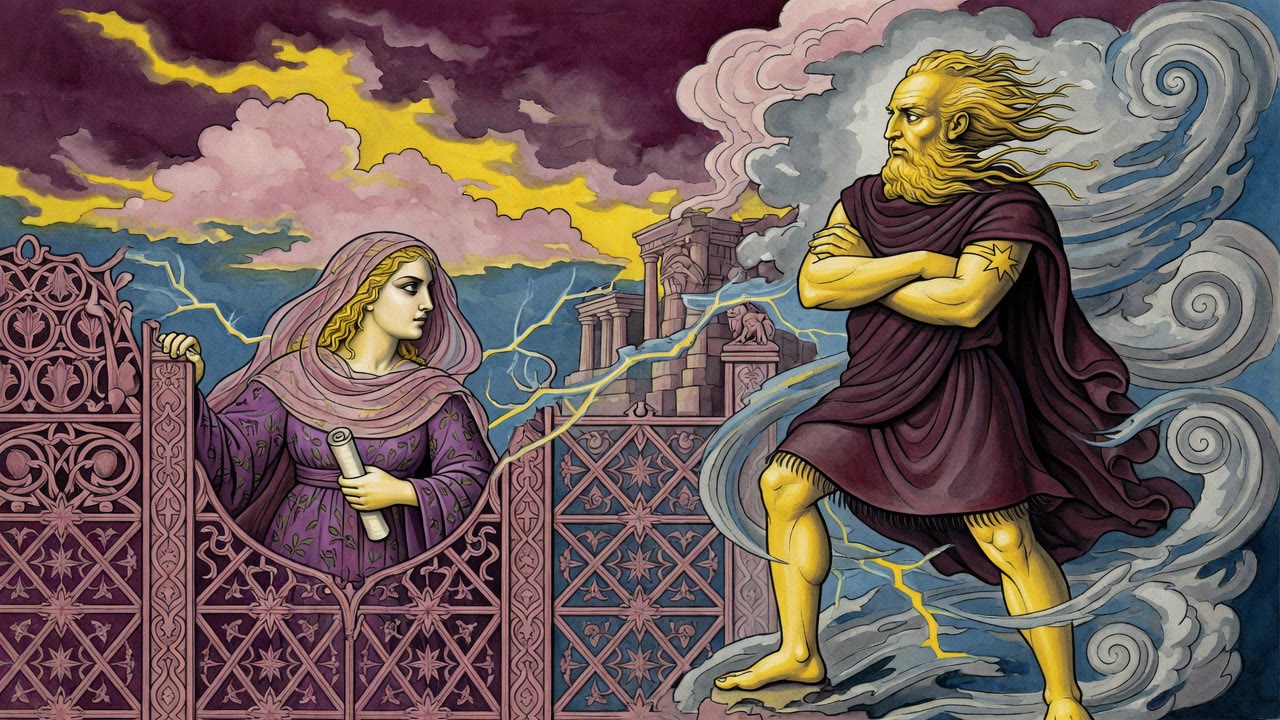
She went in anyway. He lifted it. And with the whole ruin of her people in front of her and the man who had bought it standing at the far end of the hall, she asked for something small. Come to a private dinner tonight. Bring Haman.
The Cup She Kept Filling
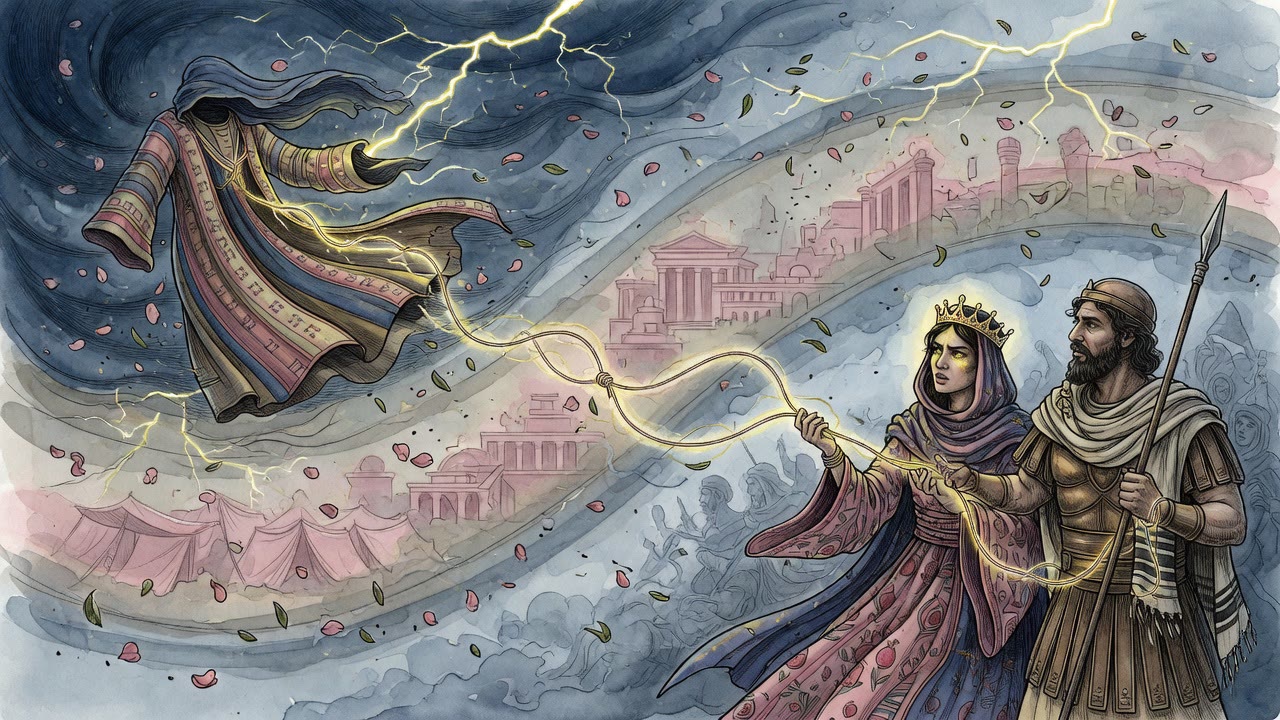
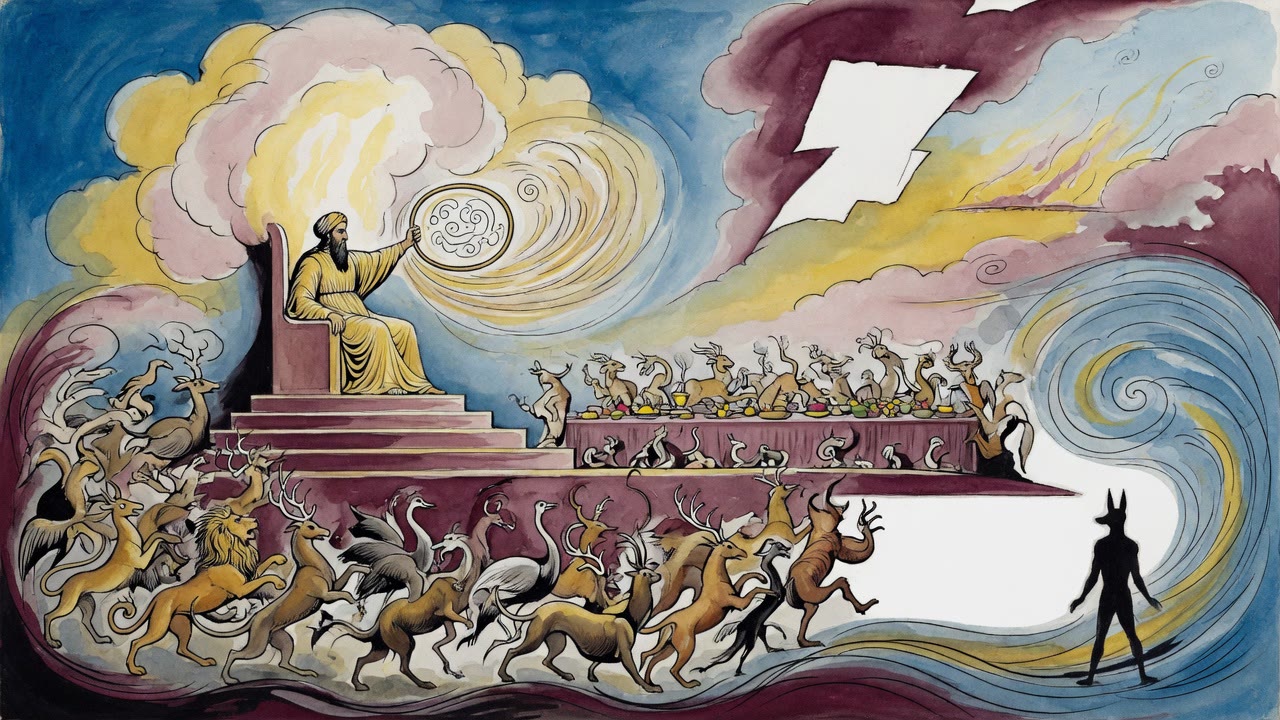
Haman came. Three of them at the table: the king, the queen, and the man who had paid ten thousand talents of silver for the right to kill her nation. She poured for him herself.
The king asked her twice what she wanted. "Half the kingdom," he said, "and it is done." Both times she asked him to come back tomorrow, and to bring Haman again.
Haman went home that night light on his feet. He called his friends and his wife together and listed it all out for them, his money, his sons, his promotions over every official in Persia, and then the thing that mattered most, which was that the queen had let no man into that room but him and had asked him back for a second night. Nobody at his table pointed out that a woman who wanted him dead would have done exactly the same thing.
She poured again the next evening. She went on pouring, and by the time the wine was in him he was certain he was the best-loved man in the empire.
Then the king asked a third time, and she answered him. Someone had bought her and her people, she said, to be destroyed and killed and wiped out. The king asked who. She said: this man. This wicked Haman.
He got up and went out into the garden because he could not stay in the room, and Haman, who had no language for begging a king, went for the queen instead and fell across her couch. That is where the king found him when he came back in.
Sold Over Bread, Bought Back Over Wine
Generations before Shushan, ten brothers threw the eleventh into a pit and then sat down to eat bread, and while they were chewing they sold him to a caravan going down to Egypt.
God had kept that on the books. "You sold your brother over food and drink," He told them. "Your children will be sold at a feast in Shushan."
So the debt was run up over a meal and it was called in over a meal, and the ransom had to be paid the same way it was borrowed. Esther set the table both times.
Wisdom Cut Her Pillars Out of Fire
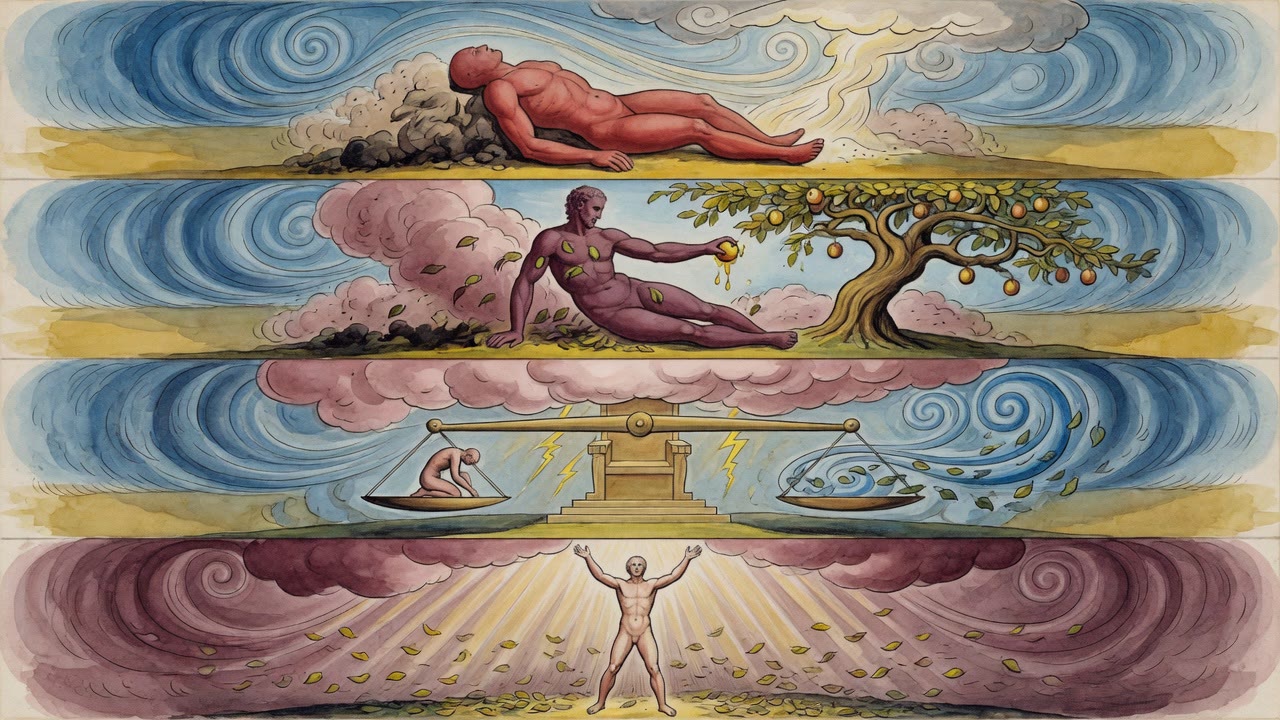
Wisdom built her house and cut seven pillars for it, and the pillars were not quarried out of any hill. They were hewn out of the seven skies. Each sky is fire, five hundred years thick, with five hundred years of open space between it and the one above it. Out of that structure the Torah came down into human hands, and a man who takes hold of it holds up the world, and a man who lets go of it gets scattered across seven countries.
Then Wisdom slaughtered her meat, and mixed her wine, and set her table.
The table is the one in Shushan. The meat and the mingled wine are the dinner Esther served to a man who thought he was being honored and did not know a net was going up under his chair. What she got out of that room was a good name, which is a place set for her in this world and another set for her in the world that comes after it.
The Two That Do Not Get Cancelled
Every festival on the calendar will be annulled one day. The days of Purim will not pass from among the Jews, and the Day of Atonement will not pass either, and those two are what is left standing at the end.
Haman went up the timber he had cut for Mordecai, fifty cubits of it standing in his own courtyard, put up the night before by a man who was so sure of the morning that he had the carpenters working in the dark. He had walked into the queen's room twice. Both times he checked the guest list and never once looked at the table.
← All myths