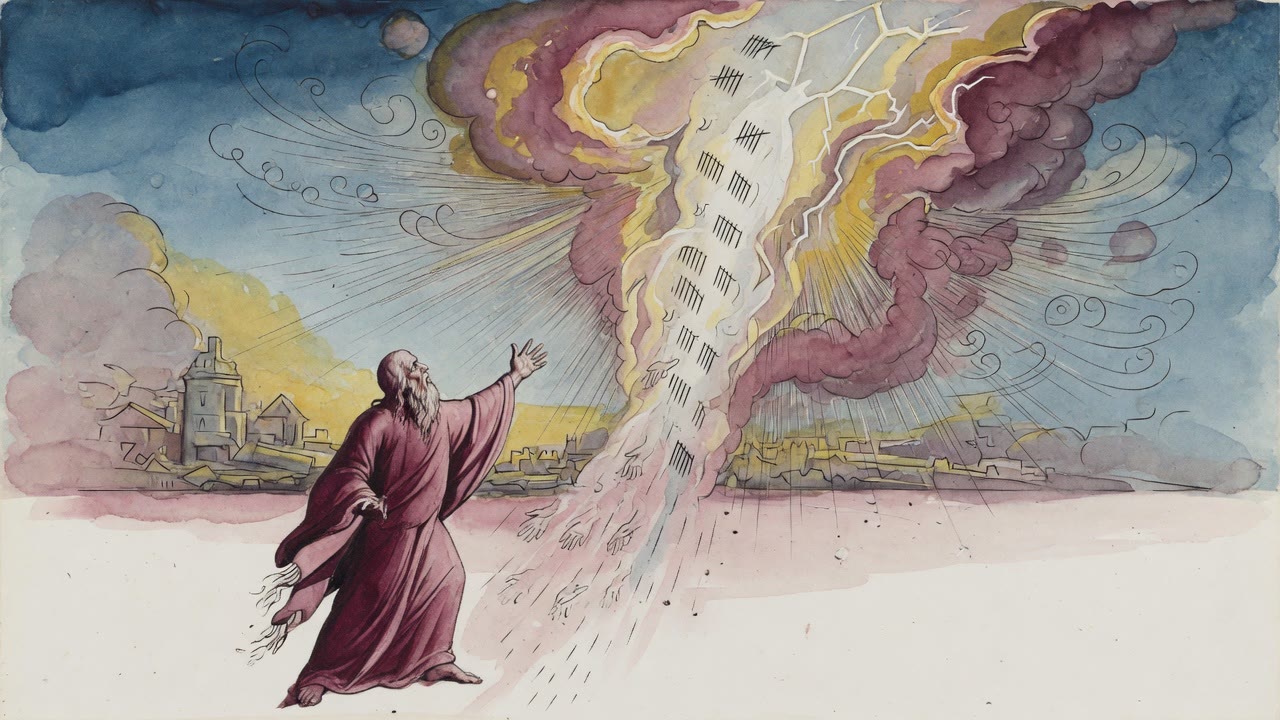
Abraham Silenced Every Letter of the Hebrew Alphabet in Turn
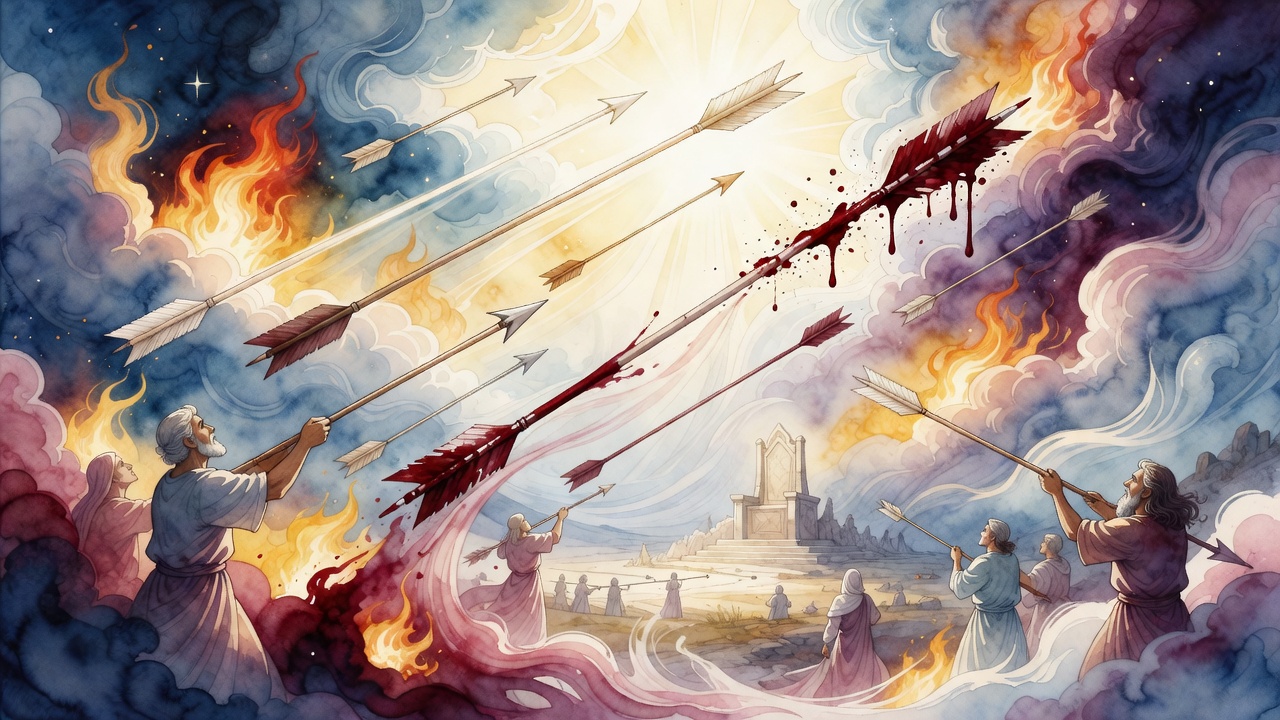
Aleph stood ready to testify against Israel. Abraham got there first. He asked the letter who had carried it when every nation refused.
Table of Contents
 Click for full size
Twenty-Two Witnesses
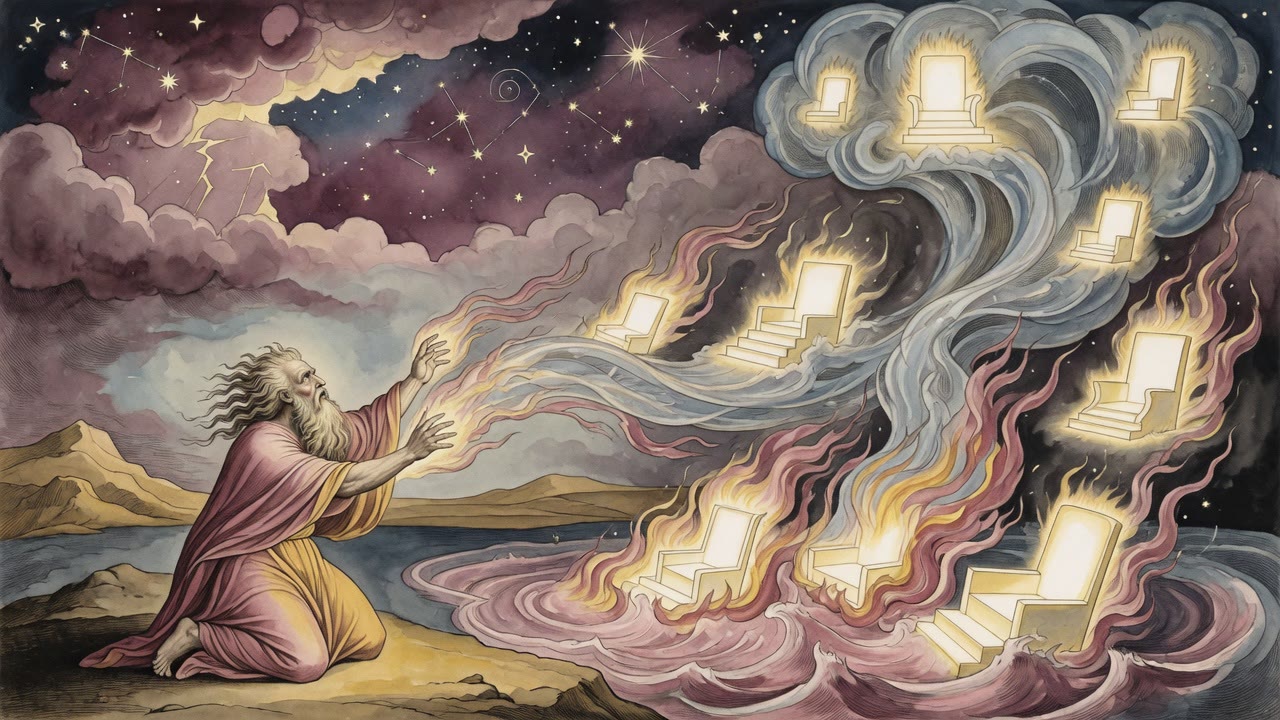
Israel had sinned against the whole Torah. The case was not in doubt. God summoned the twenty-two letters of the Hebrew alphabet as witnesses. Who better to speak against the people than the letters the people had broken?
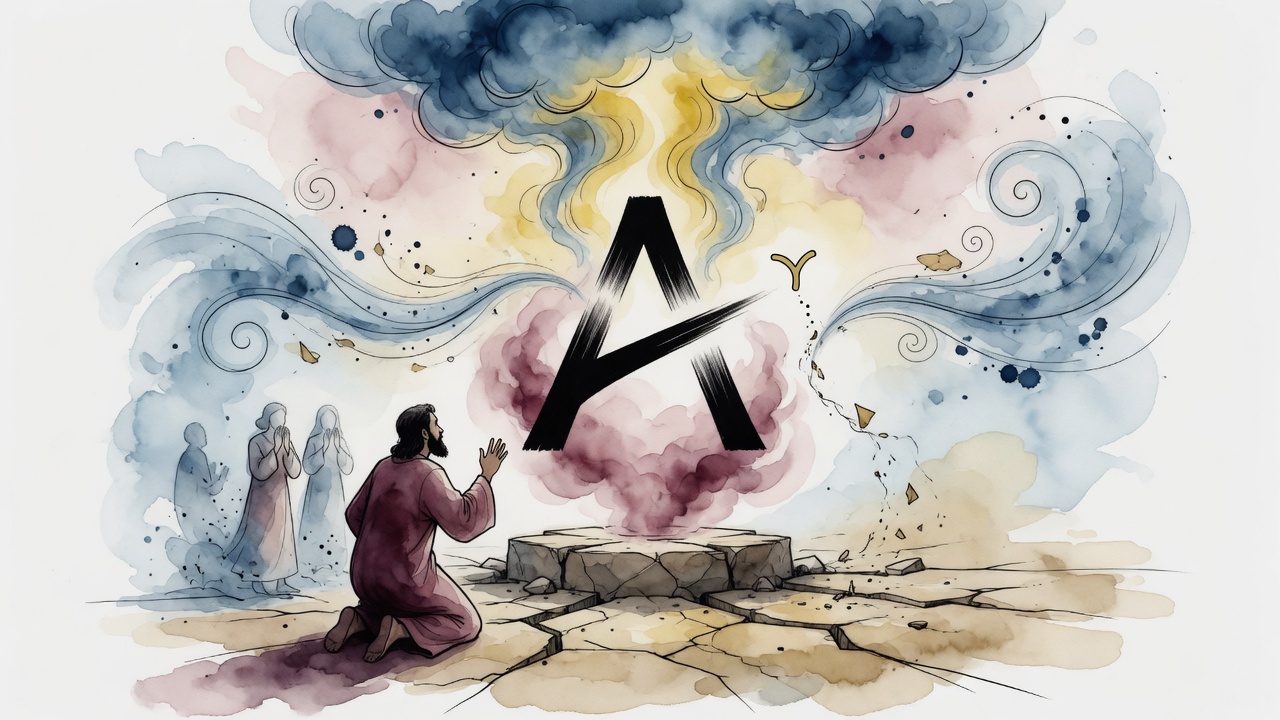
They came. They took their places the way a court takes places. Aleph (א) stood first. It is the letter that opens the Ten Commandments: I am the Lord your God who brought you out of Egypt. The people who had received that line had smashed it. Aleph drew itself up, ready to speak.
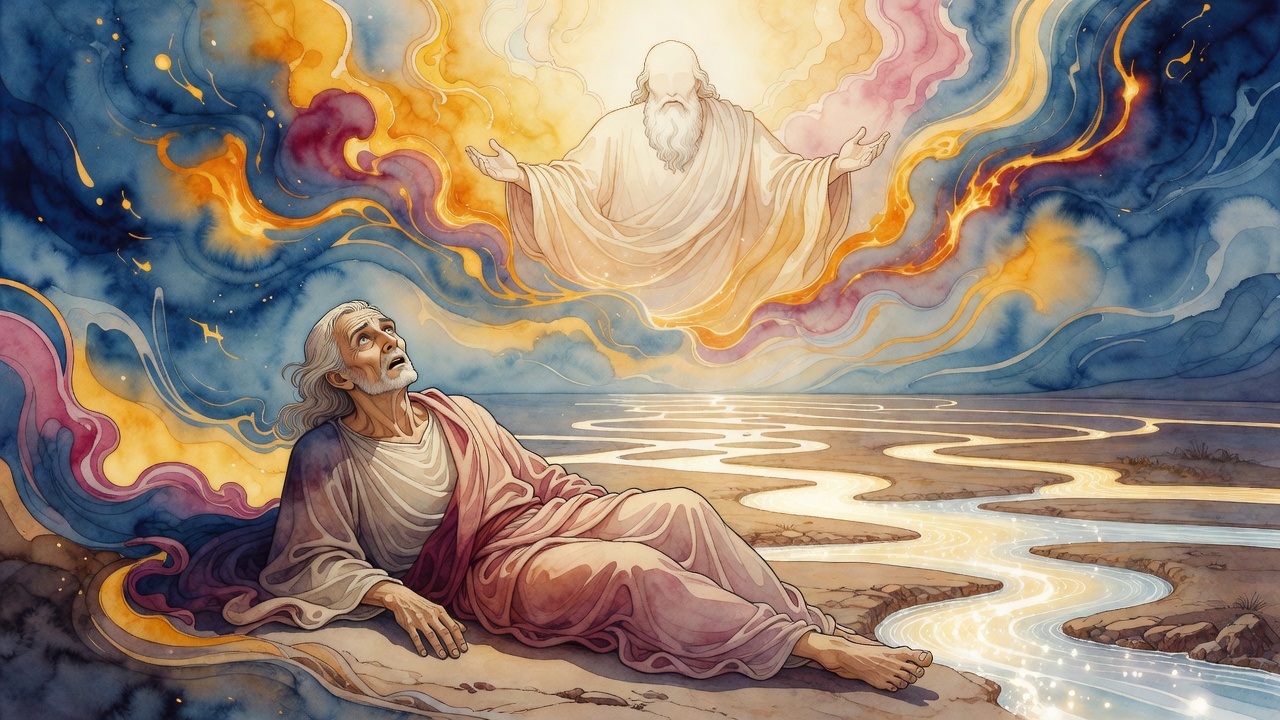
Then Abraham stepped into the court before the first letter could open its mouth.
Abraham Spoke to Aleph
He did not say Israel was innocent. He said the witness had no standing.
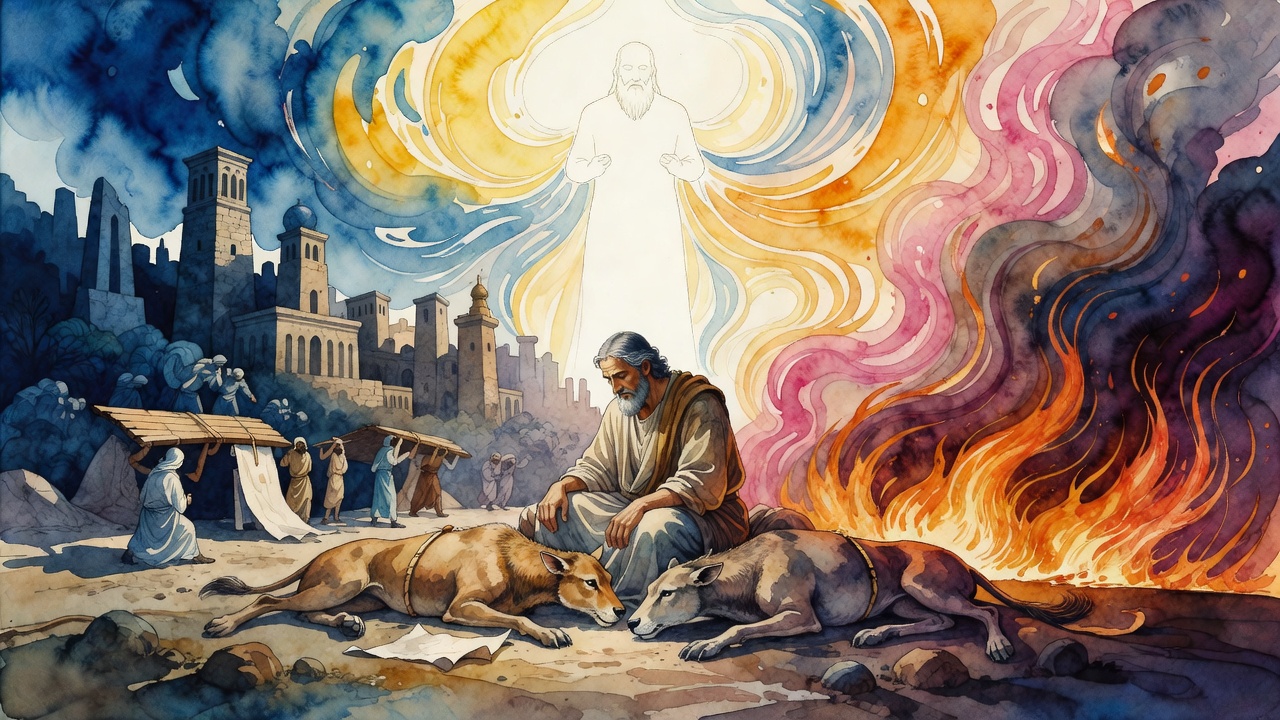
"You are the first of all letters," he said. "You were there when the Torah was given. You are here at its breaking. When the nations of the world were offered the Torah, which of them took you? None. They refused, one after another. Only Israel said, we will do and we will hear. You have been carried by one people. You were cut into one nation's heart. And now, in the hour of their destruction, you come to testify against them?"
Aleph did not answer. Abraham waited. The mouth of the first letter, which had opened the commandments, stayed shut. A silence sat down where the first testimony was supposed to go. The rest of the alphabet heard it.
Bet Had Already Opened the World
Bet (ב) came next. Long before this court, the letters had stood before God and argued over which of them would begin creation. Each pressed its claim. Each named a virtue. Bet stepped forward and said the dwellers of the world give praise daily through it: Blessed be the Lord forever. God granted the petition. The world opened on a bet, as in Bereshit, "In the beginning" (Genesis 1:1).
Aleph had not pressed. For that humility it later received the first place in the Ten Commandments. Abraham knew both honors when he looked at the two letters now standing as prosecutors. The modest one had been given the commandments. The second had been given the world. Both had been carried here by Israel.
"My daughter," he said to bet, "have you come to testify against my children, who cling to the Torah of which you are the first letter?"
Bet stepped aside. The letter that had opened heaven and earth would not open a case against the people who blessed through it every day.
The Rest of the Alphabet Sat Down
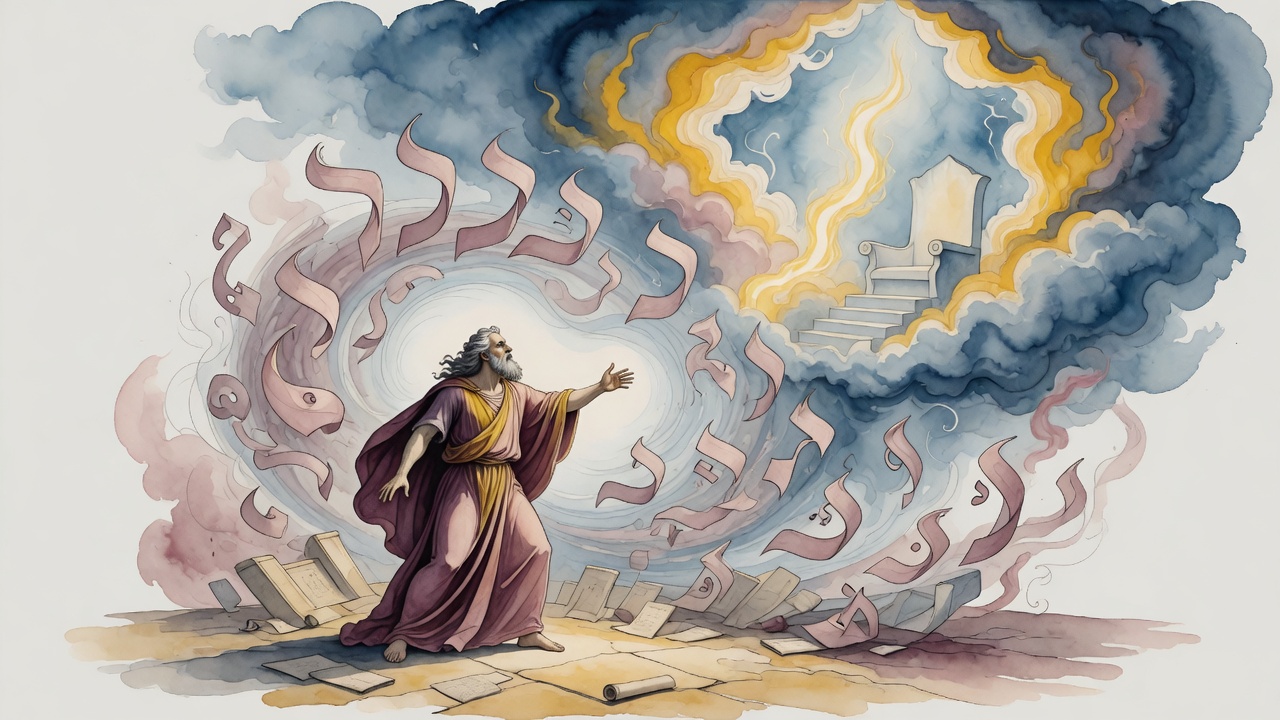
The other twenty saw what had happened to the first two. Shame took them. They refused to testify. Gimel did not come forward. Dalet did not come forward. Heh stayed where it was. The court that had been built out of the Torah's own body had no witnesses left.
These letters are not ornaments on a page. They are how a thought becomes a thing. When God is ready to make something real, it has to pass through their order, the way water has to pass through a gate. The people who had kept those letters in the world were the people the letters had just been asked to help destroy.
Abraham began to speak before God. The alphabet stayed quiet. Twenty-two mouths that could have ended Israel had sat down, one after another, because a man who had already argued with God over Sodom knew how to argue with a letter over a covenant.
← All myths