Pharaoh, Haman, and Nebuchadnezzar Were Undone by Their Own Words
Four figures walked in the furnace. The king named the fourth a son of gods, and an angel flogged him until the words came out right.
Table of Contents
Pharaoh said he did not know God.
 Click for full size
He said it from a throne with slaves beneath him and the river behind him. "Who is the Lord, that I should listen to His voice?" (Exodus 5:2). Egypt still stood. Israel still bent. Moses and Aaron still looked like men making impossible demands.
Then the sentence began to rot.
Pharaoh's Mouth Turned
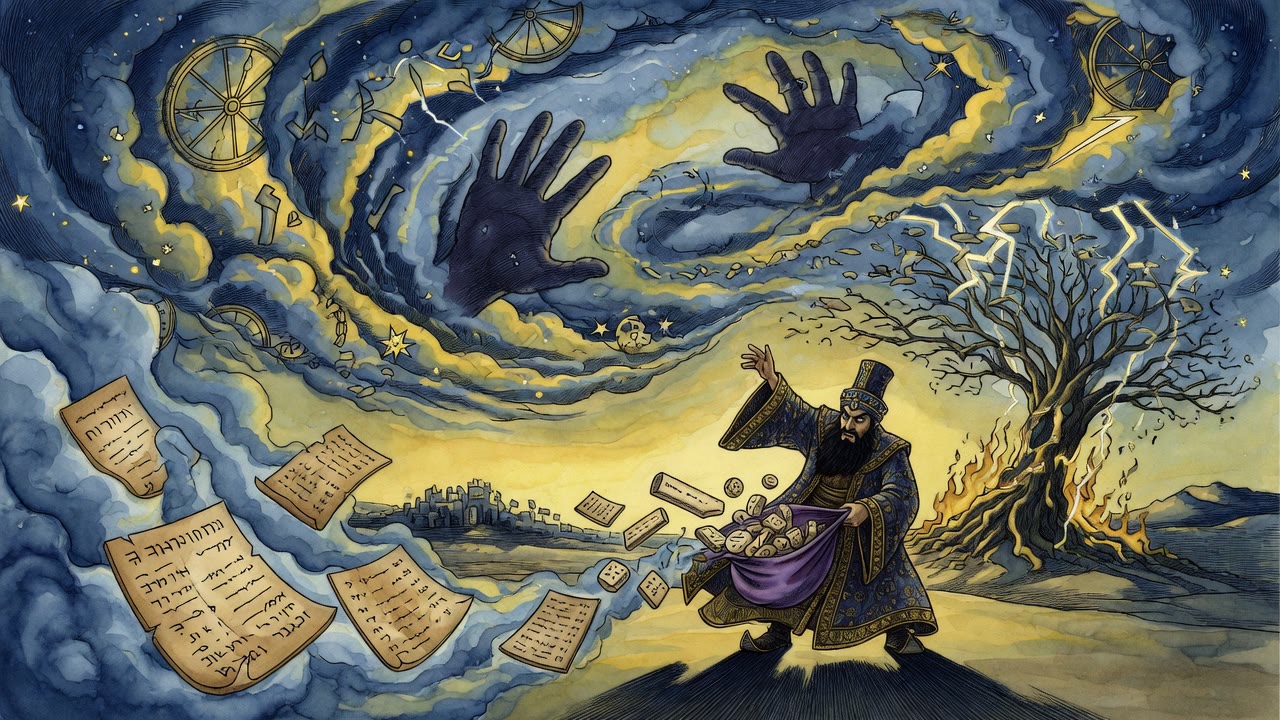
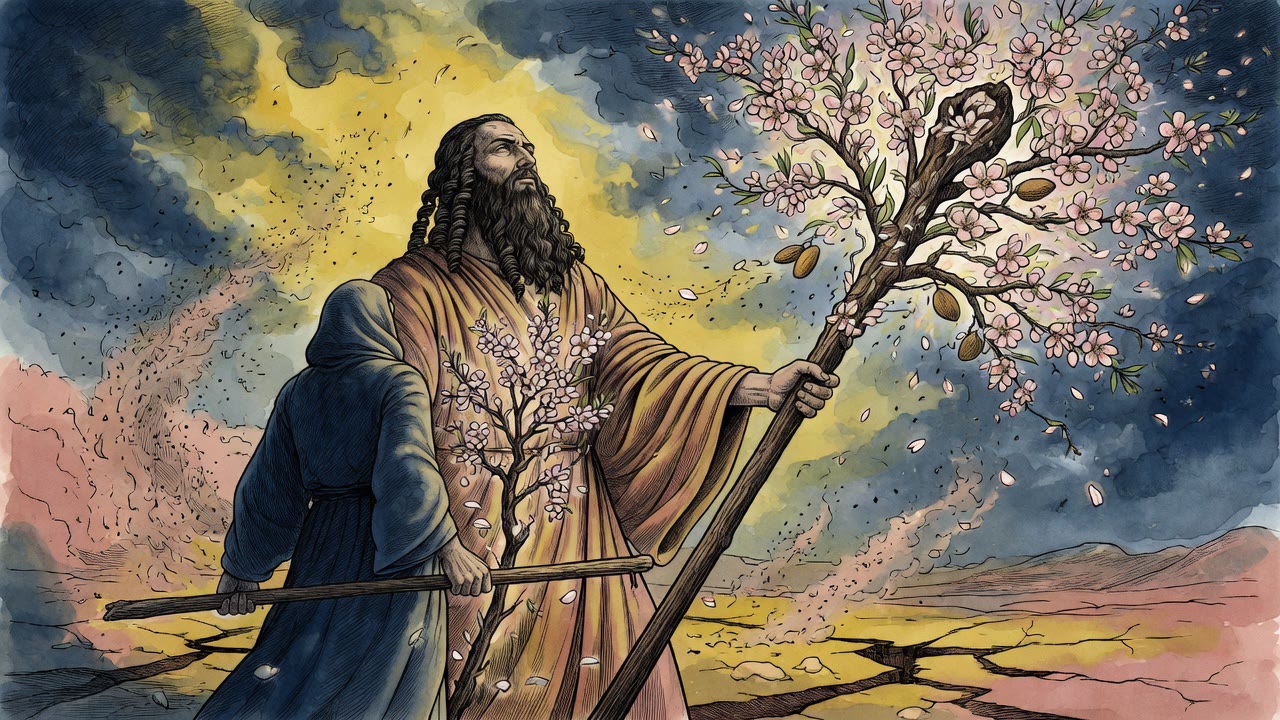
The plagues did not only strike Egypt's fields and bodies. They went after Pharaoh's speech. Hail broke the sky. Fire ran inside ice. The court trembled.
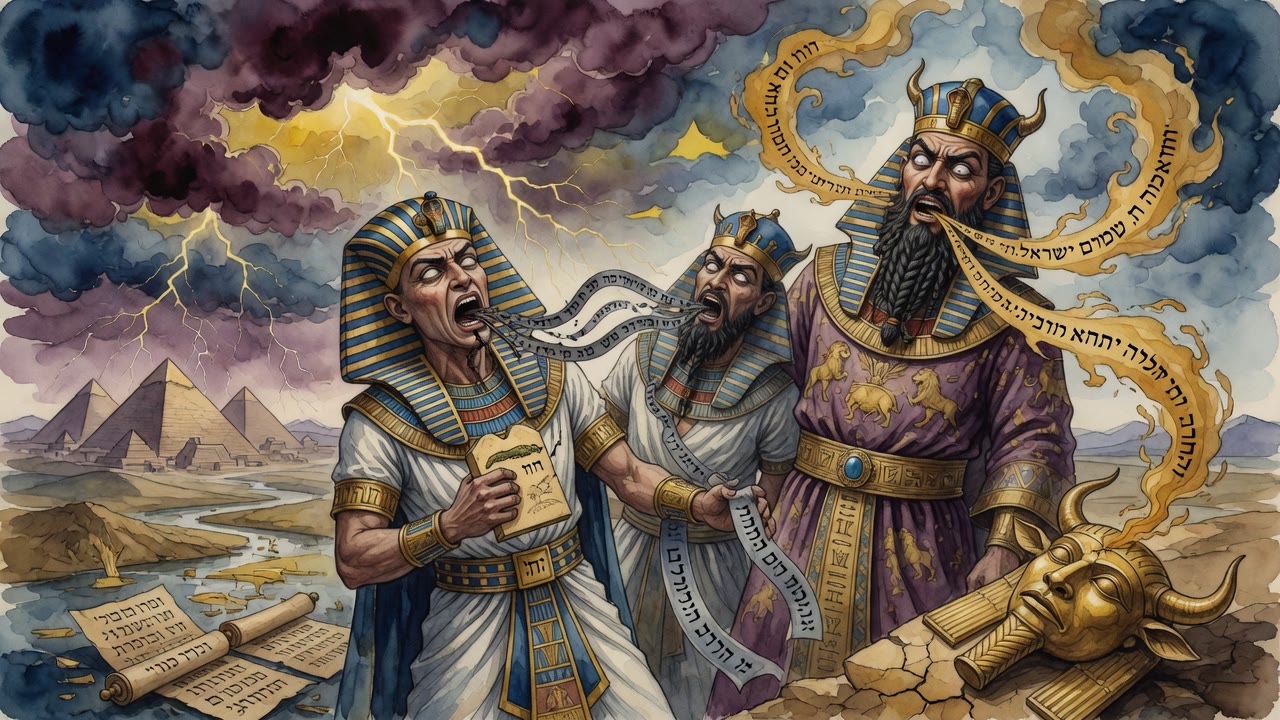
At last Pharaoh said what his first sentence had denied. "The Lord is righteous" (Exodus 9:27).
The confession did not make him good. It made him exposed. The same lips. The same throne. A smaller mouth.
He still needed the land breaking under him to speak. Recognition was wrung out of him. Palaces can fall and a boast can survive. His boast did not survive. The truth had to force its way through the same lips that had mocked it.
He had also said he would not let Israel go. That sentence would have its own later work. For now the mouth that had asked who God was had to name Him righteous, and the naming cost him the pose he had lived in.
Haman Raised a Tree
Haman's mouth worked differently. He did not begin by denying God aloud. He built a world where Mordechai's refusal became intolerable. One Jew at the gate was not enough for his anger. He wanted a people erased.
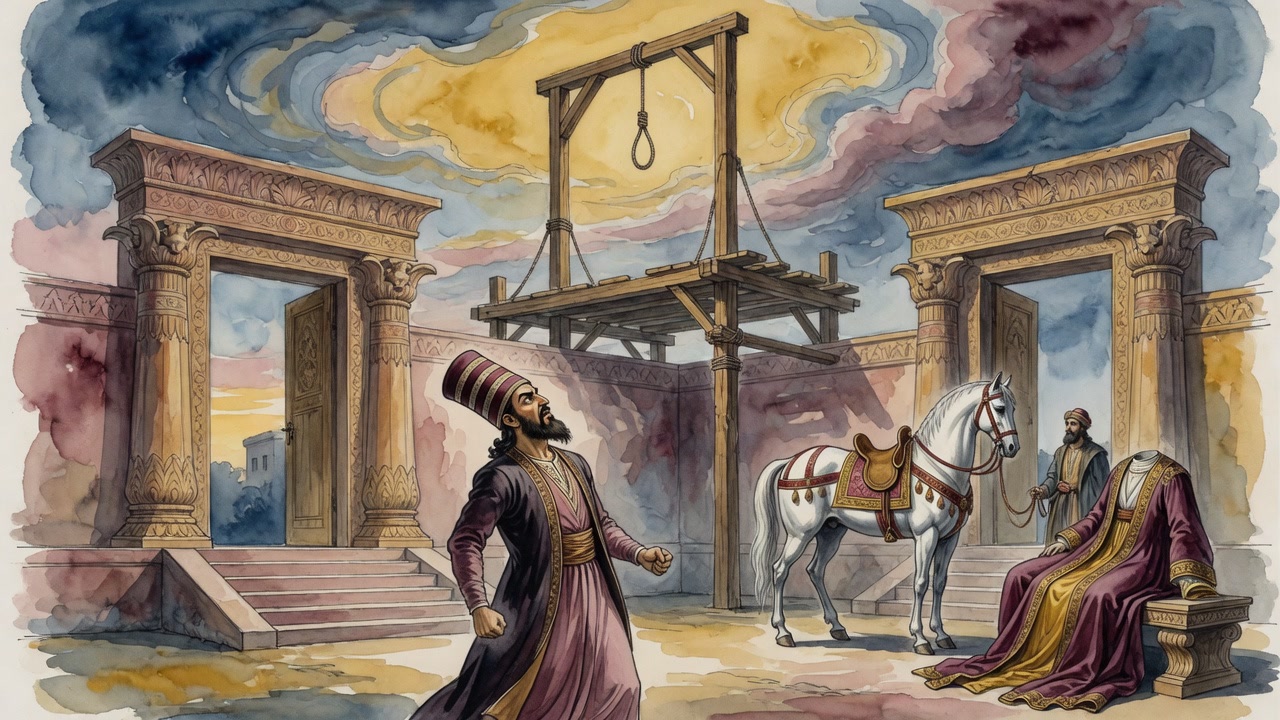
So he raised a gallows fifty cubits high. The height mattered. He wanted the death visible, a public correction of Mordechai's refusal to bow. The tree would teach Shushan who stood above whom.
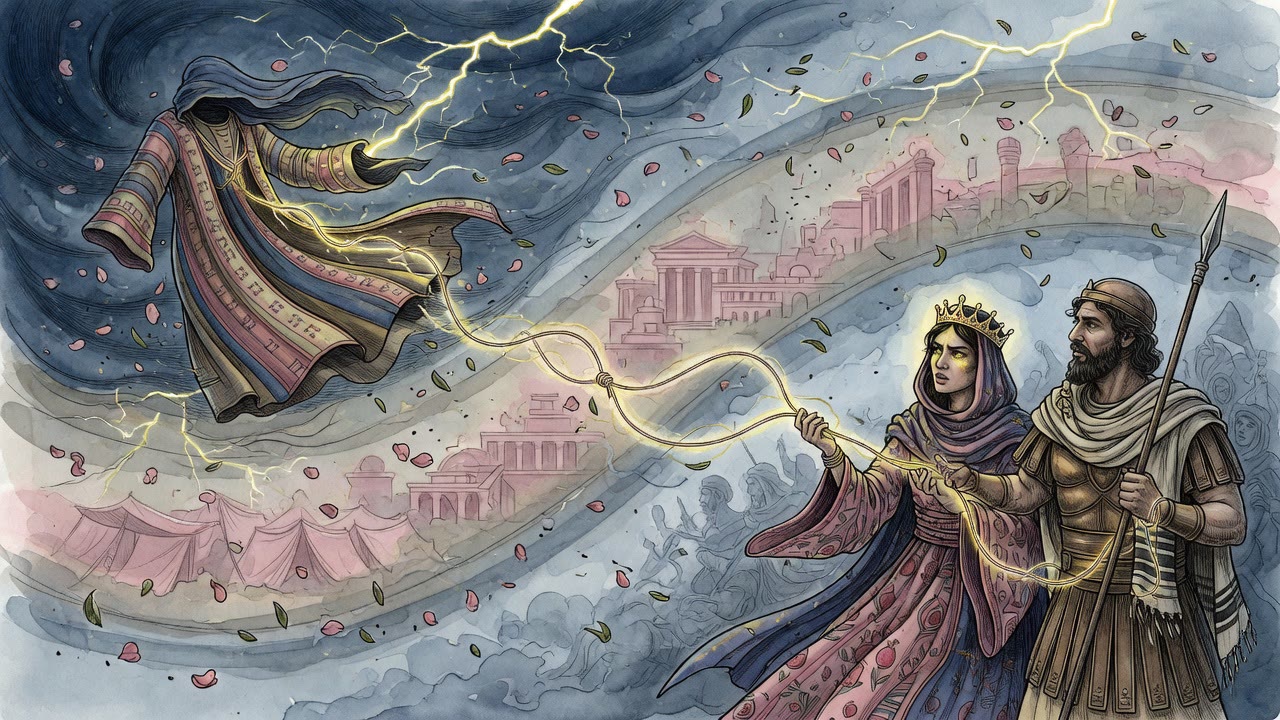
Then the night turned. The king could not sleep. The book of records opened. Mordechai's forgotten loyalty came back into the palace like a witness Haman had not prepared for. By morning the man who planned to hang Mordechai was leading him through the city in royal honor.
By evening Haman hung from his own wood. He died on the public instrument he had built to turn one man's dignity into spectacle.
The Trees Offered Themselves
That same night reached farther than Shushan. God told the patriarchs that Israel had been condemned. They asked for what reason. Because in the time of Nebuchadnezzar they had not sanctified His name. The fathers bowed to the judgment. Mercy rose as soon as they did. God left the throne of justice and sat on the throne of mercy.
Angels asked what would become of creation if Israel vanished, since the world had been made for Torah. God called to the trees. Who among them would serve as gallows for the wicked?
The fig offered itself. From me they brought first fruits into the Temple, and they were compared to me. The vine spoke. The olive. The cedar.
Then the thorn said, I will serve, for the wicked were compared to me.
God silenced the rest. Since you offer yourself, this wicked man who desires to destroy My children shall be hanged upon you. No plank stayed neutral when Israel's life was on trial. Haman later summoned his wise men and said he would erect a tree to hang Mordechai. The tree had already volunteered.
Say What You Saw
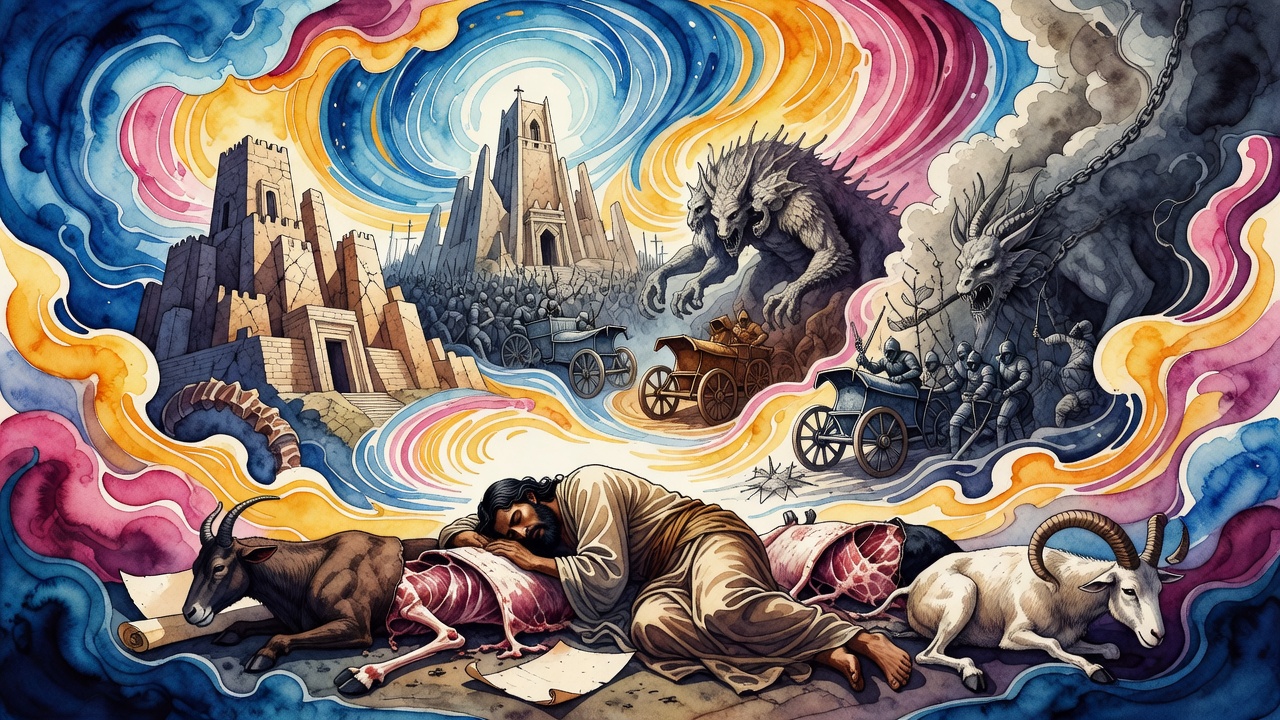
Nebuchadnezzar looked into the furnace and saw four figures walking where three had been thrown. Hananiah, Mishael, and Azariah moved inside the fire as if fire had forgotten its office. The flames did not eat them.
The king spoke quickly. The fourth looked like a son of gods (Daniel 3:25).
Heaven did not let the sentence stand. An accusing angel took him and began to flog him. "Evil one from a putrid drop, say what you saw."
He said it again, correctly. Blessed be the God of those three, who sent His angel and delivered His servants (Daniel 3:28). Not a son of gods. His angel.
The king had seen rescue inside fire, but the first words still bent. Heaven forced him to unsay them. The angel kept at him until the mouth matched the sight.
Go in Peace
Pharaoh's second sentence came due at the doors. The man who had said he would not let Israel go circled among their entrances. "Go in peace. Depart in peace."
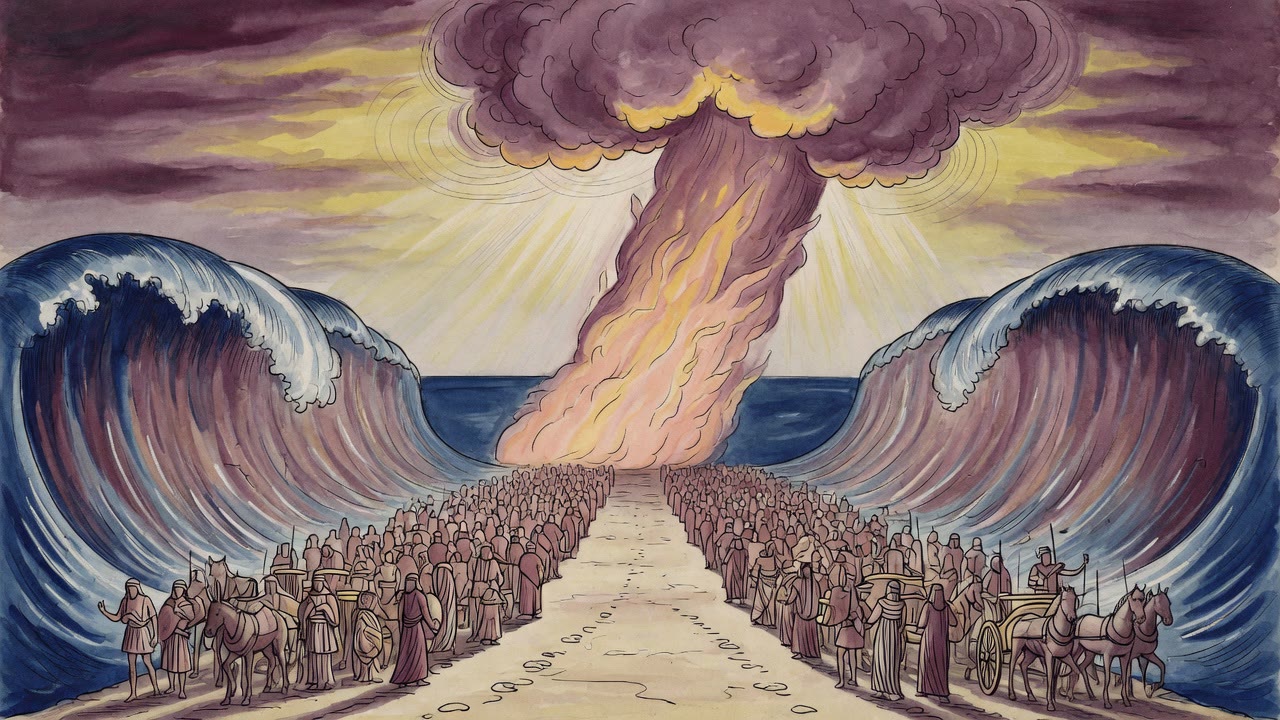
The man who had thrown sons into the river was thrown into the sea, chariot and host (Exodus 15:4). Those set to be hanged hung the hangman. Those set to be executed executed their executioners.
Pharaoh's mouth at the doors was the last small sound of a sentence that had started too large. Haman's tree had changed owner. Nebuchadnezzar's words had been beaten into the right shape. Three mouths. Three tools. None of them loyal to the men who first used them.
← All myths