5 min read

Haman Chose Adar and Missed Moses' Birthday

Haman hunted for a month without Jewish merit, chose Adar for Moses' death, and missed the birth hidden inside the same date.

Curated by Arthur · Told by Maggid ·
Table of Contents
  1. The Lots Would Not Give Him a Day
  2. Every Month Stood Guard
  3. Adar Looked Empty
  4. He Priced Six Hundred Thousand Souls
  5. The Month Hid a Birth

Haman did not trust hatred by itself. He wanted the calendar to help him.
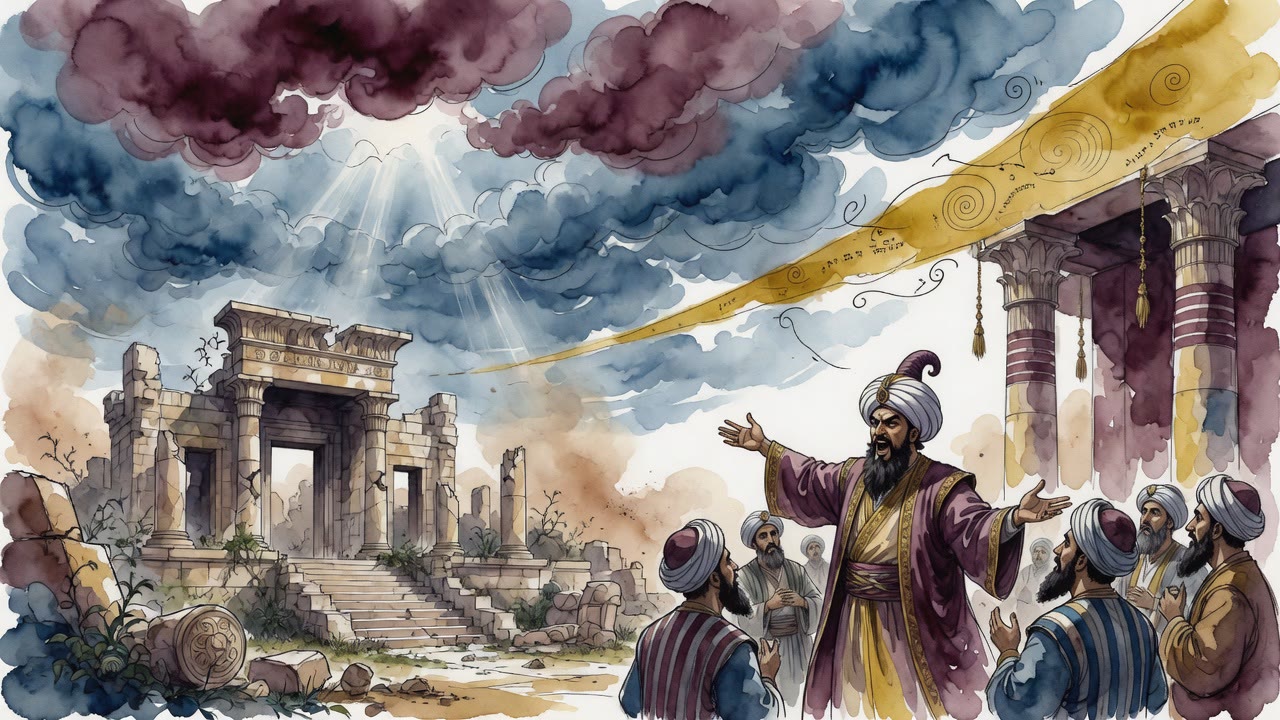
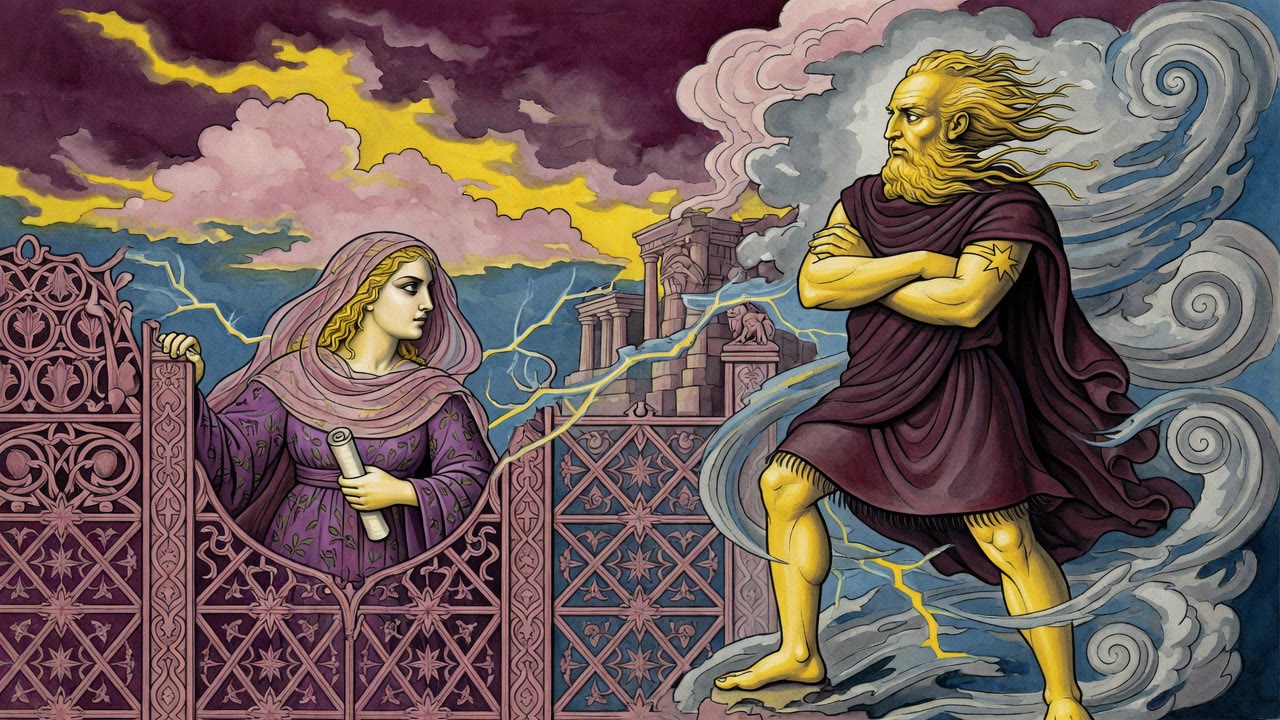
The decree had to land on the right day, under the right sign, with no memory rising against it. He cast the pur, the lot, because murder felt stronger when chance appeared to bless it.

The Lots Would Not Give Him a Day

First he searched among the days of the week. One after another refused to become his ally. A day could carry creation, blessing, holiness, memory, some trace of divine favor that made it unsafe for his plan.

Haman gave up on the days and turned to the months. If one gate would not open, another might. He examined the year like a thief testing doors in a dark street, listening for the one latch that had not been bolted.

He needed a time with no victory attached to it, no deliverance, no old wound in Israel's enemies, no royal dedication, no battle where Jewish survival had already crossed through danger and lived.

For Haman, memory was ammunition. A month that had once sheltered Israel might shelter them again. A month that had watched an enemy fall might refuse him before he began. He wanted a bare place in time.

Every Month Stood Guard

Nisan stood against him with the memory of Egypt broken open and Israel walking out.

Iyar carried the defeat of Amalek. Siwan held the fall of Zerah the Ethiopian in the war with Asa. Tammuz remembered Amorite kings subdued. Av carried victory over Arad the Canaanite. Tishri held the dedication of Solomon's Temple and the firming of the Jewish kingdom.

Heshvan would not serve him either, because the Temple building in Jerusalem had reached completion there. Kislev and Tevet remembered Sihon and Og conquered by Israel. Shevat carried the fierce campaign of the eleven tribes against the children of Benjamin.

The year was not empty. It was crowded with witnesses.

Adar Looked Empty

Then Haman found Adar.

No victory rose first in his mind. No redemption barred the door. Adar held the death of Moses, the prophet who had faced Pharaoh, split Israel's road through the sea, carried Torah down from the mountain, and pleaded for the people when judgment burned hot.

That was the sign Haman wanted. If Moses had died in Adar, perhaps Adar would be a month with its protector gone. Perhaps the greatest advocate of Israel had left a gap in time, and Haman could drive the decree through it.

He mistook a grave for an opening.

He did not ask what birth might do inside the same month. He saw only the end of Moses' days and missed the first cry, the first breath, the hidden child before the river carried him toward Pharaoh's house.

He Priced Six Hundred Thousand Souls

The calendar was only one part of the bargain. Haman also brought silver.

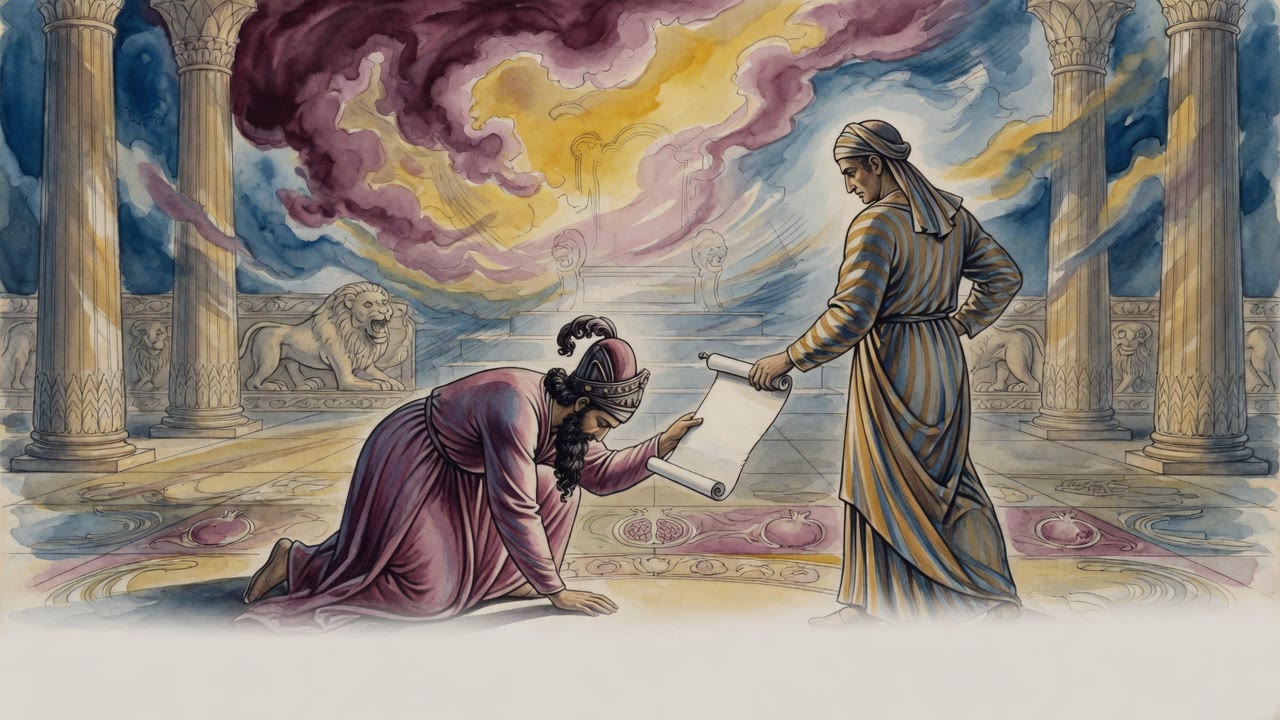
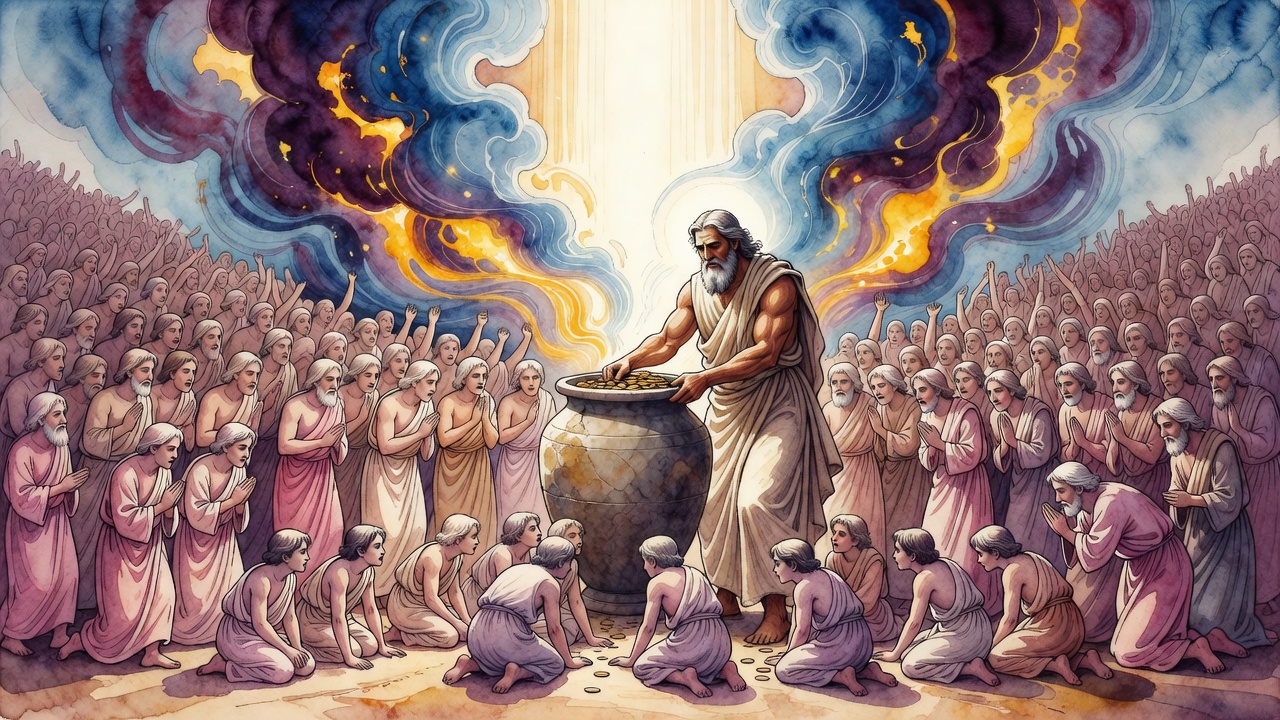
He counted Israel by the number that left Egypt, six hundred thousand souls, and set a half-shekel against each one. The half-shekel had belonged to sanctuary service, a measure by which Israel maintained holy space. Haman twisted that number into a purchase price.

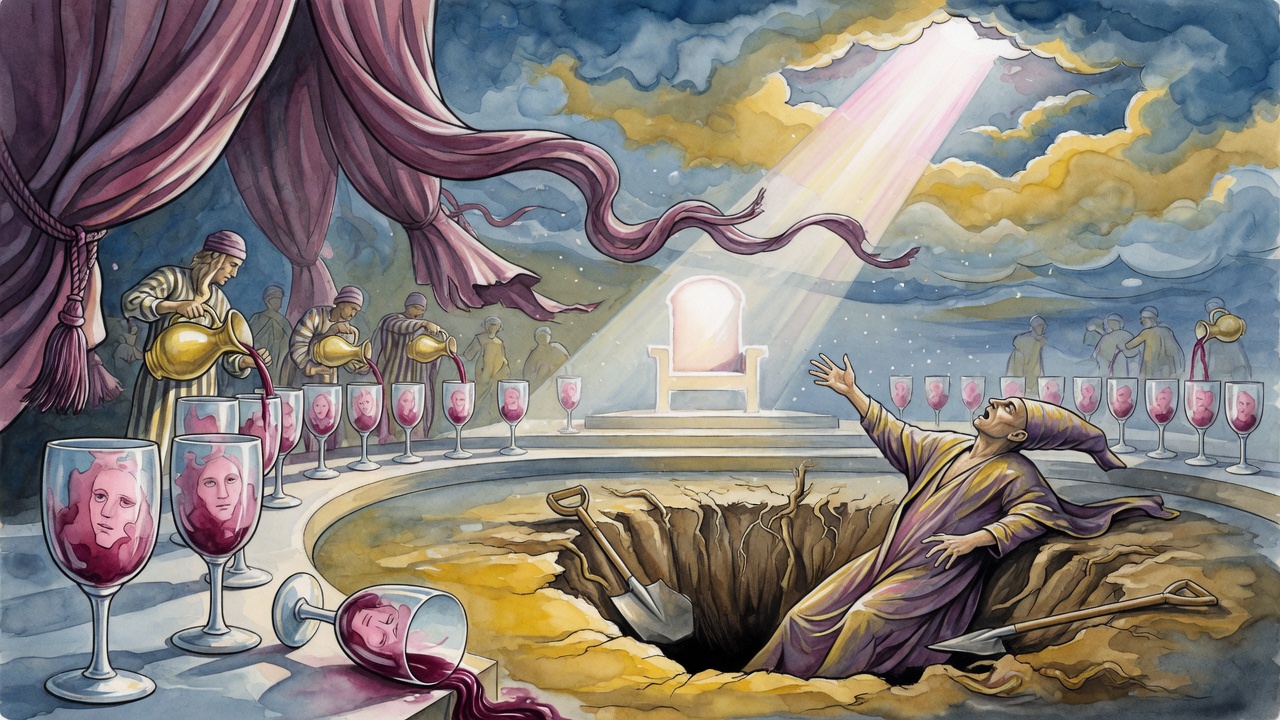
The sum became vast, ten thousand hundredweights of silver. He did not even have enough coin for it and promised bars instead. Then he offered Ahasuerus a wager of lots: if the king drew Israel and Haman drew money, the sale would stand; if the drawing reversed, it would fail.

The lot confirmed the sale because Israel's sins had made room for danger. Haman should have rejoiced, but the silver pained him. Ahasuerus saw his face sour and waved the money away. Keep it, the king said in effect. He cared neither to gain nor lose over the Jews.

The Month Hid a Birth

Haman had searched history and missed the living edge of the date he chose.

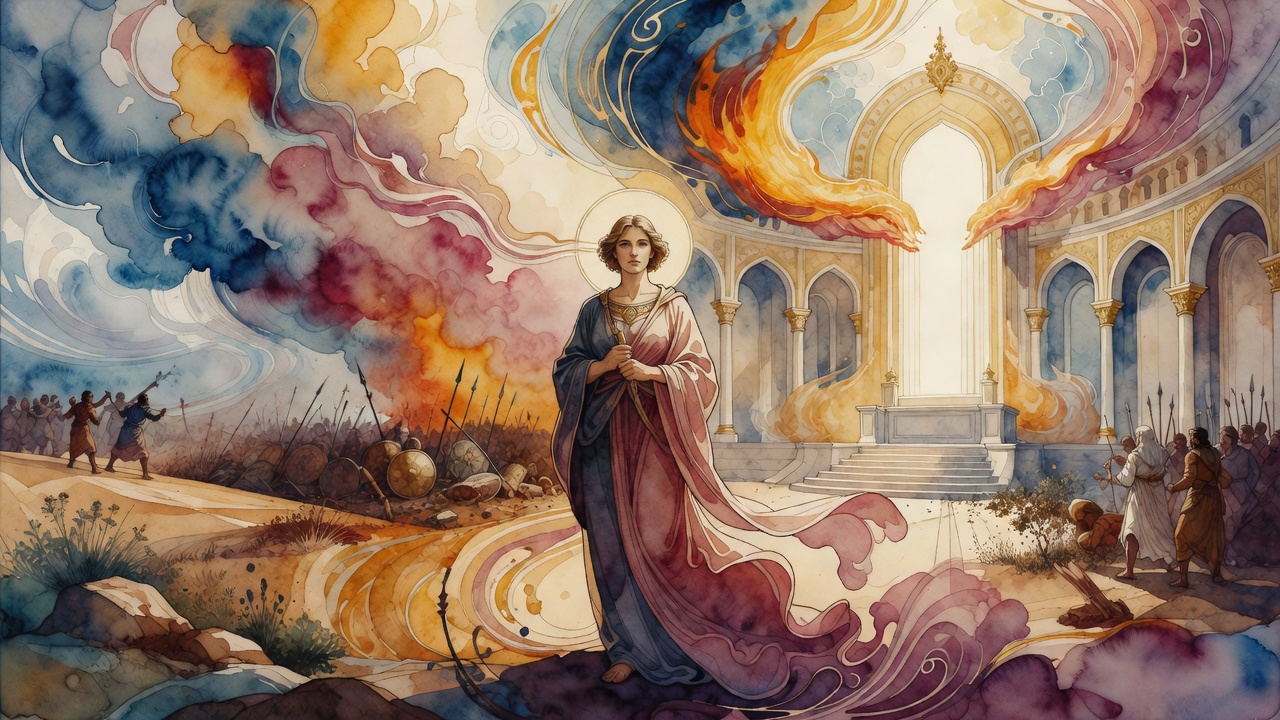
Adar was not only the month of Moses' death. It was also the month of his birth. The same stretch of time that held the prophet's departure also held the hour he entered the world, before Pharaoh's palace knew his name, before the basket touched the river, before a shepherd's staff became the terror of Egypt.

Haman chose Adar because he thought it contained absence. It contained beginning.

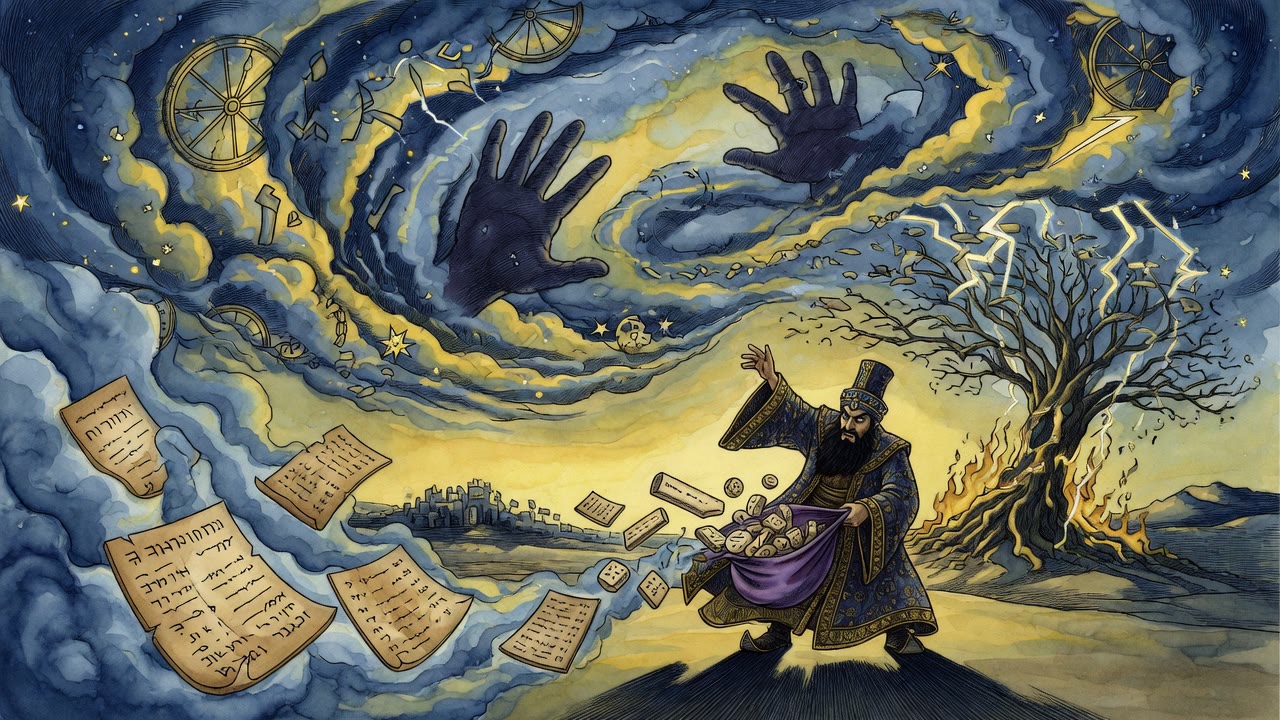
The lot fell. The decree was sealed. Silver remained in Haman's possession. But the month he trusted had already carried Moses once from hiddenness into history, and it could carry Israel through hiddenness again.


← All myths
From the tradition

Sources

2 sources

The texts this telling draws on, in full. Open a card to read inline, or expand it for a wider, quieter read.

Legends of the Jews 12:109Legends of the Jews

It's not always about opportunity; sometimes, it's about astrological calculations, twisted interpretations of history, and a whole lot of bad luck. to the story of Haman, the infamous antagonist of the Purim story, and his quest to find the worst possible time to annihilate the Jewish people.

Haman, Mordechai’s nemesis in the Book of Esther, is determined to wipe out the Jews. But he's not just going to pick a date out of a hat. No, no. He wants to ensure his victory with a little…divine assistance, shall we say? Or at least, the appearance of it. So, he starts searching for the most inauspicious day. He throws lots, a practice known as pur (plural: purim), to determine which day would be most favorable for his wicked plan.

Then, things get complicated.

Frustrated when he couldn't settle on a day of the week, Haman moves on to the months. According to the Legends of the Jews, Haman meticulously goes through each of the twelve months, searching for one without any positive associations for the Jewish people.

And guess what? He thinks he's found it. Adar.

As Haman saw it, all the other months were somehow "enlisted on [the Jews'] side." Nisan? That’s when the Israelites were redeemed from Egypt during Passover. Iyar? A time when Amalek was overcome. Siwan saw Zerah the Ethiopian defeated in battle. Even Tammuz, Av, Tishri, Heshvan, Kislev, Tevet, and Shevat all had historical events that Haman believed favored the Jews, from military victories to the dedication of Solomon's Temple. The Zohar even mentions some of these victories.

But Adar? To Haman, Adar seemed like a barren wasteland of bad omens. Not only was it devoid of any significant Jewish victories, but it was, as Ginzberg's retelling in Legends of the Jews points out, believed to be the month in which Moses died. The ultimate downer. So, Haman, blinded by his hatred and twisted logic, chooses Adar, confident that the stars are aligned for his genocidal plot.

But here’s the kicker, the plot twist that Haman completely missed: Adar wasn’t just the month of Moses' death; it was also the month of his birth! What Haman perceived as a weakness was actually a hidden strength, a potential for renewal and salvation. As we find in Midrash Rabbah, sometimes what appears to be a curse is actually a blessing in disguise.

Isn't it fascinating how perspective can completely change the meaning of a single month? Haman's story reminds us that even in the darkest of times, hope and redemption can be just around the corner, hidden in plain sight. And sometimes, the very thing that seems like our greatest weakness can be our greatest strength.

Full source
Legends of the Jews 12:144Legends of the Jews

The Book of Esther, and the tradition of stories woven around it, grapples with just that question. It’s a chilling thought experiment, isn't it?

The story, as retold in Ginzberg's Legends of the Jews, casts Haman, the archetypal villain, in a particularly disturbing light. He doesn’t just want to annihilate the Jews; he wants to buy them first. He approaches King Ahasuerus with an offer that sounds almost absurd: ten thousand talents of silver. That's. a lot of silver.

Where did Haman get this figure? Ginzberg suggests he based it on the number of Jews who left Egypt during the Exodus, six hundred thousand souls. Haman essentially offered a half-shekel for each person. Now, the half-shekel wasn’t just a random amount. It was the annual contribution each Israelite made toward the upkeep of the Mishkan, the sanctuary. He was, in a twisted way, equating their lives with the cost of maintaining holiness.

It first appears Ahasuerus would jump at the chance for such a massive influx of wealth. But here's where the story takes another strange turn. Haman couldn't actually produce the coins. He promised to deliver the silver in bars instead. Ahasuerus, however, hesitated. Haman then proposes something even stranger: "Let us cast lots (purim). If thou drawest Israel and I draw money, then the sale stands as a valid transaction. If the reverse, it is not valid."

The lots, according to this legend, confirmed the sale because of the sins of the Jews. It's a stark reminder of the concept of collective responsibility that weaves its way through Jewish thought. But was Haman happy? Not entirely. He was, understandably, reluctant to part with such a huge sum of money.

And Ahasuerus? He observes Haman's discomfort and, in a moment of almost flippant indifference, says: "Keep the money; I do not care either to make or to lose money on account of the Jews." A king, with the power to decide the fate of an entire people, essentially shrugs. The value of human life, reduced to a bargaining chip, a mere inconvenience. It’s a truly unsettling scene.

What does this all mean? Perhaps it’s a commentary on the precariousness of existence, the way entire communities can be commodified and devalued. Or maybe it’s a reflection on the corrupting influence of power and wealth. Either way, Haman's offer and Ahasuerus's response serve as a chilling reminder of the dangers of apathy and the enduring need to stand up for the inherent worth of every human being. It makes you wonder, doesn't it: what price would you put on a life?

Full source