The Night Israel Slaughtered the Lamb in Egypt and Was Saved
Israel watched another nation's lamps burn and told God it was jealous. God answered with one memory: a knife, shaking hands, blood on the doorposts.
Table of Contents
The complaint began at a window that was not Israel's own. Somewhere in the long night of exile, Israel stood in the dark and watched another nation eat its supper. Lamps burned in the houses. Children were called in from the courtyards. The granaries stood full, and the city gate swung shut without fear. And the watcher, a whole people gathered into a single aching throat, said the thing pious mouths are taught to swallow. "I am jealous. I am aggrieved when I see the tranquility of the nations."
 Click for full size
The words did not stay decorous. They sharpened into accusation and turned upward. "You let them prosper. You let them rest. You let them build their cities and raise their children and bury their dead in peace. And us you keep turning over like earth under a plow."
Anger Carried Into Prayer
What Israel did next is the strange part. The anger did not cool into silence, and it did not harden into walking away. Israel kept talking. "I am angry," the people said to God, "but what do you care? And still I direct my supplication to you." The fist that had been shaking at heaven opened, finger by finger, into the flat palm of a petitioner, and the petition was made of the same heat as the fist. The prayer did not wait for the anger to pass. The prayer was built out of the anger.
Inside that prayer a second quarrel broke out, this one between Israel and its own soul. Why are you cast down, my soul, and why do you moan within me? (Psalm 42:6). What will you say to yourself in the dark, soul, and what will you ponder concerning me? Back came the answer. "Hope in God, for we will yet praise Him. He brings a salvation no other god can offer, and He has brought it before, in years that have already come and gone."
The Jordan Remembered from Shittim
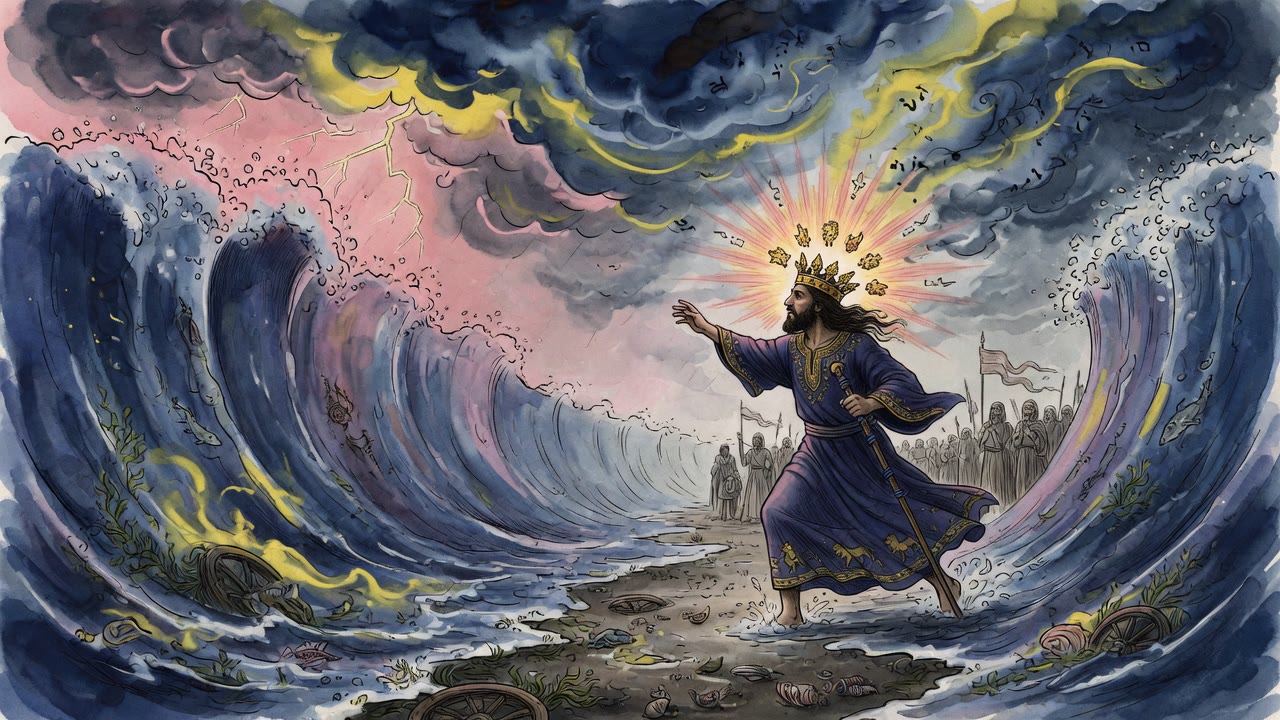
Years that have already come and gone. So Israel went looking for them. I remember You from the land of Jordan (Psalm 42:7). The memory rose with the smell of river mud in it. Joshua had risen early in the morning, and the people broke camp at Shittim and came to the edge of the water (Joshua 3:1). Shittim, of all places. Shittim, where Israel had only lately stumbled into transgression, with the reproach of the surrounding nations still hot on its neck. The river did not care about any of that. The waters stood up, and a stumbling, compromised, freshly guilty people walked across on dry ground.
That was the memory Israel chose to carry. Not the memory of a flawless people rewarded for virtue. The memory of a stubborn God who split a river for sinners marching straight out of Shittim. Memory did not make the present bearable. It made the present legible.
The Hand They Called Too Short
But memory cuts both ways, and Israel's honesty would not let it stop at the flattering scenes. There was another sentence in the archive, and Israel itself had spoken it. "The Lord is not able," the wilderness generation had said when the spies came back shaking (Numbers 14:16). "Where is His strength?" They had built a case against divine power and entered their own suffering as evidence.
God did not argue the charge away. God answered it through the prophet, and the answer landed like a hand turning a man around by the shoulder. The Lord's hand is not shortened, that it cannot save, nor His ear heavy, that it cannot hear, but your iniquities have separated between you and your God (Isaiah 59:1). Not a comfortable answer. An honest one, spoken inside the most consequential and most painful relationship in the world, a relationship neither party fully controls.
A Lamb Slaughtered in Terror
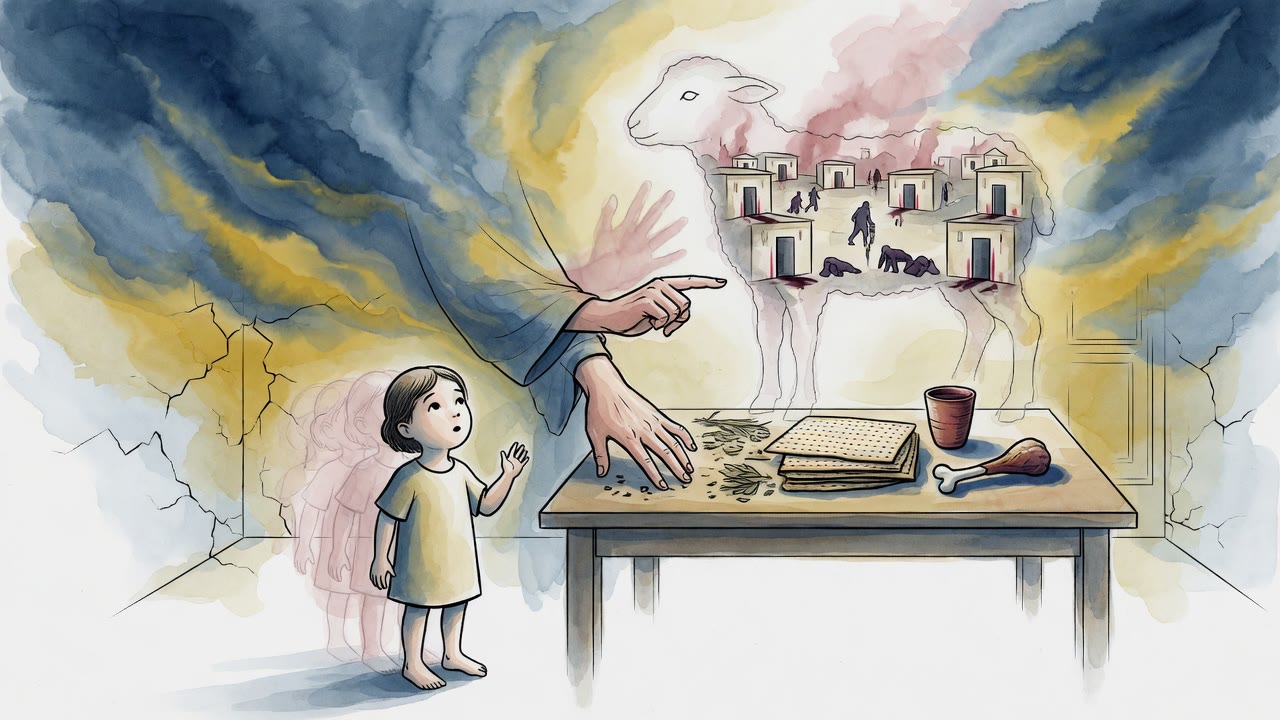
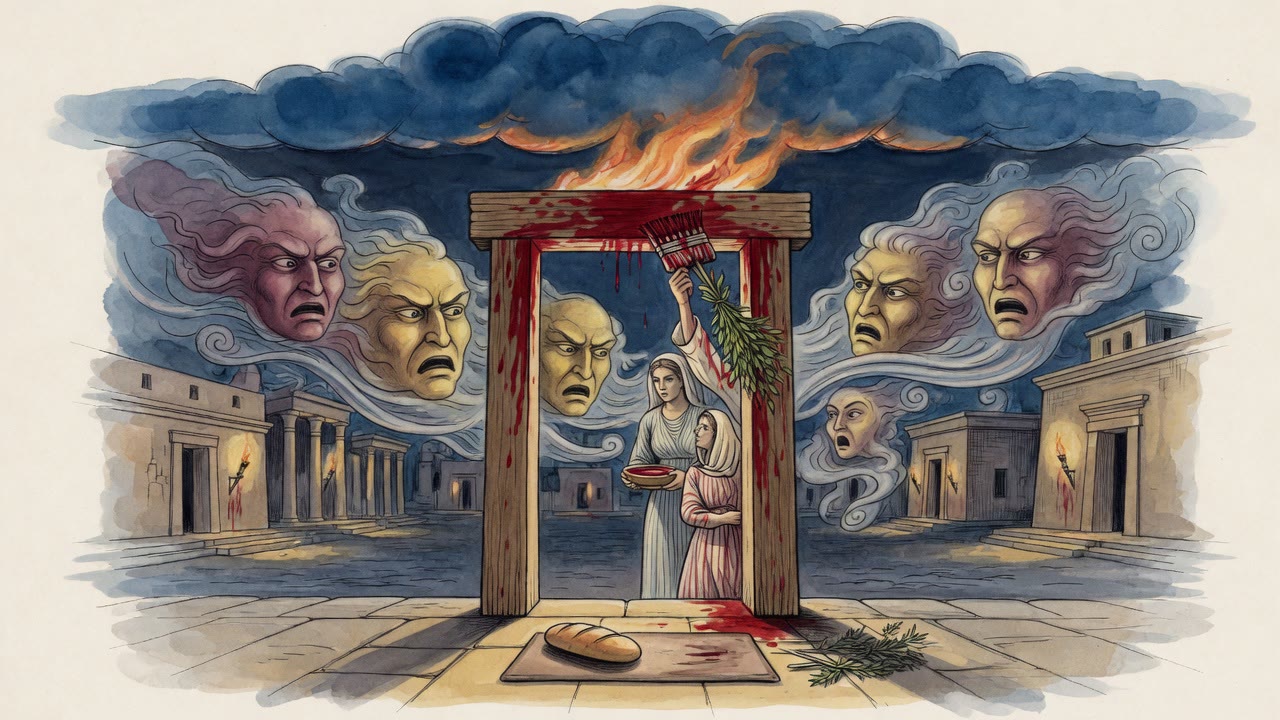
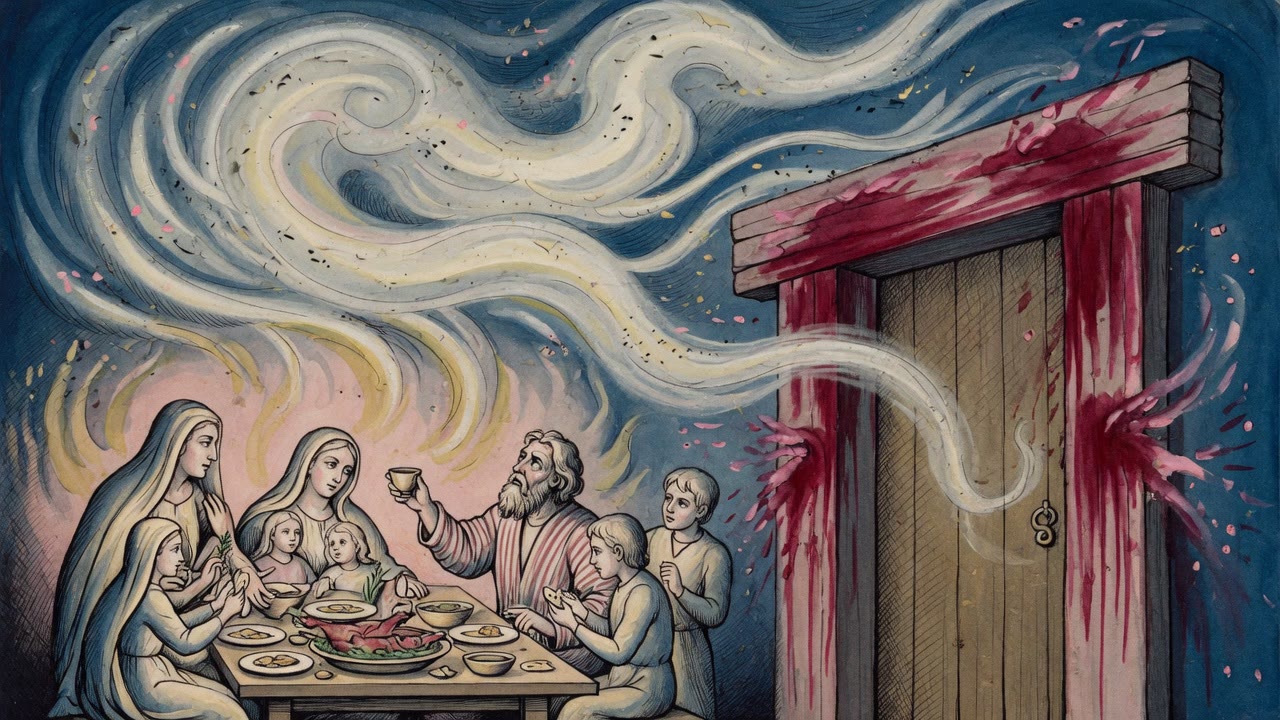
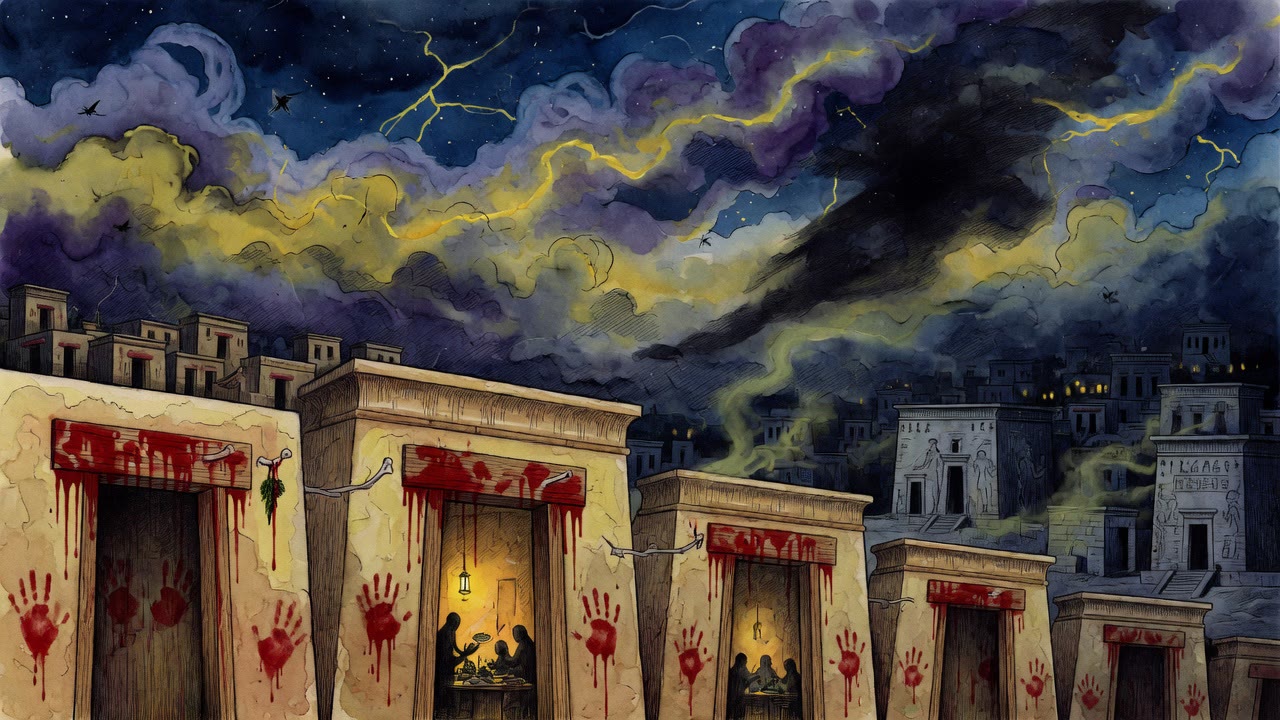
Then God laid one more memory on the table, and it was the oldest and the sharpest. "I commanded them to slaughter the Passover lamb on the night they went out of Egypt," God said. "They slaughtered it, and they were saved."
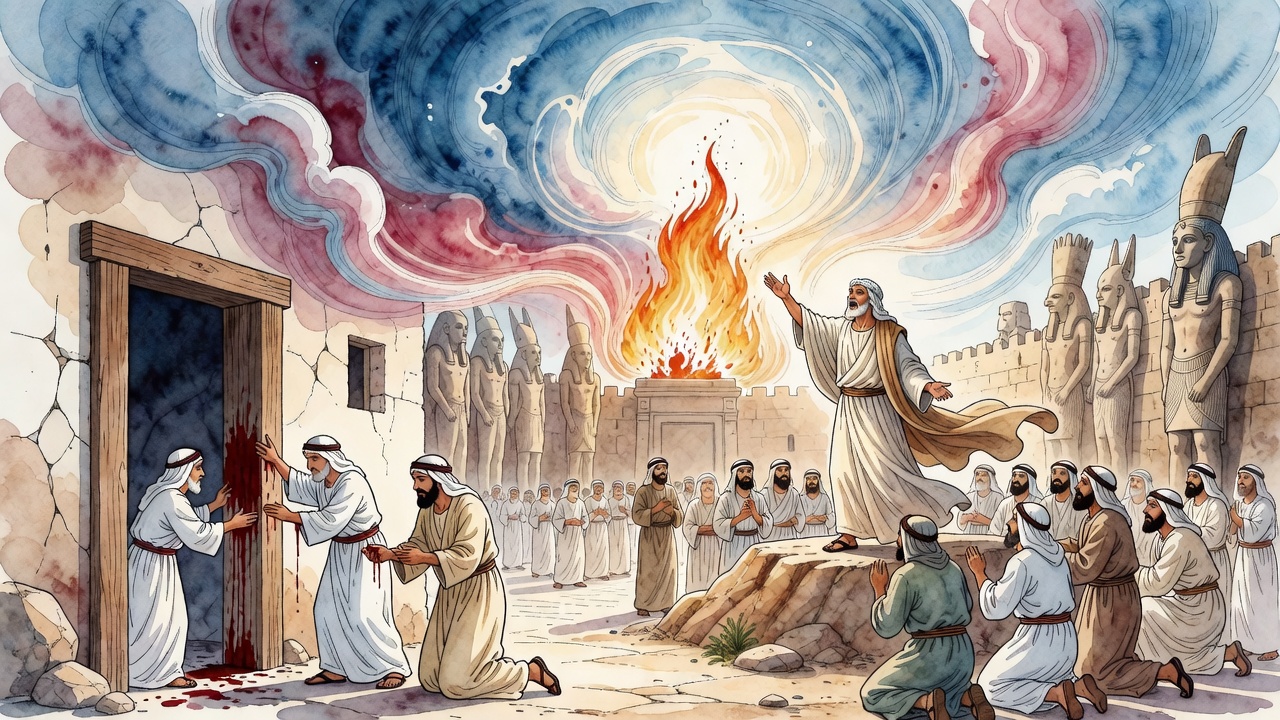
That night, families crouched in their houses in Egypt, a country still bristling with power that had not yet released them. A knife, a lamb, hands that would not stop trembling, blood going up onto the doorposts while the empire outside drew breath. They obeyed in terror, and the terror did not disqualify the obedience. In that one act Israel stopped waiting for God to move first, and salvation came in through the very doors they had marked.
The Throng That Silenced the Nations
The quarrel did not end in Egypt, because Israel kept walking. God passed through the camp with an accounting, and the people went up on foot to seek God's face, still carrying their skepticism with them, a faith as flimsy as a sukkah, the makeshift booth of the autumn festival, leaning in every wind. But they came. They came in a vast throng, and while the Temple stood in Jerusalem and that throng went up singing, the nations around them fell silent. The peoples whose tranquility had stung Israel into jealousy had nothing left to say.
And under it all ran one final asymmetry. In this world, God pursues Israel, urging return. In the world to come, Israel will pursue God, urging fulfillment. The jealousy was the beginning of the prayer. The prayer was the beginning of the relationship. And the relationship is the thing that has always, eventually, split the water.
← All myths