Joseph and Benjamin Closed the Case Against Esau
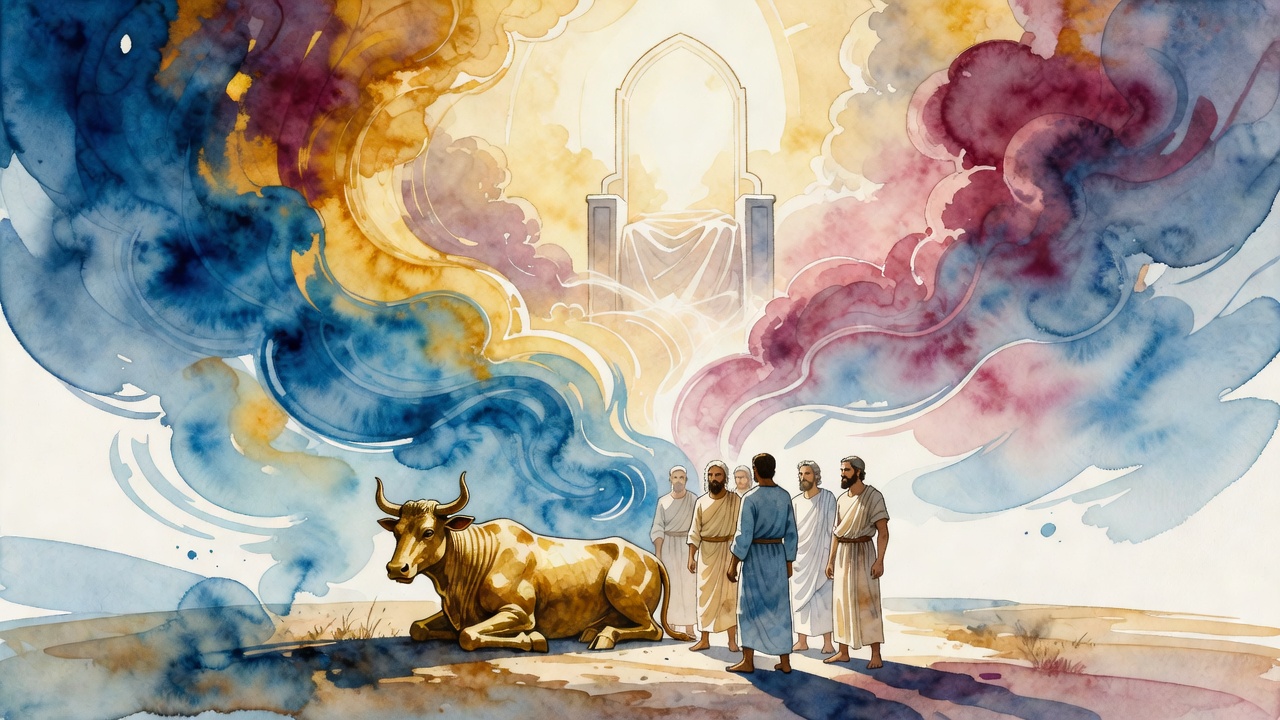
The tribes accused Esau of hunting his brother, and Esau pointed at the pit where they threw Joseph. Only Joseph and Benjamin had clean hands.
Table of Contents
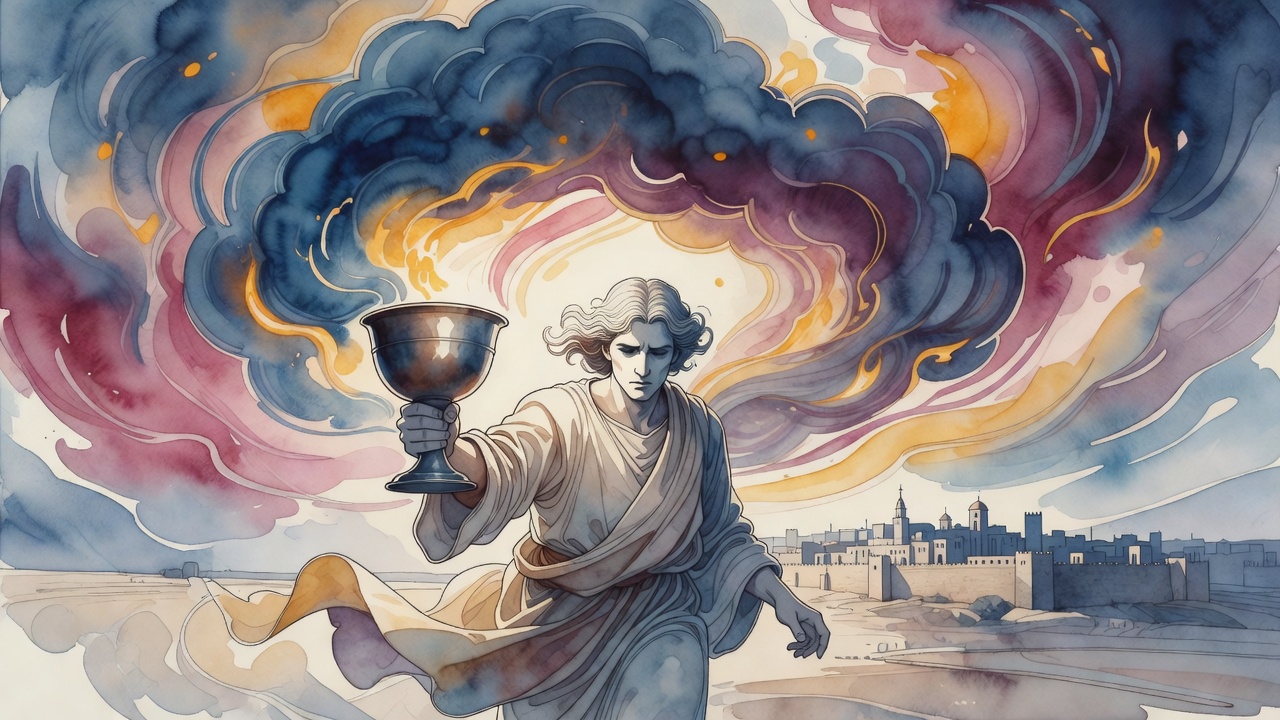
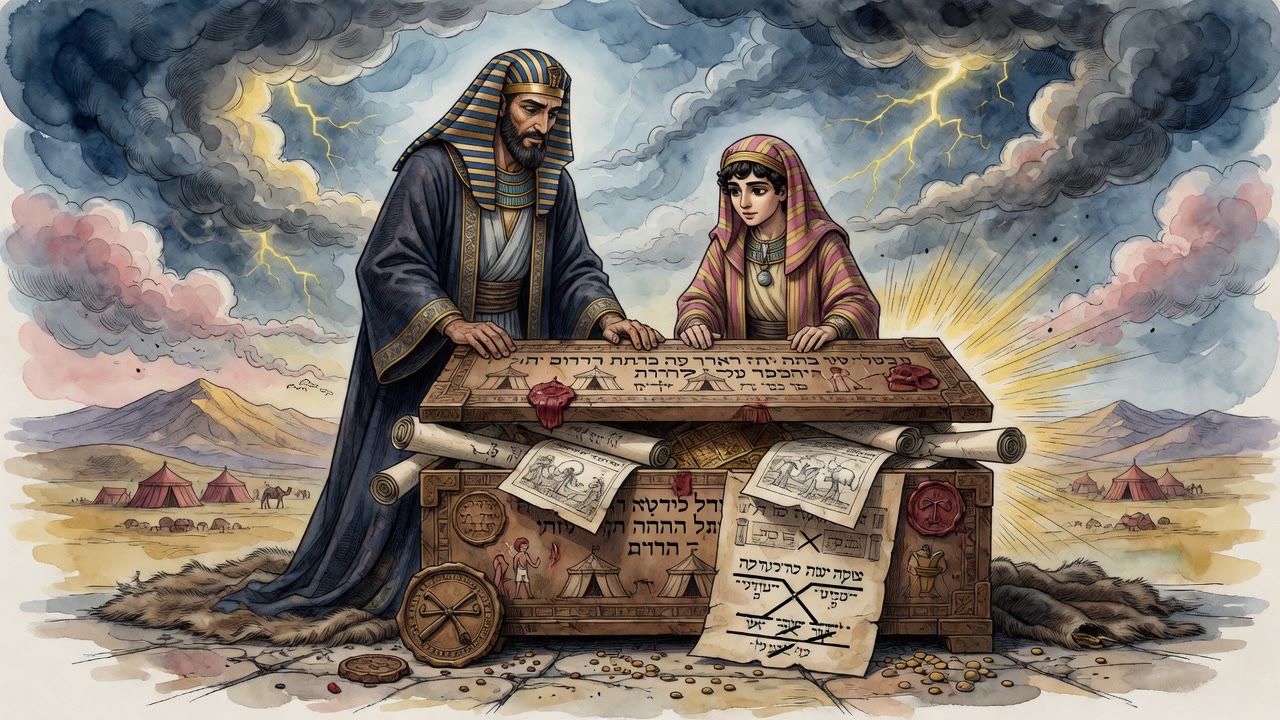
Jeremiah did not want the cup.
 Click for full size
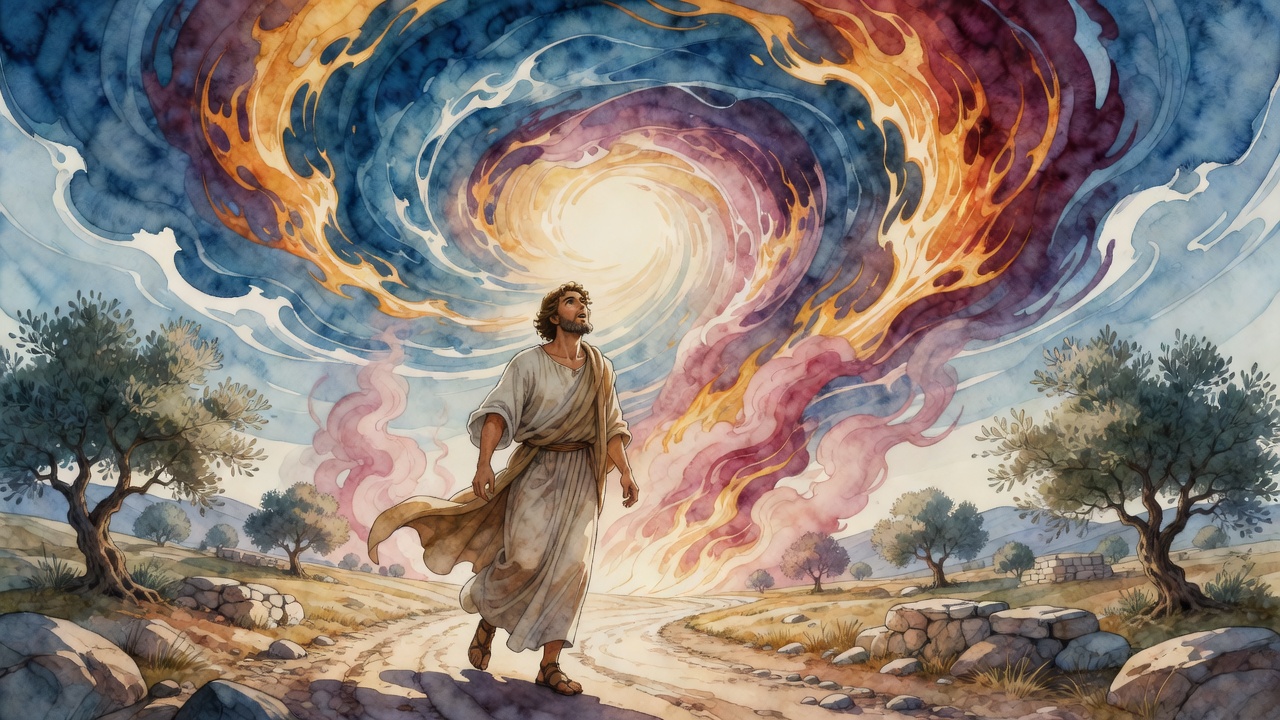
He was young when the call came, and he knew what happened to prophets. Moses and Aaron had nearly been stoned. Elijah had been mocked. Elisha had been jeered at in the road. Jeremiah heard the errand and saw the danger before the first word left his mouth.
He said he was only a lad.
God answered that youth was beloved because it was innocent. Then the innocence was handed a cup of wrath and sent toward nations, cities, and finally Jerusalem itself. A young mouth would speak heavy judgments.
The Smallest Shepherds Entered
Among Jeremiah's oracles stood a sentence against Edom.
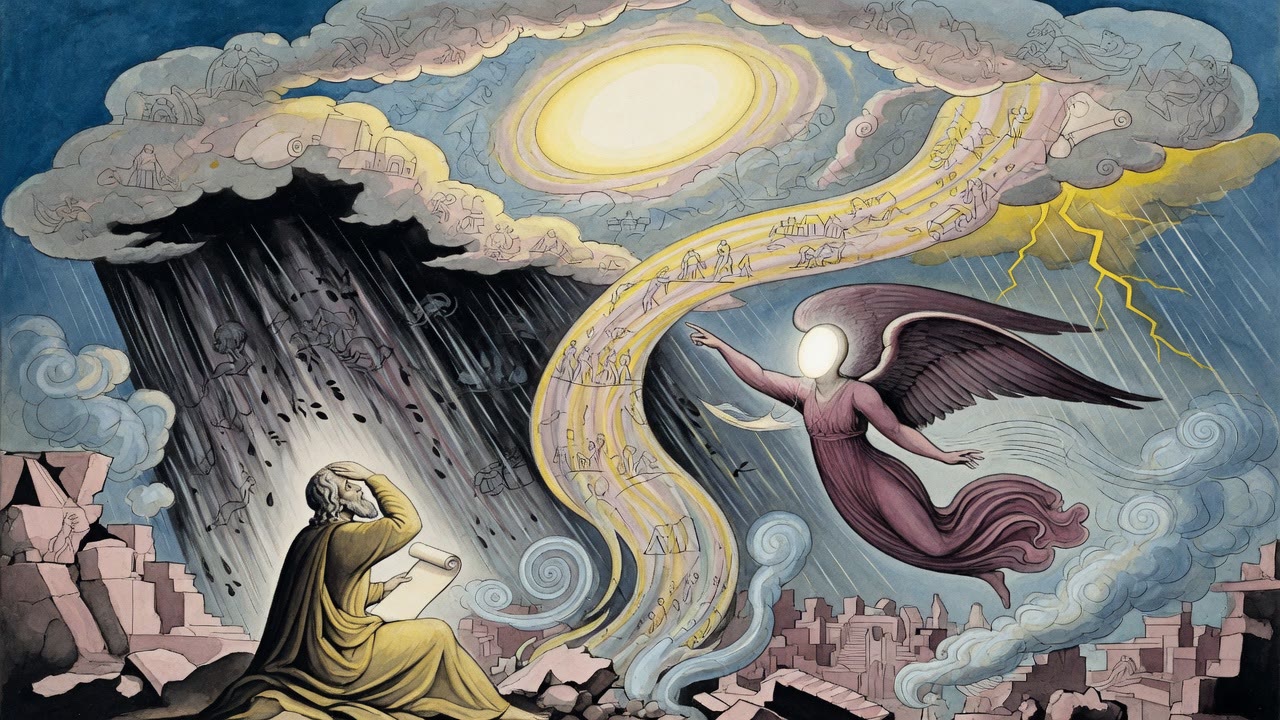
The mighty enemy would be dragged away by the smallest of the flock, by shepherd boys who looked too slight to move an empire. The rabbis heard more than a military image. They heard a courtroom opening.
Edom meant Esau, the brother who had once vowed to kill Jacob. Esau had become a nation, then an emblem of every power that hunted Israel. The question was not whether Esau would fall. The question was whose hand could bring him down without being answered by an accusation of its own.
Not every injured party can stand as judge. Some wounds make a claim. Some histories make the claim collapse.
The Brothers Had No Clean Hands
The tribes came forward first.
They could say to Esau: you pursued your brother. You hated Jacob. You waited for Isaac's death and sharpened murder inside your heart. Esau could listen to all of it and then turn his face toward them.
You pursued Joseph.
The words would stop the room. They had stripped their brother, thrown him into a pit, sold him, and carried bloodied clothing to Jacob. They had watched their father bend under grief for years. Esau had hated a brother. They had done harm to one.
The case against Esau was true, but truth in an unclean mouth can lose its force. The brothers had no answer ready for their own pit.
Joseph Answered With Bread
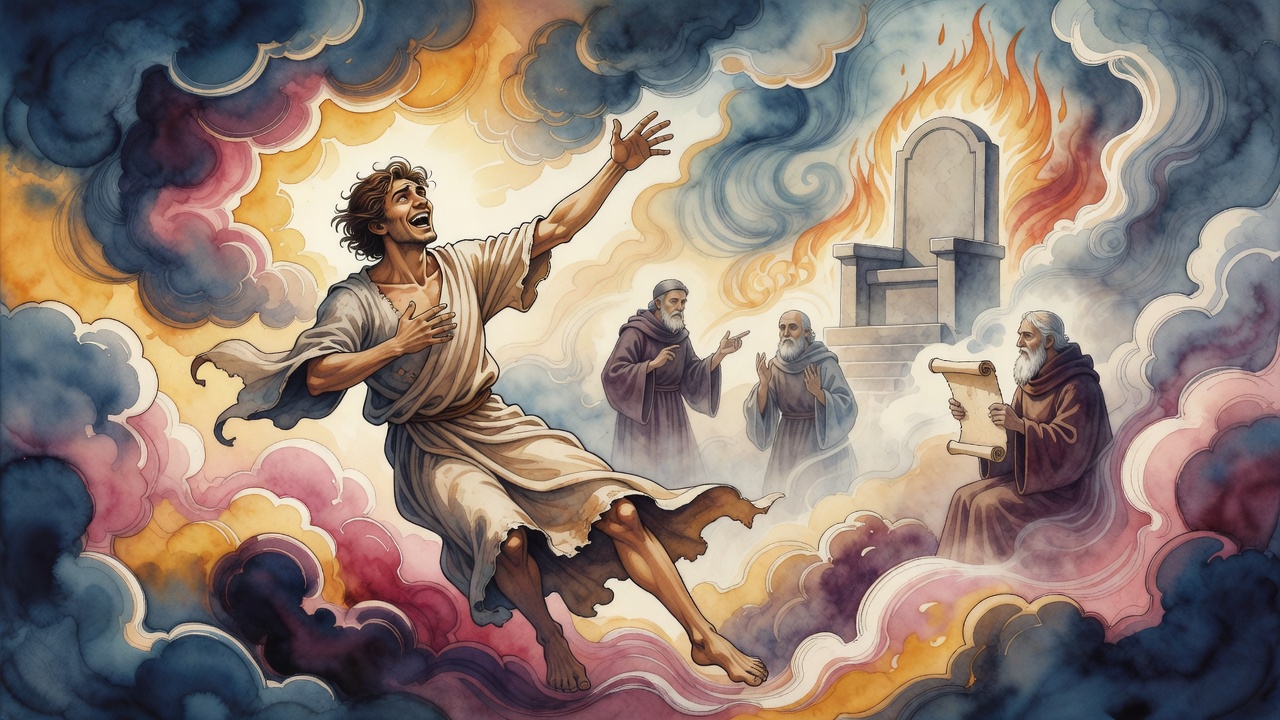
Then Joseph stood.
Esau could still try the old defense. Jacob wronged me. I acted from injury. A brother can make another brother bitter enough to hunt.
Joseph knew that road and had refused it. His brothers had sold him into Egypt. He had risen through prison, dream, famine, and throne until the men who ruined him stood hungry before him. He could have crushed them with a word. He fed them instead.
That was the fire Esau could not answer.
Joseph did not deny injury. He carried injury into power and returned food for betrayal. His record closed Esau's mouth because it proved another ending was possible. The wronged brother did not have to become the murdering brother.
Benjamin Stood Beside Him
Benjamin belonged there too.
He was Rachel's other son, the brother who had not joined the sale. His innocence was quieter than Joseph's mercy, but it mattered. Together the children of Rachel formed the line Esau could not accuse. One had suffered evil and repaid good. One had not dipped his hands into the evil at all.
The smallest shepherds were not mighty because they were small. They were mighty because their record was clean enough to pull arrogance into judgment.
Jeremiah the reluctant youth carried the word. Joseph and Benjamin gave the word its hand. Edom could be dragged only by those whose own brotherhood did not resemble Esau's crime.
The image is severe because it refuses easy tribal innocence. Israel's own history had a pit in it. The brothers who became tribes had to live with the fact that a brother's blood could have been on their hands, and a father's grief had been.
Joseph did not erase that history. He stood inside it and changed what could happen next. Benjamin stood beside him as the brother untouched by the sale. Together they closed the case because they carried both forms of clean witness: mercy after injury and innocence before the crime.
The judgment therefore waited for a different kind of strength. Joseph had power in Egypt, but power alone would not have silenced Esau. What silenced him was the memory of bread placed in the hands of brothers who had once sold him. Mercy became evidence. Benjamin's innocence became witness. Rachel's house carried both into court.
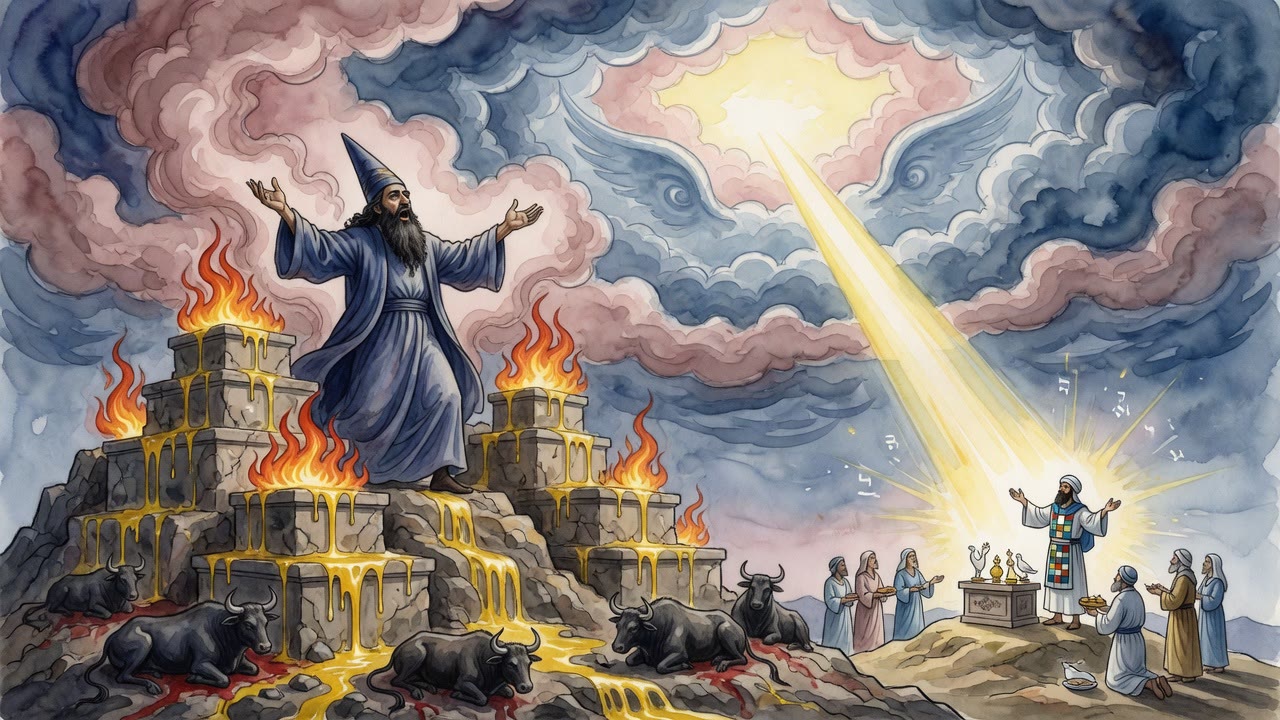
The fire that consumes straw needed a clean spark. Joseph supplied it not by forgetting the pit, but by refusing to become its echo.
← All myths