When God Refused the Shortcut Out of Egypt
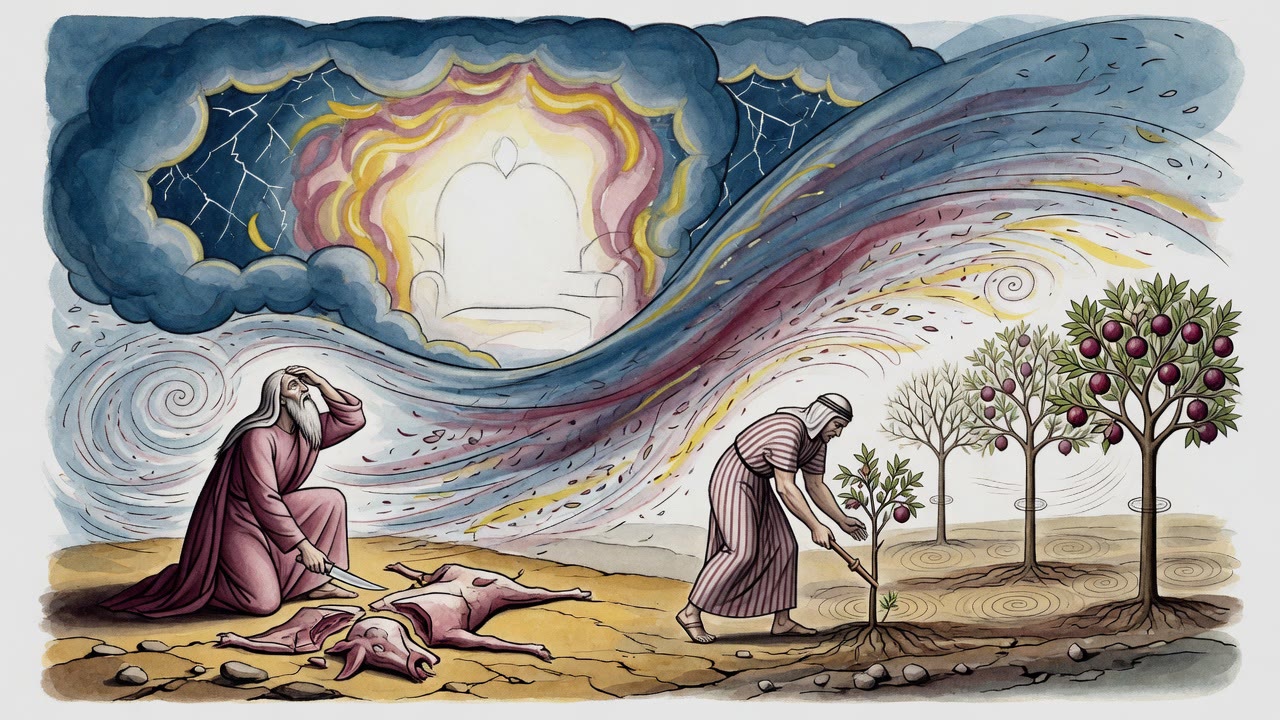
God told Moses to turn the Nile to blood. Moses refused. No man drinks from a well and then throws a stone down into it.
Table of Contents
 Click for full size
The King Who Wanted His Sheep Back
A man who kept pigs found a sheep wandering among them one day and put it in with the herd. The sheep belonged to the king.
The king sent word: give me back my sheep. The herdsman sent word back: I have no sheep of yours.
So the king asked his people where that man watered his animals, and they told him, and he sealed the springs. Give me my sheep. You have no sheep of mine. Where does he pen them at night? They told him, and he tore the pens down. Give me my sheep. You have no sheep of mine. Where does he graze them? They told him, and he burned every blade of grass the man had. Give me my sheep. You have no sheep of mine.
Then the king asked one more question. Where does his son go to school.
Moses Would Not Strike the Water That Saved Him
Pharaoh ruled from one end of the world to the other, and the nations sent him gifts, and he laid the gifts in front of his gods. He kept lists of those gods. When Moses and Aaron walked in and said let My people go, Pharaoh went and got the lists out and went down them looking for the name and it was not there. "Who is the Lord, that I should listen to His voice?"
Moses came back and reported it. He is saying who is the Lord, and he will not let them go.
"Where does Egypt drink?" God asked him.
"From the Nile."
"Turn it into blood."
Moses would not do it. "I cannot turn it. Is there a man who drinks from a well and then throws a stone down into it?" He had been put into that river in a basket and the river had not harmed him. So Aaron went and struck the water instead, and the Egyptians walked the banks looking for something to drink and found nothing.
The Staff Across Their Backs
Let My people go. He would not.
"Where do his animals graze?"
"In the wilderness."
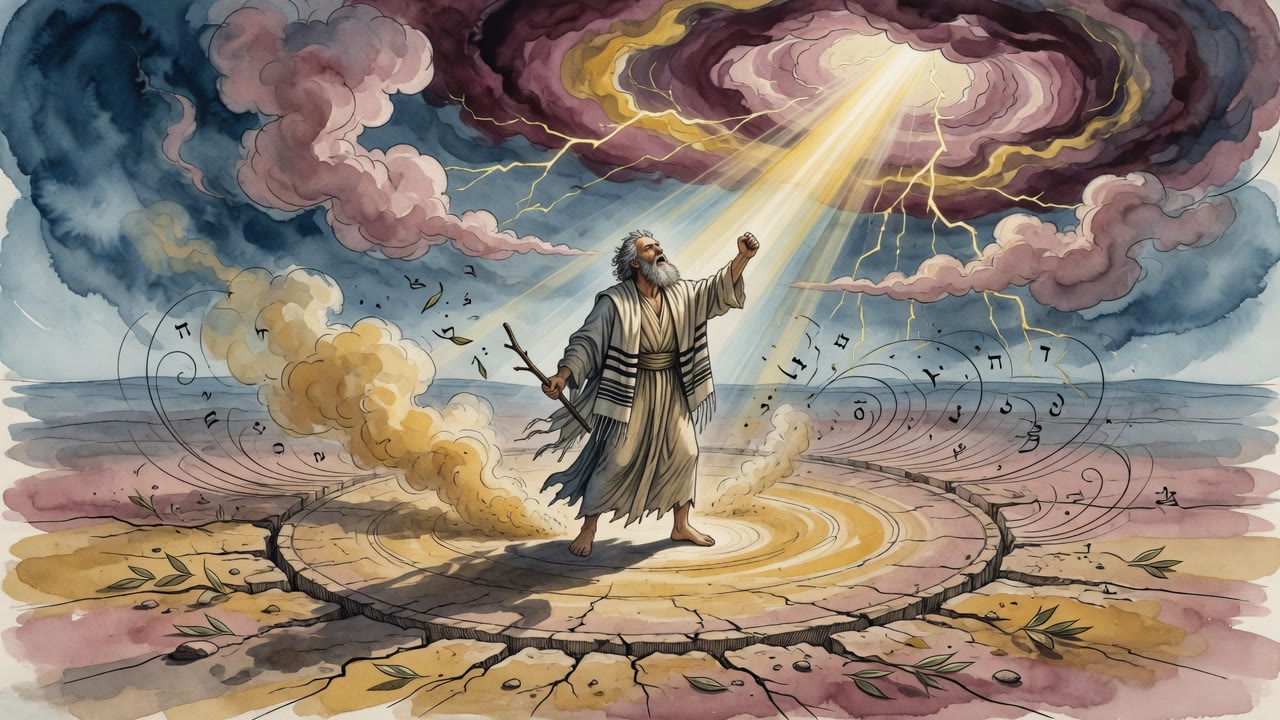
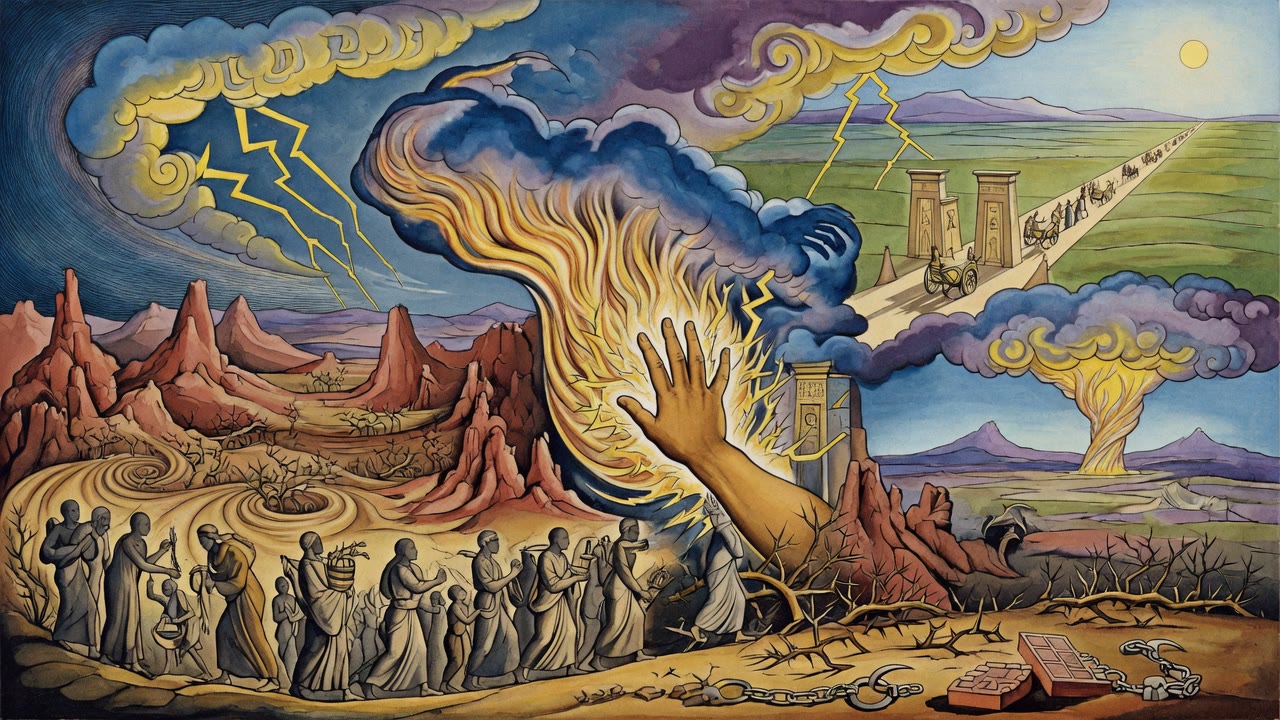
Hail came down with fire running inside it and broke every tree in the country. Locusts came behind the hail and stripped whatever was left standing. Then the cattle in the field died where they stood.
The plagues stayed inside the borders like water in a bowl. A plague could enter Egypt through an opening the size of an almond and fill the whole land to the edges and not touch one field on the other side of the line.
The Egyptians took the first plagues without much comment. It was the boils that changed the talk. Once the sores were on them they started saying to each other that this one was hard. And Pharaoh, who had watched the river rot and the sky come down on his farmers without moving off his position, felt it get onto his own skin and started shouting, "The Lord is righteous, and I and my people are wicked."
The Field He Had Already Sold
Then God took his son and locked him away, and every firstborn in Egypt went with him in one night, and Pharaoh got up in the dark and said, arise and depart, get out.
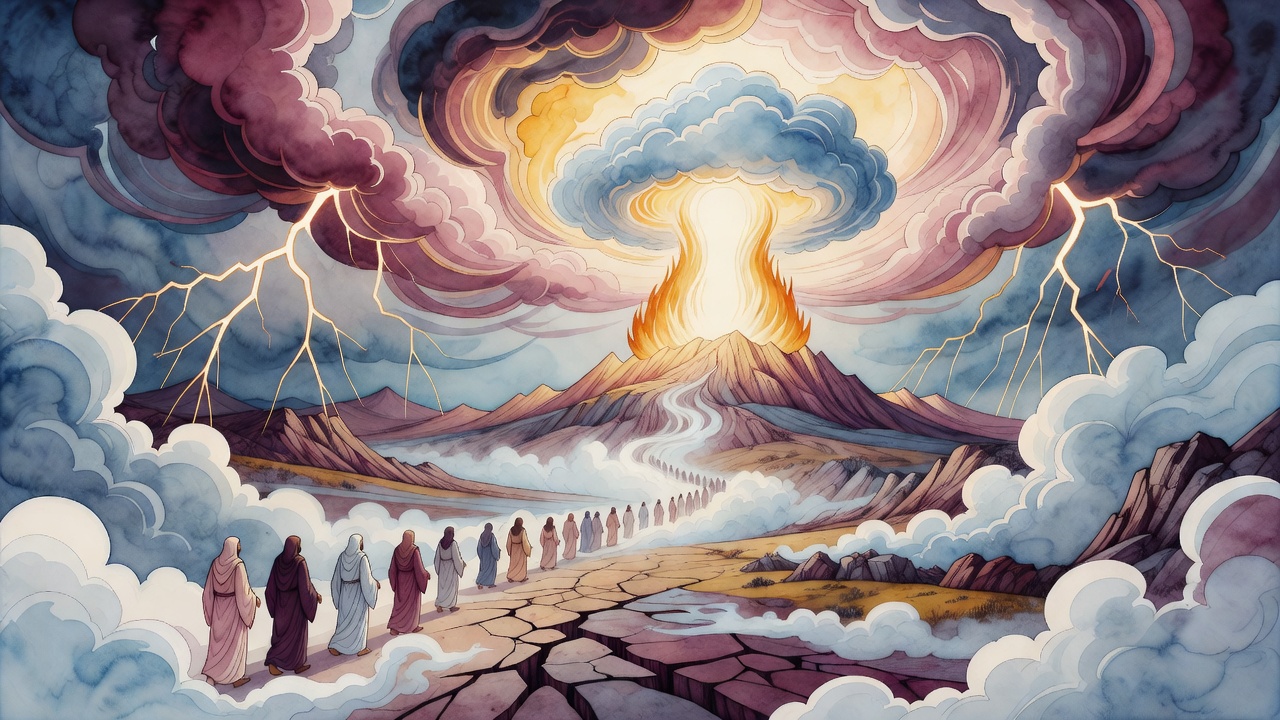
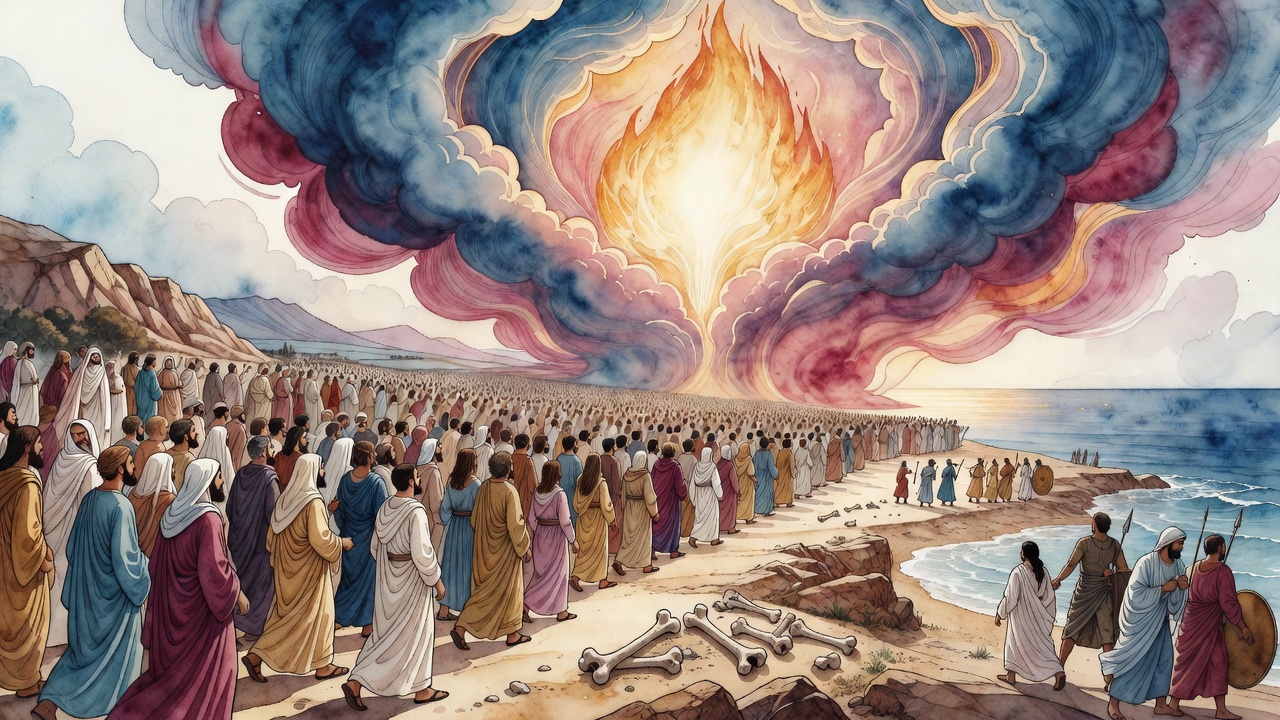
They went out in order. Priests, Levites, Israelites, tribe by tribe, each under its own flag, Reuben and Simeon and Levi and Judah and the rest of them coming out of the mud in rows. Pharaoh stood and watched them go past and started screaming. "Woe to the man who let that out of his hands."
He was the man who had sold a field. There was a pile of loose stones on it and it looked like nothing, so he sold it to somebody else, and the buyer carted the pile off and found a spring underneath. He planted grapevines in rows. He put in spices, spikenard and saffron, calamus and cinnamon. He set pomegranates in and propped their branches up on reeds, and planted apple trees, and built a tower in the middle of it and put a man in the tower to watch. Everybody who walked past that field praised it. Then the man who had sold it walked past.
The Long Way Around
Pharaoh went after them anyway, and God took him and shut him in the water with his own drowned son and his army on top of him. He had stood in his palace and given the order that every son born to the Hebrews be thrown into the river. He was measured with his own cup and poured into the sea.
They had been struck in Egypt with one finger. At the sea they were struck with a whole hand, and a hand has five fingers, and five times ten is fifty.
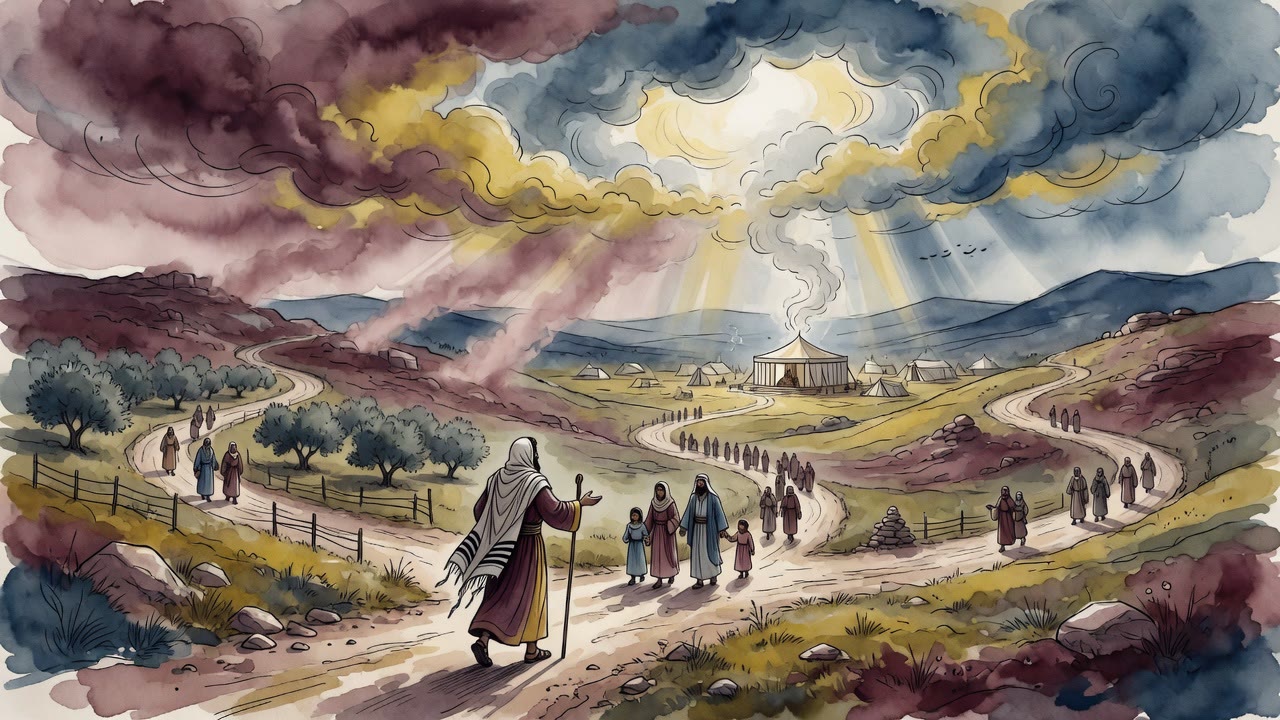
And then, with Egypt behind them and the shortest road to Canaan lying open straight up the coast through Philistine country, God turned them the other way, into the wilderness, the long way, because the sight of a war would have sent them running back to the only place they knew.
A dove sat in its nest and a snake came up the trunk after it, so the dove left. The snake settled into the nest that was not his. Then the nest caught fire, and it burned with him inside it. The bird went and sat on a roof and watched it burn. People asked the bird how long it meant to go on flying from one place to another. It did not answer them. It flew, and kept flying, roof to roof and place to place, until it found a good nest somewhere else and went in and stayed.
← All myths