Elkanah Changed His Route Every Year and Saved the World
Five households followed him the first year, ten the next. God was ready to wreck the world over Micah's idols, and one man's road kept holding.
Table of Contents
 Click for full size
The Procession at the Door
A woman in a doorway put her hand on the post and called out, "Who are you, and where are you going with all that company?"
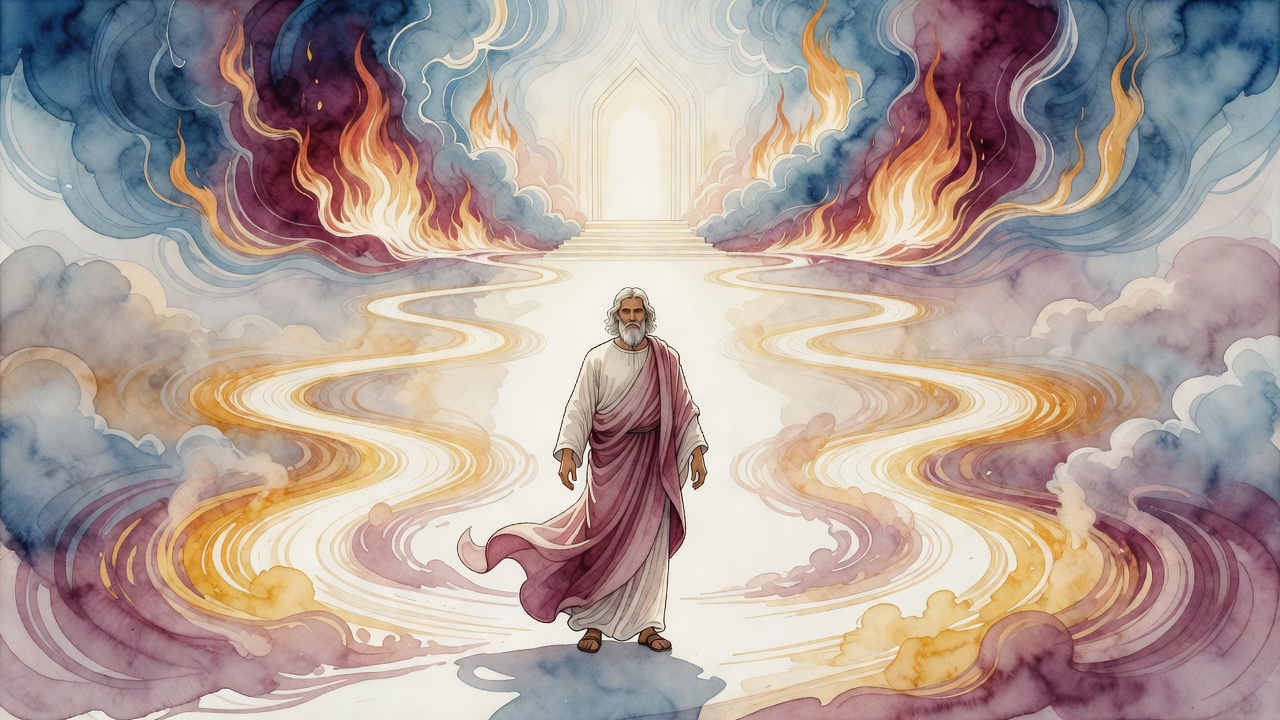
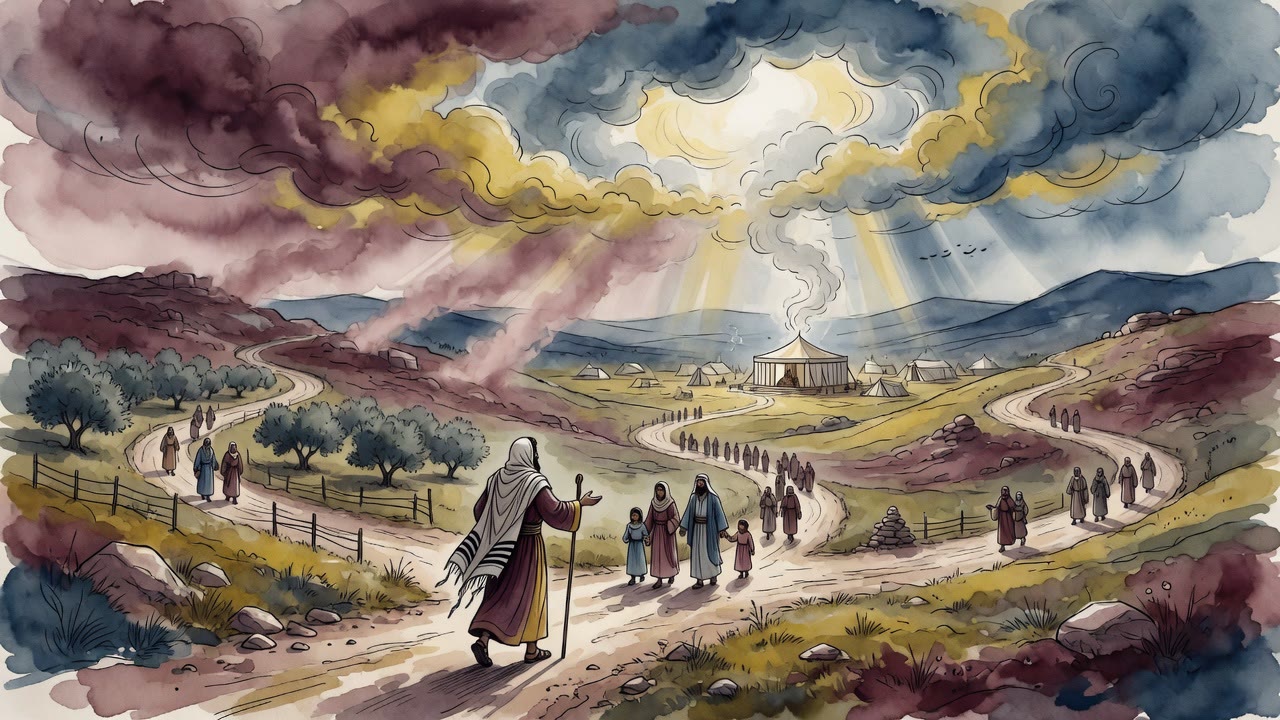
Elkanah stopped the household in the lane. Kinsmen, servants, beasts, offerings packed for the hill. He was a man of moderate means and he traveled as if the road itself were a kind of speech. "We are going to the house of the Lord at Shiloh," he said. "From there the law comes forth. Why should you not join us?"
Some laughed. Some watched the children on the donkeys and felt the pull of a feast. A few packed a bag. The procession moved. Behind it a village had a new question it had not asked the year before.
The Anger That Did Not Fall
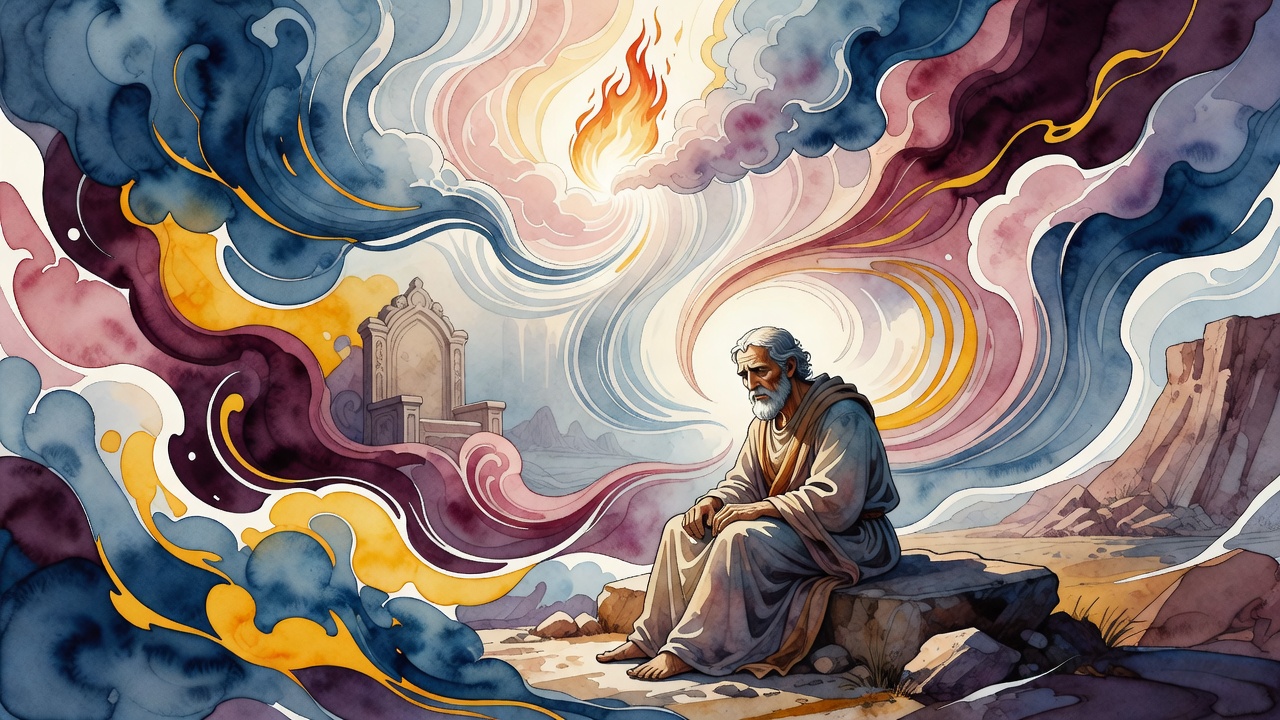
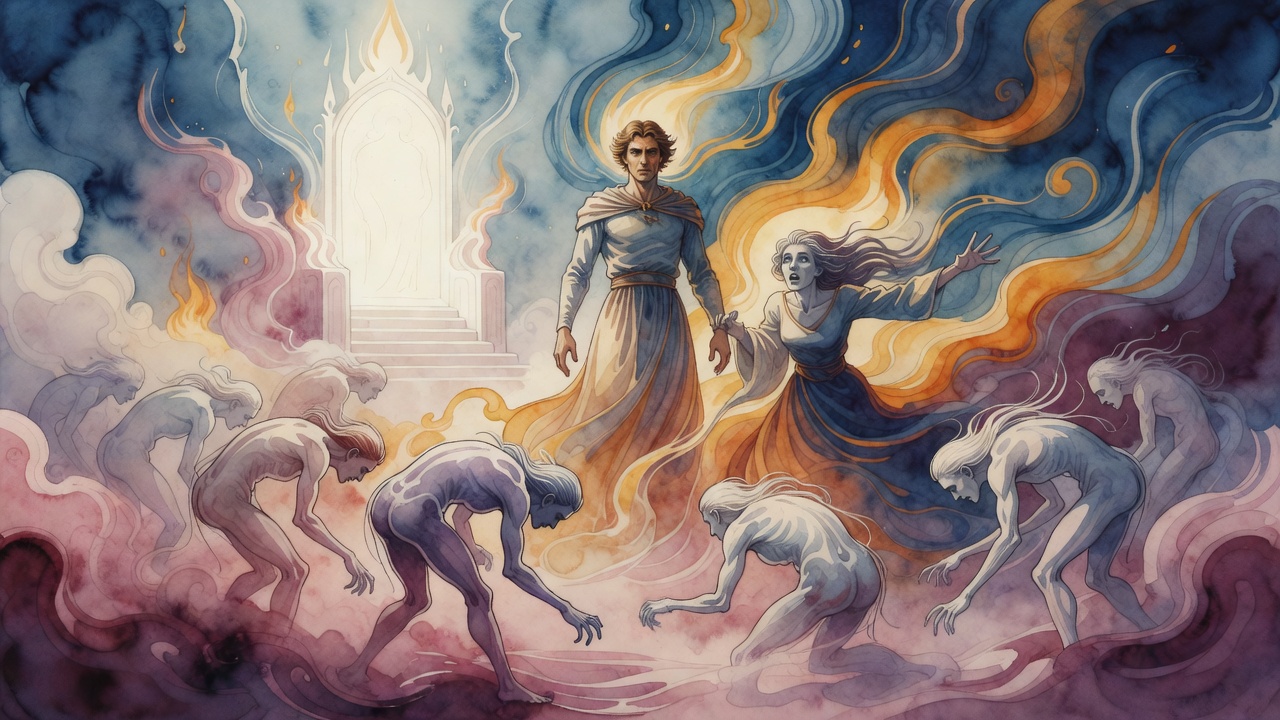
In those days household gods sat in the hill country of Ephraim as if they belonged there. Micah kept a shrine. People kissed small images and called it custom. God's anger rose to the pitch of wrecking. The world stood close to being ended over that quiet idolatry, the kind that does not look like a war until it has already won.
Elkanah was called a second Abraham, the only pious man of his generation. Not because he smashed the shrines with a hammer. Because he walked. Three times a year, as the law asked, he took the whole house up to Shiloh, where the Tabernacle stood and the priests still served. That walking went on one side of the scale. Micah's house went on the other. The anger did not fall. The world held. One man's route saved it.
A New Road Every Year
He could have used last year's track and saved days. He did not. Each year Elkanah changed his route. A different string of towns. A different line of doors. He refused the short habit the way God once refused the short road through the land of the Philistines, lest the people see war and run back to Egypt (Exodus 13:17). A short road leaves whole villages unasked. A new road makes the question travel.
The lookers-on came out. "Where are you going?" "To Shiloh. Come with us." The words were plain, and they worked. In the first year five households undertook the pilgrimage. The next year ten. Then a whole town turned its face toward the sanctuary because a man of Ramathaim-zophim had chosen a lane they had never seen him use.
Five Houses, Then Ten
He did not found a school. He did not appoint teachers. He invited. He changed the road. Over years the hill country learned a direction. People who had been drifting toward Micah's household gods were given, by a procession passing their door, somewhere else to walk.
Hannah walked that road with him, year after year, with an empty womb and a mouth that would one day open in Shiloh and not close until it had been answered. Elkanah loved her. He gave her a double portion. The road did not fill her. It carried her to the place where she would speak.
When the child came, the house was already facing the right way. Samuel grew up in a family that had spent its strength pulling neighbors toward the only house that mattered. The boy who would anoint Saul and David was born on the far side of those changed routes, after enough doors had been asked that a nation had a path again.
The Child the Road Made Room For
Samuel stood at the joint between judges and kings. His parents had the gift of prophecy before he did. The quieter gift was Elkanah's: he treated the pilgrimage as a net, not a private duty. He cast it over a new set of towns every year until the net had weight.
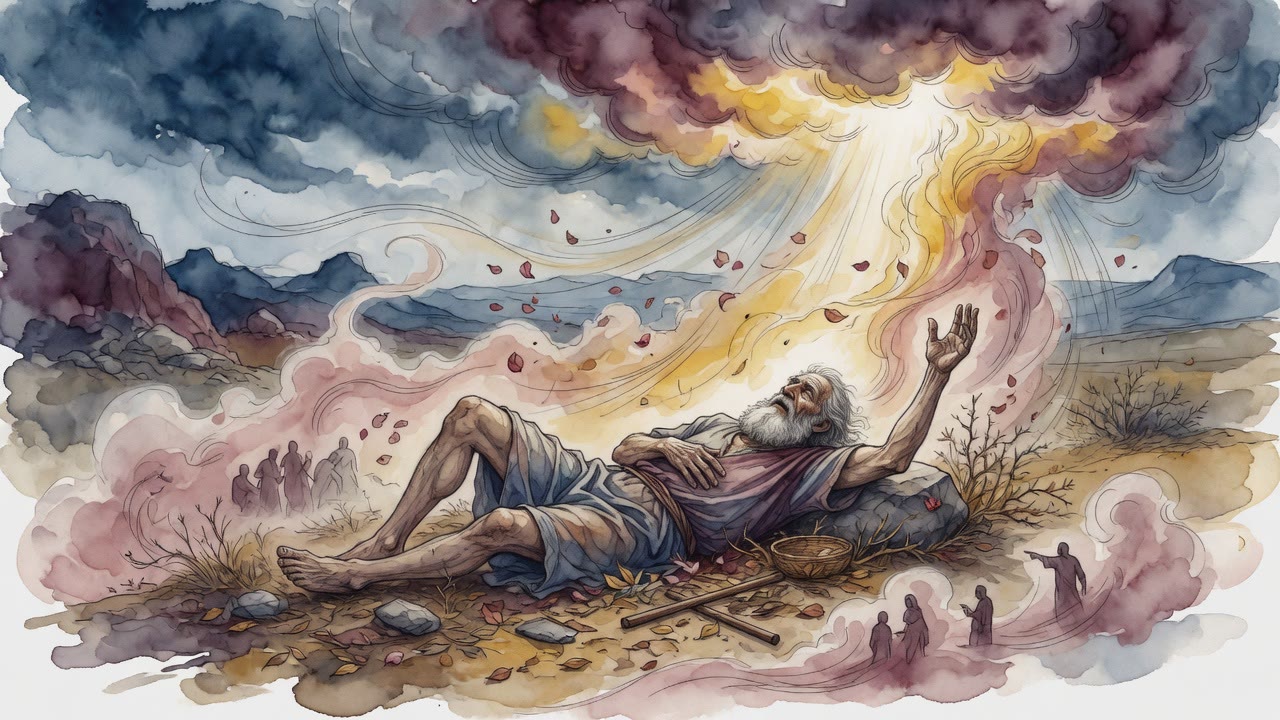
Micah's shrine did not vanish in a night. The pocket gods still had mouths to kiss them. God still saw. What did not happen is the thing the walking bought. The world was not wrecked. Shiloh still had a road leading to it, and the road had people on it who had not been on it the year before.
A woman in a doorway had asked a simple question. Elkanah had answered with a place and an invitation. He changed the route the next year so another doorway would have to ask. That is how a second Abraham did his work in a generation that was already half turned toward household gods. He did not save the world with a miracle. He saved it by refusing to take the same road twice.
← All myths