146 texts · Page 2 of 4
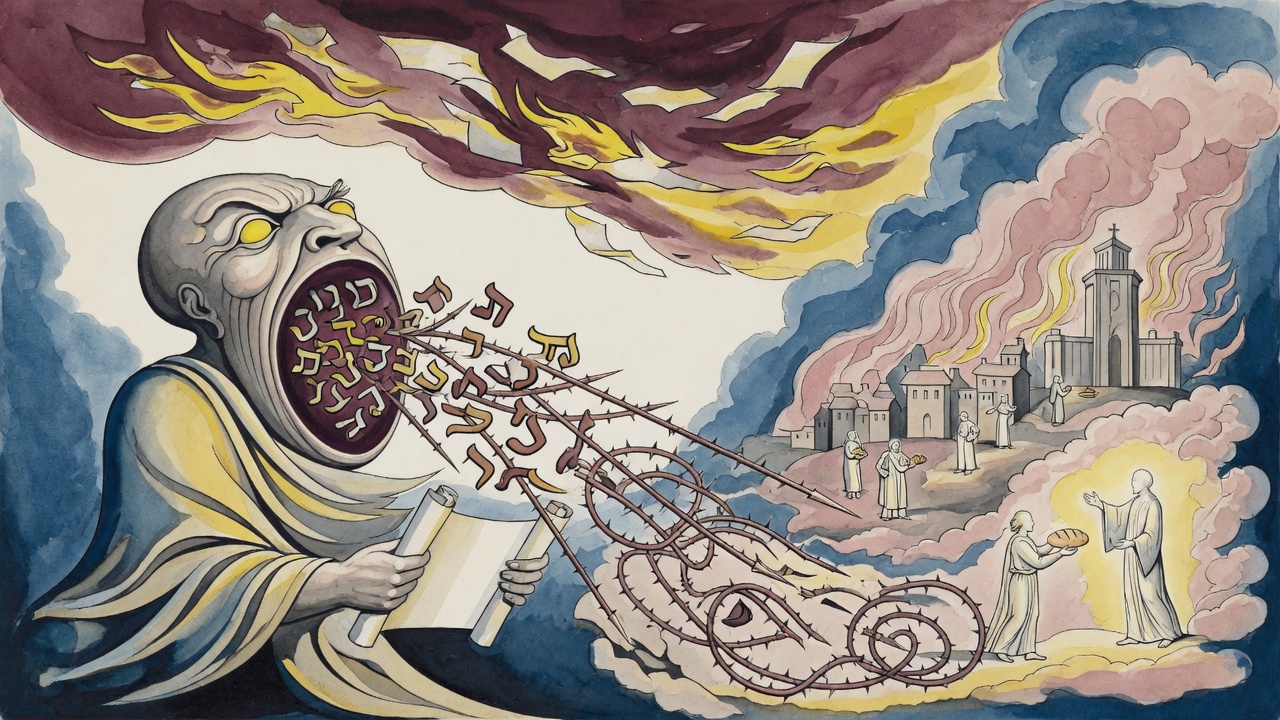
The Mekhilta catalogs the names used to describe idolatry and contrasts them with the names used to describe God. The contrast is devastating. Idolatry is mentioned only in derogat...
There's a powerful, almost unsettling image in Midrash Tehillim, a collection of homiletic interpretations of the Book of Psalms. It speaks of someone being stripped bare, of havin...
It’s a question that's tickled the minds of theologians and storytellers for centuries. We often picture the Divine as serious, judging, maybe even a little stern. But laughter? Th...
And Midrash Tehillim, a collection of rabbinic interpretations of the Book of Psalms, gives us a glimpse into his struggle. The text opens with a raw, almost painful cry: "How long...
Jewish tradition is filled with stories of hardship, exile, and longing for redemption. But within those stories, like hidden sparks, are glimmers of hope, resilience, and profound...
King David knew that feeling. And he put it into words that still resonate with us today. (Psalm 31:15). "And my soul is greatly troubled (and you incline your ear), and you, Lord,...
That feeling, that raw emotion, is at the heart of a powerful story preserved in Midrash Tehillim, a collection of interpretations on the Book of Psalms. It's a story about faith, ...
The Psalms, those ancient songs of King David, knew all about that feeling. And the Rabbis, centuries later, unpacked those feelings in their own special way, through midrash (rabb...
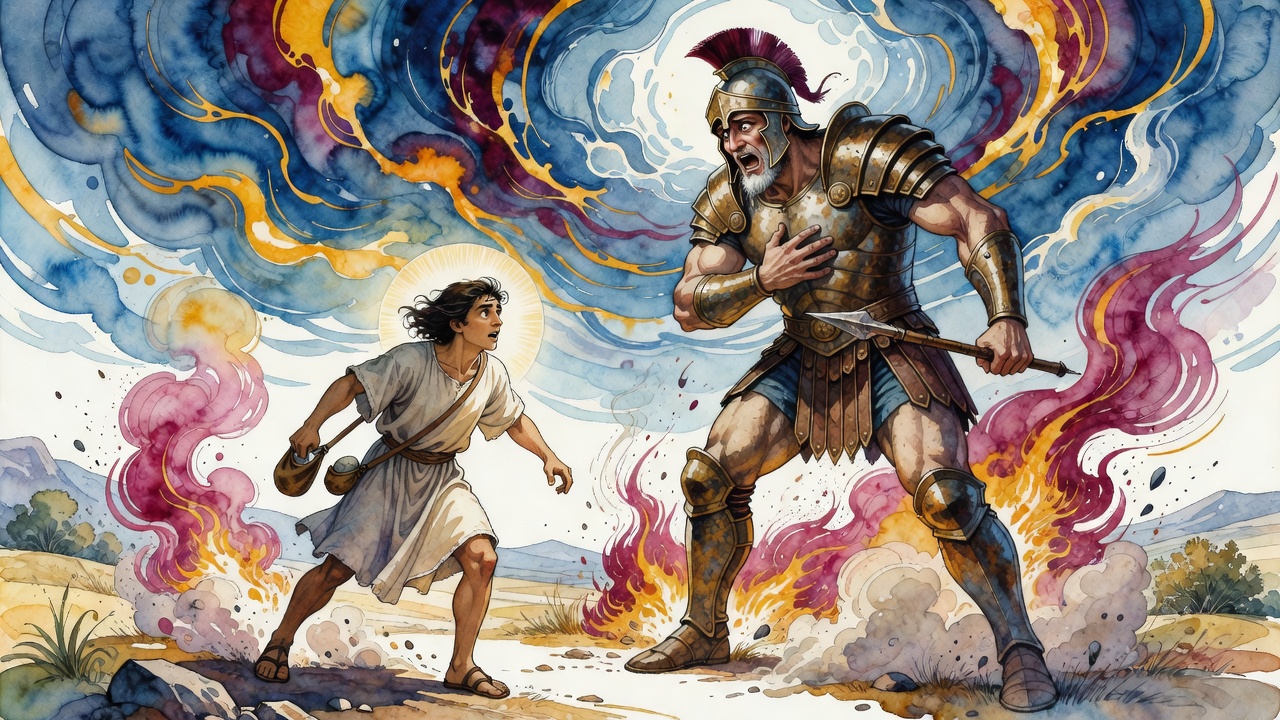
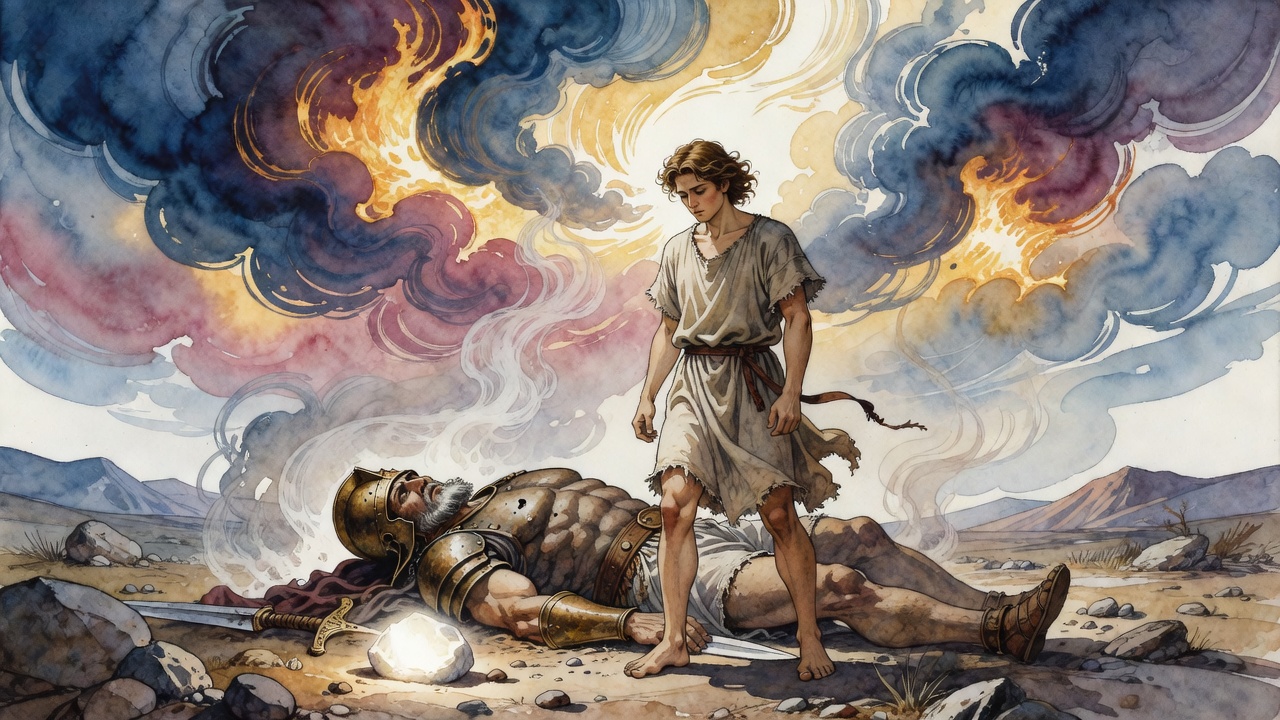
It's not just a simple story of good versus evil, or the righteous youth triumphing over the jealous king. It's a nuanced dance of fate, faith, and free will. And a passage in Midr...
It’s a question that echoes through the ages, and one that finds a poignant, if somewhat cryptic, resonance in Midrash Tehillim 9. This particular midrash (rabbinic interpretive co...
The verse declares, "For the poor shall not always be forgotten; the hope of the poor shall not perish forever." But what does that really mean? Rabbi Yudan, in Midrash Tehillim, a...
Midrash Tehillim, a collection of rabbinic interpretations of the Book of Psalms, dives into the depths of human nature and divine justice. And Psalm 10, in particular, sparks some...
The rabbis of the Midrash (rabbinic interpretive commentary), those brilliant interpreters of scripture, have a lot to say about this verse. Specifically, Midrash Tehillim, the col...
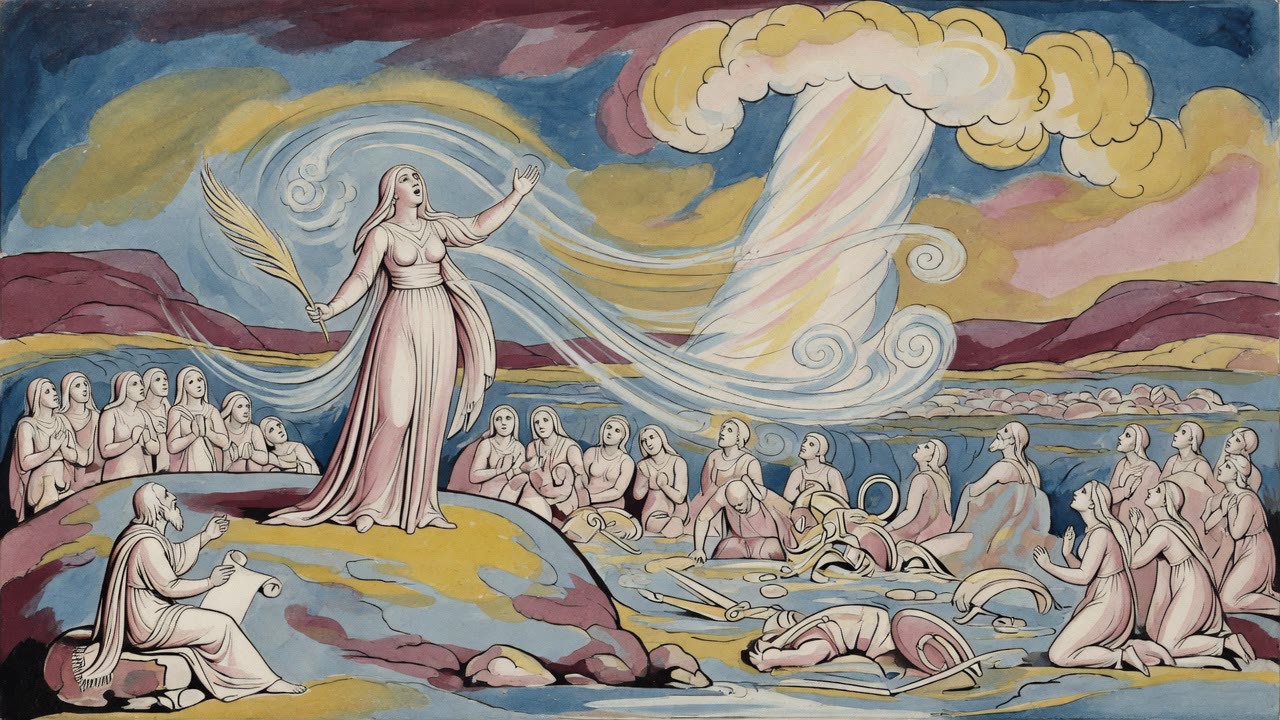
The ancient rabbis certainly understood that feeling. They saw it mirrored in the story of the Exodus, in the dramatic moment when the Israelites crossed the Red Sea and the pursui...
King David knew that feeling well. And it's his story, illuminated by the ancient wisdom of Midrash Tehillim (a collection of rabbinic teachings on the Book of Psalms), that offers...
The Book of Psalms, or Tehillim, is full of David's prayers, his praises, his cries for help. And Psalm 18, verse 30, it’s a powerhouse: "For by You I run upon a troop... and by my...
King David knew that feeling. But he also knew something about inner strength, about training, and about the power of where we come from. The verse we're looking at today comes fro...
That feeling, that drive, it's woven deep into our stories. to Midrash Tehillim, a collection of rabbinic teachings that unpacks the book of Psalms, Tehillim in Hebrew. In this pas...
The verse "day by day he utters speech" (Psalm 19:3) isn't just about the sun rising and setting. It's about each day possessing its own individual character, its own set of wonder...
Our ancestors grappled with this too, and they spun some pretty amazing stories to explain it. to one from Midrash Tehillim, a collection of teachings that unpack the Book of Psalm...
Take Psalm 19, for instance: "The teaching of the LORD is innocent…" But when is it innocent? When is it truly trustworthy? Midrash Tehillim, that beautiful collection of rabbinic ...
Psalm 19 isn't just a pretty poem; it's a meditation on the beauty and clarity hidden within God's commandments. And Midrash Tehillim, a fascinating collection of rabbinic interpre...
The mystics of old knew that feeling, and they had something profound to say about it, especially when it comes to finding our place in the world and our connection to something bi...
That feeling of hope, of a new beginning... it’s captured beautifully in the image of the "cierva de la aurora," the "doe of the dawn." This evocative phrase appears in the heading...
"My God, my God, why have you forsaken me?" That haunting opening line of Psalm 22… it's a cry that resonates across millennia. But what if I told you that within it, the ancient R...
to Midrash Tehillim, specifically a fascinating interpretation of Psalm 22 and its connection to the phrase "the deer of the dawn." The Midrash, a collection of rabbinic commentari...
The ancient rabbis understood that feeling deeply. They explored it through stories, allegories, and interpretations of scripture that we call midrash (rabbinic interpretive commen...
King David certainly did. He grapples with this very dilemma in the Psalms, and the Rabbis of the Midrash Tehillim (a collection of interpretations on the Book of Psalms) dive deep...
The ancient rabbis grappled with this too. In Midrash Tehillim, a collection of interpretations on the Book of Psalms, we find a fascinating take on Psalm 27. It revolves around a ...
Midrash Tehillim, a collection of rabbinic teachings on the Book of Psalms, uses a beautiful parable to illustrate this very idea. It centers around the verse: "The Lord is my stre...
The prophet Malachi tells us, "Then those who feared the LORD spoke to one another, and the LORD listened and heard." (Malachi 3:16). But what does that mean, really? What kind of ...
to one such perspective, found in Midrash Tehillim, a collection of interpretations on the Book of Psalms. Midrash Tehillim, specifically in its commentary on Psalm 37, tackles the...
The Midrash Tehillim, a collection of rabbinic interpretations of the Book of Psalms, wrestles with this very idea in Psalm 42. It speaks of God "passing through the camp with an a...
That feeling sits at the heart of a fascinating interpretation in Midrash Tehillim, a collection of rabbinic commentaries on the Book of Psalms. It focuses on Psalm 45, which begin...
And we find a beautiful expression of this in Midrash Tehillim – a collection of rabbinic interpretations on the Book of Psalms. Midrash Tehillim, specifically in its commentary on...
Jewish tradition understands that feeling, deeply. And sometimes, the most unexpected texts can offer a glimmer of hope. Take this cryptic passage from Midrash Tehillim 48, a colle...
King David knew that feeling all too well. He faced it constantly. And Psalm 54? It’s not just a song; it's a window into that struggle, a cry for help when the lies and deceit clo...
The ancient rabbis felt that way too. They wrestled with the idea of a God who seemed distant, even asleep, in the face of suffering. This struggle echoes powerfully in Midrash Teh...
Our sages certainly did. They spoke of a profound connection to the Divine, a longing to dwell in God's presence. And they captured it beautifully in Midrash Tehillim, specifically...
Midrash Tehillim, a collection of homiletic interpretations of the Book of Psalms, uses just that image to illuminate the fate of the wicked. In Midrash Tehillim 68, we find a powe...
The ancient rabbis knew that feeling well. And they found solace, not in denying the reality of loneliness, but in recognizing that even in the most desolate places, God is present...
Midrash Tehillim, a collection of rabbinic interpretations on the Book of Psalms, offers a surprising answer, linking peace to…mountains. Yes, mountains! "Let the mountains bring p...
That’s a question that the ancient Rabbis wrestled with, and their thoughts are preserved for us in the Midrash Tehillim, a collection of interpretations on the Book of Psalms. to ...
The ancient rabbis certainly did. They wrestled with this very idea, and Psalm 82 became a springboard for some powerful teachings about fairness, wealth, and the very foundations ...
That feeling, that tension, it's something the ancient sages grappled with too. And they found a powerful way to express it through prayer, a connection to something larger than th...
Midrash Tehillim, a collection of rabbinic interpretations on the Book of Psalms, offers a fascinating perspective, turning familiar verses into profound meditations. One particula...
Psalm 88 opens with a cryptic phrase: "Mahalath Leannoth." What exactly does that mean? The text itself seems to ask the same question. Mahalath, in this context, isn't just some r...
Psalm 88, verse 6, hits hard with that feeling: "Free among the dead, like the slain who lie in the grave." But what does it mean to be "free among the dead?" It's a question that'...