146 texts · Page 3 of 4
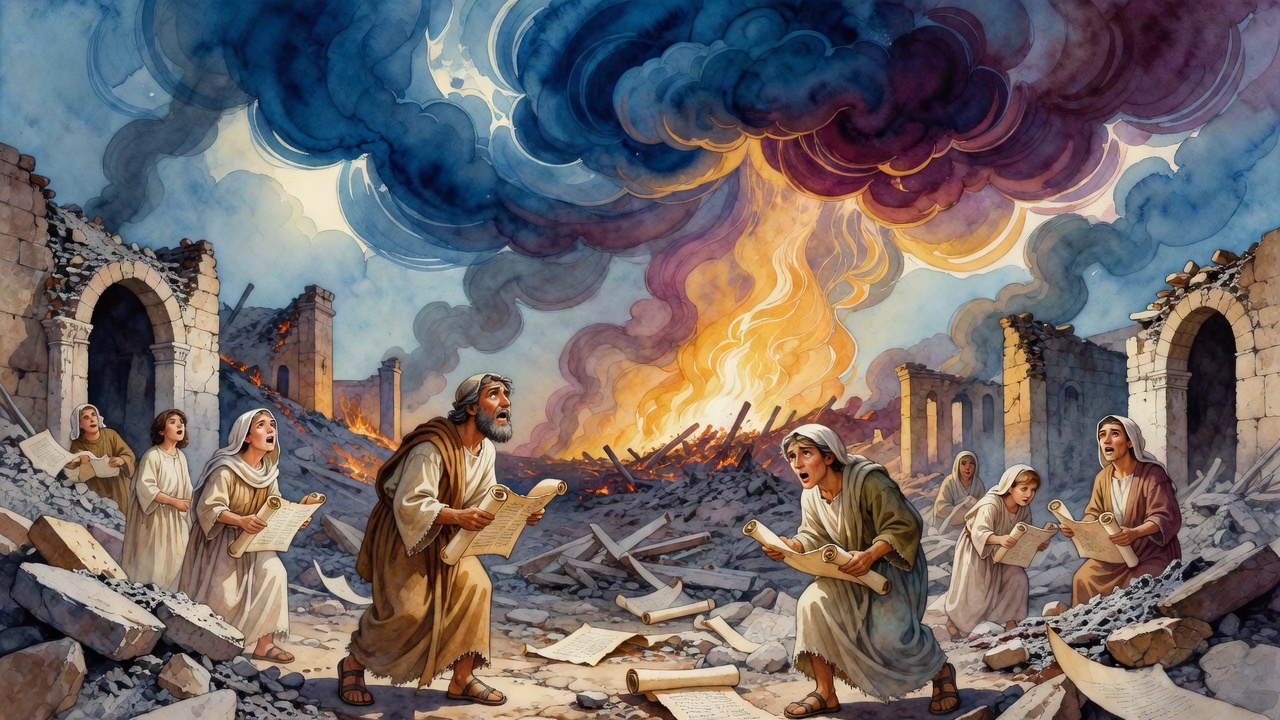
The ancient Israelites knew that feeling well. And in their distress, they turned to the One above, voicing their pain, their hope, and their unwavering faith. In Midrash Tehillim,...
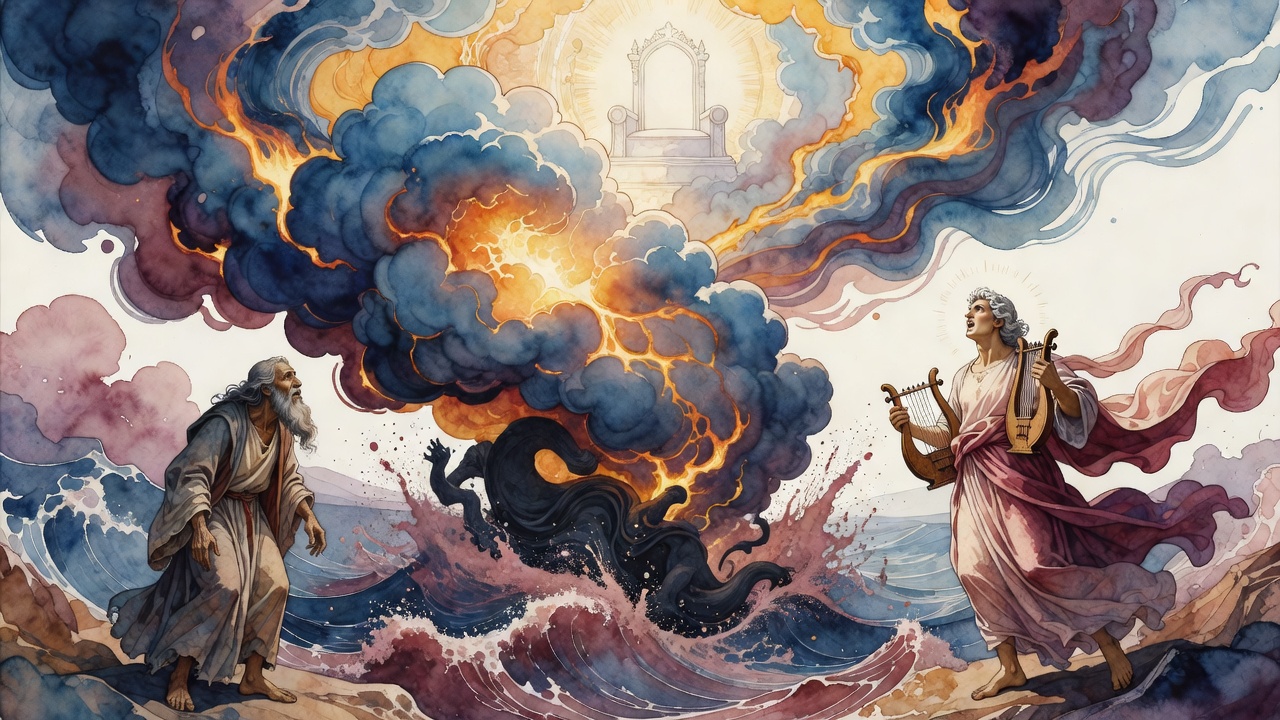
We humans have always been drawn to the sea, mesmerized by its vastness and power. But what if it’s not just the crash of waves we're hearing? What if there's a deeper conversation...
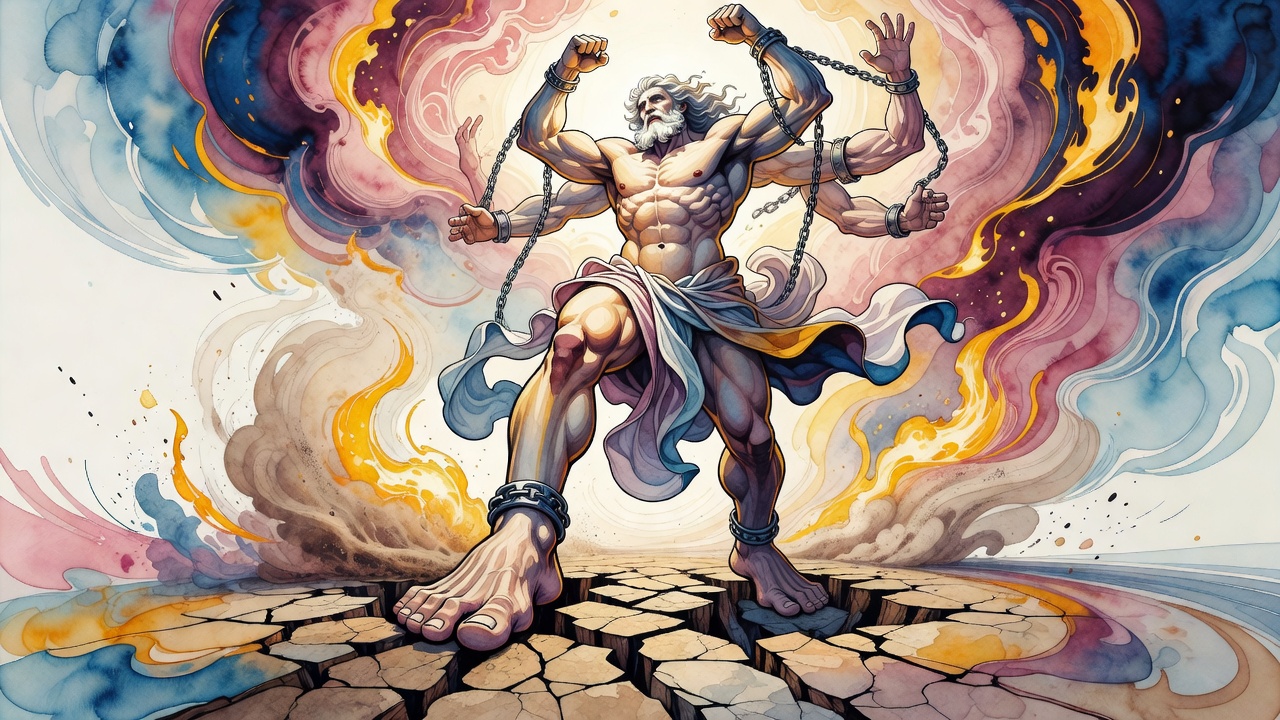
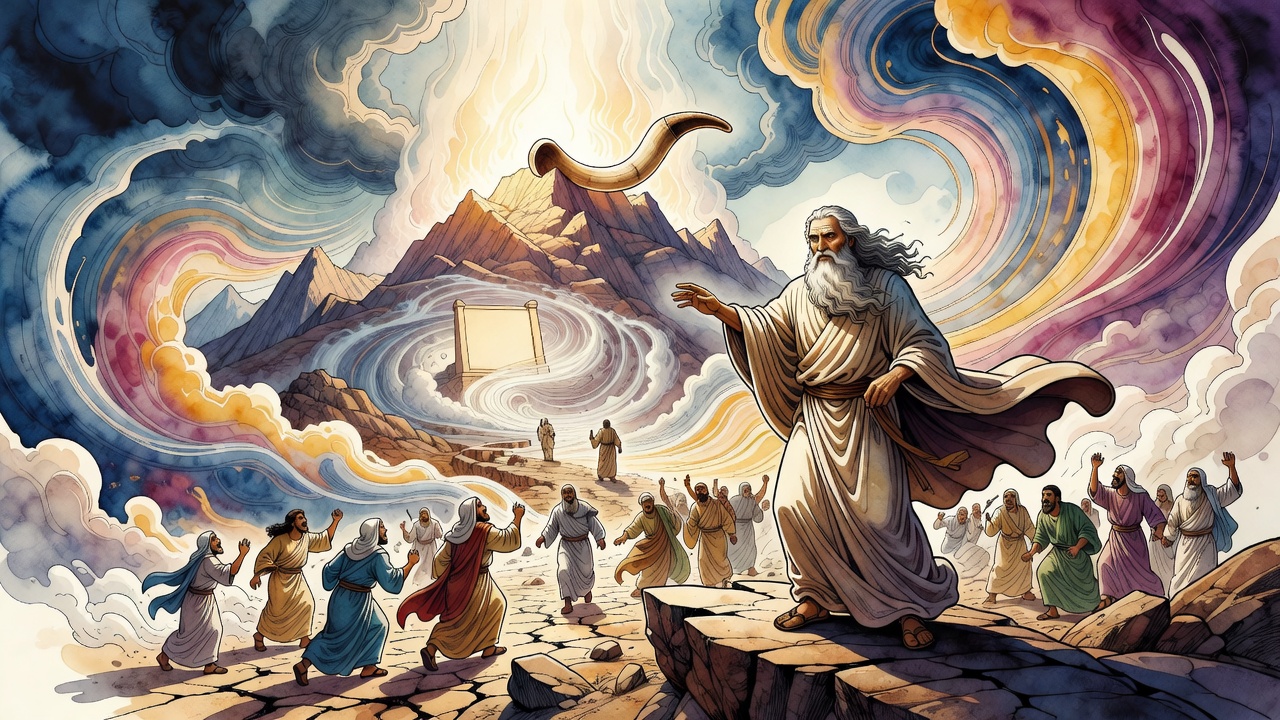
We know Moses led the Israelites out of Egypt, received the Torah, and guided them through the wilderness. But did you know some traditions suggest he also served as High Priest? I...
The book of Psalms, Tehillim in Hebrew, is full of that raw, vulnerable feeling. And the Midrash Tehillim, a collection of rabbinic interpretations on the Psalms, digs even deeper....
Midrash Tehillim, a collection of homiletic interpretations of the Book of Psalms, grabs us right there. It starts with that very feeling, that fleeting sense of time slipping thro...
We often take the everyday wonders around us for granted, don't we? Midrash Tehillim, a collection of rabbinic teachings that illuminate the Book of Psalms, encourages us to do jus...
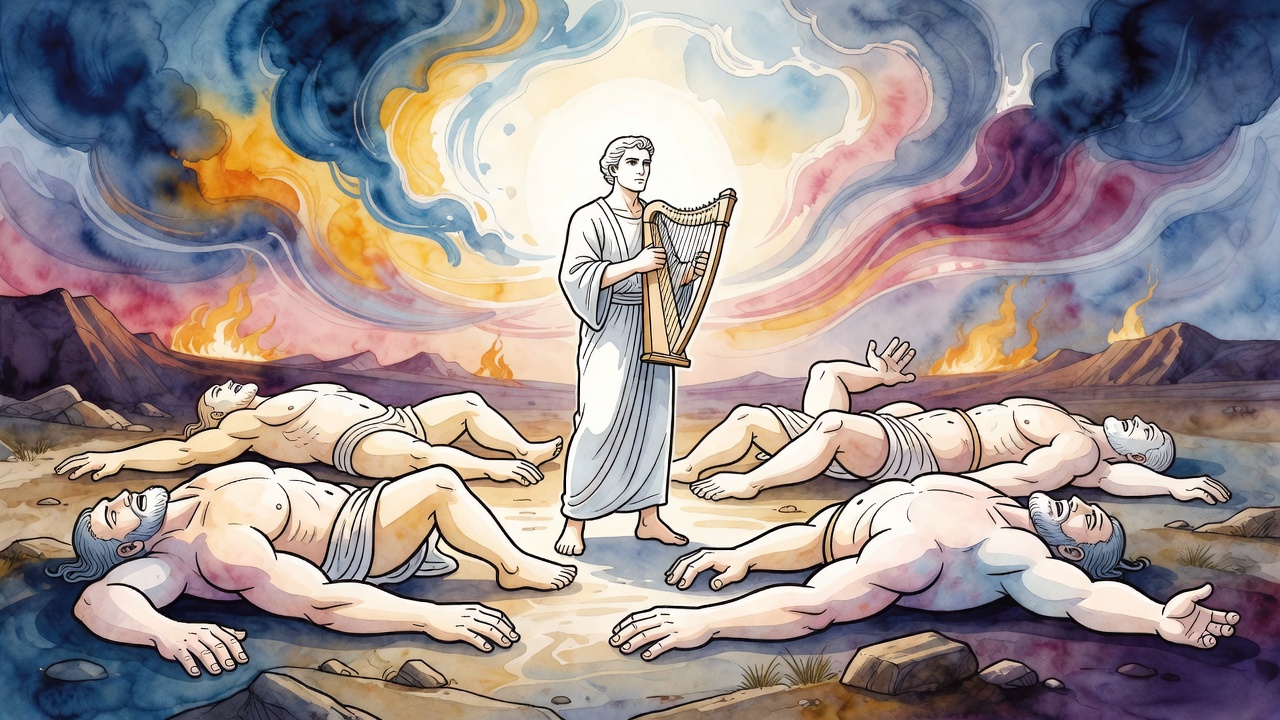
We often imagine angels, perhaps, or swirling clouds of glory. But the Midrash Tehillim, a collection of rabbinic teachings on the Book of Psalms, offers a rather unexpected answer...
It sounds like a simple thing, but when you're surrounded by endless sand, under a blazing sun, or a star-filled sky that all looks the same... well, you need a little divine help!...
The book of Psalms, Tehillim in Hebrew, is just overflowing with questions like these. And the Midrash (rabbinic interpretive commentary), those beautiful, imaginative interpretati...
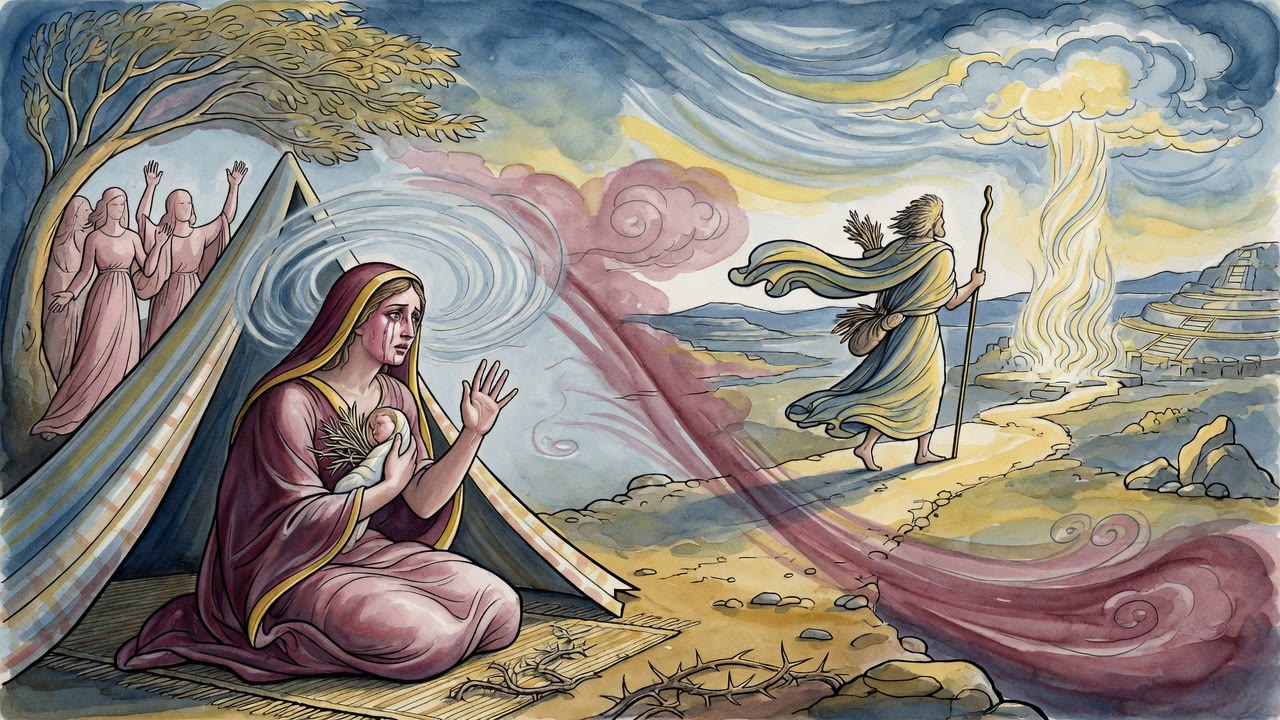
We all know the story: Moses, the Israelites, the desperate flight from Egypt... But the details? Oh, the Rabbis have some thoughts. The book of Psalms (Tehillim) is a constant sou...
The ancient rabbis certainly thought so, observing the Israelites’ cyclical relationship with God in the Midrash Tehillim, a collection of interpretations on the Book of Psalms. Ps...
And the ancient rabbis wrestled with this idea too – this give and take, this call and response between us and the Divine. Midrash Tehillim, a collection of rabbinic interpretation...
The Midrash (rabbinic interpretive commentary) uses a parable to illustrate this point, a story that paints a vivid picture. Imagine a king, journeying through the desert with his ...
King David, the shepherd boy who became Israel’s greatest king, certainly did. And it's a sentiment beautifully captured in the Midrash Tehillim, a collection of rabbinic interpret...
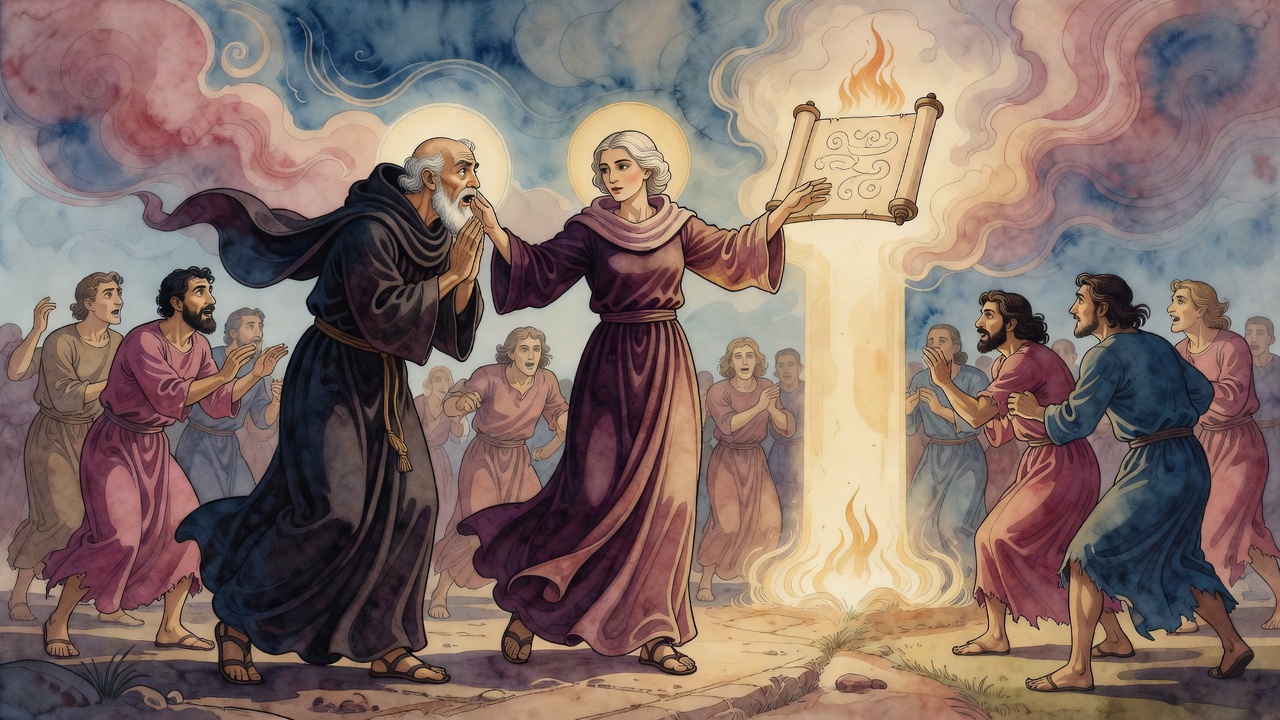
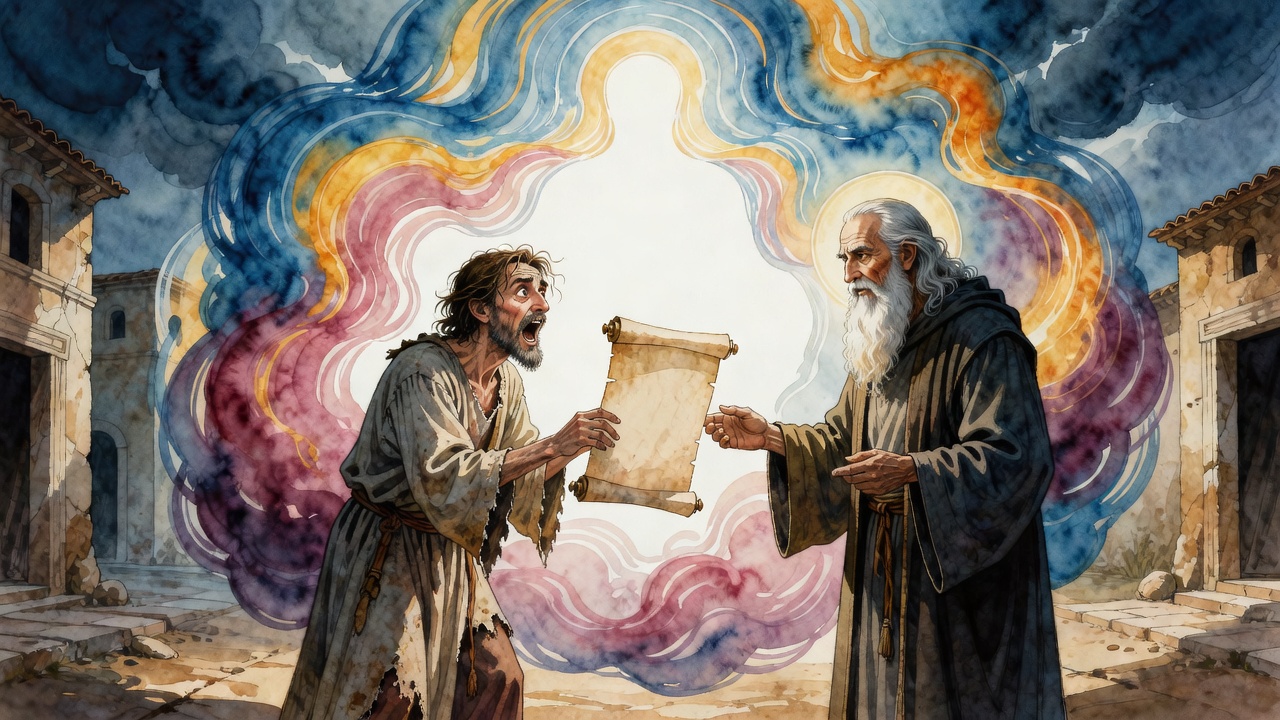
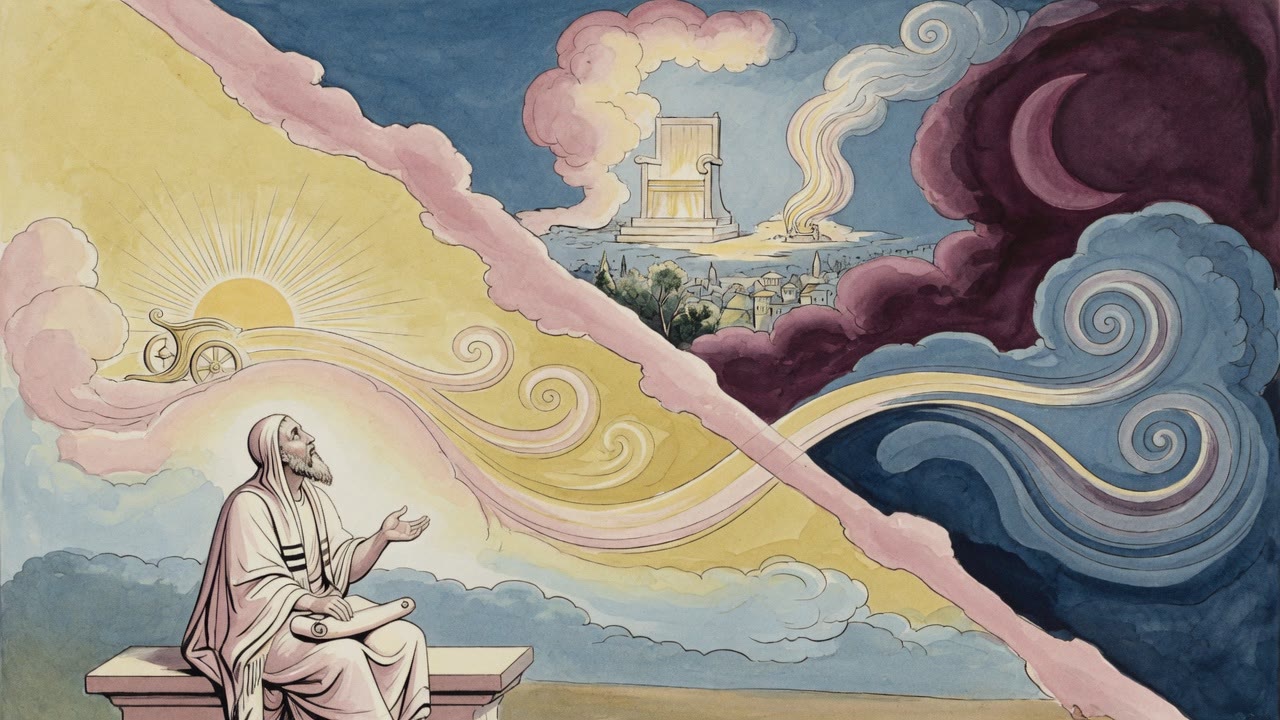
Even prophets, it seems, wrestle with that feeling. Let's turn to Midrash Tehillim, a collection of rabbinic teachings on the Book of Psalms, to explore a fascinating little story ...
And they found wisdom, comfort, and even a little humor in stories we call midrash (rabbinic interpretive commentary)im – interpretations that expand on the meaning of the Bible. L...
King David did. And his feelings echo across the millennia to us. (Psalm 119:19) says, "I am a stranger in the land; do not hide your commandments from me." It’s a powerful line, f...
King David knew that feeling intimately. And it's in his struggles, laid bare in the Book of Psalms, that we often find solace and a path forward. We're diving into Midrash Tehilli...
Psalm 142 opens with just that kind of repetition: "I cry out to the Lord; I plead with the Lord for mercy." (Psalm 142:1). It's right there in the Hebrew, a doubling down: "my voi...
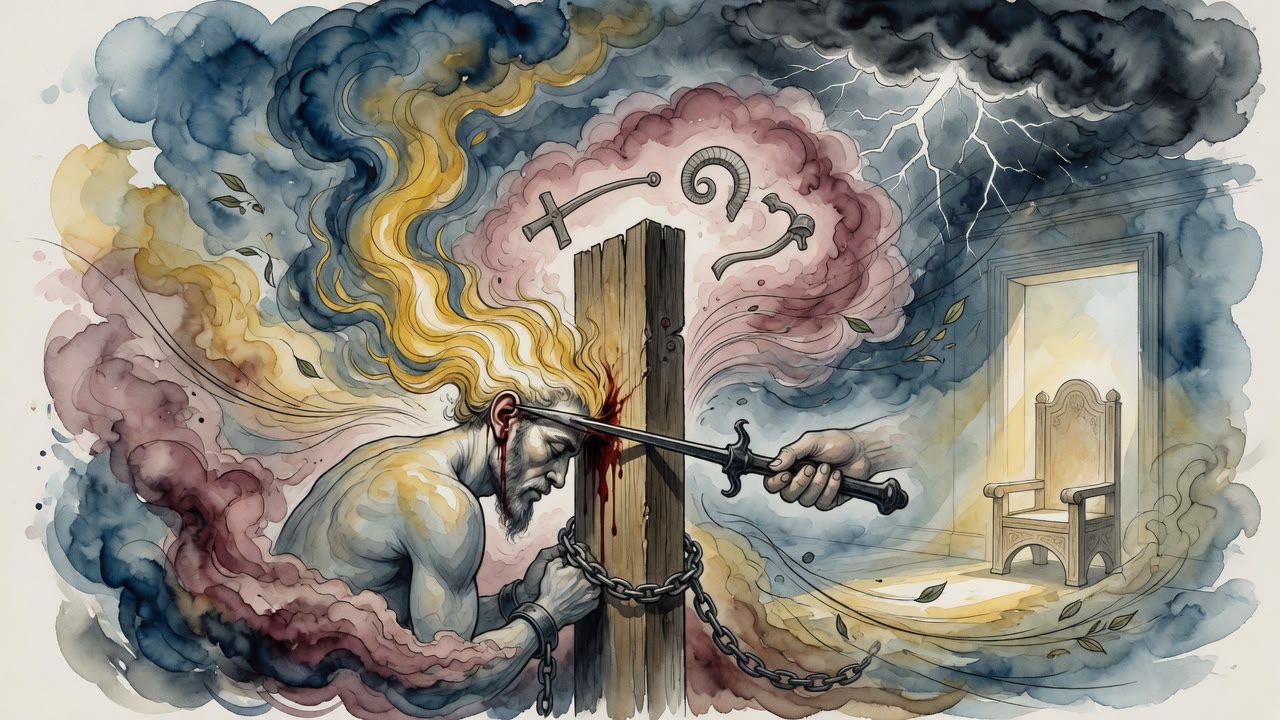
It plunges us into a moment of intense crisis in the life of David, the shepherd-king. The scene: a dark, claustrophobic cave. David is inside, cornered. Outside, waiting with ill ...
The Psalmist certainly did. "For the enemy pursues my soul..." That's the opening line we're diving into today, from Midrash Tehillim, a collection of rabbinic interpretations of t...
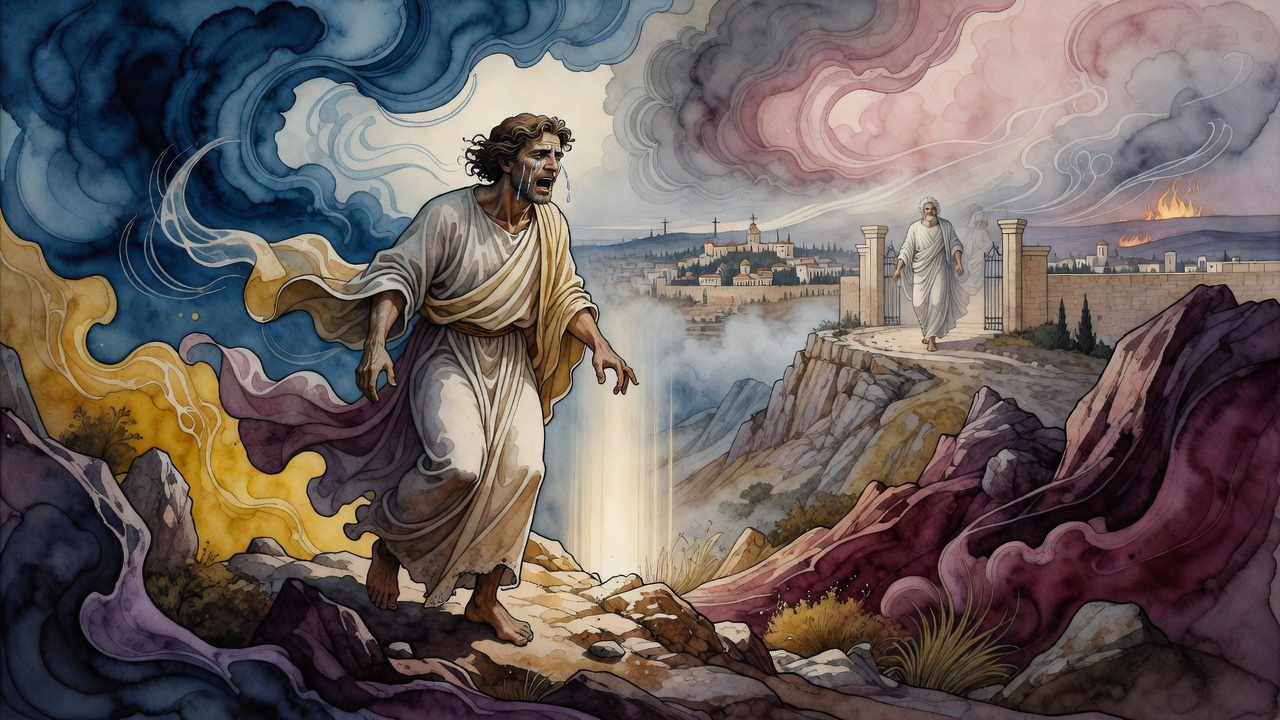
Jewish tradition, in its beautiful complexity, actually has something to say about that feeling – about being an outcast, and even more surprisingly, about the possibility of retur...
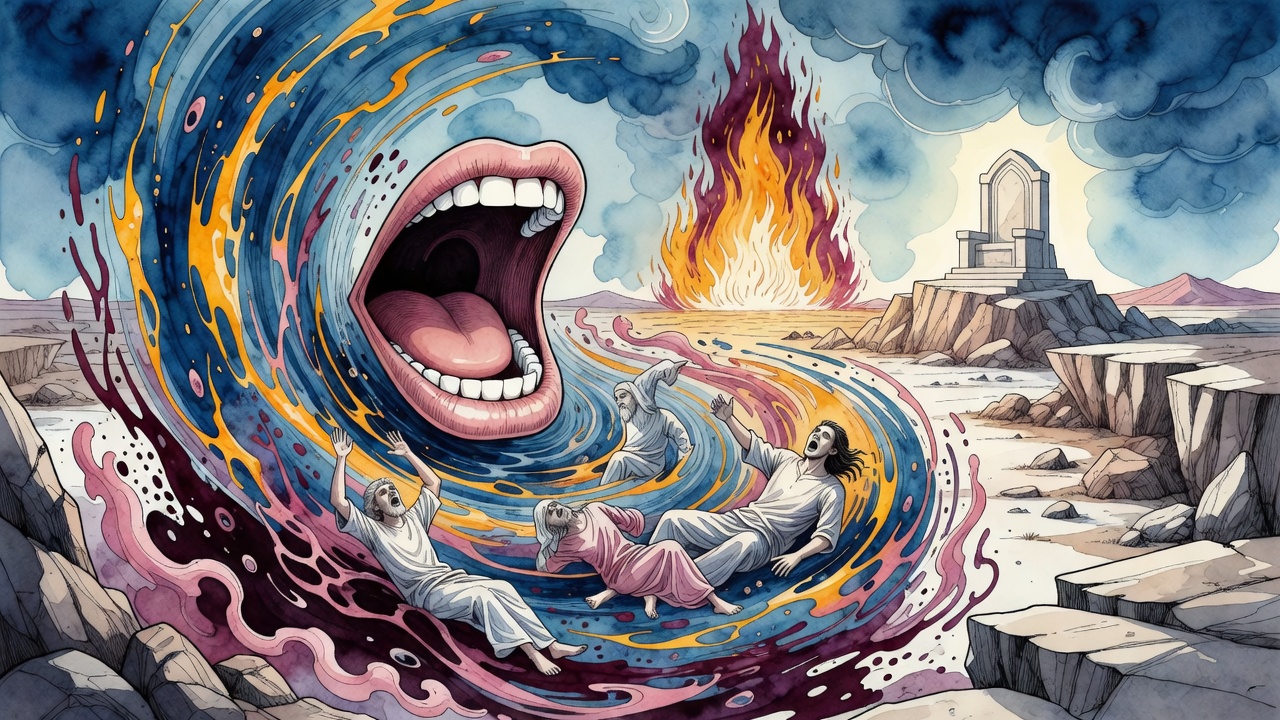
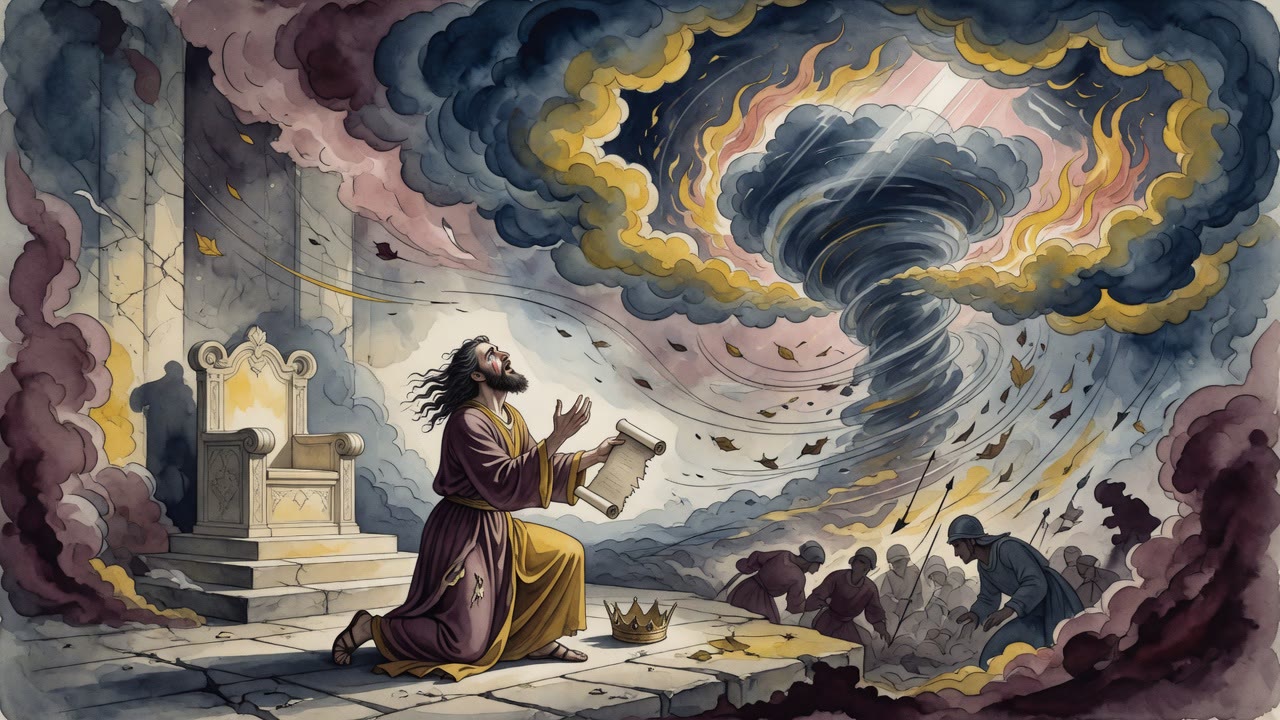
A storm raging, the earth trembling... It's a primal feeling, isn't it? The Psalmist certainly understood it. Psalm 29 paints a vivid picture of G-d's voice thundering across the l...
Teach us, our master, from when does the mitzvah of the Channukah lamp begin? Our rabbis taught – from when the sun sets until the majority of people are gone from the marketplace....
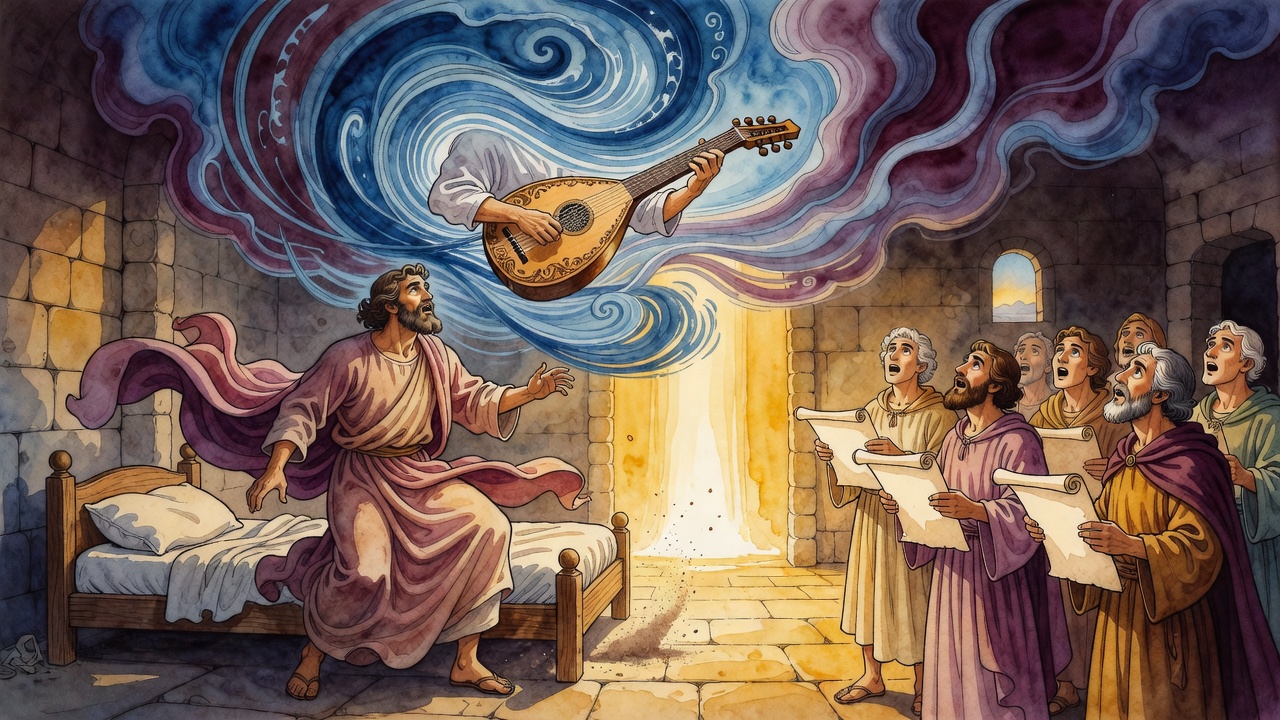
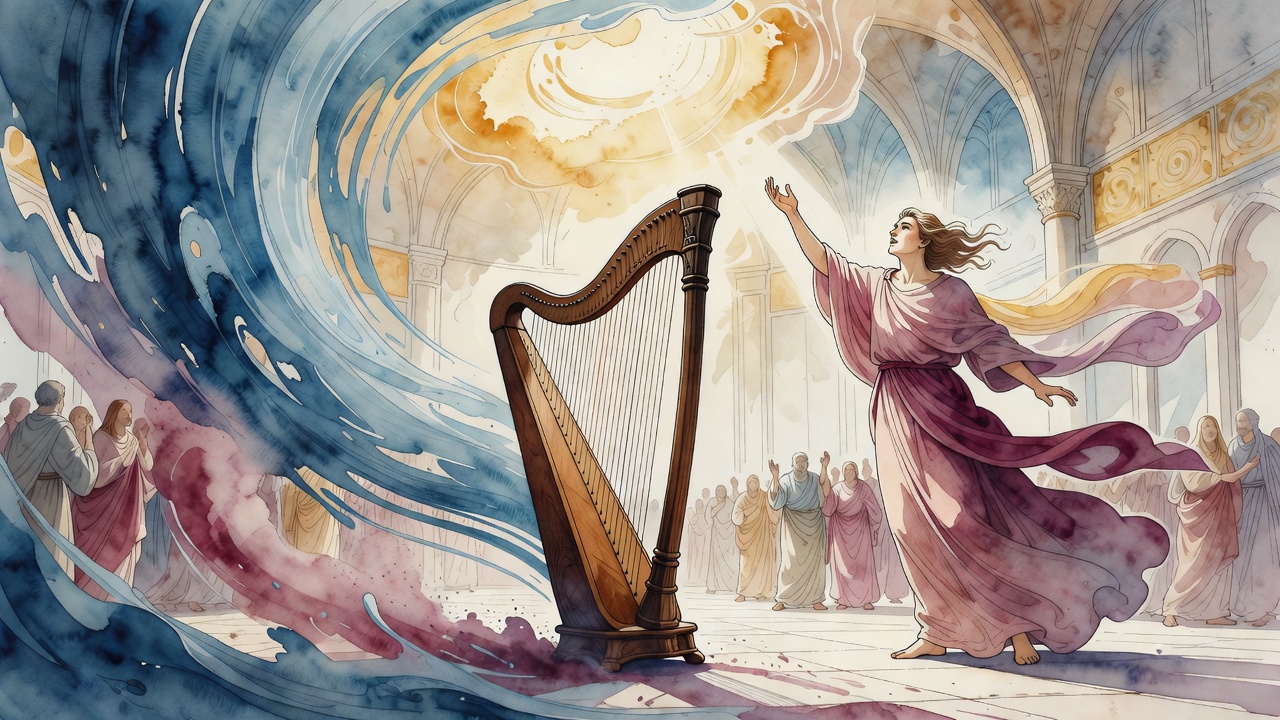
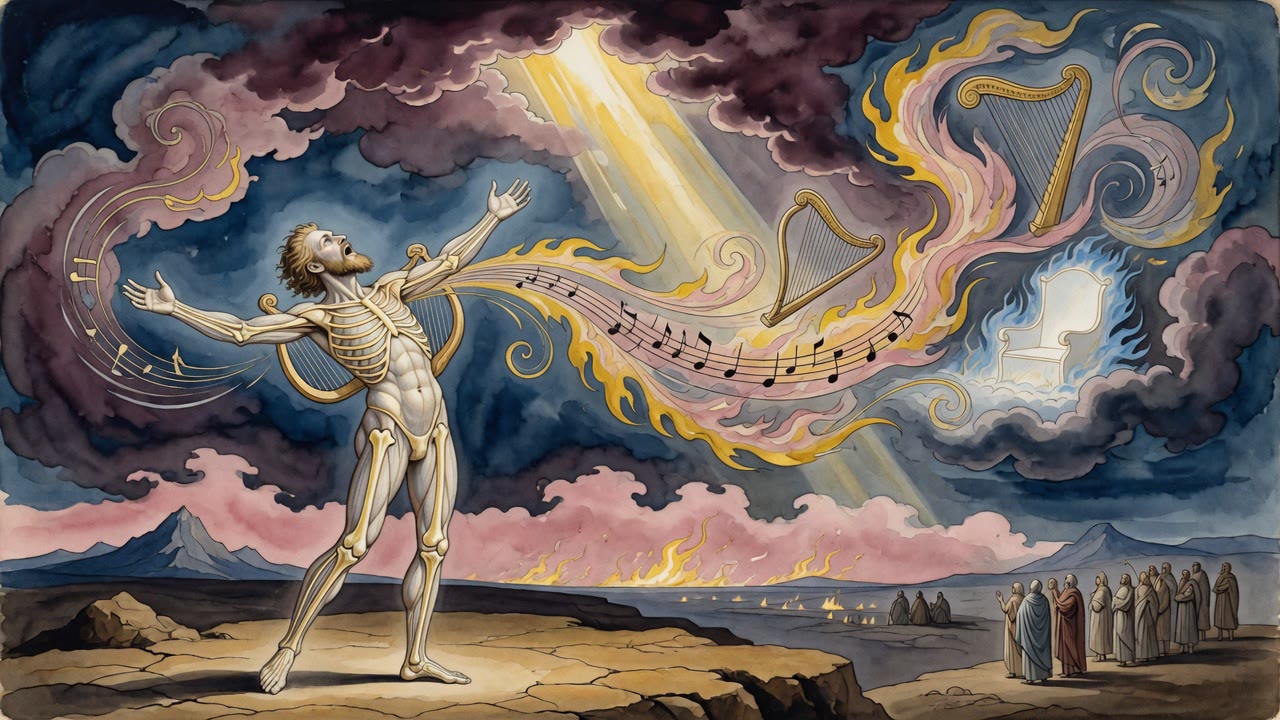
R’ Yitzchak expounded on, “On willows in its midst we hung our harps.” (Psalms 137:2) Come and see – the dirt of the land of Israel is for repentance. While they were still in the ...
“He does the will of those who fear Him…” (Tehillim 145:19) Meaning that Gd does not annul his prayers and gives him what he requests. This refers to David, of whom it is written “...
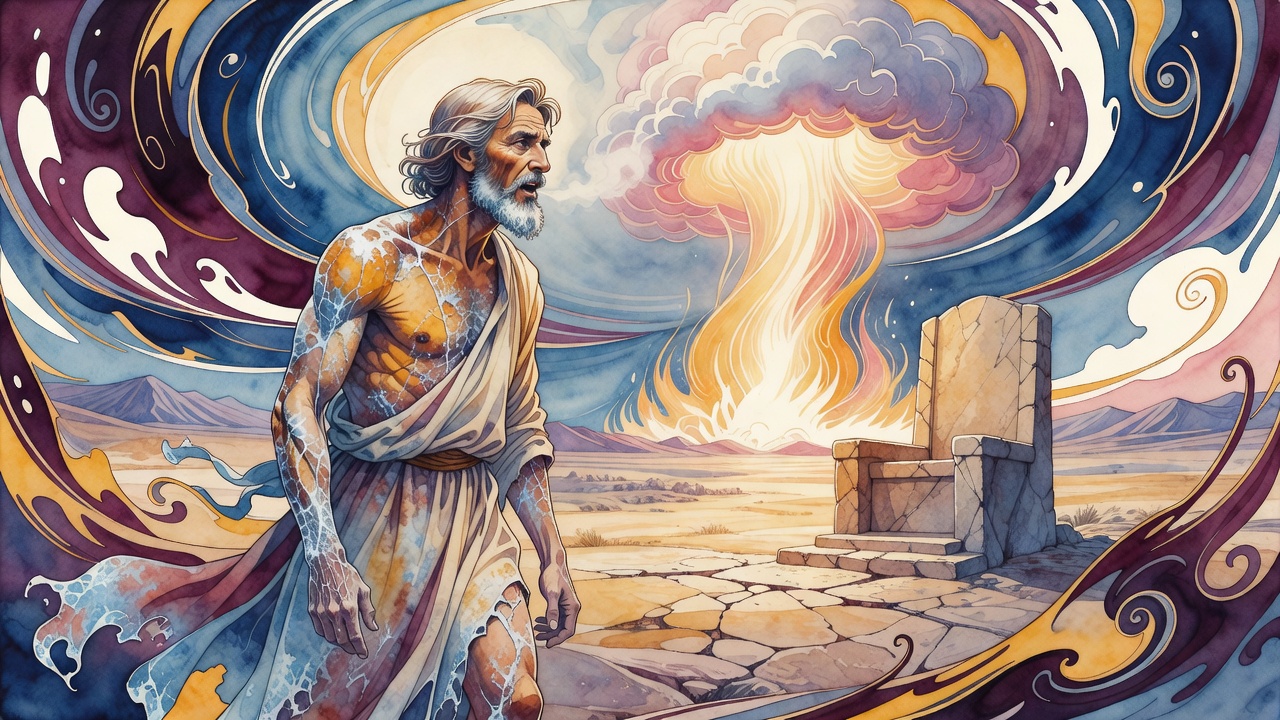
and he lay down in that place – R’ Yehudah says ‘here he lay down, but all fourteen years that he was hidden away in the land serving Ever he never laid down.’ R’ Nechemia says ‘he...
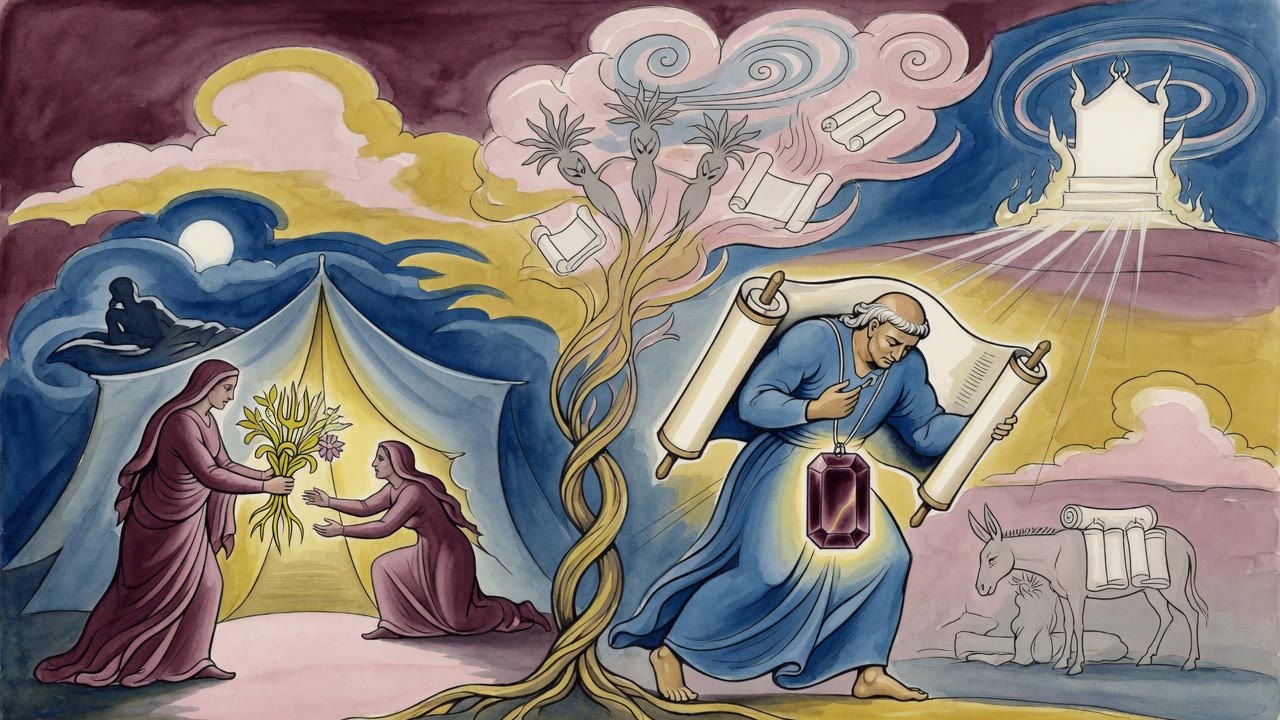
R’ Yehoshua of Sachnin said in the name of R’ Levi: “And I placed My words into your mouth…” This refers to the Torah. “…and with the shadow of My hand I covered you…” (Isaiah 51:1...
“Take the staff…” (Bamidbar 20:8) This is what the scripture says “The staff of your might the Lord will send from Zion…” (Psalms 110:2) This is the staff which was in the hand of ...
Yom Kippur (the Day of Atonement) is unlike any other day in the calendar — and according to Tanna DeBei Eliyahu Rabbah, a midrash (rabbinic interpretive commentary)ic work traditi...
Someone once asked Rabbi Akiva a question that seemed simple but carried enormous weight: "How great is the value of the Torah?" Rabbi Akiva did not hesitate. "Each word of the Tor...
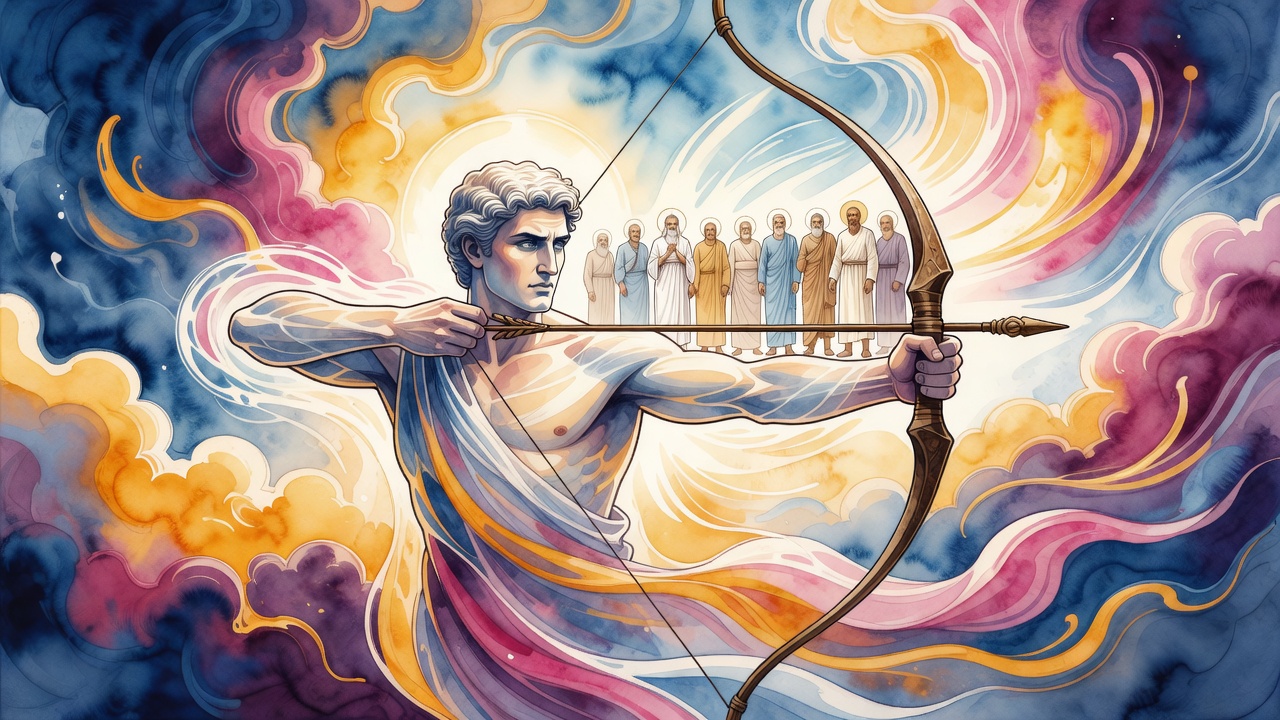
Alexander Legend. J. Aboda Zara, III, 1. Midr. Psalms, 93, 6. Numb. R. ch. 13. cf. Ps. Callisthenes II, ch. 38 and 41. cf. Hebrew Alexander Legend ed. Gas ter, Romance of Alexander...
Nathan de § us it a. Sabbath, f. 56b. Sanhedrin, f. 31b. Menahot, f. 44a. cf. Gittin, f. 56a. Sifre, Numb. Shelah § ii5- P- 35b,, Tanya". Tana de be Eliahu Zutta, ch. 22. Maamadot,...
When the Romans executed the Ten Martyrs — the greatest sages of Israel — two of the first to die were Rabban Shimon ben Gamliel, the Nasi (prince) of the Sanhedrin, and Rabbi Ishm...
A student once approached Rabbi Akiba and asked him a deceptively simple question: "How great is the value of the Torah?" Rabbi Akiba did not hesitate. "Each single word of the Tor...
When Rabbi Eliezer fell gravely ill, four of the greatest sages came to comfort him. Rabbi Tarfon, Rabbi Yehoshua, Rabbi Elazar ben Azariah, and Rabbi Akiba each tried to ease his ...
Rabbi Shimon bar Yohai was a sage of such extraordinary righteousness that the rainbow — God's sign of the covenant with Noah — never appeared during his lifetime. The Talmud (Ketu...
For thirteen years, Rabbi Shimon bar Yohai and his son Rabbi Elazar hid in a cave, fugitives from the Roman Empire. The Talmud (Shabbat 33b) records how they survived and what happ...
The sages taught that God is nearer to His people than any earthly king is to his subjects. The Midrash (Jerusalem Talmud Berakhot 9:1, Mekhilta to Jethro) develops this idea throu...
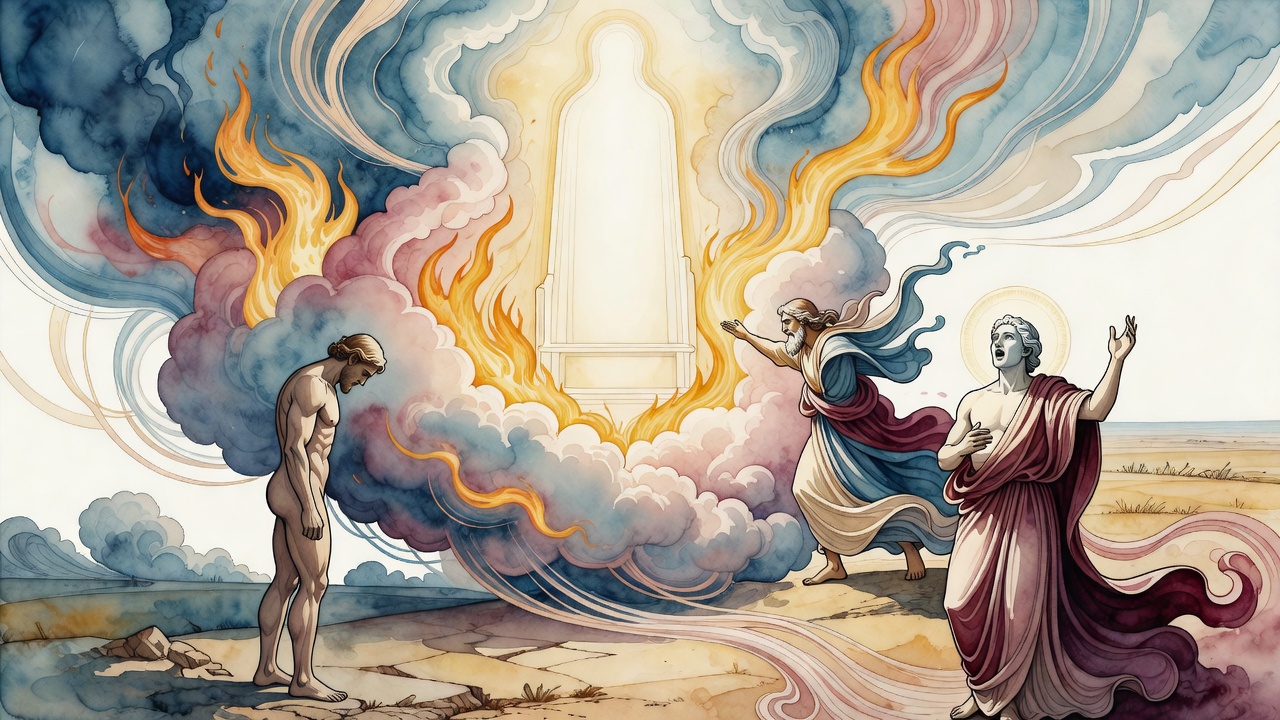
And our sages, wrestling with the creation story itself, asked a very similar question. The Book of Psalms (8:5) asks, "What is a mortal that You remember him, a man that You take ...
“The king said: Who is in the court? Haman had come into the outer court of the king's palace, to tell the king to hang Mordekhai on the gibbet that he had prepared for him” (Esthe...
"And it was (vayehi) on the day that Moses had finished" (Numbers 7:1), meaning to say, woe (vay) on the day that Moshe finished. There is a [relevant] parable about a king who had...
"And it was on the day that Moses had finished to erect the tabernacle" (Numbers 7:1). Our rabbis taught (Avot 1:2),"On three things the world stands: On the Torah, on the service ...
"And it was on the day that Moses had finished" (Numbers 7:1). So did Rabbi Tanchuma bar Abba open [his discourse from] (Proverbs 30:4), "Who has ascended heaven and come down": Th...
(Numb. 7:1:) “So it came to pass on the day that Moses had finished.” R. Judah bar Simon said, “On the day that the Tabernacle was erected, Moses entered and heard a majestic voice...
All of the commandment that I command you today (Deuteronomy 8:1): This is what the verse stated (Proverbs 7:2), "Keep My commandments and live," since David said (Psalms 17:8), "G...
Another interpretation: "All of the commandment" (Deuteronomy 8:1). If you have began with a commandment, finish all of it. Why? Rabbi Yochanan said, "Anyone who began with a comma...
At that time, the Lord said to me, "Carve out two tablets of stone like the first ones" (Deuteronomy 10:1): This is what the verse stated (Jeremiah 2:20), "For long ago you broke y...