143 myths · Page 2 of 5
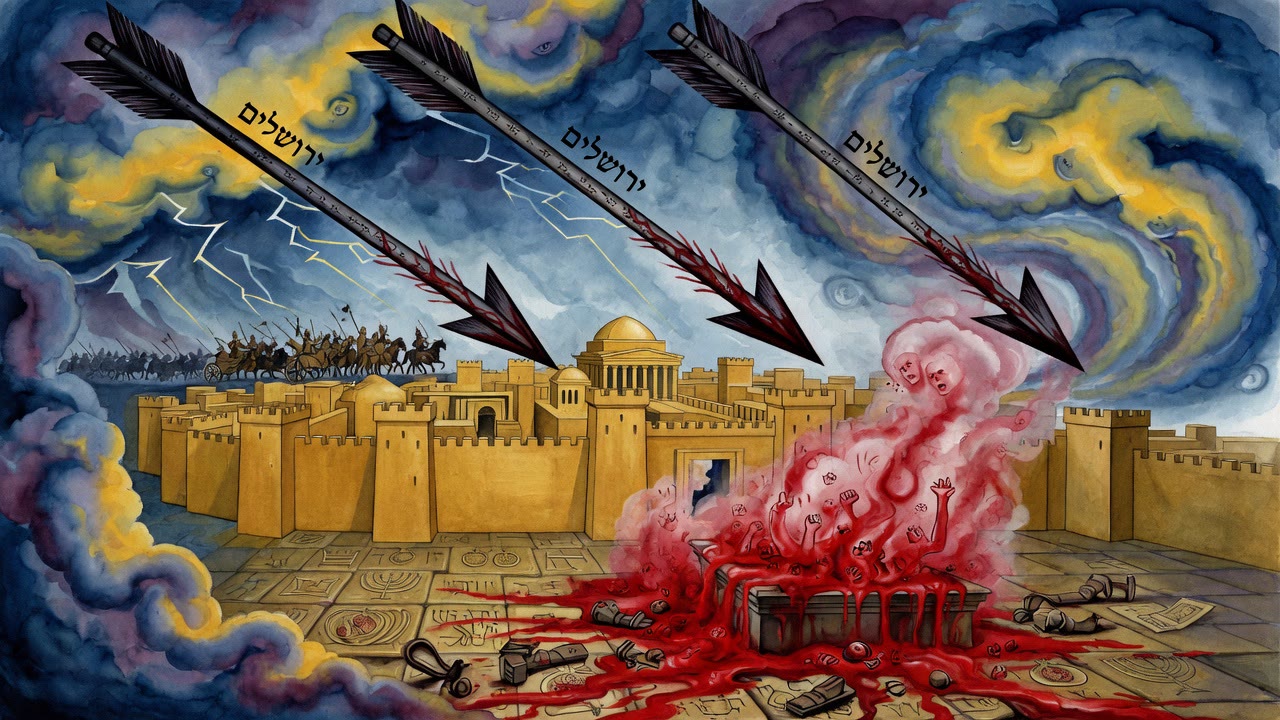
Nebuchadnezzar's arrows all turned toward Jerusalem. When his army arrived it found blood in the Temple courtyard still boiling after centuries of waiting.
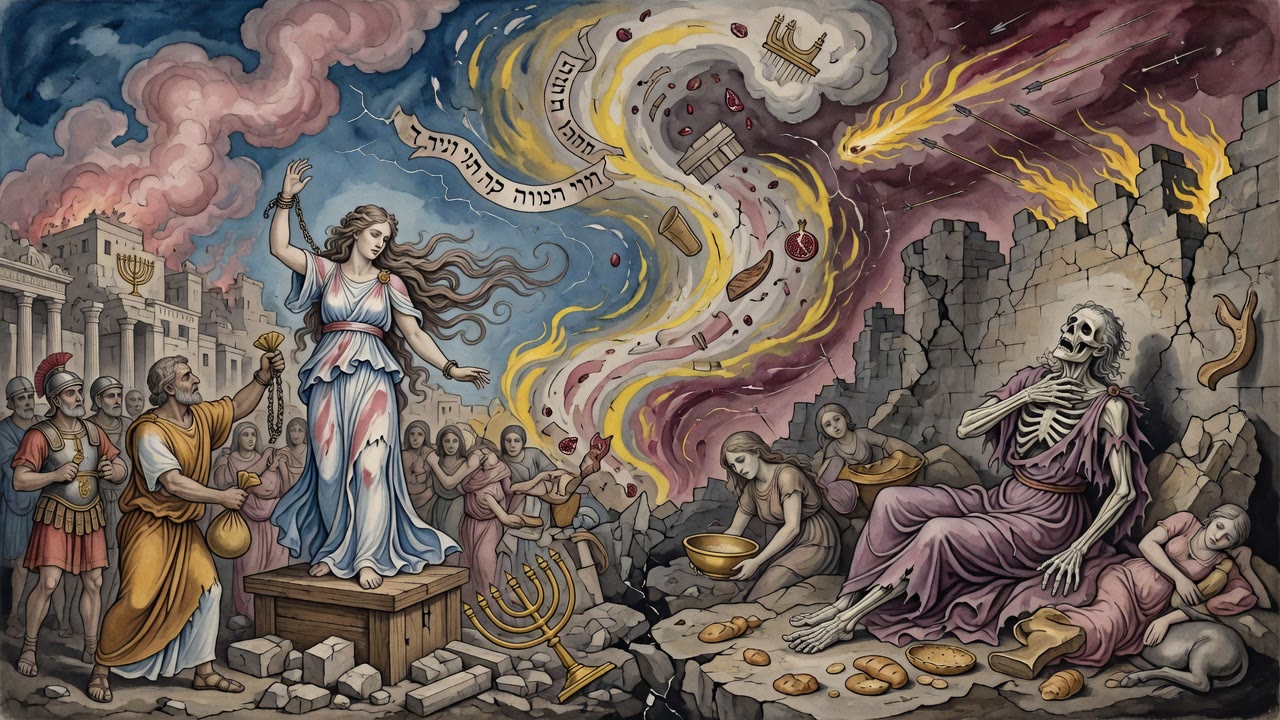
Buyers waited for the last cloth. Tzafnat tore it off herself and named her beauty out loud. She was dead on the stones before a bid could land.
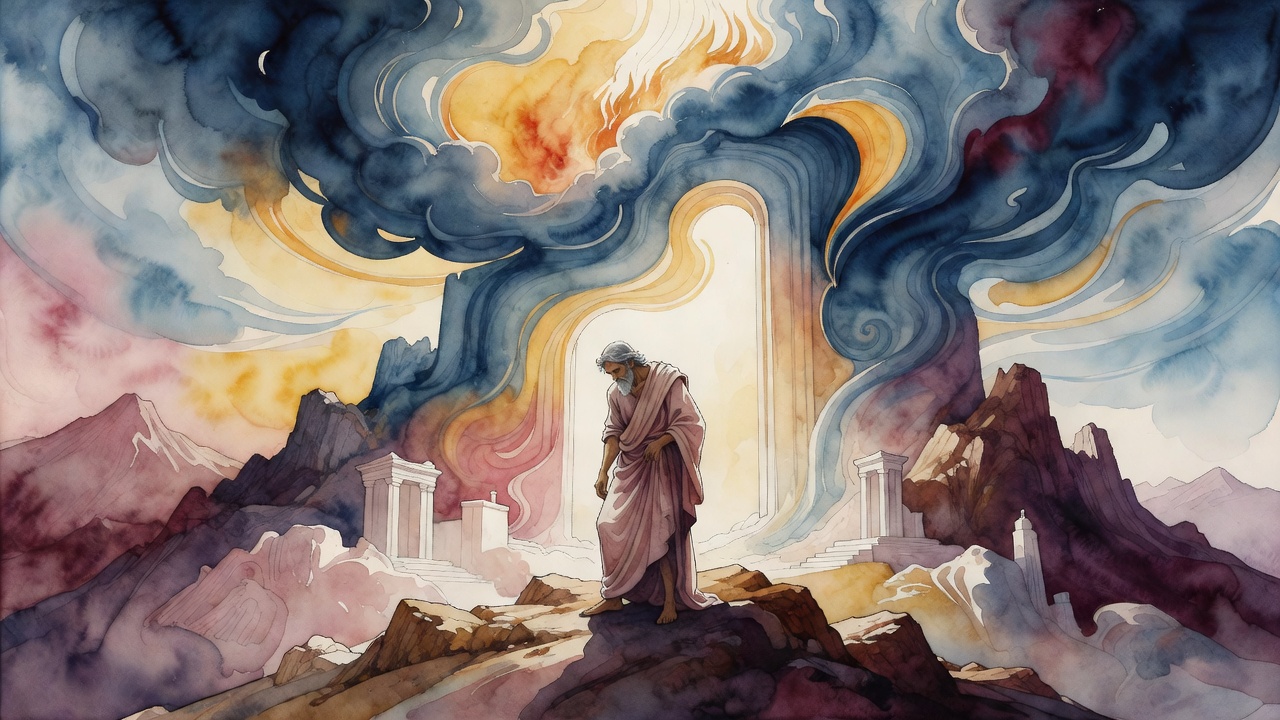
Adam settles on Mount Moriah after Eden because the gate he can no longer enter is close, and the place of return becomes the place of the Temple.
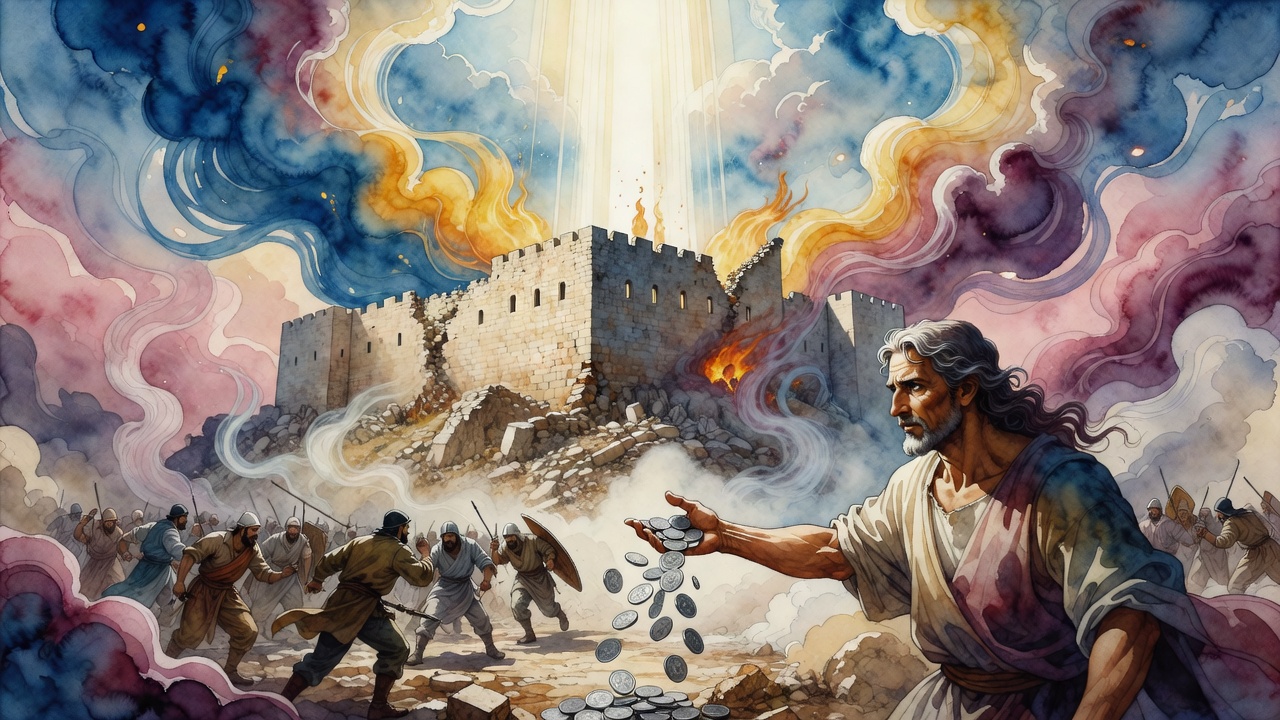
The Greek fort inside Jerusalem had watched the Temple for years. Simon starved the soldiers out, paid for the war himself, and let them live.
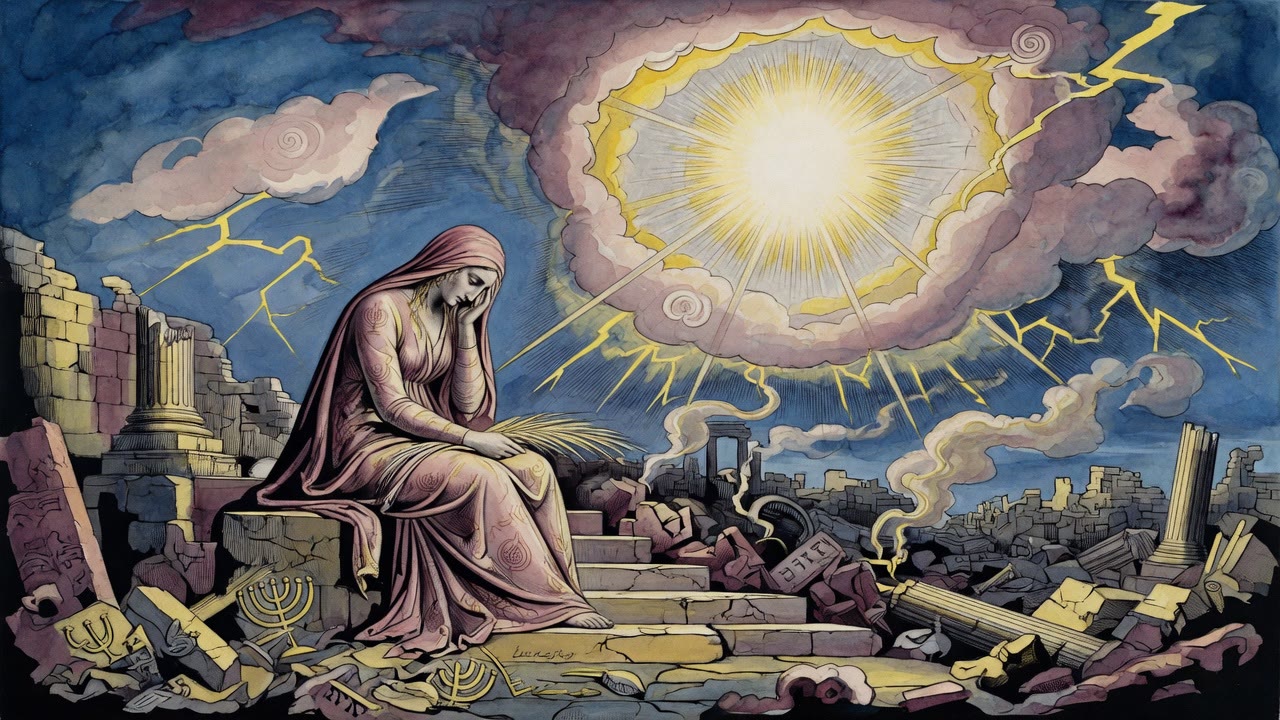
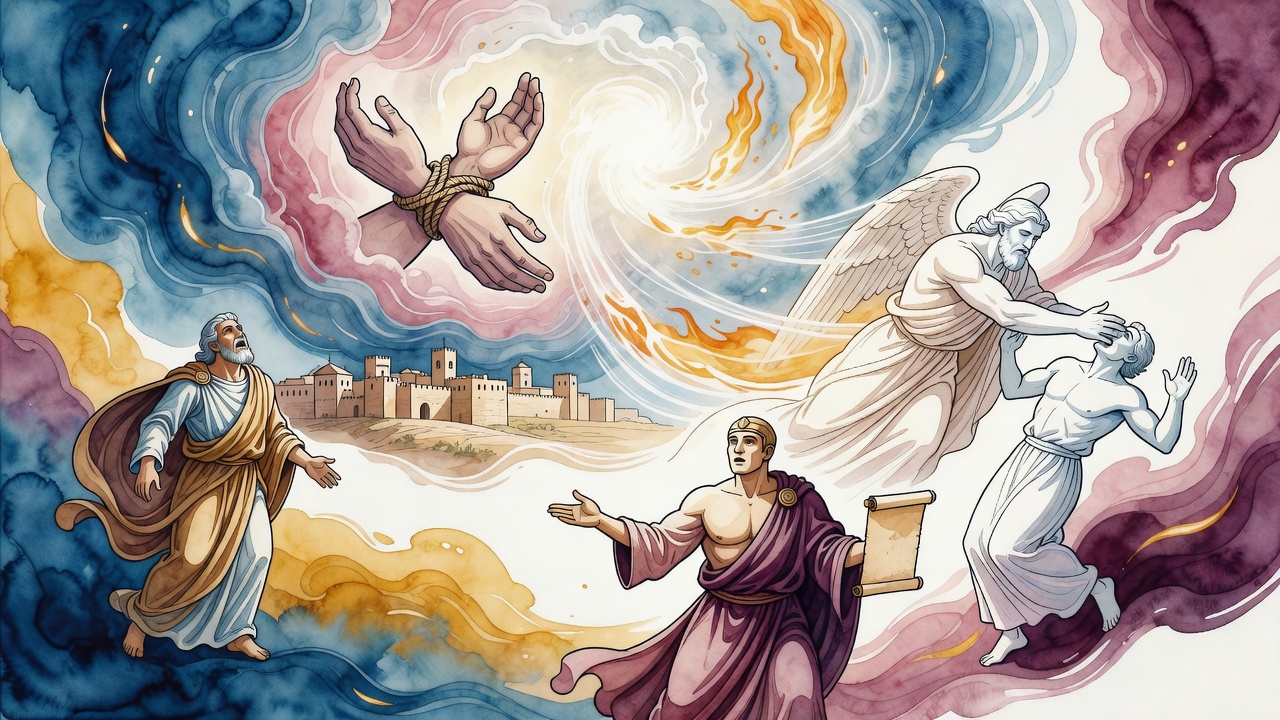
One man swore he would wall the city with water. They called the old angel names, and a stranger's voice said the work was no longer his.
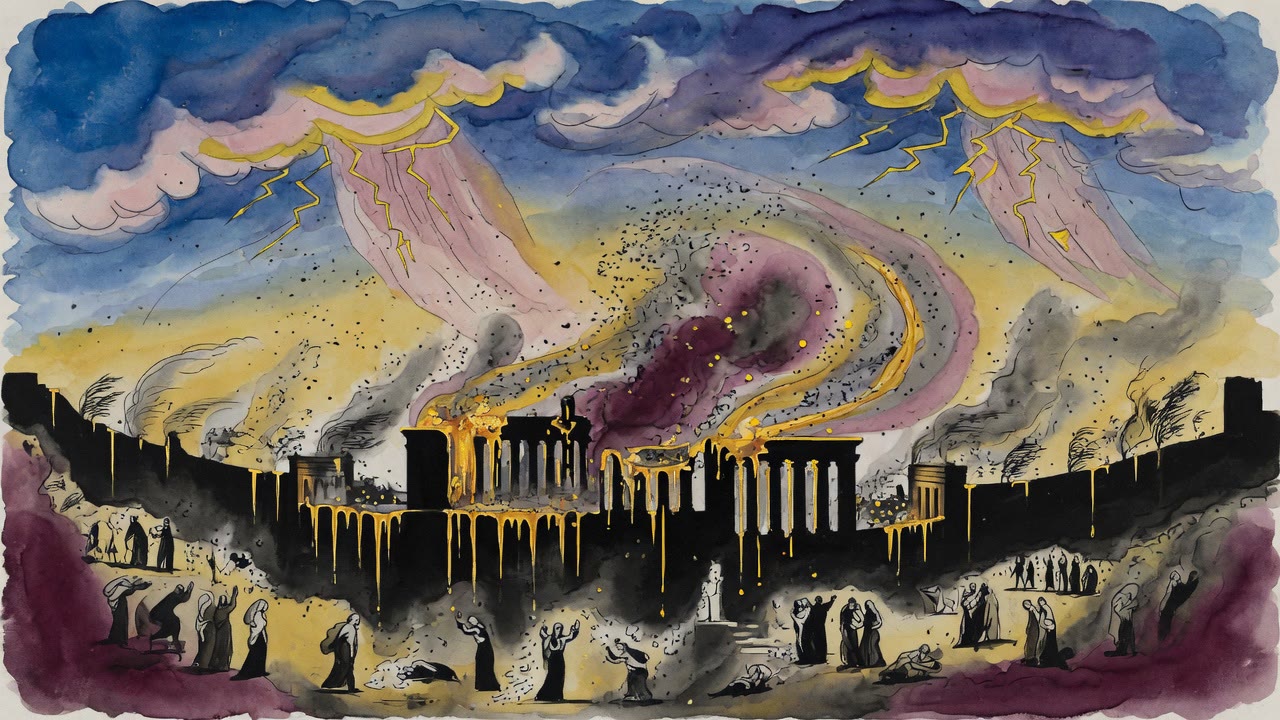
Three times a year the roads filled with dust and song. Then the feet stopped. Priests stood at empty gates with gifts no one came to take.
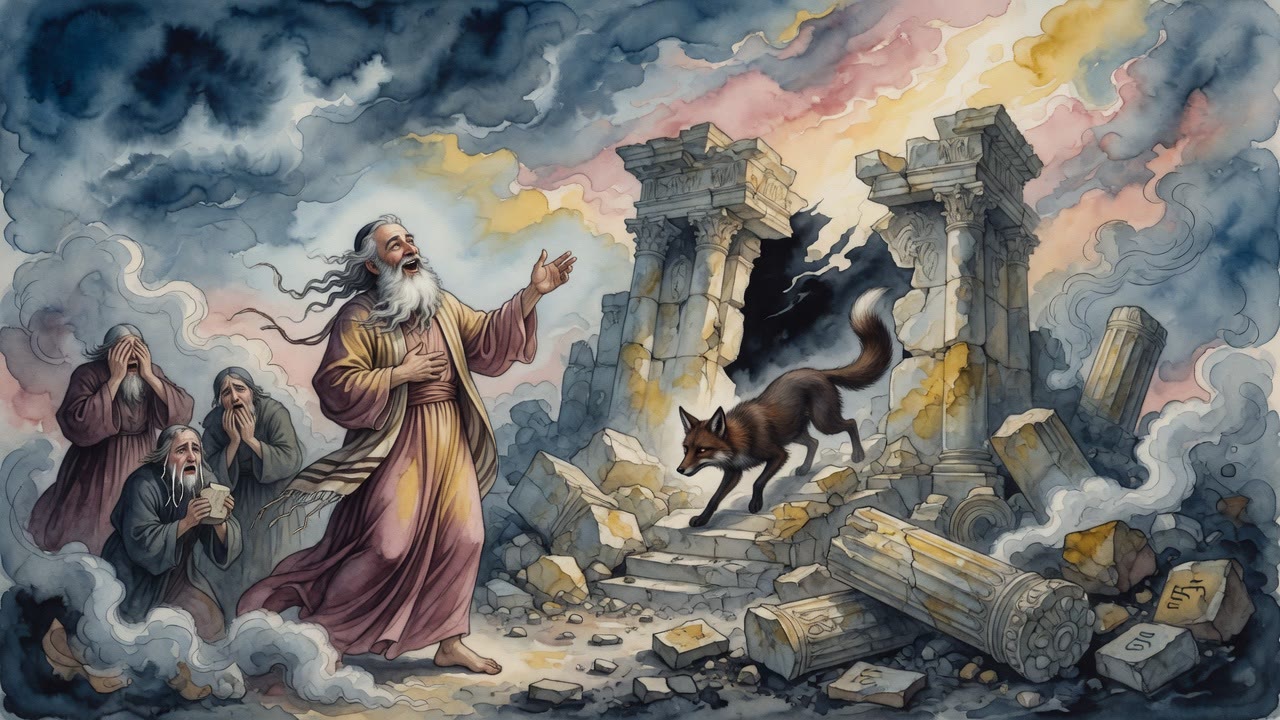
Eikhah Rabbah follows Jerusalem's wealthy through the siege from golden baskets lowered over walls to the shame of being called impure in the nations.
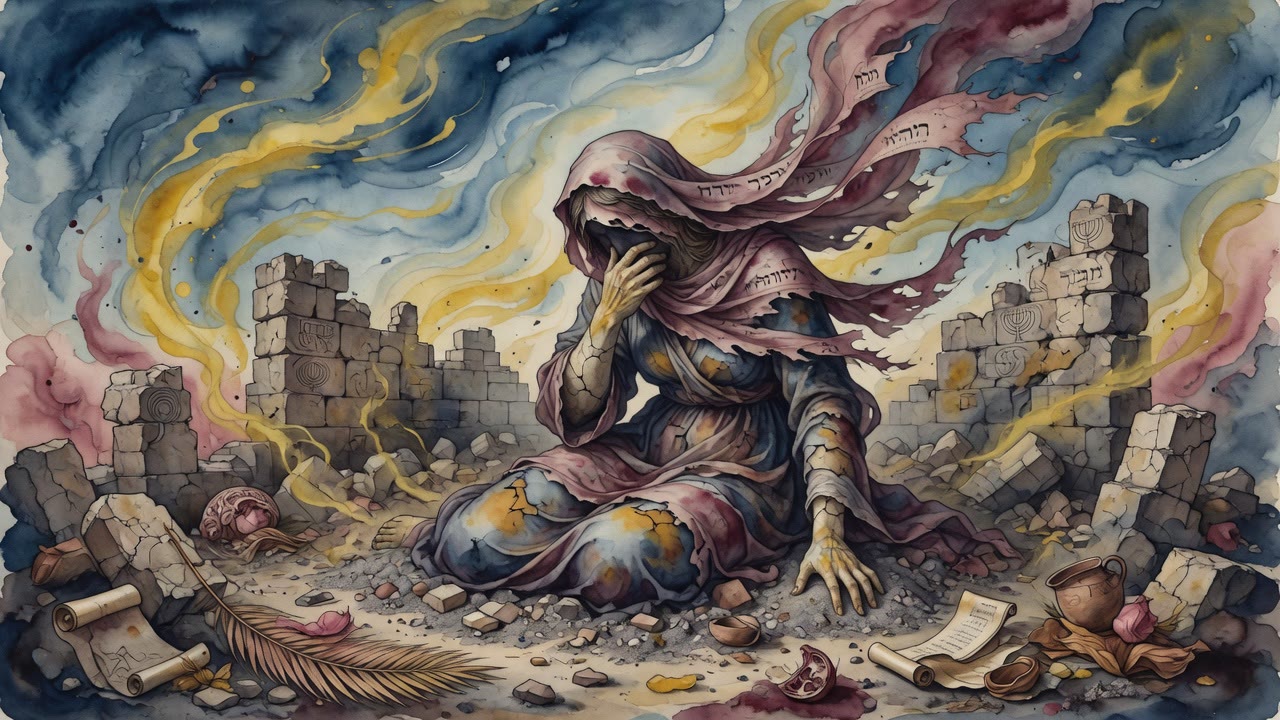
They heard Rome from a hundred and twenty mil and wept. Akiva laughed then too, long before a fox walked out of the Holy of Holies.
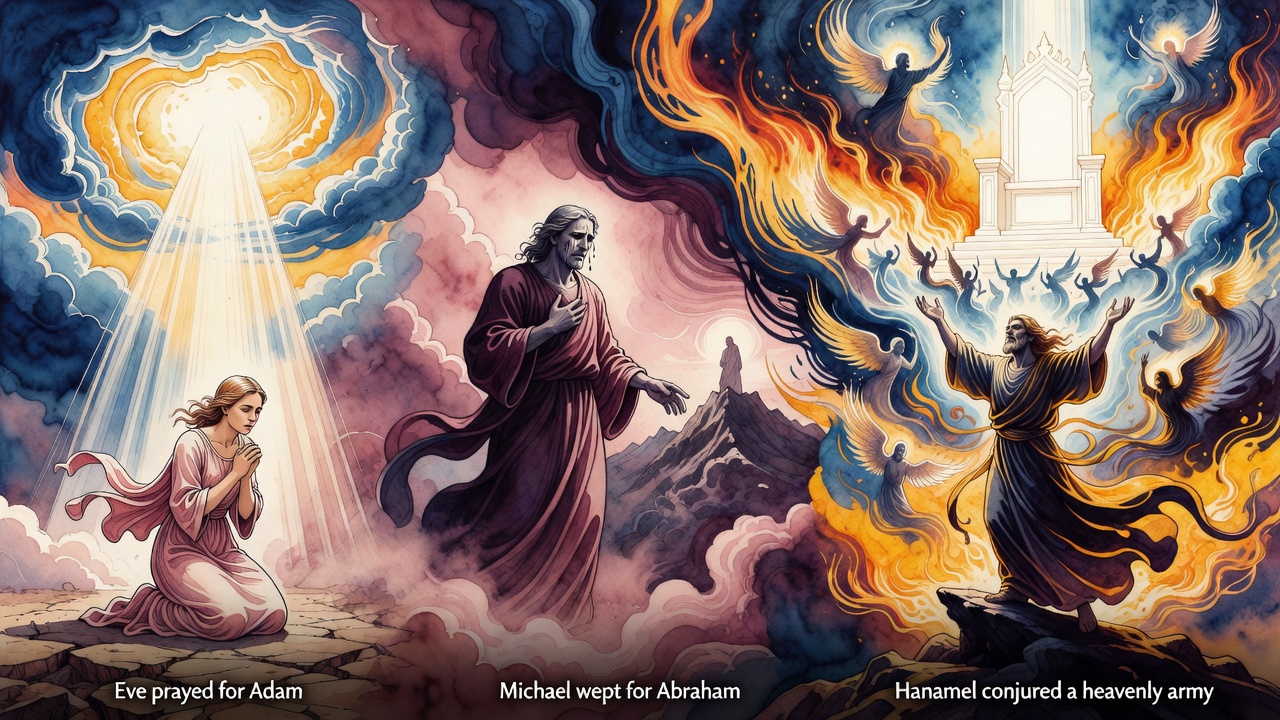
Eve prayed for Adam. Michael wept for Abraham. Hanamel conjured a heavenly army. Three petitions reached the throne, and only two came back answered.
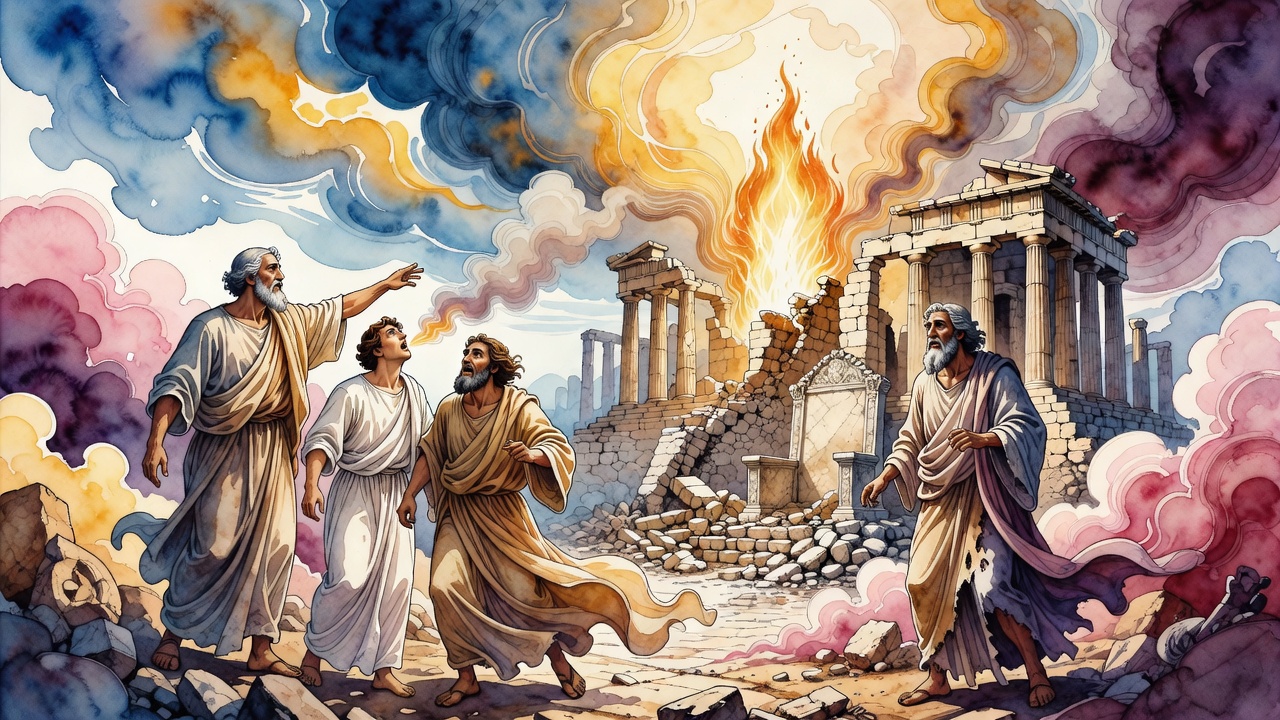
Abraham named it. Isaac smelled the smoke. Jacob woke shaking. And Tzidkiyahu, the last king, lived the ending three patriarchs had already seen.
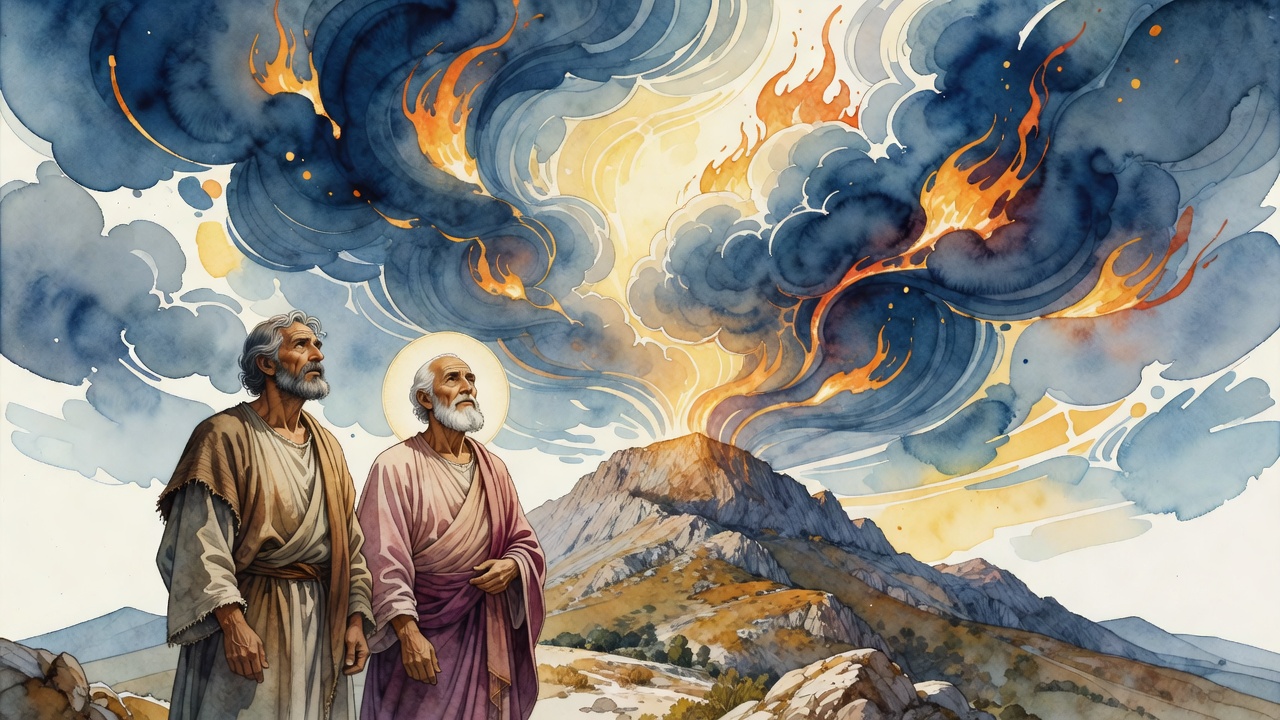
Long before either man arrived, God had put up a booth on that hill and prayed inside it for a house of his own to be built there.
An Athenian handed a Jerusalem tailor a broken stone mortar and told him to sew it. The tailor put sand in his palm and asked for thread.
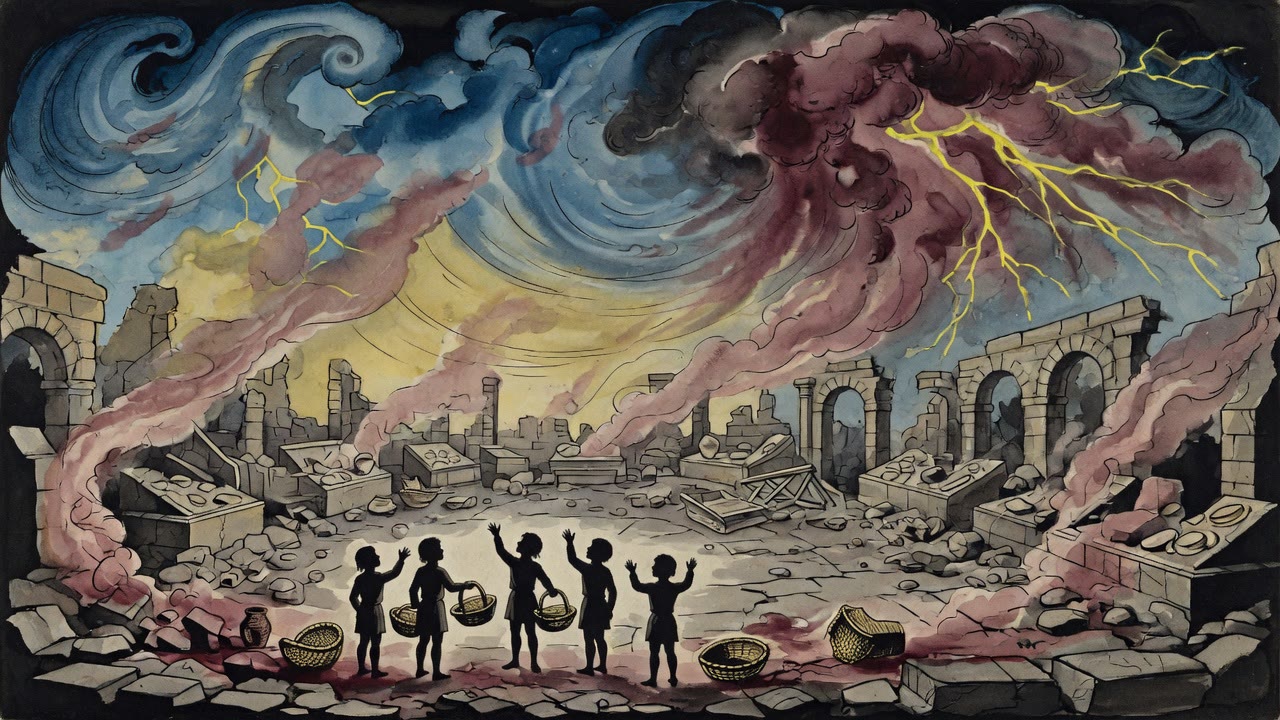
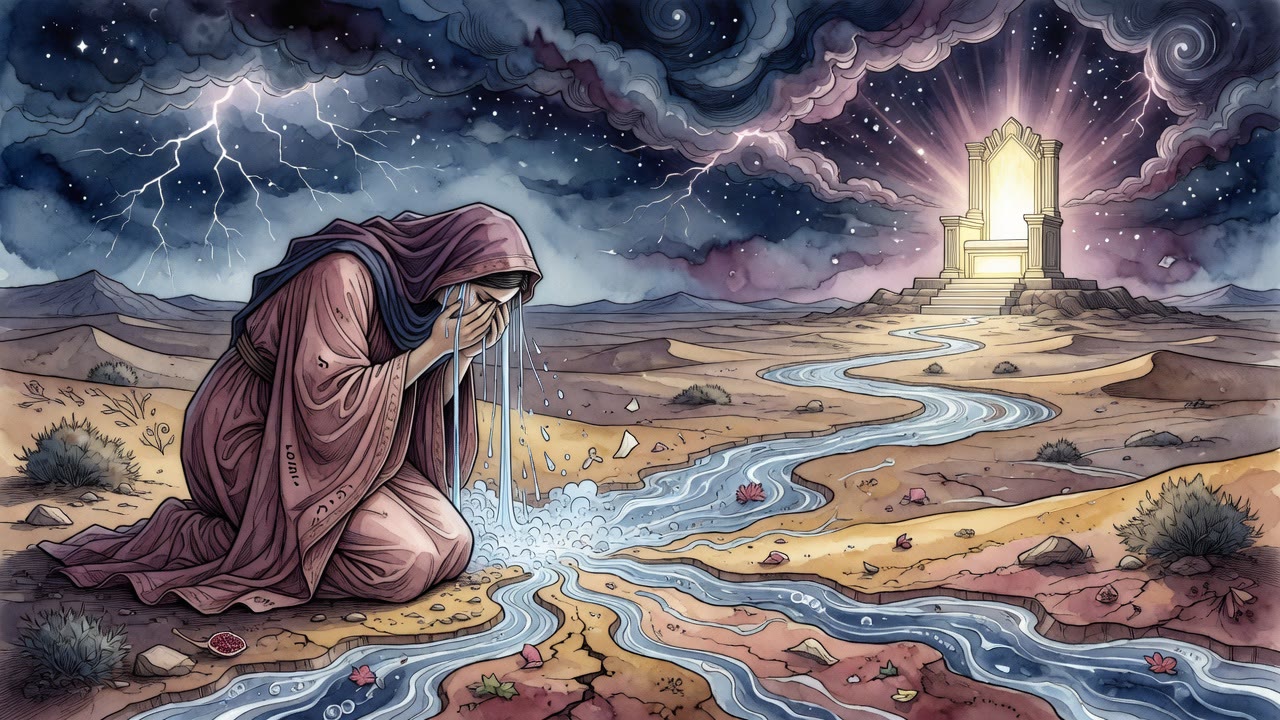
Eikhah Rabbah faces the siege famine through children who remembered abundance, a stream that ran dry, and women who gave away their last loaf to a mourner.
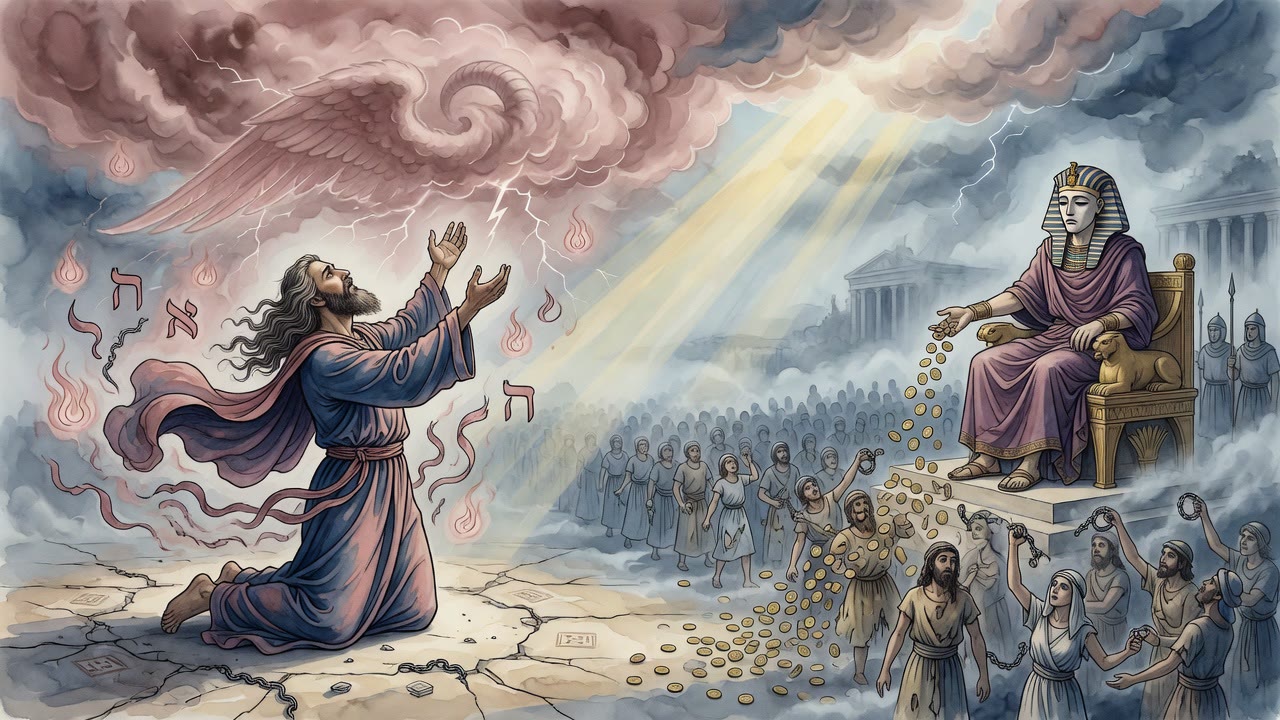
The curtain at the entrance never stopped moving in the breeze, and he could scarcely look away. Then he noticed seven hundred priests working without a word.
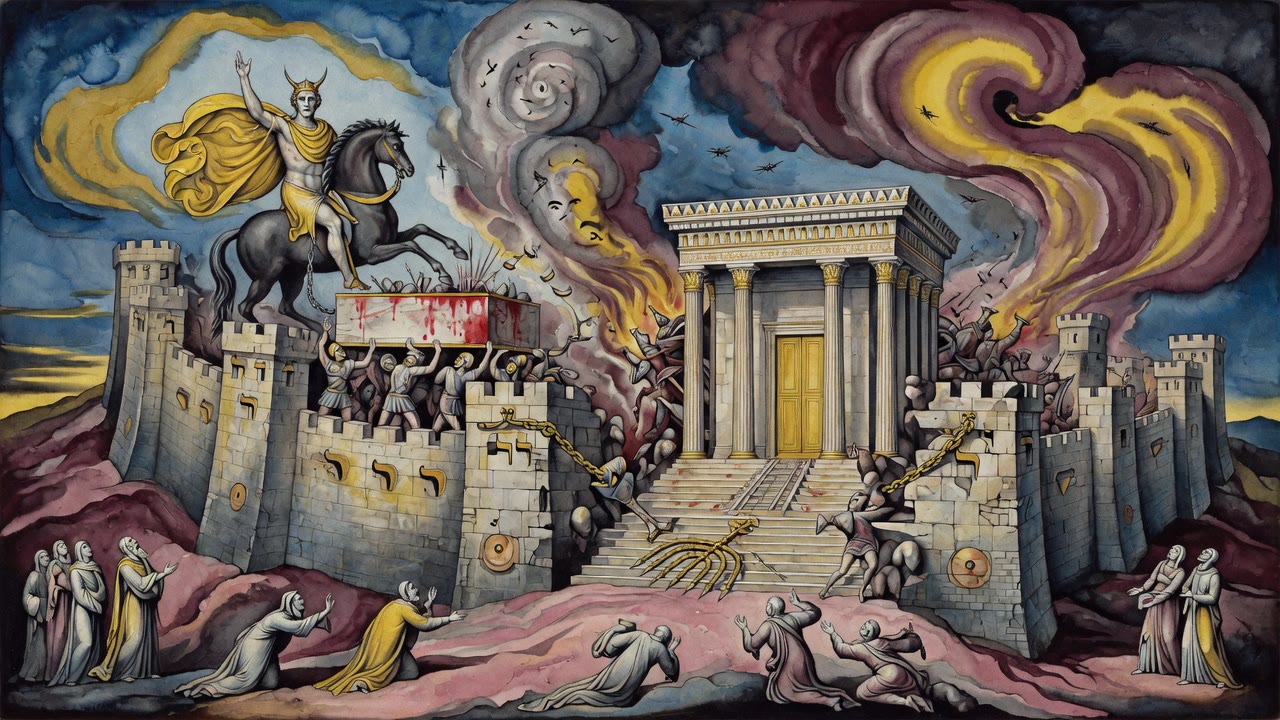
He walked into the sanctuary and lifted the menorah from its place. Two years later his men spoke peace at the gates, then set the city on fire.
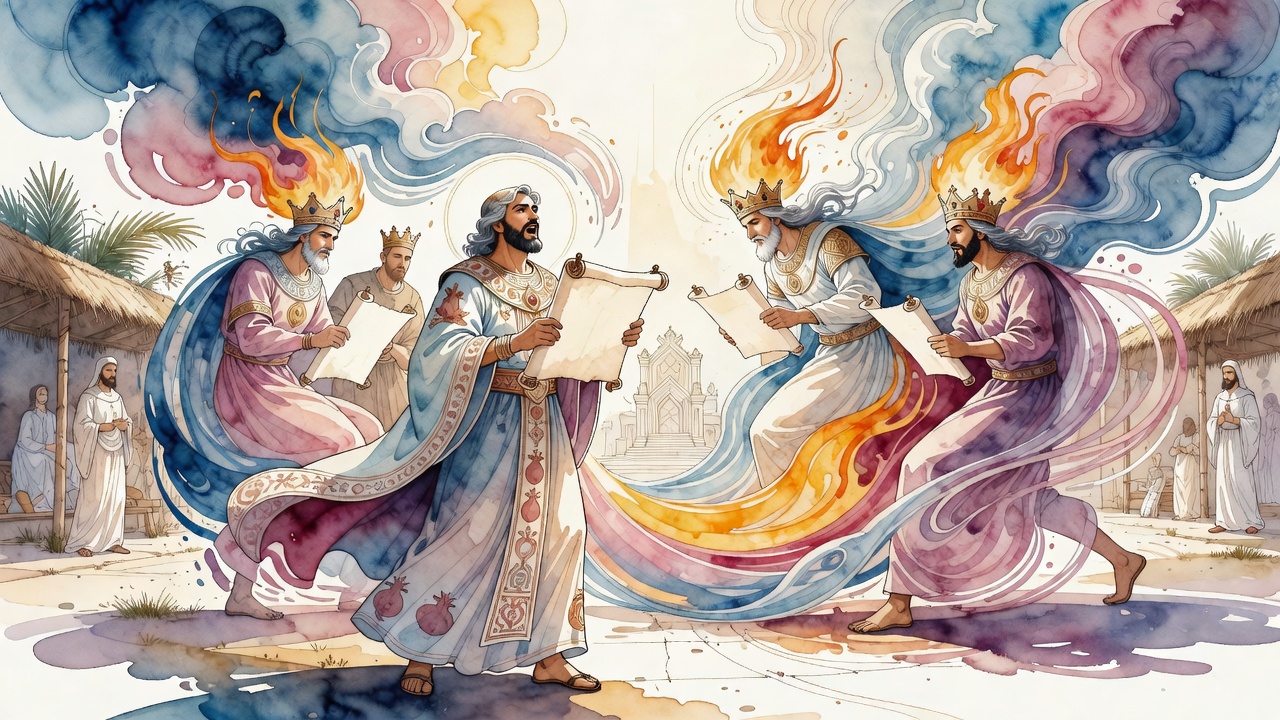
The letter opened: King Alexander to his brother Jonathan. With it came a purple robe and a crown of gold, and Jonathan wore them through Sukkot.
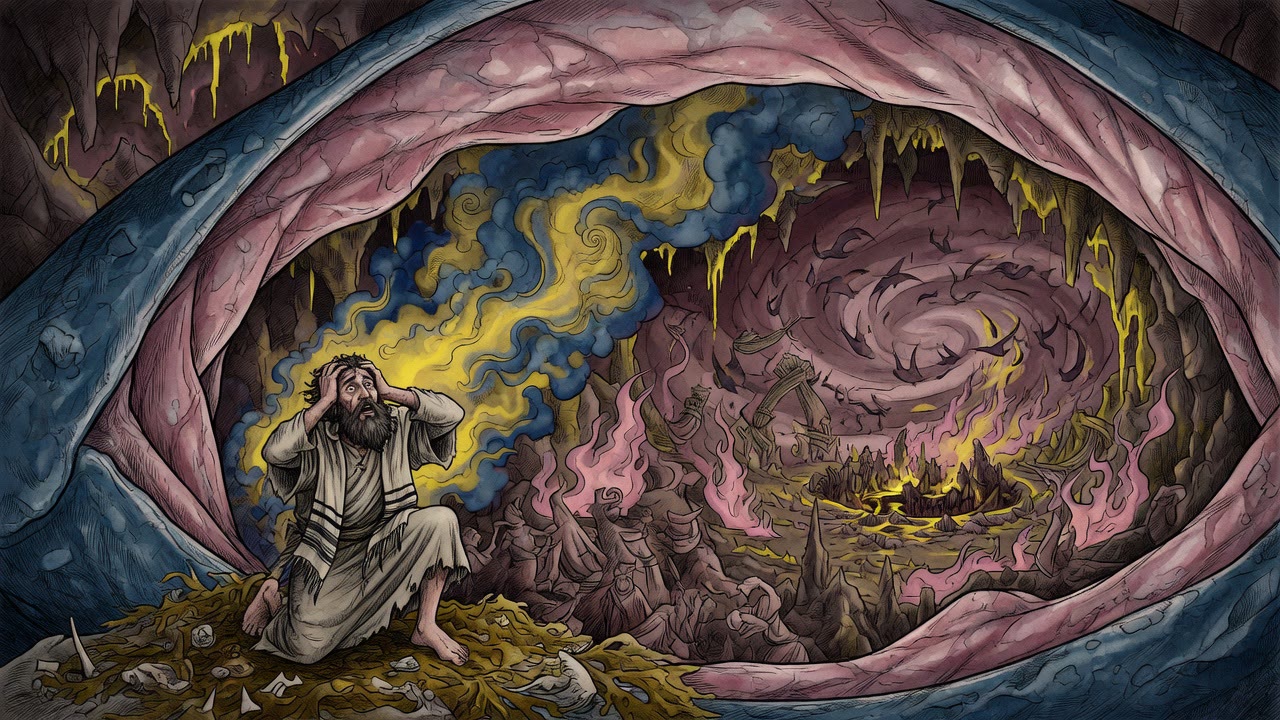
No fallen city could equal Jerusalem, so God sent no deputy into exile with Israel. Only the one who lit the fire could pay what was owed.

Gold was never for human ownership. God placed it at the edge of Eden, named countries that did not exist yet, and waited for the Temple to be built.
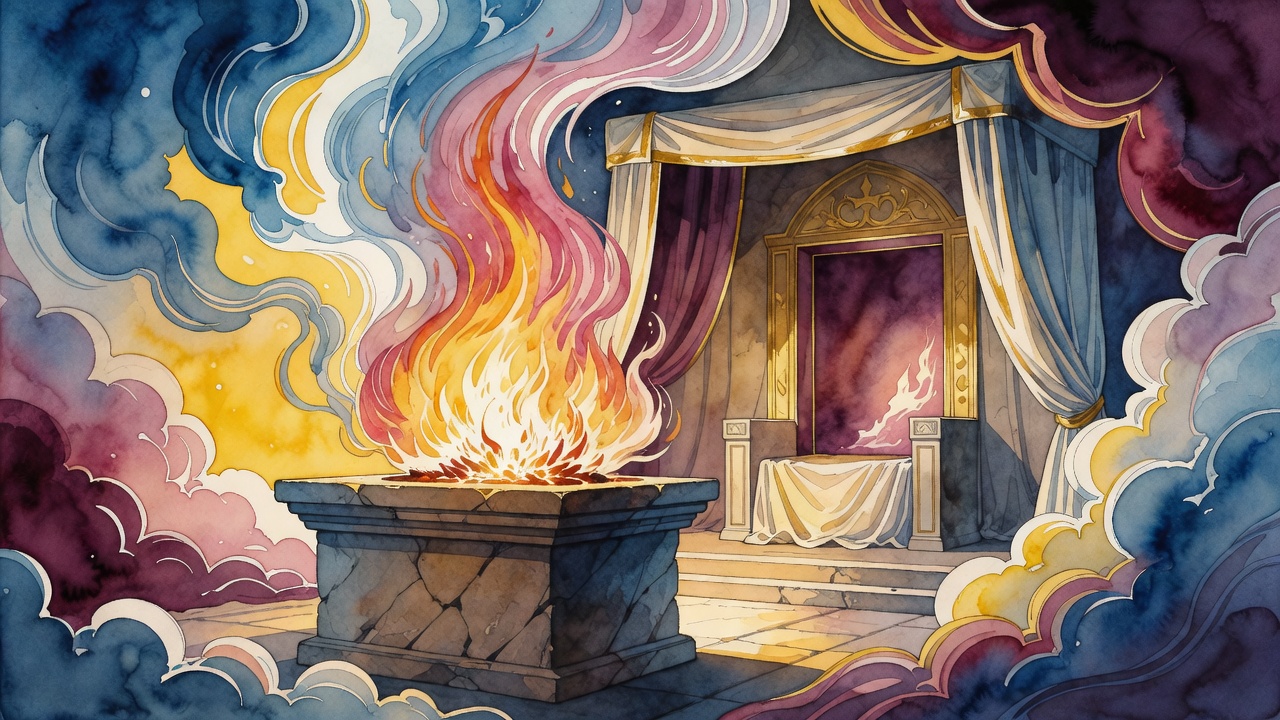
A flame from heaven lodged on Moses's altar and stayed four hundred years. In the same Tabernacle, gold was plated in one place no human eye would ever find it.
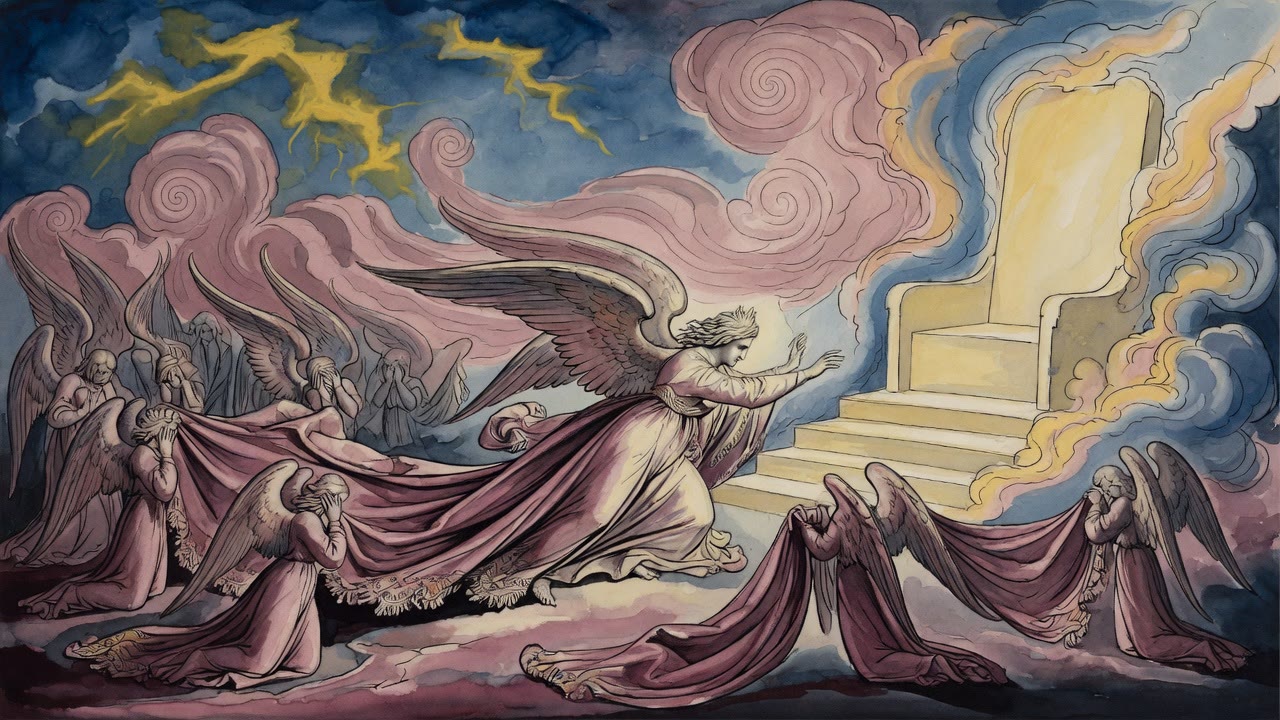
Three hundred priests carried one curtain to be washed. A handbreadth thick, woven on seventy-two strands, the parokhet guarded the holiest room.
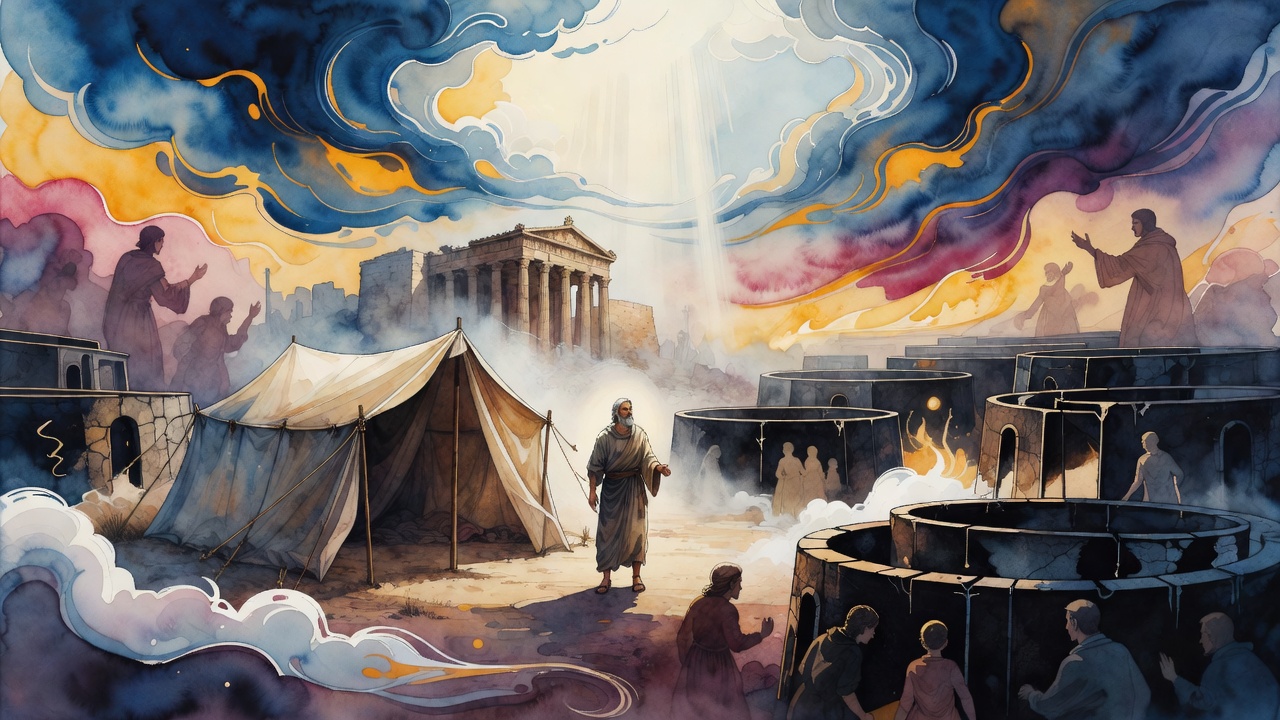
Hannah left her weaned son under curtains instead of a roof. South of the city, a father walked seven doors toward bronze hands.
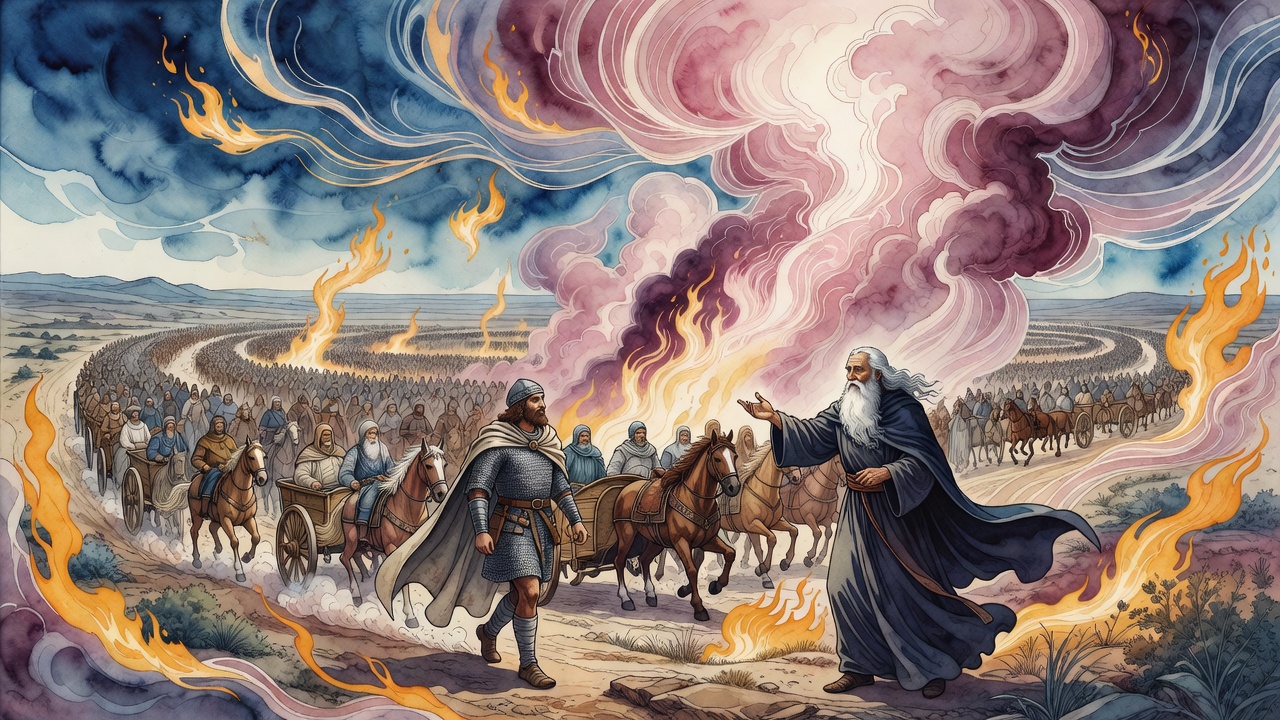
Godfrey de Bouillon marched east with a hundred thousand chariots, and an old rabbi told him he would reign three days and ride home with three horses.
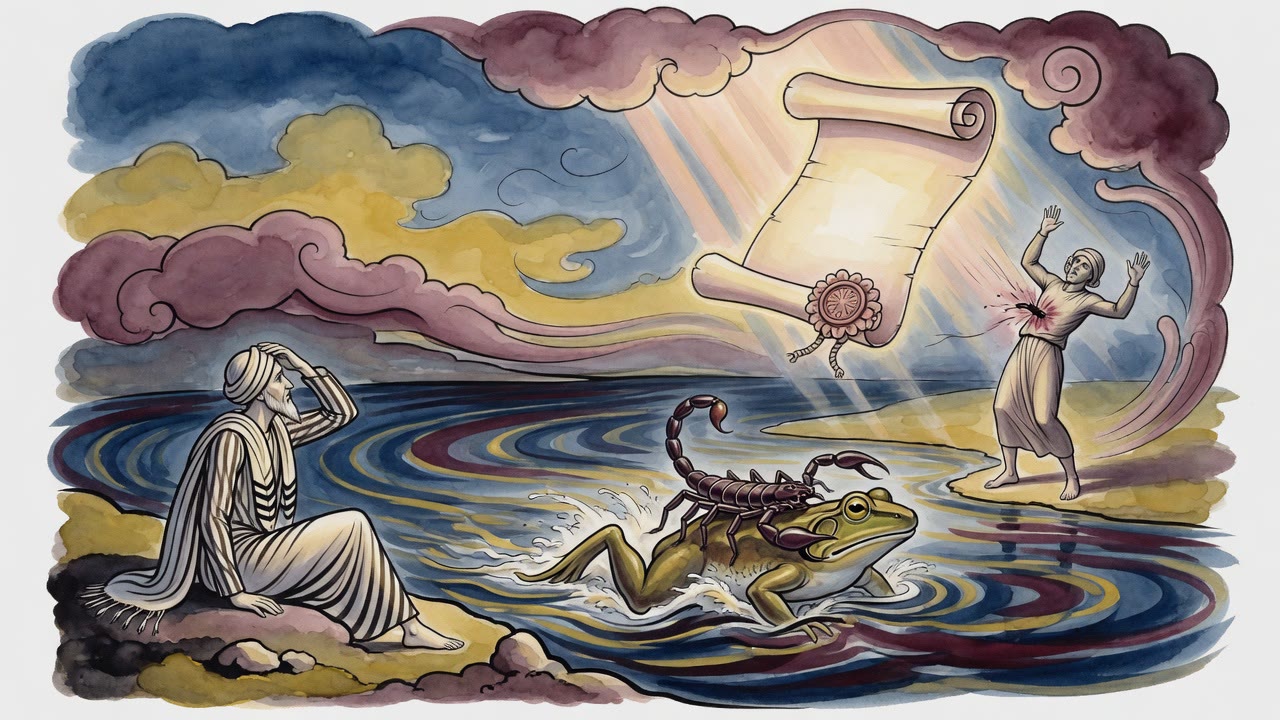
He came back shouting that the pearls were real. The sage looked at him once, and what hit the floor was a heap of dry bones.
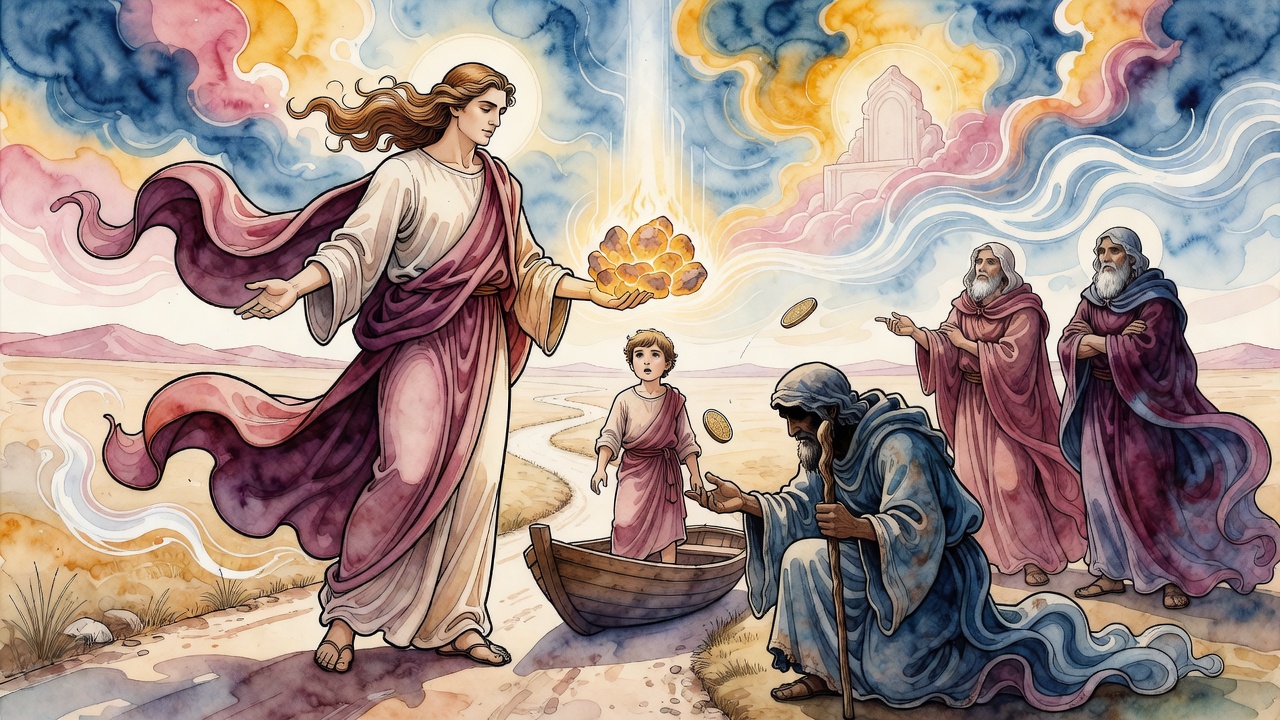
Elijah hands a boy the burning stones of future Jerusalem, while a coin to a blind beggar and a shrug decide two travelers' fates on the road.
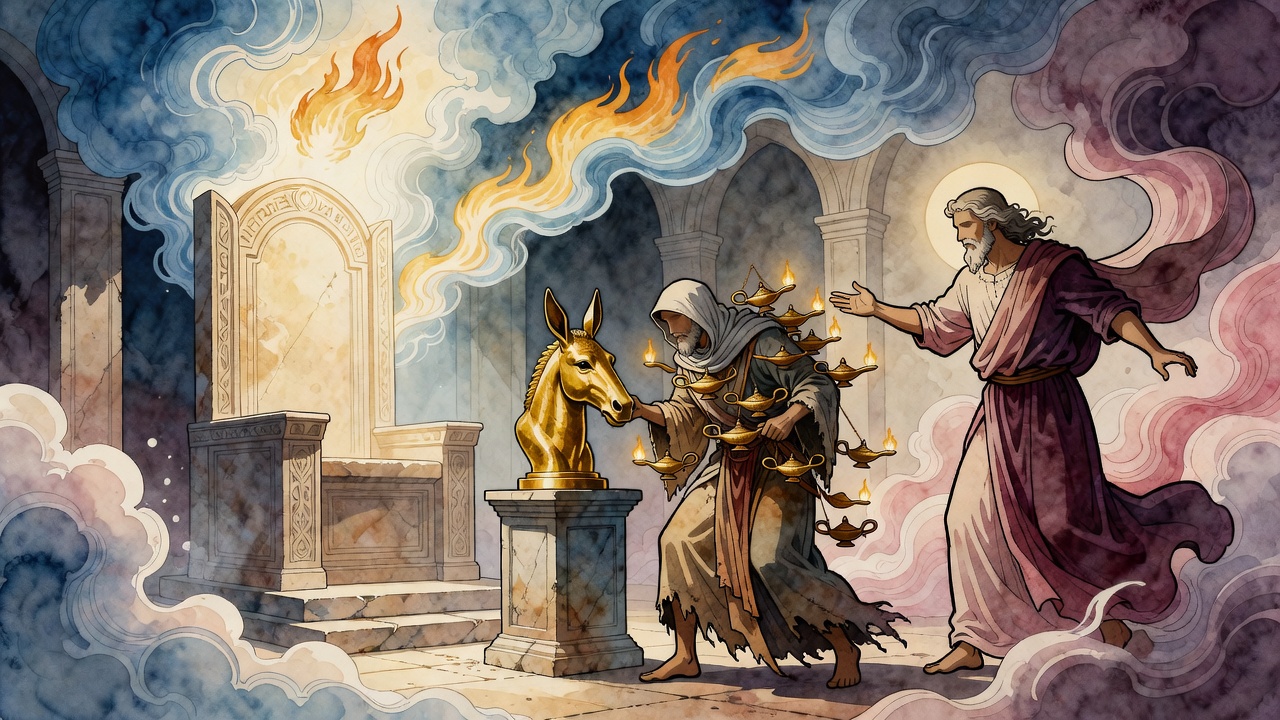
A schemer wrapped himself in lamps to steal a golden ass from the Temple, and Josephus answered by putting the accusers' own gods on trial.
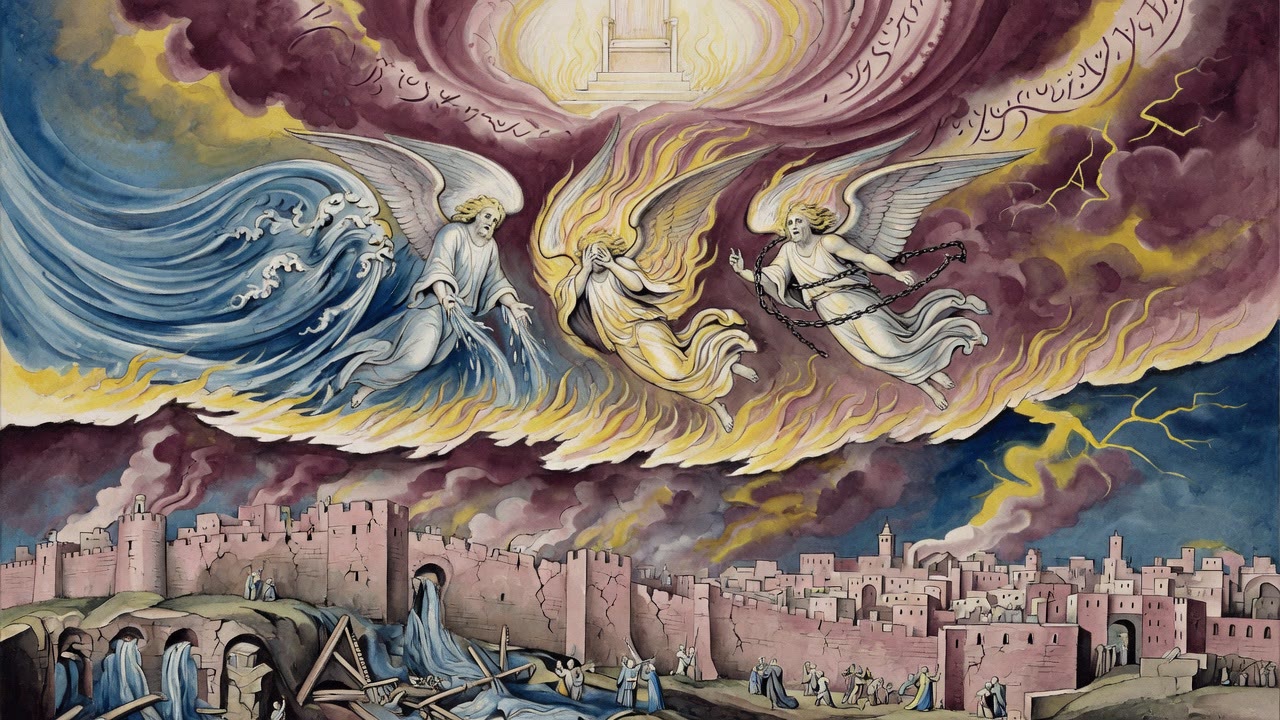
Jerusalem's guardian angels boasted of walls of water, fire, and iron. Then heaven turned their offices, and their old names answered no one.
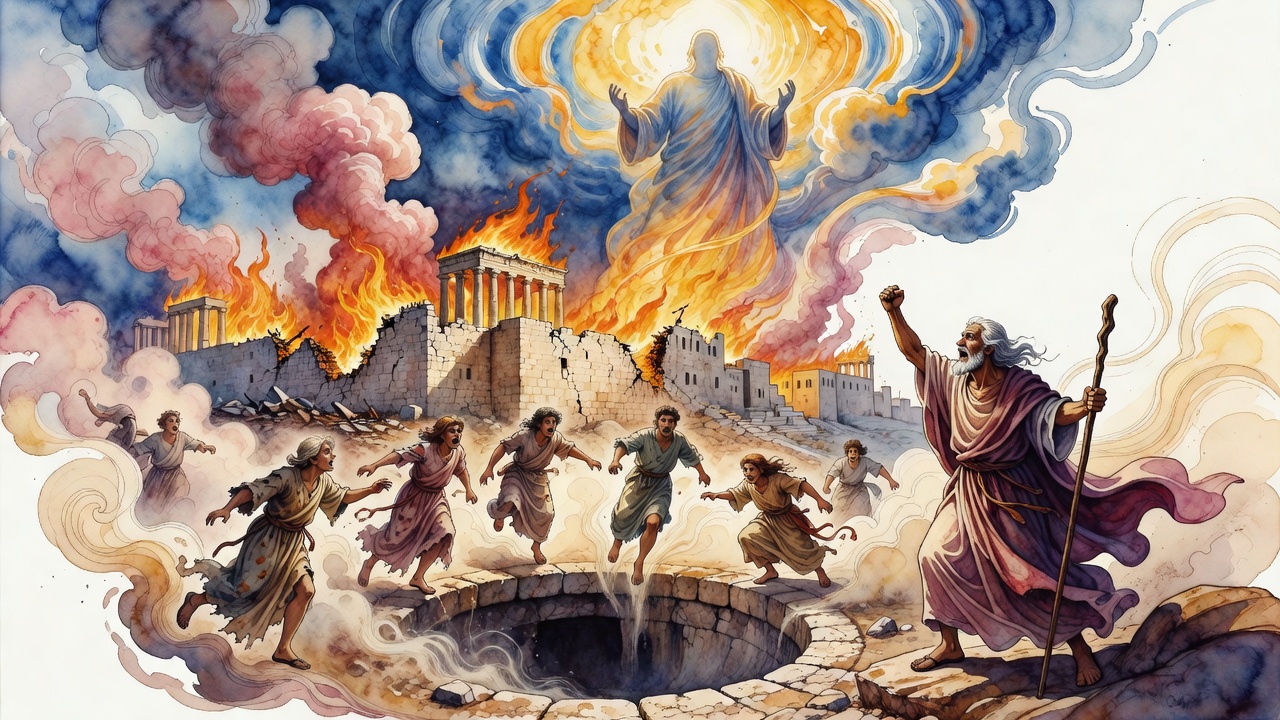
Jerusalem burns, the young leap into a hidden well rather than face the sword, and Moses is roused to see the ruined House and challenge heaven's silence.
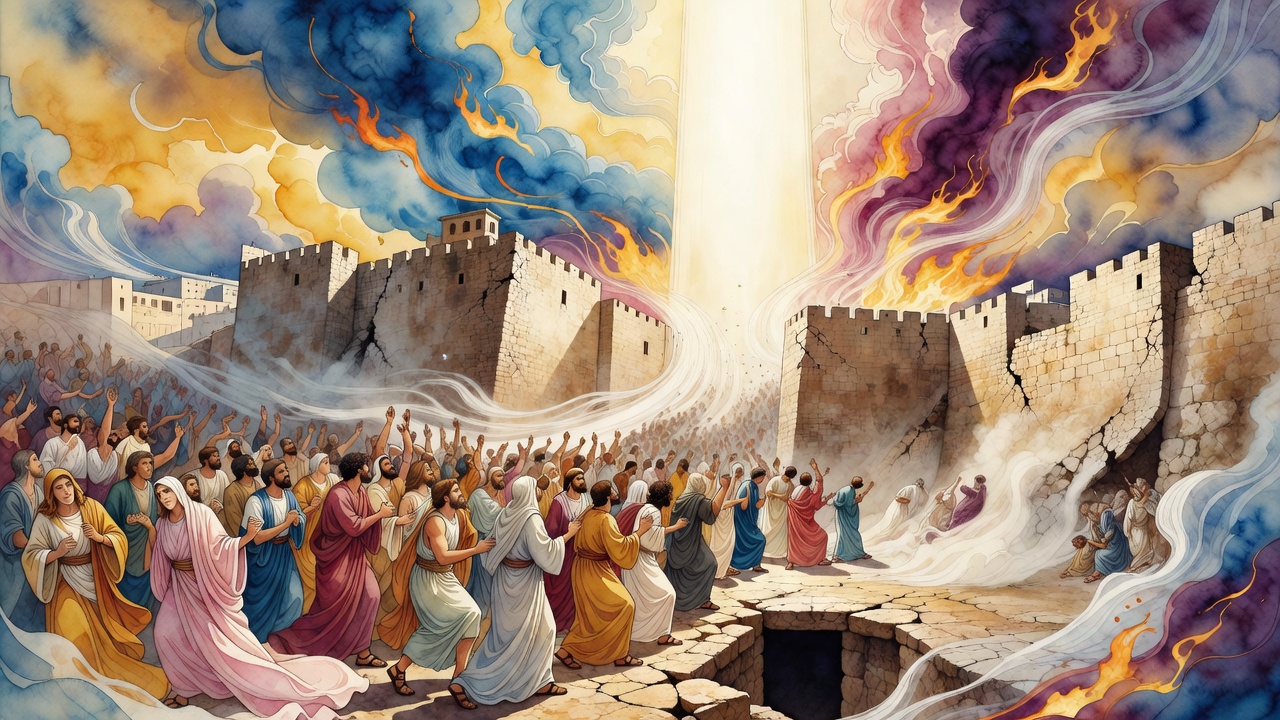
In the age of resurrection the righteous rise in such numbers that Jerusalem itself cries the place is too narrow, and the walls begin to move.
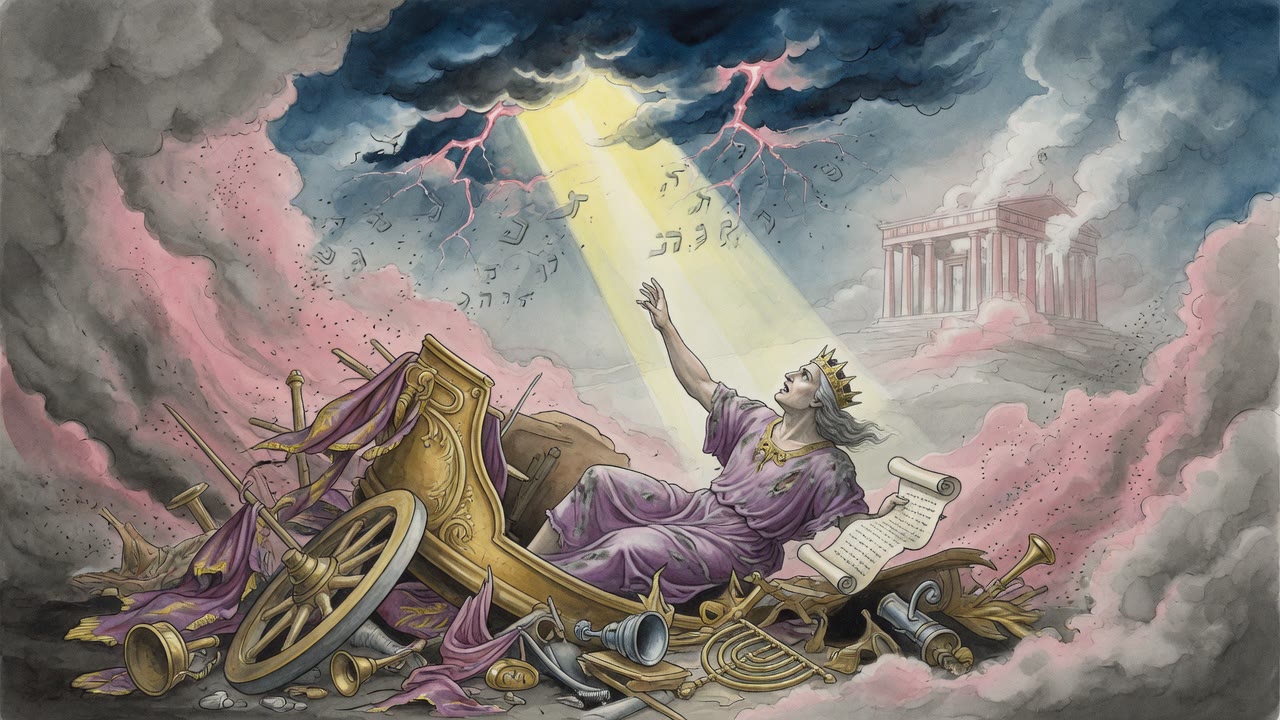
Rumor said the Temple held Alexander's gold shields. Antiochus came to strip it, met battle, and left for Babylon with heaviness in his gut.
Nebuchadnezzar had victories stacked like bricks and Jerusalem still gnawed at him. When he finally came, the walls held for three years.
