Jerusalem Called Its Angels and None of Them Answered
One man swore he would wall the city with water. They called the old angel names, and a stranger's voice said the work was no longer his.
Table of Contents
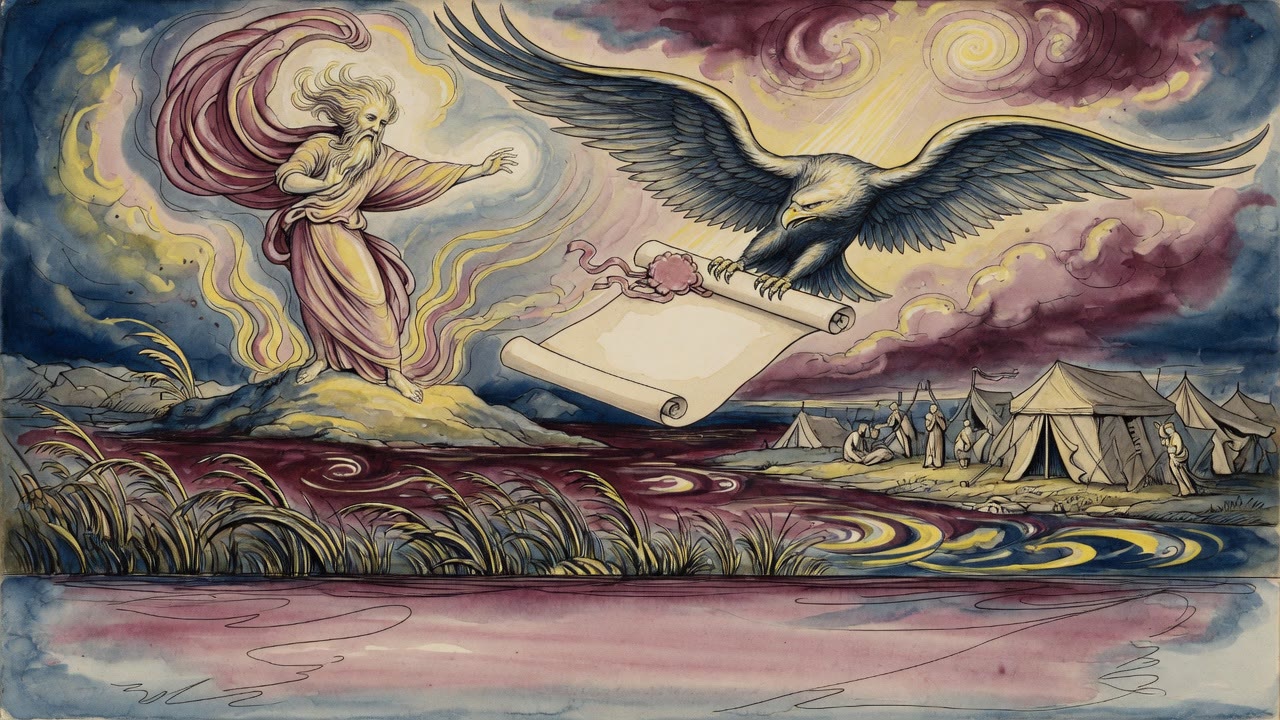
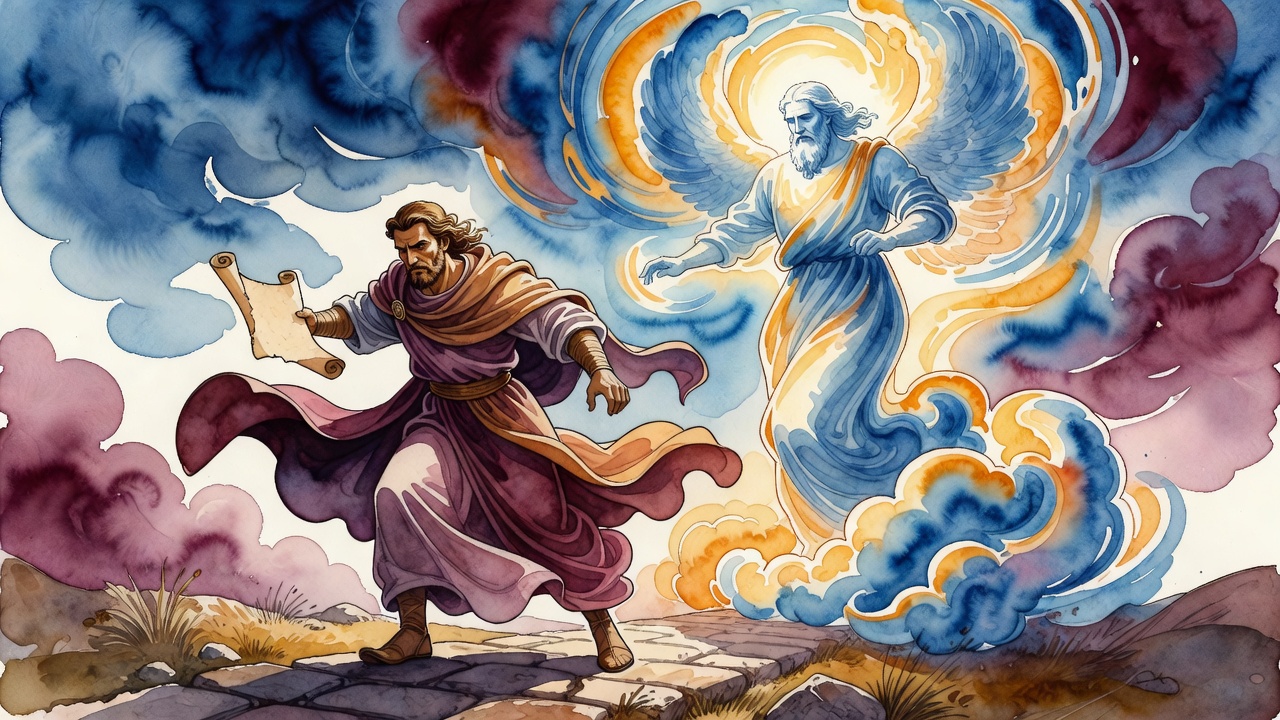
Jeremiah stood in the street and said it again. Repent. Turn back. Do not wait for the army to teach you. The men around him did not even raise their voices. If the enemies come, they said, what can they do to us?
 Click for full size
One of them tapped a tower as if the stone itself were a proof. "I will surround it with a wall of water." Another said fire. A third said iron. They were not talking about masons. They meant names. Each of them knew an angel's name, and each of them believed a name was a wall.
Forty Days, Fifty Days
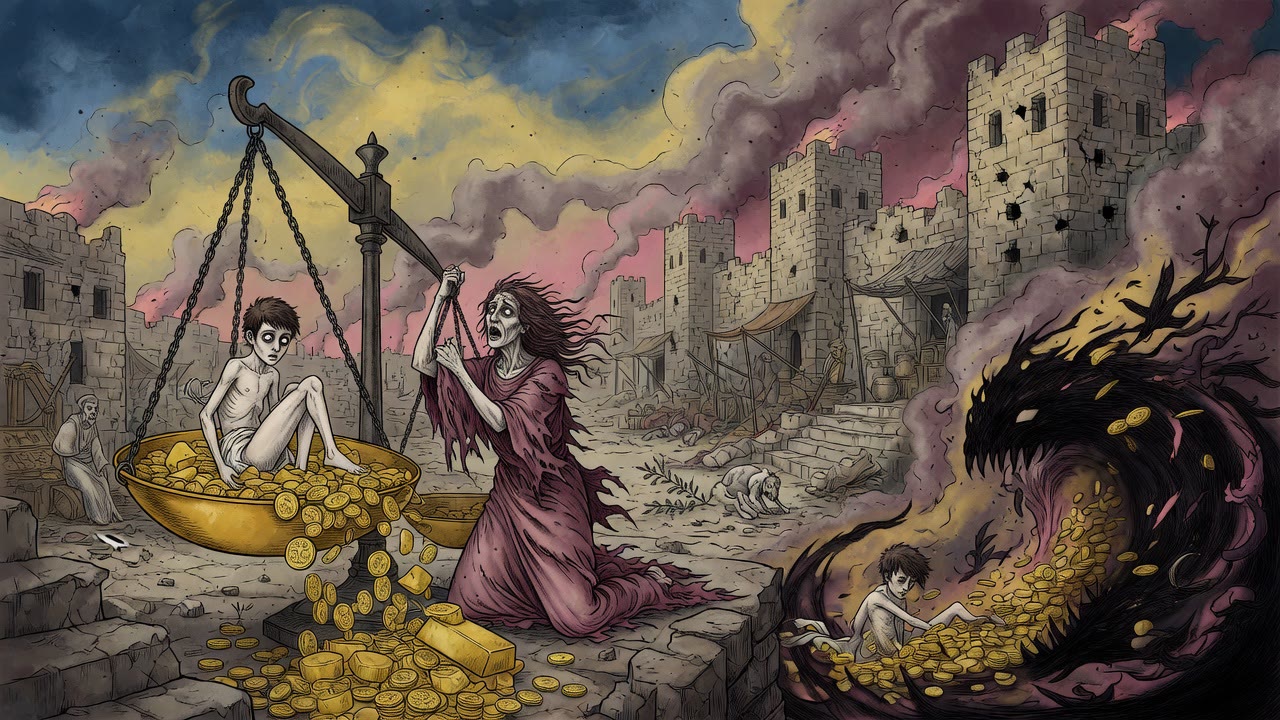
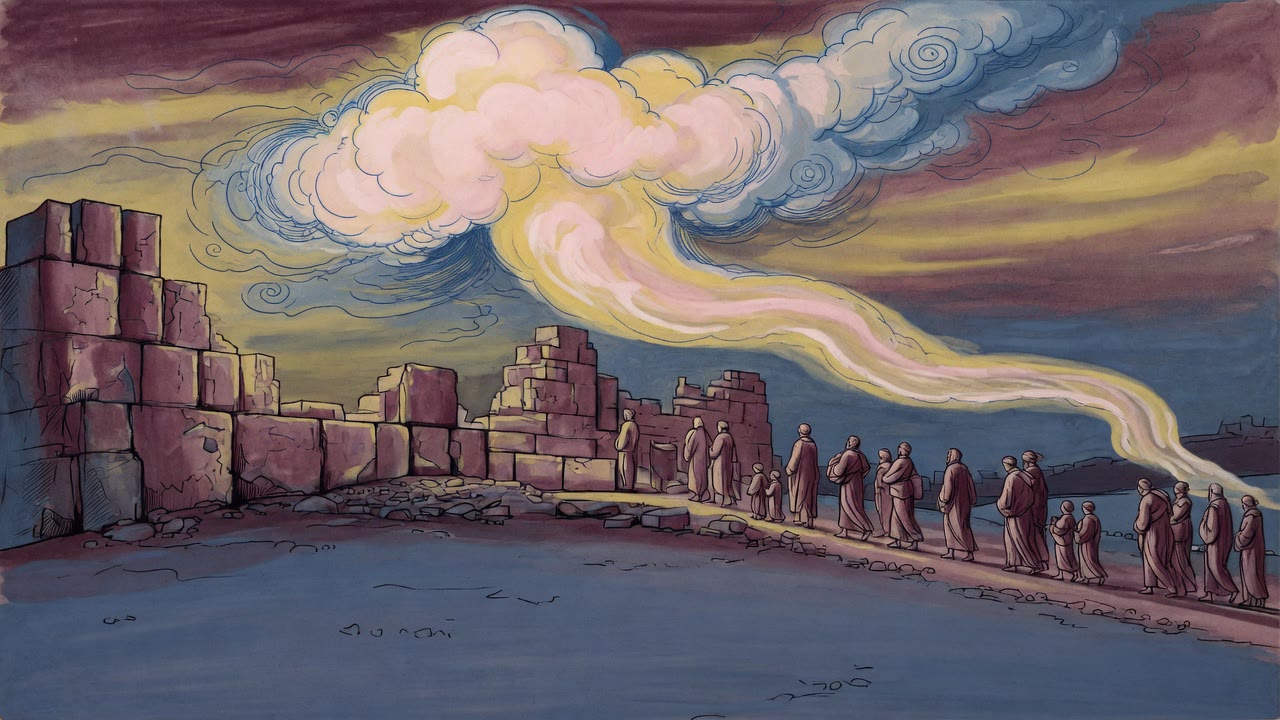
Men still counted the castles the way masons count. Rabbi Yudan said every castle in Jerusalem was not fit to be taken in fewer than forty days. Rabbi Pinhas said fifty. Kings had built them to last. Watchtowers looked every way. Gates sat in iron. The walls were not a boast invented in panic.
A wall can slow an army. It cannot answer a prophet. Jeremiah kept walking. Under the breath, the names were practiced like passwords a man expects to need.
God Changed the Names
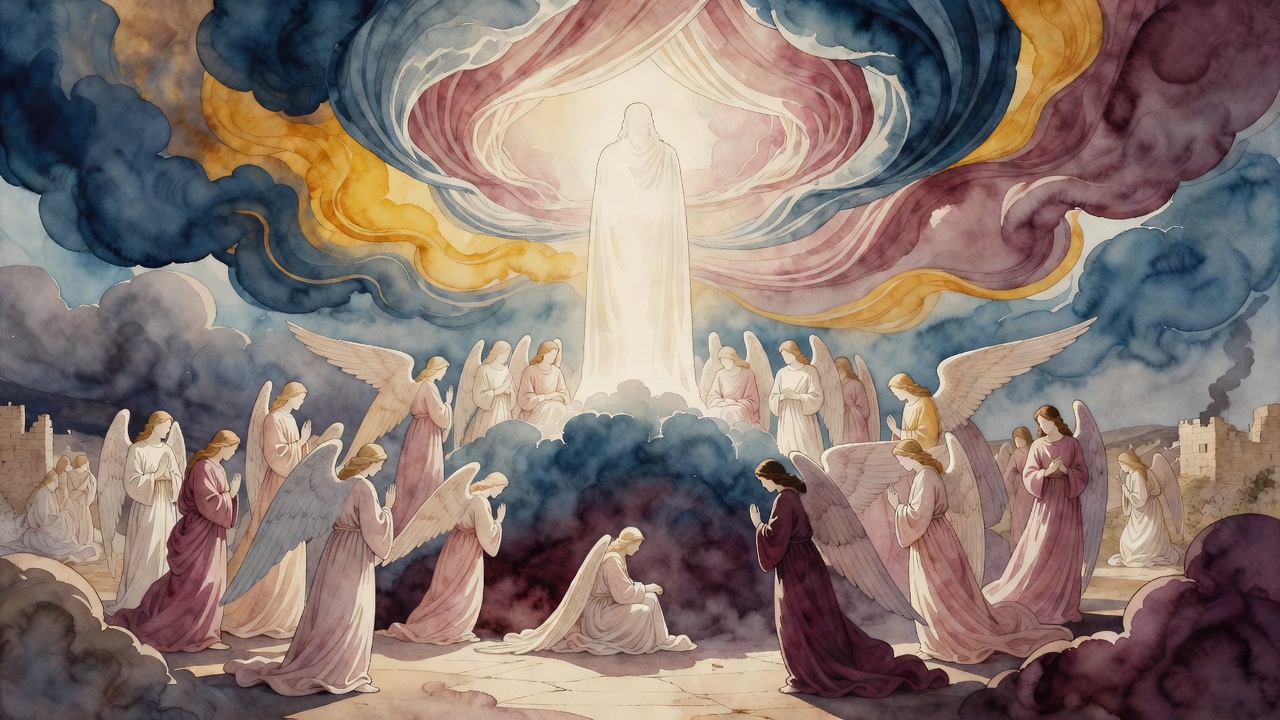
God heard the passwords and said, "You are using what is Mine."
He rose and changed the angels' names. The one appointed over water He tasked over fire. The one appointed over fire He tasked over iron. The offices moved. The voices that had answered those names for years did not announce the transfer. No lookout on the wall saw it happen.
Below, the men still had the old syllables on their tongues. They thought the syllables were the angels.
The Names Did Not Answer
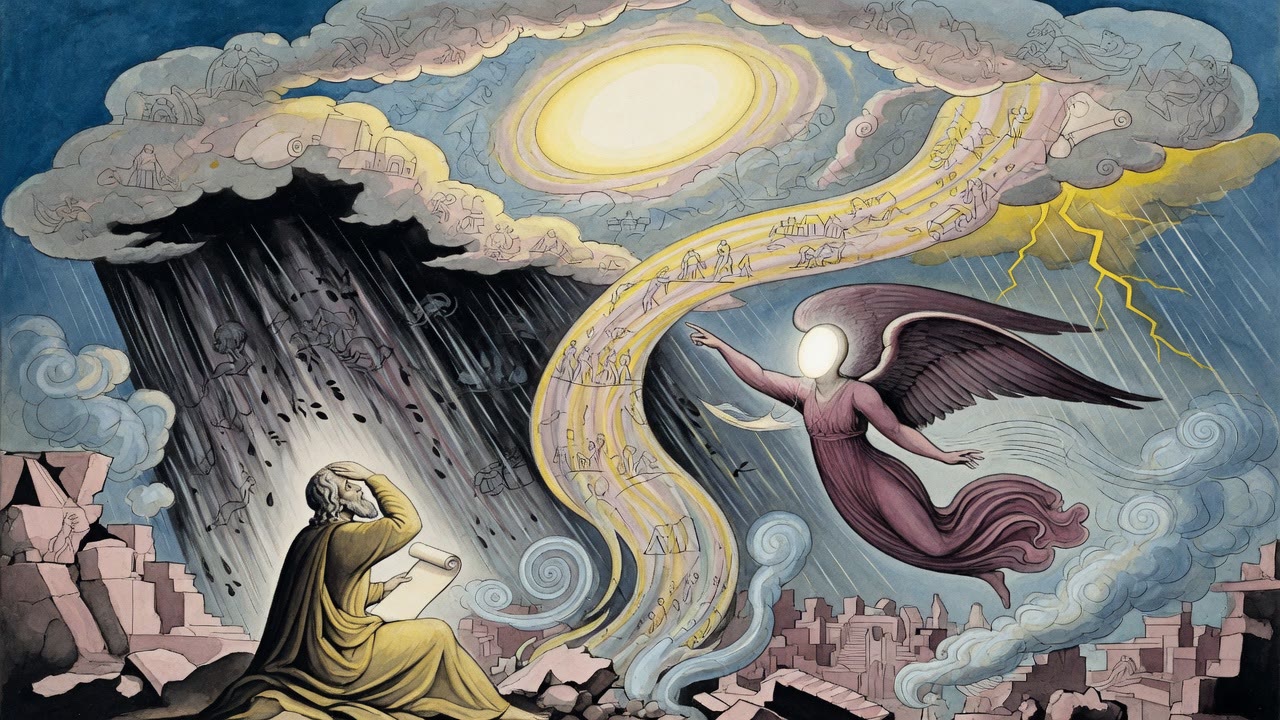
When iniquity had done its work and the enemies came, they began invoking. So-and-so angel, come, do this. Perform that.
The angel who arrived at the sound of the old name said, "It is not within my ability. I am excluded from it."
Water would not rise for the man who had promised water. Fire would not stand for the man who had promised fire. Iron stayed iron, ordinary and mute. They had profaned a kingdom and its princes. The kingdom was Israel, once told it would be a kingdom of priests (Exodus 19:6). The princes were the guardian angels on high. God had profaned the sacred princes (Isaiah 43:28). The names still sounded. The jobs had moved.
Four Kings Who Asked for Help
The kings of the earth and all the inhabitants of the world had not believed an enemy would enter the gates of Jerusalem (Lamentations 4:12). They had reasons. Four kings of Judah had asked, and God had done what they could not.
David said, "I will pursue my enemies and overtake them" (Psalms 18:38). God said, "I will do so." David struck from twilight until the evening of the next day, two nights and a day, while comets and lightning made a lamp for him (I Samuel 30:17).
Asa said, "I do not have the power to kill them. I will pursue. You do the killing." God said, "I will do so." They broke before the Lord and before His camp, not before Asa (II Chronicles 14:12).
Jehoshaphat said, "I have power neither to kill nor to pursue. I will recite song. You do the rest." When they began the song, God set ambushes against Ammon, Moab, and Seir (II Chronicles 20:22).
Hezekiah said, "I have power neither to kill, nor to pursue, nor to sing. I will sleep in my bed. You do it." That night an angel went out and struck the Assyrian camp (II Kings 19:35).
Four askings. Four answers. In Zedekiah's generation the asking thinned and the names thickened. The city treated the gates as if they were the prayer.
The Morning the Enemy Walked In
Zedekiah was king when the names failed. The princes on high had already been reassigned. The men who had promised water and fire and iron stood in the same streets and found that a password is not a covenant.
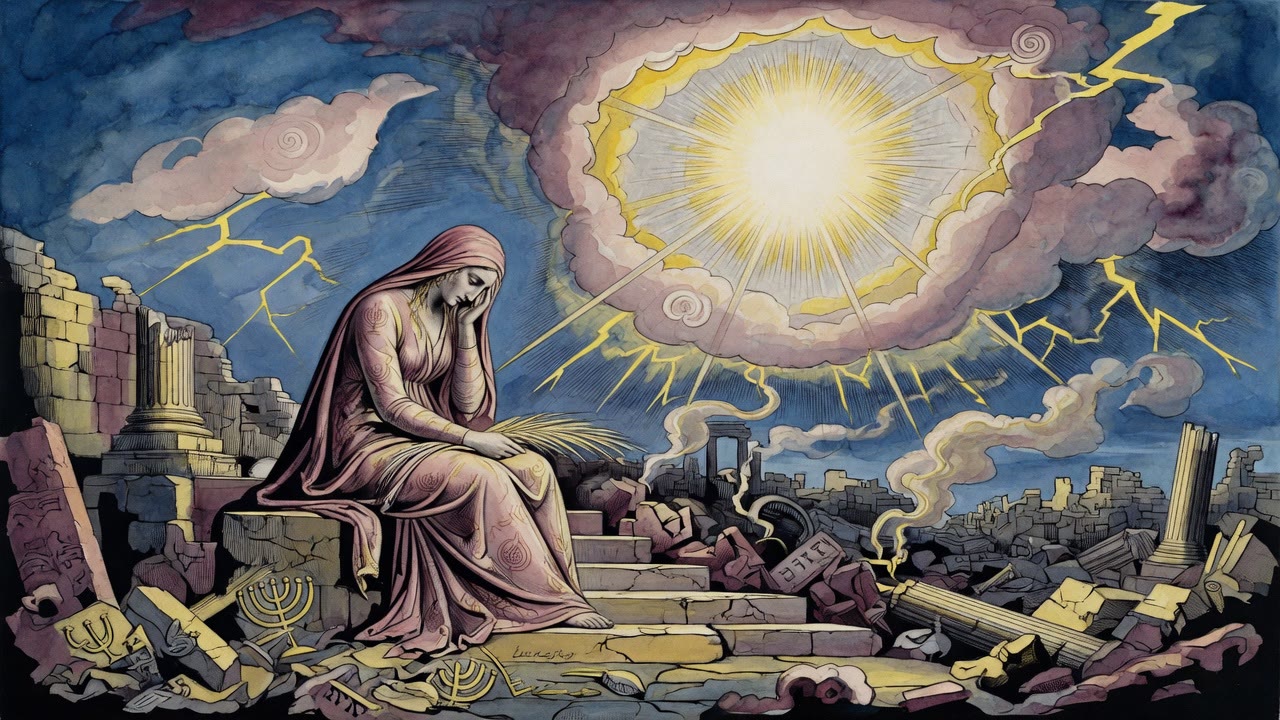
The castles still looked like fifty days of work. The enemy did not need fifty days. Iniquity had already opened what stone had closed. Jeremiah's warning was still in the air, unused. The gates of Jerusalem, which the world had not believed could be entered, took footsteps.
A man called one more name. The angel who heard it was busy with another element. He did not come.
← All myths