When Jerusalem Sat Alone and Heaven Asked Why
Moses said the word eikha when the people wore him out. Isaiah said it as a warning. Jeremiah said it in the rubble, and it was no longer a question.
Table of Contents
 Click for full size
One Word Before the Silence
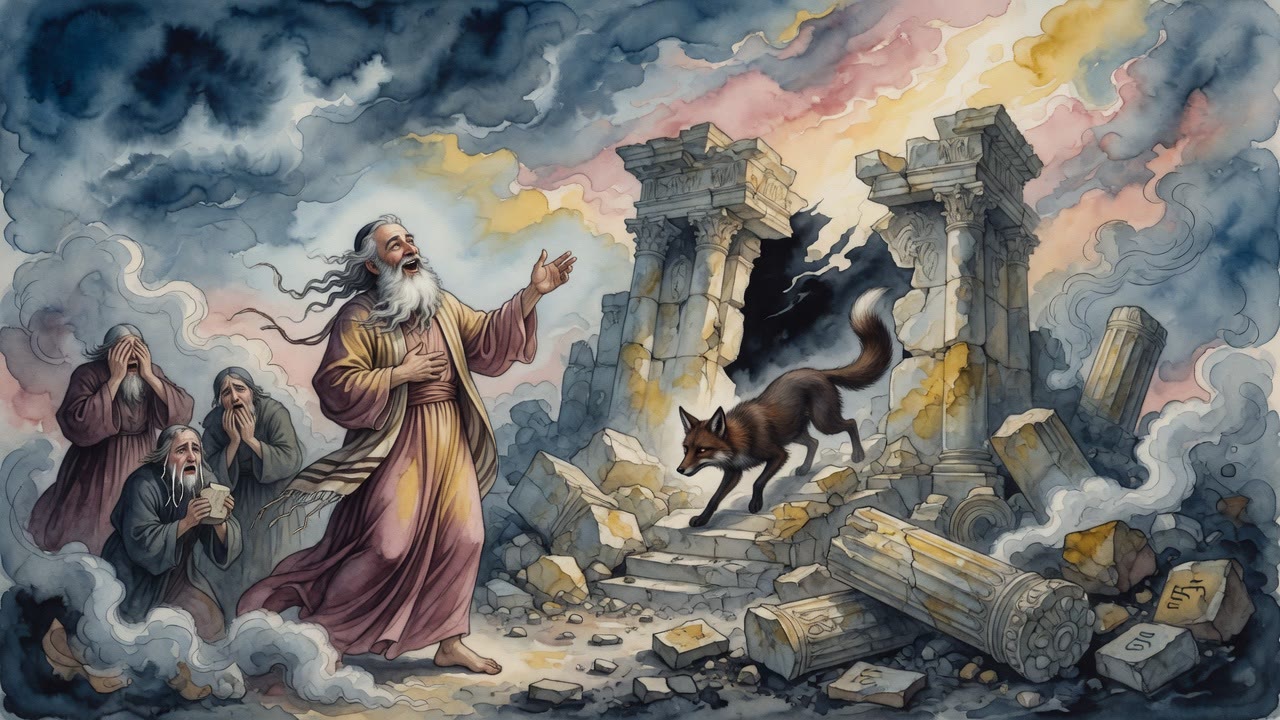
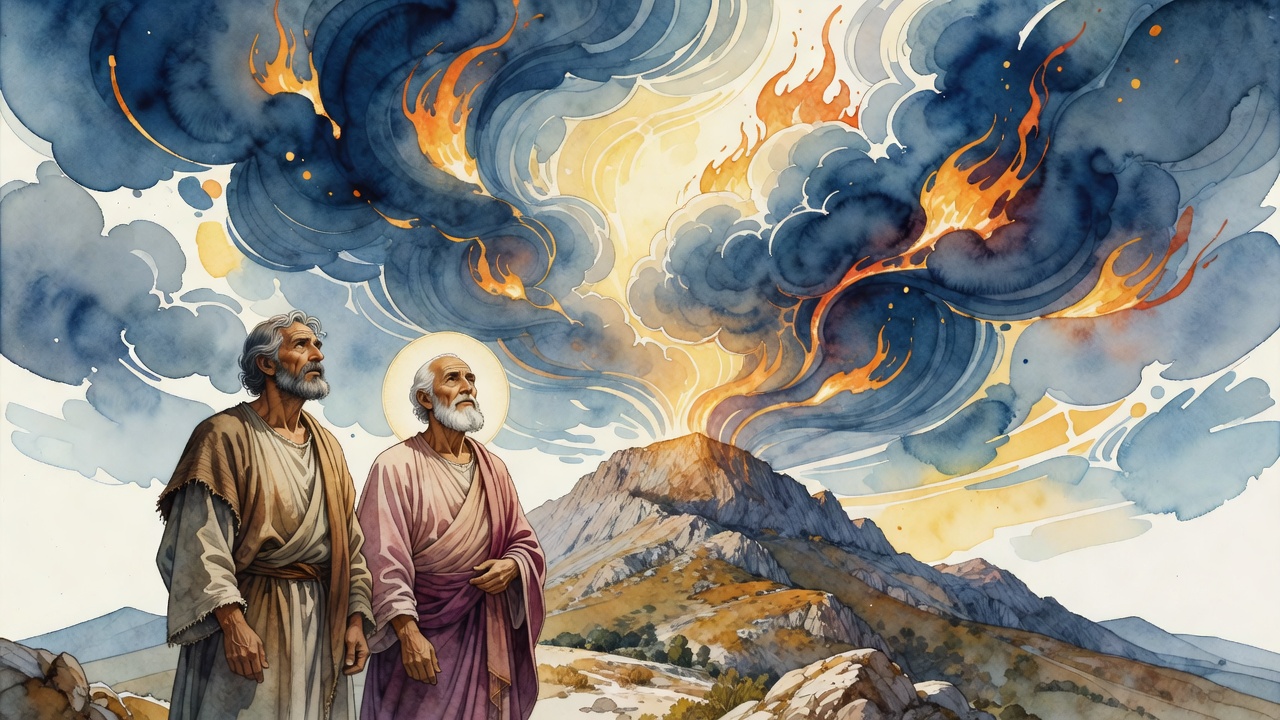
Moses stood at the edge of exhaustion and asked the question out loud. How, he said, can I carry all this people alone? The word in Hebrew was eikha. He was not weeping. He was calculating. One man, one impossible load, an entire nation pressing against him with its complaints and its thirst and its unrelenting need. He said the word and kept going.
The midrash heard what he said and filed it.
Centuries later, Isaiah walked through a city that had once worshipped faithfully and looked at what it had become. Courts for sale. Orphans ignored. Shrines set up in every corner while the covenant gathered dust. He said the same word. Eikha. How did the faithful city become a prostitute? He was not weeping yet either. He was still warning. There was still time to turn.
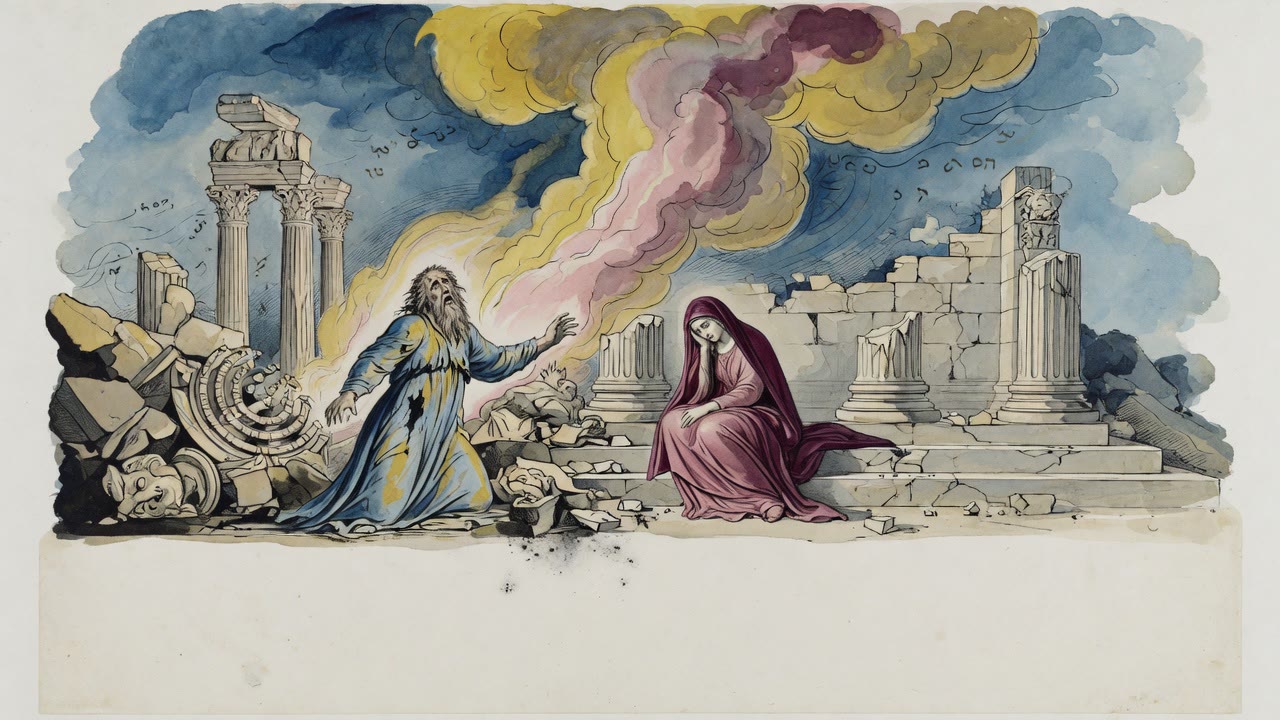
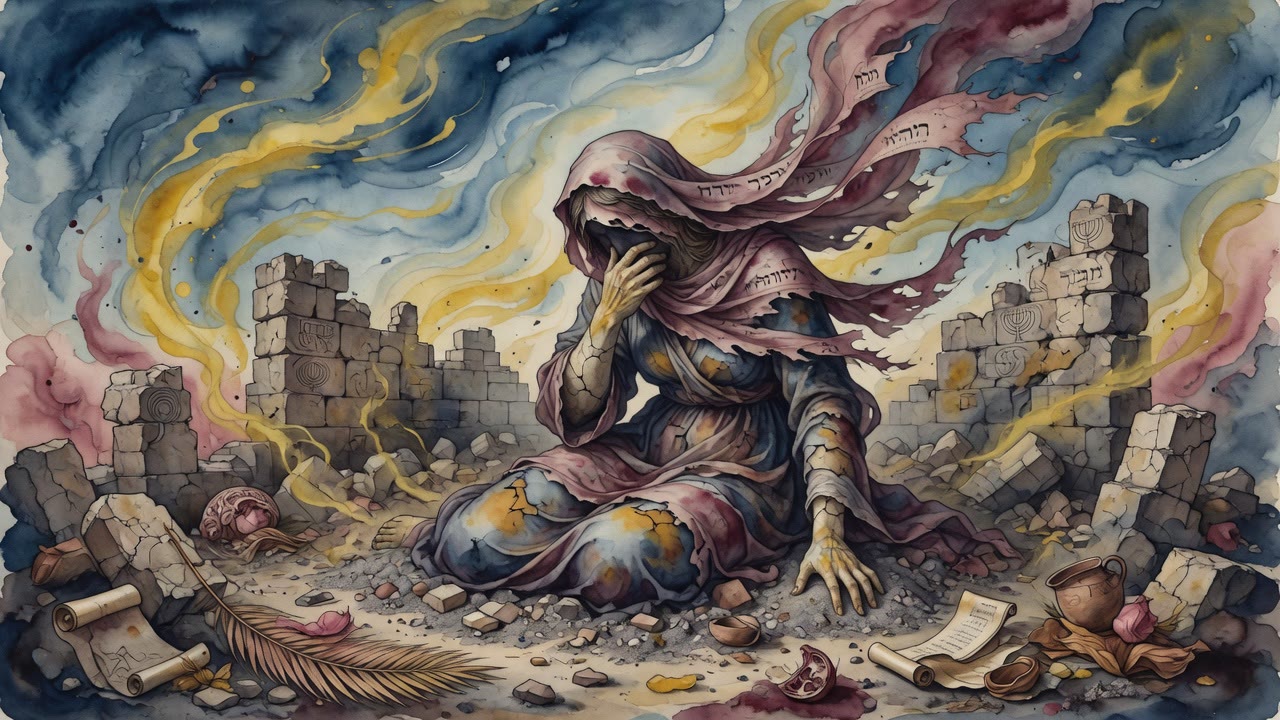
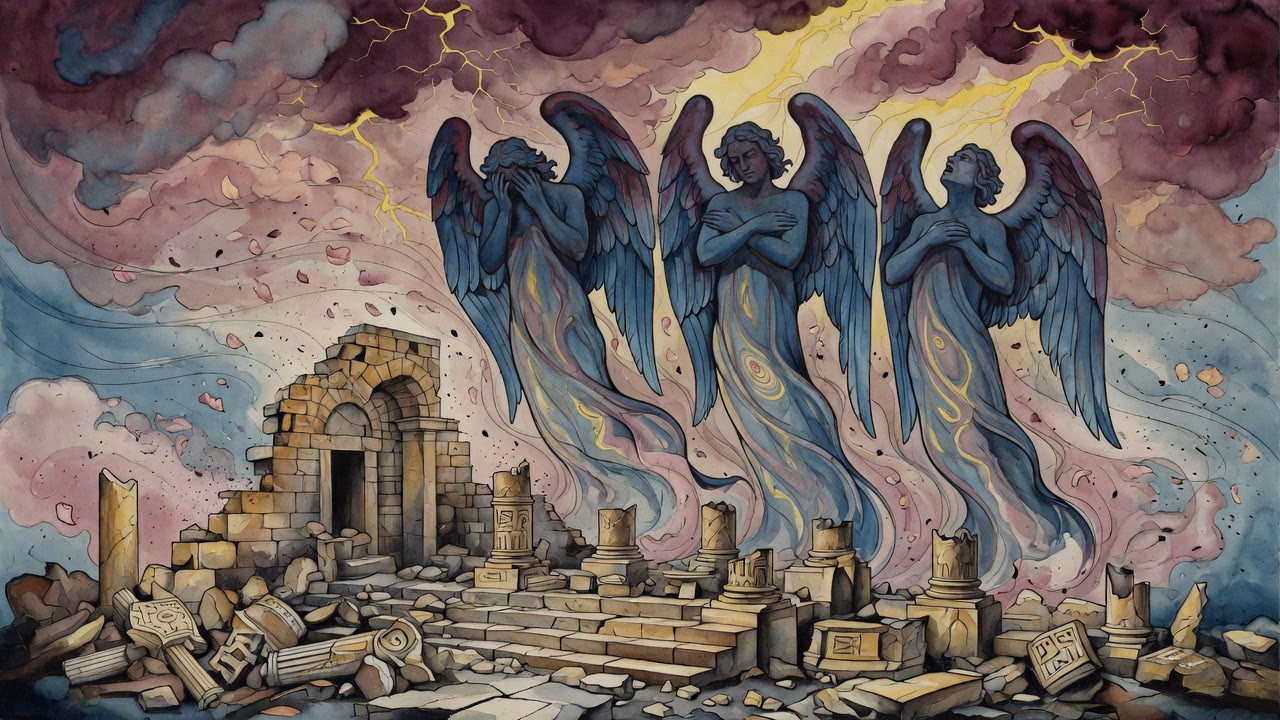
Then Jeremiah stood in the rubble and said it a third time. How does the crowded city sit alone? The city that was full of people has become like a widow. That eikha was not a question anymore. It was the sound of something that had already finished breaking.
Three Witnesses, One Sound
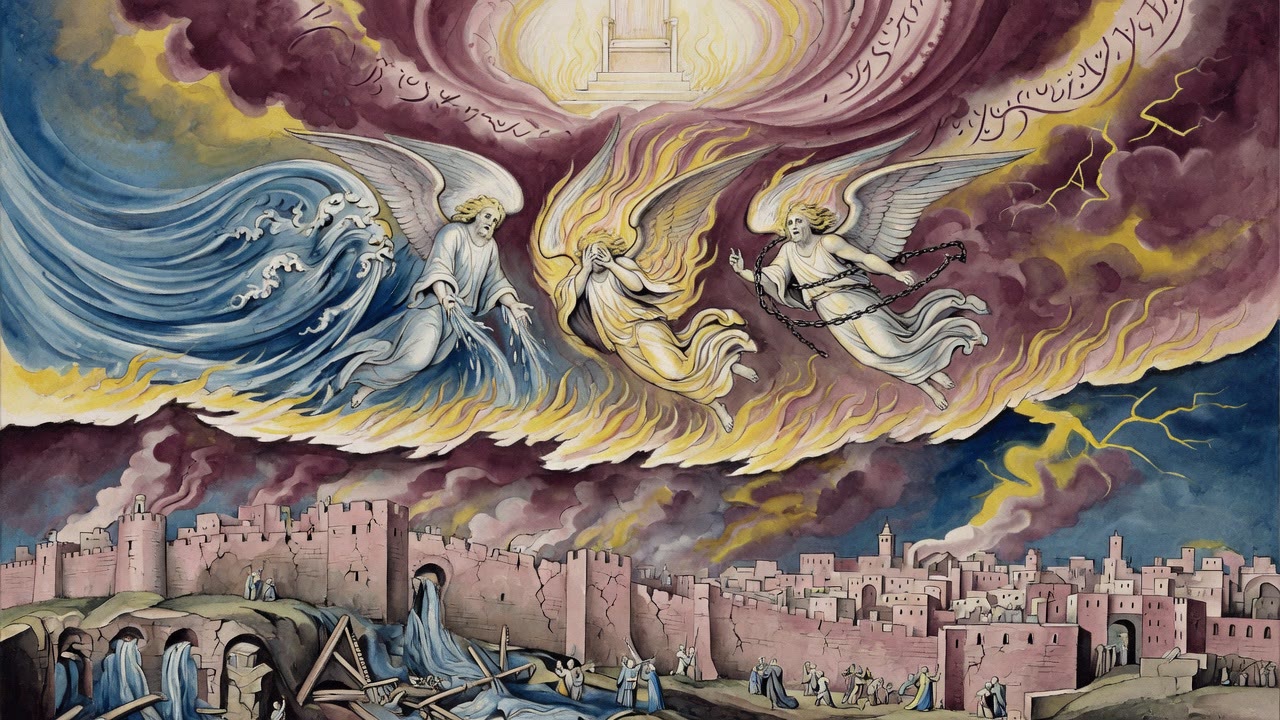
Eikhah Rabbah watches the same word travel through three mouths across hundreds of years and refuses to let that be a coincidence. Rabbi Levi reads the three speakers as three stages of a single deterioration. Moses sees Israel in its strength and still feels the weight. Isaiah sees the moral structure giving way. Jeremiah sees the empty streets after nobody listened to Isaiah.
The midrash is doing something precise here. It is not simply noting that three prophets used the same word. It is tracing the arc from burden to warning to ruin and showing that the arc was visible at each stage if anyone was paying attention. The word eikha carries different freight each time it appears, but the same cry runs underneath it. Something is wrong. Something is heavier than it should be. Something that was filled is now hollow.
A Princess Among Nations
Rabbi Yohanan said Jerusalem had once been like a princess among the nations. That status had not come cheap. It came with obligations that went outward, to the poor, the widow, the stranger, the orphan at the gate. When the obligations were abandoned while the ceremonies continued, the moral structure that held the city up began to crack from inside. Lamentations opens with a widow, but Eikhah Rabbah wants to know what made a princess into a widow. The answer is not the Babylonian army. The army came after.
When Rabbi Yosei of Milhaya died, Rabbi Yohanan wept not only for a colleague but because the presence of the righteous, however few, had been the last thing standing between the city and its worst possibilities. The righteous do not merely model virtue. In the midrash's logic, they hold a structure open that would collapse without them. Losing one is not only grief. It is a structural event.
The Lord Is Righteous
Then comes the hardest verse in Lamentations: The Lord is righteous, for I have defied His word. Jerusalem says this in the dirt with smoke still rising. The city does not say God abandoned us. It says God is righteous and I defied the word. That is not resignation. It is a confession specific enough to be believed. It names what broke rather than leaving the wound anonymous.
Eikhah Rabbah reads that verse as the only honest accounting available after catastrophe. Not why did this happen to us, but what was the defiance that made this possible. The midrash keeps Jerusalem at that reckoning. The eyes that still look for help toward futile sources are the eyes of a people that has not yet absorbed the lesson of the third eikha. The cry is not that hope is false. It is that some sources of help are the wrong sources, and going back to them is how a disaster extends itself.
← All myths