The Temple Stood Where Adam Learned to Return
Adam settles on Mount Moriah after Eden because the gate he can no longer enter is close, and the place of return becomes the place of the Temple.
Table of Contents
 Click for full size
Adam Was Given an Address
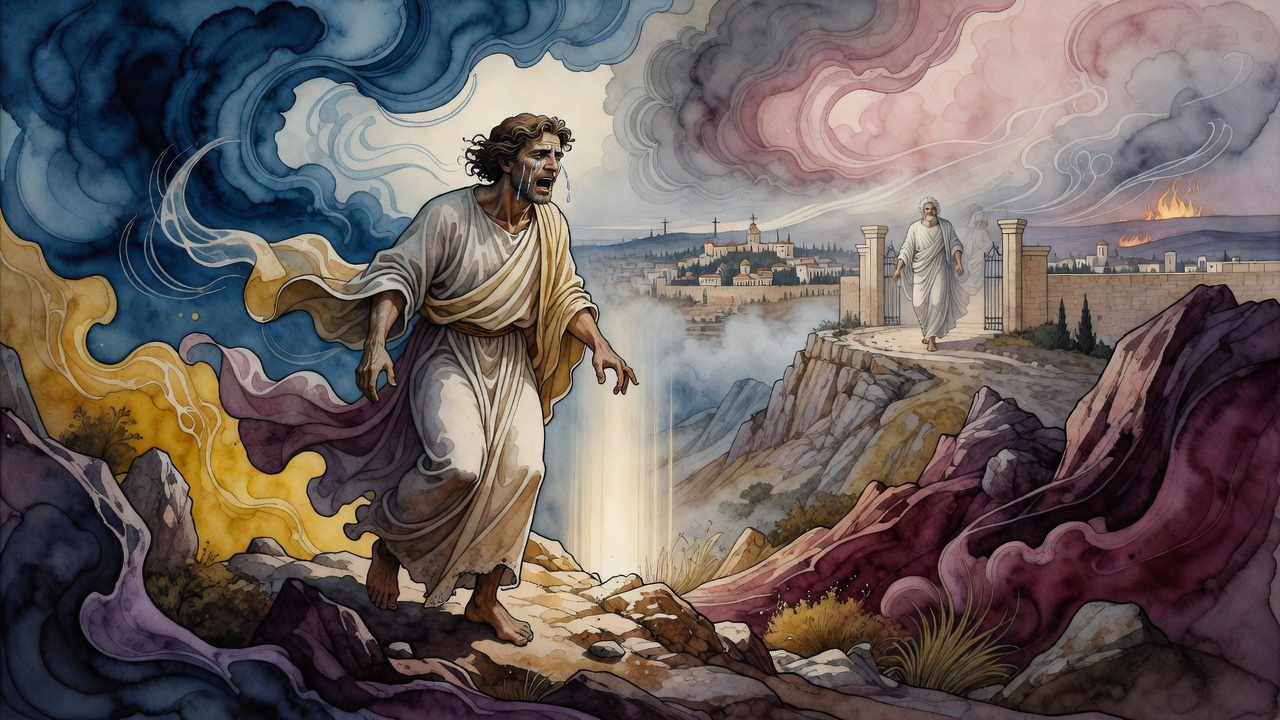
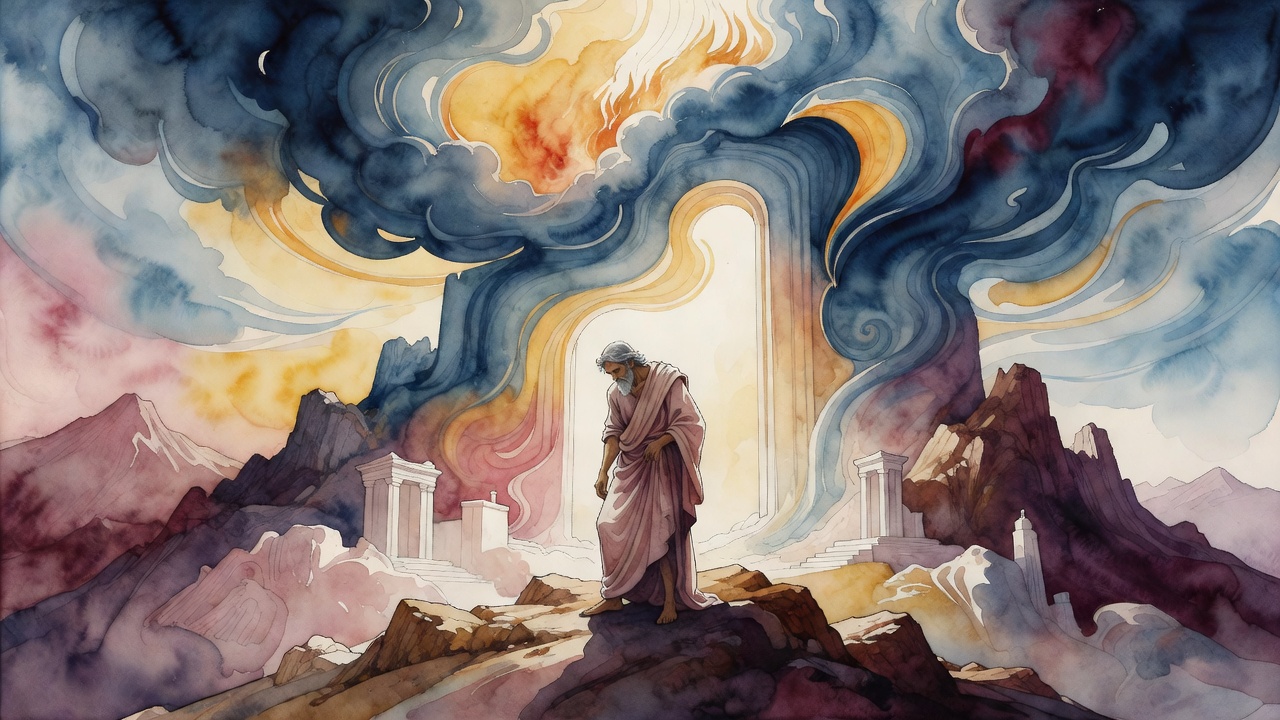
Genesis says God sent Adam out to till the ground from which he had been taken. It does not say where Adam went. Midrash Tehillim 92:5 supplies the detail that changes the whole sound of the expulsion: Adam settled on Mount Moriah, because the gates of the Garden of Eden were close by.
This is not nostalgia. Adam did not camp near the gate because he hoped the cherub would get distracted and he could slip back in. He settled there because that was the place where the path between the created world and the place he came from was still visible, still present, still real, even if the gate was closed and the sword was turning in every direction.
The midrash makes one further claim: God took Adam from the place of the Holy Temple. The dust from which Adam was shaped was taken from the site of the altar. He was formed at Moriah. He was expelled toward Moriah. The expulsion returned him, exiled, to the place of his making.
David Could Not Outrun What God Already Knew
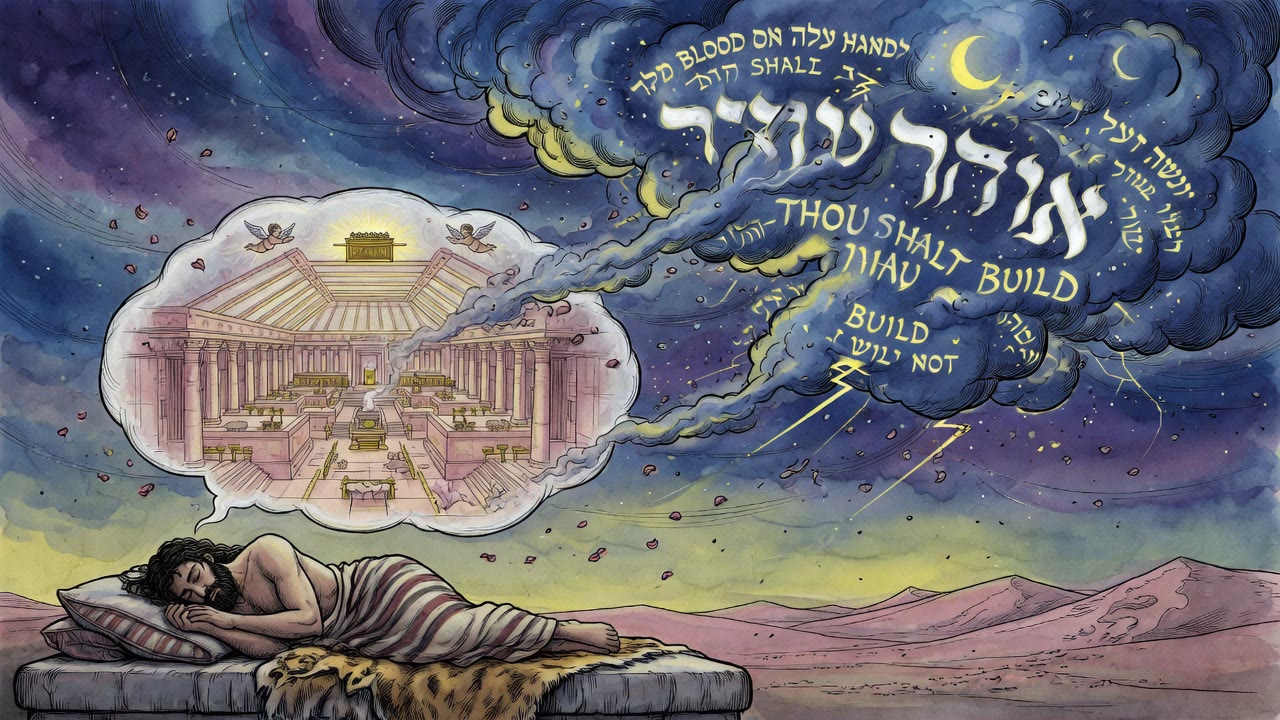
Midrash Tehillim 139:2 reads Psalm 139 as an inventory of what God knew before David could speak it. God knew David's sitting and his rising. God knew David's lying down and his waking. God knew the flight from Saul, the years in the cave, the decision at each crossroads. God knew the desire for the Temple, the longing to build it, the grief of being told he would not, before David had assembled the words to express any of it.
You have searched me and known me, the Psalm says. The midrash does not make this surveillance feel oppressive. It makes it feel like being seen. A person who is fully known by God does not have to perform unknowing. The cover story falls away. What remains is the actual David, who wanted the Temple so badly that God credited the wanting as if the building had been built.
David's connection to Mount Moriah runs through his longing. He prepared the materials. He gathered the silver and the gold and made all the arrangements he could. He could not lay the first stone. But he had been drawn toward the same site that drew Adam after Eden, the site where the human being's relationship with God is most nakedly present.
Jerusalem Fell but the Geography Remained
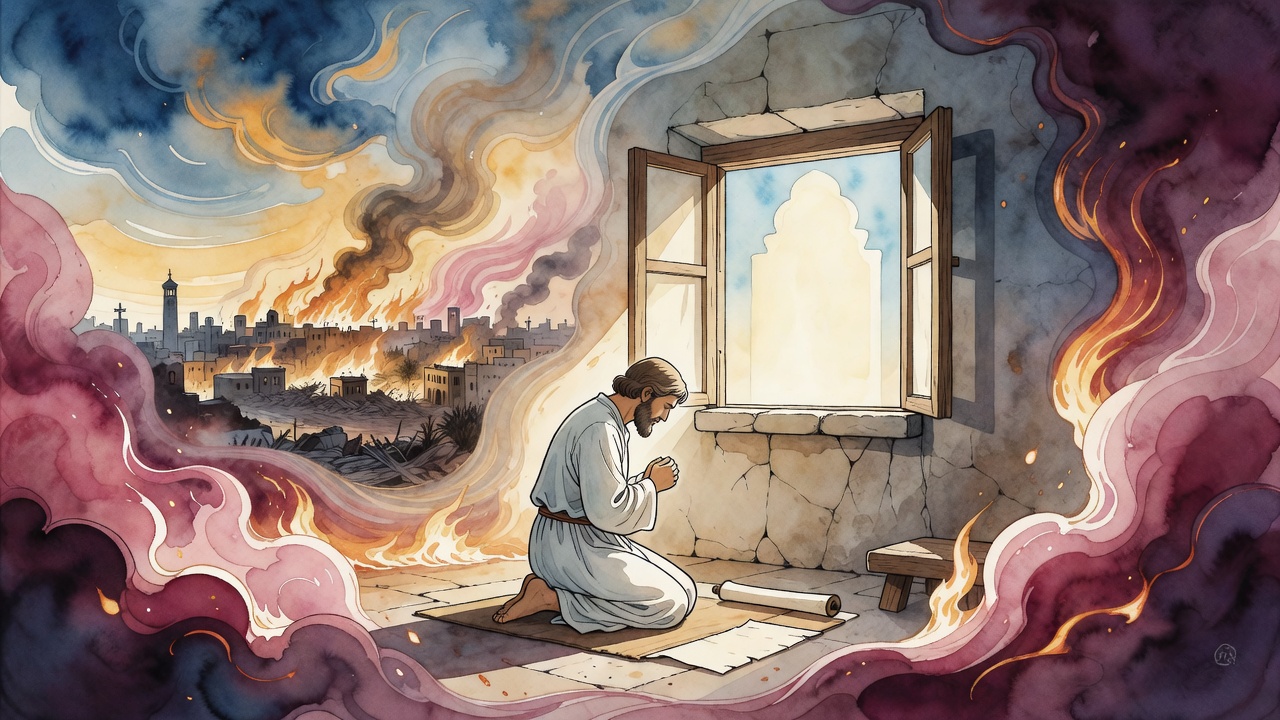
Midrash Tehillim 79:1 watches Jerusalem fall. The nations have entered God's inheritance. They have defiled the holy Temple. They have laid Jerusalem in ruins. The Psalm's cry is unguarded: how? How did this become real?
The midrash does not offer a comfortable answer. It holds the question alongside the two earlier moments: Adam expelled to the site of his making, David longing toward the site he could not build. The pattern is not one of continuous blessing interrupted by disaster. It is one of the same site holding the same gravity across every disruption, every expulsion, every burning.
After Adam left Eden, Mount Moriah was where the gate was visible. After the Temple burned, Mount Moriah was still where the Temple had been. The location does not stop being what it is because what stood on it is gone. The geography of return outlasts the buildings that mark it.
Exile Does Not Have to Be the Last Word
Adam on Mount Moriah, David unable to build, Jerusalem burning: each one is a form of exile from what the site promises. Each one is also a person or a people remaining near the place, not forgetting it, not moving to a different address that would be easier to bear.
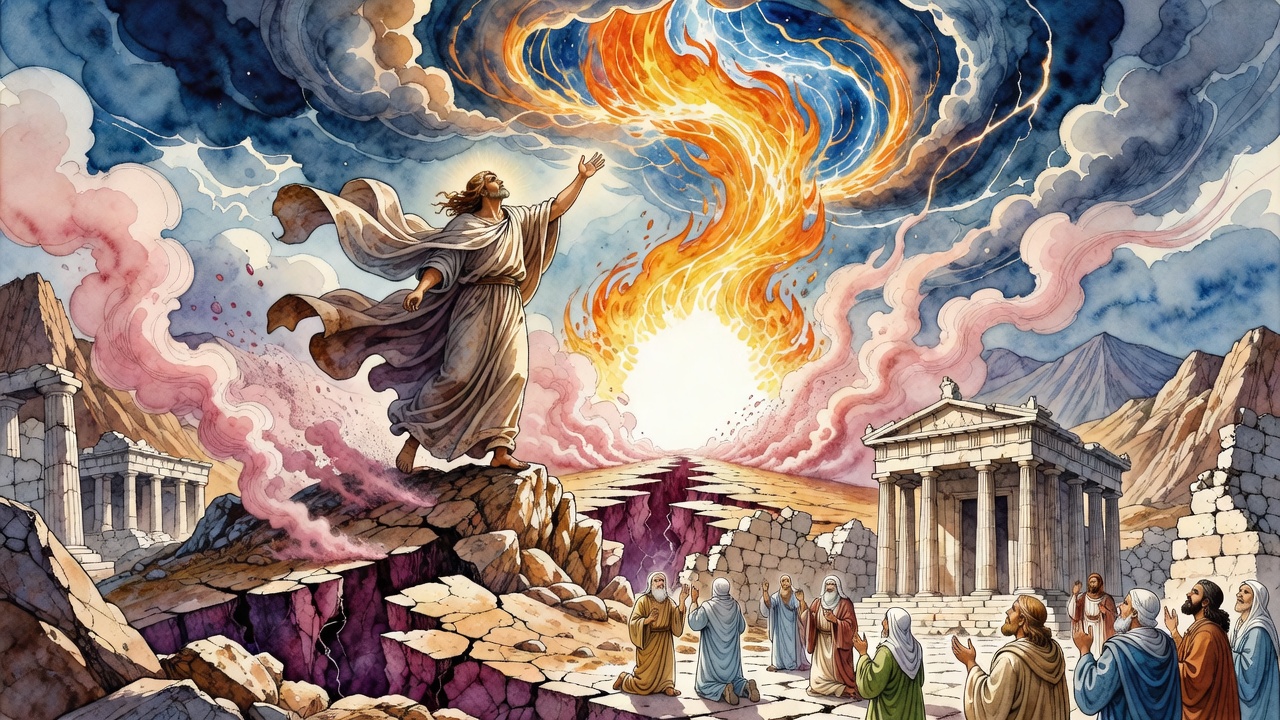
The first Sabbath psalm, which the midrash says Adam sang on Mount Moriah, is a psalm of praise. He sang it not from inside the garden but from outside, standing near the gate that would not open, singing about the goodness of the One who had made him and the place he was standing and the Sabbath that had spoken for him.
← All myths