David Asked for Mercy When the Temple Burned
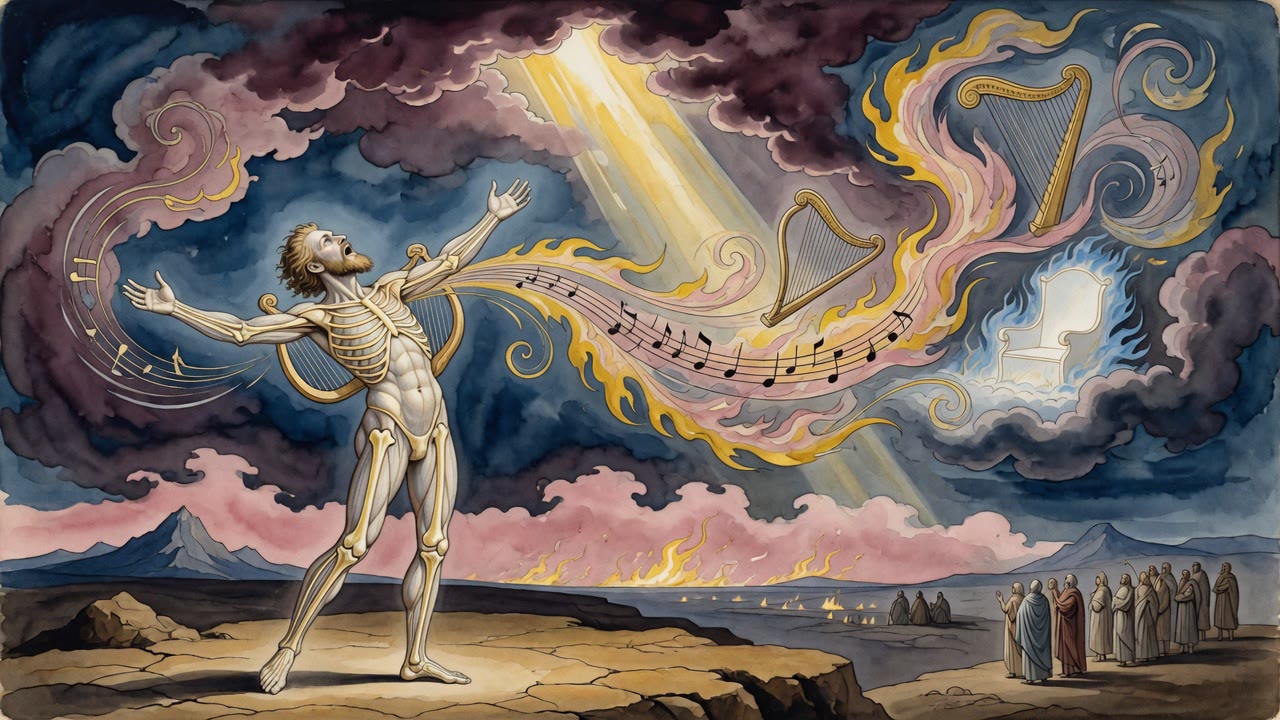
The Levites still had a verse in their mouths when the fire took the courtyard. David later asked not to be measured that closely.
Table of Contents
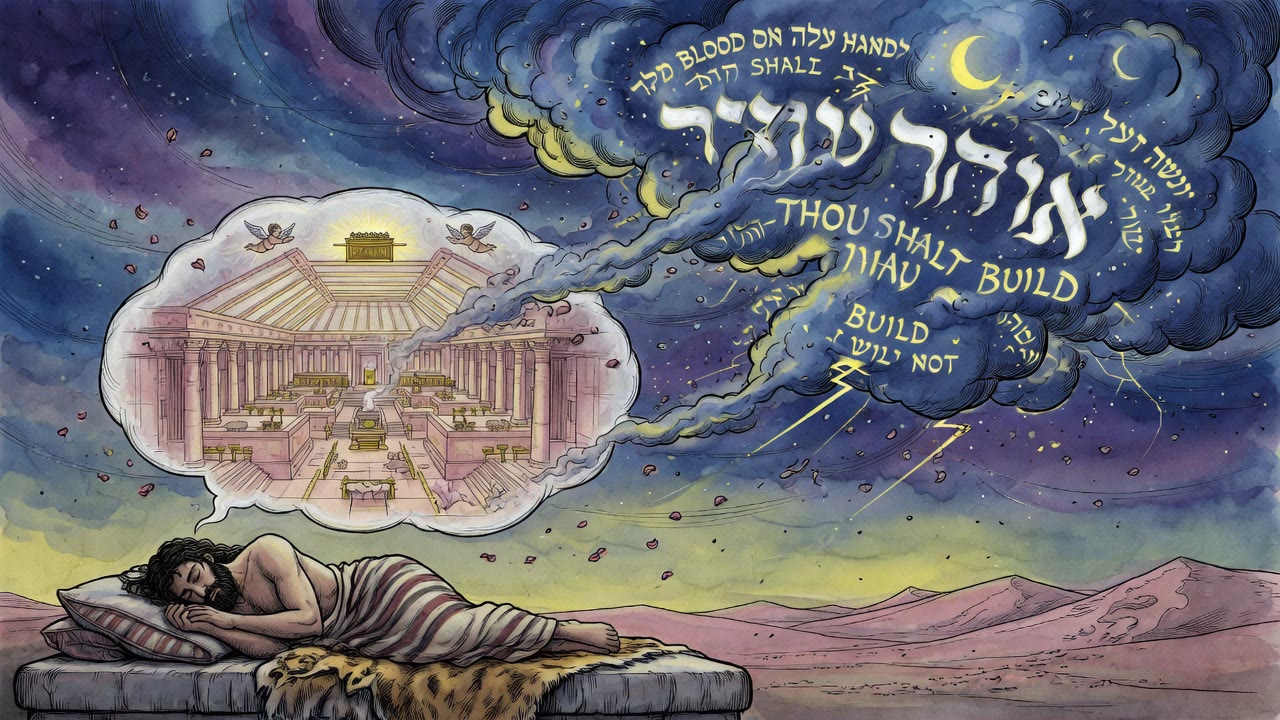
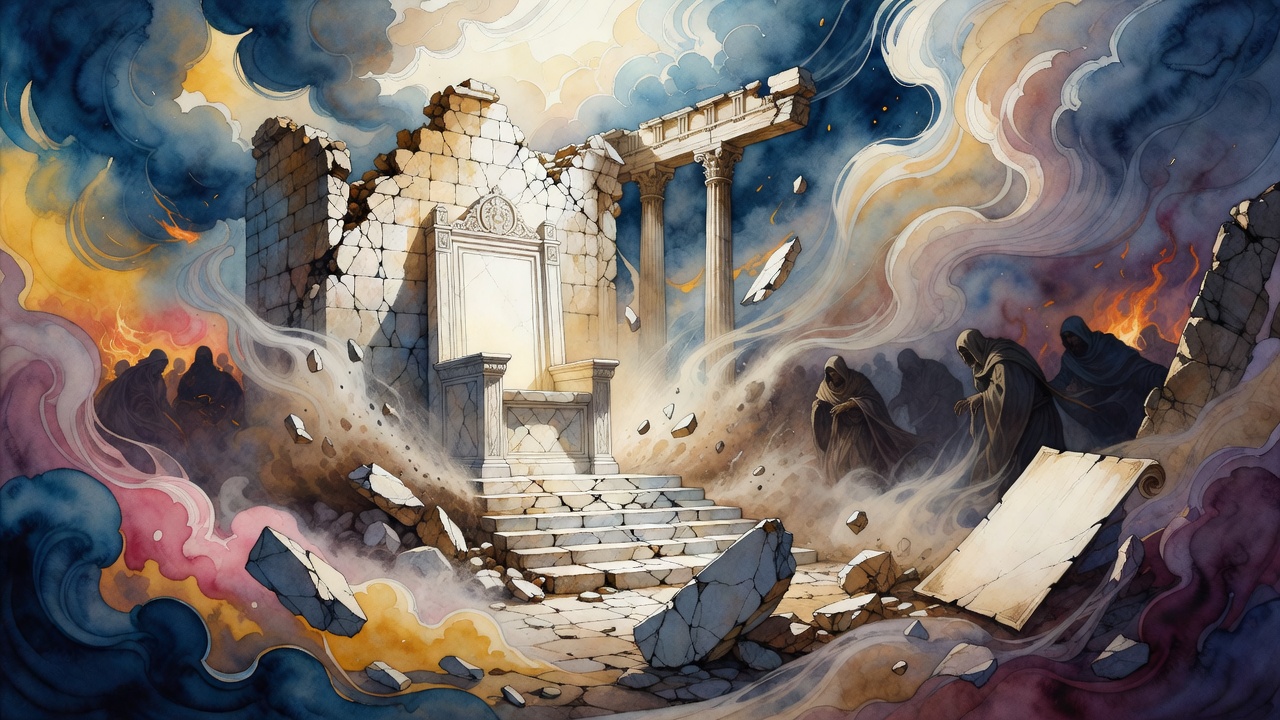
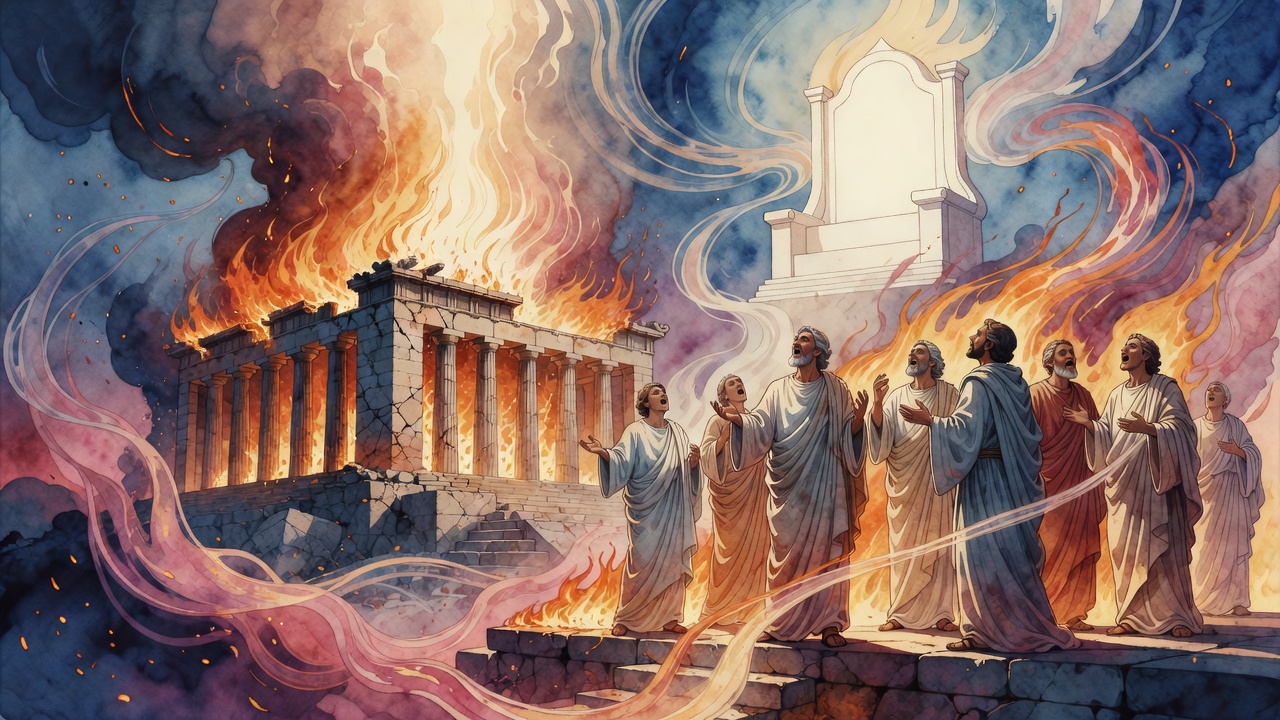
The Levites still had the verse in their mouths when the courtyard went to fire. It was the ninth of Av, the watch of Jehoiarib, first Temple and second. They stood on the platform and sang from Psalm 94: He inflicted their suffering upon them. They did not reach the next words. The enemy seized them with the line unfinished.
 Click for full size
The next words were supposed to be: May the Lord our God destroy them. Those words stayed in the air of the burning court and did not land.
The Song Stopped Mid-Verse
They had been singing about justice while justice, from every visible angle, was walking out of the gate. The note hung. Smoke took the place of the missing half. Men whose whole work was to finish psalms were dragged off the platform with a psalm unclosed.
The Temple burned. The singers were taken. What remained was a verse with its ending bitten off.
Jehoiarib's Watch
That rotation had been on duty both times the house fell. The calendar did not flinch. After Shabbat, after the fast, the same priestly course stood in the same place and watched the beams catch.
David had built the roster long before there were two Temples to lose. He had assigned watches so the song would never stop. On the day it stopped, the watch was Jehoiarib's, and the song was a justice psalm that did not get to its last request.
What the Earth Stood On
While the house burned, a different psalm kept asking a child's question. What does the earth rest on?
On the waters, said one. The waters on the mountains. The mountains on the wind. The wind in the storm. The storm on the arm of God, as it says, underneath are the everlasting arms (Deuteronomy 33:27).
Some said twelve pillars, the number of the tribes. Some said seven, the pillars wisdom hewed. Rabbi Elazar ben Shamua said one pillar, and its name was Tzaddik, the righteous one.
The Temple had been the visible meeting of heaven and earth. The Levites' song had been the audible proof. Both were going. The arm did not put the earth down. "For His love endures forever" kept repeating in Psalm 136 while the platform emptied.
David Asked Not to Be Measured
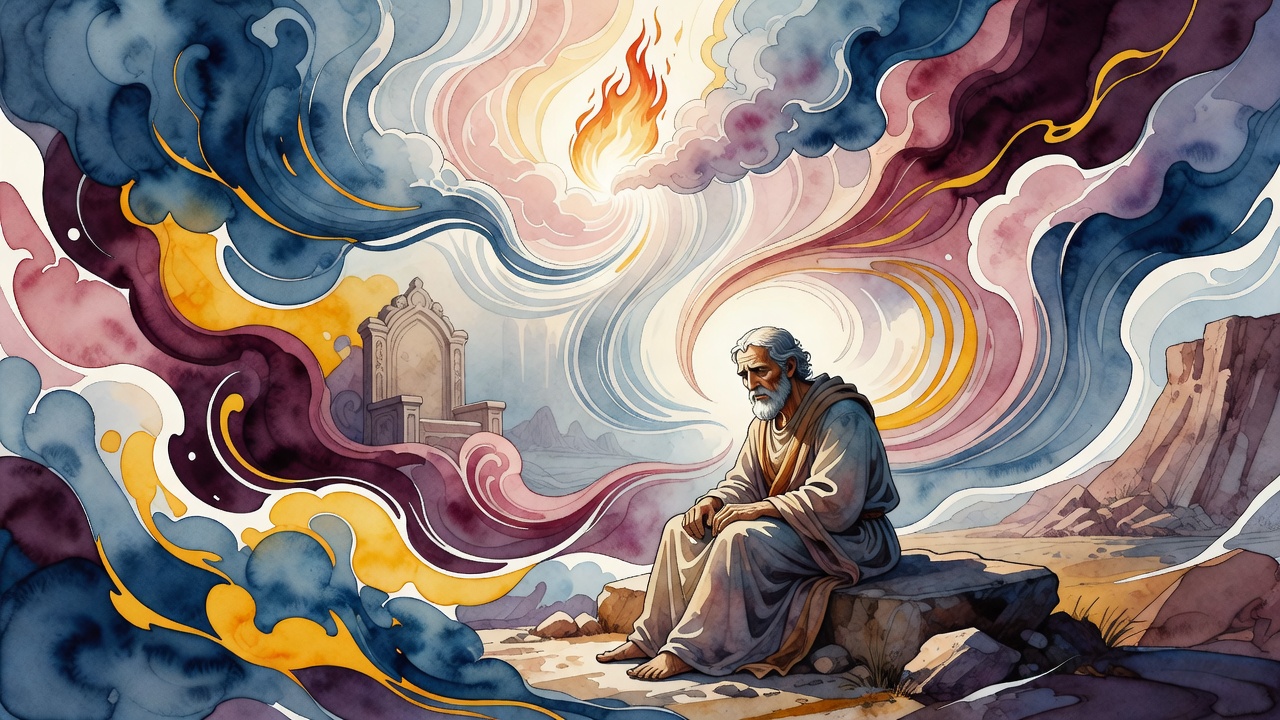
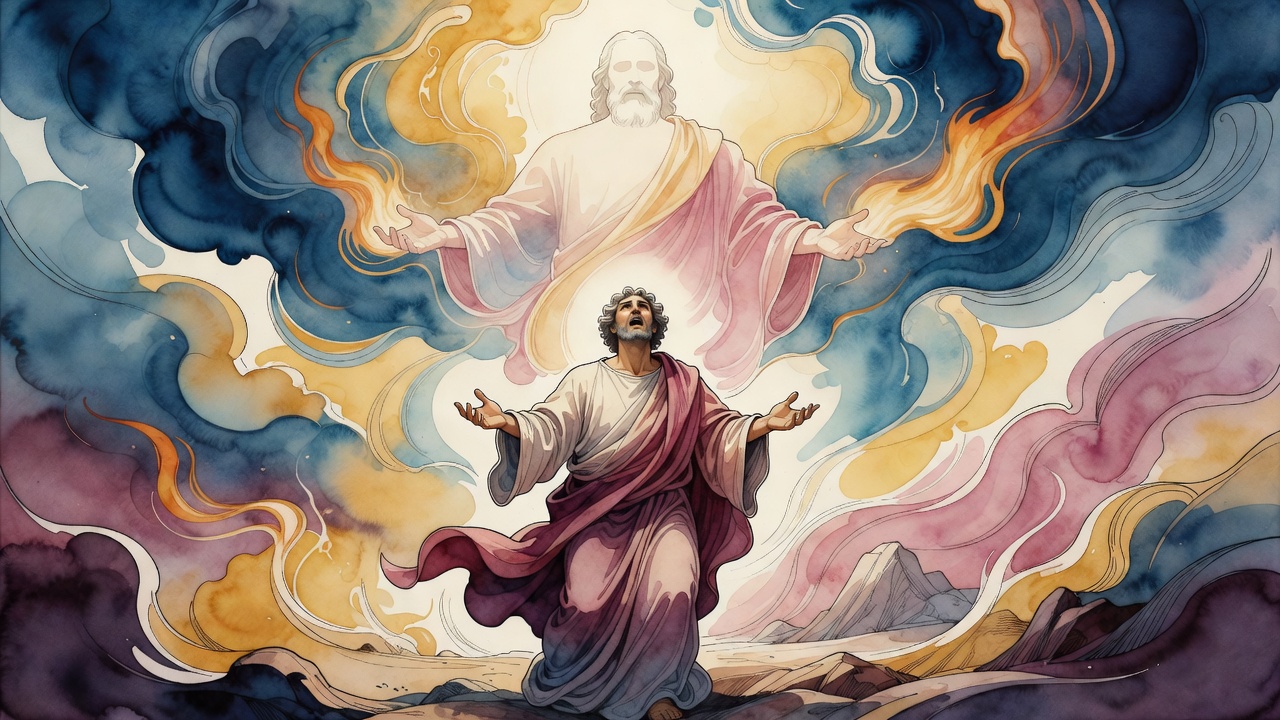
David had already prayed the only prayer that still fit a burned house. Do not enter into judgment with Your servant, for no living being is righteous before You (Psalm 143:2).
He knew the record. He asked for mercy that did not require him to be clean first. Job had wanted to be hidden in Sheol until wrath passed. God told him wrath would pass when judgment had passed. David took a different door. He asked not to be put on the scale at all, not because he claimed innocence, because no one on that scale walks away whole.
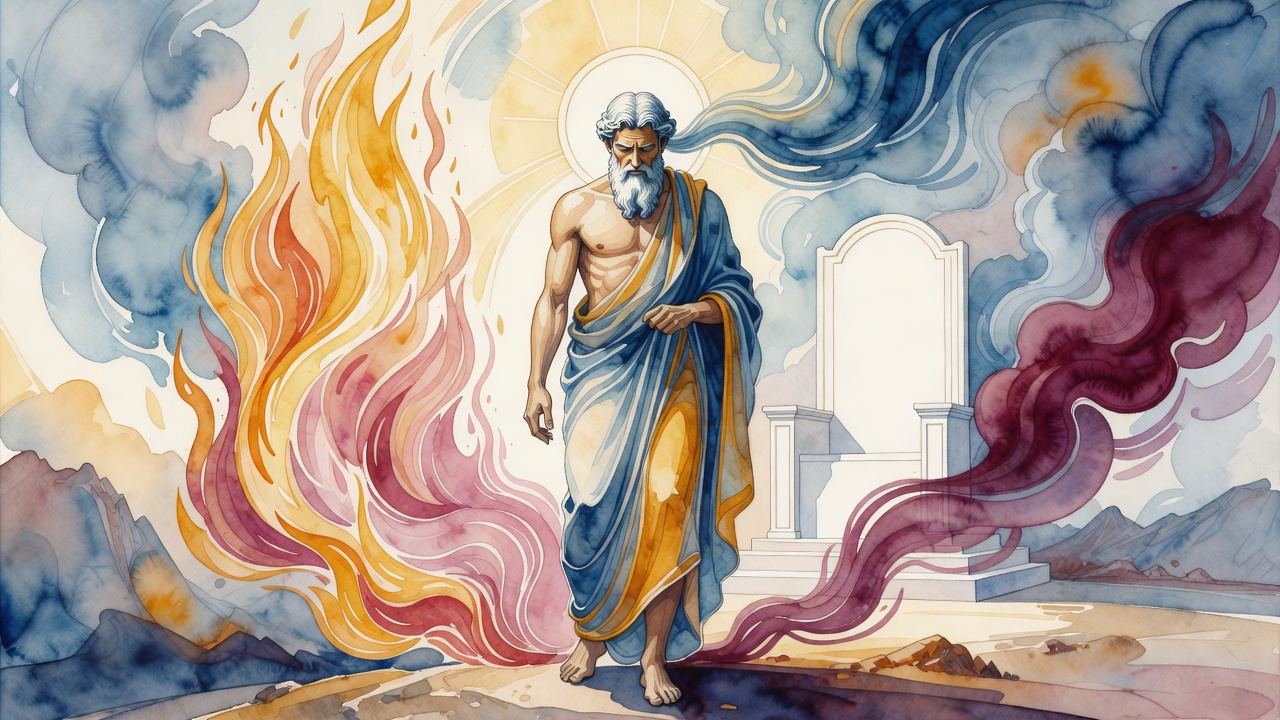
Abraham over Ishmael, Isaac over Esau, even the Lord over Israel: on that day faces go pale. David said, If You do justice with me exactly, who can stand?
The Levites had been singing exact justice when the fire came. The prayer that survived the fire was the one that asked for mercy instead.
The Line They Never Finished
They did not stop singing when the enemy entered the outer court. They sang until they were seized. The cut came from outside. The mouths were still open.
David's old request hung beside that unfinished verse. Do not judge Your servant too closely. The earth, for the moment, still had an arm under it. The Temple did not.
← All myths