David Lay Thirteen Years Until Strength Returned
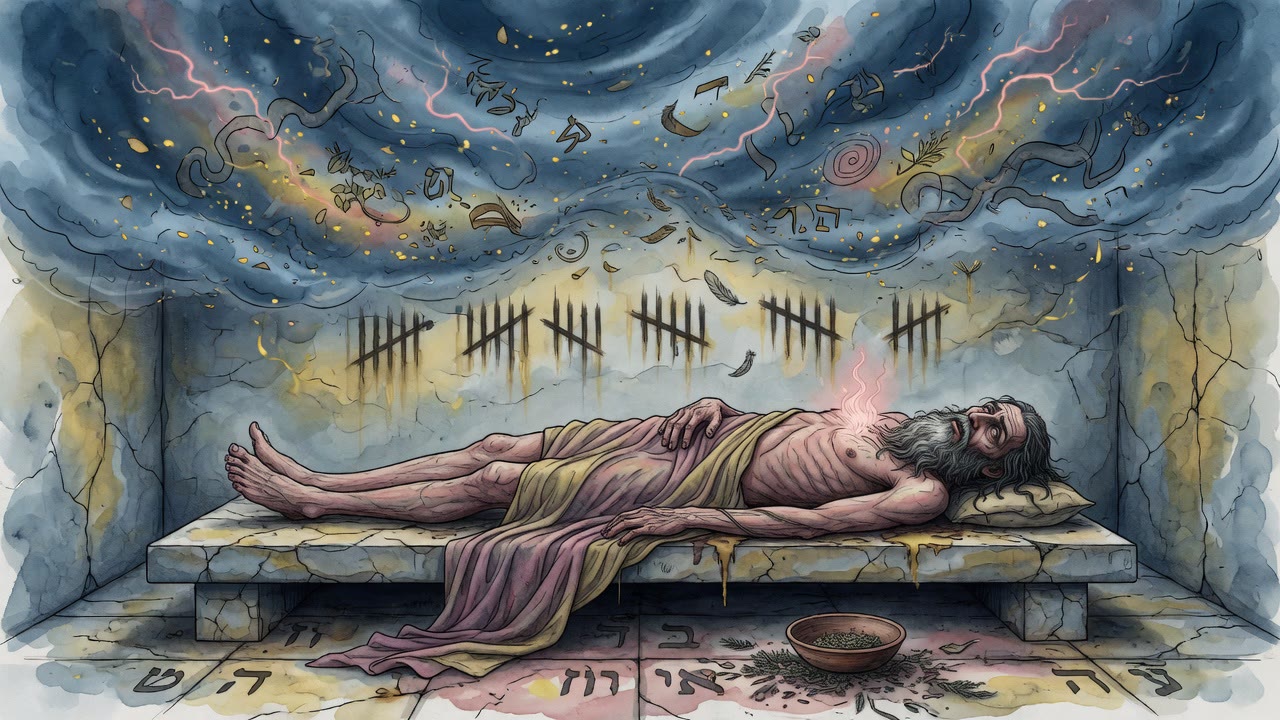
Seven sheep were laid against David each day for warmth, and none of it reached him. He had counted Israel, and seventy thousand men died in the plague.
Table of Contents
Seven sheep could not warm David.
 Click for full size
Each day they were brought and laid near him, living heat against a king whose own body had forgotten how to rise. He remained in bed. His enemies waited outside the sickroom in their imagination, asking when he would die and when his name would perish.
David heard the question inside his bones.
The psalms remembered the bed as a place of water. All night, he said, he drenched it with tears. The couch became soaked with weeping. A king who had run from Saul, ruled tribes, and planned holy work now lay under the weight of thirteen years.
The Census Returned to Him
The illness was not random.
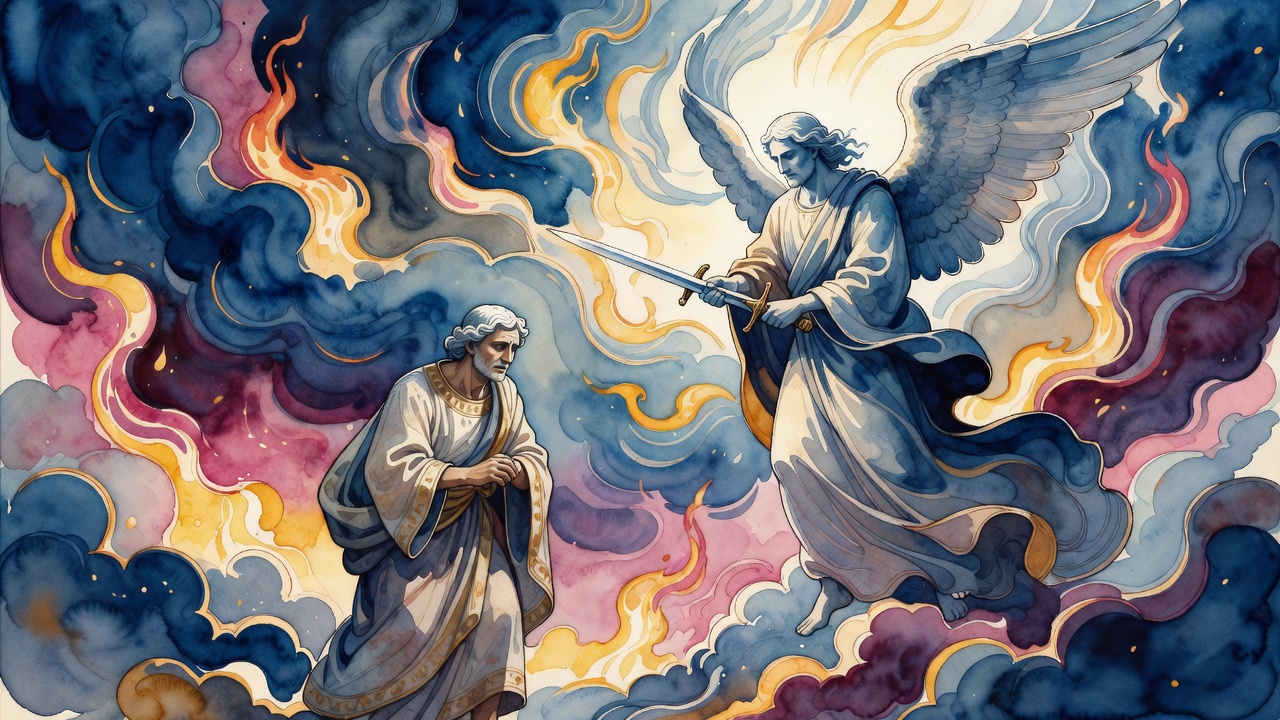
David had counted Israel against God's will. The census brought plague, and seventy thousand men died. The midrash did not soften the number or excuse the king because he was David. A ruler's mistake had filled the land with graves.
Now the king's own body became a long reckoning.
Thirteen years answered the damage. Day after day, the man who had once commanded armies could not command his legs. The sheep gave warmth, but not restoration. His enemies watched for erasure. David prayed from the bed without pretending innocence.
Abraham Had Been Tested Thirteen Times
The rabbis placed David beside Abraham.
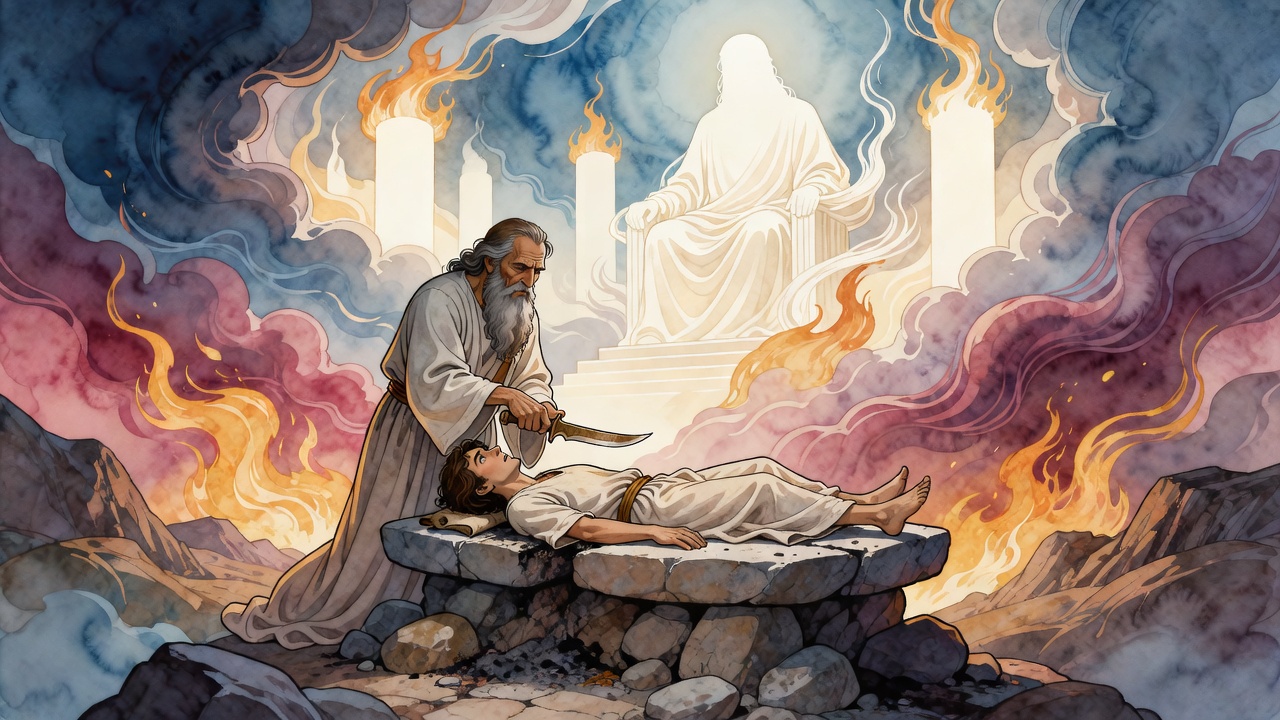
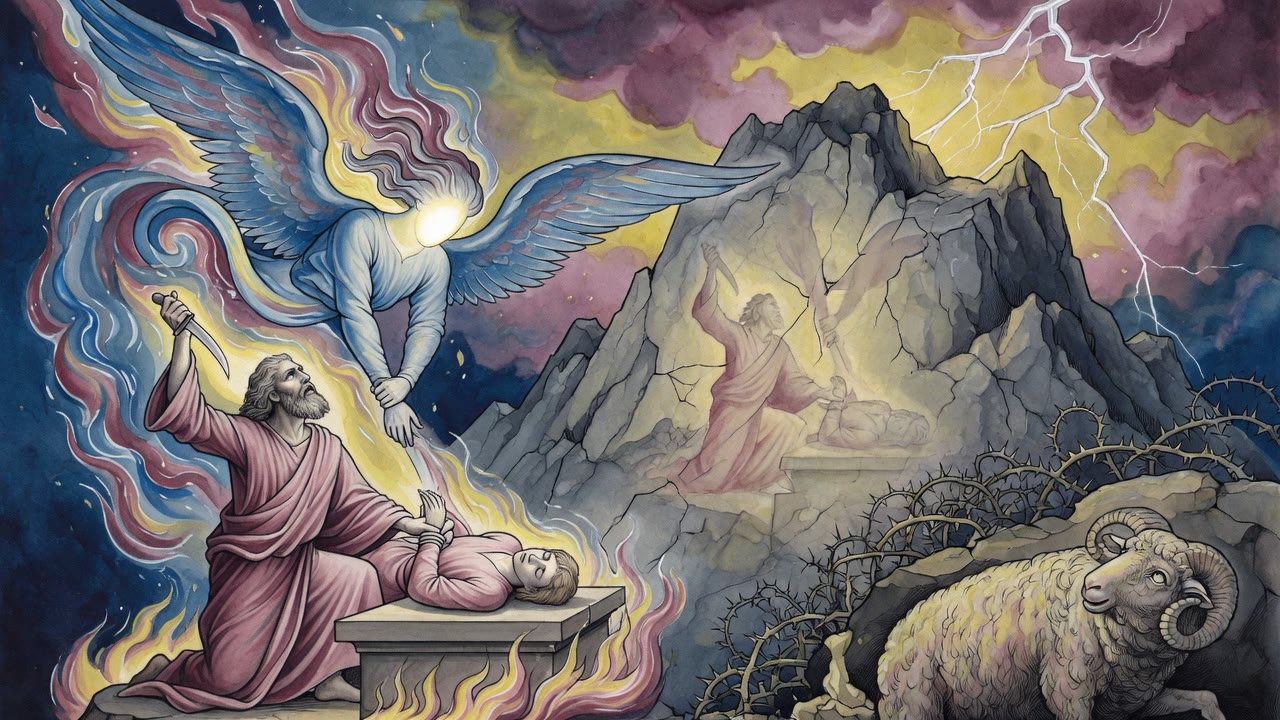
Abraham had been tested thirteen times before the binding reached its terrible height. The knife, the altar, the son, the command, all of it stood at the end of a life already trained by trial. David's thirteen years formed another measure.
The comparison does not make the men identical. Abraham stood over Isaac. David lay under sickness. Abraham's test asked whether he would give back the promised son. David's test asked whether he could carry the consequence of a sin and still hope in God.
Both reached the end of strength before rescue came.
The Eagle Verse Opened
Isaiah had promised renewal.
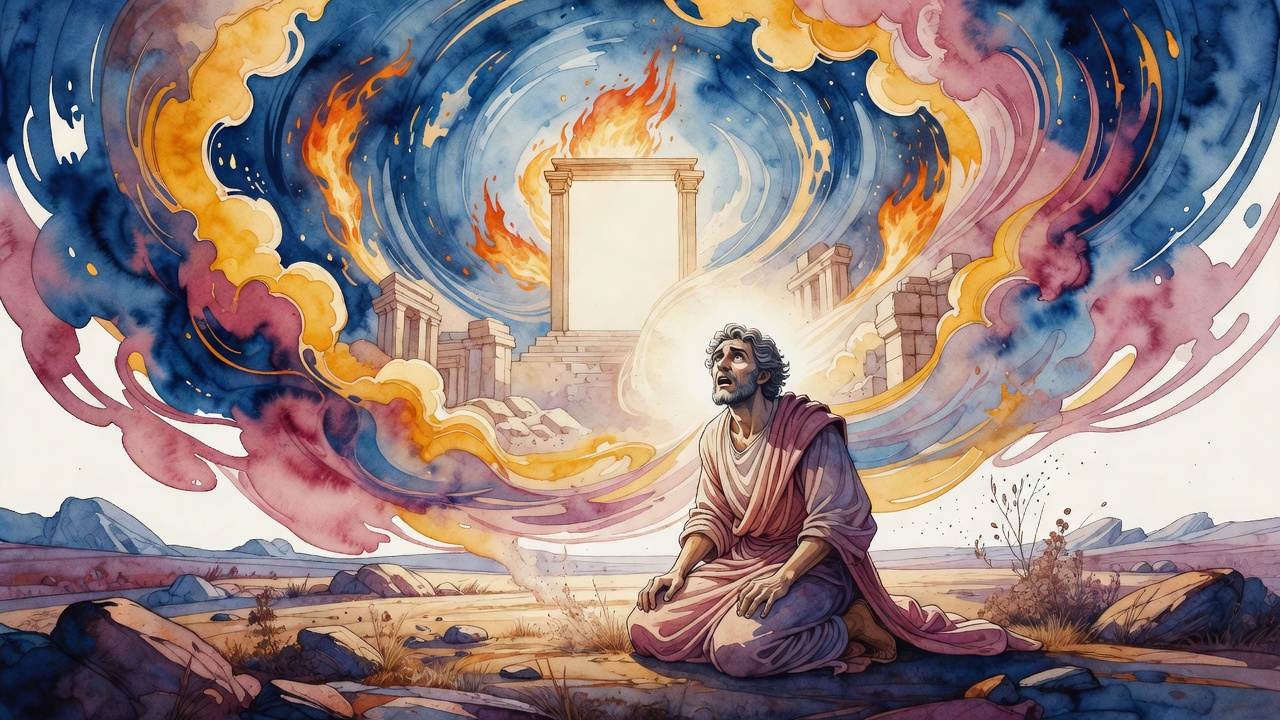
Those who hope in the Lord would renew their strength. They would rise on wings like eagles, run without weariness, and walk without fainting. The midrash read those words over David's bed until the verse entered the room.
David prayed for one thing. Not another conquest. Not a longer reign for its own sake. He wanted life enough to finish the written plans for the Temple, the pattern he had received from the hand of God and would pass to Solomon.
Then the king rose to his feet.
The verse in Chronicles says it that way because the feet mattered. The body that had failed him answered again. Prayer had reached the place sheep could not warm.
Humans Rose Above Angels
Another Aggadat teaching gives the recovery its height.
When Israel does the will of God, the rabbis said, they rise like ministering angels, and even beyond them. Angels have no evil inclination. Their service costs them no struggle. A human being who chooses obedience while pain, temptation, fear, and consequence pull in the other direction has done something an angel cannot do.
David's bed became that kind of place.
He could not erase the census. He could not raise the dead. He could pray, endure, receive mercy, and finish the work placed in his hand. When he stood, the rising was not only medical. It was the ascent of a broken human being carried by hope after strength had ended.
The number thirteen therefore did not sit on the page as trivia. It counted trial against trial, Abraham's tests beside David's years. A life can be examined at an altar or inside a bedchamber. The knife and the sickness both ask whether trust remains when every ordinary support has been taken away.
David's answer was not silence. It was a psalm-soaked bed, a king speaking from weakness until prayer became the only motion left. When strength returned, the recovery carried the shape of that prayer.
When David finally stood, the enemies waiting for his name to perish had misread the sickroom. It was not only a place of wasting. It was a place where consequence, prayer, and mercy stayed together long enough for a king to receive his feet back and use them for the work still left to him.
The plans for the Temple waited for that standing.
The king did not rise into innocence. He rose into responsibility. Mercy gave him strength, and strength sent him back to the unfinished pattern of the house his son would build.
← All myths