The Throne of Heaven Was Tipping Until God Wedged Mercy Under It
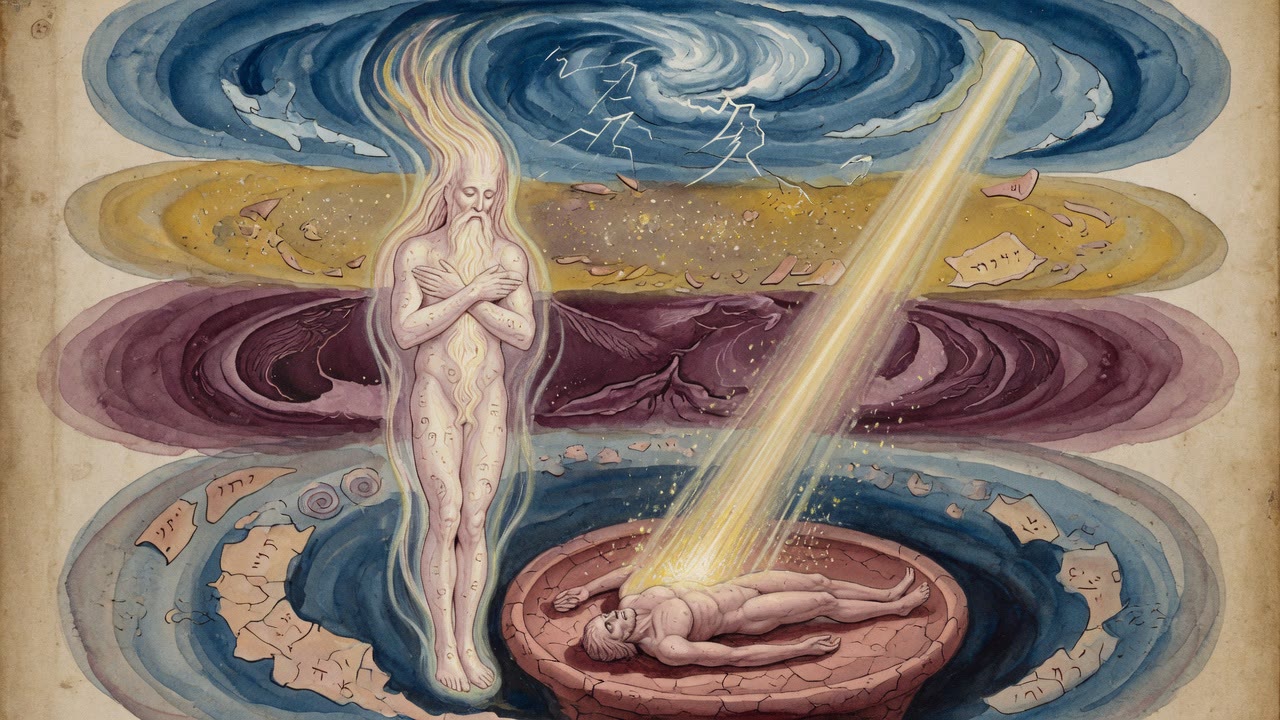
Nobody has ever woken in the morning and found his soul missing, or found his neighbor's soul in his hands. That deposit has never once been mixed up.
Table of Contents
 Click for full size
The King Walked Through His Storehouses and Found Nobody There
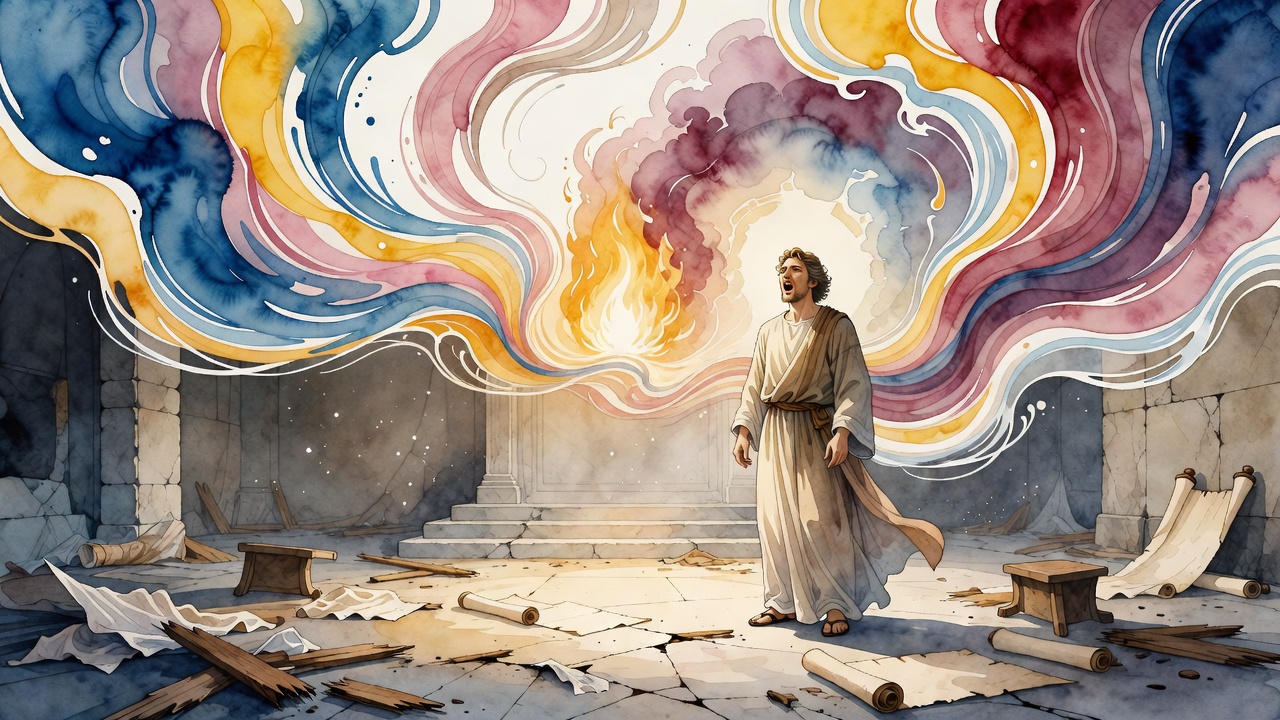
A king owned storehouses, and the storehouses were full. Grain to the rafters. Oil, wine, cloth, silver, every good thing stacked and sealed and sitting in the dark.
He walked through them one day and stopped. What is all of this lying here for, he said. Who is any of it good to.
So he went out and got servants. He brought them in, sat them down, fed them, poured for them, put the whole of it into their hands, and then he had what he had not had before, which was somebody in the room saying it was good.
That is the whole reason there is a world. It was empty and without shape, and God filled it and then made a man and gave him the run of everything in it, so that something with a mouth would be standing inside the storehouse. Let everything that breathes praise the Lord.
They Asked Eitan What the World Was Standing On
They came to Eitan the Ezrahite, the wise man whose measure Solomon's wisdom was taken against, and put the question to him straight. On what does the world stand?
He had already answered it in a line of his own psalm, and he gave it back to them. The world is built on mercy. The heavens are set on mercy.
Then he went further than they asked, because the throne is on it too.
Picture a chair with four legs, he said, and one leg going. It has begun to give and the whole seat is leaning with it. Somebody grabs a bundle off the floor and shoves it under the failing corner and the chair holds.
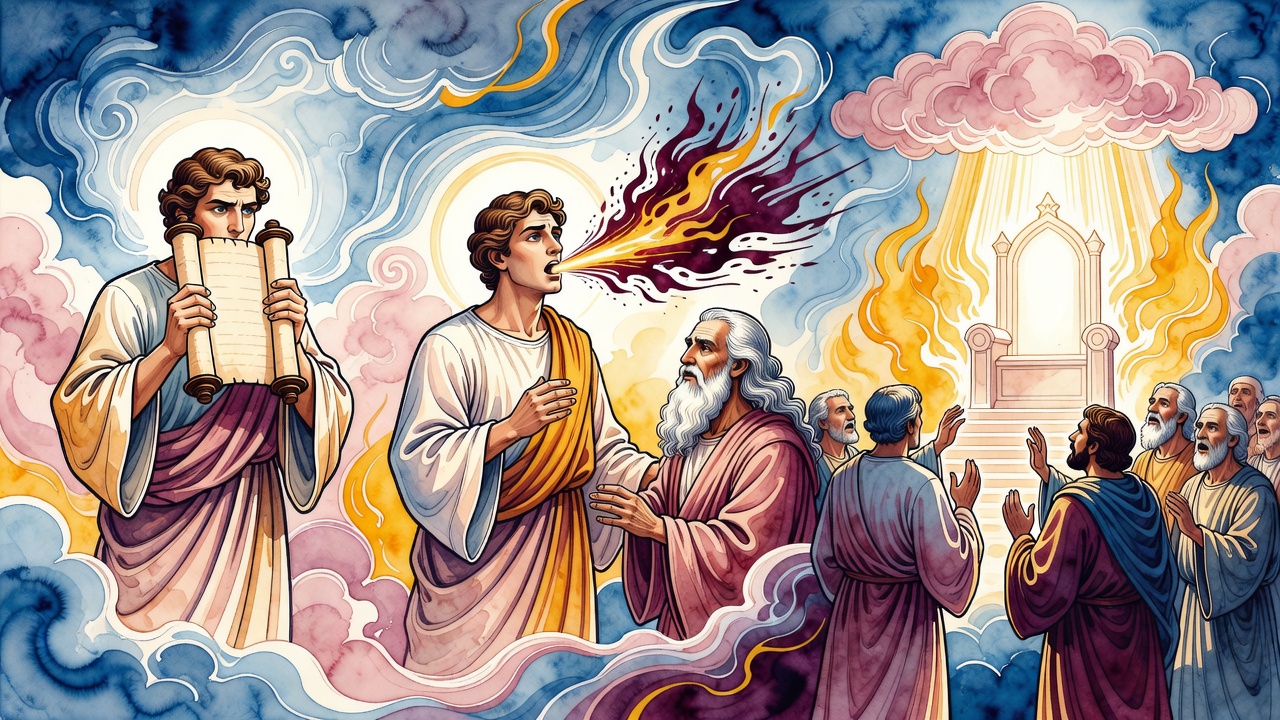
The throne in heaven was going over like that. God caught it Himself, and what He wedged underneath was mercy. Righteousness and justice are the foundation of Your throne, and kindness and truth walk out in front of You.
The Nations Took Counsel Against the Name
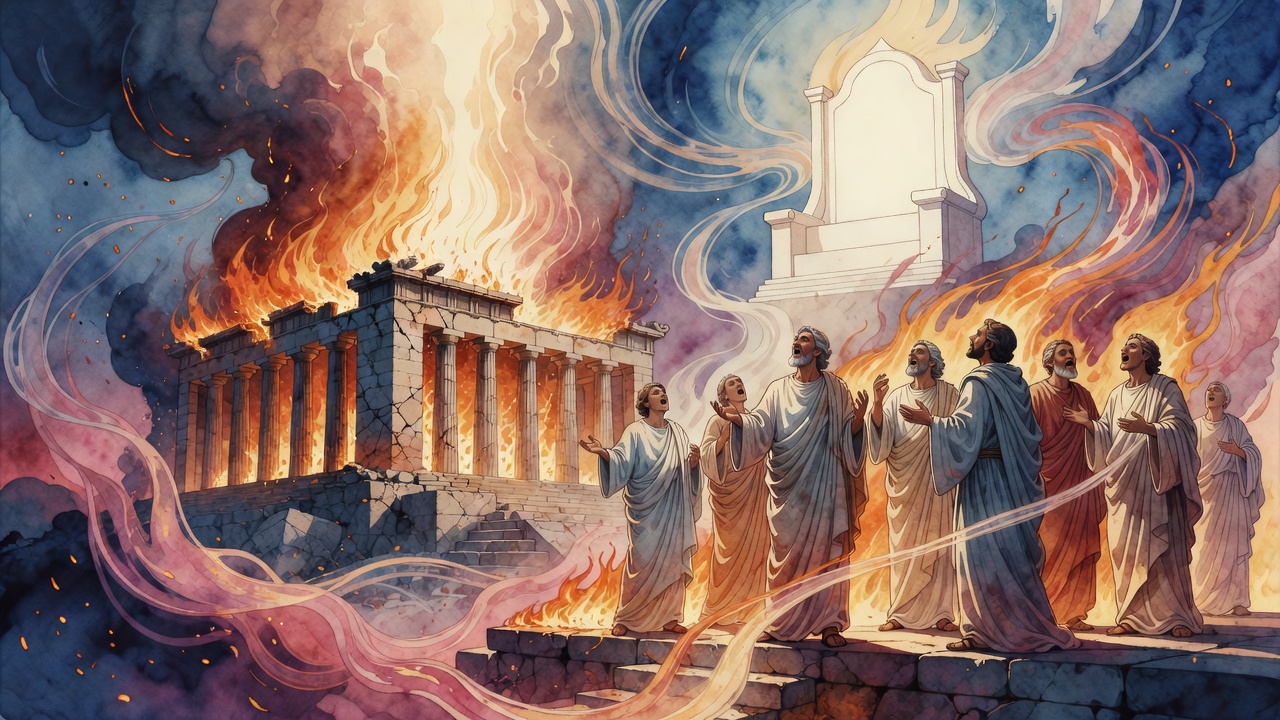
Down below, a room full of kings sat and planned.
They talked about the hidden ones, the quiet righteous nobody can point out in a crowd. They talked about the altar, and how to get it out of the ground, and they went at the north side of it, the side where the animal is brought and held and cut, because pull up that corner and there is nowhere left in the world to bring anything before Him.
Then one of them said the sentence the rest had been circling. Come, let us cut them off from being a nation, so that the name of Israel is not remembered any more.
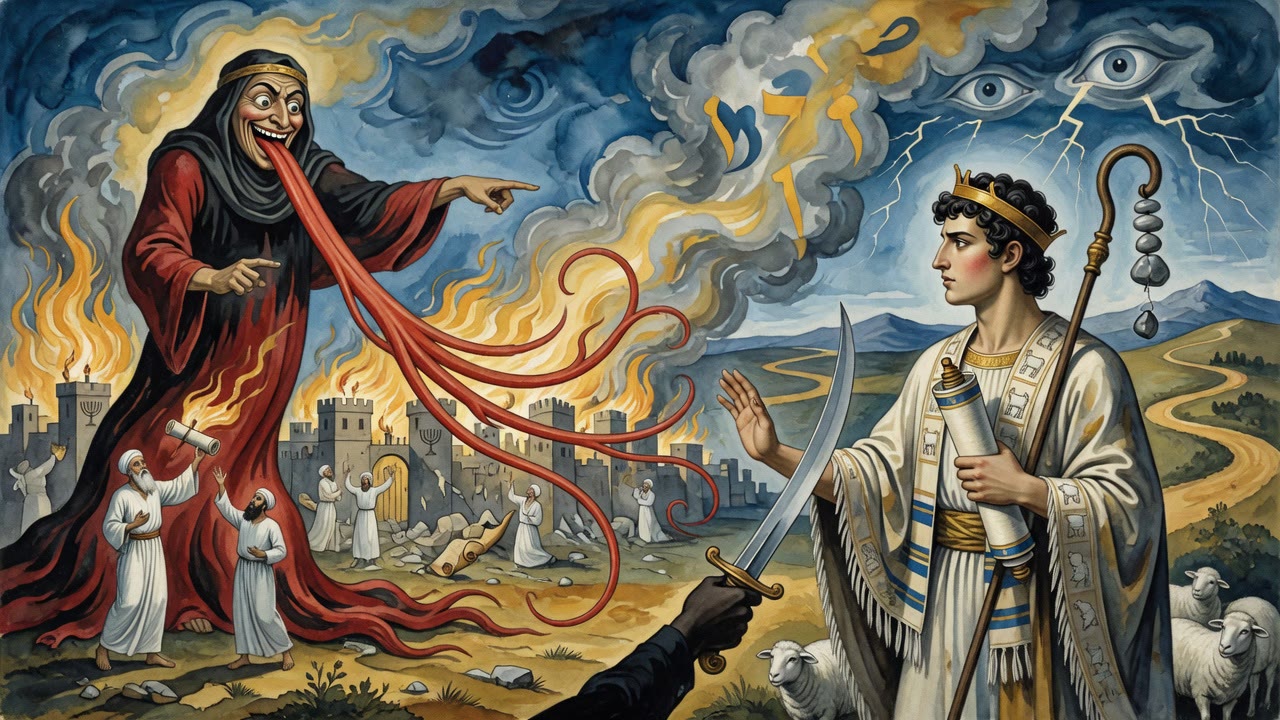
They were not confused about what they were doing. As long as Israel is standing, He is called the God of Israel. Uproot Israel and ask what He is called then. So the kings of the earth set themselves in a line and took counsel together, and the thing they were standing against was never only a people.
The Altar Burned and the Man Had Nothing to Carry
When the Temple stood, a man who did wrong knew exactly what to do with his hands. He went and picked out an animal and walked it up to Jerusalem, and it was taken from him at the north side of the altar, and he came home clean and could sleep.
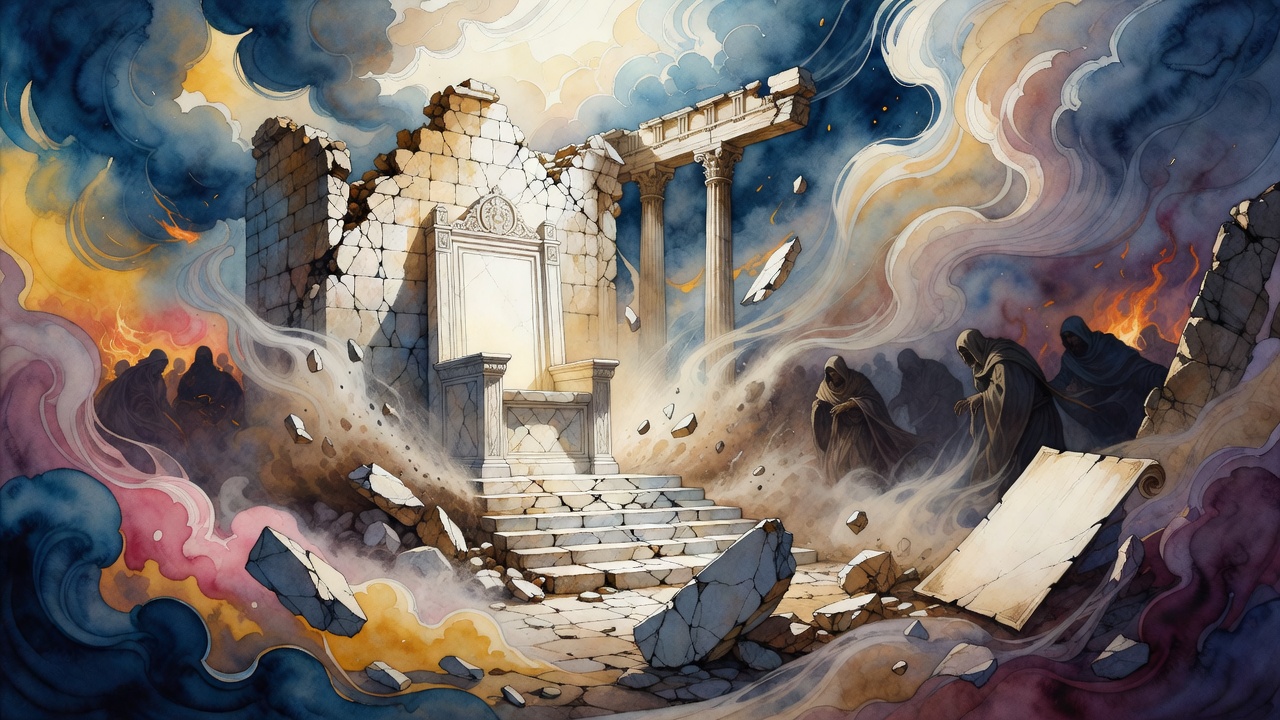
Then the house came down and the altar with it, and there was no animal to buy and no place to bring it and no priest to hand it to. The road up was still there. There was nothing at the end of it.
What the man still had was the thing he handed over every night of his life and had never once thought about. Into Your hand I entrust my spirit.
Nobody Has Ever Woken Up Empty
Leave a new tool with a neighbor and it comes back scratched. Leave a coat and it comes back thin. People mix things up. They hand you back somebody else's bundle and swear it is yours.
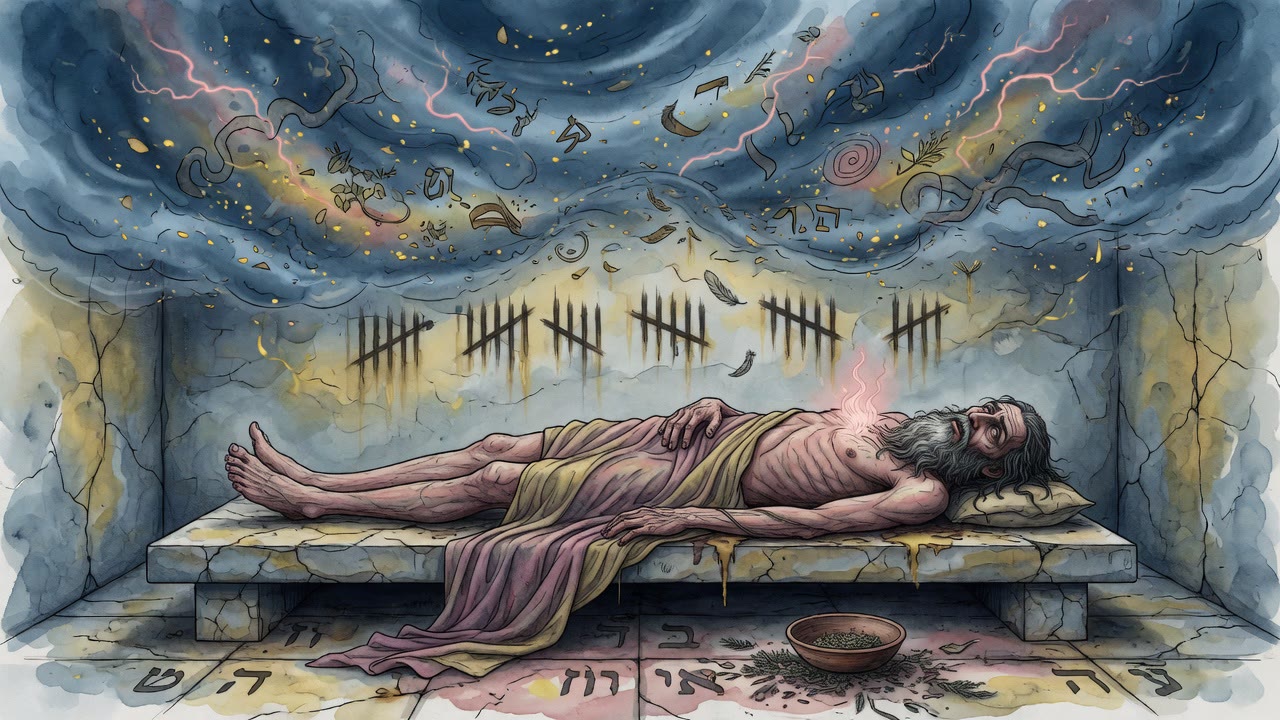
Has anyone ever stood up in the morning and reached for his soul and not found it? Has anyone ever gone looking and turned up his neighbor's soul in his own hands, or his own in a stranger's? Not once, in the whole history of the world, and that is the whole weight behind calling the Lord the true God.
Rabbi Alexander turned it around and made it worse for us and better for Him. A man leaves new goods with flesh and blood and gets back worn goods. God is handed something worn out and gives it back new. A laborer works from dark to dark and lies down with his soul rubbed through, and he holds it up, and it is taken, and in the morning it is put back into him made over from the beginning. New every morning. Great is Your faithfulness.
Rabbi Shimon said in the name of Rabbi Simon that this is the whole basis for trusting the rest of it. A keeper who has never lost a soul in one night is good for a promise about the redemption. And Rabbi Yehuda added that when the accounting is done He forgives past the sum, over the amount owed, every time.
The altar is ash and the kings are still meeting. The laborer lies down anyway and hands it over.
← All myths