57 myths · Page 1 of 2
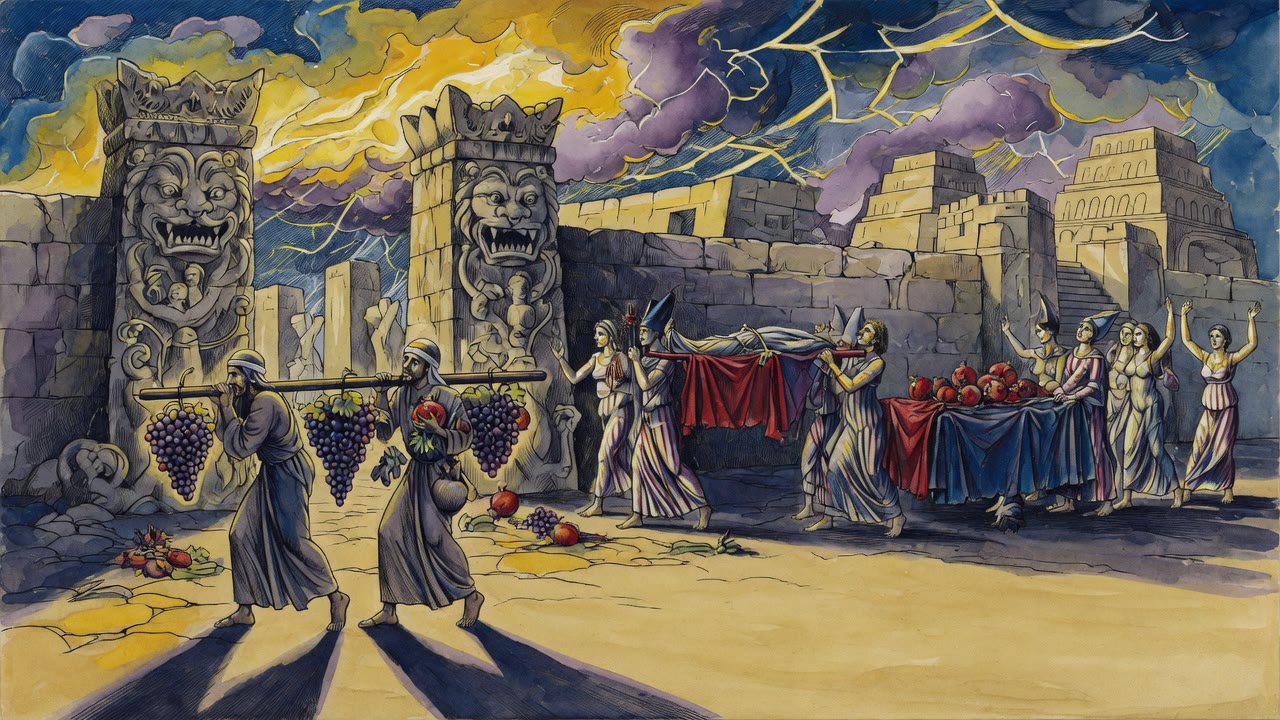
Twelve spies slipped through Canaan's open gates while the cities buried their dead, then came home swearing the land devoured its own people.
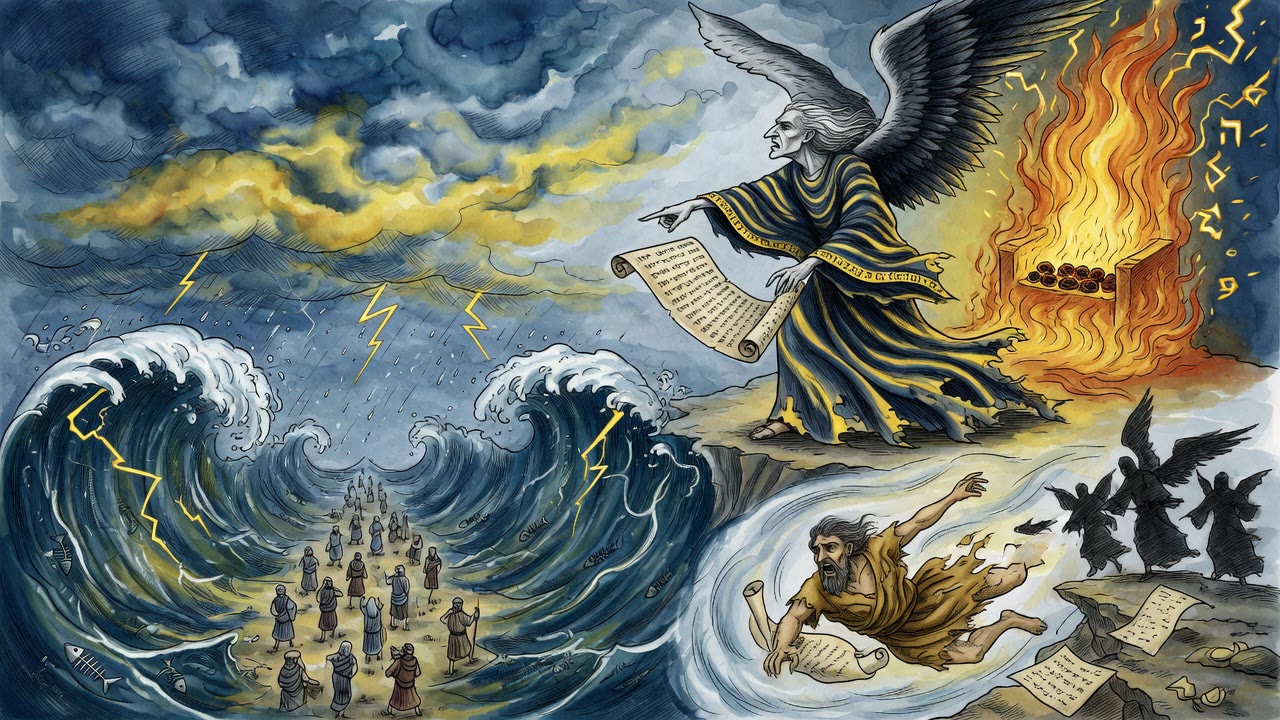
Chariots shook the reeds. In heaven Samael opened a true ledger against Israel. God did not argue. He threw the accuser a ram named Job.
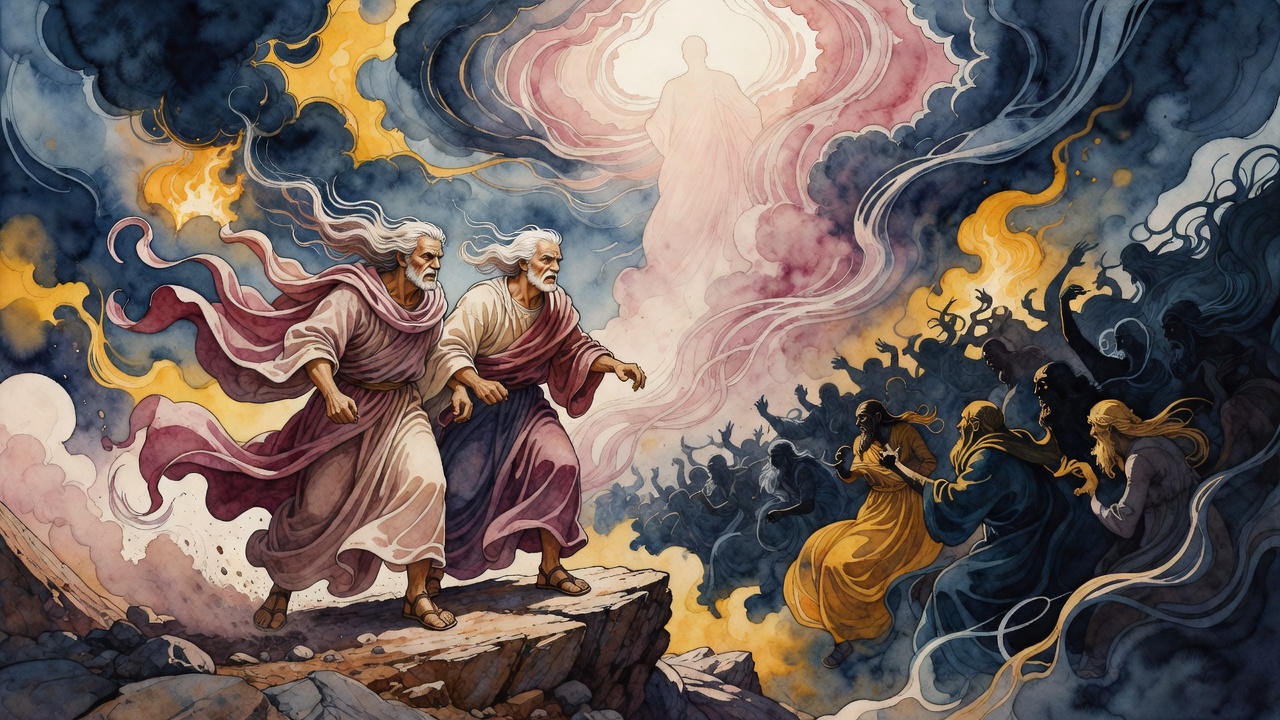
David and Job watched the wicked thrive and nearly lost their footing. Their anger became the song that kept faith alive.
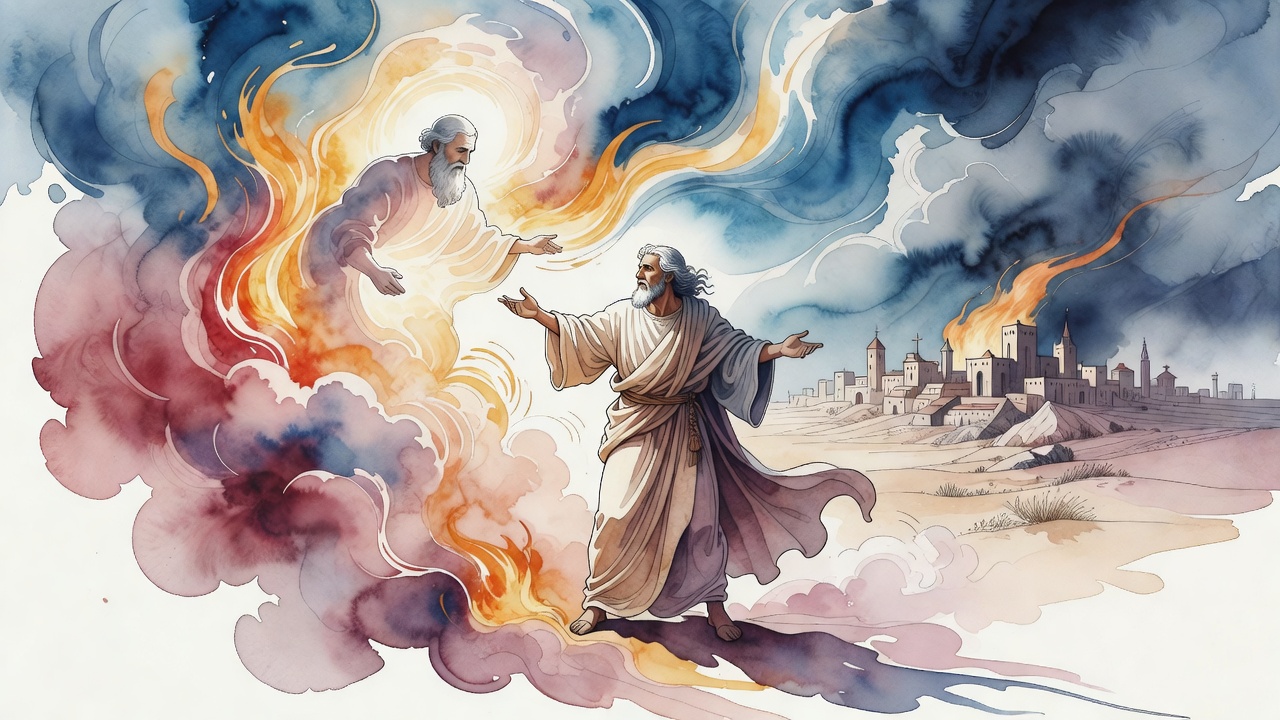
Abraham accused God of slipping out of His own oath. God answered by offering to march every generation He had ever destroyed past him, one at a time.
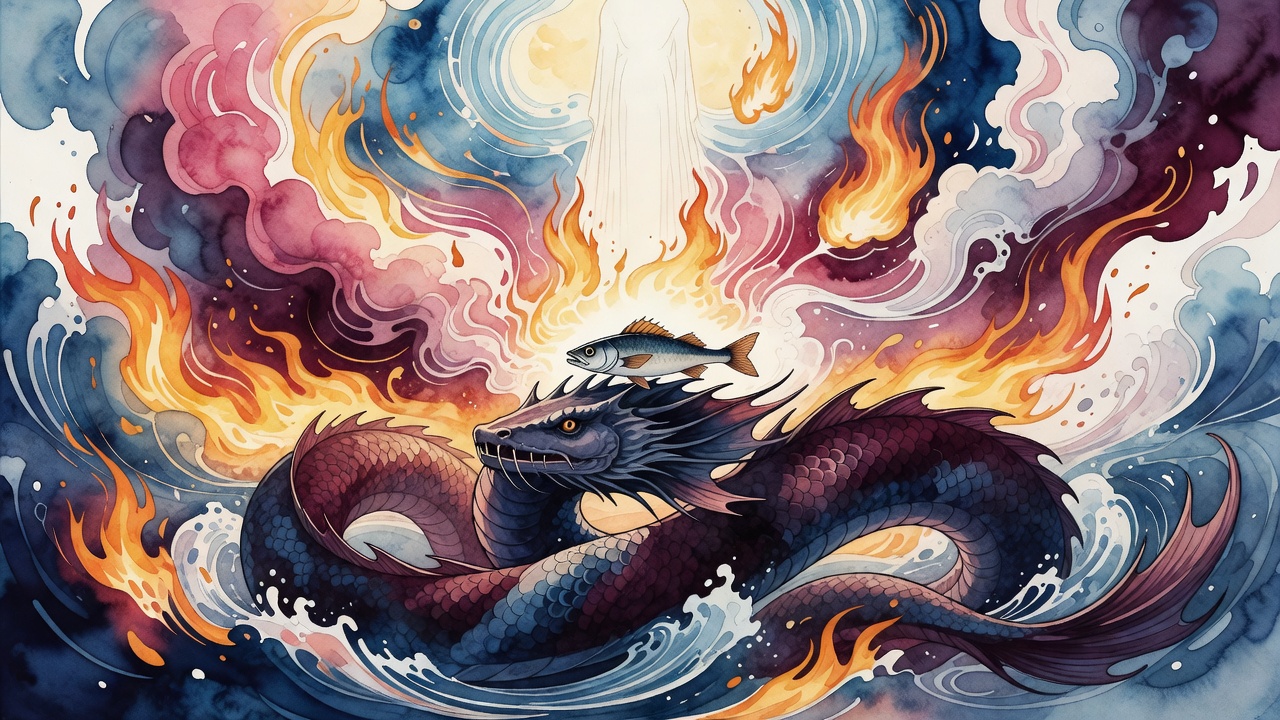
God made the sea from fire and water, then set one tiny fish over Leviathan so creation would not drown beneath its own power.
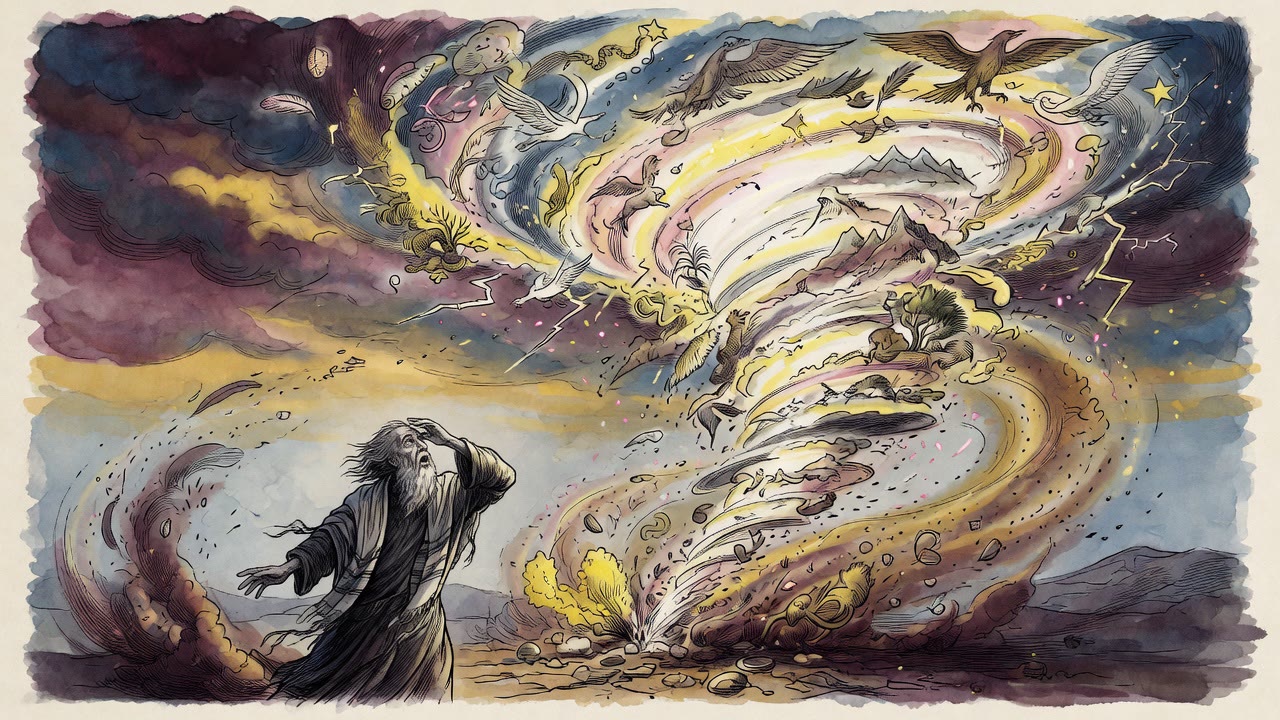
The smoke had not risen yet. Abraham planted his feet in the dust and asked if the Judge of all the earth would burn the innocent with the rest.
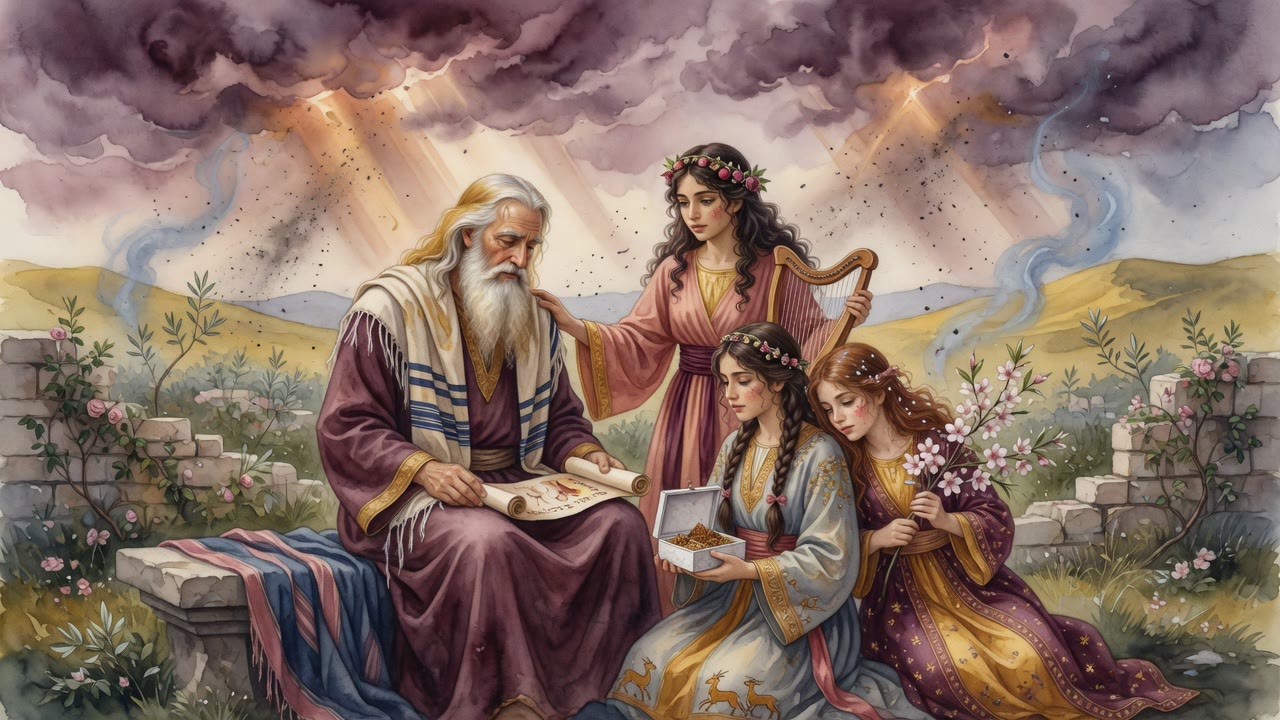
Job told Eliphaz to go look at his own father Esau. Eliphaz answered that a son does not carry his father's guilt, and heaven made him carry it anyway.
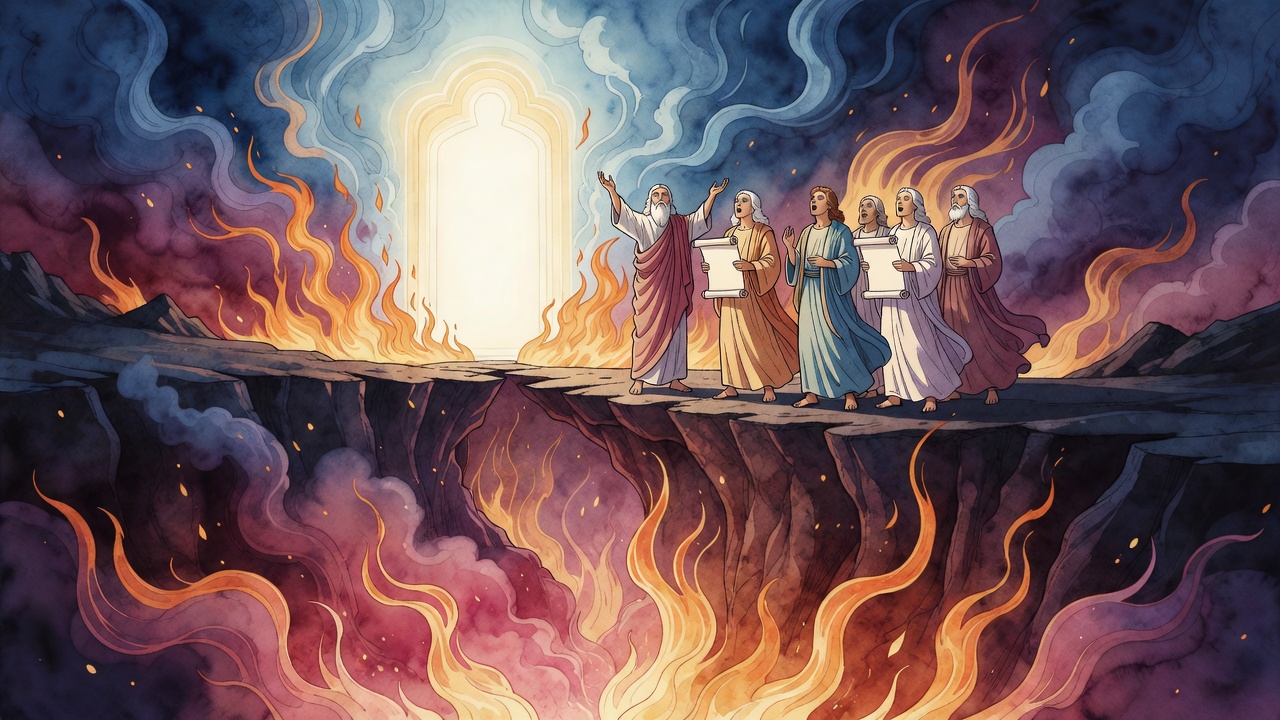
The earth opened beneath their father and they were left suspended on a ledge inside Gehinnom (afterlife of judgment), and from there they composed the psalms.
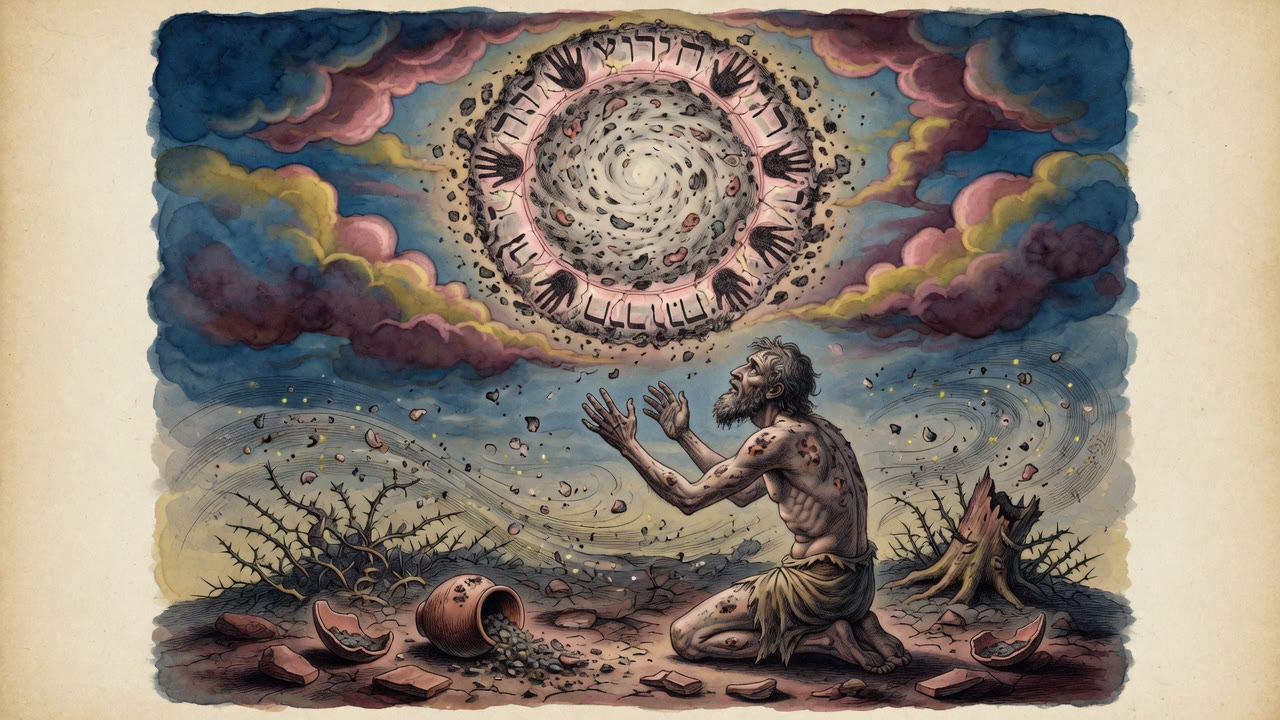
Old women priced the linen high. A girl behind the curtain poured wine and set Peor's idol beside the cup. Bow first, she said, then you may stay.
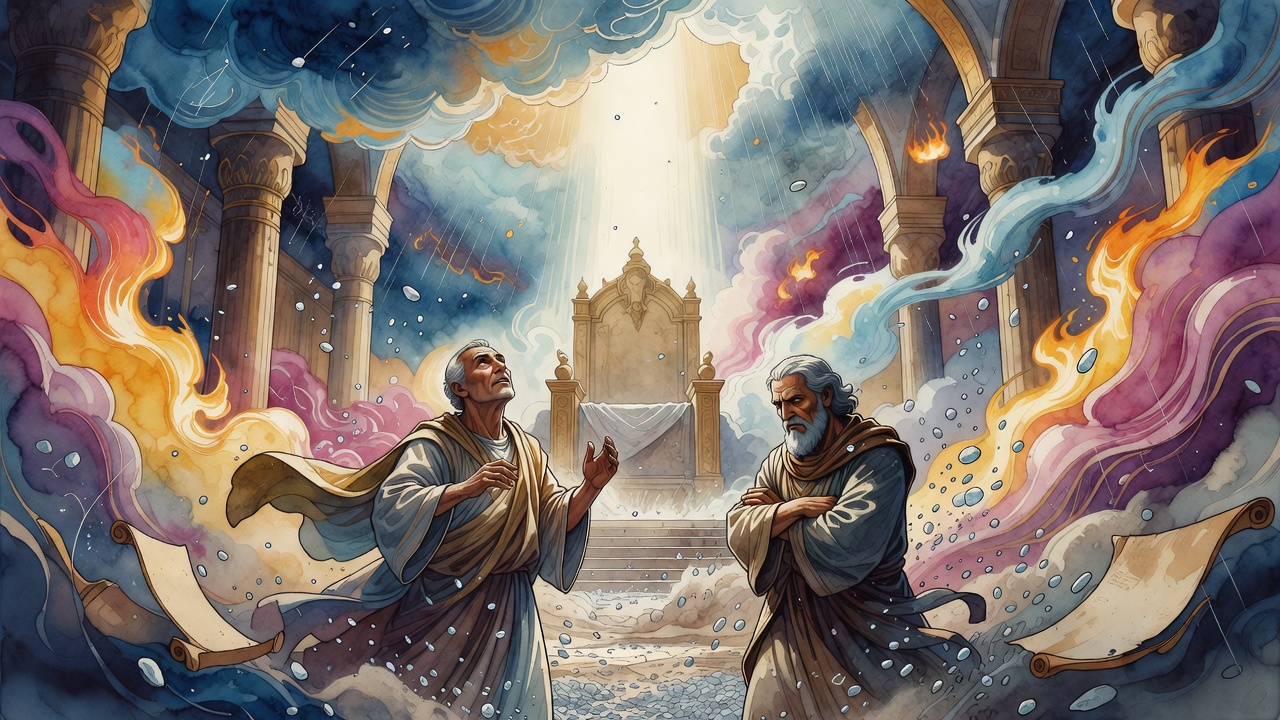
Two famous non-Israelite figures stood in Pharaoh's palace when hail struck Egypt. One believed the warning. One did not.
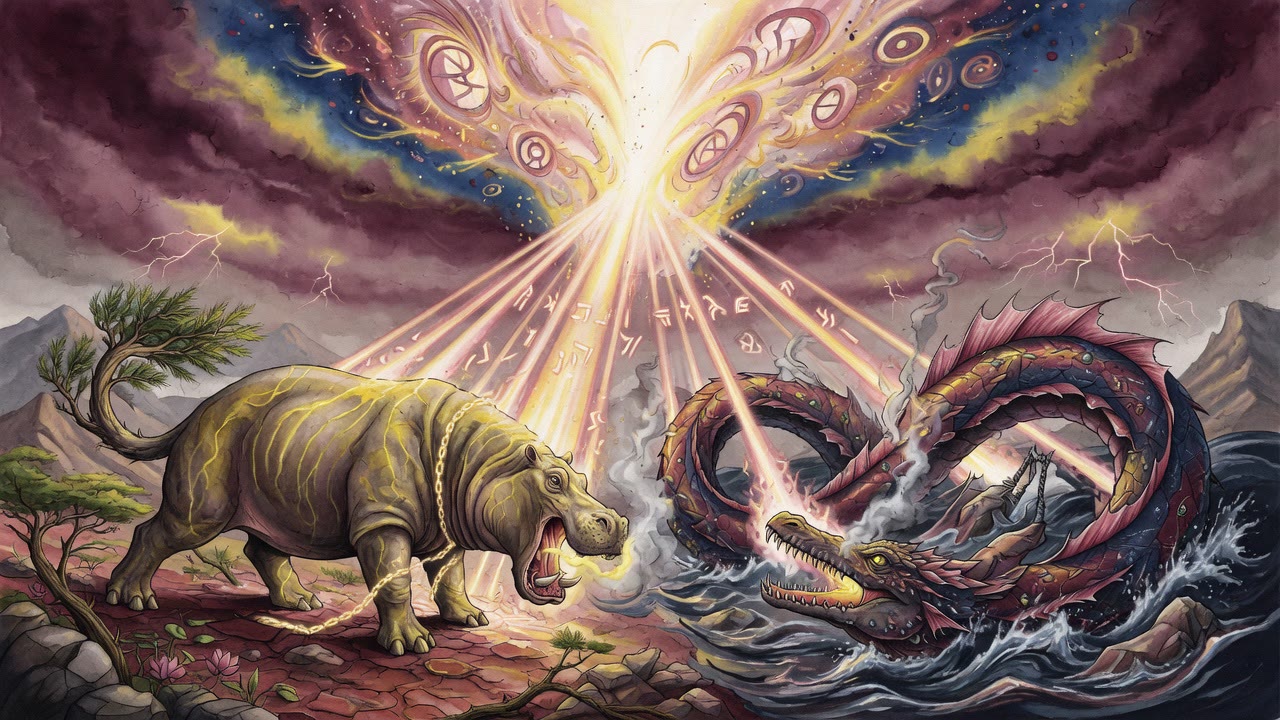
Nimrod named his cities after his own defeats. His son Bel became the first idol. Job, living in Nimrod's shadow, became the test case for righteous suffering.
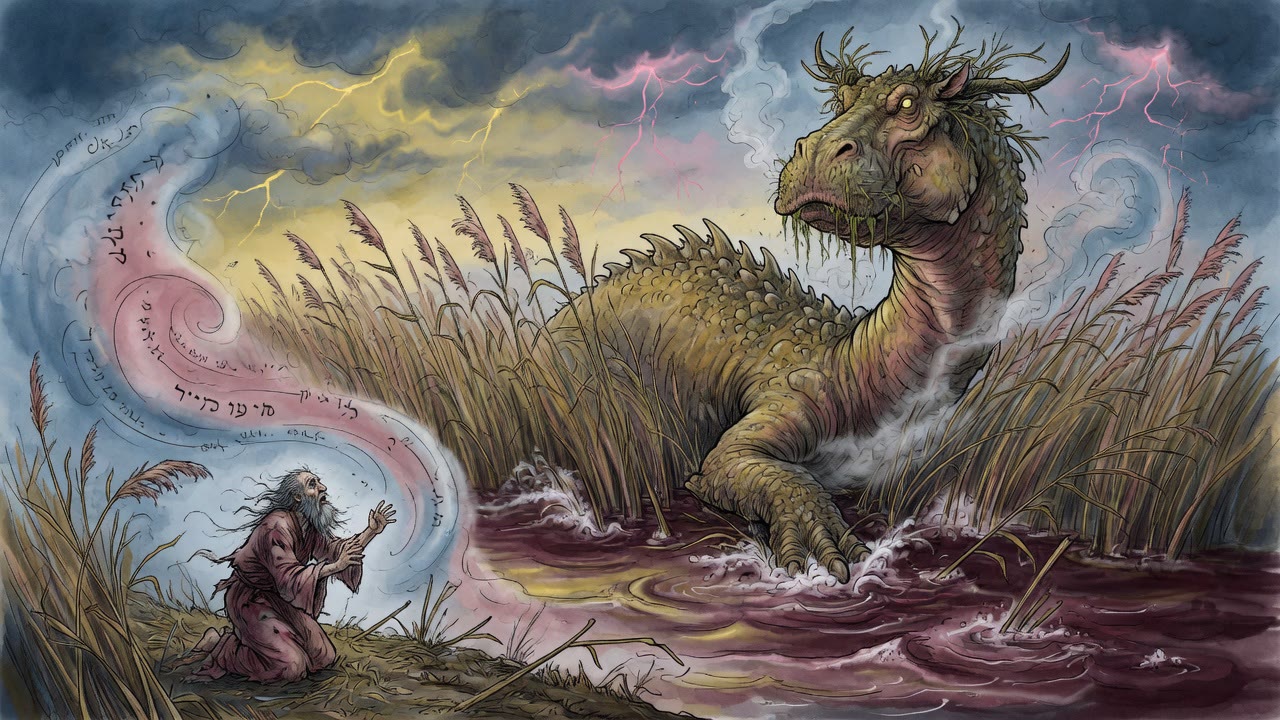
Noah wept over the ruin he had survived. God rebuked him for not praying before it happened. Job suffered while still called God's servant.
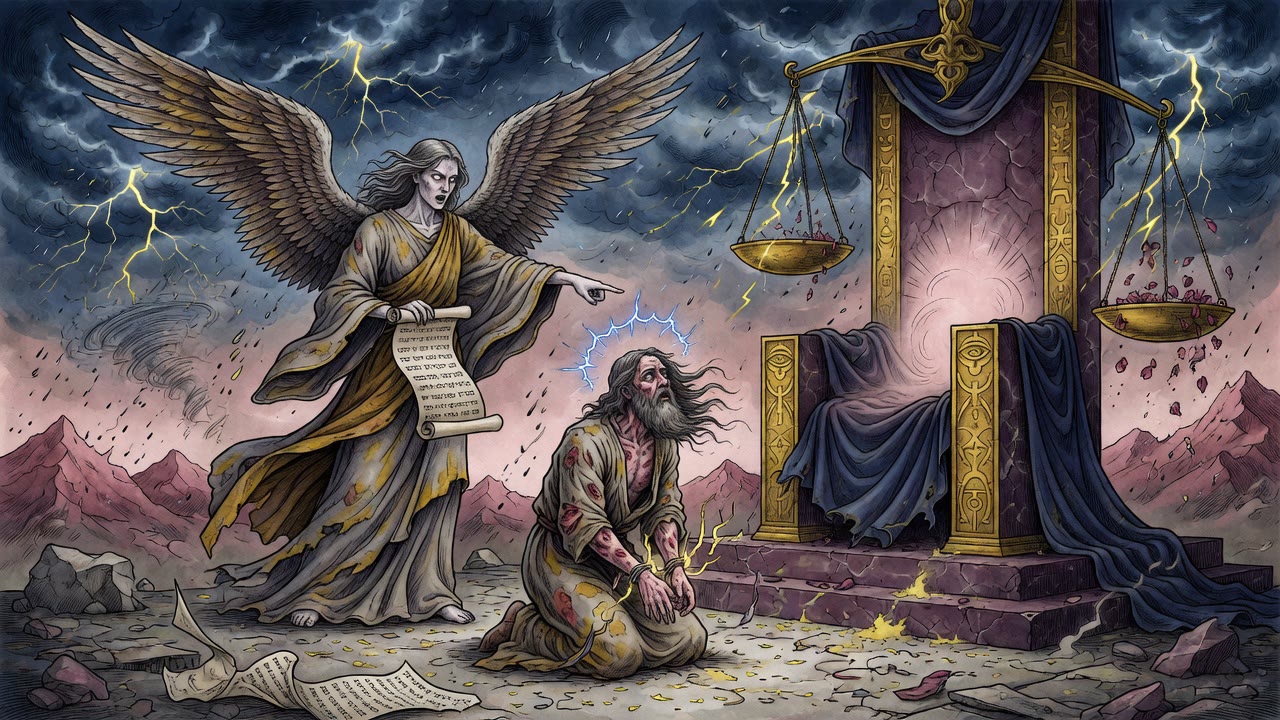
Jacob would not release the stranger until the sky paled. Job, married into that house, demanded a hearing. Solomon set both faces on a lamp of gold.
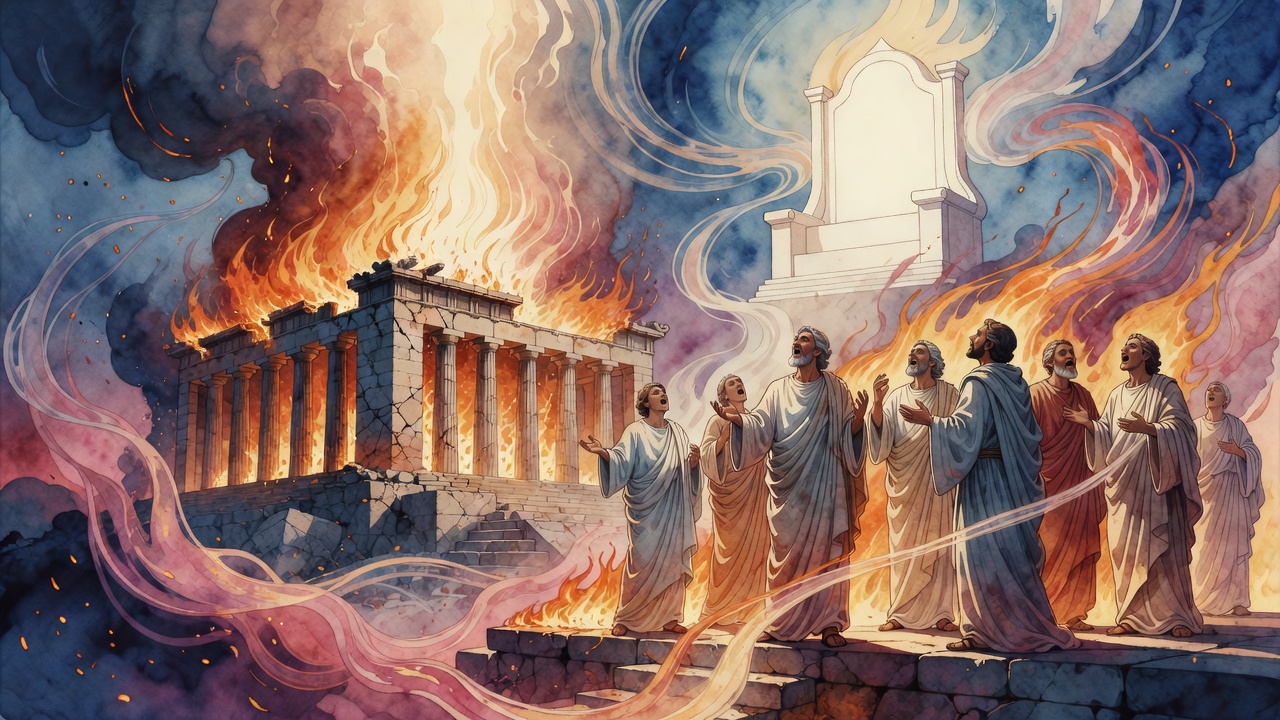
The Levites still had a verse in their mouths when the fire took the courtyard. David later asked not to be measured that closely.
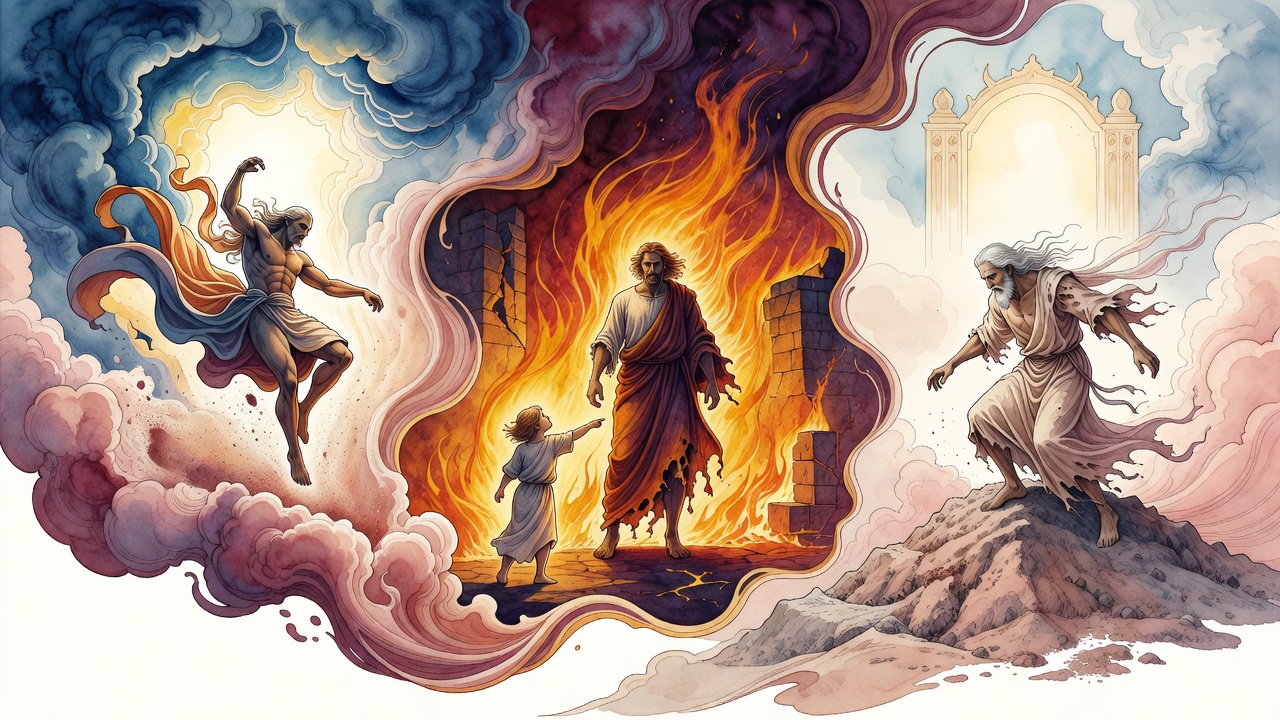
Abraham was twenty days old when he walked out of the cave, and his own mother did not know him. Nimrod heard about it and was afraid.
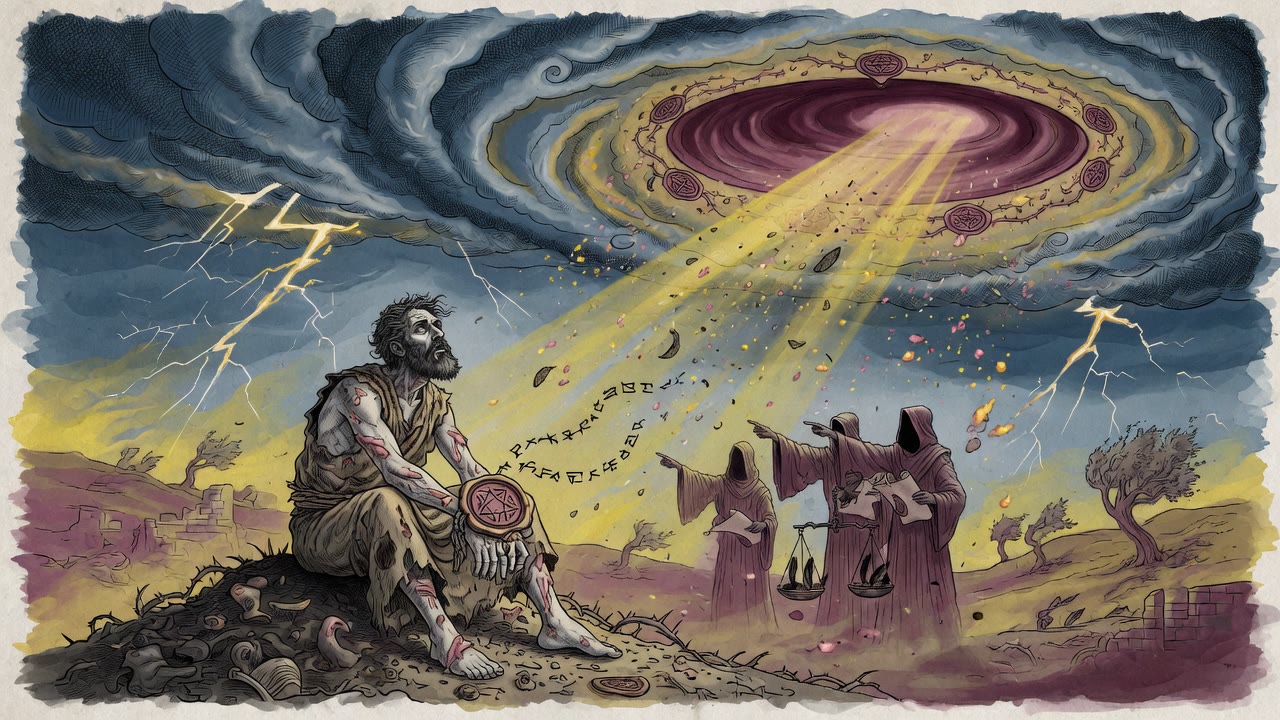
Adam did not land on our ground. He landed on a floor with no light in it at all, under a sword that never stopped turning, and had to climb.
Abraham invited every great family in the country to Isaac's banquet and left out the poor. A beggar came to the door anyway and asked for alms.
God asked who had eaten. Adam pointed at his wife. Job sat in ash with ten children gone and would not lift a finger at anyone.
Leah prayed not to be given to Esau. The whole country mocked her anyway. Jacob meant to send her out until four sons filled the yard.
Rabbi Eliezer said rain rises from the sea. Rabbi Joshua said it drops from above the sky. Between them they made the heavens a millstone grinding the ocean.
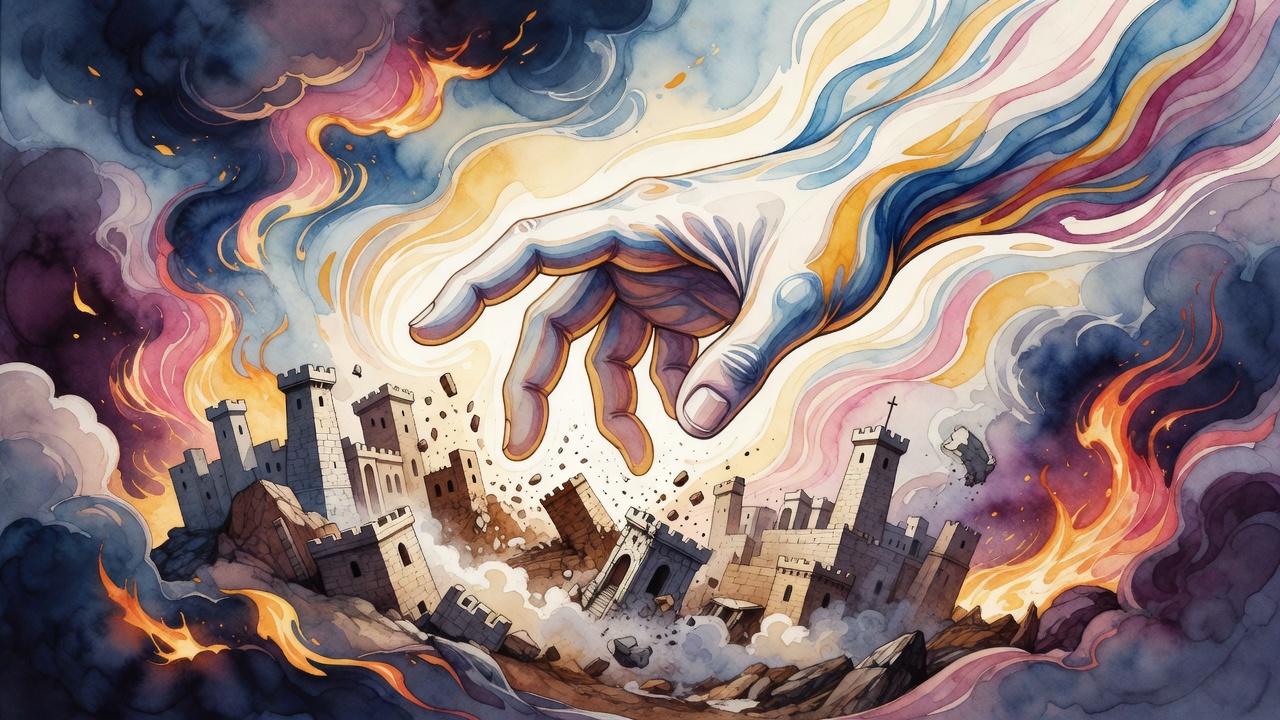
The same divine hand that tucked healing herbs into the dirt and set a star over every blade of grass reached down once and flipped five cities off their rock.
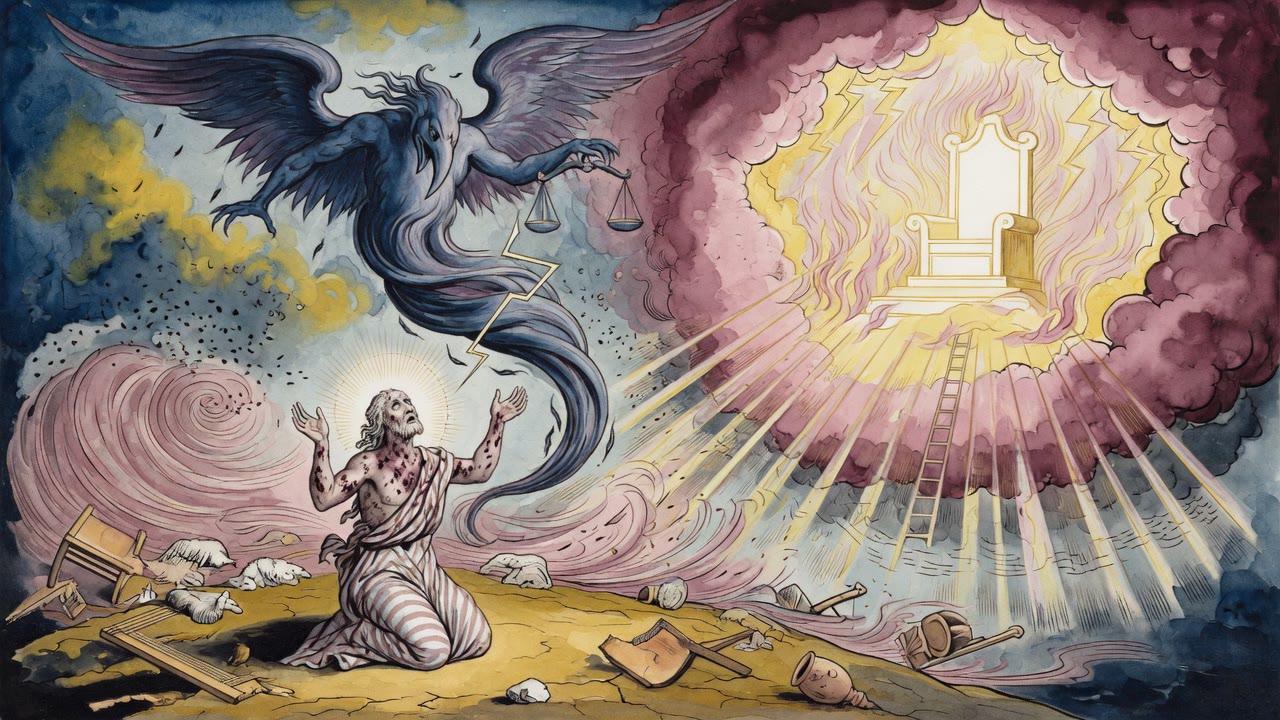
Lilith, queen of Sheba, marched three years to reach Job's cattle. One gashed herdsman broke free and ran to Job's feet. He gave the news and died there.
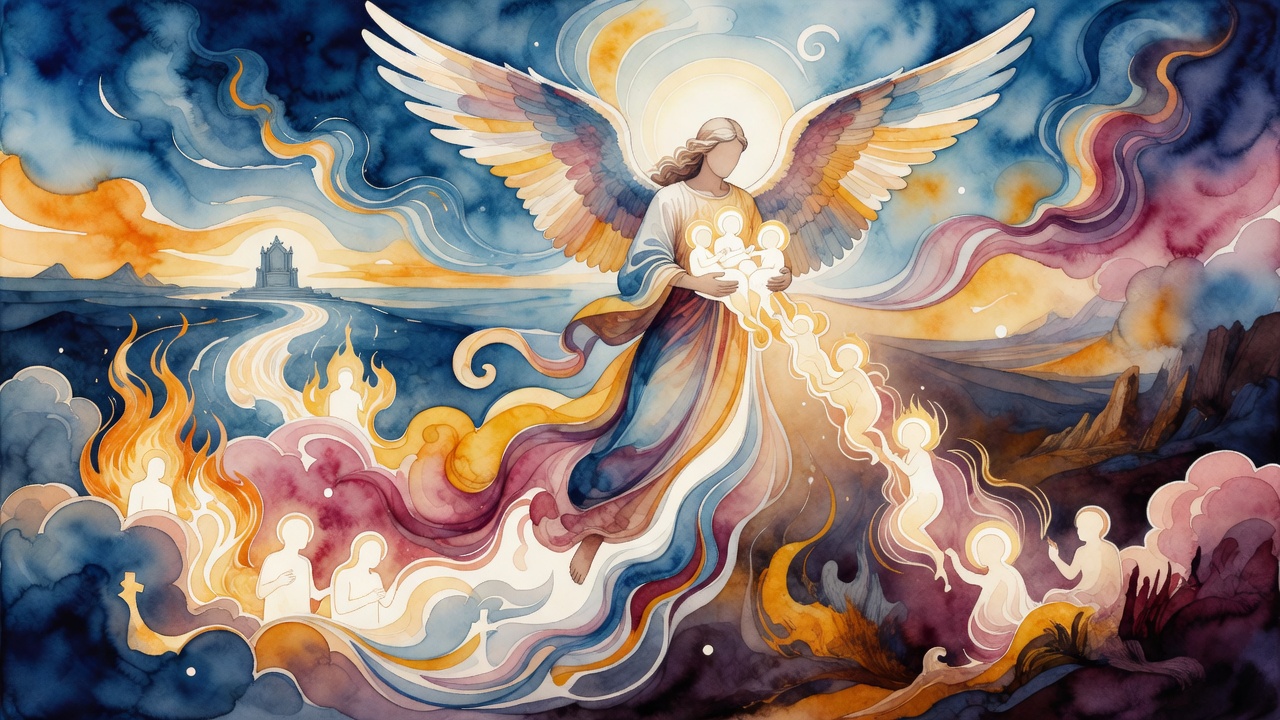
An angel carries each unborn soul through heaven by day, then lets it go down into labor, into affliction, into the long accounting.
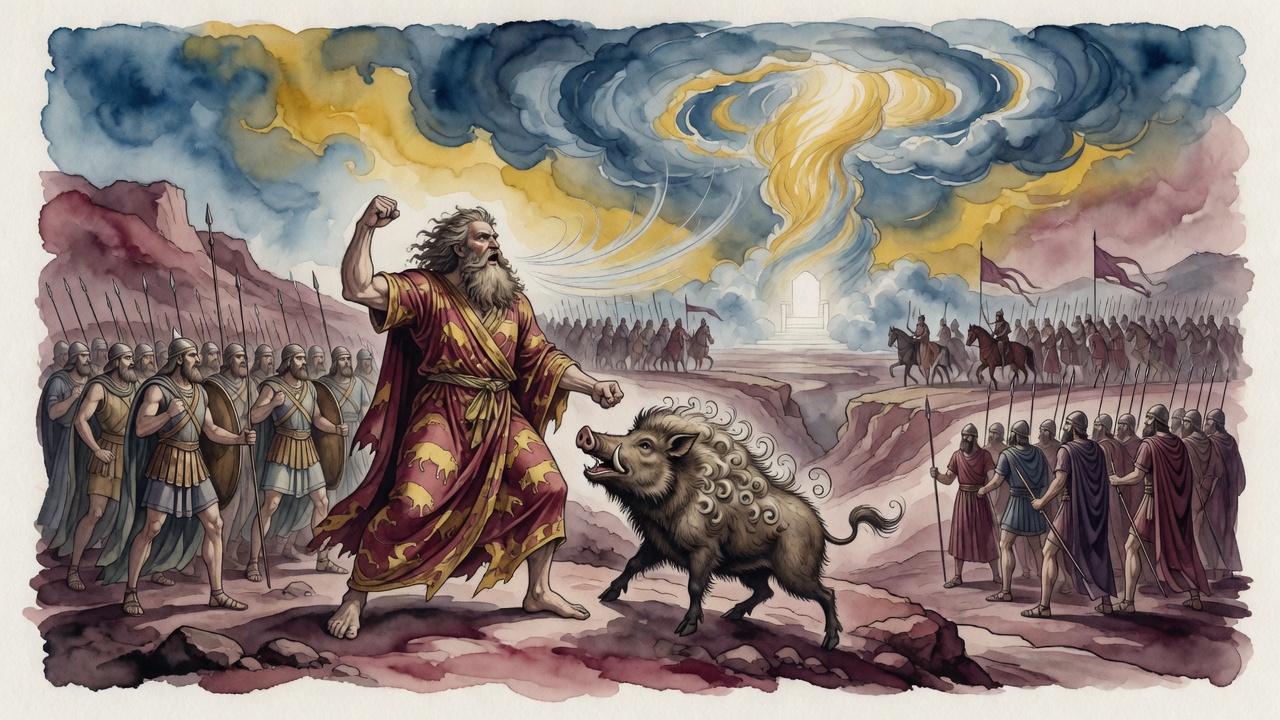
Job took his cry for God's abode as an address and marched east, west, south, and north, while the presence stood unseen in the west.
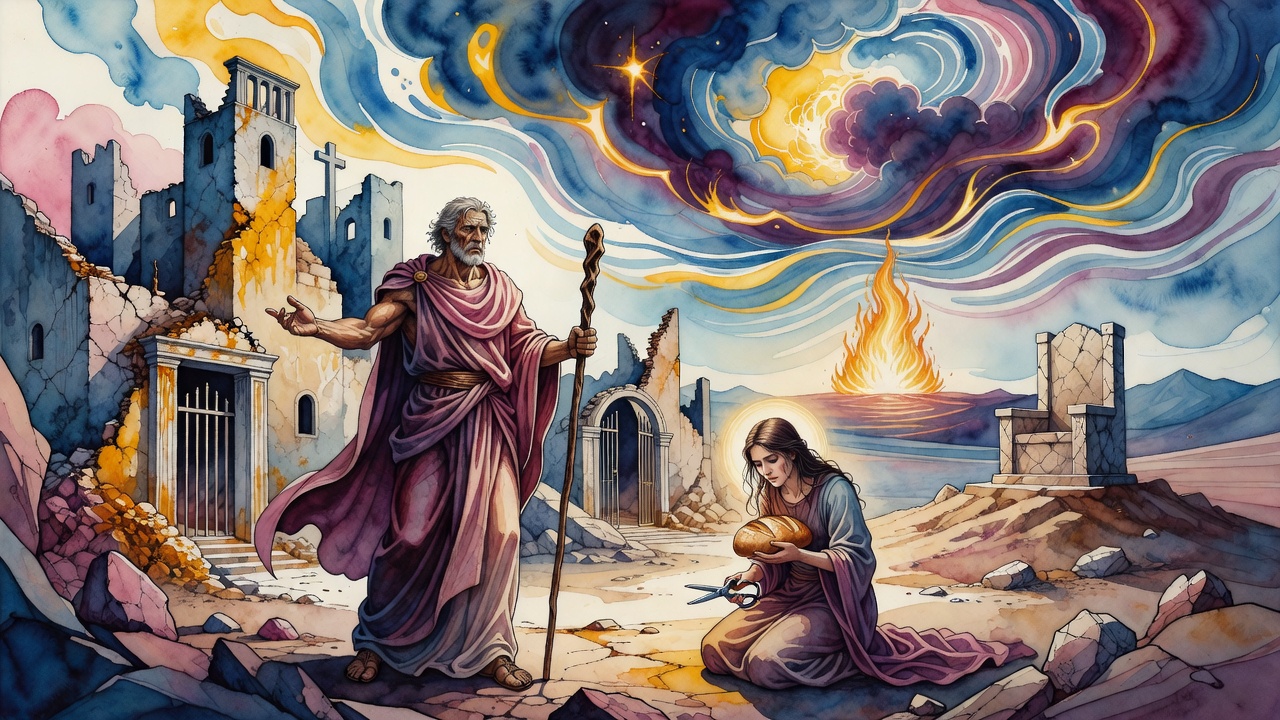
Job ruled a city behind unbarred gates and led an army for the poor; ruin left his wife selling her hair for one loaf of bread.
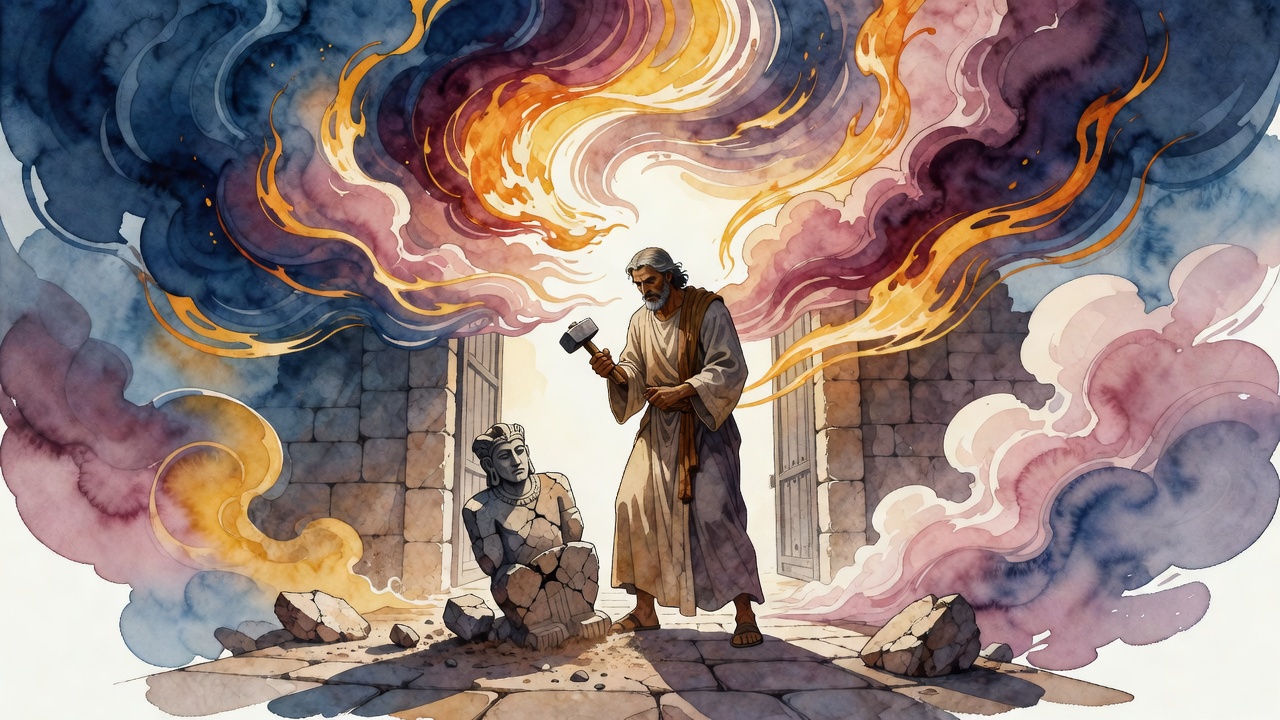
An archangel woke King Jobab in the dark and told him the idol his people fed was the tempter's handiwork. He took fifty men up and broke it.
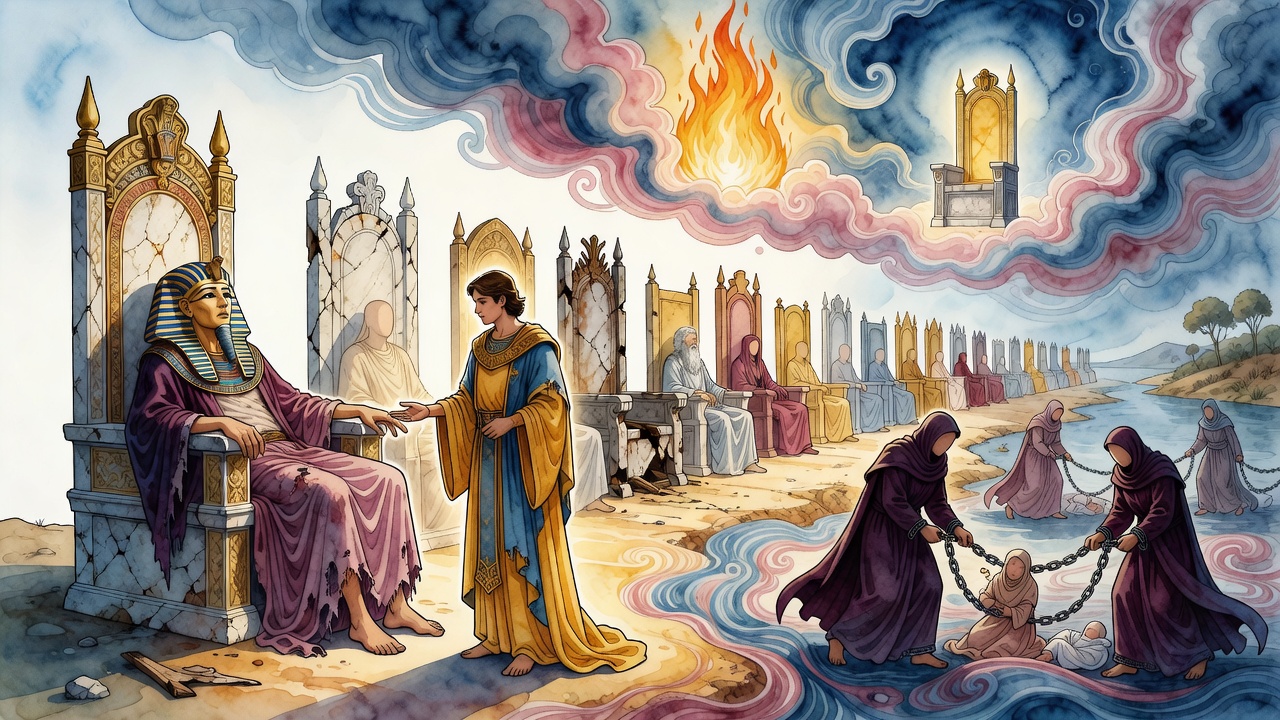
A dying Pharaoh begs his heir to honor Joseph, but throne after throne forgets the debt until the law itself decrees Hebrew sons drowned.
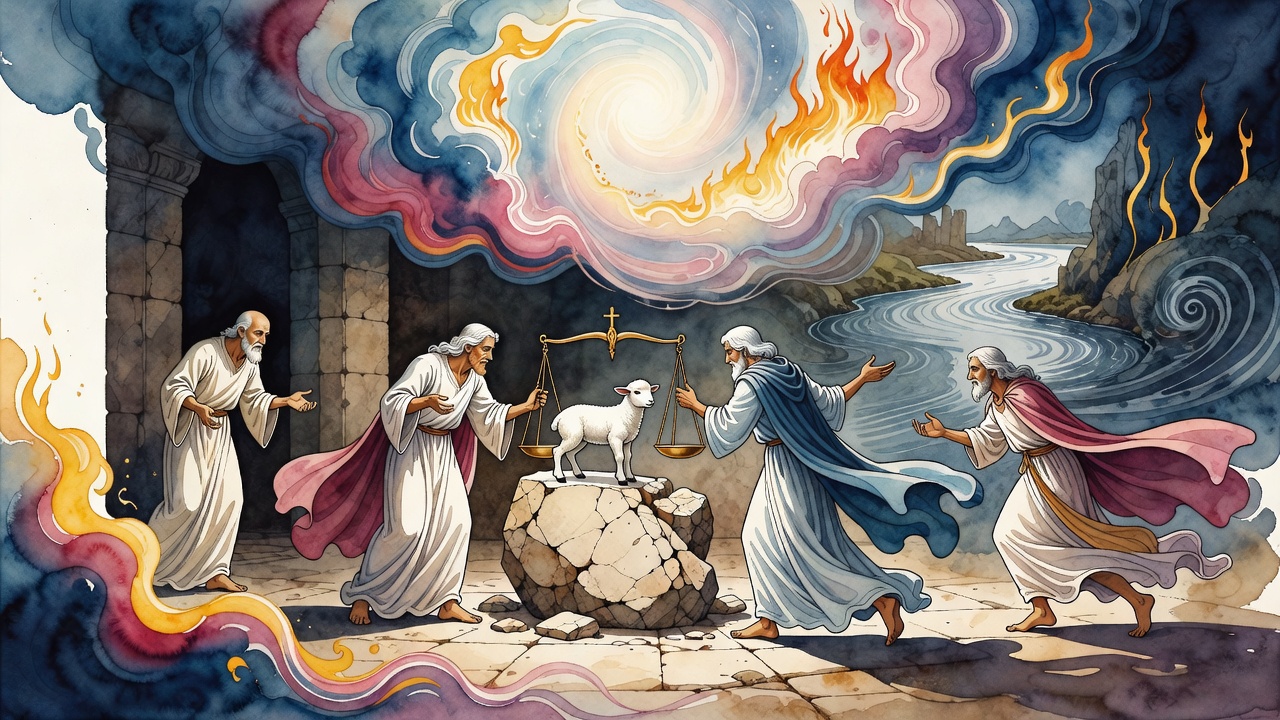
Pharaoh dreamed a lamb outweighed Egypt. Balaam urged the Nile. Reuel fled. Job shrugged. The decree learned to drown boys.
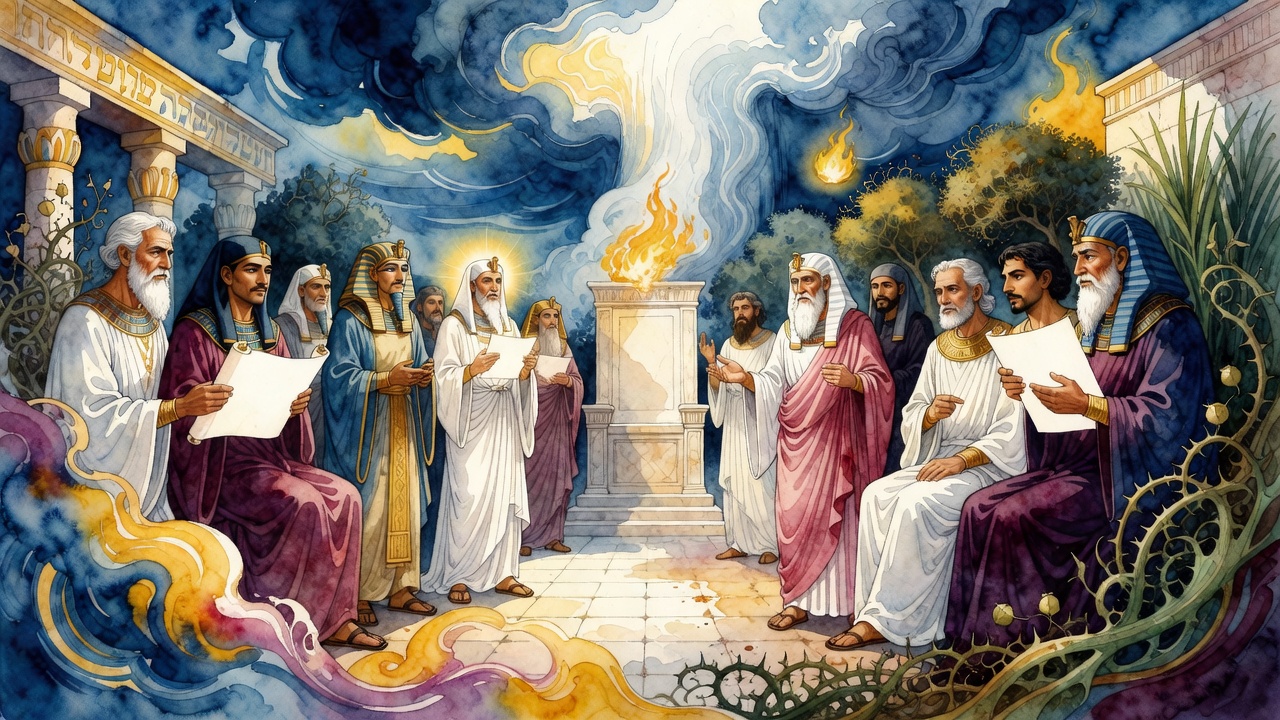
When Israel multiplied like underbrush, Pharaoh asked his counselors for a plan. Job of Uz stepped forward and proposed death for every newborn Hebrew son.
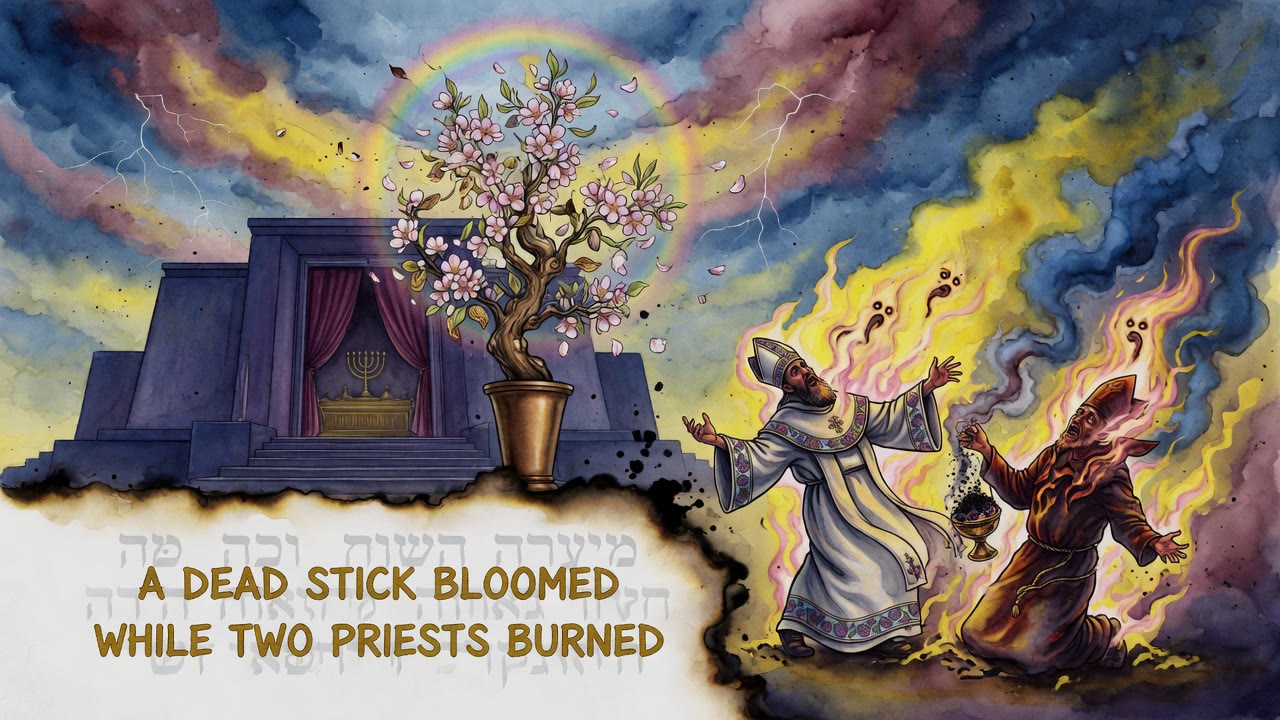
Aaron's dry rod came out of the sanctuary alive with blossoms. His sons entered to serve and were carried out as fire-killed corpses.
