Esther Left Haman's Body on the Gallows Past Nightfall
Haman and his ten sons hung on the timber he had cut for Mordecai. Night was coming. Esther told the court the bodies would stay.
Table of Contents
 Click for full size
Haman Walked Like a Mourner
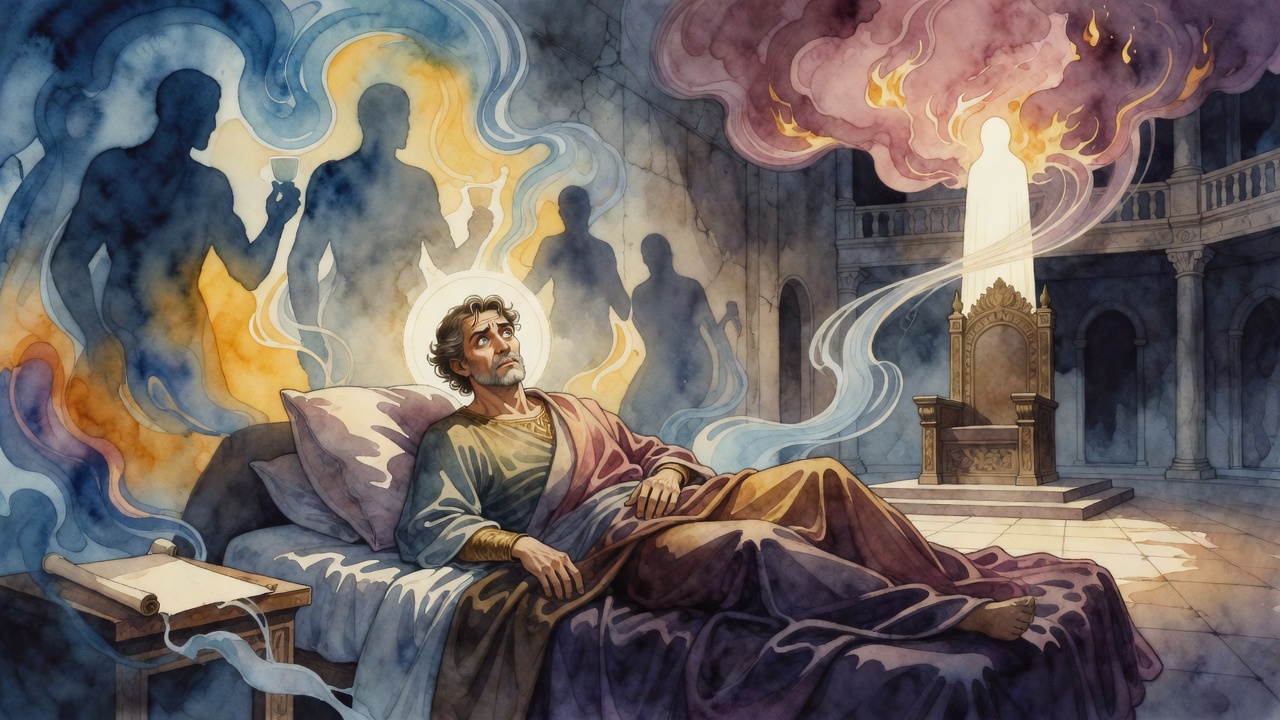
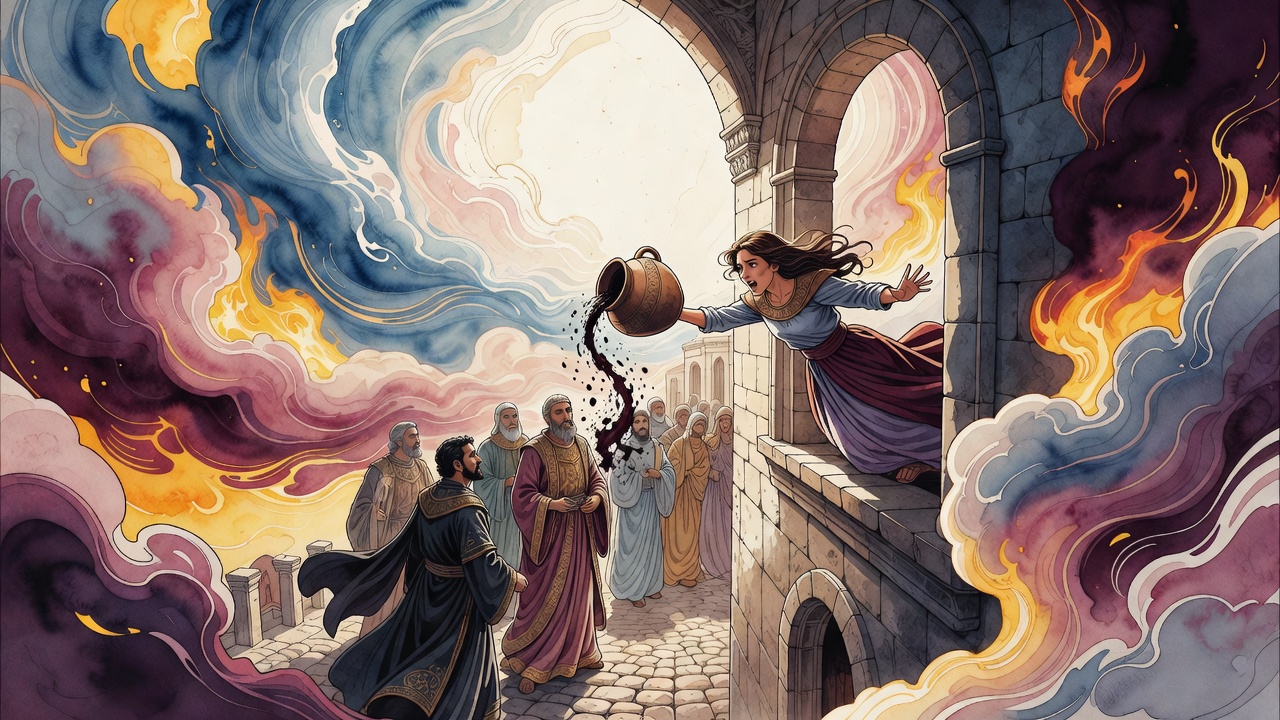
Haman went to the royal treasure rooms with his head bowed and his knees knocking. King Ahasuerus had ordered him to honor Mordecai in the streets, the same man whose people Haman had already signed for death.
"The man who saved the life of the king deserves to have his name put on the coin of the realm. Nevertheless, these honors must thou show unto him," the king said.
Haman tried to trade the honor for a recall of the edicts. "Writings have gone out to destroy the nation he belongs to. Recall them rather than I should do him this honor." Ahasuerus would not trade. The edicts would be recalled, and the honors would still be shown. Haman gathered the royal insignia, heart hard, and walked into the street to dress his enemy.
He led Mordecai through Shushan the way a mourner leads a bier. The city watched. The man who had measured timber for Mordecai's neck now cried his name as a blessing. That should have been enough humiliation for one morning. It was only the first inversion.
The Gallows Already Stood
The timber was already in Haman's courtyard. Fifty cubits high. He had built it for Mordecai. When the king ordered Haman's arrest and asked what should be done, someone at court noted that the gallows were standing, unused, in the house of the man who had just been leading Mordecai through the city.
"Hang him on them," the king said.
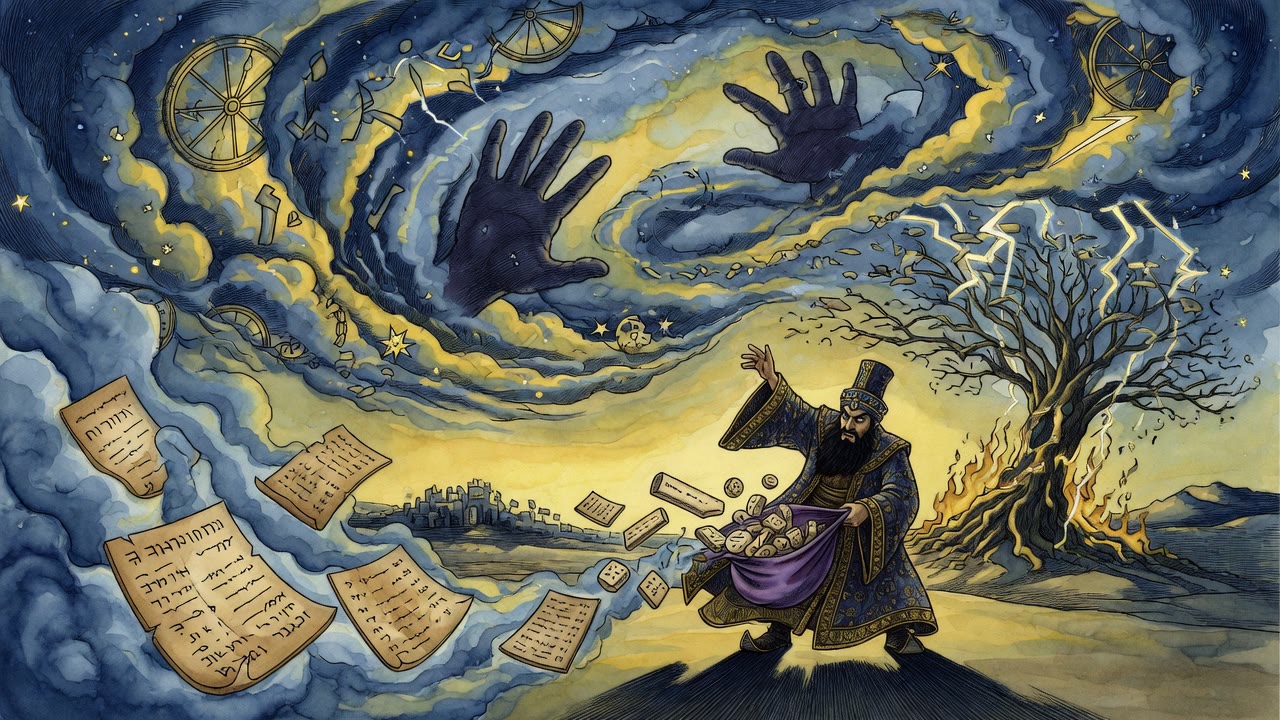
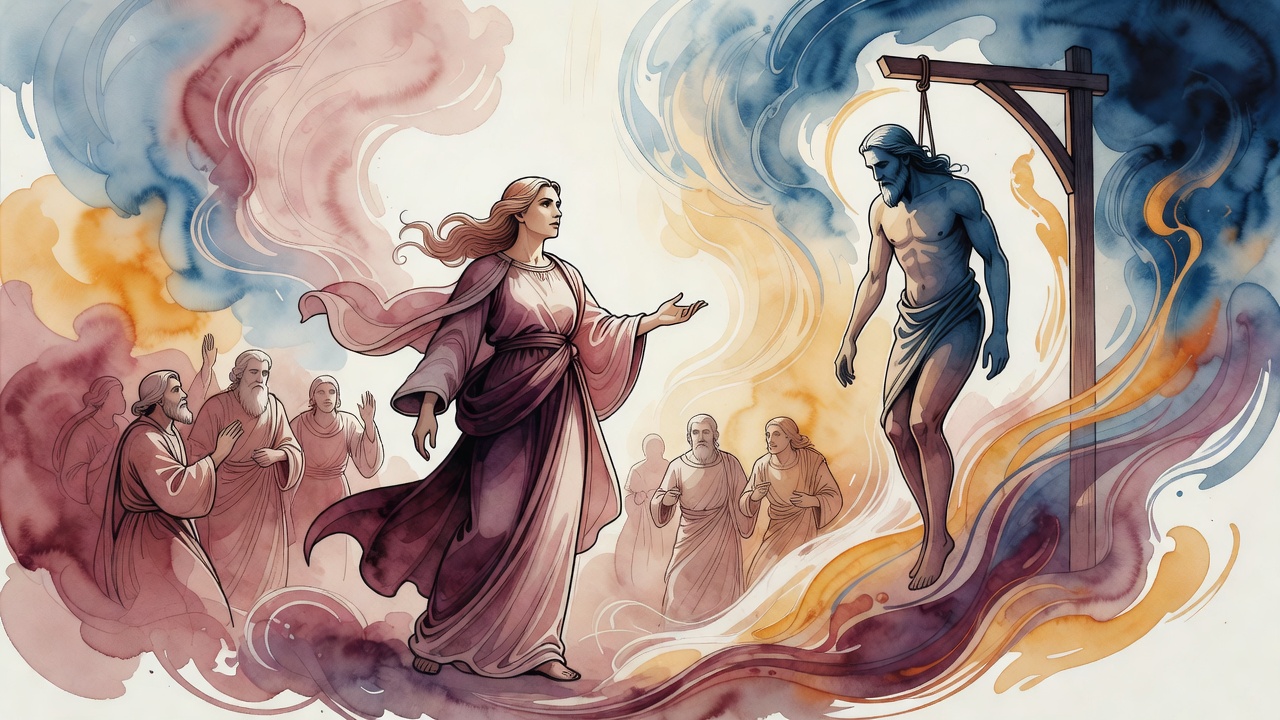
They did it at once. The poles Haman had cut for another man's neck took his own. His ten sons followed. Shushan could see the row of them from the courtyard. For most of the city this was the end. For the scholars watching the poles, it was the start of a problem.
The Scholars Wanted Them Down
A scholar stood in the courtyard and pointed at the poles. "Take them down before dark," he said. "The verse does not wait. 'His body shall not remain all night upon the tree' (Deuteronomy 21:23). Leave them up and you affront God. The verse does not spare a wicked man."
Night was coming on Shushan. Haman and his sons were still up there. The scholar was not inventing a scruple. The line is categorical. A hanged body belongs in the ground before the sun goes, even the body of an enemy.
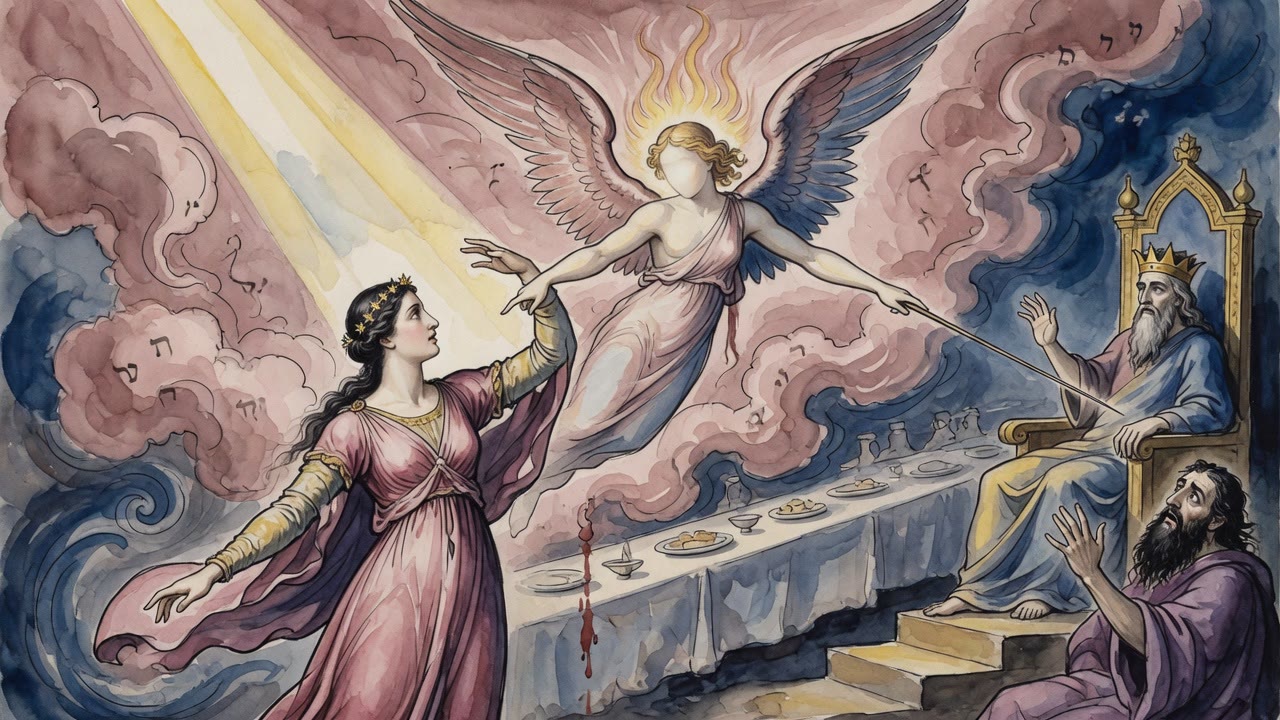
Esther heard him. She did not wave the concern away. She did not claim the verse was written for someone else. She met it with a case the court already knew.
Esther Named Saul's Debt
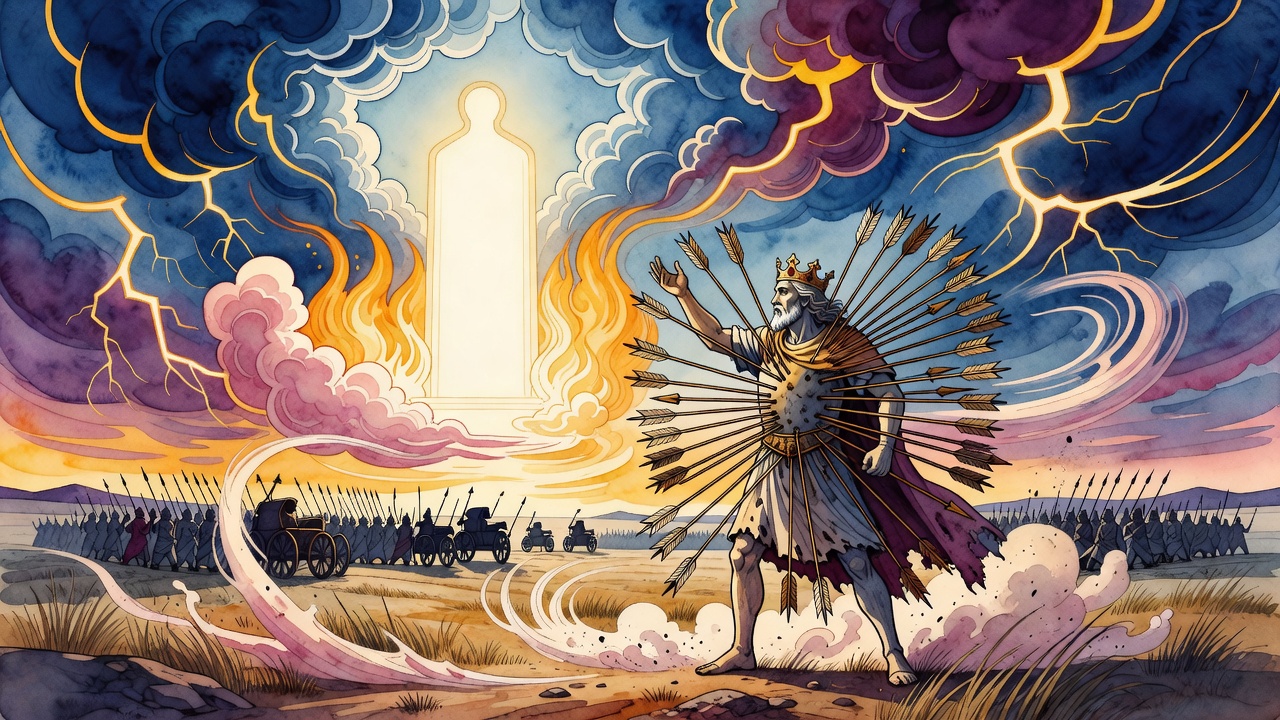
"The Gibeonites left Saul's descendants hanging half a year," Esther said. "Pilgrims saw them and told the nations why. Their father had struck a people bound to Israel by oath from the days of Joshua. Rain had stopped for three years until David asked what was wrong. God said it was Saul's bloodguilt. David handed over seven of the house. The Gibeonites hanged them, and the bodies stayed, past the night the verse names, because the debt was not finished."
She let that sit. Then she finished it.
"If those bodies stayed so that God's name would be sanctified, how much more these. Haman and his sons tried to wipe out the house of Israel. Let anyone who looks up see what that attempt costs."
The Bodies Stayed
The court took her precedent. The scholars lost. Haman and his ten sons stayed on the timber he had cut, through the night and longer. Anyone walking the courtyard had to lift their eyes and see the inversion finished: the man who had walked like a mourner while honoring Mordecai now hung on the poles he had raised for that same man.
Esther did not gloat. She had argued inside the house's own memory. Saul's unpaid debt had kept bodies in the air once. Haman's attempt on a covenanted people would keep them in the air again. The verse still stood. She had not cancelled it. She had named a night God had already allowed to pass with bodies on a tree.
← All myths