71 myths · Page 2 of 3
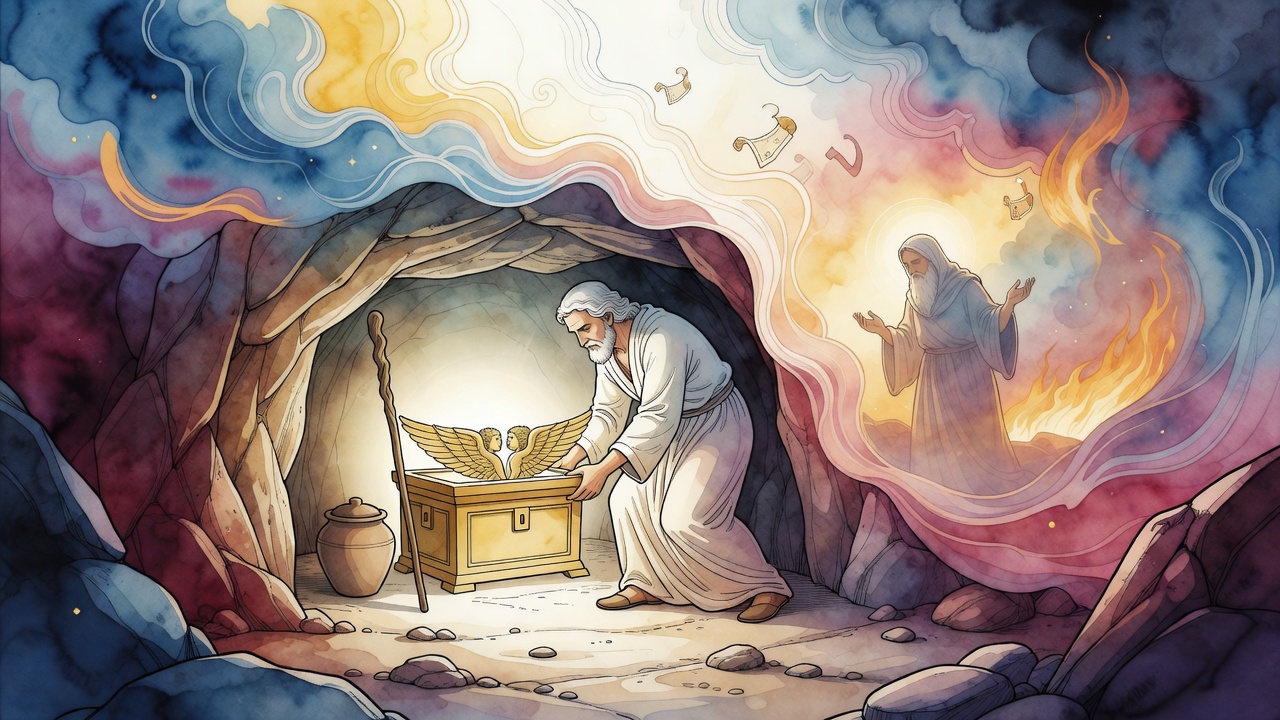
Huldah told him the Temple would fall after he died. He hid the Ark, the manna jar, and the oil where Babylon would find nothing.
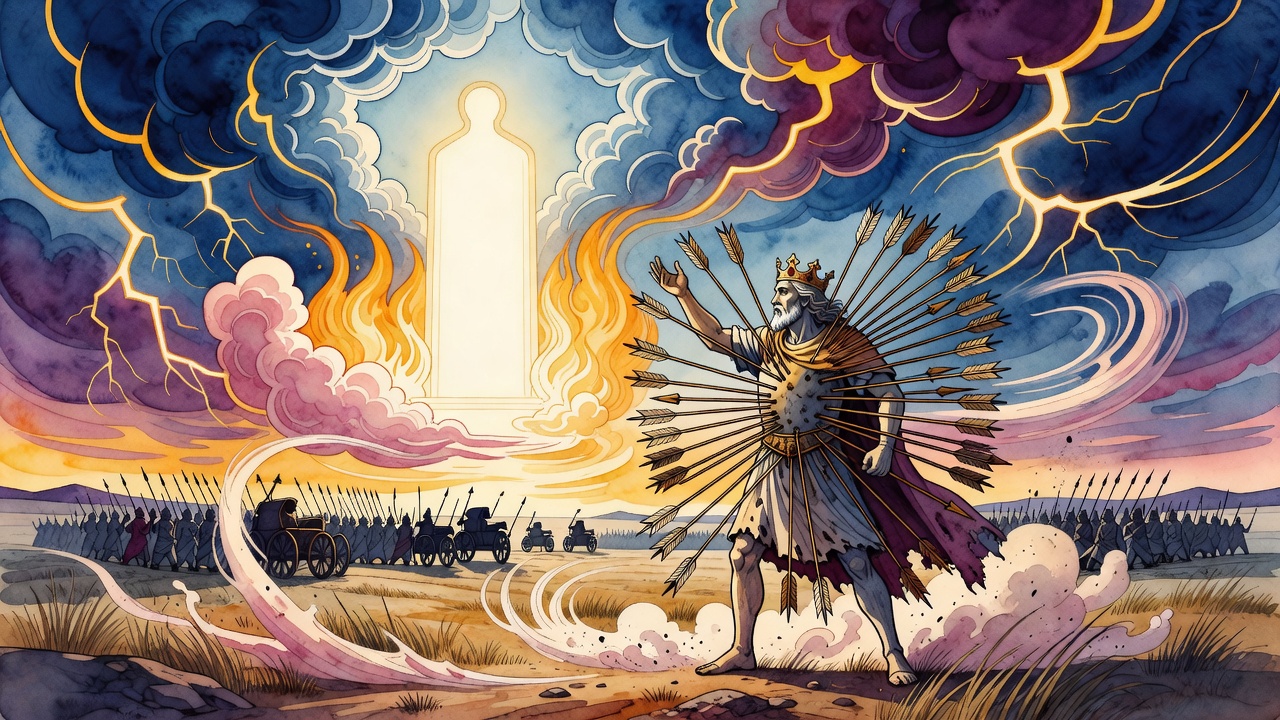
Pharaoh warned Josiah to step aside and let the Egyptian army pass. Josiah quoted Moses and refused. He was struck by three hundred arrows before nightfall.
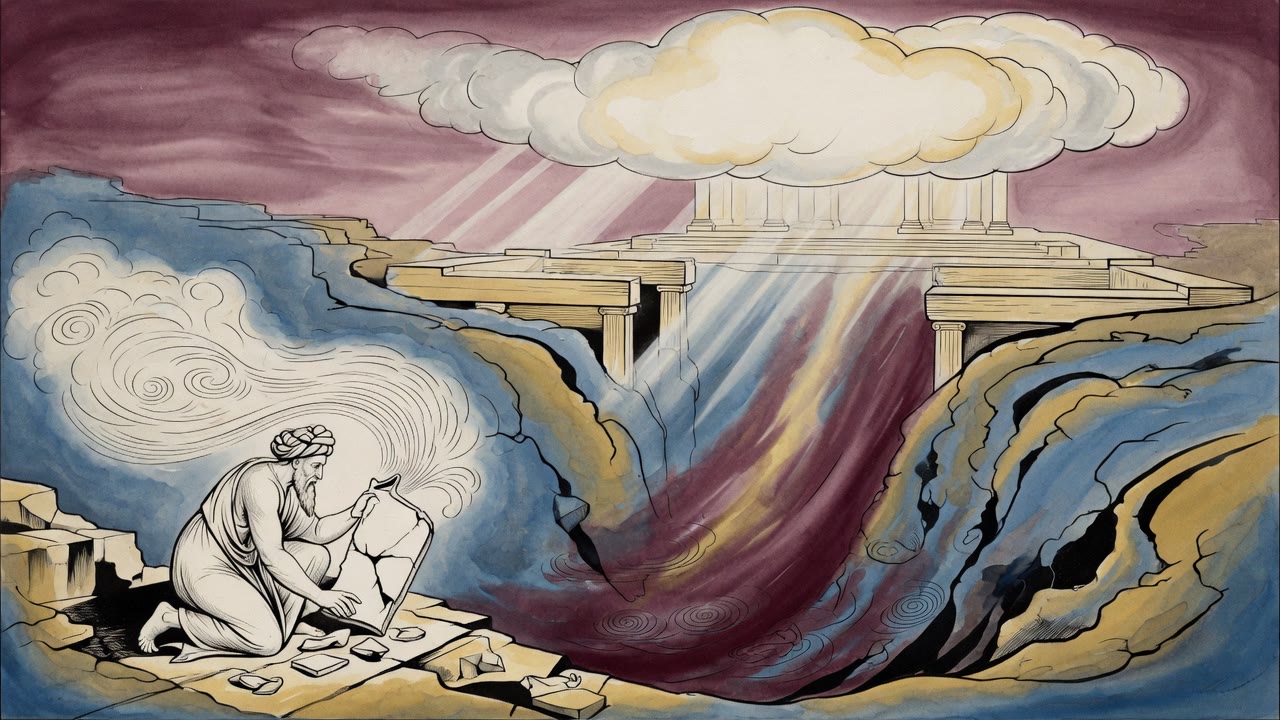
Zedekiah dug a tunnel from Jerusalem to Jericho. God sent a deer, soldiers gave chase, and it led them straight to the exit as the king emerged.
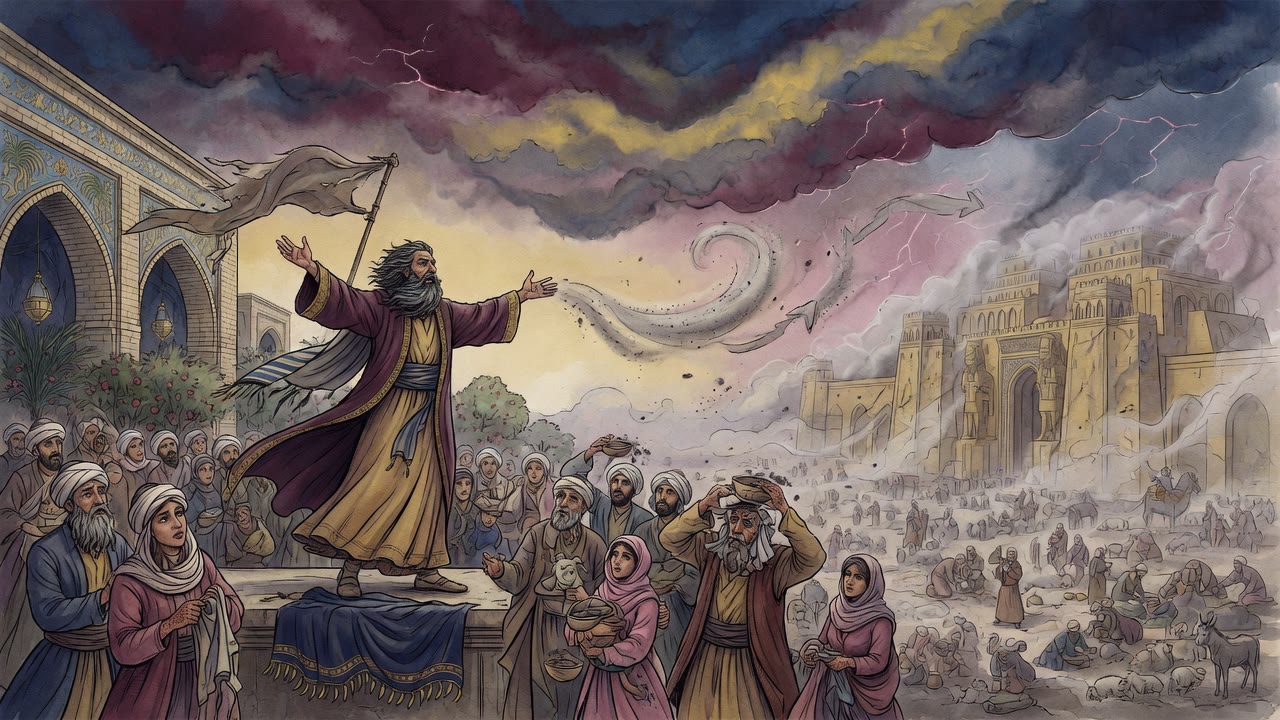
The stew was for men in a Judean field. Daniel was in a pit in Babylon. The pot arrived anyway, still hot, still full.
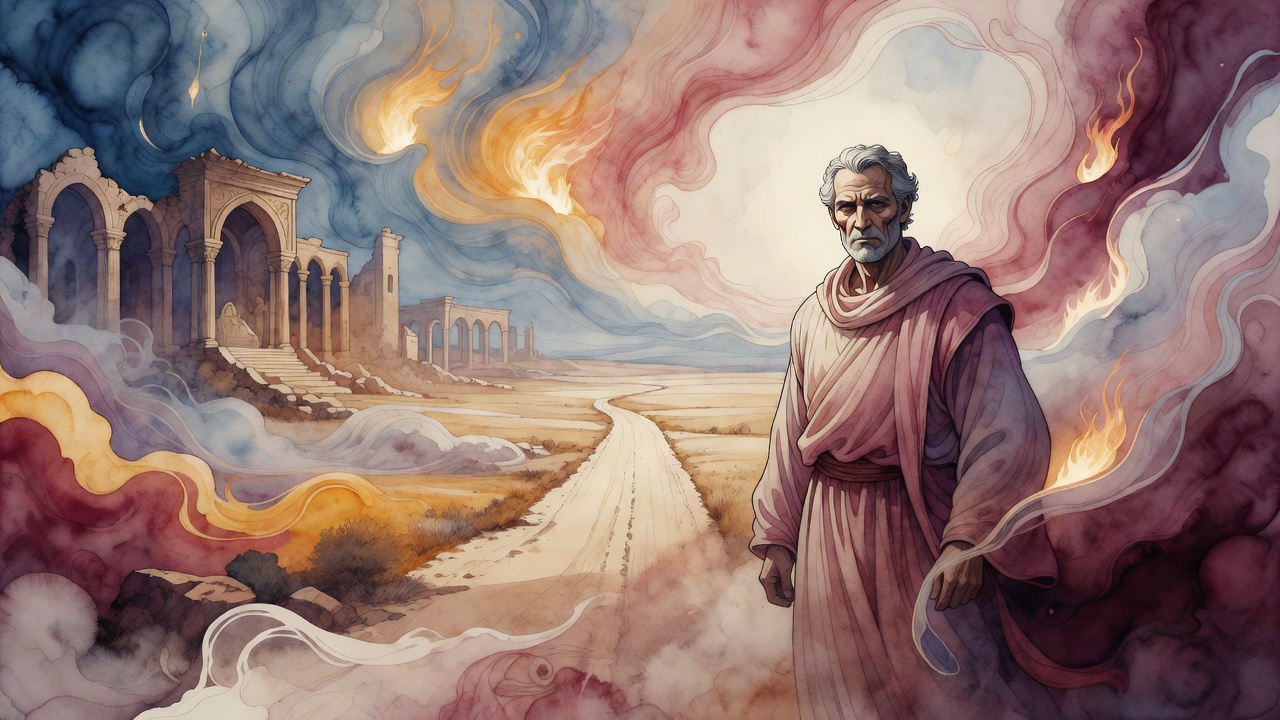
Mordecai was Jerusalem aristocracy, taken to Babylon by Nebuchadnezzar. When the road home opened, he stayed in Persia to raise Esther.
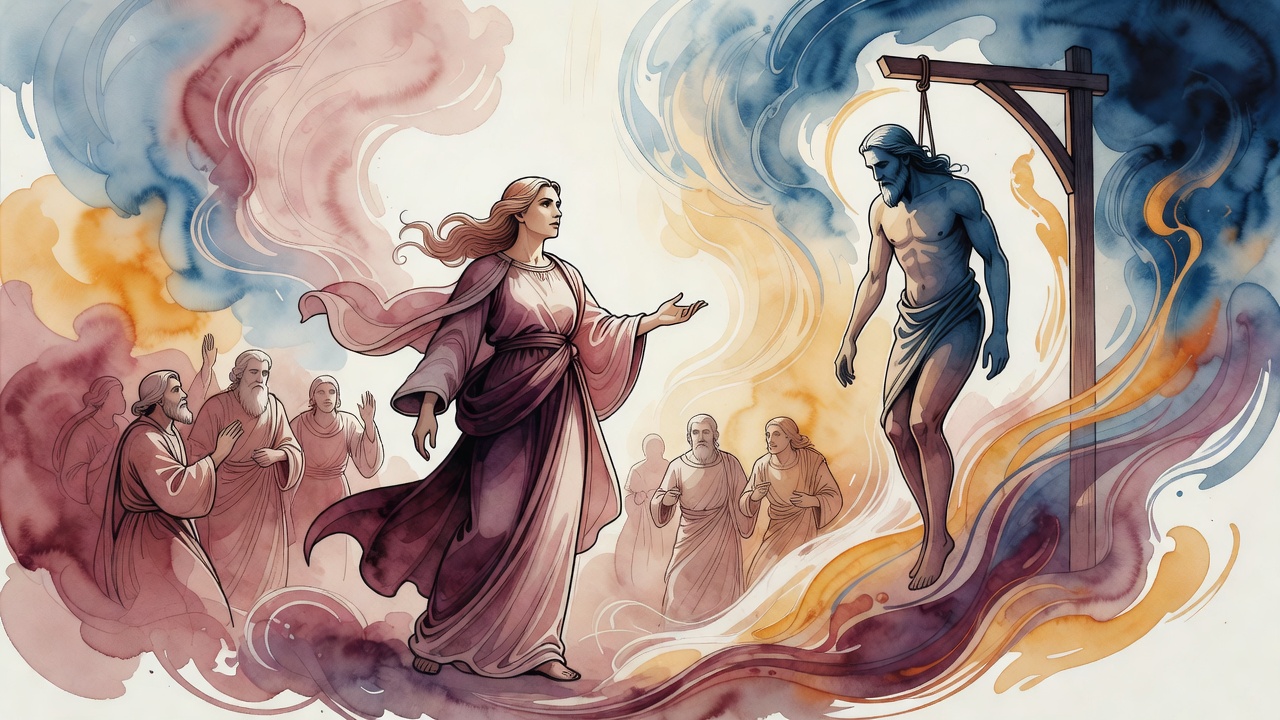
Haman and his ten sons hung on the timber he had cut for Mordecai. Night was coming. Esther told the court the bodies would stay.
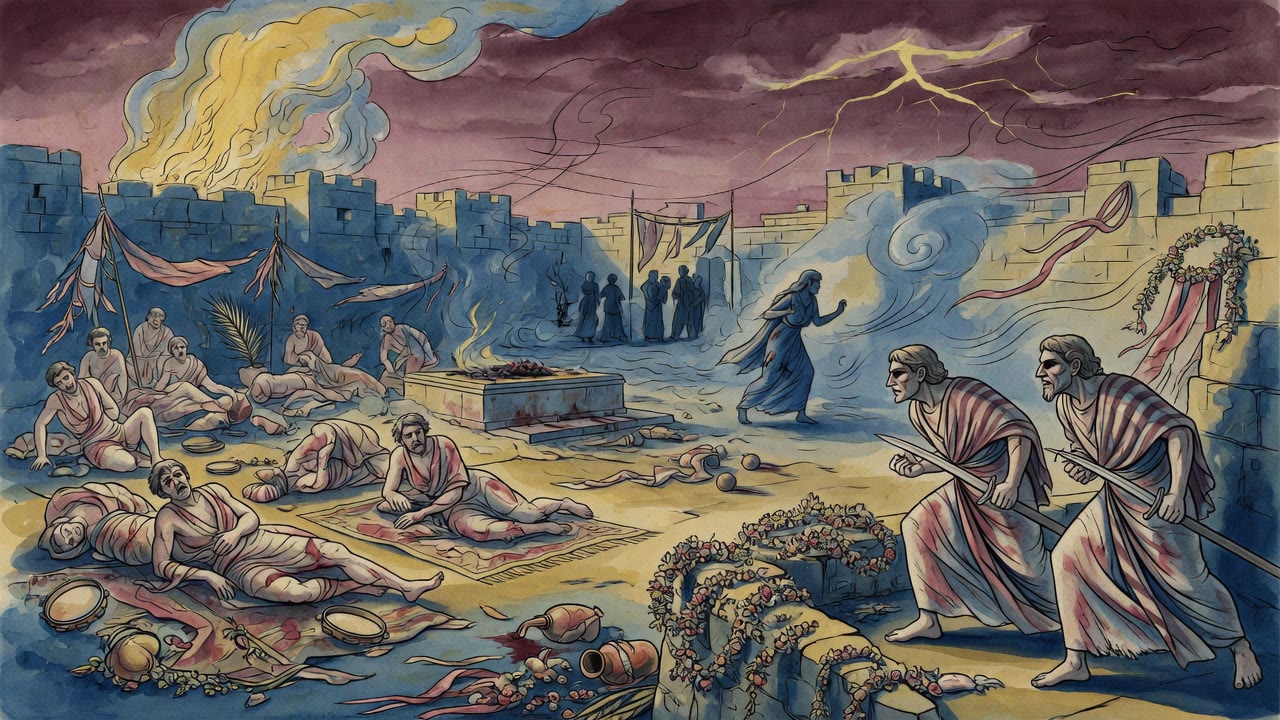
Their father never forgave them. On his deathbed he told Simeon and Levi that the swords on their hips were stolen goods that belonged to Esau.
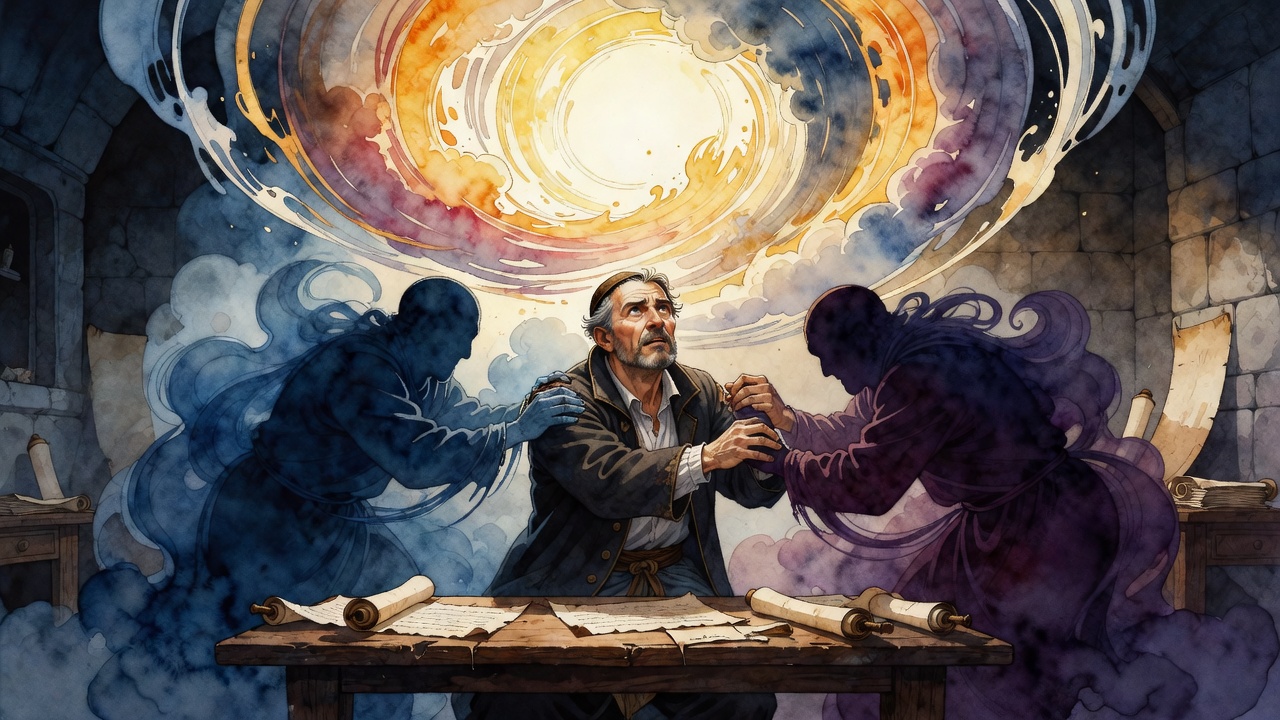
A Polish scholar compared his battle to Jacob's night fight with the angel. His enemy was not Esau but men who wanted to destroy the tradition from within.
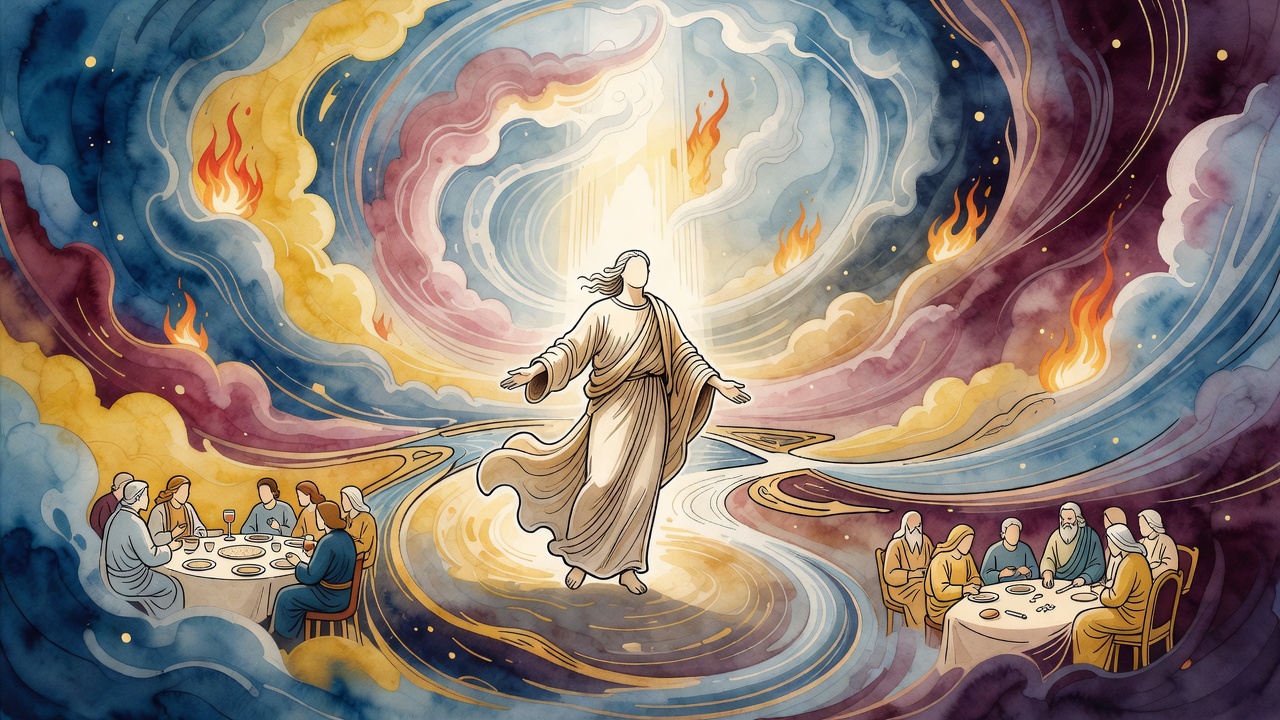
Elijah never died. He was taken to heaven in a whirlwind and has moved between worlds ever since, present at every seder, every circumcision, every crossing.
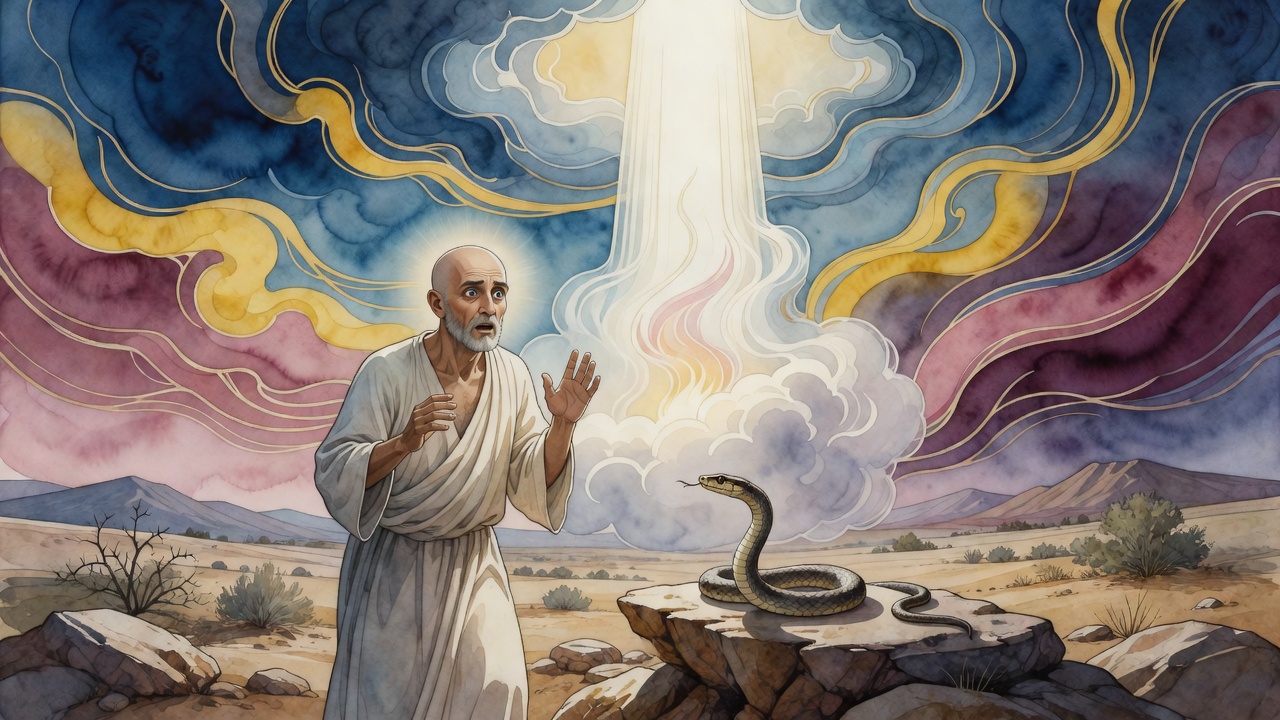
He went up the hill for firewood. The snake lay in the scrub and never looked at him. His hair came out before he reached the bottom.
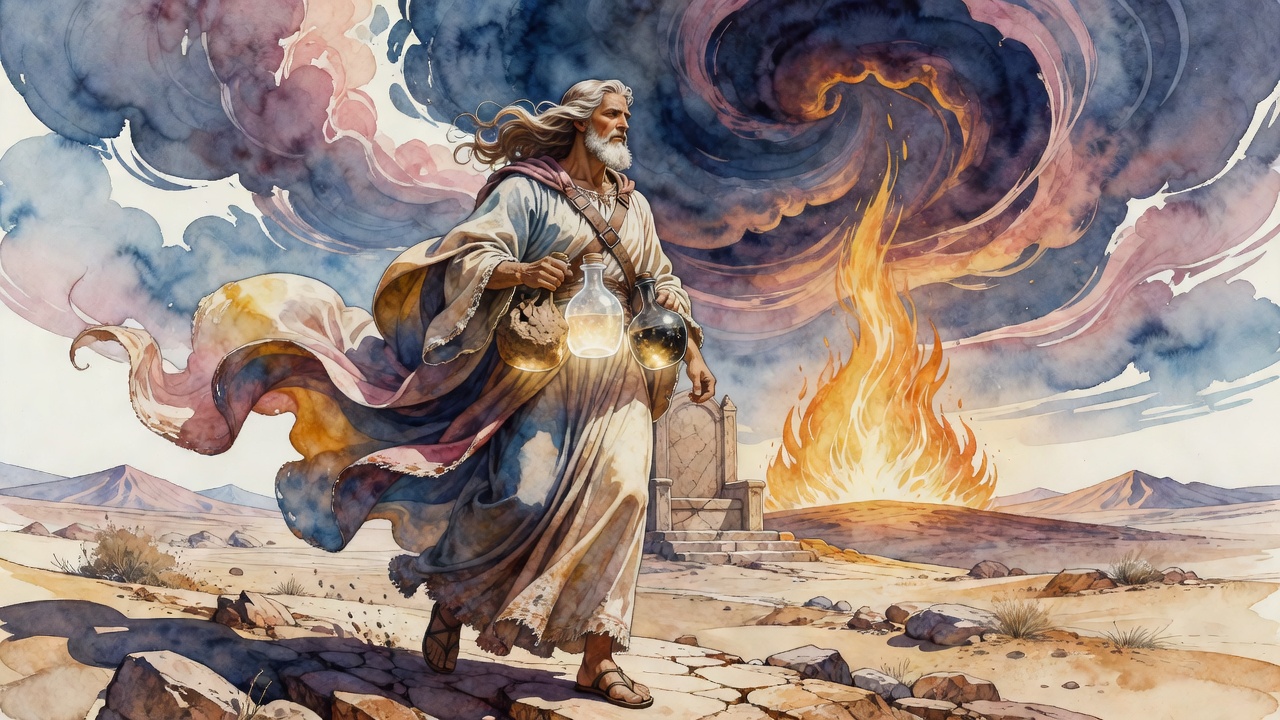
Two of them named what they wanted and had it before morning. The third asked for a beautiful wife, and Elijah made him walk three nights for her.
Jonah did not flee from God out of fear. He fled because he already knew what mercy would cost him, and he had already paid that price once.
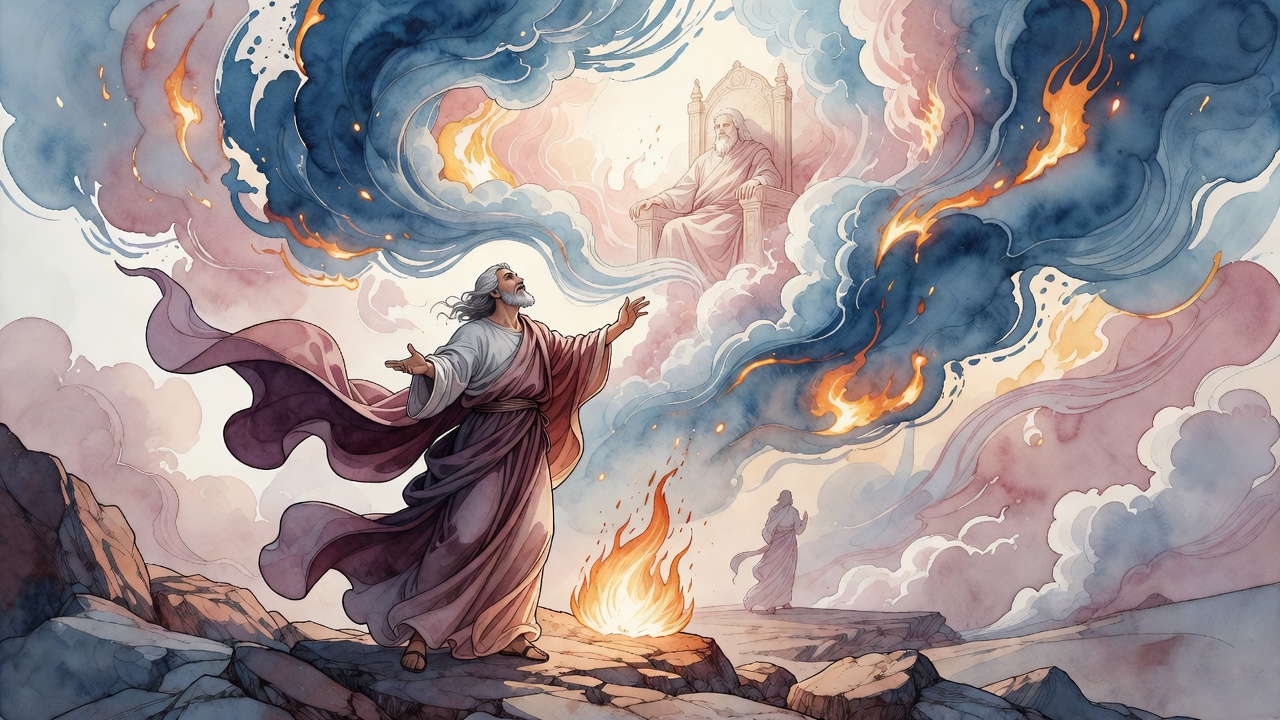
Three hundred years before Josiah was born, a prophet called him by name. The king who arrived had been expected all along.
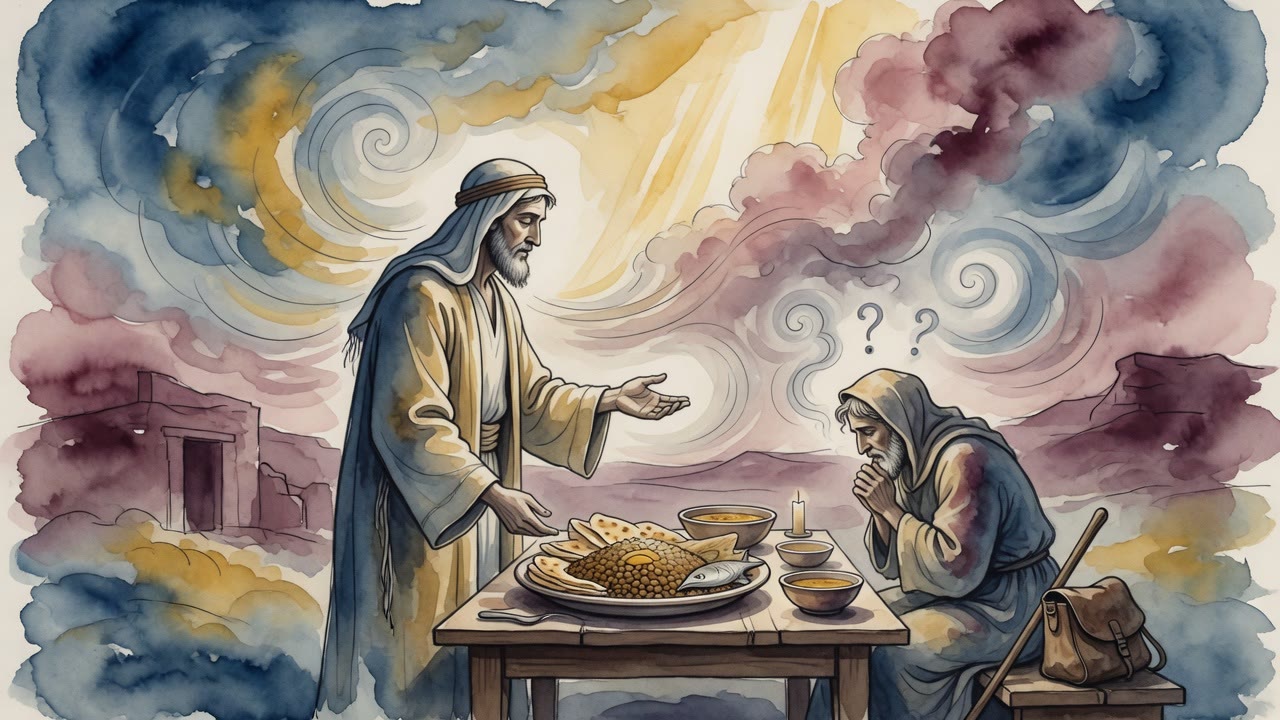
The bread sat untouched. One chair was empty. Hillel would not start, then he named a king who went looking among the dead.
Joshua lay on his face before the Ark until evening. Thirty-six men were already dead. A cloak from Shinar still lay buried in a tent.
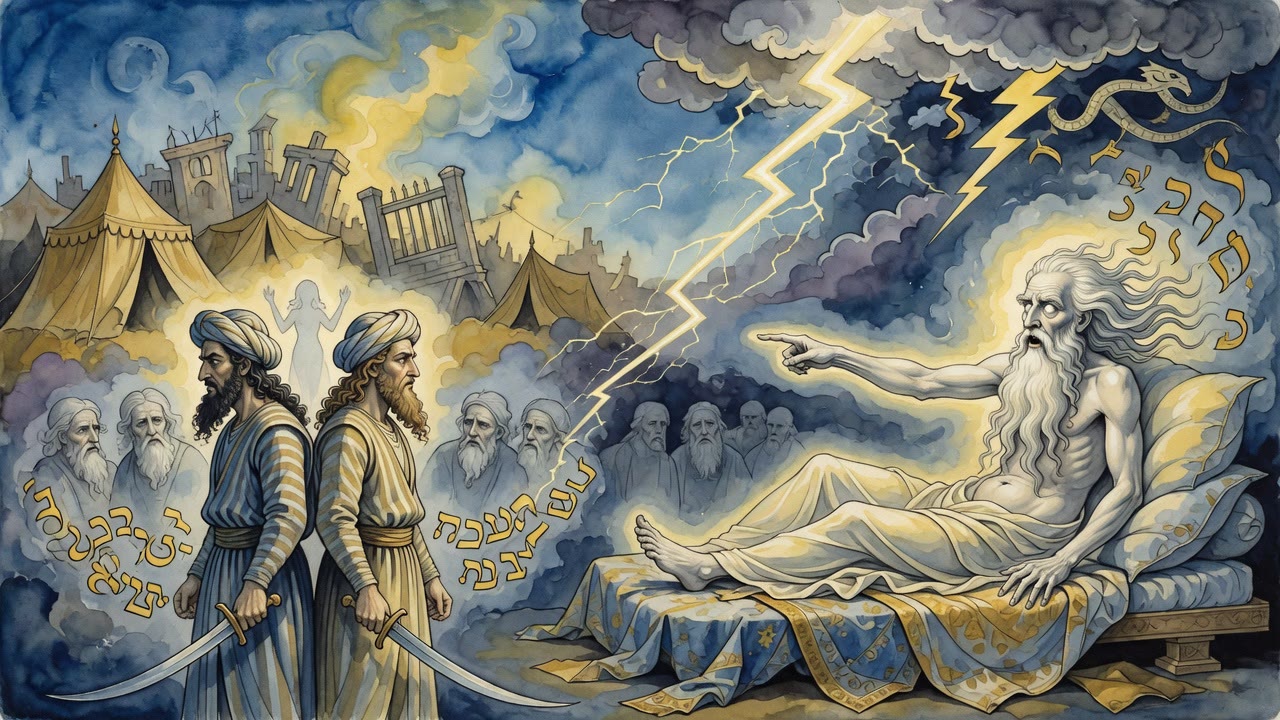
Simeon and Levi avenged Dinah at Shechem. Jacob cursed their anger at his deathbed, forty years after the swords were put away.
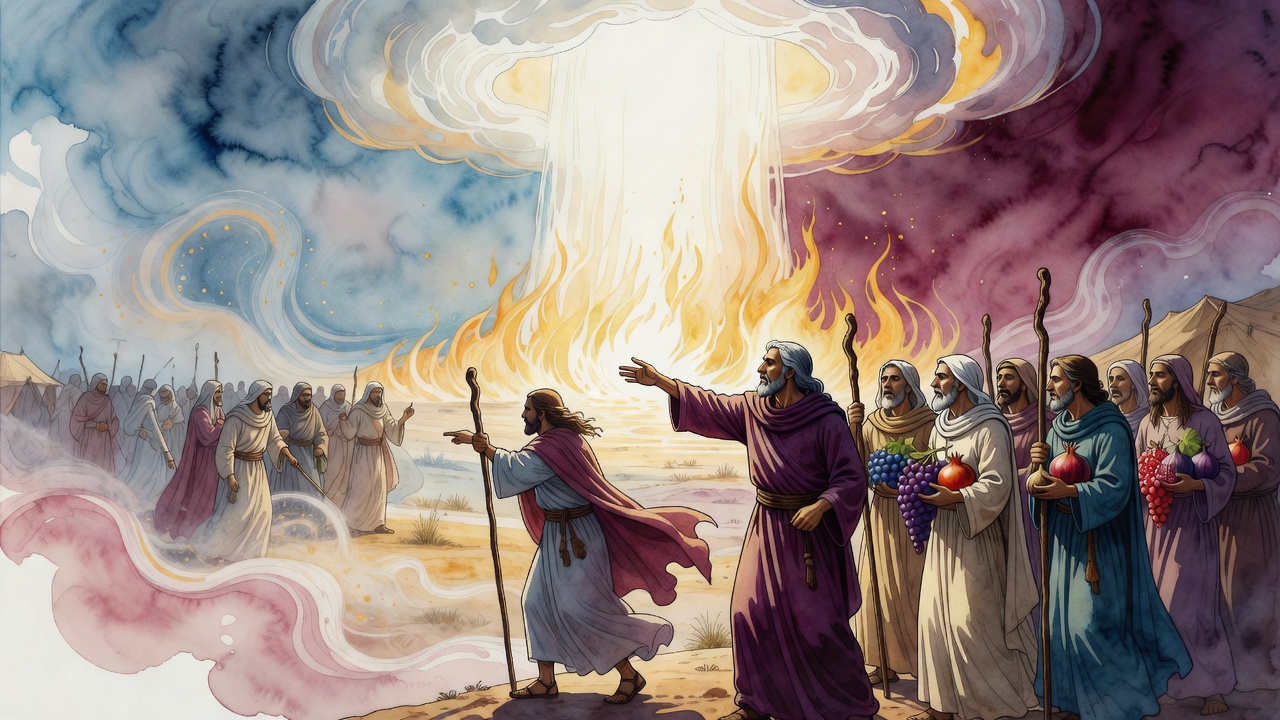
Israel asks for scouts after crossing the sea and eating manna. Rabbi Shimon calls it shameful: they trusted God in scarcity but doubted Him at the border.
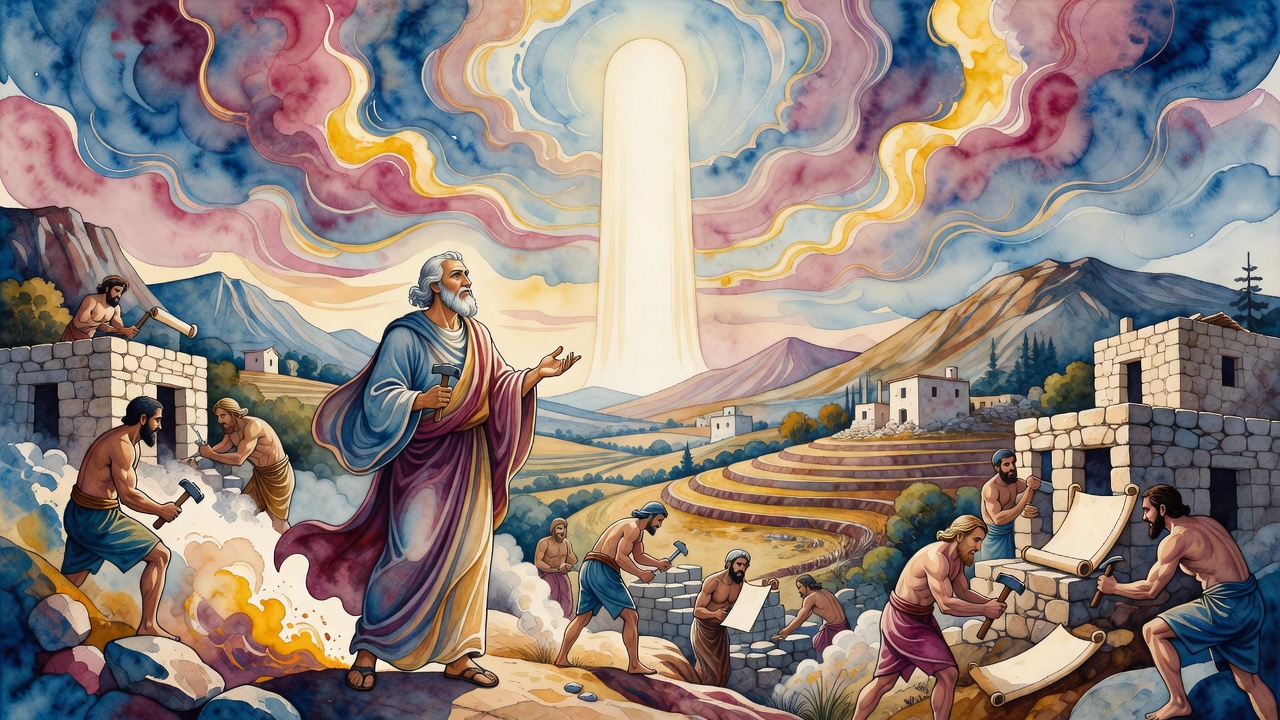
A boy watched his father torch the grain. Forty years later that boy packed figs he was not allowed to eat, and left the jars sealed.
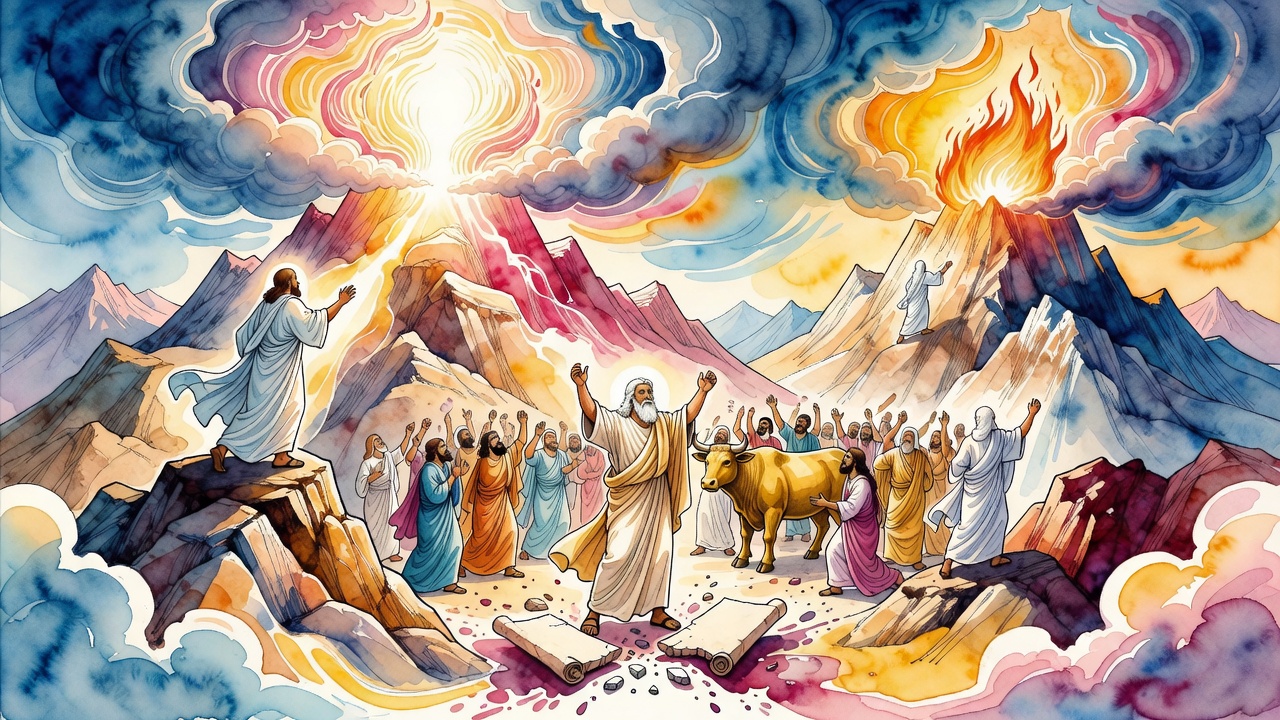
The ruling Moses carried down the second time was about blood from a household slaughter. Pour it on the ground like water from a jug. Cover it with earth.
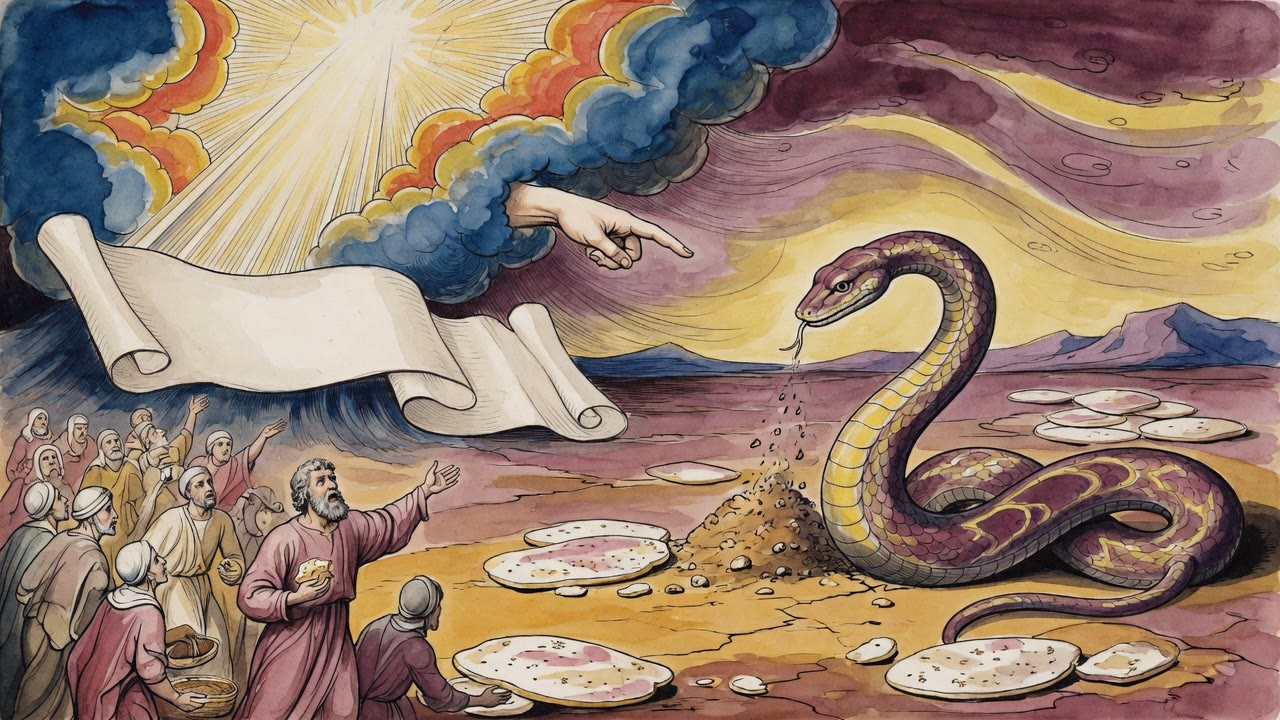
Israel called the manna disgusting after forty years. A heavenly voice answered by pointing to the serpent, who eats dust without complaint.
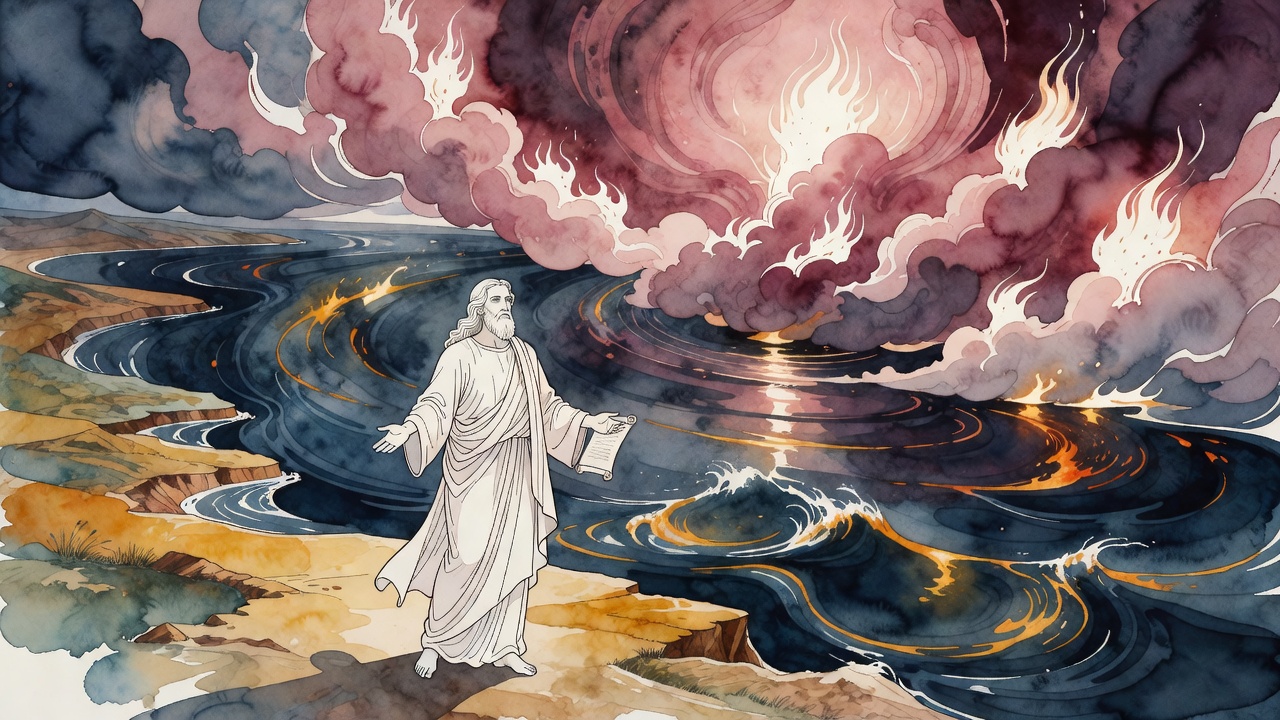
On the plains of Moab, Moses named a western edge no walker could pace. The line dropped through the sea into water older than the sky.
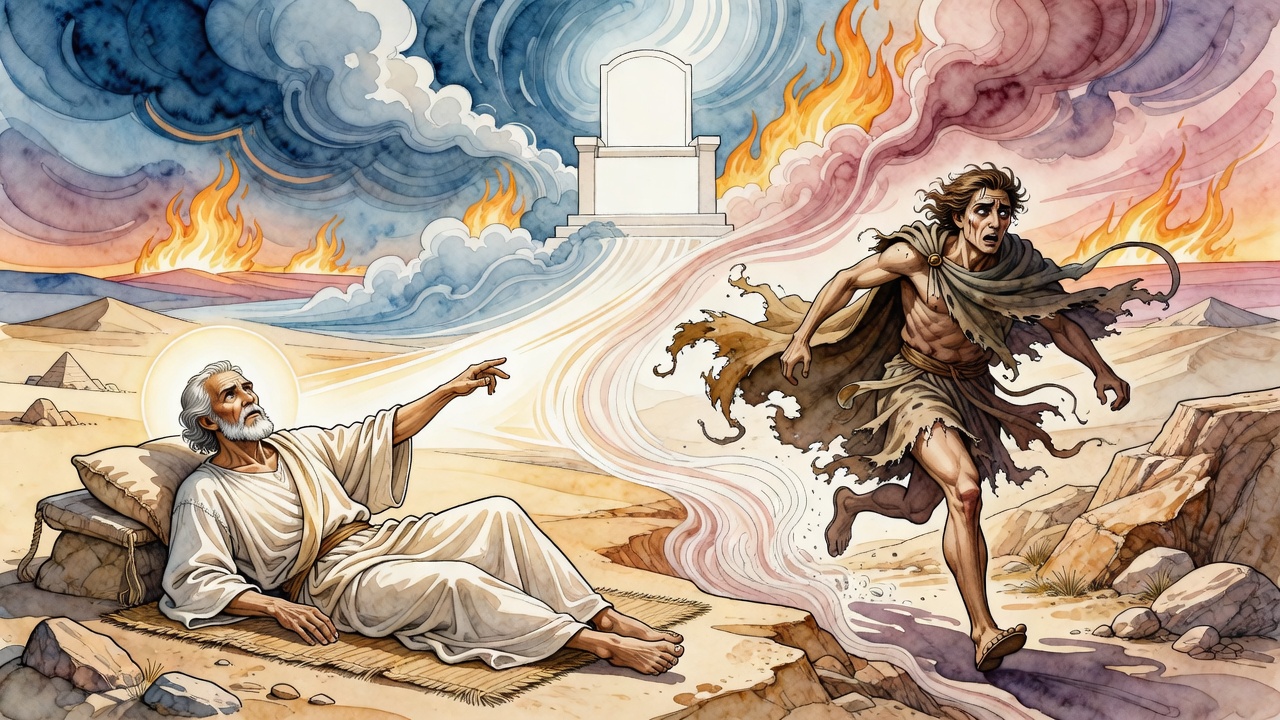
Joseph put his hand under Jacob's thigh. The oath was Canaan, not Egypt. Later Elijah sat under a broom tree in that land and asked God to take his life.
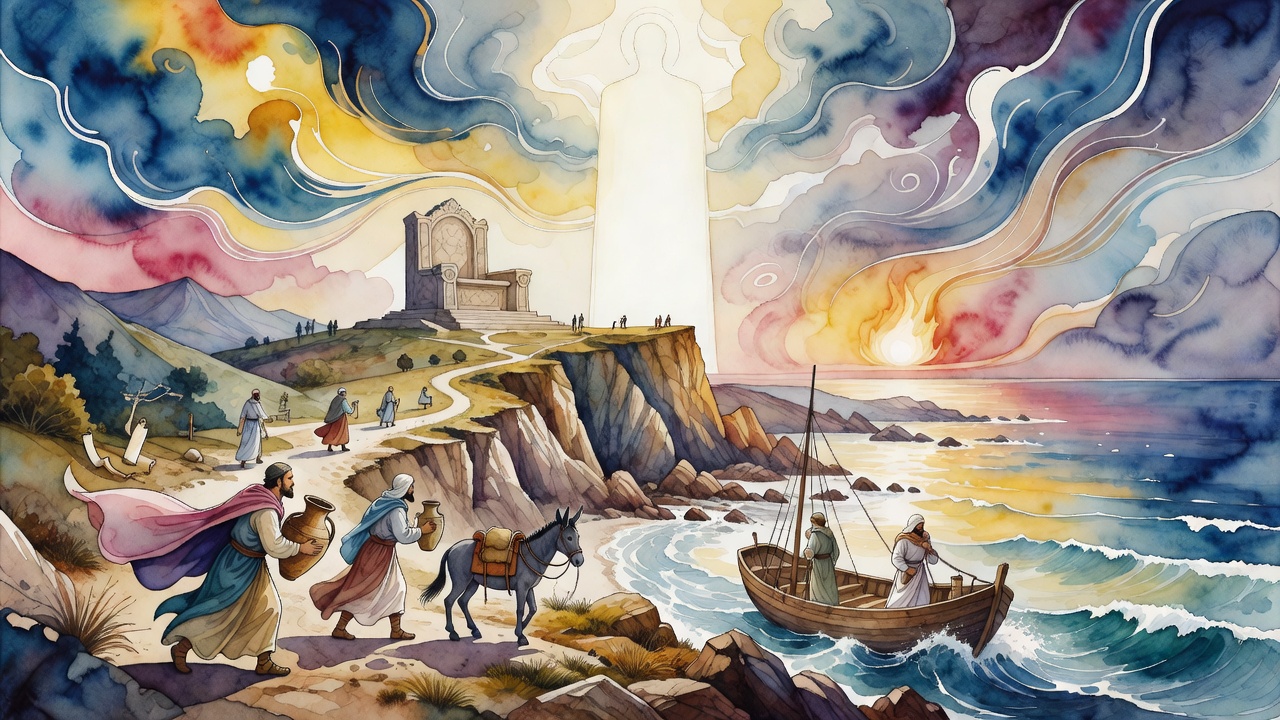
Zebulun is the forgotten tribe. No miracles, no prophets, no famous kings. Just trade routes and a coastline. The rabbis say that coastline built the Torah.
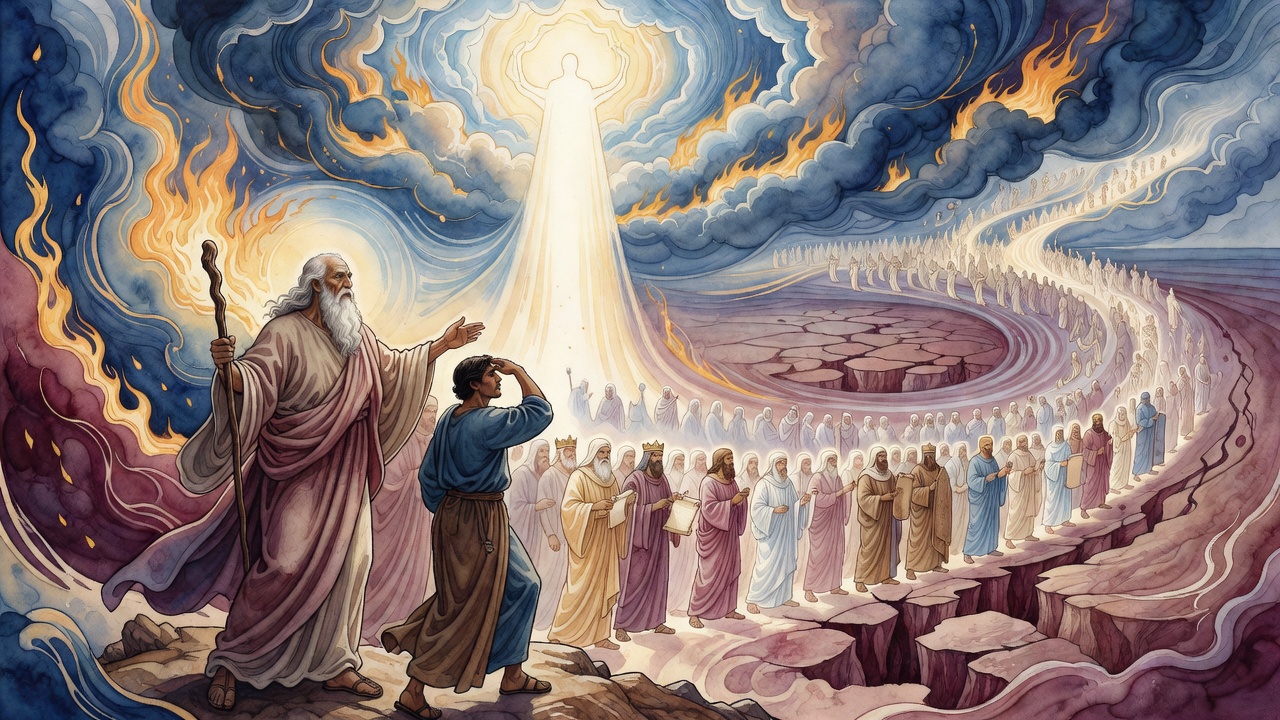
A herald went through the camp calling everyone to gather around Joshua, and not one Israelite came. They hung back, shaking, complaining of headaches.
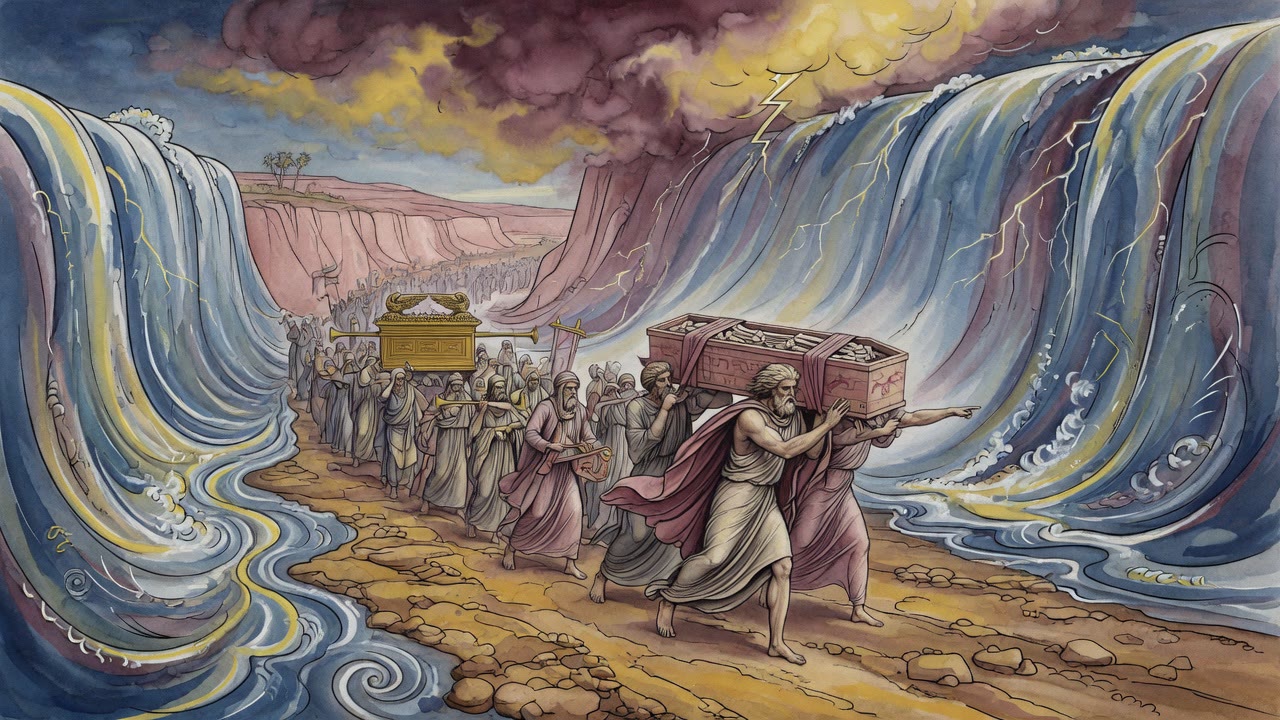
When Israel entered the promised land under Joshua, they carried two arks. Everyone remembers the Covenant. Almost no one remembers what traveled beside it.
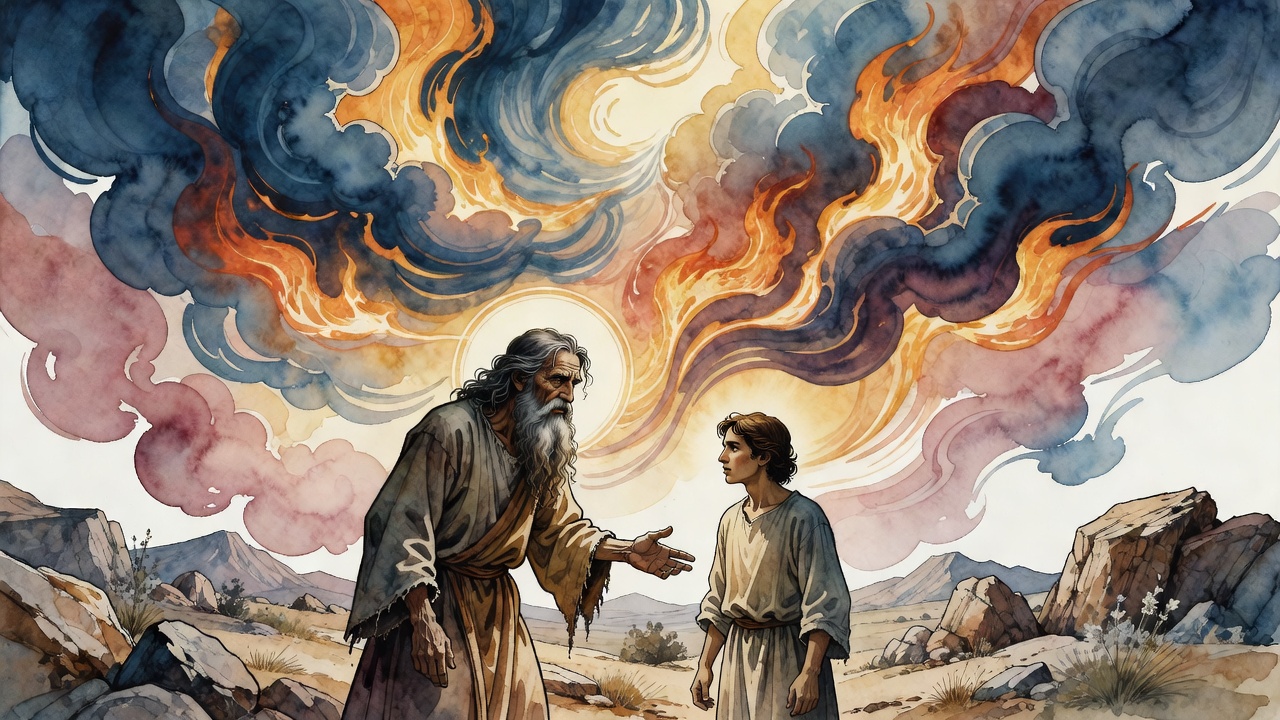
Ishmael shot arrows toward Isaac and called it play. When the water ran out in the wilderness, Hagar set him under a bush and walked away.
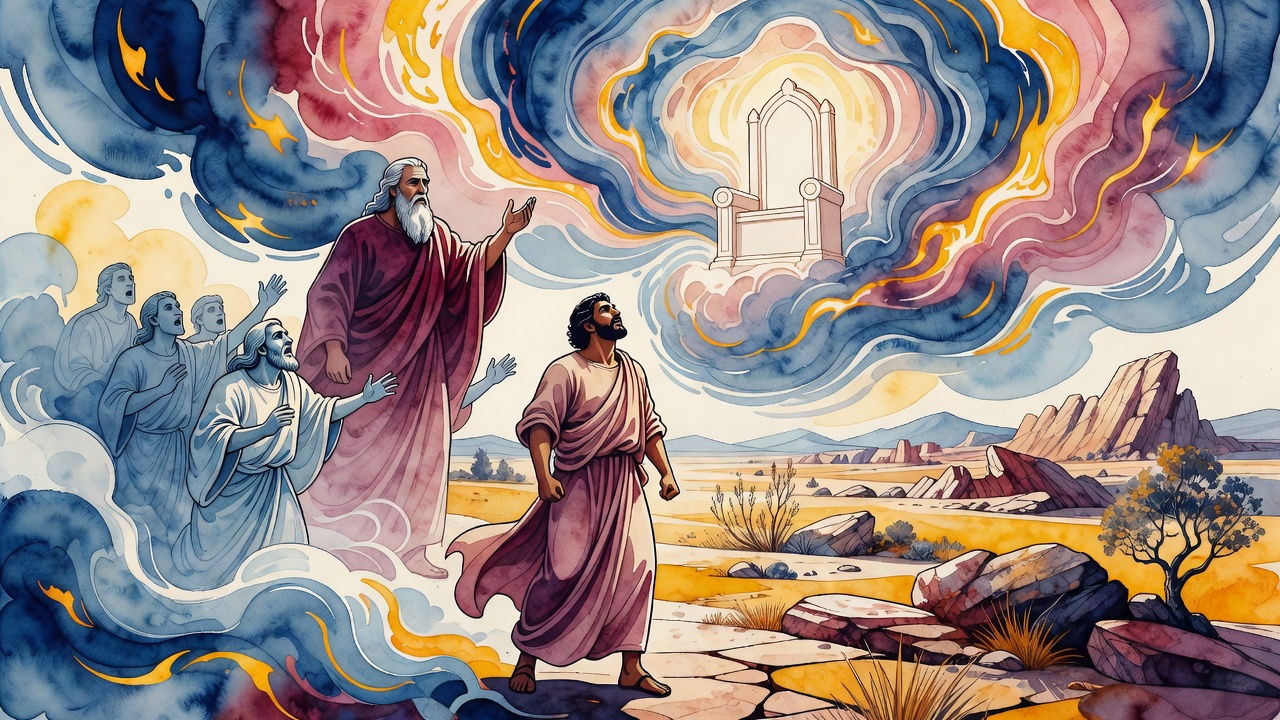
Every son of Noah swore to the boundaries out loud. Canaan moved inside Shem's share anyway, and his grandchildren still held it when Abraham came.
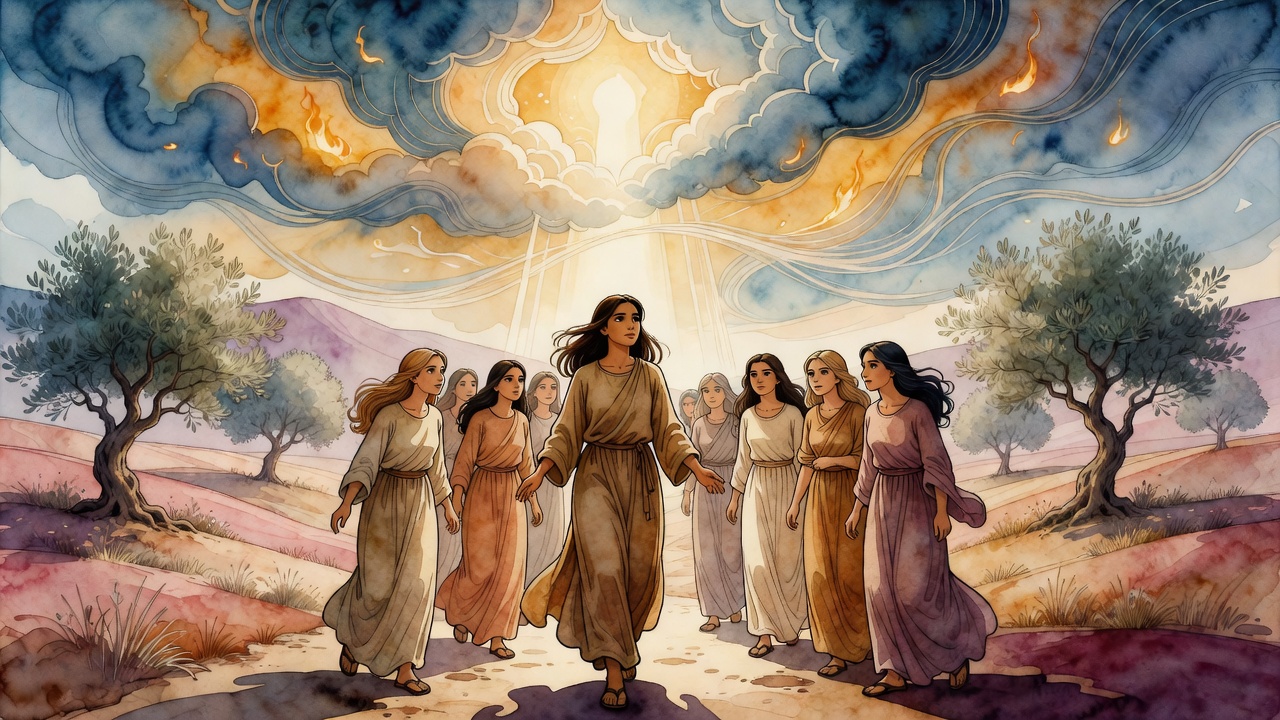
Dinah was twelve when she sat with her mother among the dancers at Shechem. The prince took her by force. Heaven still wrote Levi's name.
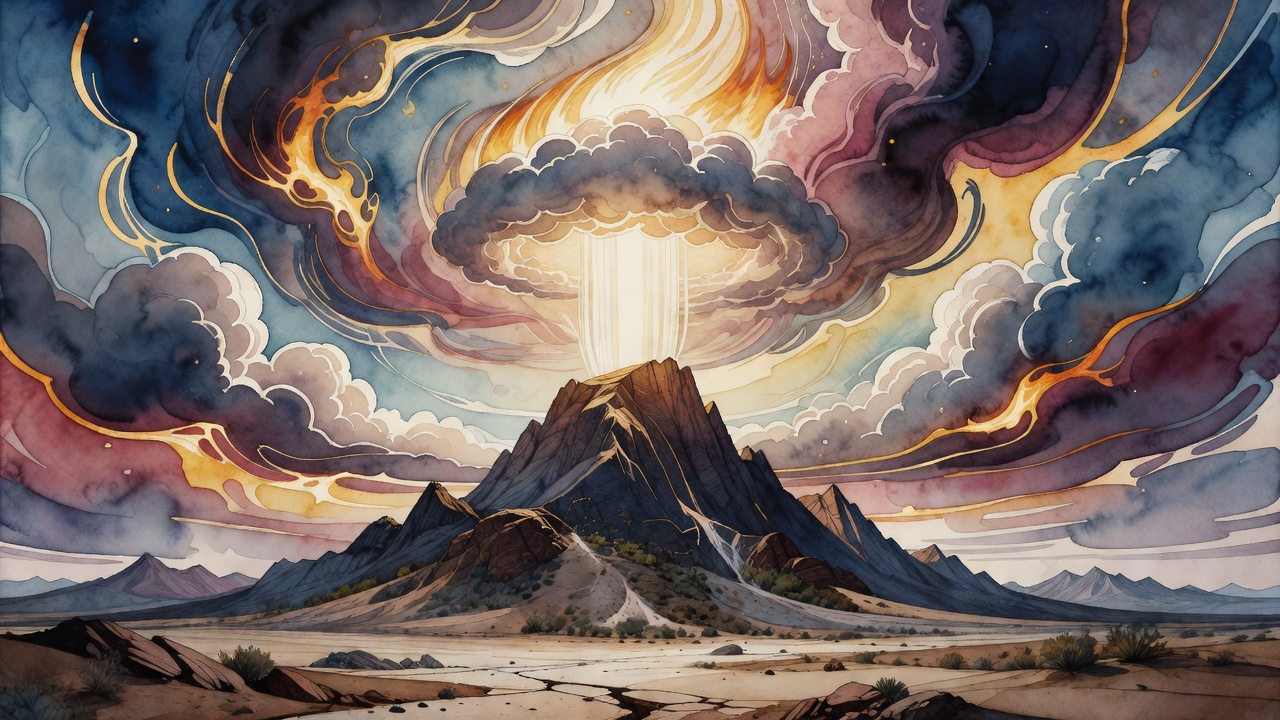
Before Adam drew breath, God set four places apart. One of them was a mountain in the desert, already holy, already waiting for Moses.
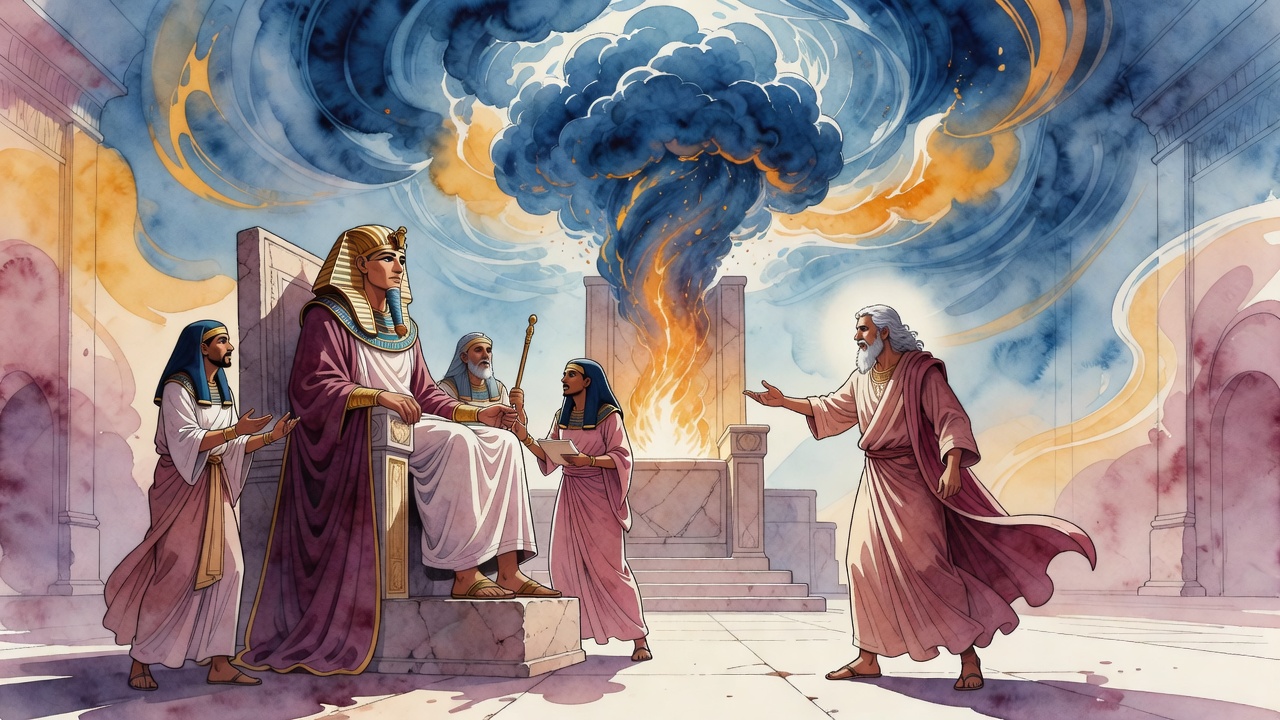
Three men were asked how to deal with the Hebrews. One gave the murderous answer, one shrugged, and one argued and left Egypt that day with a stolen staff.
