The Rephaim Stood at Israel's Border and Would Not Move
Og outlasted the flood by clinging to the outside of Noah's ark. Shemhazai, whose sons were giants, still hangs suspended between heaven and earth.
Table of Contents
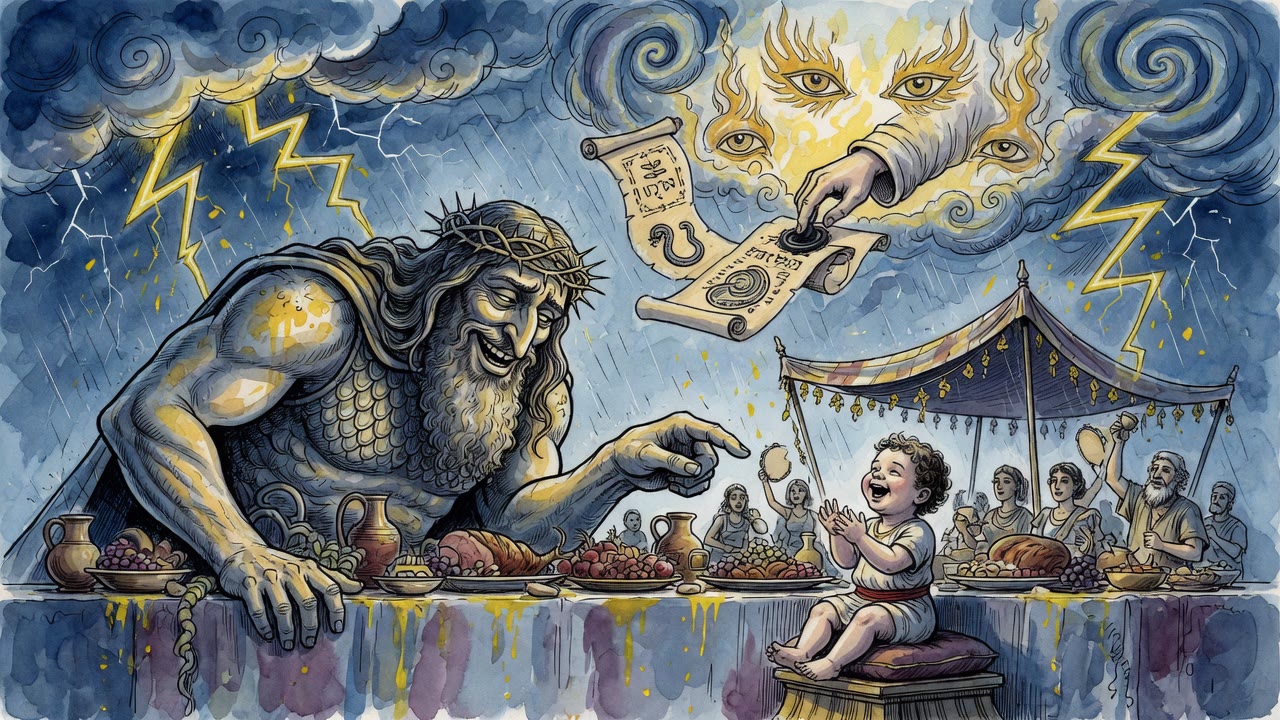
Og of Bashan did not need to do anything to be dangerous. He only had to be where he was.
 Click for full size
Sifrei Devarim, the tannaitic midrash on Deuteronomy shaped in the early centuries of the Common Era, reads the verse about Og and his fortress city Ashteroth together as a pair. The text explains that each element doubled the threat. Og in a different city would be formidable but approachable. Any lesser king in Ashteroth would have been terrifying because of the walls and history of that place. Together, the king and the city created something that pure military calculation could not adequately answer. Israel had a divine promise. Israel also had to look at what stood in front of that promise and decide whether the promise was strong enough to move their feet forward.
Og Made the Land Feel Impossible
The Rephaim enter Jewish memory as bodies large enough to turn promise into panic. They are not simply large men. They are the visible shape of inherited dread, the reason that generations before Israel had looked at the same terrain and turned back. Their name in Hebrew carries a weight the text exploits deliberately. The Rephaim are associated with the dead, with shadows, with things that should have ended but did not. Og is a remnant of them, a leftover of the old world that keeps surviving into the new one.
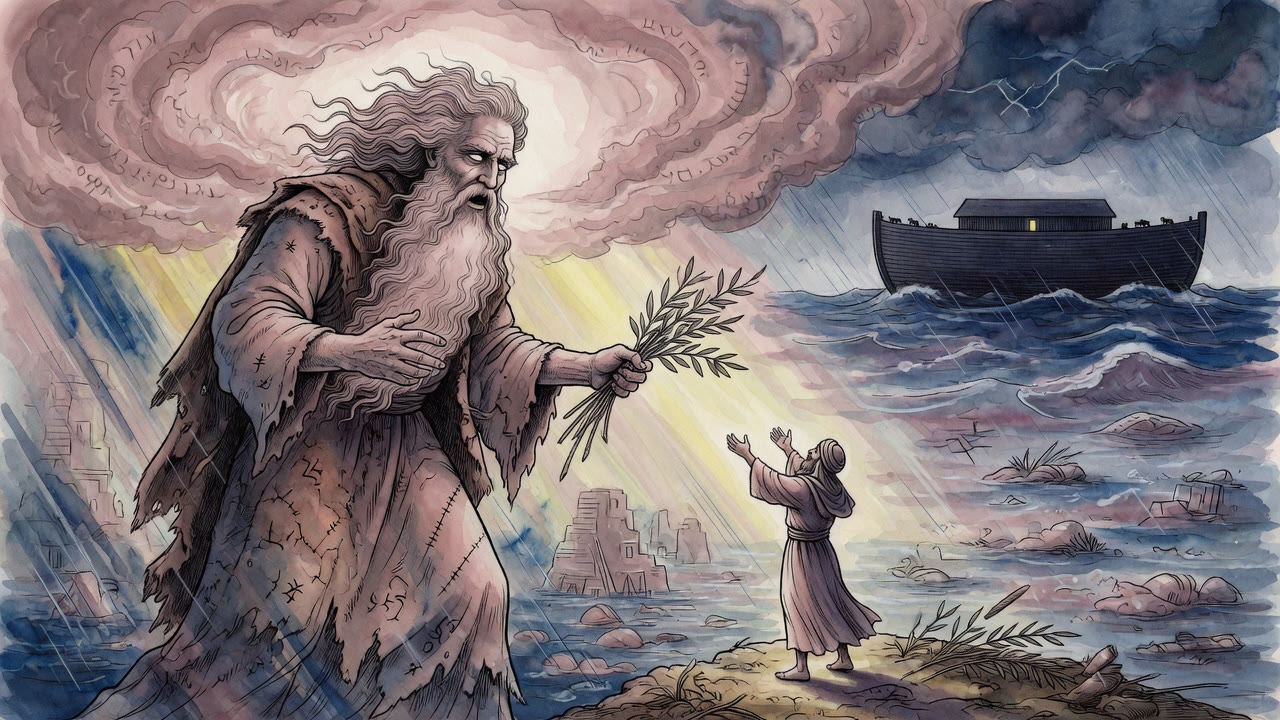
That is what makes him mythologically significant rather than merely historically inconvenient. He is a man who should have died in the flood. Rabbinic tradition, drawing on his enormous bedstead described in Deuteronomy (3:11), suggests Og survived the flood by riding on the outside of Noah's ark, clinging to the wood. He outlasted the judgment that was supposed to end his kind. By the time Israel reaches the promised land, they are facing someone who has already survived one divine verdict against the old world. The ordinary categories of war do not quite apply.
Shemhazai's Giants and the Flood They Survived
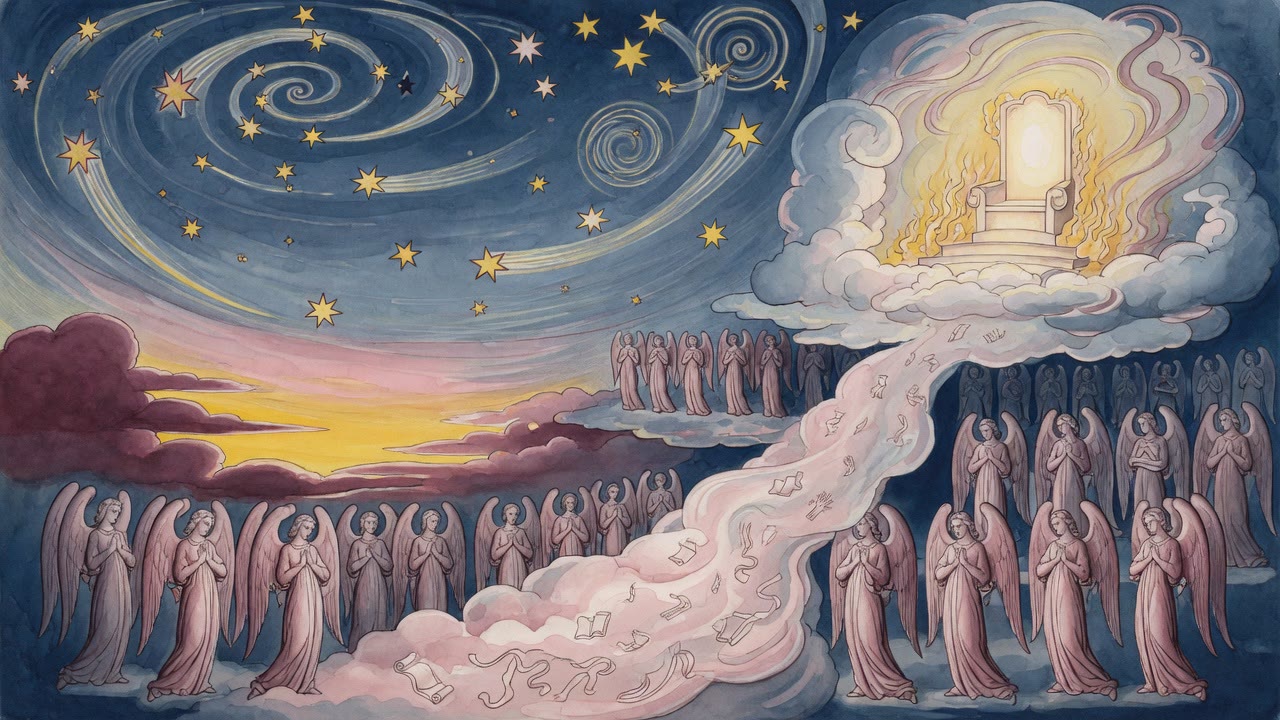
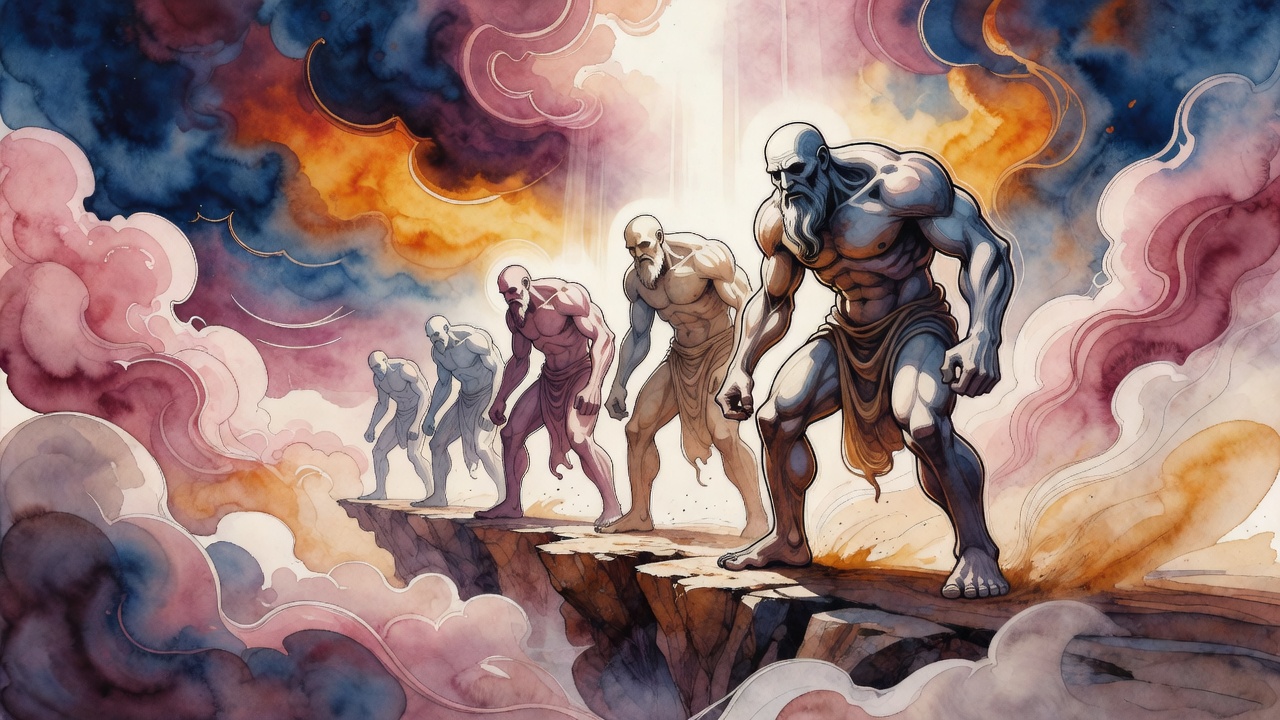
The Rephaim do not arrive from nowhere. They trace back, in the tradition, to the Watchers who descended to earth before the flood. Shemhazai led a group of heavenly beings who came down to the human world, took wives, and fathered enormous children. These children, the Nephilim and their descendants, filled the earth with violence and consumed everything the land could produce. God brought the flood in part because of what these giants had done to creation.
But giants are hard to finish completely. Shemhazai himself repented and hangs suspended between heaven and earth to this day as a kind of living monument to his transgression. Azazel, who did not repent, is buried in the desert with chains binding him until the final accounting. Their offspring, or the lines descended from hybrid unions, kept appearing in the narratives long after the flood was supposed to have ended them. Og may have been one of these survivors. The tradition does not require a clean genealogy. It requires the sight of something ancient and wrong standing in Israel's path.
Why the Rephaim Would Not Rise
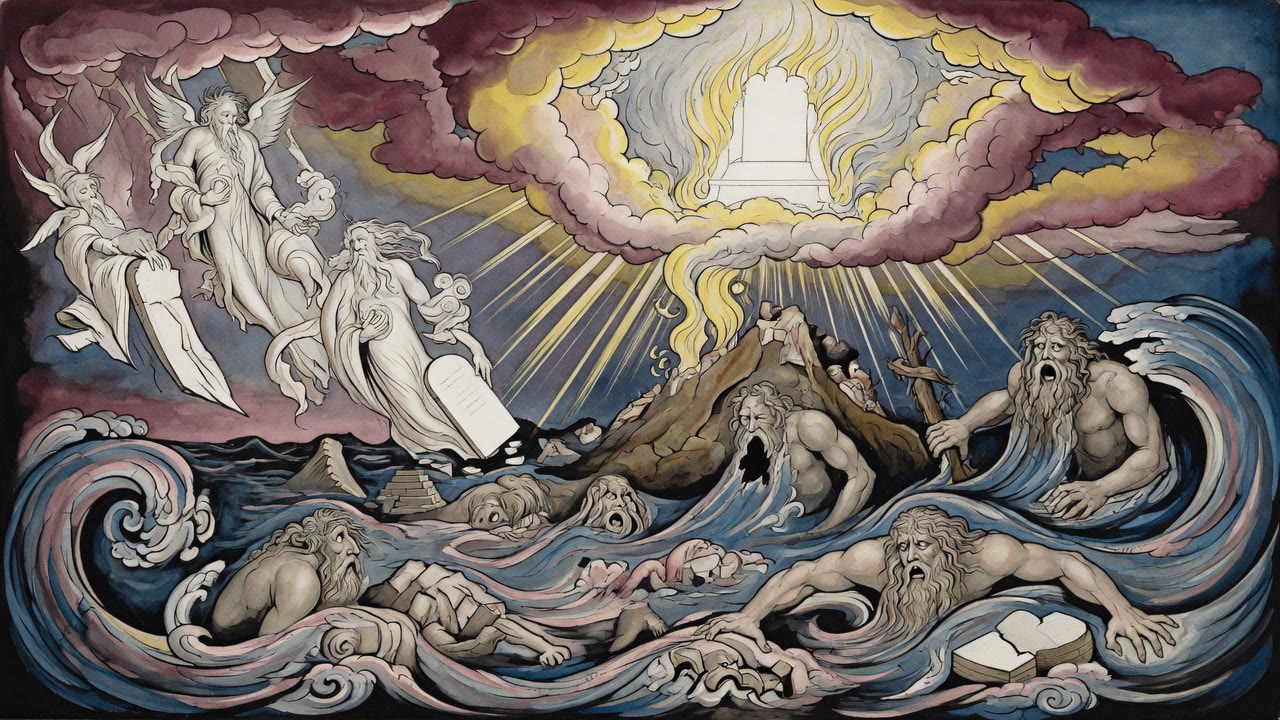
Pirkei DeRabbi Eliezer, a midrashic compilation from around the eighth century CE, preserves a stark pronouncement about the resurrection. Rabbi Yochanan teaches that not everyone who dies will be raised. The wicked of the nations of the world will not stand at the final judgment. The Rephaim are among those who will remain in their graves when the righteous of Israel rise to life. The giants who towered over human history will have no final reversal. Their size in this world will not translate into presence in the world to come.
That judgment has a theological logic. The Rephaim represent the excess of the old world, a time when physical power was treated as its own justification. The world to come has a different measure. What the Rephaim embodied, the overwhelming of ordinary human proportion, is exactly what will not be relevant when the time comes to stand before God. The graves that hold them will not open. They made fear physical in this world. They will not be part of the world where fear is replaced.
Esau's Land and the Border the Giants Held
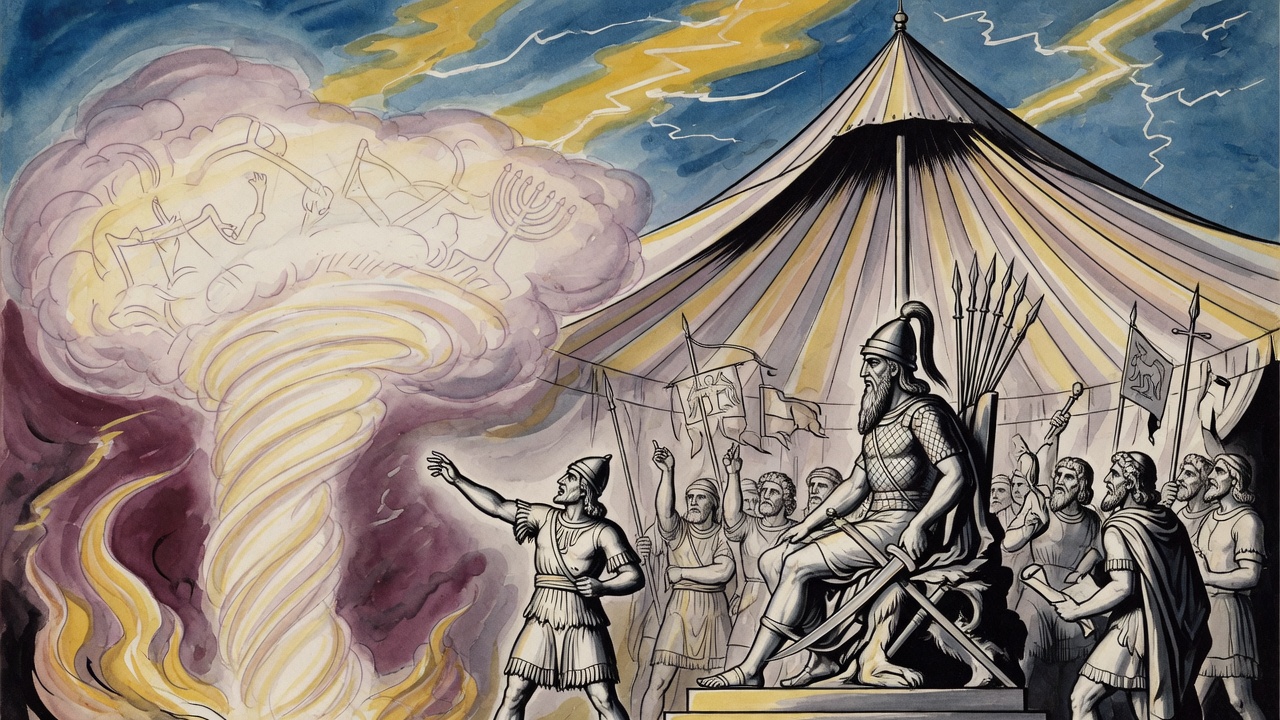
The tradition extends to geography as well as genealogy. Targum Jonathan on Deuteronomy 2 explains why Israel could not take Esau's land even though Israel carried a divine mandate to inherit. The answer is not military. It is ethical. Esau honored his father Isaac, and that act of honoring earned Esau's descendants an eternal land grant. The same logic protects Moab and Ammon, whose ancestors were the sons of Lot. God's grants do not expire because a more powerful nation arrives with a competing claim.
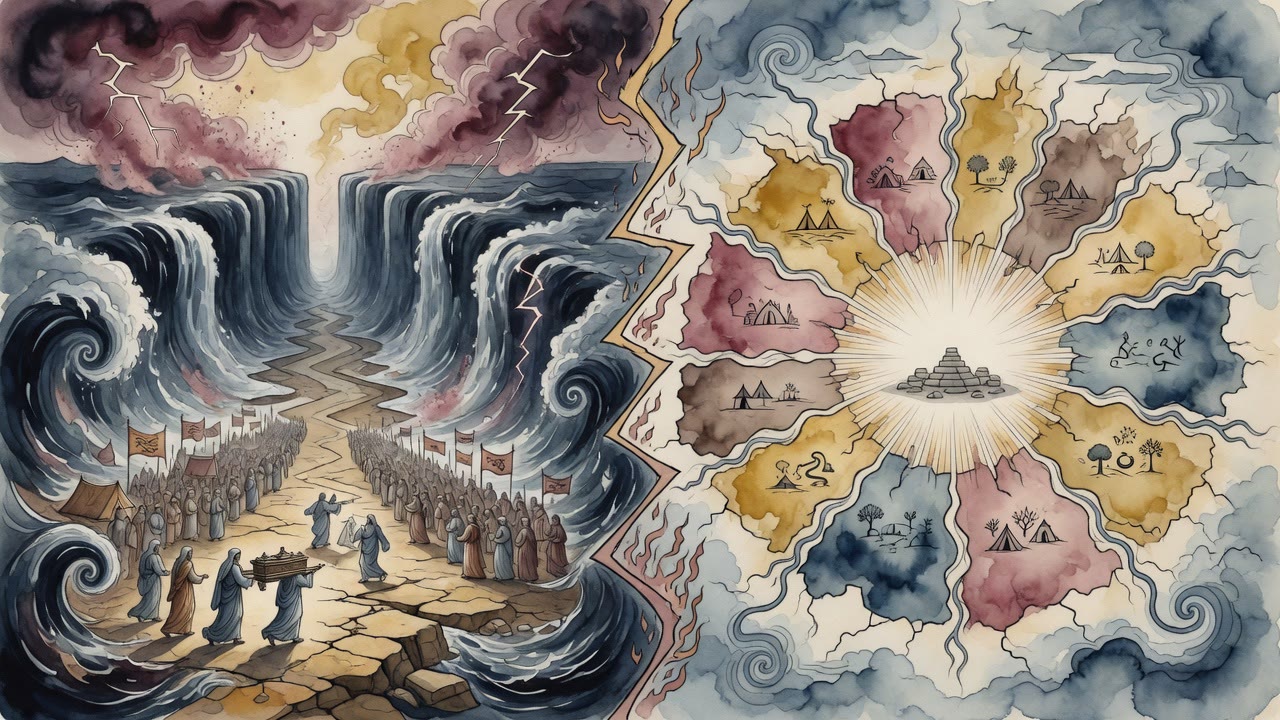
The Rephaim who lived in those territories mattered for different reasons. They gave the landscape its reputation for difficulty and danger. Israel had to navigate between the permitted and the forbidden, the land God was giving and the land God was protecting for others, while enormous ancestral enemies marked the edges. The border was not only military. It was a map of covenants, and the giants stood at the crossings where those covenants touched.
← All myths