84 myths · Page 3 of 3
When Jonah came to anoint Jehu as king, he used a pitcher of oil instead of a horn. The choice was a prophecy. Jehu never understood what it foretold.
Ahaz had closed every Torah academy in Judah. When Hezekiah became king, he drove a sword into the ground and declared it was time to study or die.
King Amon hunted down every Torah scroll in Judah and burned them. One scroll survived in the Temple wall. His son Josiah wept when he read it.
When Huldah confirmed the Temple would fall, Josiah hid the Ark, Aaron's staff, and the manna jar in a tunnel before Babylon could reach them.
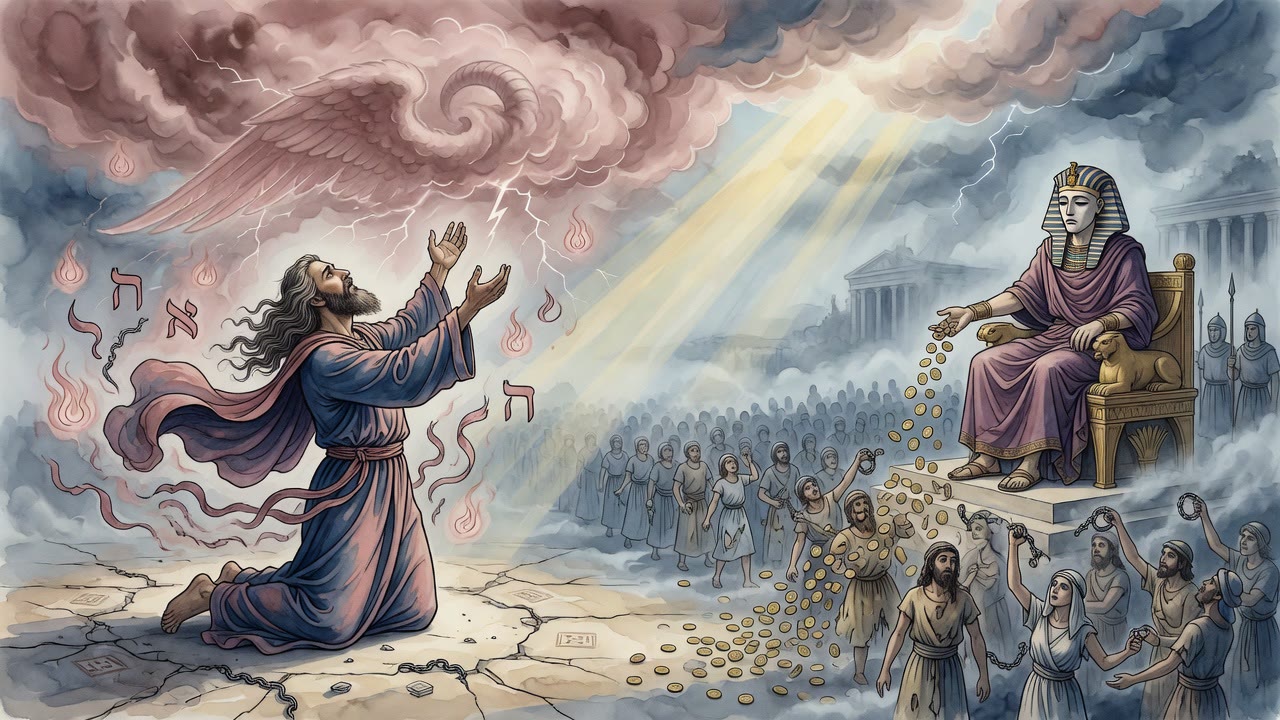
Pharaoh warned Josiah to step aside and let the Egyptian army pass. Josiah quoted Moses and refused. He was struck by three hundred arrows before nightfall.
The Torah appears in sackcloth, her face covered, mocked by those who claim to honor her. The image is eighteenth century. The wound is ancient.
Elijah never died. He was taken to heaven in a whirlwind and has moved between worlds ever since, present at every seder, every circumcision, every crossing.
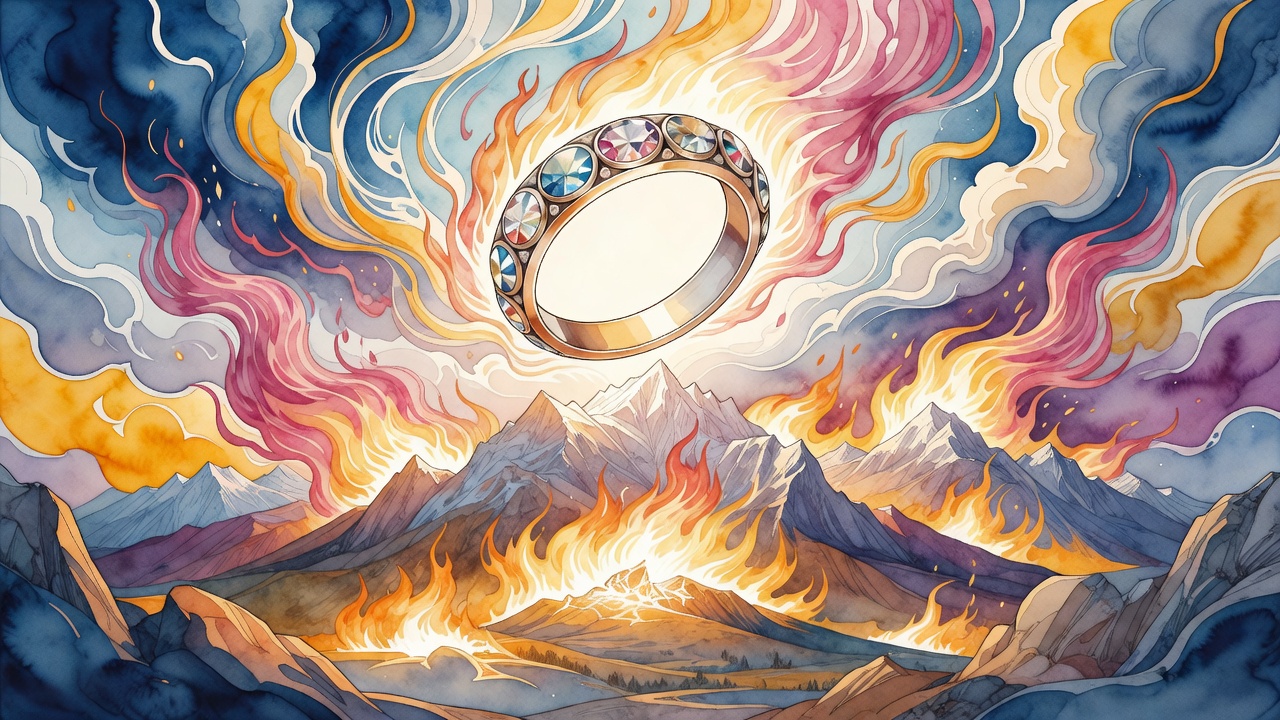
When Elijah returns to herald redemption he will carry three objects hidden since the wilderness: manna, purification waters, and anointing oil.
King Ahaz closed the Temple, burned his own son as an offering, and disguised himself in Jerusalem's streets to avoid walking past the prophet Isaiah.
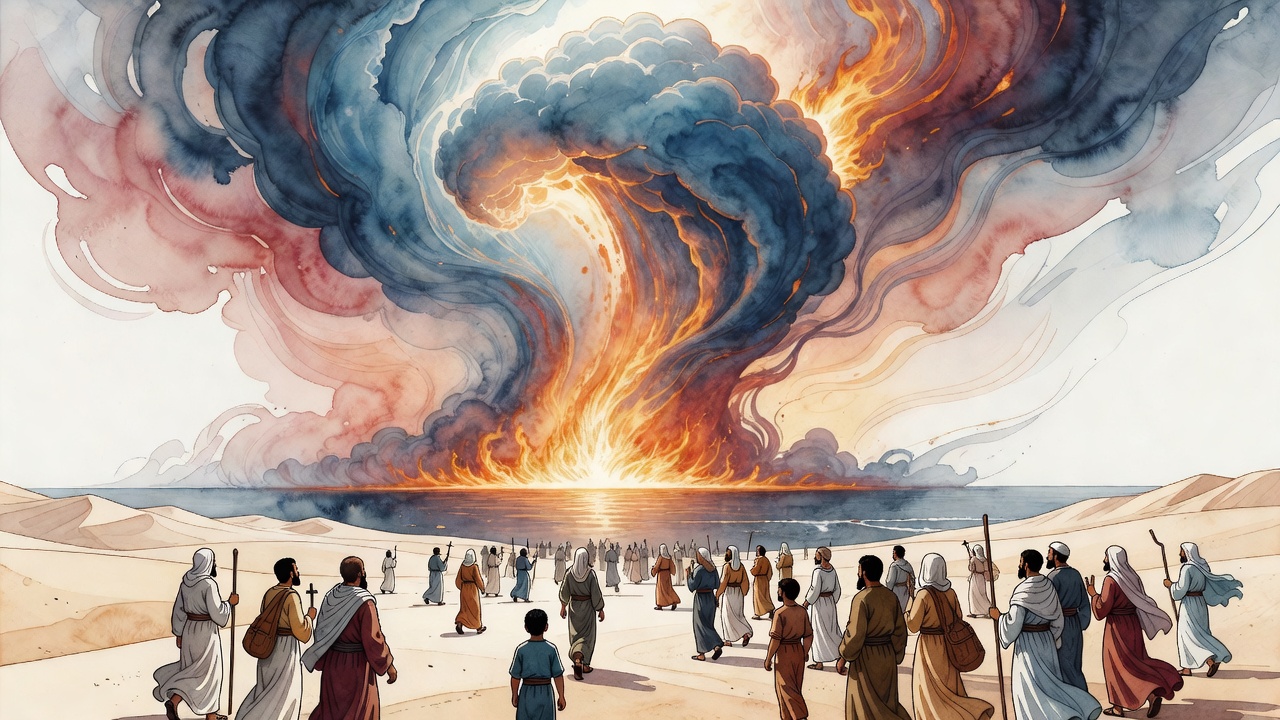
Sennacherib marched on Jerusalem with millions of soldiers. His first division drank the Jordan dry. Jerusalem still did not fall.
Isaiah swears death is swallowed forever and the wolf lies with the lamb. The Kabbalists ask what cosmic repair could ever produce that world.
Inside the fish, Jonah had light, space, and no urgency. He sat there for three days without praying once, until God sent a pregnant fish to change his mind.
Habakkuk was delivering stew to field workers when an angel appeared, seized him by the hair, and transported him hundreds of miles to Daniel in the lion den.
When God told Jacob his children would be like the dust of the earth, it sounded like an insult. The rabbis of Midrash Tehillim knew it was the opposite.
God and Israel accuse each other of abandonment, then God gathers the scattered from wilderness and sea and rebuilds Jerusalem.
Boaz told Ruth to stay until morning. The Tikkunei Zohar heard God telling the Shekhinah in exile: stay in the dark. I will redeem you.
God drew a measuring line over Jerusalem's wall before the first stone fell. The prophets had one chance to stop it and chose soft words instead.
From India to Kush sounded like a map, but the rabbis heard a claim of total rule, and measured it against Solomon and Jerusalem.
Rabbi Akiva woke his students with one number: Sarah lived 127 years, and Esther ruled 127 provinces across Persia for Israel.
Mordecai was Jerusalem aristocracy, taken to Babylon by Nebuchadnezzar. When the road home opened, he stayed in Persia to raise Esther.
Zedekiah dug a tunnel from Jerusalem to Jericho. God sent a deer, soldiers gave chase, and it led them straight to the exit as the king emerged.
David's celebration turns to death when Uzzah touches the Ark, and God's voice later pins itself to the exact space between the cherubim.
A Seleucid king signed tax relief into law. Simon turned that paper into defended ports, settled cities, and authority carved into brass at the Temple.
An Egyptian envoy walks through Judea and the Temple, where walls, water, blood, guards, and silence turn holiness into visible order.