Esther Inherited Sarah's 127 Years of Power
Rabbi Akiva woke his students with one number: Sarah lived 127 years, and Esther ruled 127 provinces across Persia for Israel.
Table of Contents
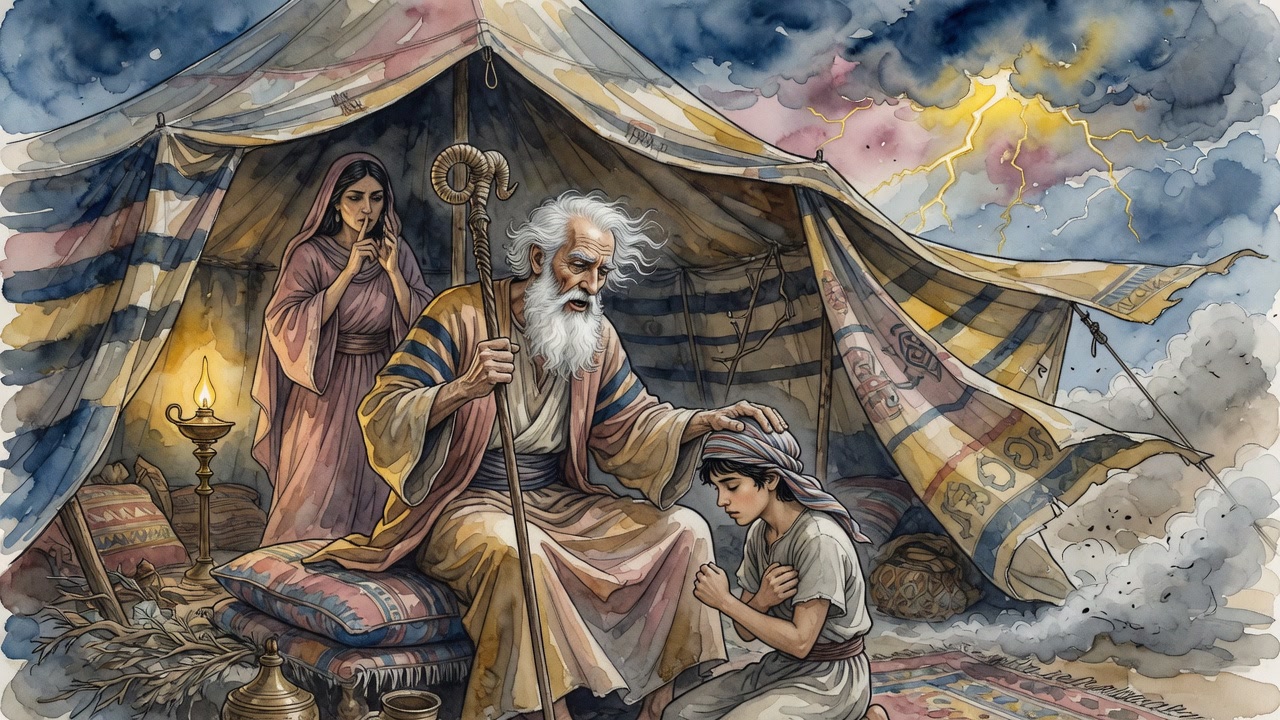
Rabbi Akiva watched his students drift toward sleep.
 Click for full size
The room was warm with Torah, or perhaps just warm. Heads lowered. Eyes lost their fight. He did not scold them. He reached for a number sharp enough to wake the benches.
Why did Esther rule over one hundred and twenty-seven provinces?
The Number Entered the Room
The question landed because everyone knew the number. Ahasuerus ruled from India to Kush, one hundred and twenty-seven provinces. It was the empire's boast, a count of reach, roads, satraps, couriers, taxes, languages, soldiers, and decrees. One king could drink in Shushan and send a command through all of it.
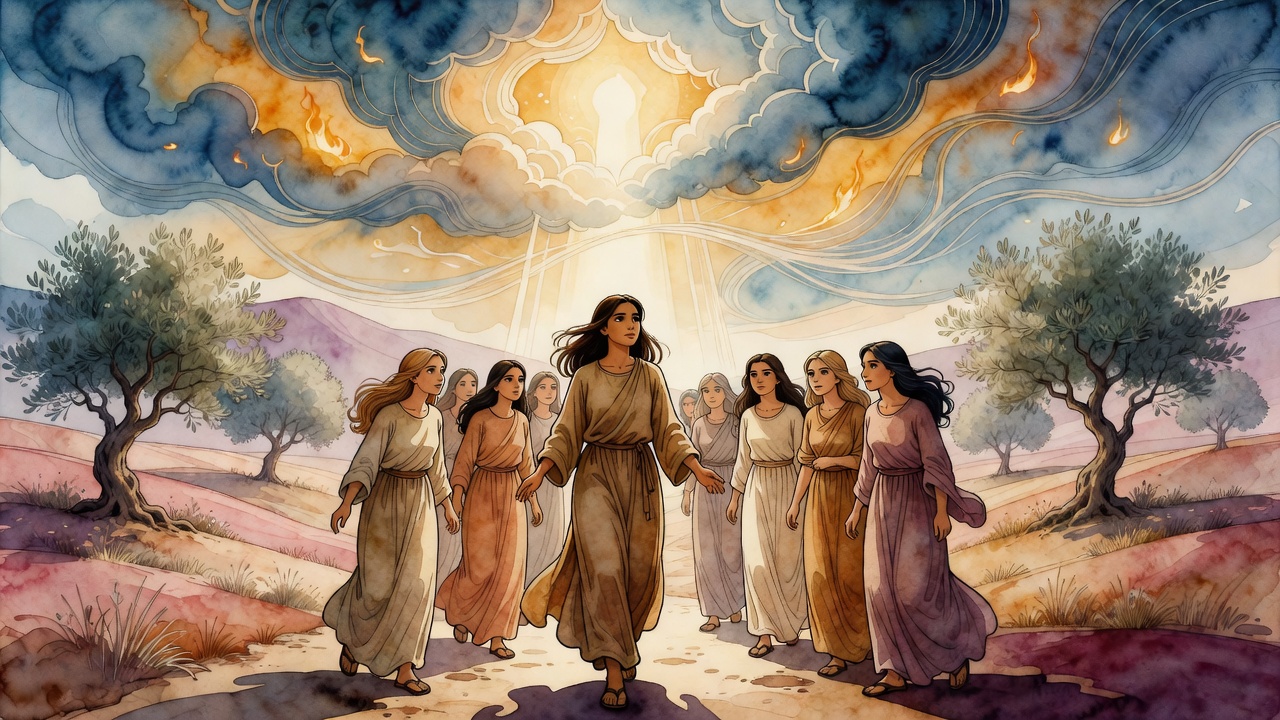
Rabbi Akiva set that imperial number beside another one. Sarah lived one hundred and twenty-seven years. Let Esther, the daughter of Sarah, come and rule over one hundred and twenty-seven provinces.
The students could not sleep through that.
The number stopped being geography. It became inheritance. Esther's authority inside Persia was not a palace accident or a pretty coincidence at court. It was Sarah's life returning as measure. Every year Sarah lived became a province Esther would one day stand over, not by birthright in the Persian court, but by hidden descent from a woman who had already survived dangerous kings.
Sarah Had Entered a Palace First
Sarah knew what it meant to be taken into another man's house.
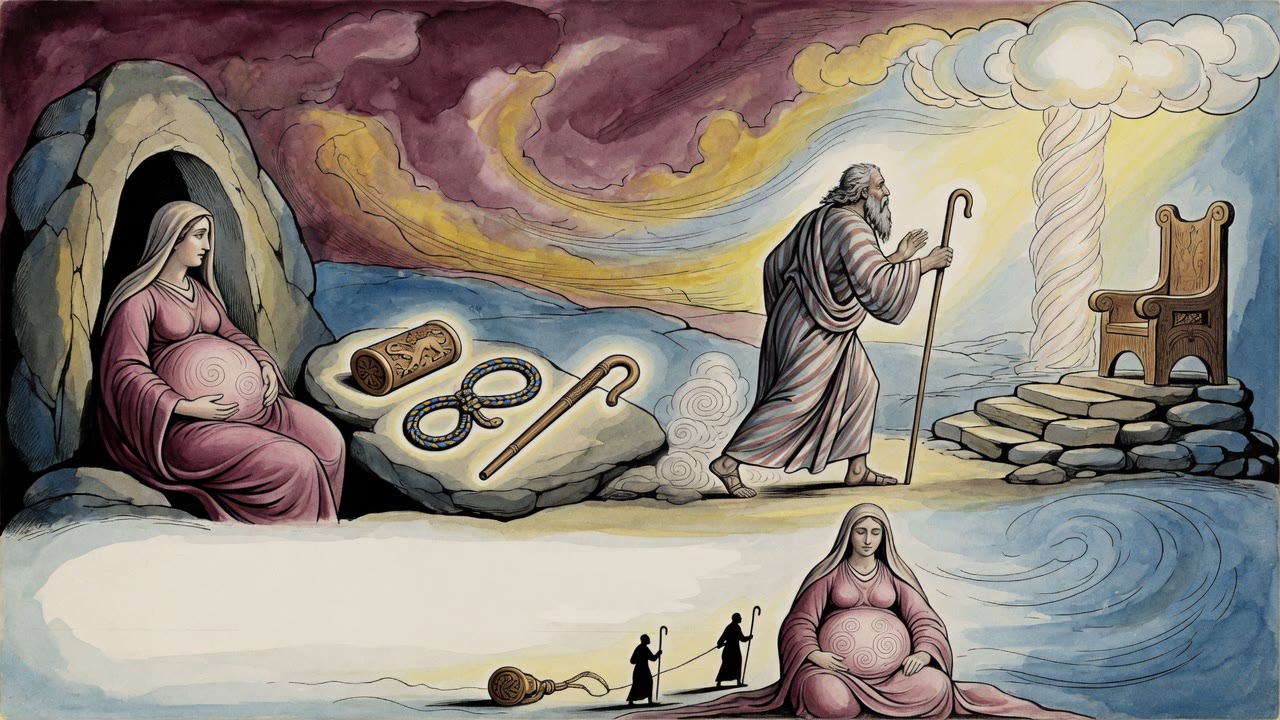
Before Esther crossed the threshold of Ahasuerus, Sarah had been brought into Pharaoh's palace while Abraham stood outside the machinery of power. Her beauty became danger. Her identity had to be concealed. A foreign king thought he could reach out and possess what was not his.
Then heaven struck the house, and Sarah came out.
That memory matters. Sarah did not rule provinces, but she passed through royal danger without being consumed by it. The court became the place where God's protection moved behind closed doors. Pharaoh learned that the woman before him was not unguarded property. She belonged to a promise older than his throne.
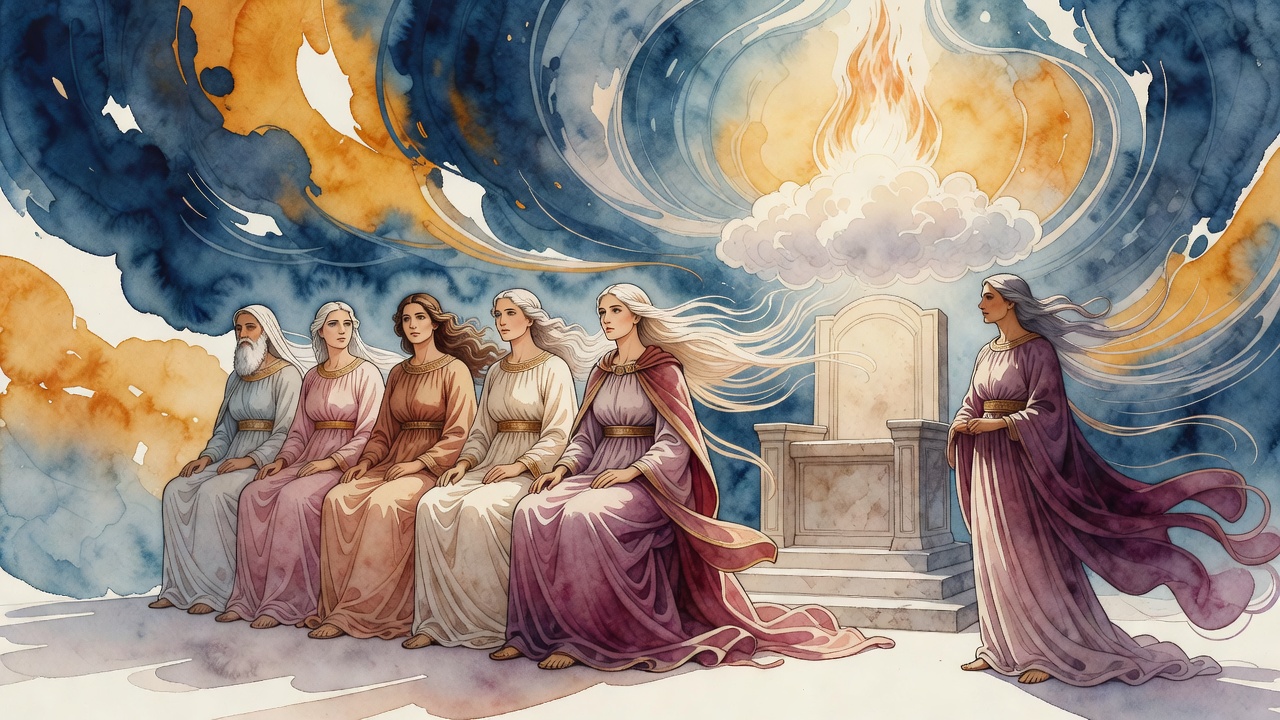
Esther entered the same kind of danger under another empire. She hid her people and her birth. She learned when to speak and when to stay silent. She waited while Haman rose, while the ring passed from the king's hand, while messengers carried death outward over the provinces counted at the beginning of the book.
The Provinces Became Years
One hundred and twenty-seven provinces could have meant only danger. A decree that wide can turn fear into weather. Every Jewish house, however far from Shushan, could be reached by the king's seal.
But Rabbi Akiva's number placed another measure under the empire. Sarah's years stood beneath Esther's provinces like hidden foundations. The royal map did not belong only to Ahasuerus. The count had already appeared in the life of the first matriarch, a woman whose death was recorded with unusual fullness because every year of her life carried weight.
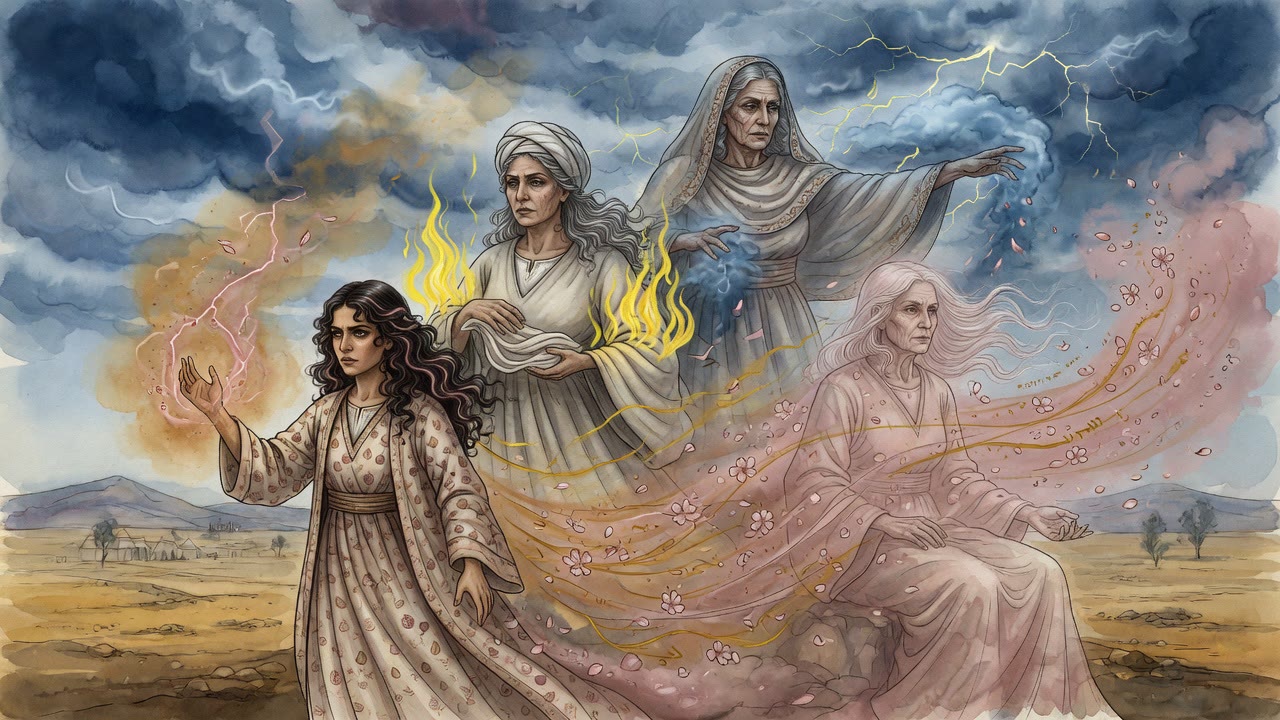
Esther's power therefore moved in a borrowed palace but not in a borrowed story. She did not inherit a throne from Sarah. She inherited endurance under threat, intelligence inside concealment, and the ability to let a foreign king discover too late that Jewish women are not alone in his house.
The number made the sleepy students sit up because it joined the tent and the palace, Canaan and Persia, matriarch and queen.
The Field Became a Province
The rabbis did not leave the number there. They widened the words around it. A field can become a town. A town can become a city. A city can become a province. The language grows by steps, like a small place unfolding until it can hold an empire.
That is how Esther's world works. A private refusal by Vashti becomes a royal crisis. One hidden Jewish girl becomes queen. One insult to Haman becomes a genocide decree. One sleepless night becomes the hinge of rescue. Small rooms keep widening into provinces.
Sarah's life had worked that way too. One tent held a promise. One endangered woman carried a future people. One birth in old age became Isaac, then Jacob, then the tribes, then the exiles whose lives would rest in Esther's hands.
Rabbi Akiva did not merely wake his students with clever arithmetic. He showed them the empire had already been measured by a matriarch's lifespan. Ahasuerus thought he ruled one hundred and twenty-seven provinces. Esther entered the palace carrying one hundred and twenty-seven years.
← All myths