Simeon and Levi Waited for a Festival to Strike Shechem
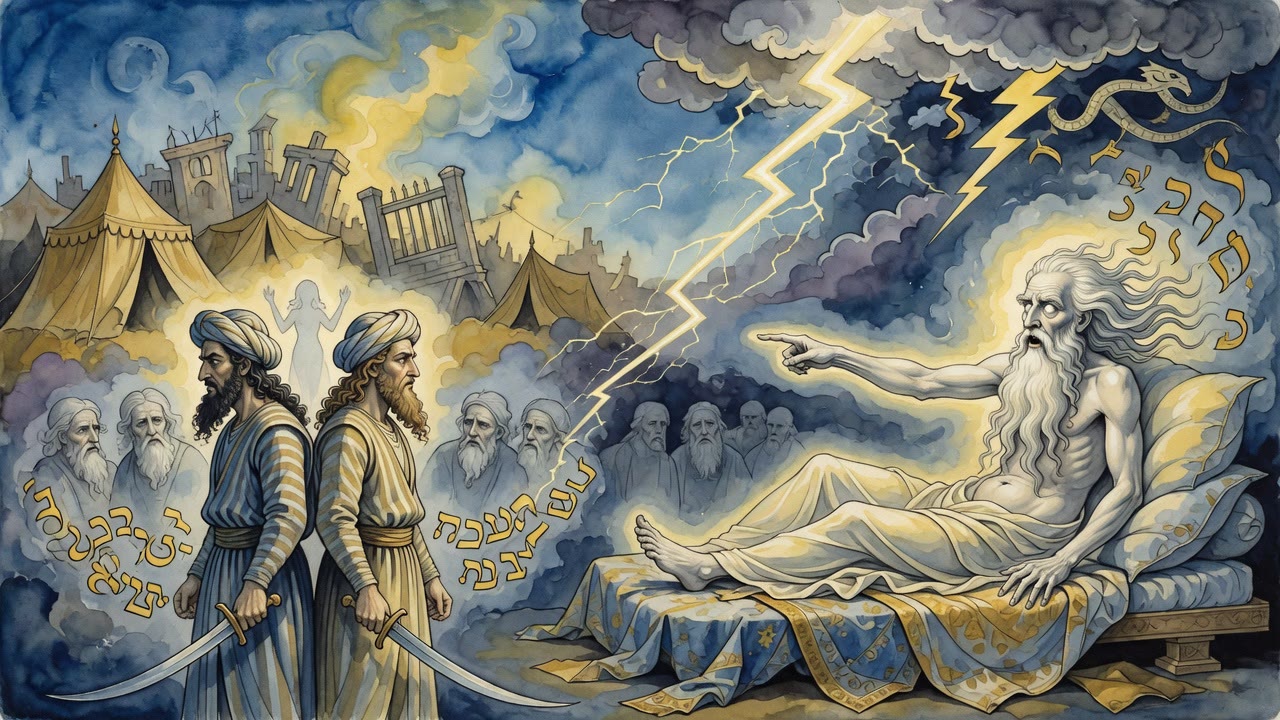
Their father never forgave them. On his deathbed he told Simeon and Levi that the swords on their hips were stolen goods that belonged to Esau.
Table of Contents
 Click for full size
Dinah Went In to See the Women
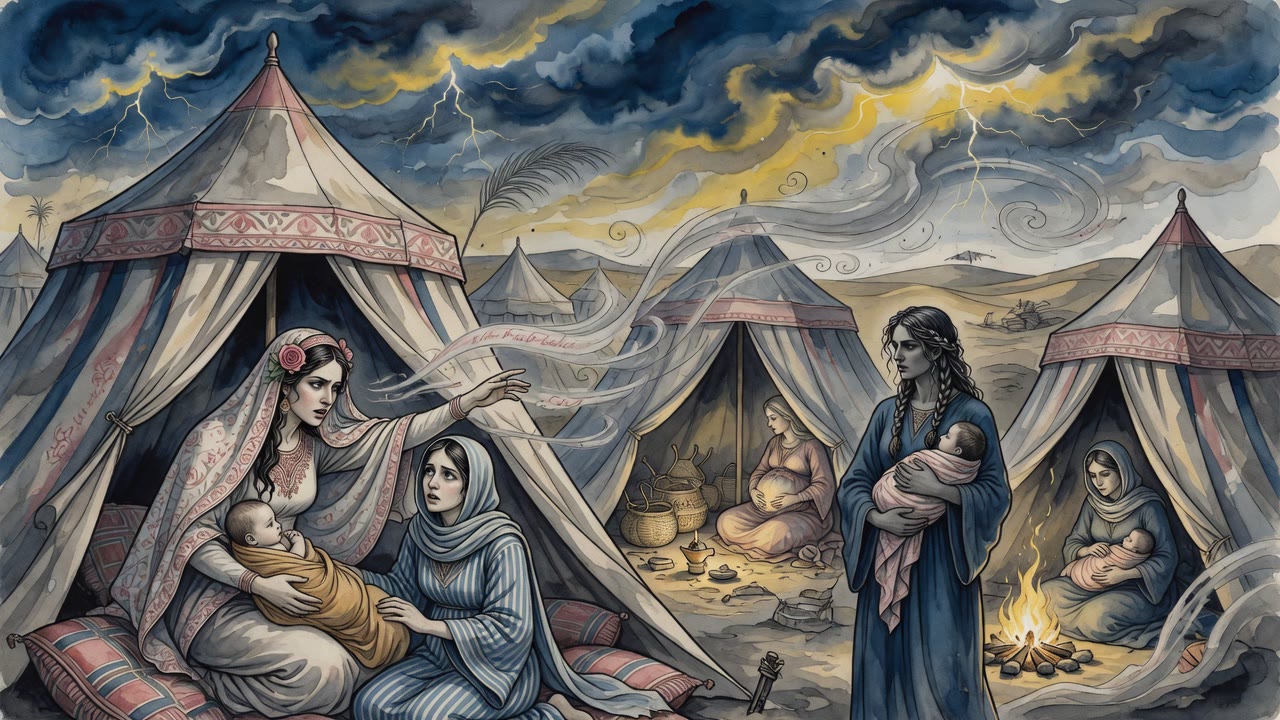
The city was keeping a festival the day Dinah walked into it. She had come to look at the clothes the women of that country wore. She was the only daughter in her father's camp, and nobody stopped her at the gate.
Shechem, son of King Hamor, saw her in the crowd and took her by force. Afterward he could not let her go. He went to his father and asked him to arrange a marriage.
Hamor rode out to the tents and made the offer politely, one house to another. Jacob was caught between two things he could not do. He could not tell a king to his face that his son was not good enough, and he could not hand his daughter to a stranger. He asked for time to think it over. Hamor went home expecting good news.
Then Jacob told his sons what had been done to their sister, and asked them what he should do. Most of them stood there with nothing to say.
Simeon and Levi had the same mother as Dinah. They said nothing in front of their father either. They settled it between themselves, outside, and then carried a condition back to Hamor. Every male in the city was to be circumcised. After that the two households could marry and become one people. Hamor put the terms to his men, the men agreed, and a whole city went under the knife for a wedding.
They Came Through the Gate on the Festival
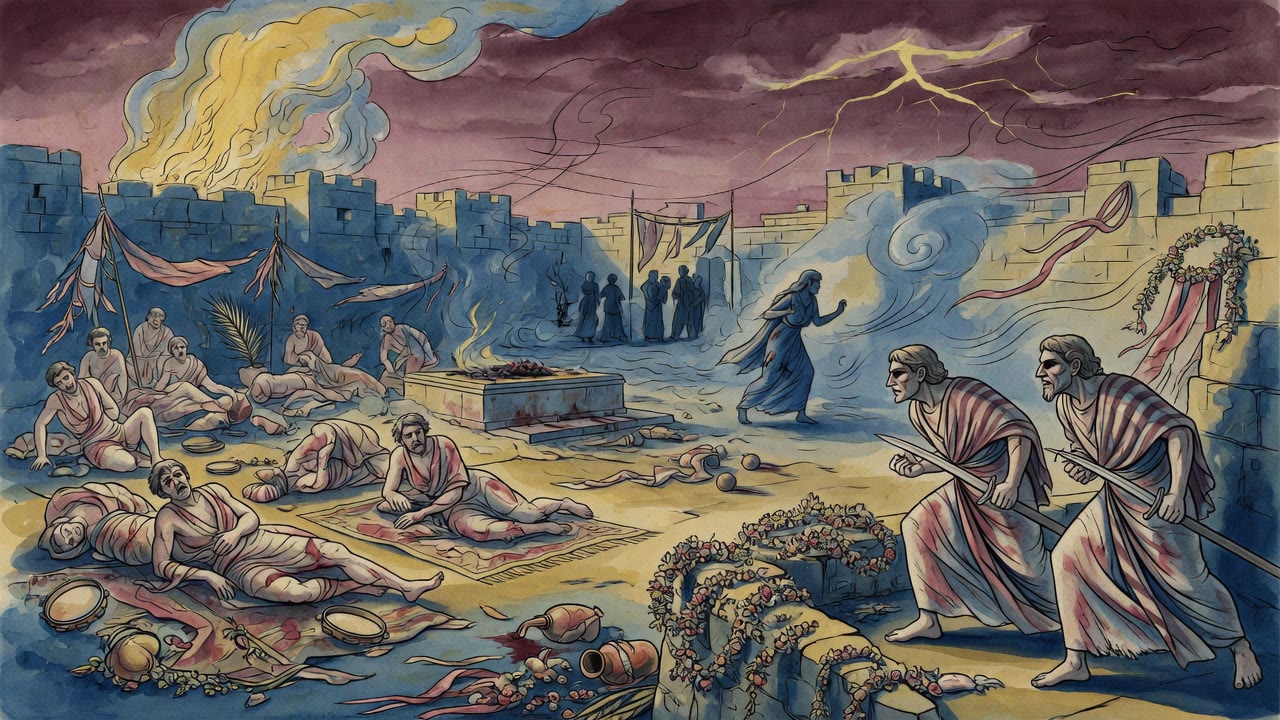
The brothers waited until the third day, when the pain was worst. The holiday was still running. Men lay about in the ease of a feast with the wound in them, and the watch on the wall had fallen asleep.
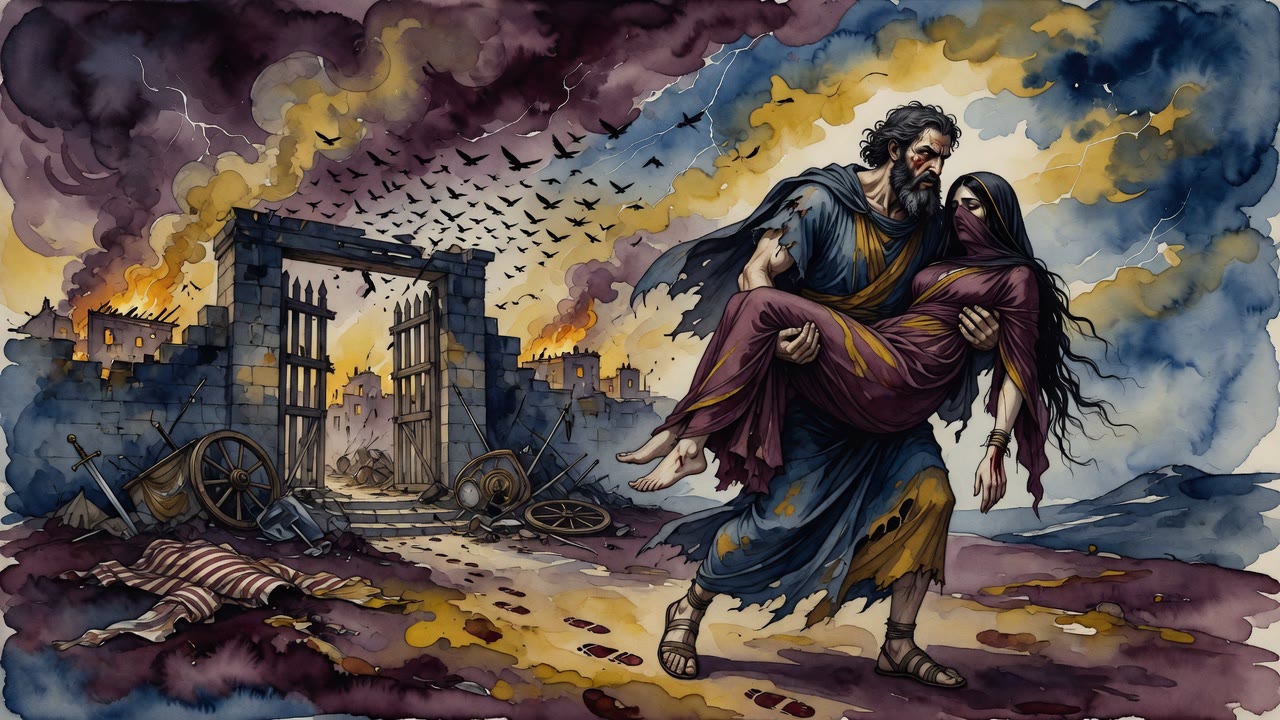
Simeon and Levi came through the gate with drawn swords and killed every male in Shechem, the king and the king's son among them. They spared the women. They took Dinah out of Shechem's house and walked her back to camp. Their brothers came behind them and carried off everything the city owned. That was the massacre: a festival, a sleeping watch, and two men who had waited on purpose.
Jacob was appalled. "You have made me a stench to the Canaanites and the Perizzites," he said. "We are few. If they gather against us, we are finished."
"Should he have treated our sister like a prostitute?" they answered.
Jacob had nothing to say back to that.
Jacob Buried the Stolen Gods
God spoke to him instead. Take courage. Purify the household. Pay the offerings promised at Bethel on the night of the ladder.
Going through his own tents to purify them, Jacob turned up the household gods of Laban. He had never known they were in his camp at all. Rachel had taken them out of her father's house years earlier and said nothing. Jacob dug a hole under an oak at Shechem and buried them in the dirt of the city his sons had just emptied, and went on to Bethel and made his sacrifice there.
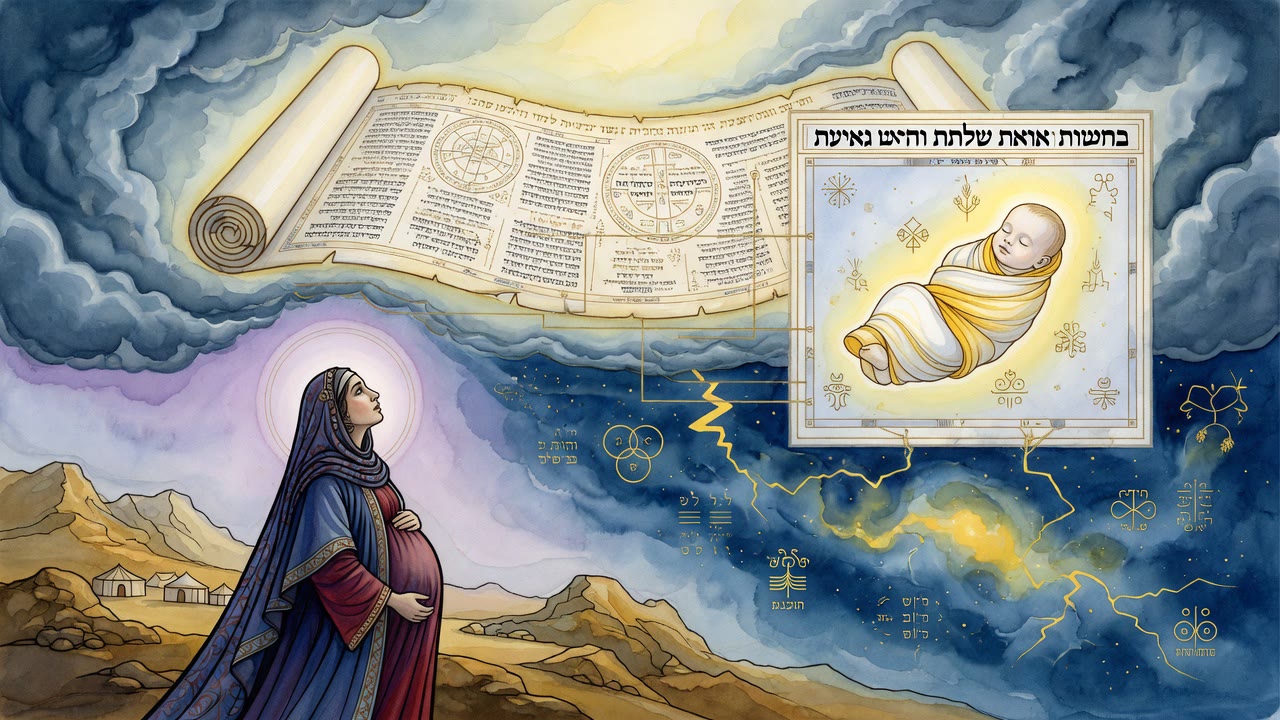
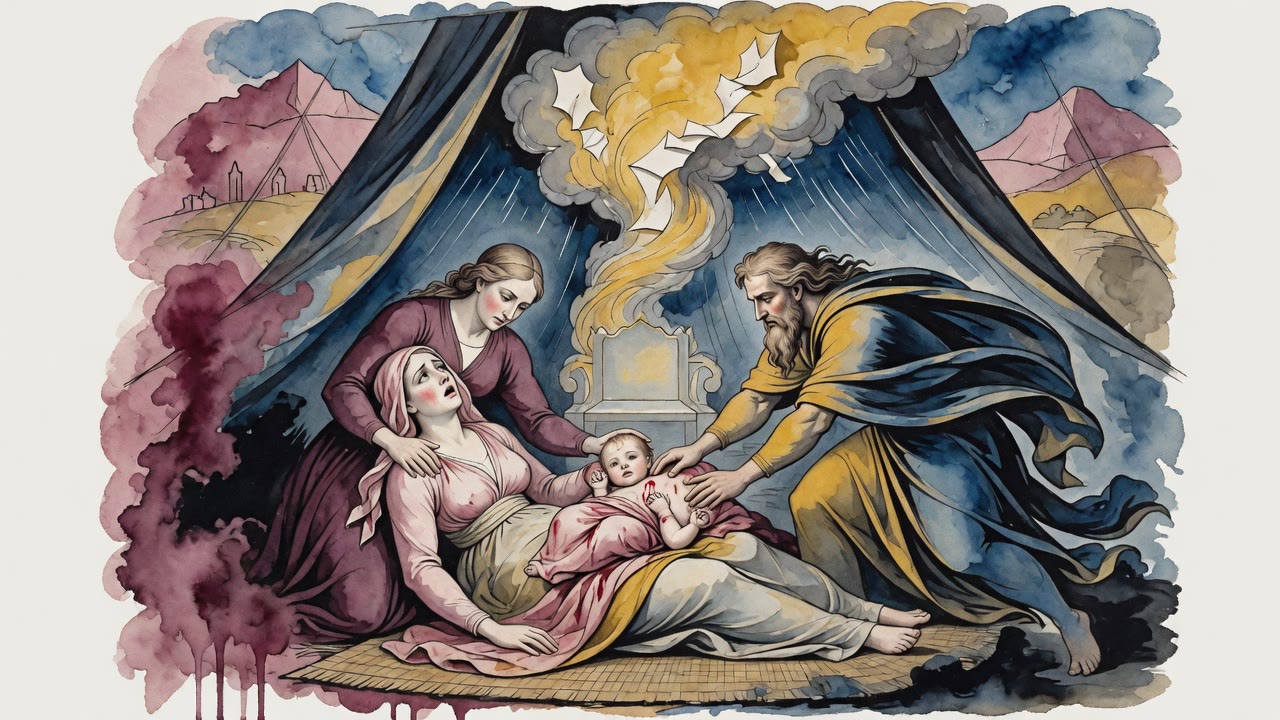
The road cost him Rachel. Near Ephrath she went into labor in the night and did not survive it. She named the boy Son of My Sorrow. His father called him Benjamin. Jacob set a pillar on the road above her grave, and of all his household she was the only one who never came to the cave at Hebron.
He Called Them Brothers for Degradation
Decades later Jacob lay dying at Hebron and called his sons in to be blessed. Reuben went first and came away with his ears drooping.
Then his father called the next two in together. "Simeon and Levi are brothers," he said, and made the word an accusation. Brothers for degradation. "You were brothers for Dinah, and each of you took his sword. You were not brothers for Joseph. You sold him."
He went after the swords next. Weapons of villainy, he called them, and said they were stolen property. They belonged to Esau, who had been promised that he would live by his sword. An old man on his last morning, telling two grown sons that the blades on their hips were their uncle's.
Then Jacob spoke past their lifetimes. Let my soul not enter their council, he said. When a prince of Simeon takes a Midianite woman in front of the whole camp, keep my name out of it. Let my glory not join their assembly. When a Levite raises a congregation against Moses, keep my name out of that too. The records obeyed him. Zimri son of Salu, a prince of a father's house among the Simeonites. Korah son of Izhar son of Kehat son of Levi. Neither line runs back as far as Jacob.
The Anger Was Cursed, Not the Men
"Cursed is their anger, for it is fierce, and their wrath, for it is cruel."
He cursed the anger and left the men out of it. Generations later Balaam stood on a hill above the camp, hired to curse Israel, and could not find a place to start. A father in a rage had cursed nothing but the rage.
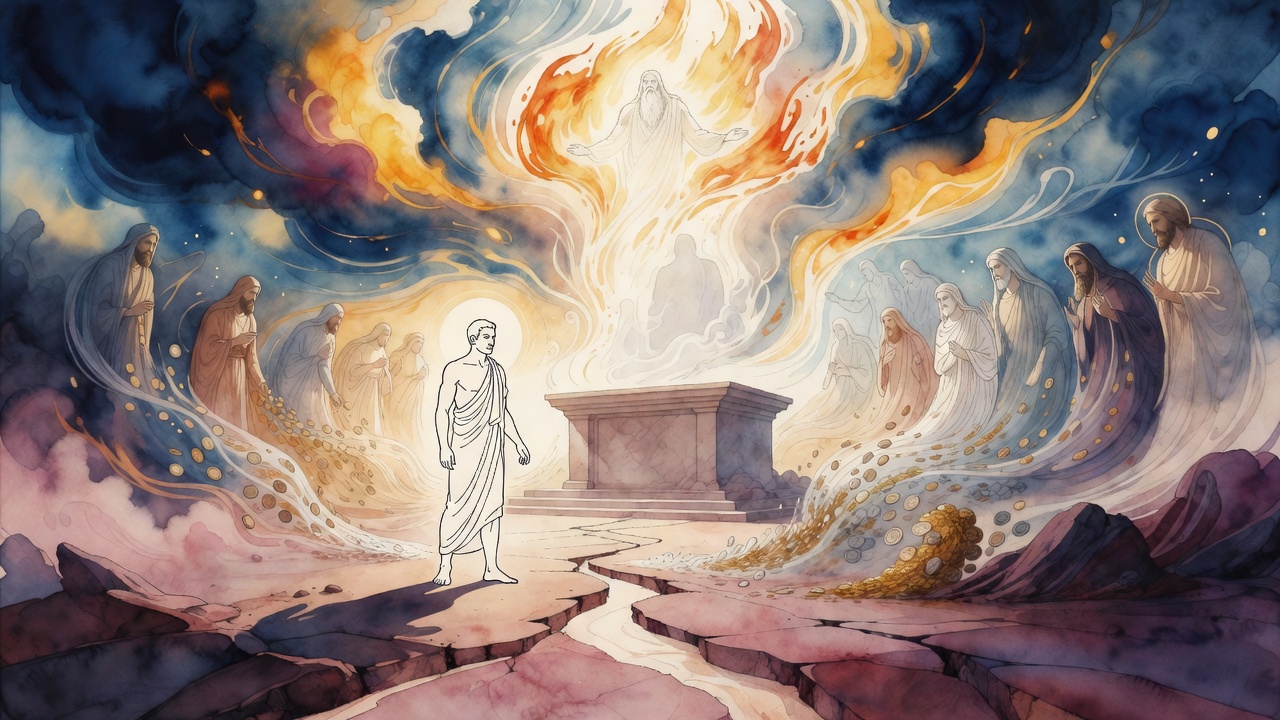
The sentence was the last line of the blessing. I will divide them in Jacob and scatter them in Israel. It came due on a plain in Moab, where twenty-four thousand men of the tribe of Simeon fell over the business with Zimri, and twenty-four thousand widows were left behind them and parcelled out two thousand to every tribe. Ever since, the man who goes from doorway to doorway with his hand out belongs to Simeon.
Levi circulates too. God saw to that, and then gave him a clean way to do it and made it holy. A tenth of every harvest in Israel belongs to the tribe of Levi. So the Levite walks up the same road, stops at the same doorway, and says, "Give me my portion."
← All myths