The Curse in Eden That Rode Down Every Bloodline
One afternoon in a garden bent every birth after it. God's presence climbed seven heavens away. Six righteous bodies slowly dragged it back down.
Table of Contents
 Click for full size
The Sentence Handed to Eve
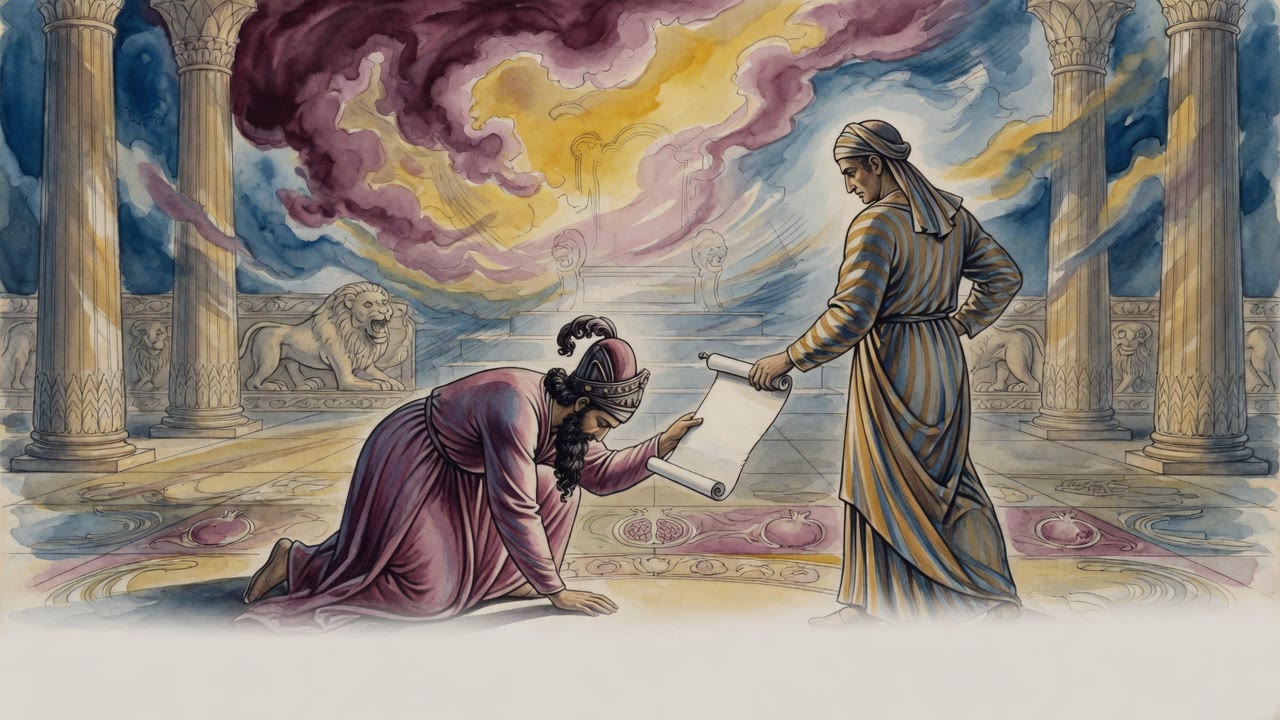
The words were not vague. God told Eve she would suffer anguish in childbirth, not discomfort but grievous torture. In the extremity of labor, near death, she would swear she was done with her husband forever. Then desire would pull her back, and the cycle would begin again. Pain, then the oath, then the breaking of the oath.
Adam received seventy plagues across his flesh, one organ at a time, beginning with his eyes and his ears. The serpent lost its legs and its wings on the spot and was sent to eat dust for the rest of its existence.
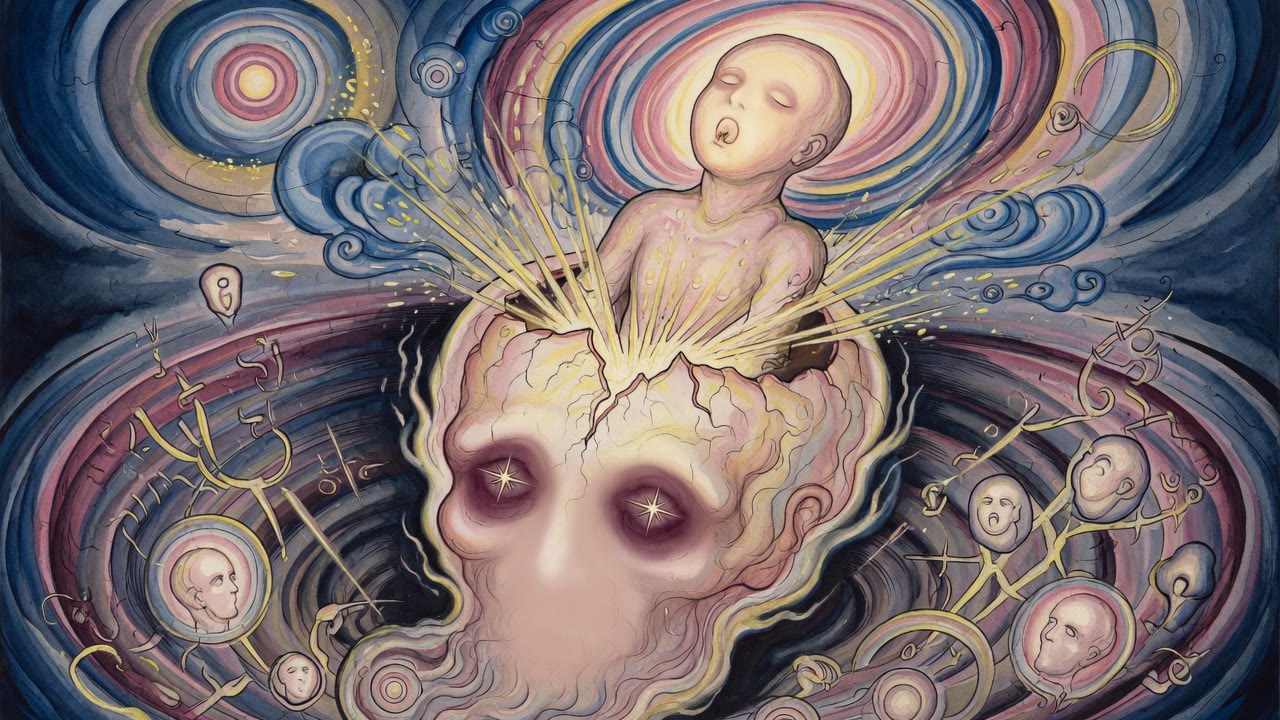
The Eden story is usually told as a moral lesson. The midrash treats it as a medical diagnosis. Something broke in the human body that afternoon, and every child born after carried a shard of the break. The curse did not stop at the first generation. It rode the bloodline like a heritable disease, and the only people who escaped it, or escaped part of it, were the ones whose piety was strong enough to bend the verdict.
The Shekhinah Climbing Away
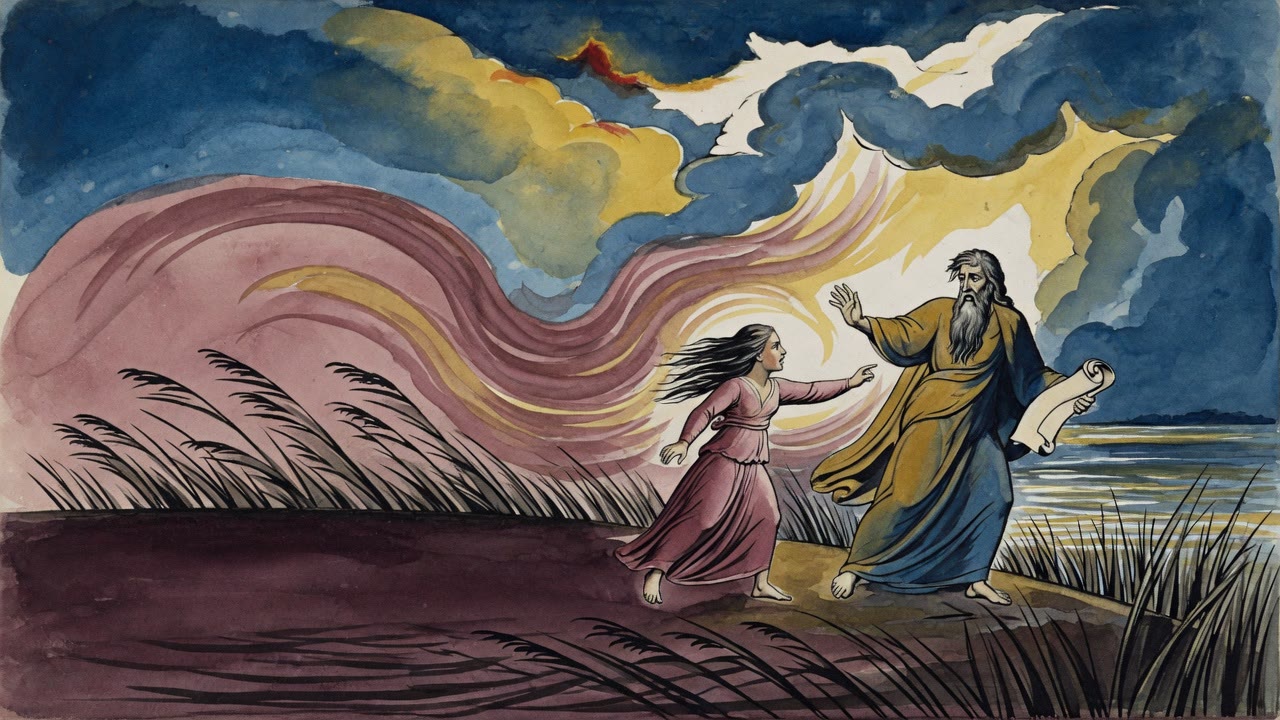
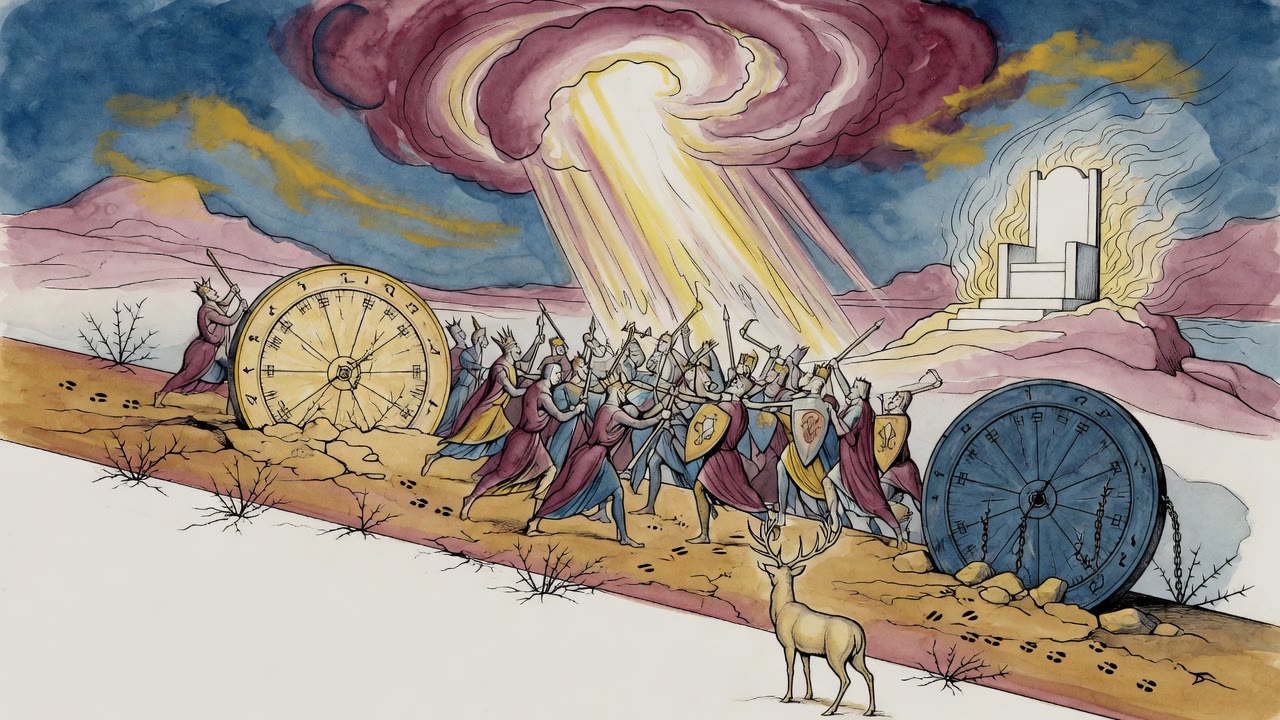
What the midrash adds to Eden is a second catastrophe nobody talks about. When Adam sinned, the divine Presence did not simply grieve and stay. It rose. It moved from earth up to the first heaven. Then each subsequent sin by each subsequent generation pushed it one level higher.
Adam's sin pushed it to the first heaven. Cain's murder drove it to the second. The generation of Enosh, who began offering worship to idols, pushed it to the third. The generation of the Flood drove it to the fourth. The builders of Babel sent it to the fifth. The Sodomites pushed it to the sixth. The Egyptians drove it to the seventh heaven, the highest remove, the farthest point from earth it could reach.
Six sins. Six heavens. The Presence was not withdrawn. It was driven.
The Six Who Pulled It Back
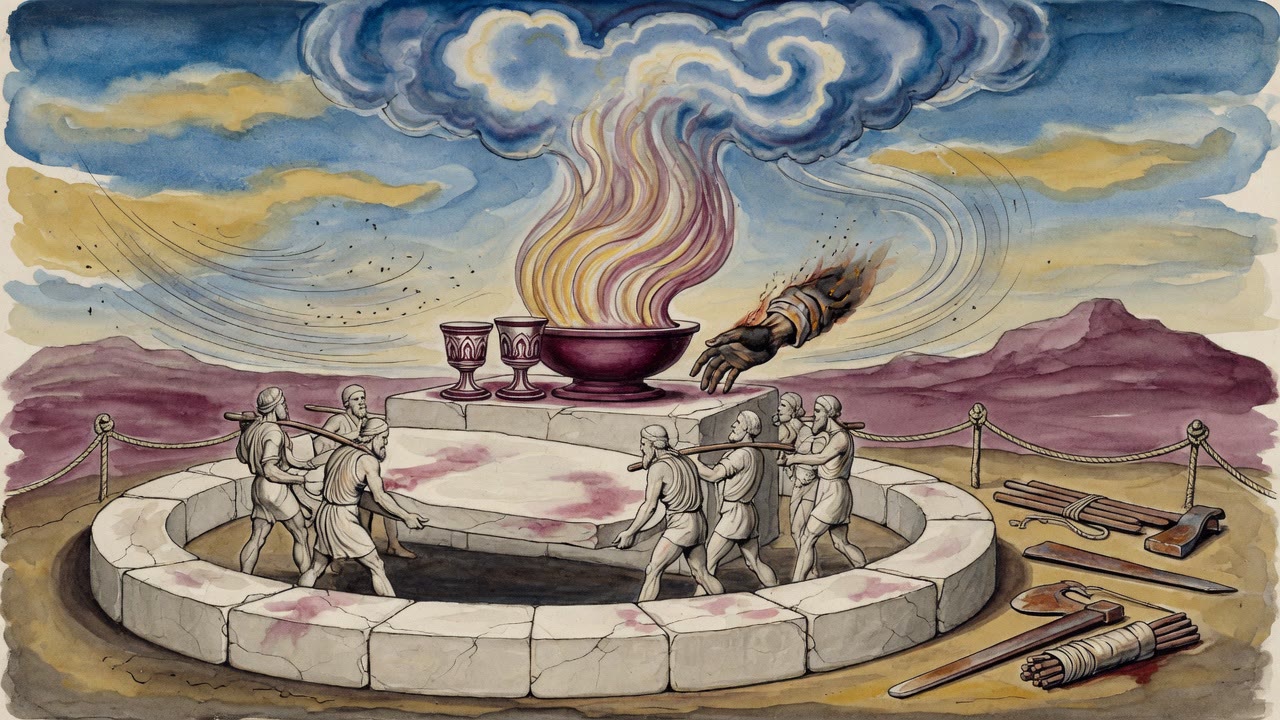
Then the process reversed, and it reversed through bodies. Abraham walked out of Ur and climbed toward God, and the Presence descended one level. Isaac bound on the altar pulled it down another. Jacob at Bethel and Peniel pulled it further. The three together, plus Levi and Kehat and Amram, made six righteous men whose accumulated holiness brought the Presence down heaven by heaven until it stood at the first level again.
Moses was the seventh. When he stood at the burning bush, he completed the descent. The Presence was back at ground level, burning in a thorn-bush at knee height, close enough to scorch a shepherd's sandals.
Amram Who Death Could Not Claim
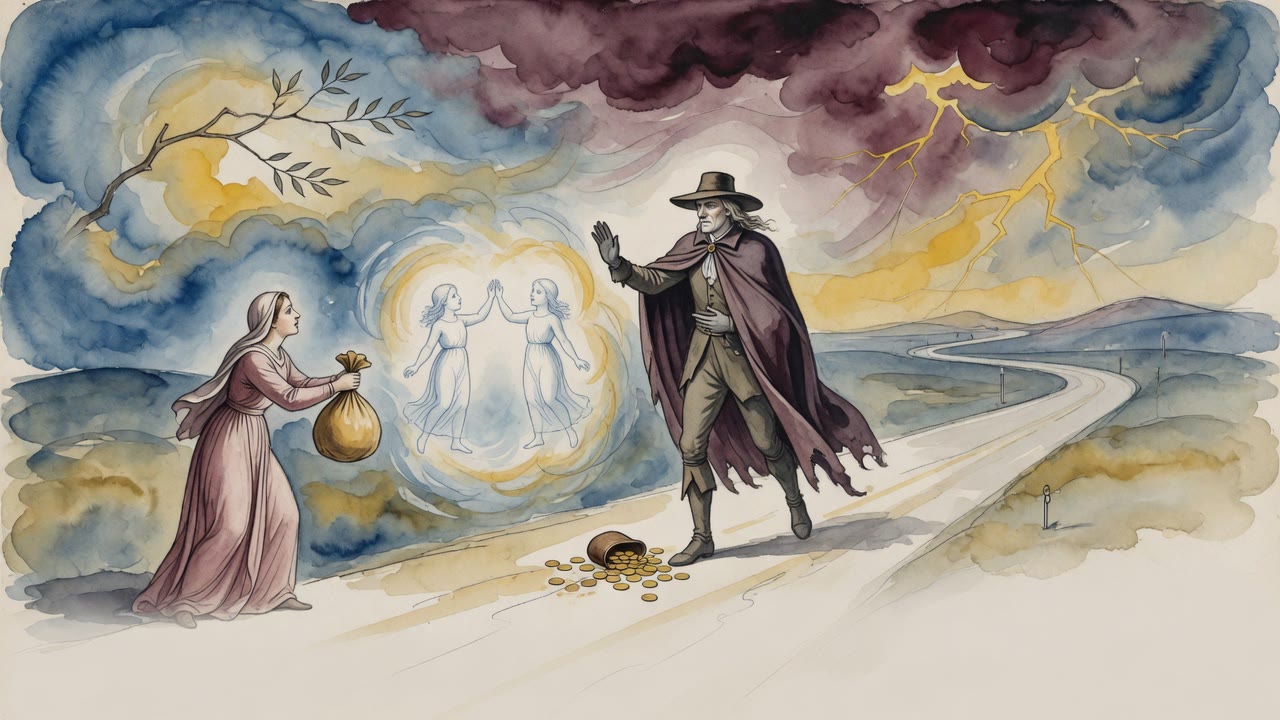
Among those six was Amram, Moses's father, whose piety was so complete that death had no organic claim on him. He would not have died at all if the decree handed to Adam in Eden had not been total. Death entered the world through Adam. It reached Amram only as a kind of legal formality, because the original curse covered all flesh, even flesh as clean as his.
The rabbis found this troubling in the most productive sense. Amram's death proved that the Eden verdict was not a punishment calibrated to individual guilt. It was a universal sentence carried by the species, and no amount of personal righteousness could fully undo it. You could bring the Shekhinah (the Divine Presence) back to earth. You could not undo what was done in the garden.
← All myths