Haman Described the Triumph He Wanted and Gave It to Mordecai
The gallows stood in Haman's courtyard, fifty cubits high. He came for a signature. The king asked a question with no name in it.
Table of Contents
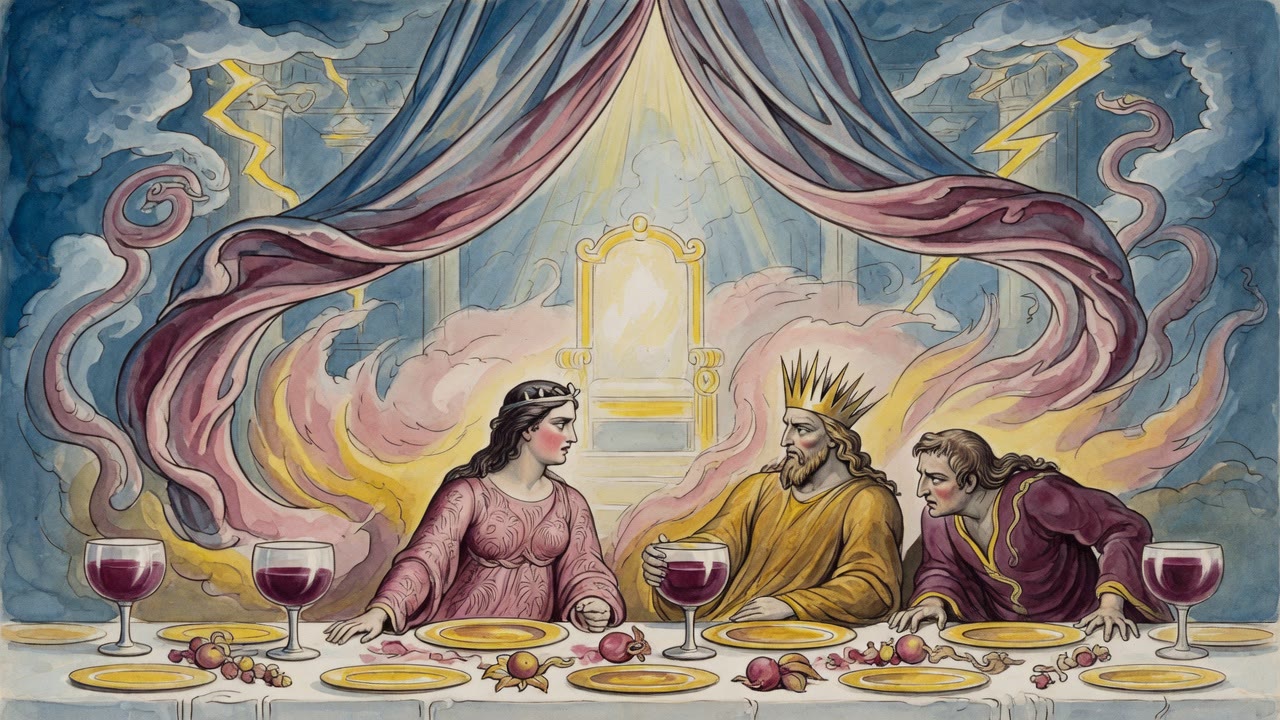
Haman came to the palace that morning for a signature. The gallows for Mordecai already stood in his courtyard, fifty cubits high, visible from half of Shushan. He had the execution planned. He needed the king's hand on it, and he had no reason to think he would be refused.
 Click for full size
Then Ahasuerus asked a question before Haman could speak.
The Question With No Name
"What is to be done to the man whom the king wishes to honor?"
No name in it. Haman filled it with his own. Who else? He had the ring. He had the decree. He was first minister. He said in his heart: Whom would the king delight to honor besides myself?
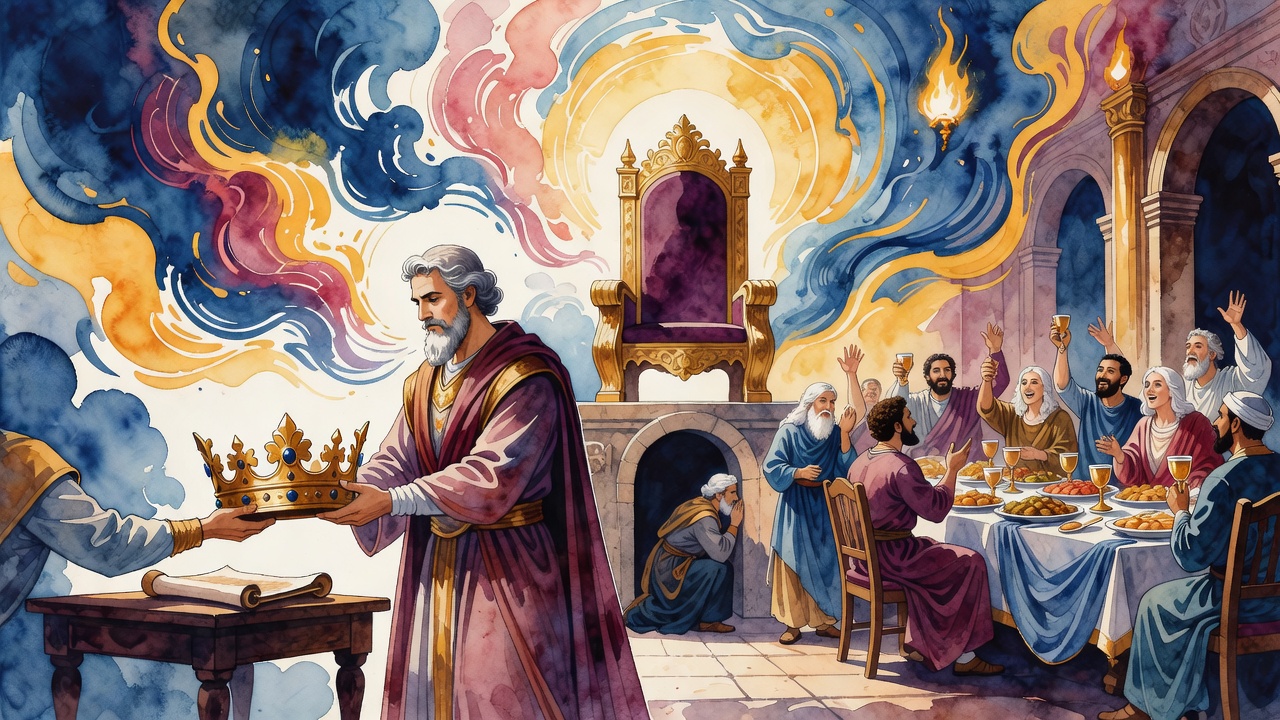
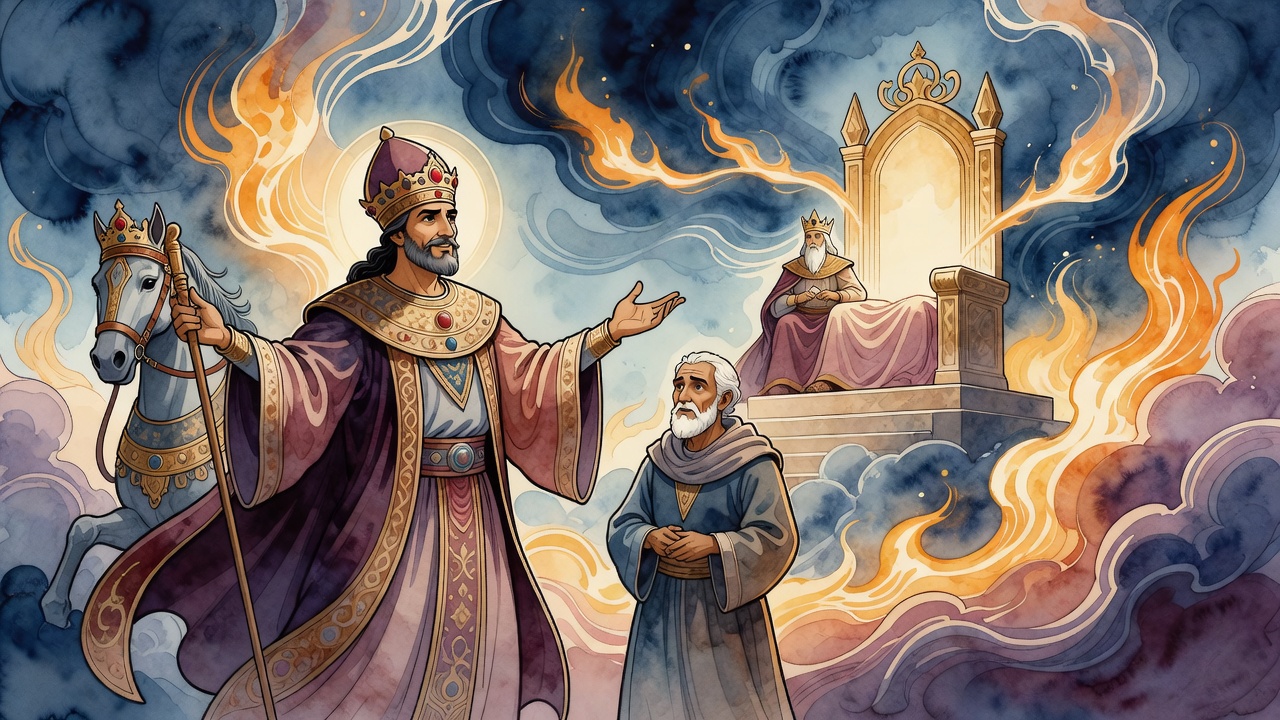
From that assumption he built the answer. Bring the royal robes worn on coronation day. Bring the horse the king himself rode. Set the crown on the man's head. Lead him through the capital with a crier ahead of him, crying that this is what the king does for a man he wishes to honor.
He spoke it as ceremony. He meant it as a rehearsal for himself.
The Color Left the King's Face
He watched Ahasuerus when the word crown left his mouth. Color drained. A flicker of the paranoia that had kept the king awake all night, listening to the chronicles, finding Mordecai's unrewarded loyalty in the old records.
Haman saw the mistake. He buried the crown inside the list. He softened the royal overtones. He tried to make the parade sound like a gift, not a rehearsal for kingship.
Too late. He had shown the king where his imagination lived. Esau had said in his heart that he would kill Jacob. Haman said in his heart that the honor was his. The voice inside ran the man before the king had named anyone.
Do It for Mordecai the Jew
"Hasten," the king said. "Take the robes and the horse. Do everything you have described. Do it for Mordecai the Jew who sits at the king's gate."
Haman went to the treasure chambers with his own list still in his mouth. He fetched a covering of fine purple. A garment of delicate silk with golden bells and pomegranates, worked through with diamonds and pearls. The large golden crown brought from Macedonia on the day Ahasuerus ascended the throne. A sword from Ethiopia. A coat of mail. Two veils embroidered with pearls. Then he walked to the royal stables and led out the black horse the king had ridden at his coronation.
The king had listened to Haman's fantasy and added to it from his own inventory. The ceremony would be grander than Haman had described. Haman would be the one leading the horse.
He Led the Horse Himself
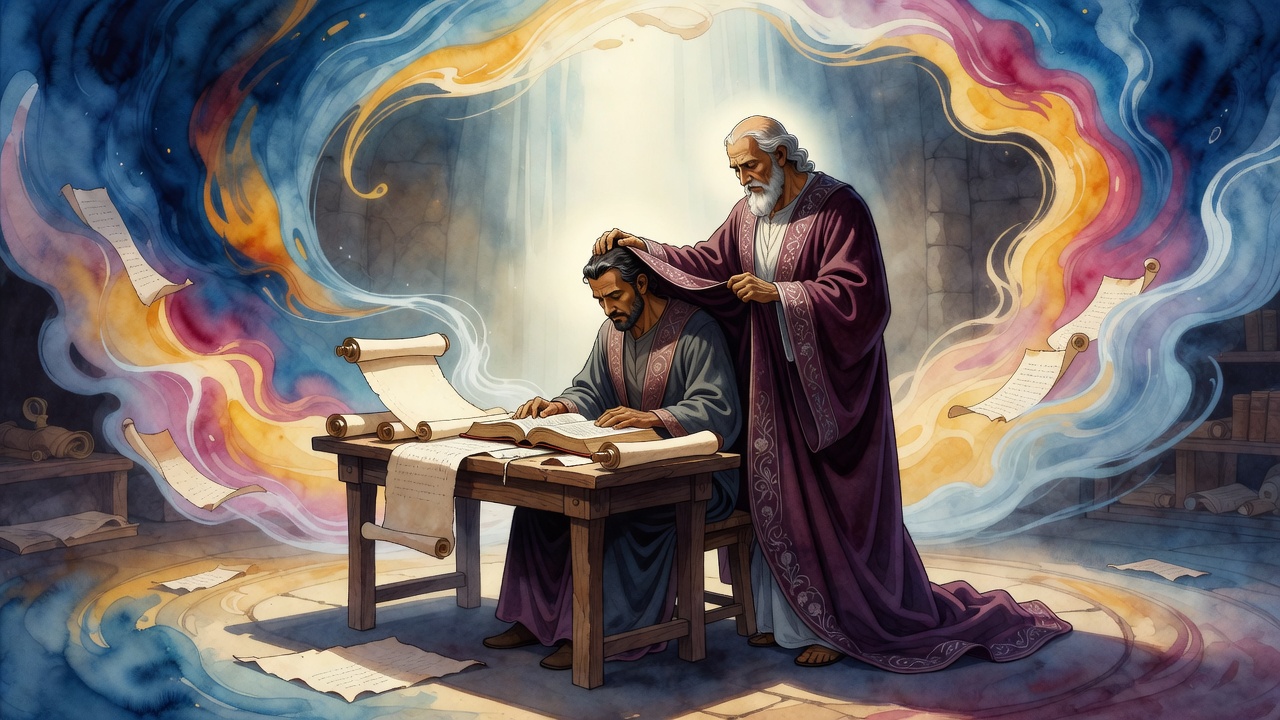
He dressed Mordecai. He set him on the horse. He walked ahead through Shushan and cried the words he had composed for himself.
Mordecai had sat at the gate for months and governed what went on inside him. He had not said in his heart that honor was coming. Hannah had spoken upon her heart. David had spoken to his heart. Haman's heart had spoken him, and now his mouth had to speak Mordecai's name in the street.
People came to the windows. The crier they heard was the first minister. The man on the horse was the Jew from the gate. Haman kept his eyes on the stones. The crown from Macedonia sat on a head he had meant to hang.
The Gallows Still Stood
When the circuit ended he went home. The gallows still stood in the courtyard, fifty cubits, the timber he had measured for a different neck.
He had come that morning to ask for a signature. He had described, in detail, the triumph he wanted. The king had taken the description and pressed it onto the man Haman hated.
Haman shut the courtyard door. The beam above him did not move. It did not need to. It had already heard its true assignment, even if Haman had not.
← All myths