Why Esther Invited Haman to Two Banquets Before Accusing Him
Esther had the king's ear and said nothing. She invited Haman to dinner instead. Then she invited him again. The sages debated her strategy for centuries.
Table of Contents
 Click for full size
The Delay Nobody Could Explain
The moment the king extended his scepter and asked what she wanted, Esther could have answered him. Haman is planning to exterminate your wife and everyone like her. Here is the signed decree. Here is the sum he paid for permission to do it. Act now.
Instead she invited him to dinner.
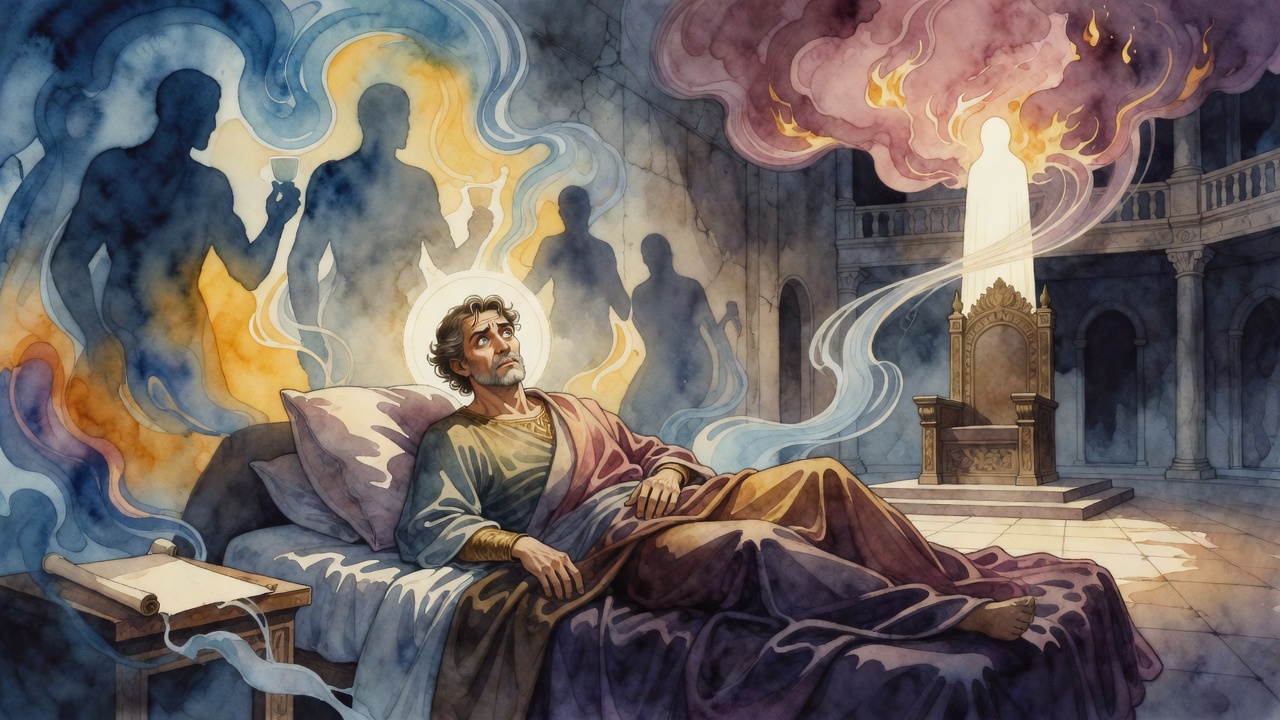
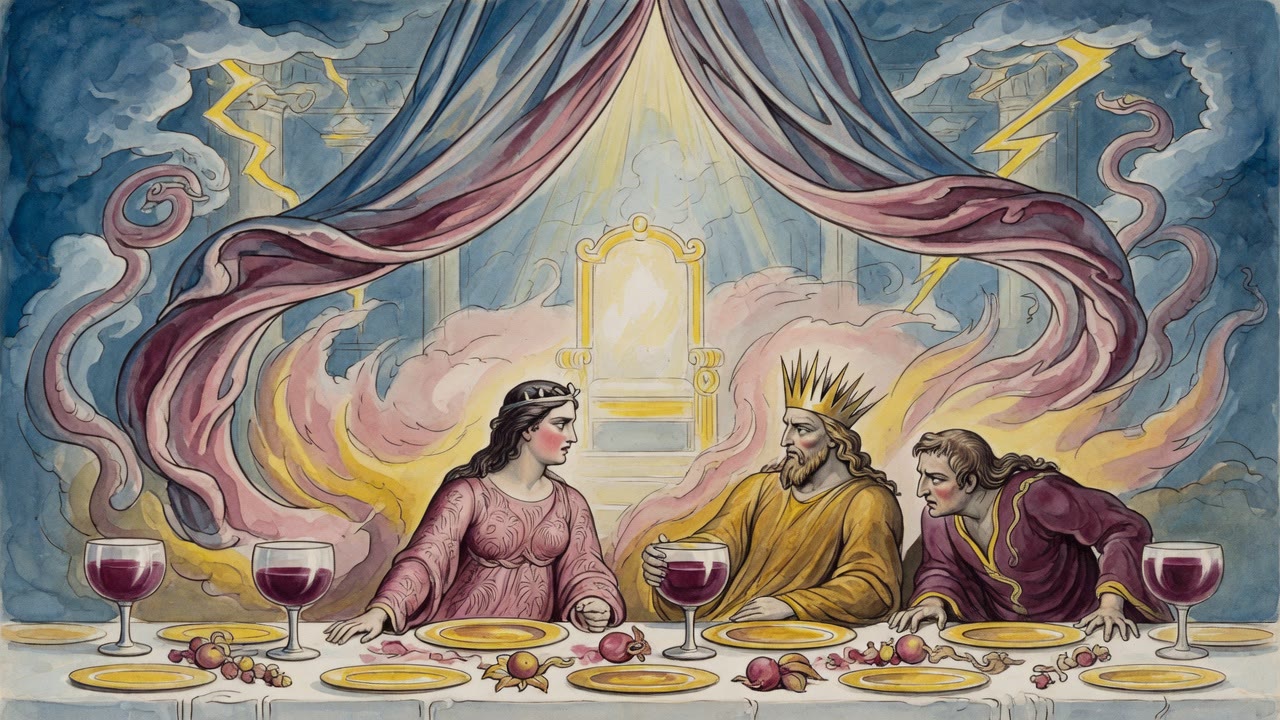
And at dinner, when the king asked again what she wanted, she invited him to a second dinner. And only at the second banquet, after two carefully prepared meals, after hours of treating the man who had signed her death warrant as an honored guest, did she finally speak. The sages found this gap troubling enough to spend considerable attention on it, and what they produced was not a single explanation but a stack of them.
The Tactical Reason
The first explanation the tradition offers is military. She wanted to give Haman a false sense of security. A queen who throws private dinner parties for you does not look like a queen preparing to accuse you of genocide before the king. She needed him relaxed, off his guard, convinced he was winning. She needed him to be exactly the kind of man who would spend the night after a banquet building a gallows for a personal enemy, because that level of overreach would complete the portrait she was painting for the king. Let him strut. Let him be himself. The evidence was accumulating.
Esther Rabbah notes that Haman left the first banquet in a state of visible triumph. He had been invited to an intimate dinner with the king and queen. He saw it as confirmation that he was at the height of his influence. He saw Mordecai at the gate on the way home and the sight nearly destroyed him, but he restrained himself. He went home and began the gallows construction that very night. The tradition reads this as Esther's plan working precisely as intended.
The Spiritual Reason
The second explanation goes deeper into the psychology of prayer. She was waiting for the Jews of Shushan to complete the fast she had called. She had gone to the king before the three days were finished, and she knew it. The full power of communal repentance had not yet reached heaven. She was buying time for her people's prayer to arrive, ensuring that when she finally spoke, the spiritual conditions would be right for her words to land.
The Strategic Reason
A third explanation operates on pure political logic. She did not yet trust the king's reaction. Ahasuerus was not a man of reliable emotional weather. He had destroyed Vashti impulsively. He had signed Haman's decree without careful attention to what it actually said. He could just as easily, in a moment of misplaced loyalty to his favorite minister, turn on Esther for making the accusation. She needed to prepare him before she named names. Two dinners gave her time to establish in his mind exactly how much he valued her, exactly what it would mean if something happened to her, before she told him something was about to happen to her.
What Haman Said in His Heart
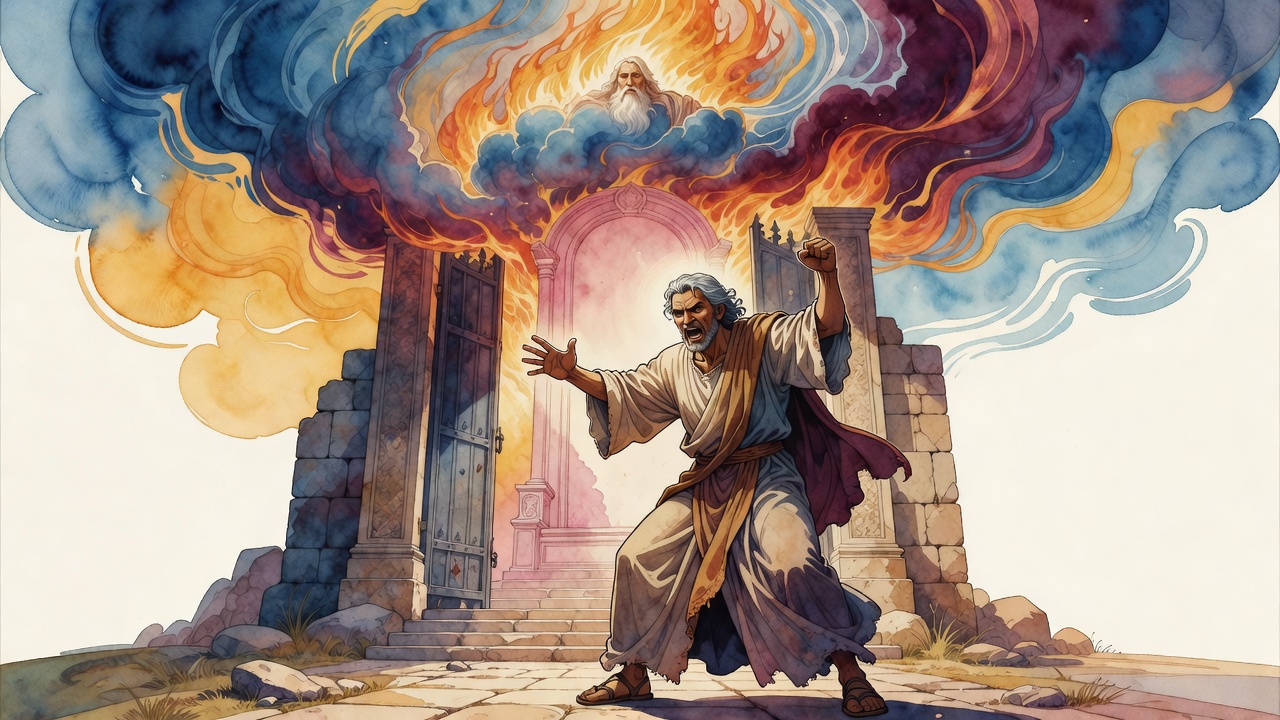
Esther Rabbah pauses on the phrase describing how Haman processed the king's question about honoring a deserving man. It says he said it in his heart. The wicked, the midrash teaches, are controlled by their hearts. They do not govern their inner life; their inner life governs them. Esau said in his heart that he would kill Jacob. Haman said in his heart that the king must mean him. Every villain in the pattern speaks inwardly, and every one is undone by the assumption the inner voice generates. Esther, by contrast, had been governing her own inner life for years. She had concealed her identity. She had timed every move. She had held her purpose in check through two banquets and then released it at the exact right instant.
← All myths