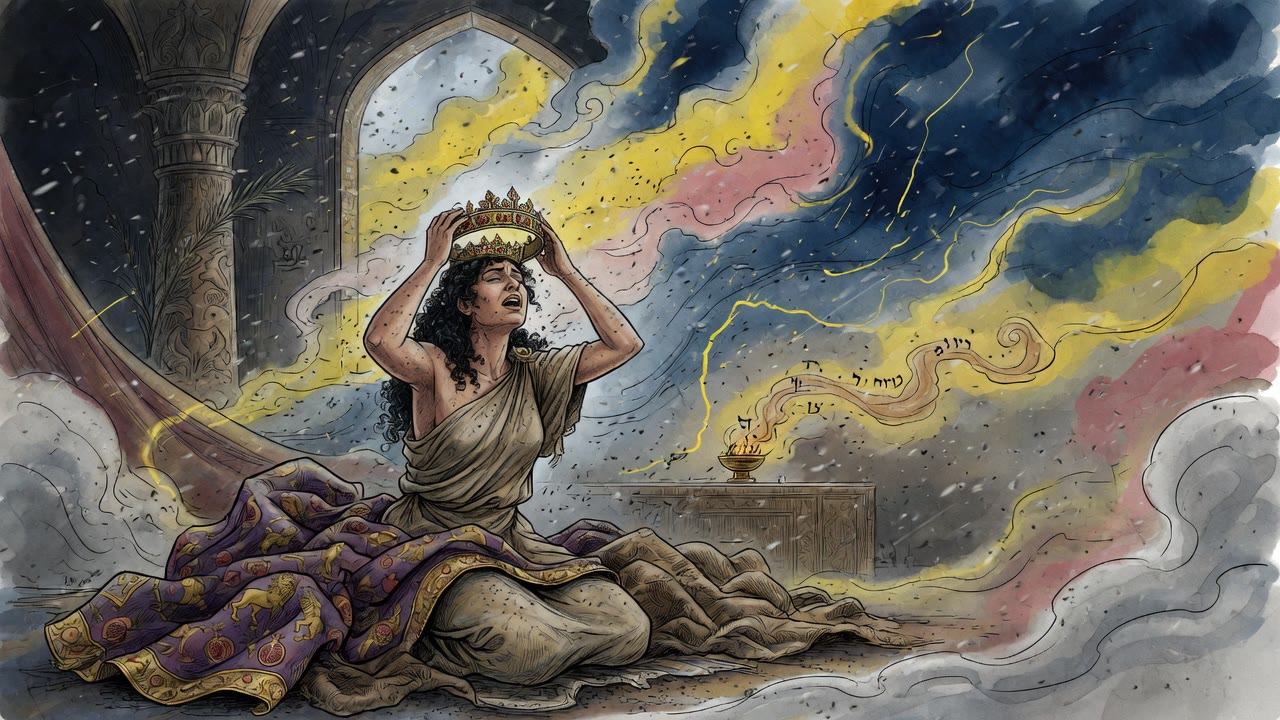
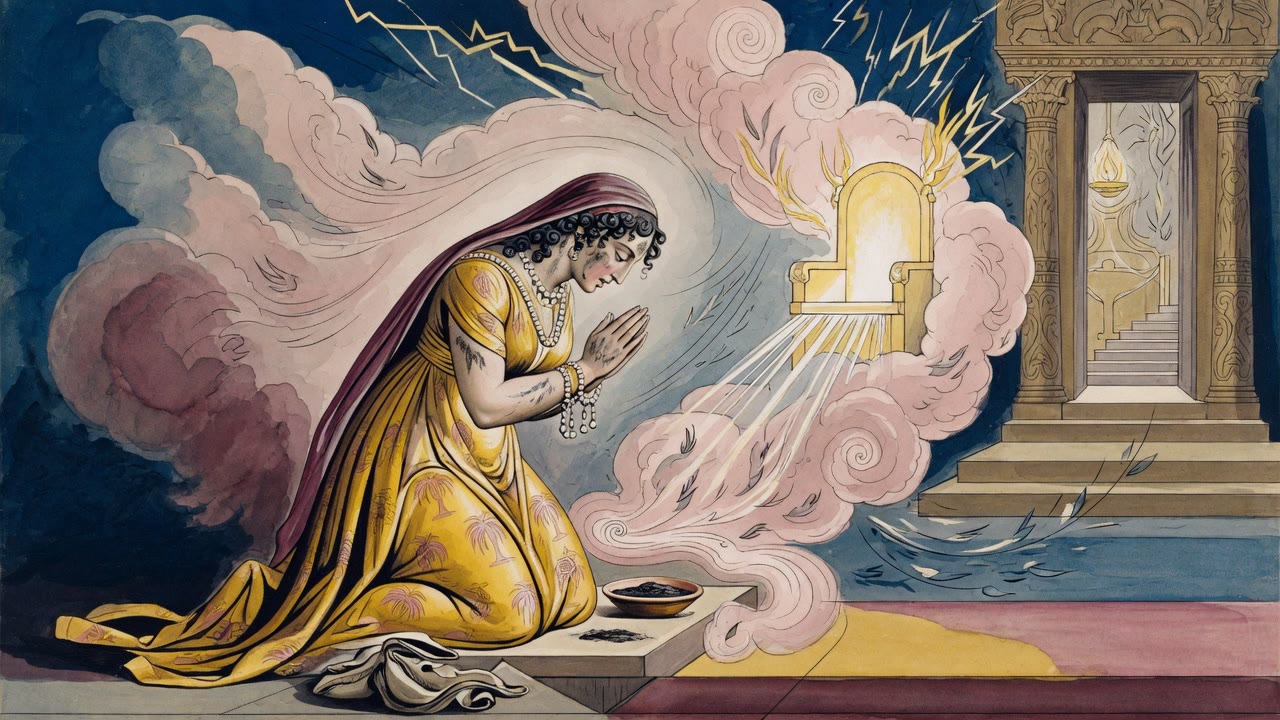
Mordecai Told Israel That They Had No King, No Prophet, No Escape
Mordecai's speech before the fast named every protection that was gone. No king, no prophet, no escape route. Then he asked the people to pray anyway.
Table of Contents
 Click for full size
The Speech That Did Not Comfort
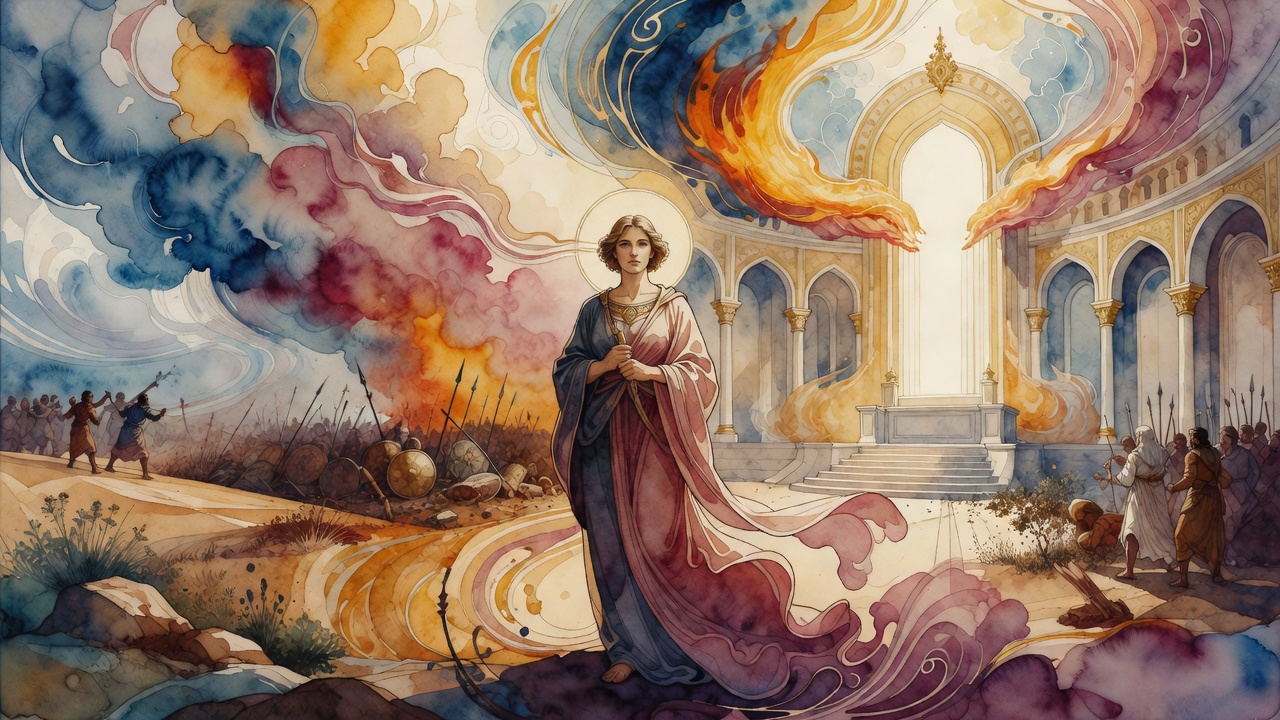
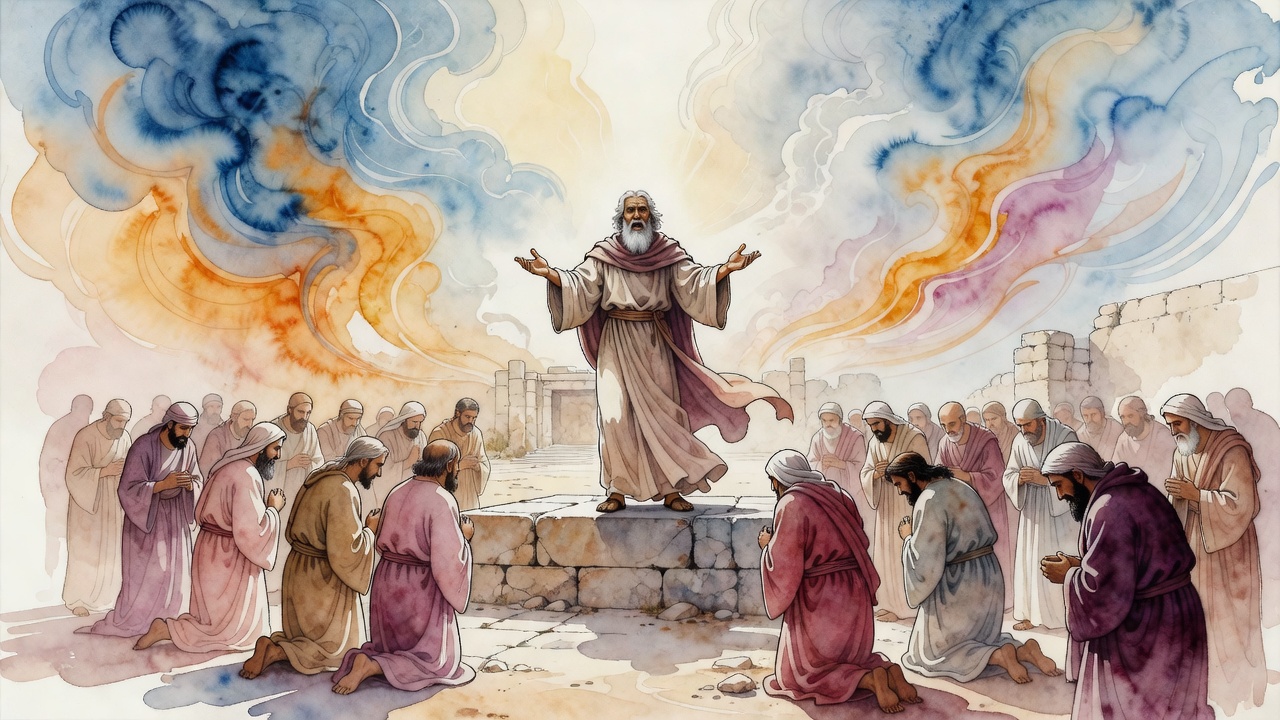
Mordecai stood before the Jewish community of Shushan and did not give them the speech they might have wanted. He did not invoke the Red Sea. He did not remind them of the defeat of Sihon or Og, or the miracles of the wilderness, or the divine fire that had protected the camp in the desert. He did not tell them that God had saved their ancestors in worse situations and would save them again. He told them exactly how bad their situation was.
He called them dear and precious in the sight of their Heavenly Father, and then he told them what their Heavenly Father had not yet provided. He addressed the assembly not with reassurance but with an inventory.
The Missing King
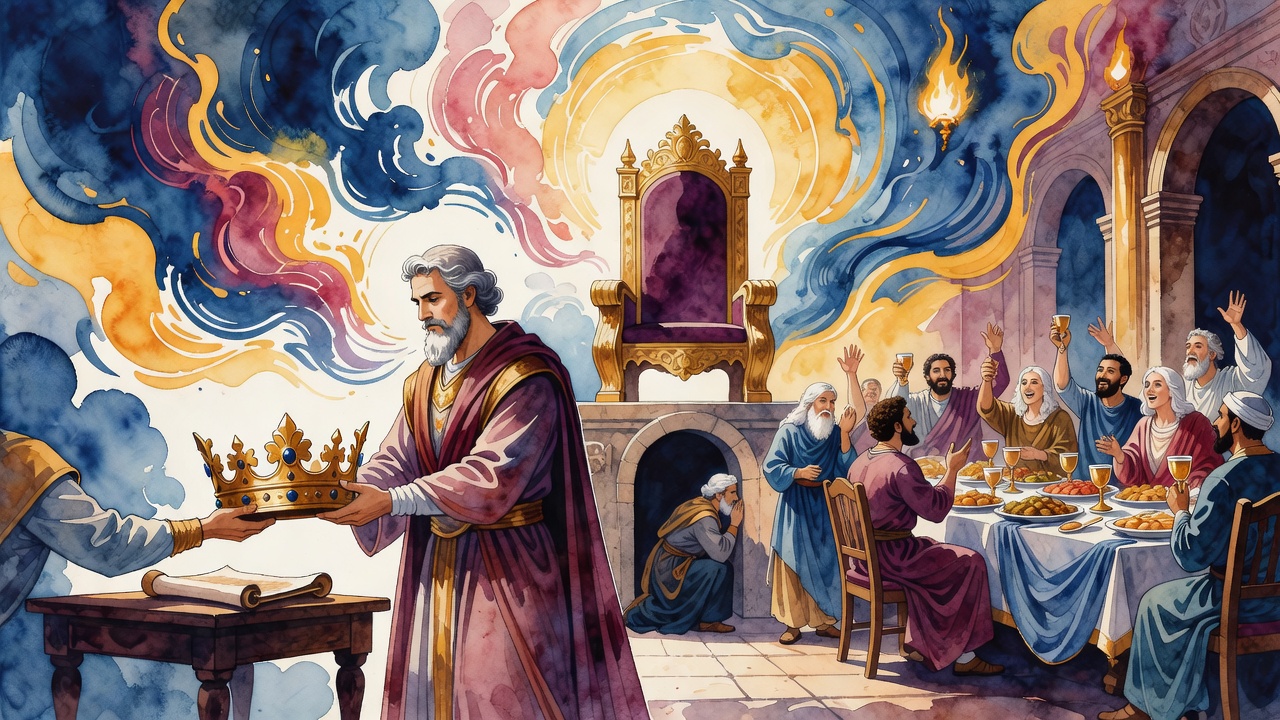
There was no king who would advocate for them in Ahasuerus's court. This was the specific and immediate problem. They had a queen inside the palace, but Esther had not yet acted and had not yet been told to act. They had Mordecai himself, who had saved the king's life and received no reward. They did not have a monarch of their own, a king of Judah or Israel, a ruler who could walk into the throne room as an equal and represent the interests of his people the way sovereign power represents sovereign power.
The last king of Judah had gone to Babylon in chains. His descendants were scattered. The Davidic dynasty had no throne. The people Mordecai was addressing were subjects of a foreign empire with no political standing of their own, dependent on the goodwill of a king whose ring had just sealed their death warrant.
The Missing Prophet
There was no prophet. The prophetic age had ended with Malachi, and the ending had been conclusive. The direct channel through which a word from heaven could arrive in historical time, through which a figure like Moses or Isaiah or Jeremiah could receive instruction and relay it to the people with divine authority, was closed. Mordecai could not say, as his ancestors had been able to say in crisis: thus says the Lord. He could not point to a man or a woman who had received a vision that described what was coming and what to do about it.
Prayer would reach heaven. But the answer would not come back as prophecy. It would come back as event, as the gradual turning of circumstances in a direction that required faith to recognize as divine, because no prophetic voice would announce it clearly before it arrived or explain it fully after it was complete.
Nowhere to Run
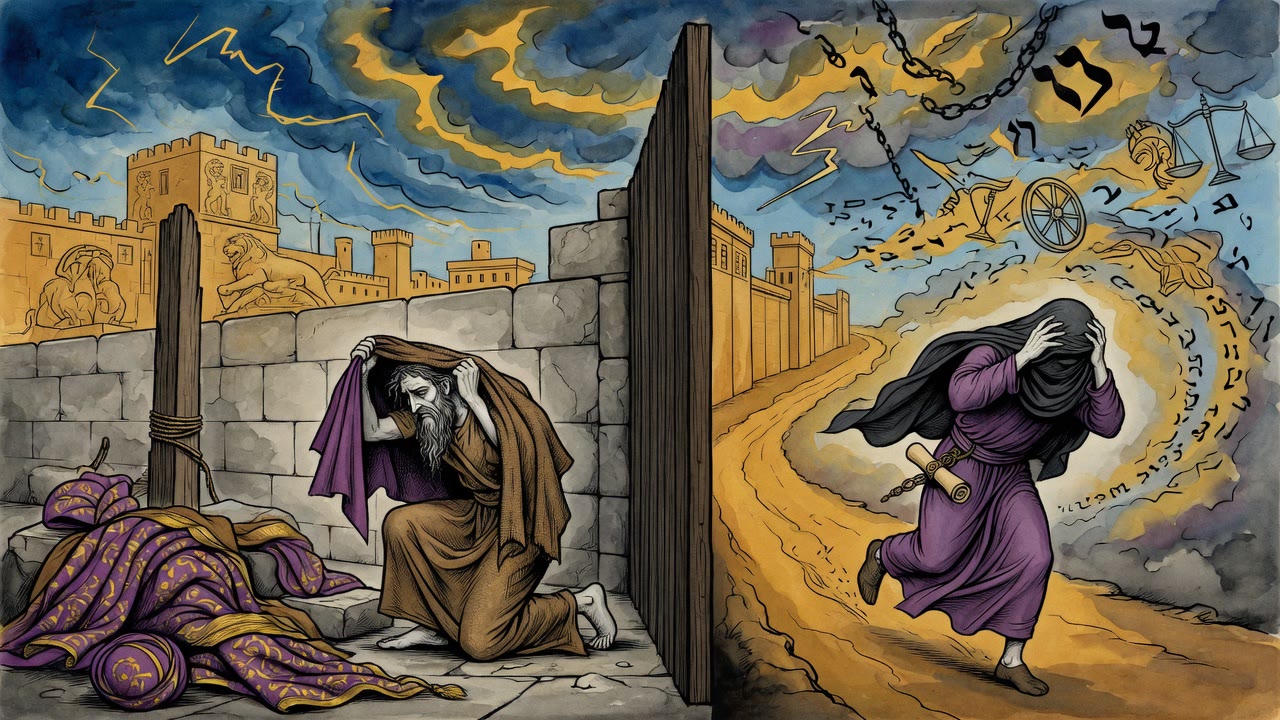
Then Mordecai named the geography. The Persian empire under Ahasuerus covered a hundred and twenty-seven provinces. There was no territory beyond its borders where a Jew in flight would find safety from a decree issued in the name of the king of Persia and Media. Every road led back into the empire. Every port, every caravan route, every direction available to a person trying to escape the decree, ended in a province where the edict had arrived and where the local authorities had been authorized to carry it out.
This was not hyperbole. It was geography. There was nowhere to go. The people Mordecai was addressing had no exit available to them and he told them so directly, because the prayer he was about to ask for required them to understand that they were not asking for divine assistance as a supplement to human alternatives they had not yet tried. They had no alternatives. They were asking because there was nothing else to do.
What He Asked For Anyway
Having named the missing king, the missing prophet, and the missing escape route, Mordecai asked them to pray. To fast for three days. To bend their petition toward the One who remained present even when the institutional channels for reaching him were closed, even when the conventional forms of rescue were unavailable, even when the situation presented no opening through which a human plan could operate.
The prayer he was requesting was not the prayer of a people with options. It was the prayer of a people with nothing. And the tradition teaches that this kind of prayer is the most powerful kind available, because it arrives at heaven stripped of every alternative, carrying only its own weight, making no argument except the argument that the people praying have no one else to ask.
← All myths