Michael and Gabriel Carried Mordecai's Words to Esther
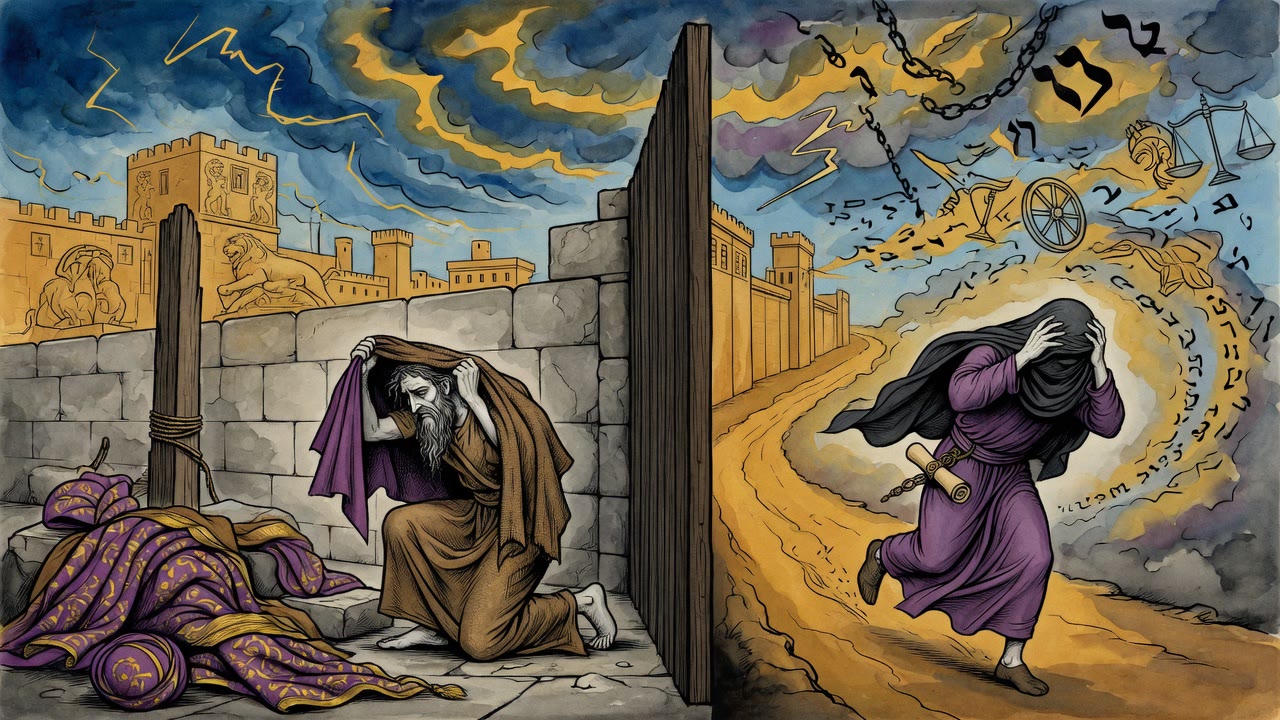
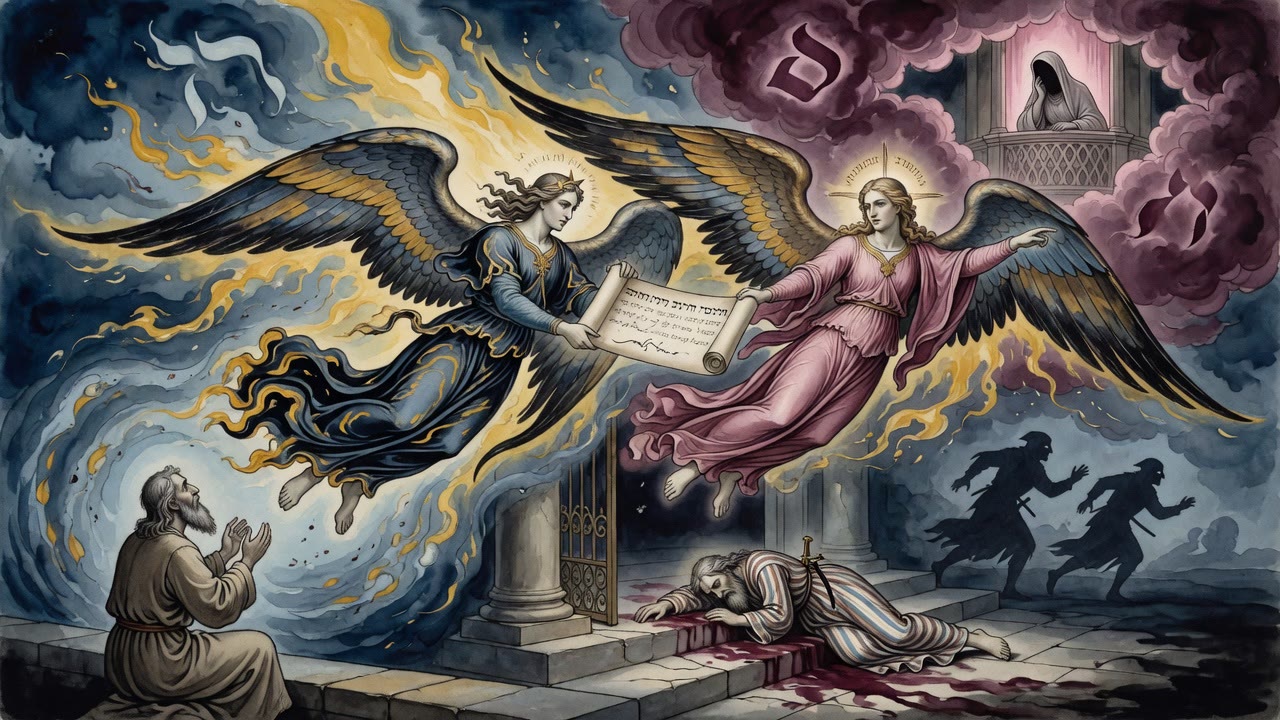
Haman had Hathach killed to cut off Mordecai and Esther. God replaced their go-between with Michael and Gabriel.
Table of Contents
 Click for full size
The Line That Was Cut
Haman was thorough. He understood that the man at the gate and the queen in the inner palace were together more dangerous than either was alone, and he had identified the link between them: Hathach, the trusted servant who carried messages in both directions. With Hathach gone, Mordecai had no way to reach Esther inside the sealed world of the court, and Esther had no way to know what Mordecai knew about what was coming.
Haman killed Hathach. The line went dead.
What he did not calculate was that God has couriers of His own.
Who Took Hathach's Place
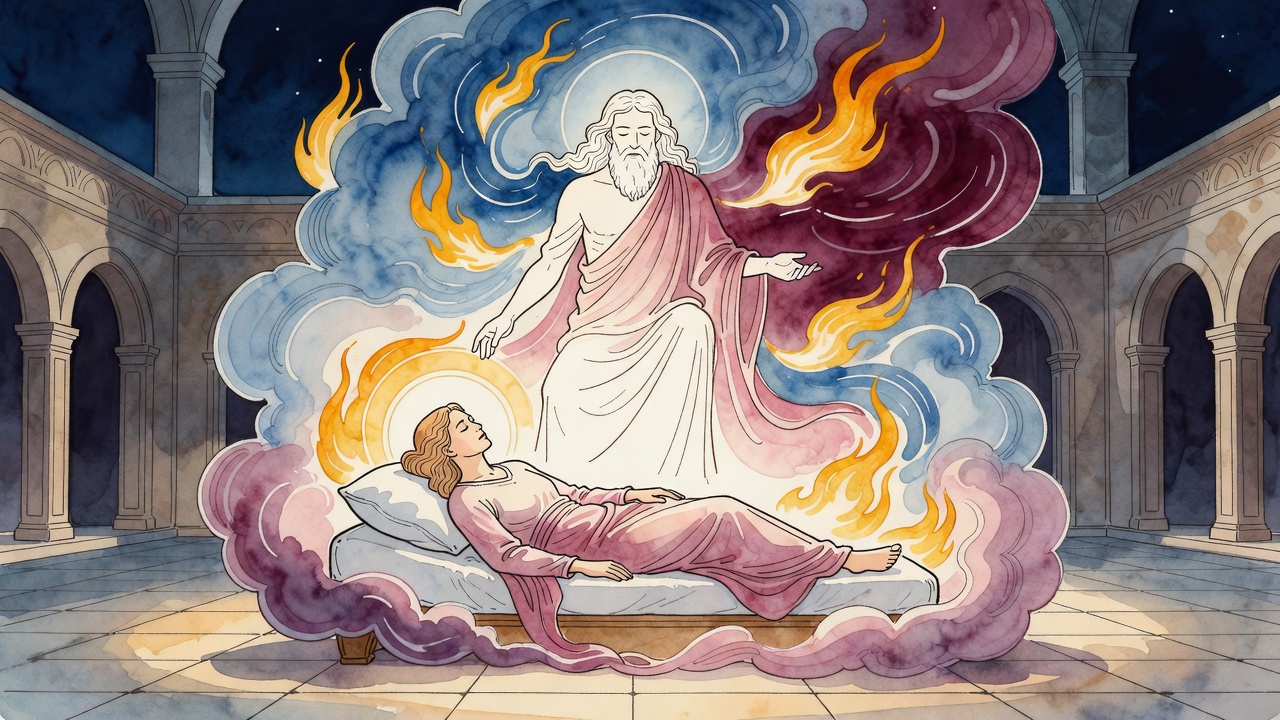
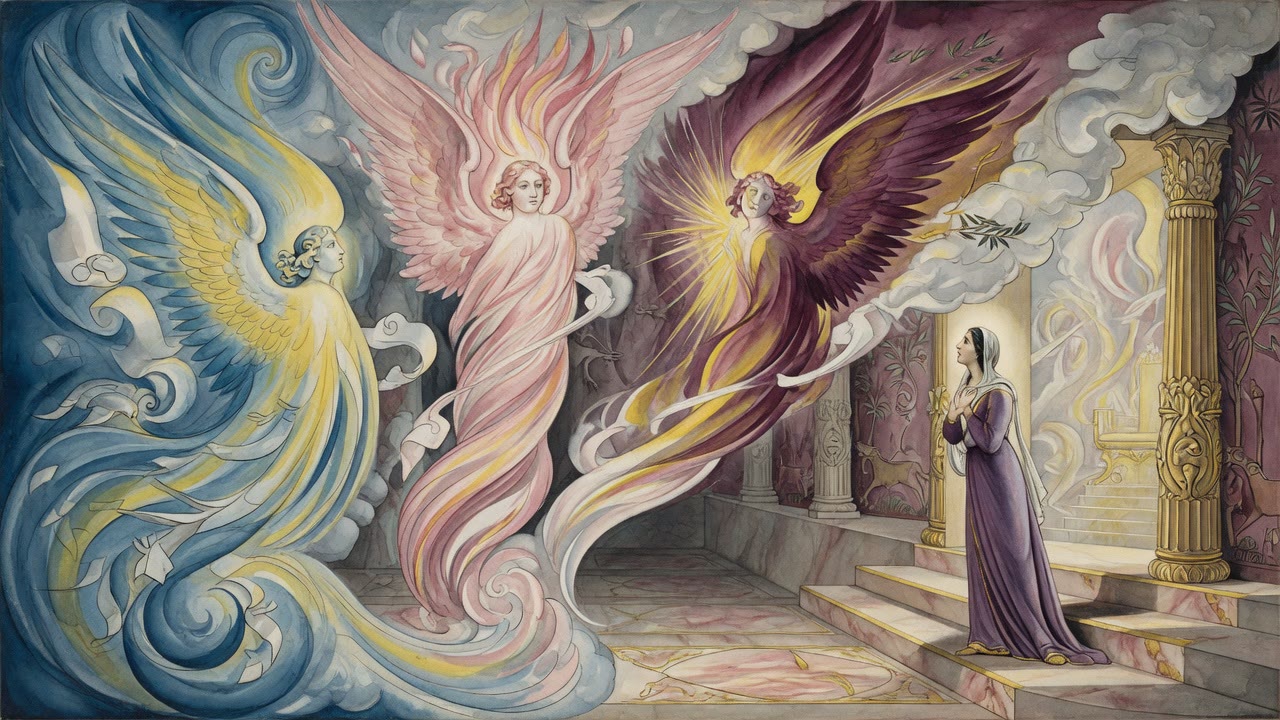
The tradition records the replacements without ceremony, as if the assignment of archangels to royal messenger duty were an unremarkable administrative matter: Michael and Gabriel, the two greatest angels in the heavenly court, took up the task. The man at the gate could reach the queen in the palace after all. The intelligence network had simply moved to a higher plane of operation.
The message Gabriel carried was not soft. Mordecai was not writing to comfort his niece or reassure her that things would probably work out. He told her the truth in full. She could not remain hidden inside her royalty. She could not calculate that staying quiet was the safer option. If she let this moment pass, she would have to answer for it before the heavenly court, not a human judge, not a Persian magistrate, but before God. And beyond that obligation, there was a cold piece of information she needed to hear: if she did nothing, relief would come for the Jews from some other direction. But she herself would be destroyed, along with her father's house. The choice was not between action and safety. It was between action and extinction.
The Message Back
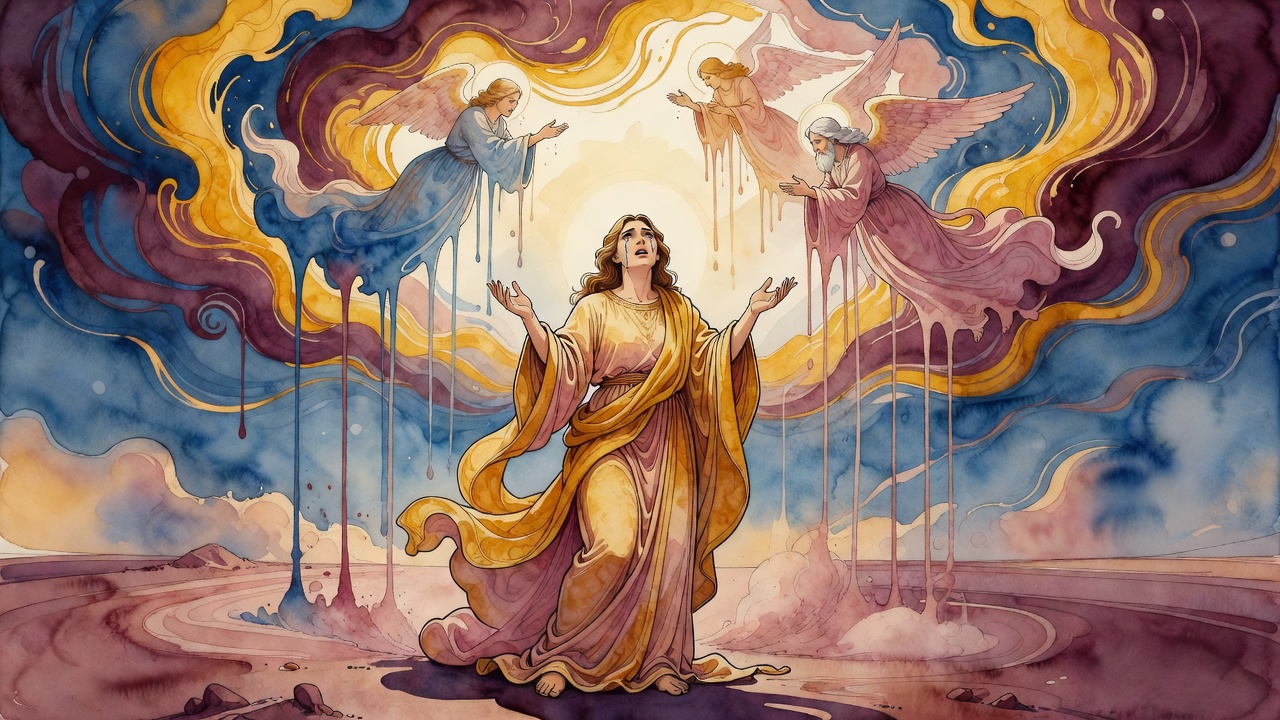
Esther's reply, carried by the same divine messengers, was equally direct. She was not going to pretend the risk was manageable. She named it precisely: approaching the king unsummoned was punishable by death, and the king had not called for her in thirty days. The court had mechanisms, and those mechanisms were exact. She was not performing modesty when she catalogued the danger. She was telling Mordecai what he was actually asking her to do.
And then she agreed to do it. After the community fasted three days, she would go to the king. And if I perish, I perish.
The Word That Marks the Doomed
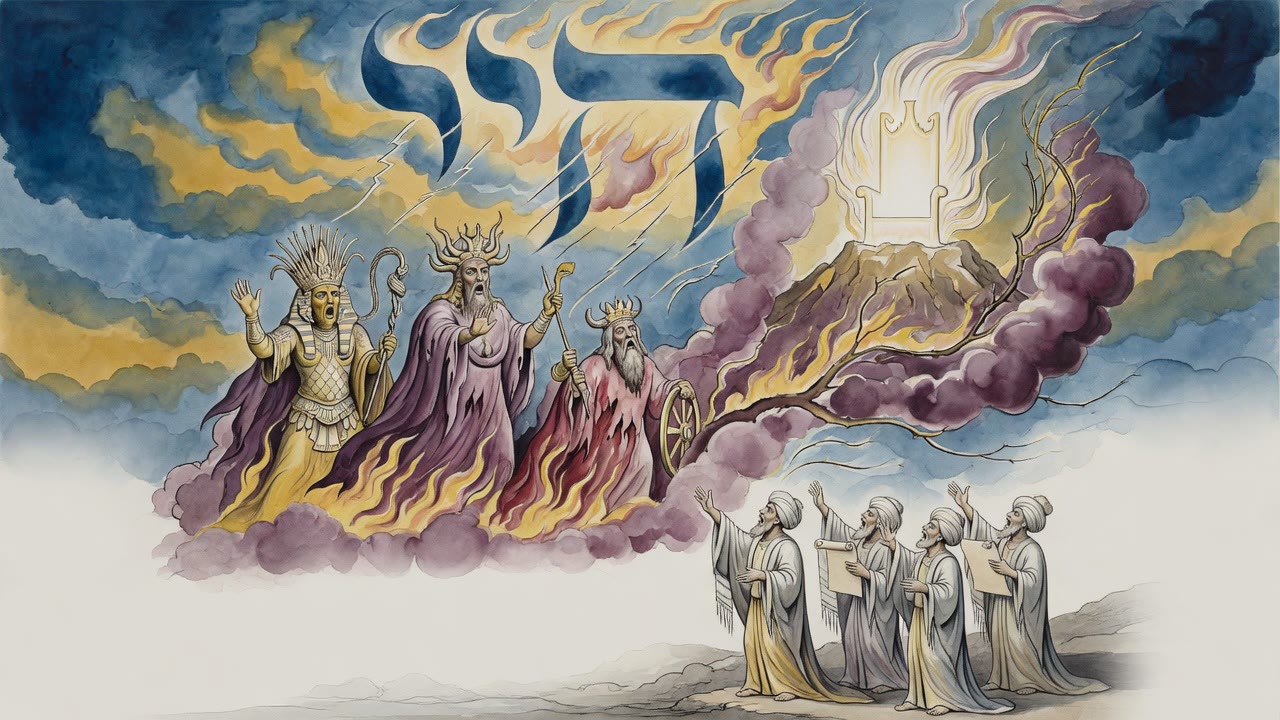
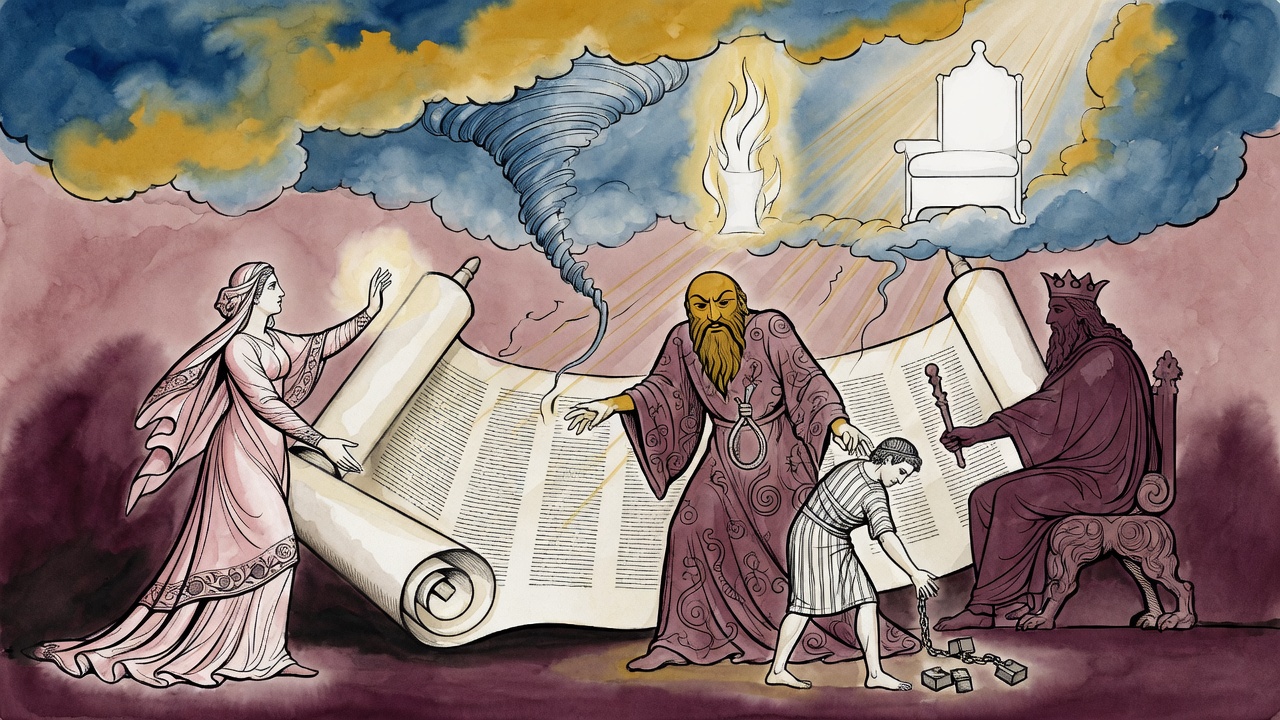
Esther Rabbah fastens on a detail of language that connects the Purim story to a much longer pattern. Haman had boasted to his wife and friends: Also, Queen Esther gave a feast and besides the king she did not bring anyone but me. The word he used was af, meaning also or even, with overtones of anger. The midrash traces a chain of four figures who used this same word and were destroyed by it: the serpent in the garden, the Egyptian baker, the congregation of Korah, and Haman. The word marked each of them at the moment of their overreach, and in each case the same quality that made them say it was the quality that undid them.
← All myths