Mordecai Stood at the Gate and Argued With God
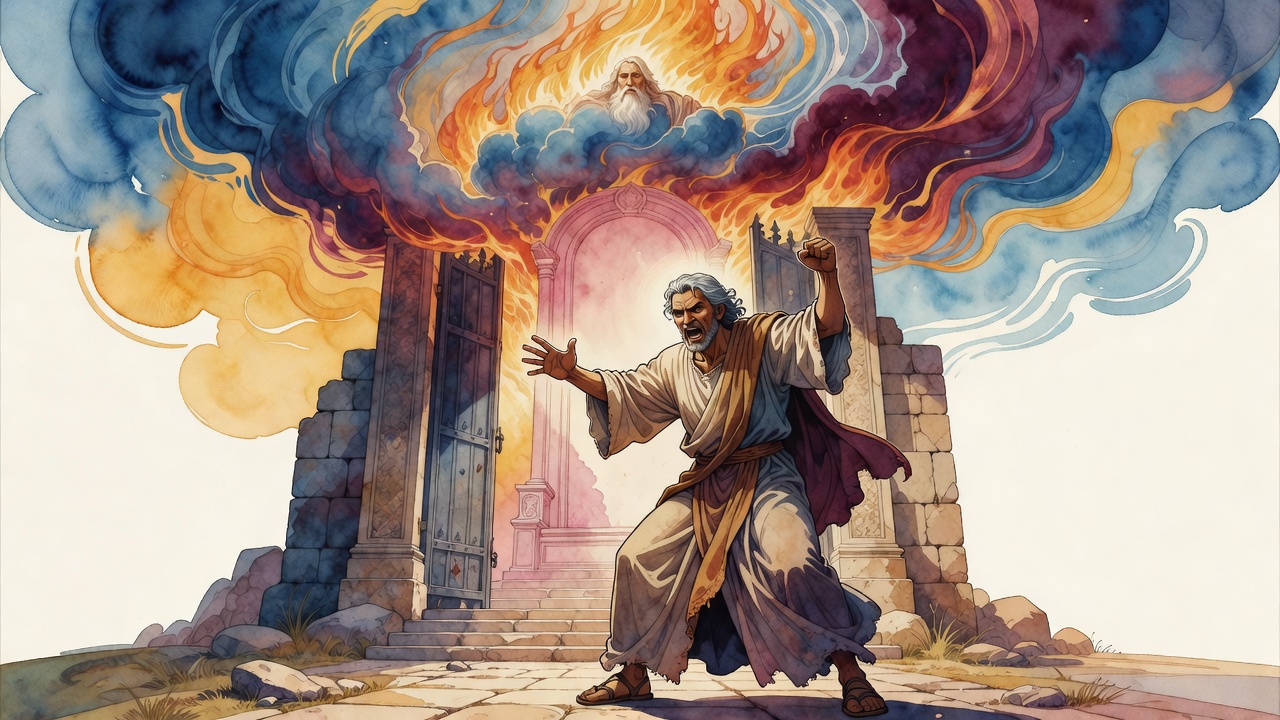
When the decree went out, Mordecai did not weep quietly. He pressed the covenant like a creditor, demanding God answer for the oath sworn to the patriarchs.
 Click for full size
The Charge He Brought
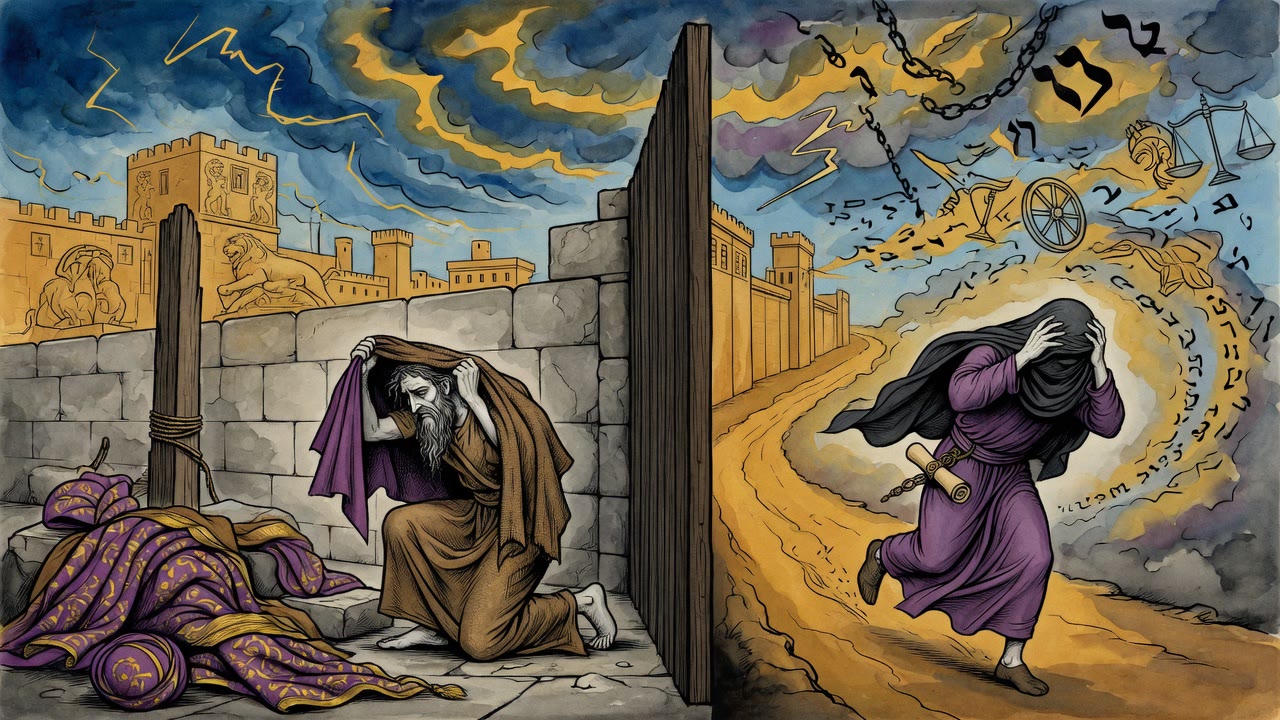
Mordecai tore his garments at the palace gate and did something that would have looked, to any passerby, like a man undone by grief. But grief was not what he was doing. He was filing a case.
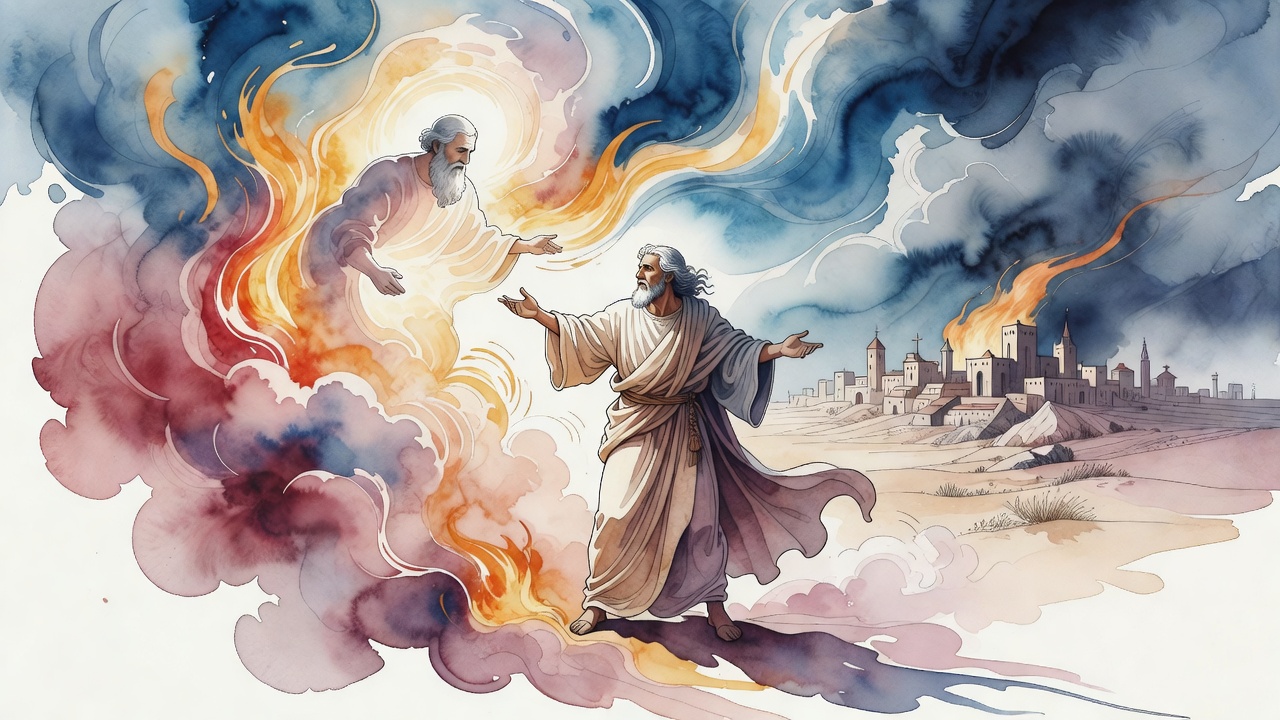
He pressed God directly, using the language of obligation. O Lord of the world, he said, did You not swear to our fathers to make us as numerous as the stars in heaven? And now we stand as sheep in a slaughterhouse. What has become of Your oath?
This was not impiety. The tradition of direct argument before heaven runs from Abraham bargaining over Sodom through Moses interceding after the golden calf through Jeremiah questioning the justice of the wicked. The covenant, in this tradition, creates mutual obligations. If God made binding promises, those promises could be invoked, pressed, even challenged. Mordecai knew this and used it.
The Esau Problem
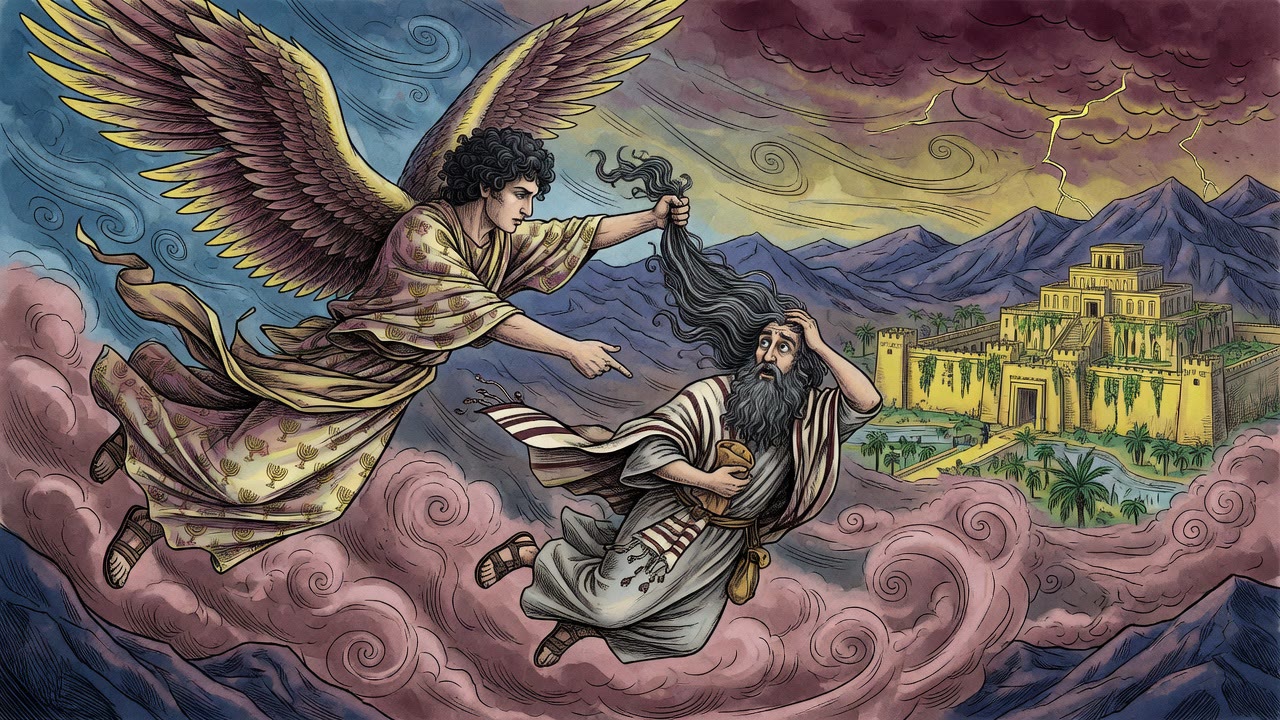
Part of what made the situation so theologically painful was its ancestry. Haman the Agagite descended from Agag, king of Amalek, who descended from Esau. And Esau's grievance against the house of Jacob was ancient and specific. Bereshit Rabbah preserves a reading of the word that describes Esau's hatred after Jacob stole his blessing: it was not merely anger. It was accumulated, encoded, passed down through generations. Haman was not just a bureaucrat with a grudge. He was the latest vessel of a hatred that had been simmering since the tent of blind Isaac.
Mordecai knew this lineage. He stood in a moment where the ancient hatred between the house of Esau and the house of Jacob had finally crystallized into a royal decree with a date on it. And he took the case to the only court with jurisdiction over history.
The Cry From Heaven
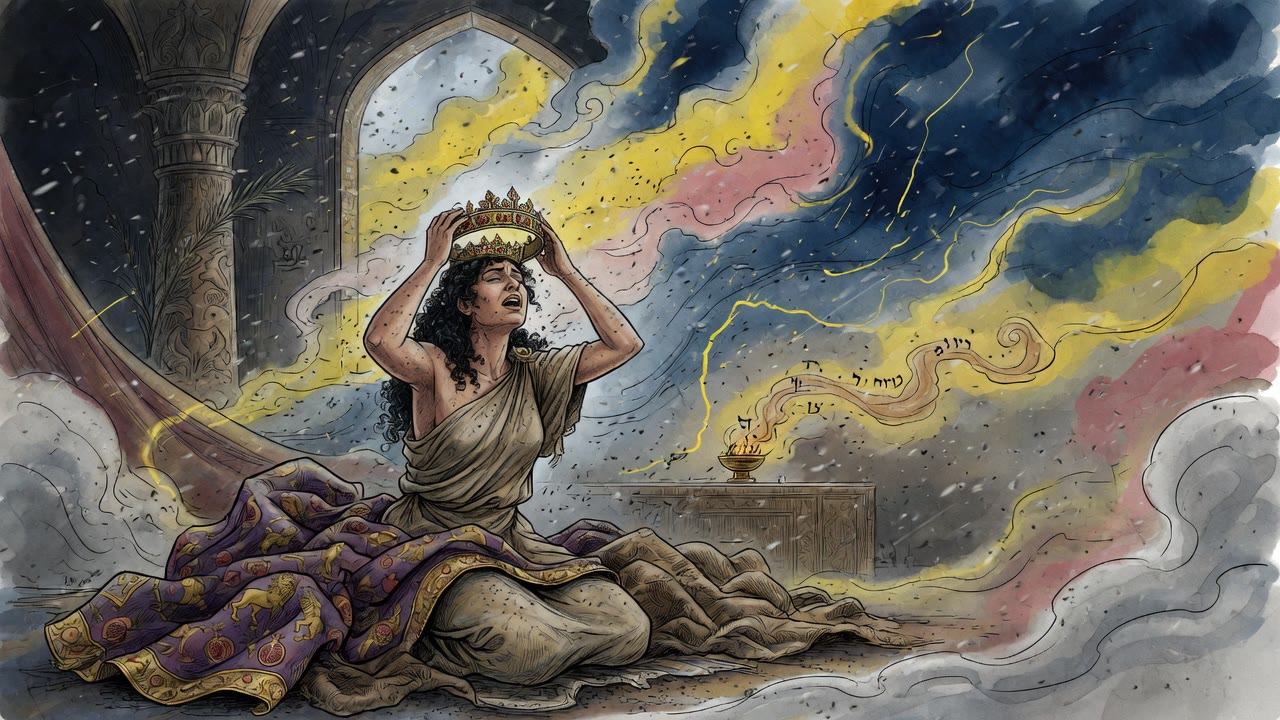
The mystical sources go further than the rabbinic ones. The Tikkunei Zohar, in its forty-fifth section, speaks of a moment when God cries out, not in anger but in anguish, over the condition of Israel in exile. The cry is not passive. It stirs divine mercy toward the Shekhinah, the divine presence that accompanies Israel into every exile. What Mordecai's prayer was doing on earth, something was echoing in heaven: a recognition of the fracture, a stirring toward repair.
This is the mystical logic the Zohar places behind the Purim story. The decree was not only a Persian political event. It was a moment of cosmic instability, a test of whether the covenantal relationship between God and Israel could hold in conditions of maximum pressure. Mordecai's argument at the gate was participating in something that was simultaneously happening above him.
What He Said About Esther
After exhausting the covenant argument, Mordecai shifted ground. He told God that he had done everything he could at the human level. He had mourned. He had fasted. He had prayed. He had raised Esther and sent her into the palace for exactly this purpose. If help was going to come, it had to come from somewhere. The fires of Gehenna were lit and ready, the tradition records, and Mordecai was asking God directly whether Israel would walk into them or whether the oath made at Sinai was going to mean something in Persia.
← All myths