Mordecai Called the Fast Using Nineveh as the Standard
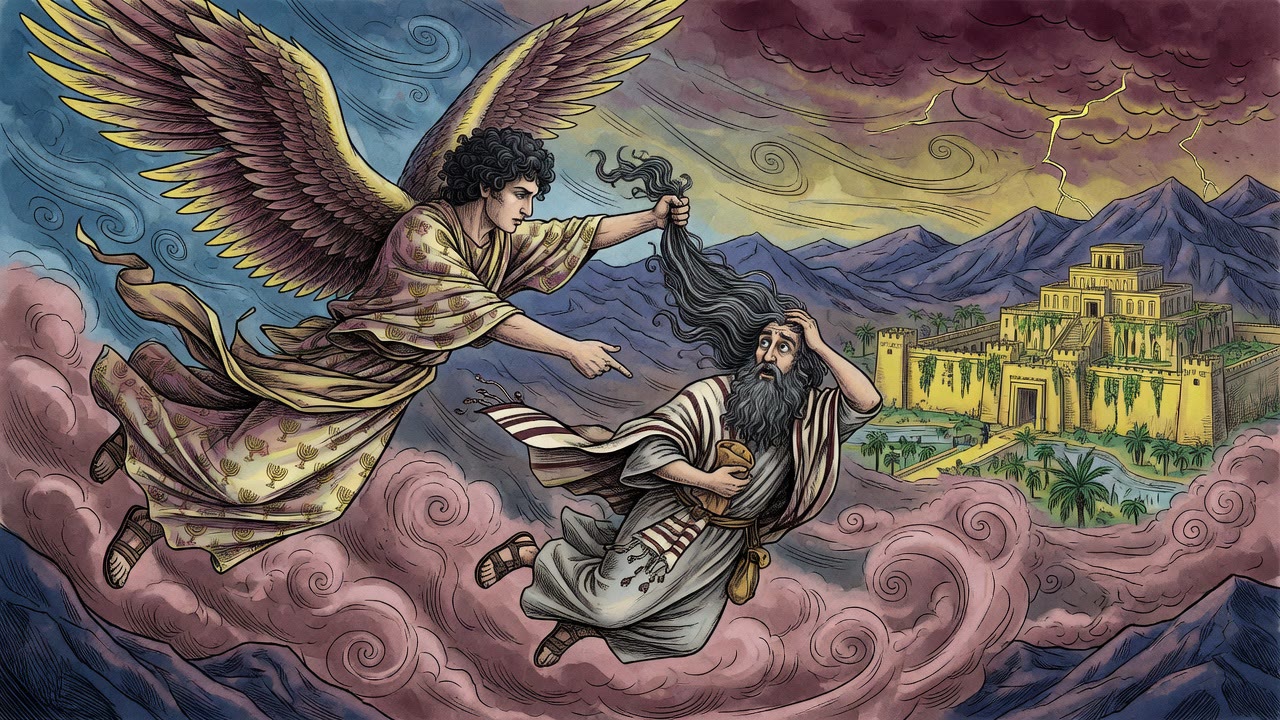
When Mordecai called the three-day fast, he did not cite a Jewish precedent. He held up Nineveh as the model for what complete repentance looked like.
Table of Contents
When Mordecai called the Jewish community of Shushan to a three-day fast, he did not cite the precedent of Moses on Sinai or Elijah at Horeb or any of the great Jewish moments of prayer and fasting. He cited Nineveh.
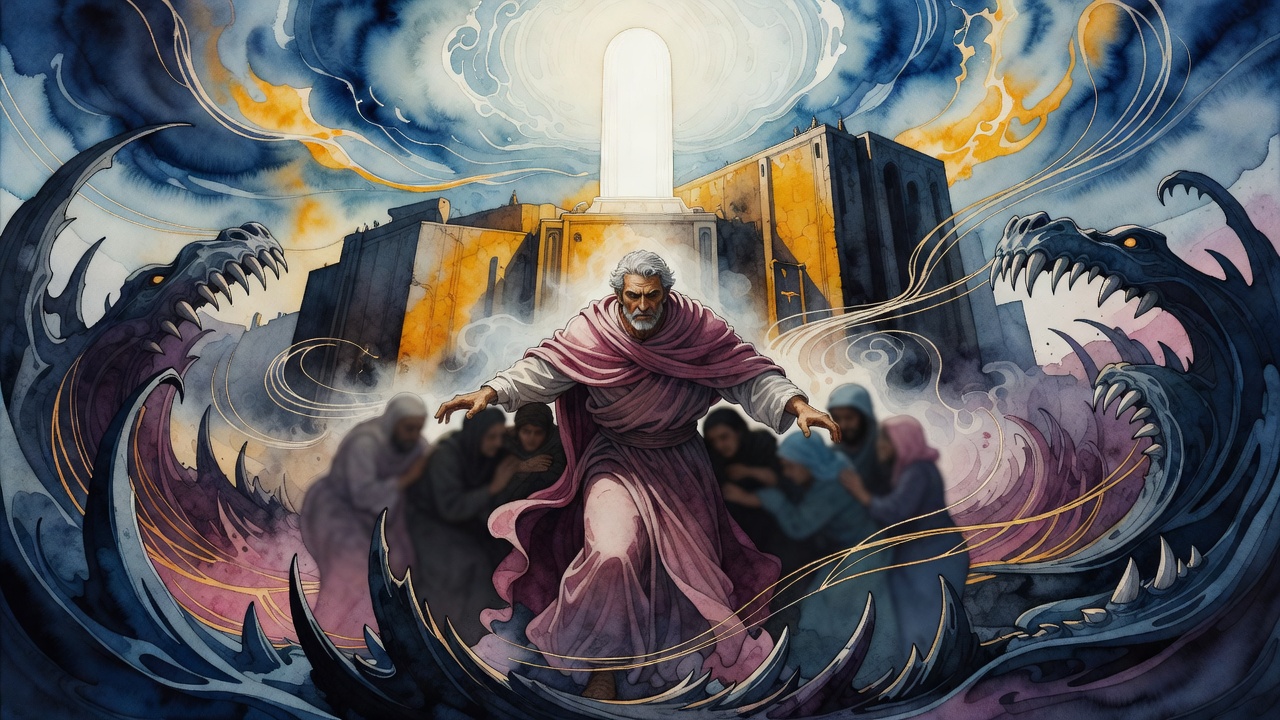
This is the choice that demands attention. Nineveh was the capital of Assyria, the empire that had destroyed the Northern Kingdom of Israel in 722 BCE and carried ten tribes into a diaspora from which they never returned. Nineveh was not a friend to the Jewish people. It was not even a neutral party. And yet when Mordecai needed a model for what genuine repentance looked like, a repentance deep enough to move heaven, that is the city he held up before the community of Shushan.
The Speech Mordecai Delivered
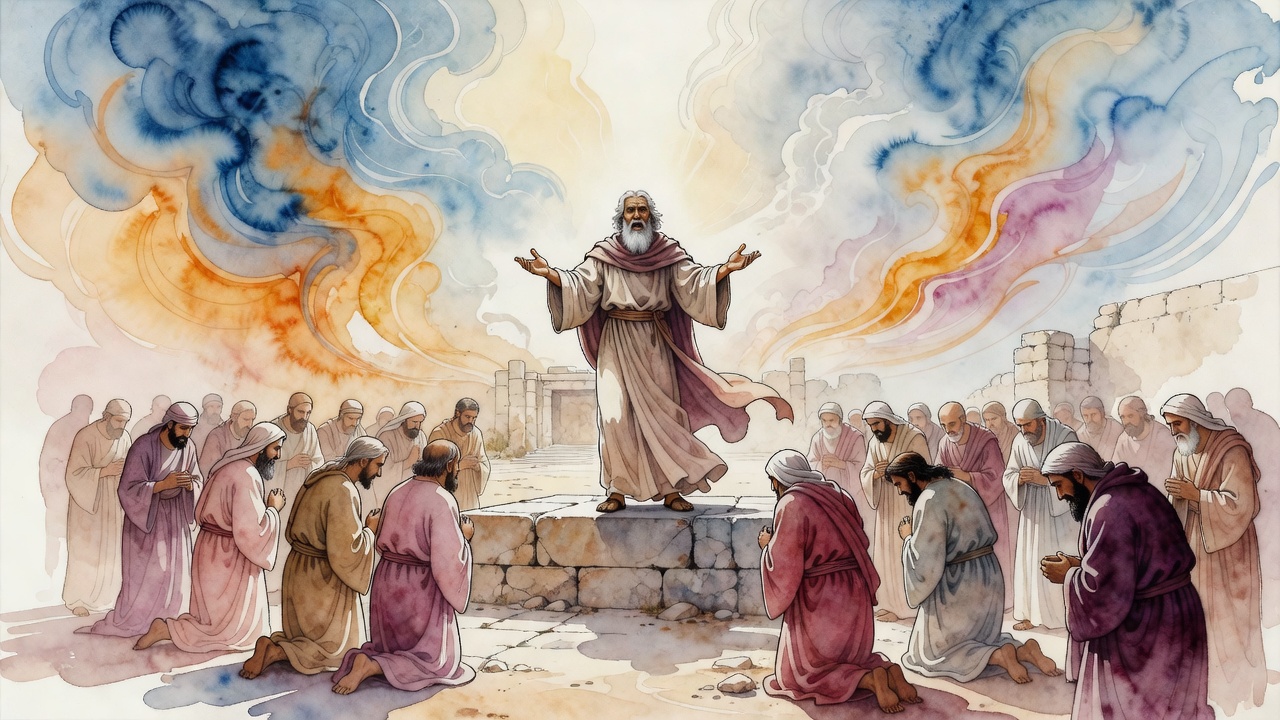
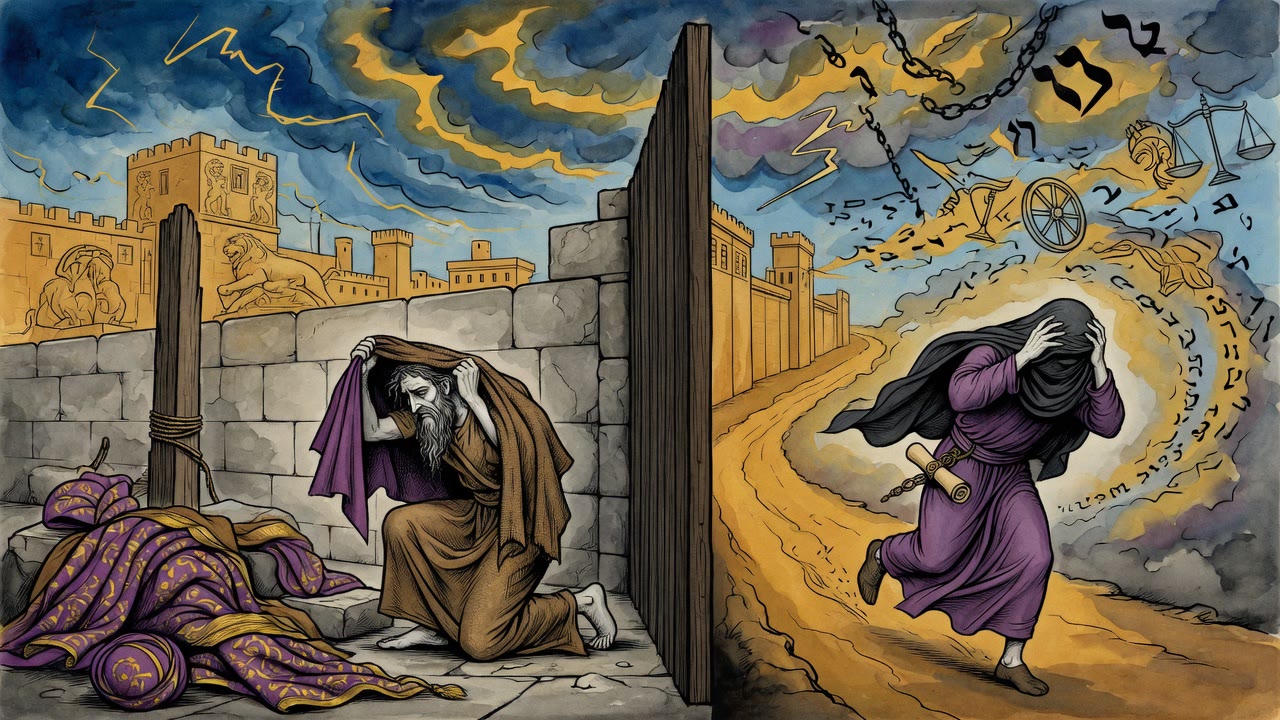
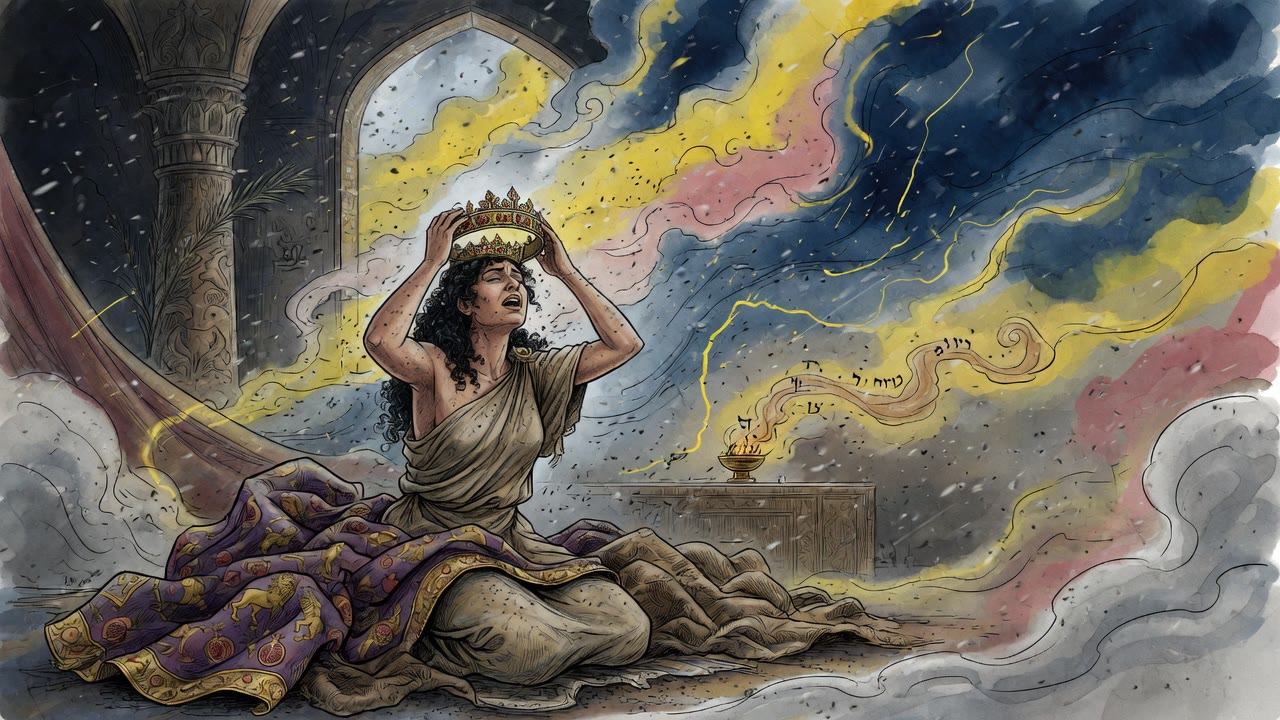
The account in Legends of the Jews, compiled by Louis Ginzberg between 1909 and 1938, preserves Mordecai's speech in detail, drawing from Midrash Rabbah and related fifth-century sources. Mordecai quoted the Book of Jonah almost verbatim (Jonah 3:6-9): the king of Nineveh arose from his throne, removed his crown, covered himself with sackcloth, and sat in ashes. He decreed that neither human nor animal would eat or drink. Everyone would be covered with sackcloth. Everyone would cry out to God. And the decree ended with the essential phrase, the element Mordecai most wanted his audience to hear: let every person turn from their evil way and from the violence in their hands.
Mordecai then added his own coda: mayhap God will have mercy upon us. Not certainly. Not He will save us. Perhaps. If they do what Nineveh did, if they undertake the same complete and unguarded turning, perhaps God will relent.
What a Fast Actually Requires
The Ginzberg compilation understands this not as a simple call to prayer but as a precise instruction in what a fast means when the stakes are total. The Ninevite fast was not the absence of food accompanied by private contrition. It was the king stepping down from his throne. Animals in sackcloth. The entire social order, from the palace to the stable, acknowledging collectively that something had gone fundamentally wrong and needed to be corrected, not adjusted, not managed, but corrected at the root.
The Talmud Bavli, tractate Taanit from the sixth century CE, is unsparing about this distinction. Fasting without moral change, the rabbis ruled, is theater. A community that gives up bread for three days but does not examine its conduct has not fasted. It has dieted. The fast Mordecai called was specifically tied to the behavioral drift that had made the crisis possible in the first place.
Why Nineveh and Not Moses
The question of why Mordecai reached for Nineveh rather than a Jewish precedent is one the tradition takes seriously. Pirkei DeRabbi Eliezer, the eighth-century midrash, offers a reading: the Ninevite repentance was unusual in that it came from a city with no covenant, no prior relationship with God, no accumulated merit to draw on. Nineveh repented from zero. There was no inheritance of faithfulness to lean on, no ancestral goodwill to invoke, no Exodus to call as a witness that God had been patient before and might be patient again. They repented as if everything depended on the sincerity of this single act, because for them it did.
Mordecai was telling the community of Shushan that this is the kind of repentance required now. Not the repentance of people with a long relationship to call on. The repentance of people who had spent years at Ahasuerus's banquets and needed to return as if from a great distance.
What Changed in Three Days
Sifre, the third-century CE tannaitic midrash, discusses the structure of communal repentance in ways that illuminate what Mordecai was asking. The fast was not, strictly speaking, a legal obligation under the circumstances Shushan faced. Mordecai called it anyway, because the tradition understood that the legal minimum and the actual requirement of the moment are not always the same thing. The legal minimum, prayer without fasting, might have been sufficient. What Mordecai called was something beyond the minimum, a complete turning of the community, all its attention in one direction, in the manner of Nineveh, where even the animals were included because even the animals represented the weight of Nineveh's life standing before God for judgment.
What actually changed in the three days of the Shushan fast, what inner turning occurred in the community, the tradition does not record in detail. Midrash Tanchuma, compiled in the fifth century CE, suggests that genuine teshuvah, genuine turning, is not always visible from the outside. What is visible are its effects.
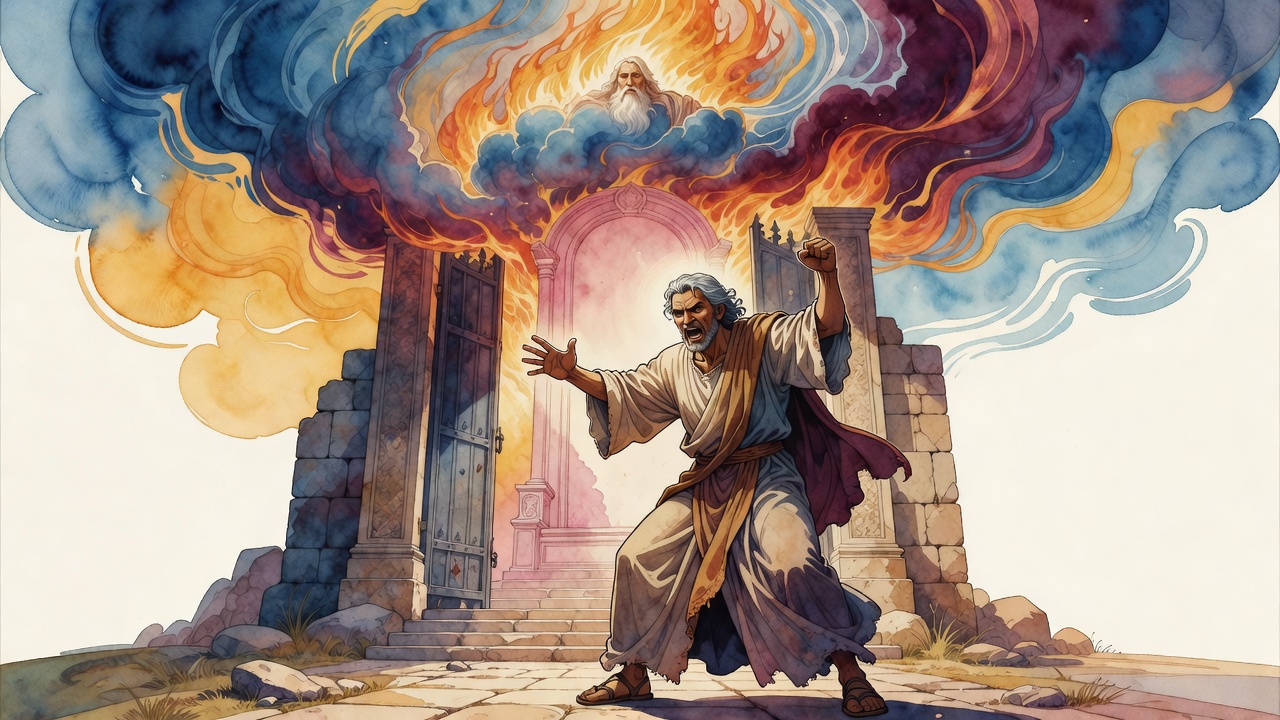
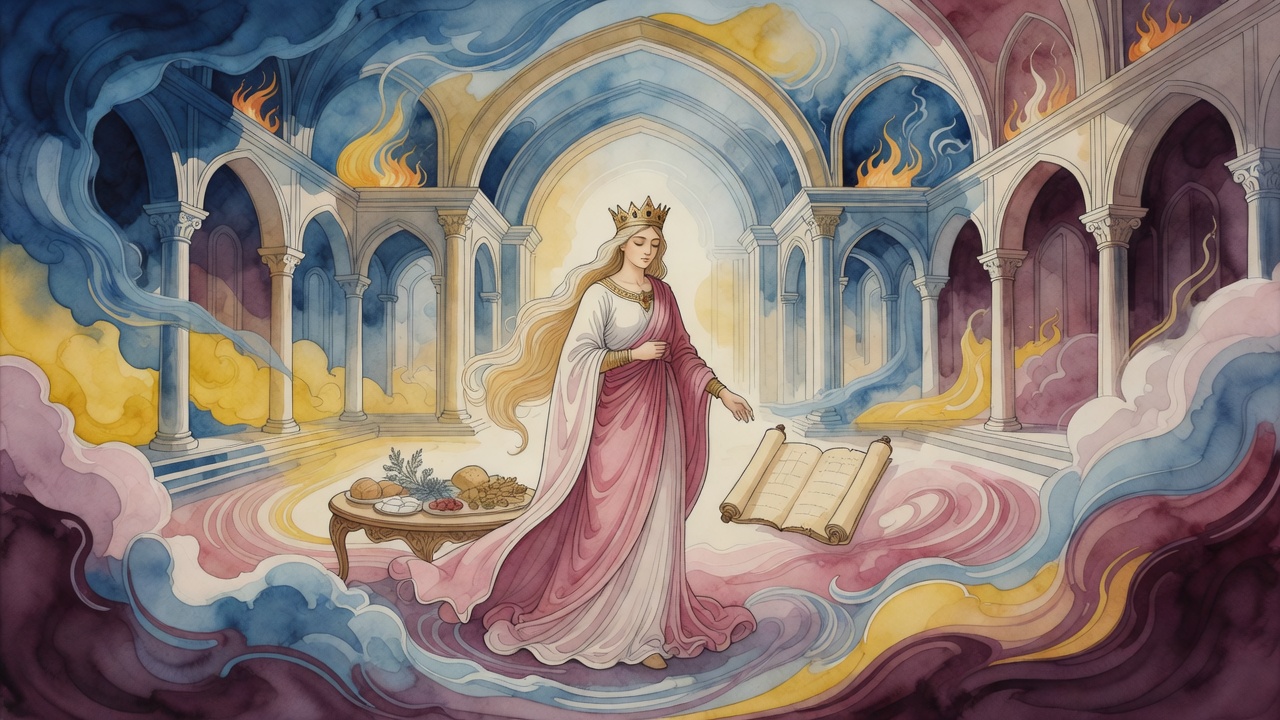
On the third day, Esther dressed in her royal garments and walked into the king's court uninvited. Approaching the king without being summoned was punishable by death. She walked in anyway. The king extended his golden scepter.
The Midrash Tanchuma, compiled in the fifth century CE, reads the moment Esther crossed the threshold as the culmination of the community's fast. Her individual courage was real. But the fast was communal, and the tradition insists that communal turning creates a kind of weight in the balance of heaven that individual prayer cannot produce alone. Mordecai had organized the whole community precisely because Nineveh had not saved itself through the prayer of one person, even the most righteous. The king of Nineveh came down from his throne. Every resident of the city put on sackcloth. The animals fasted. The scale was total. Mordecai wanted the same totality in Shushan.
The tradition does not present this as a coincidence. Mordecai had invoked Nineveh because Nineveh showed what it looked like when a people turned completely, when nothing was held back, when the king came down from his throne and every person in the city faced the same direction at once. Shushan fasted for three days. And then the woman who had been an orphan, a hidden Jew in a foreign palace, walked toward the throne that could have killed her and found the scepter already moving toward her hand.