123 myths · Page 2 of 5
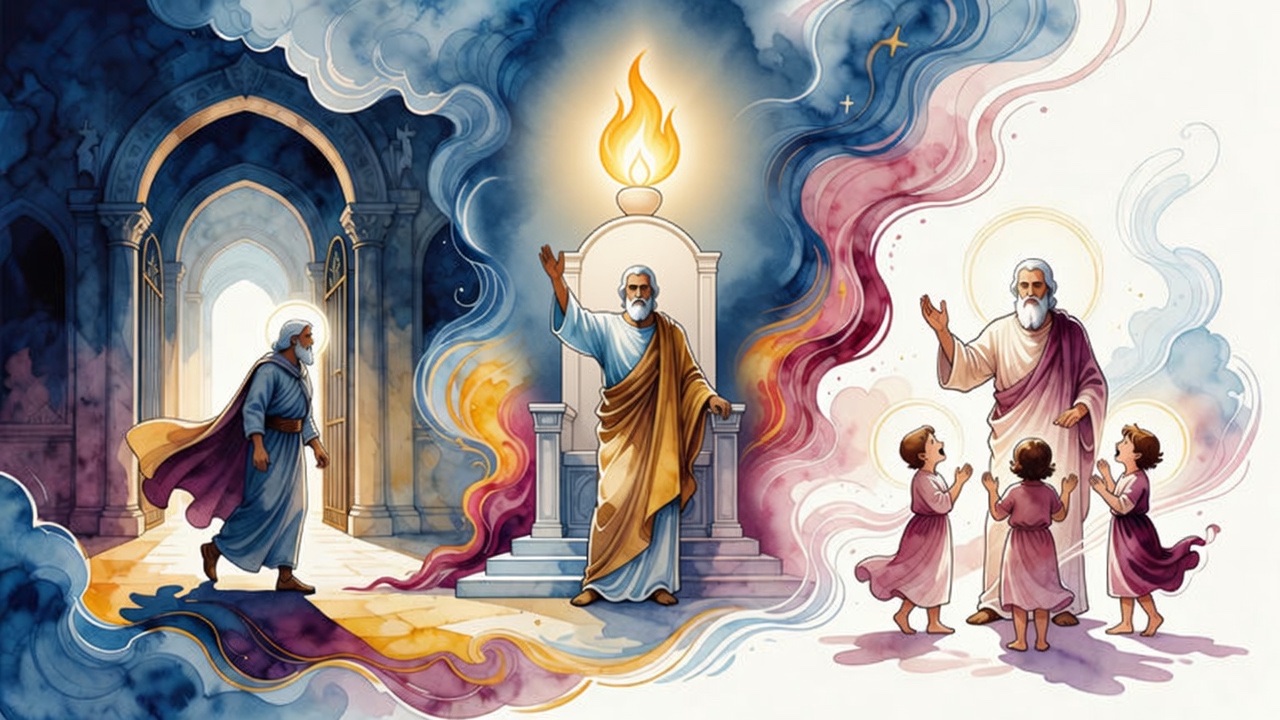
After Haman's decree, men in the market told Jews: wait until tomorrow, then I kill you and take your money. Mordecai left the court and met schoolchildren.
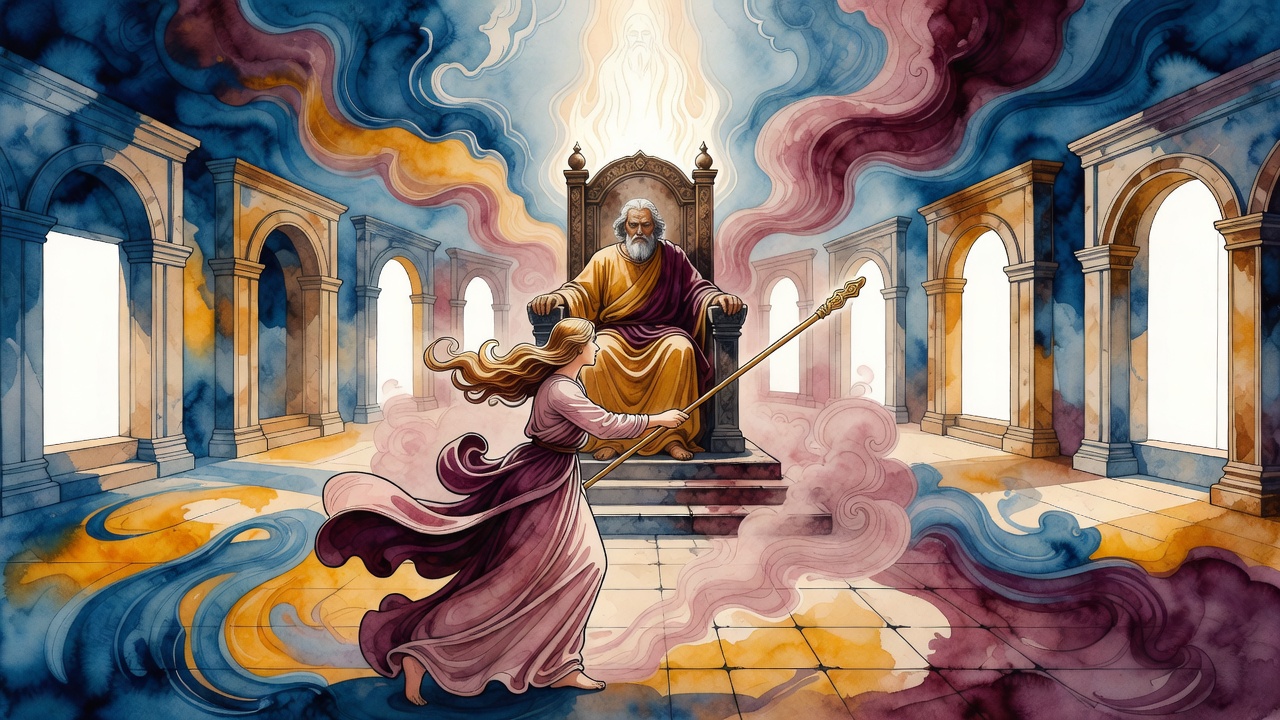
Esther crossed seven palace rooms unsummoned, and the king's rage exposed the wound left by Vashti before mercy finally moved the scepter.
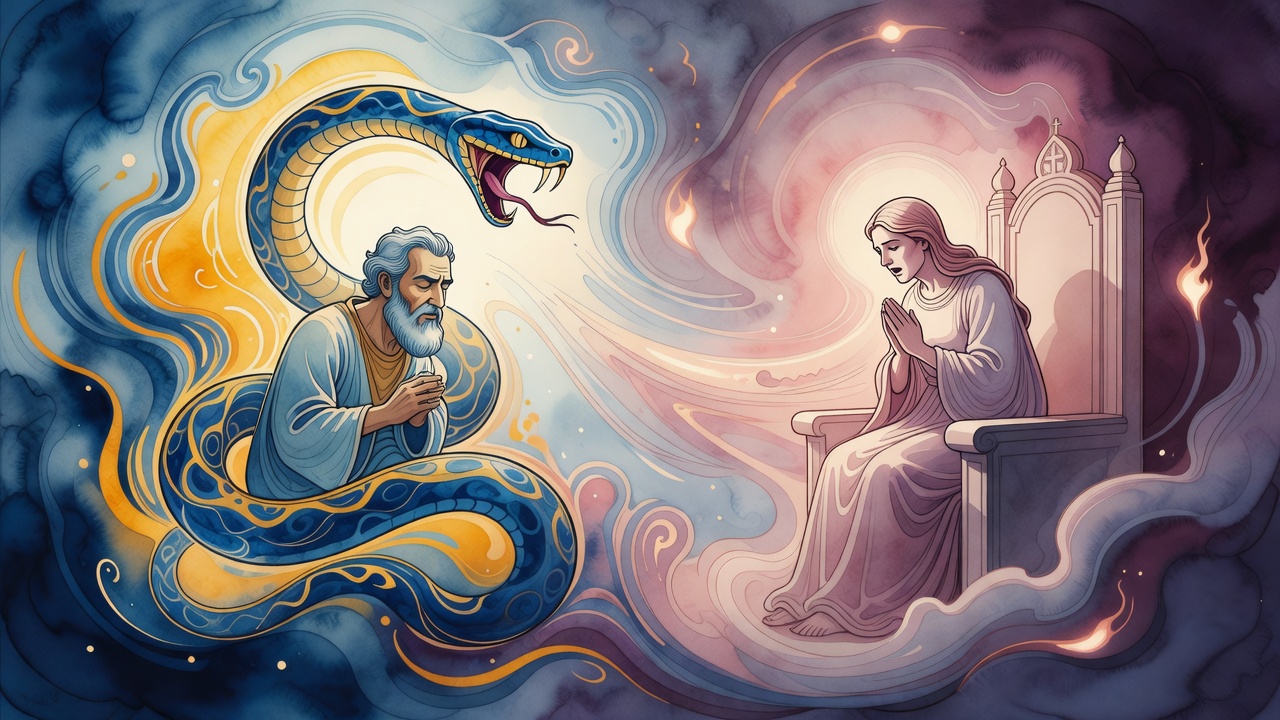
Mordecai dreams of a snake rising against Israel, then sends Esther toward the king as she prays through terror and fading holy strength.
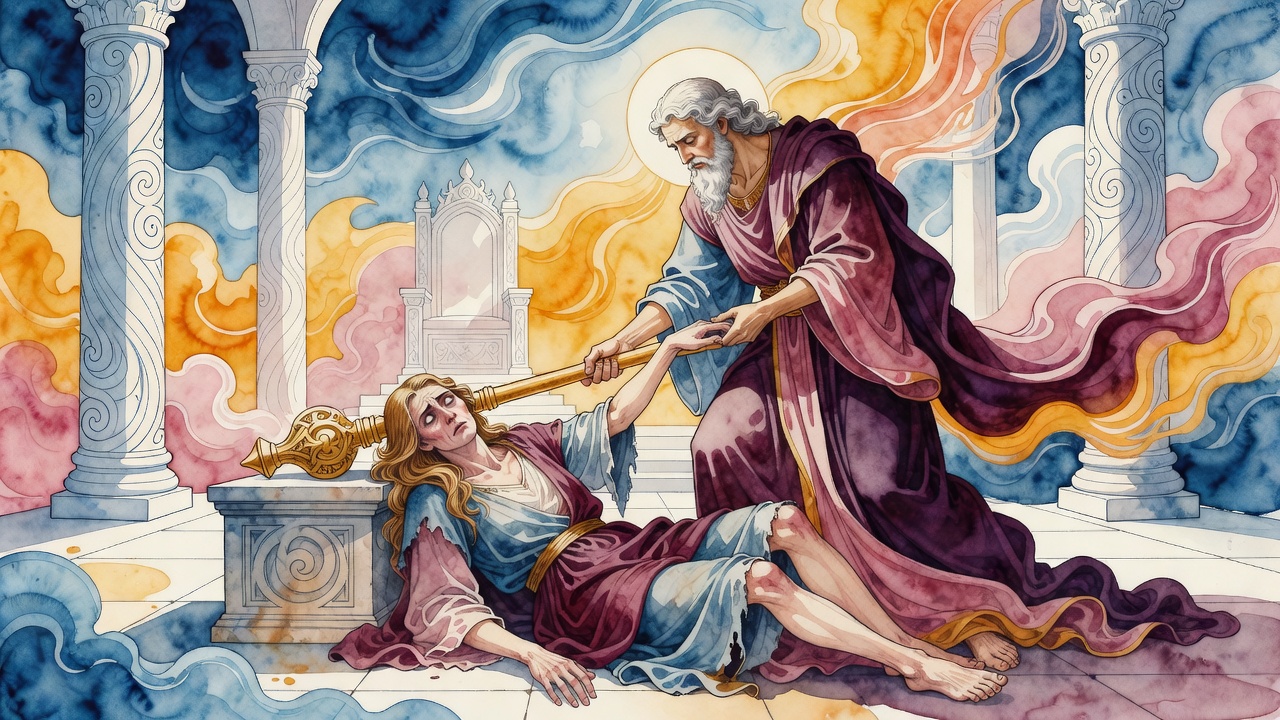
Gabriel threw the king of Persia out of bed. Three hundred and sixty-five times in one night. Each fall he whispered the same sentence into the king's ear.
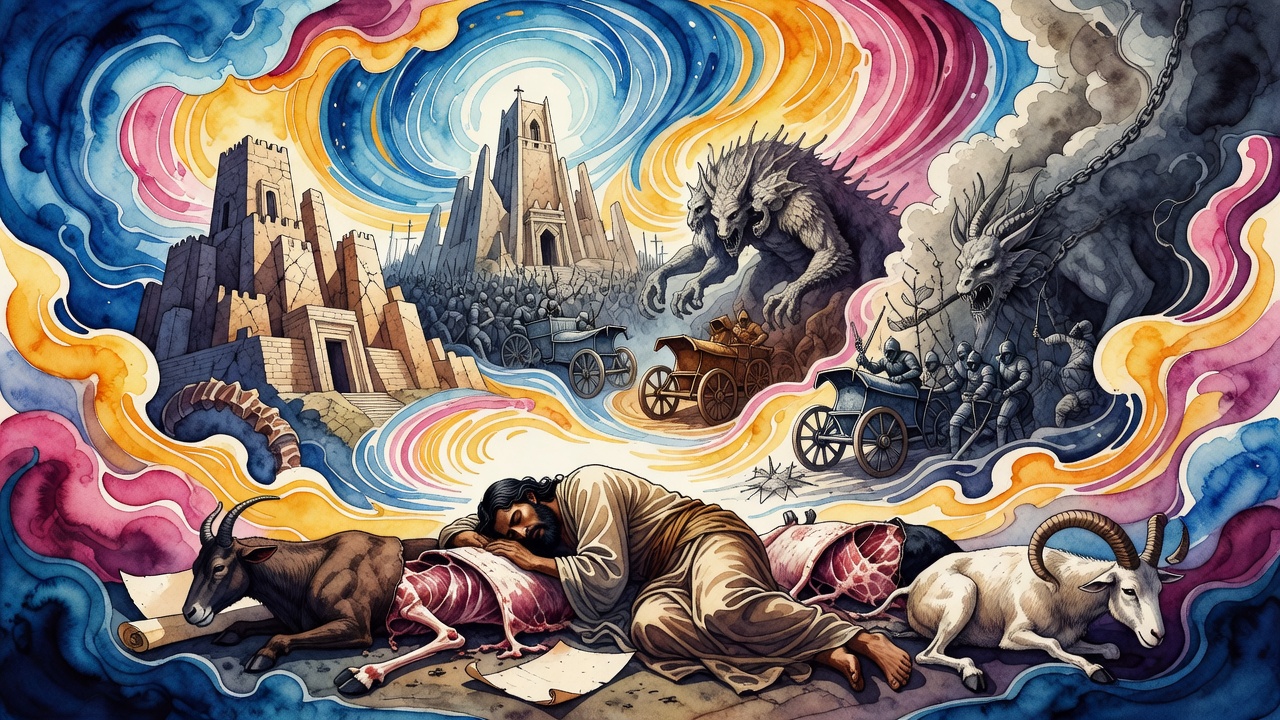
The furnace smoked. The torch burned. God asked Abram to choose Gehinnom or the stranger's rule for every child after him.
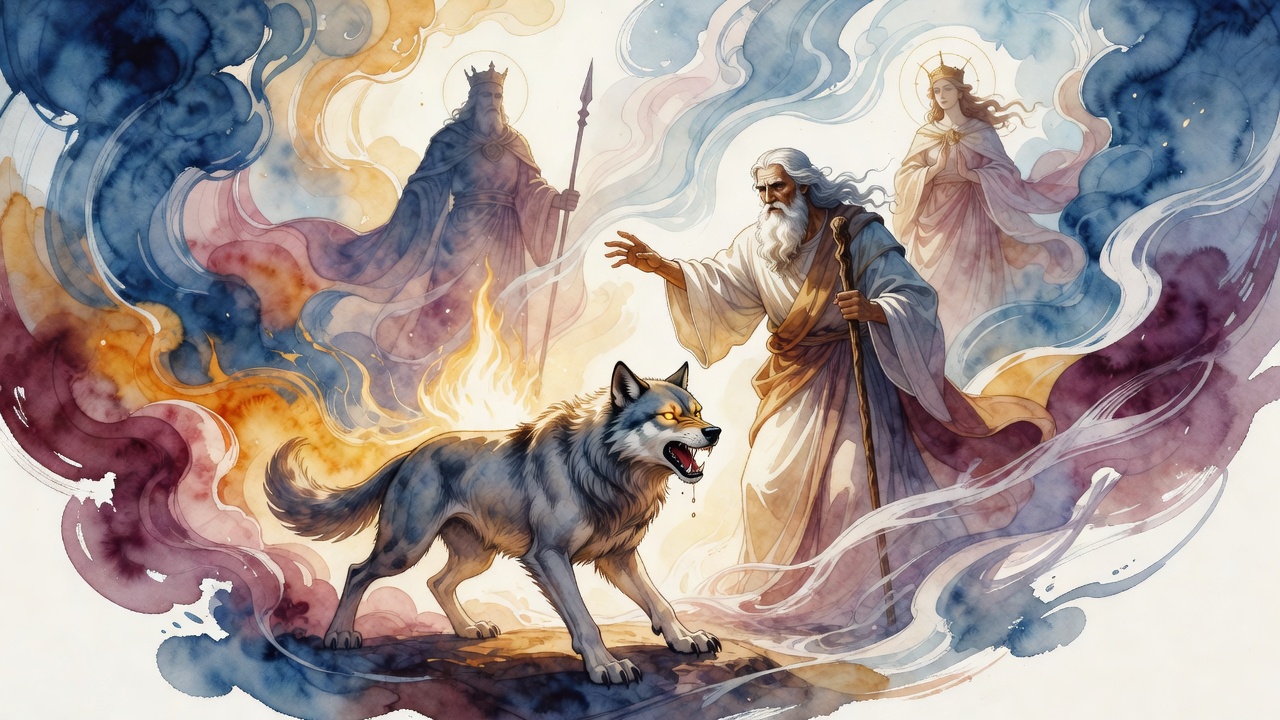
Judah led Benjamin by the hand into the Egyptian's hall. By night the silver cup was in the boy's sack, and his brothers beat him in the road.
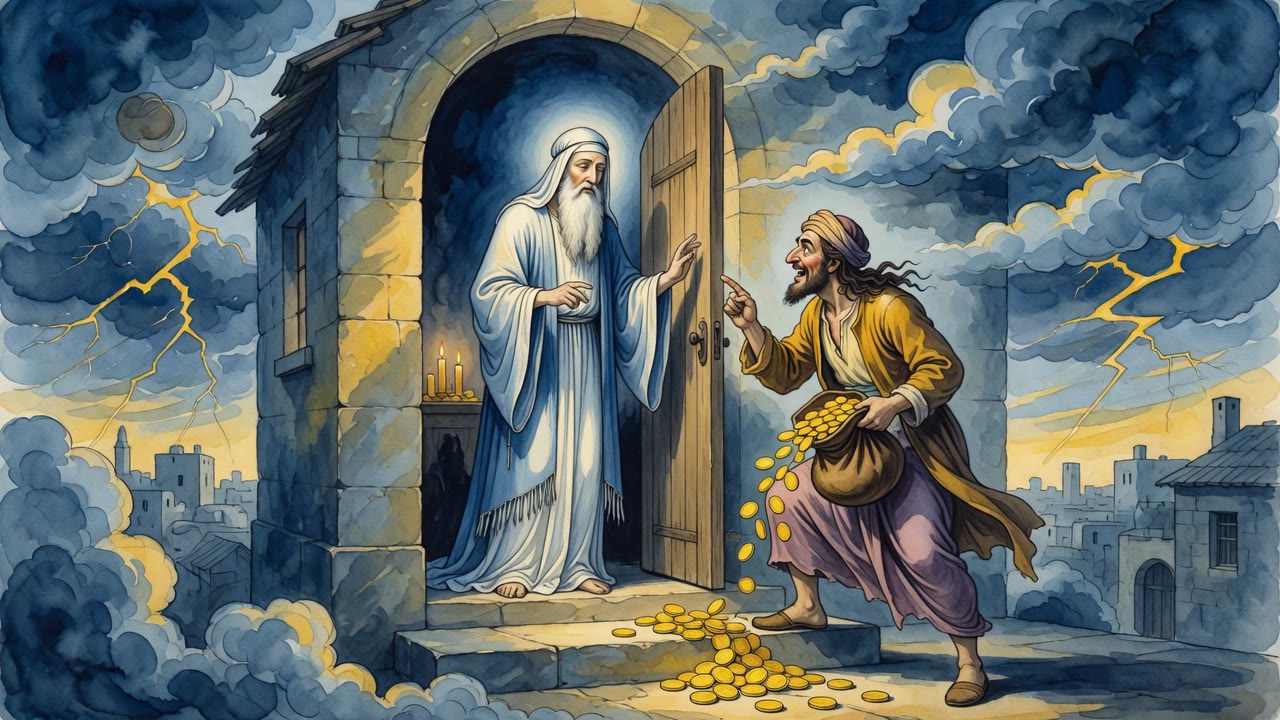
Ahasuerus did not lose Vashti because he hated her. He lost her because the men were comparing women and he wanted the room to admire him.
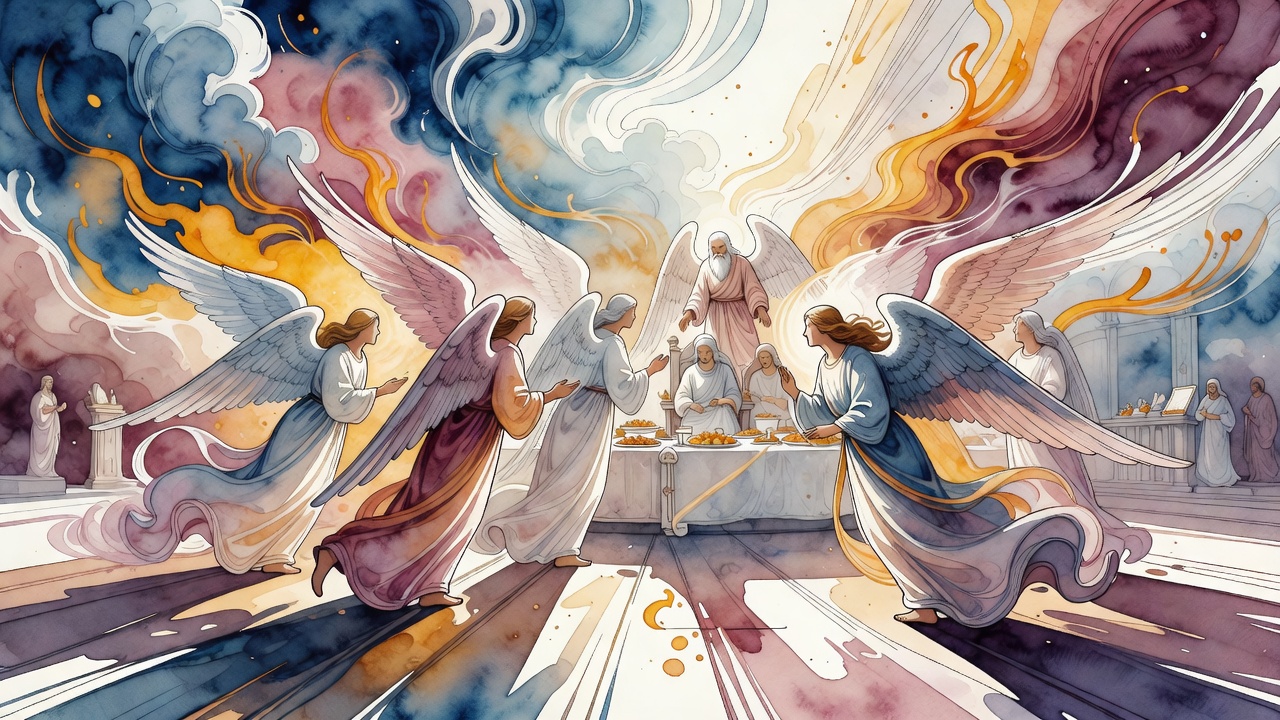
The wine sat in gold cups taken from Jerusalem. Mordecai fasted six days, then ate on the Sabbath. That was when the names arrived.
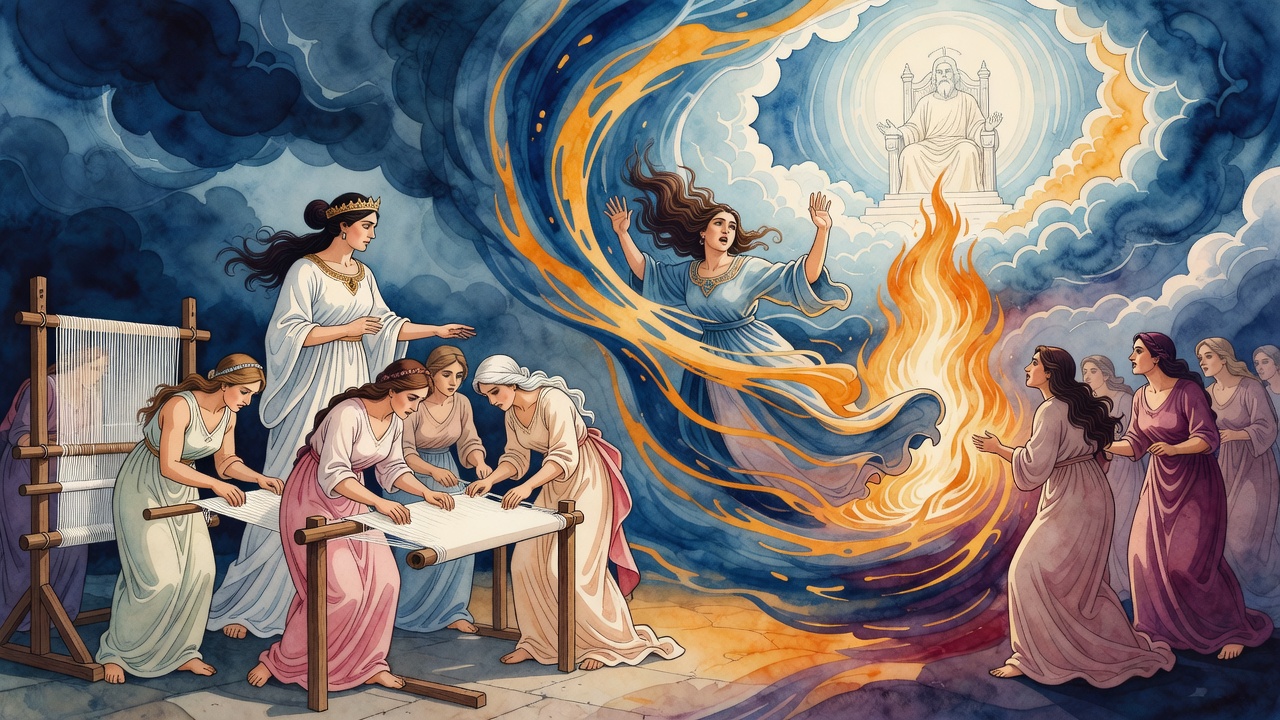
Every Sabbath Vashti stripped Jewish women and forced them to weave. When her own humiliation came, it came on the seventh day.
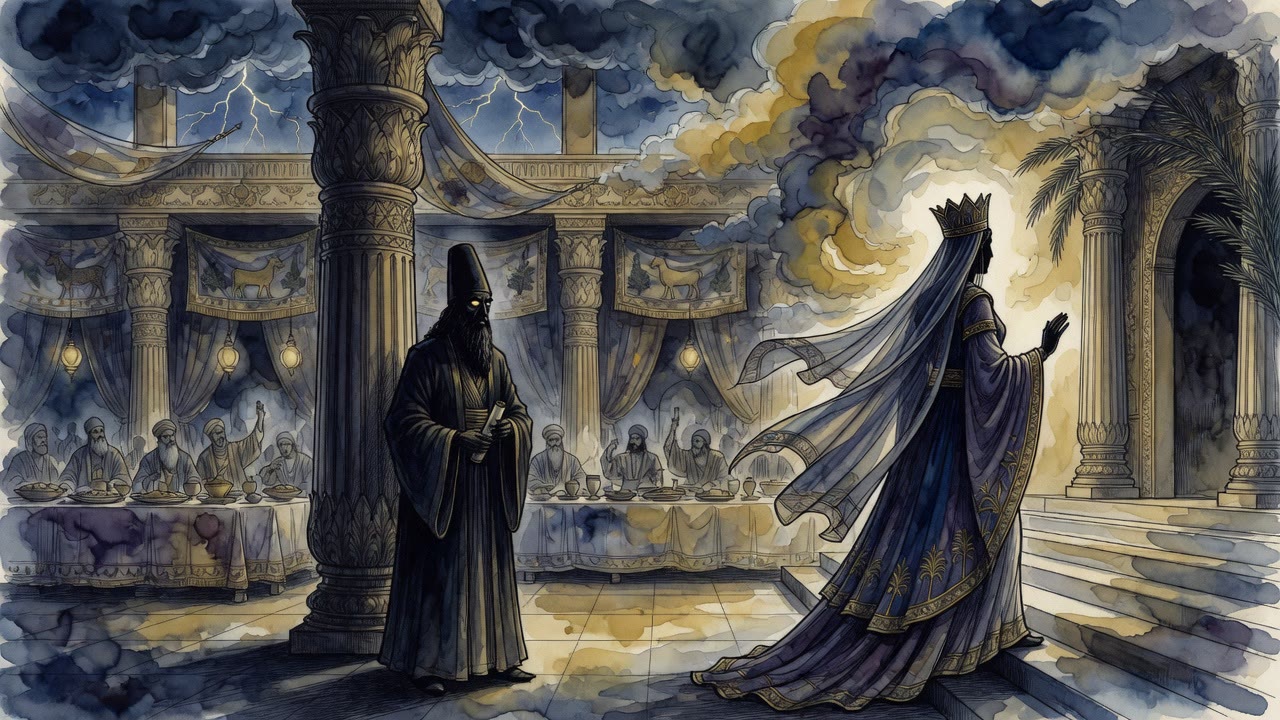
Vashti would not walk into a hall where Daniel stood. He had read her father's ruin off a wall in Babylon, and he was not finished with her house.
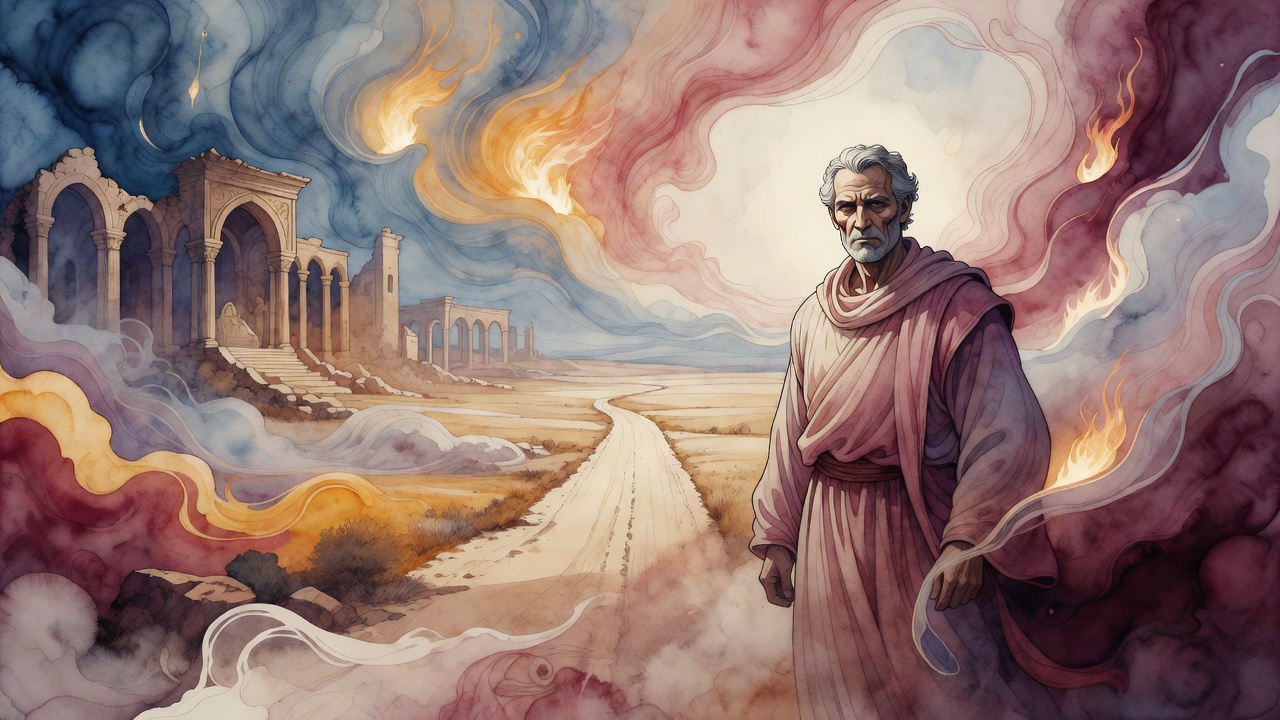
Mordecai was Jerusalem aristocracy, taken to Babylon by Nebuchadnezzar. When the road home opened, he stayed in Persia to raise Esther.
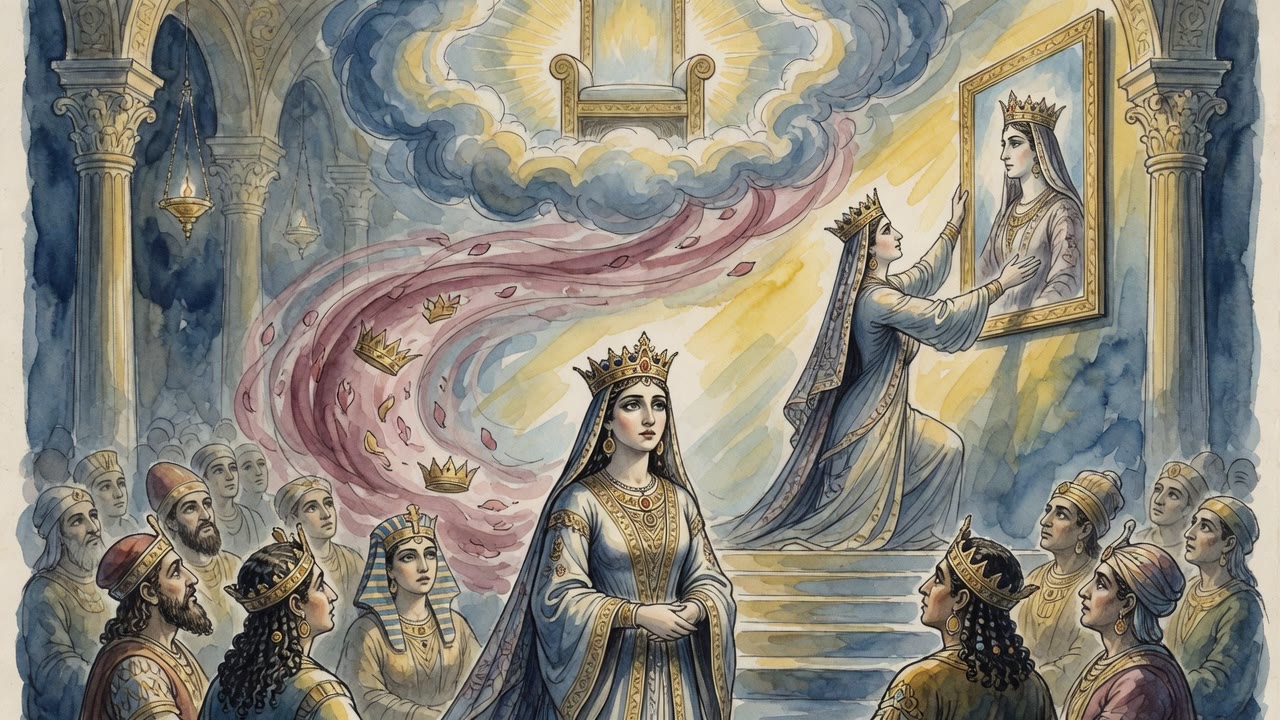
Hegai could hang if the king found the new girl unprepared. Esther would not touch the creams or the royal food, so he buried her in jewels.
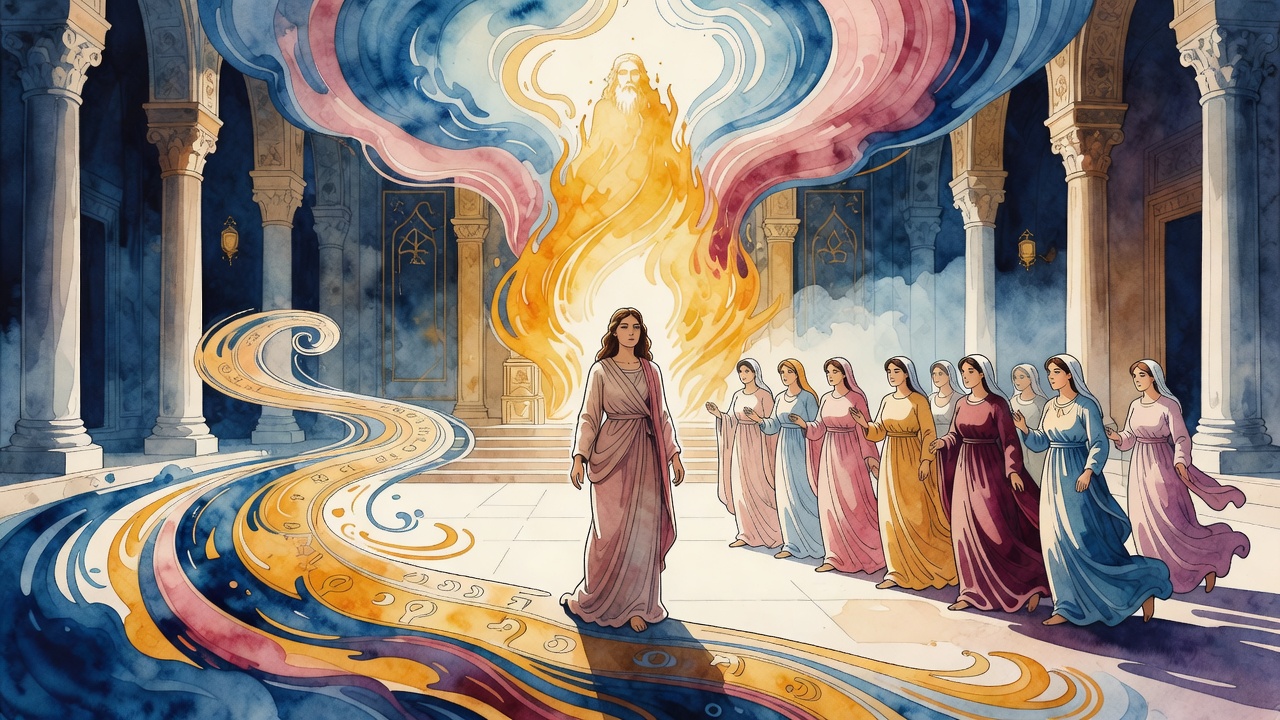
Hegai gave her seven attendants and Esther gave them names. Nobody in the palace heard anything strange in them. She was counting to the Sabbath.
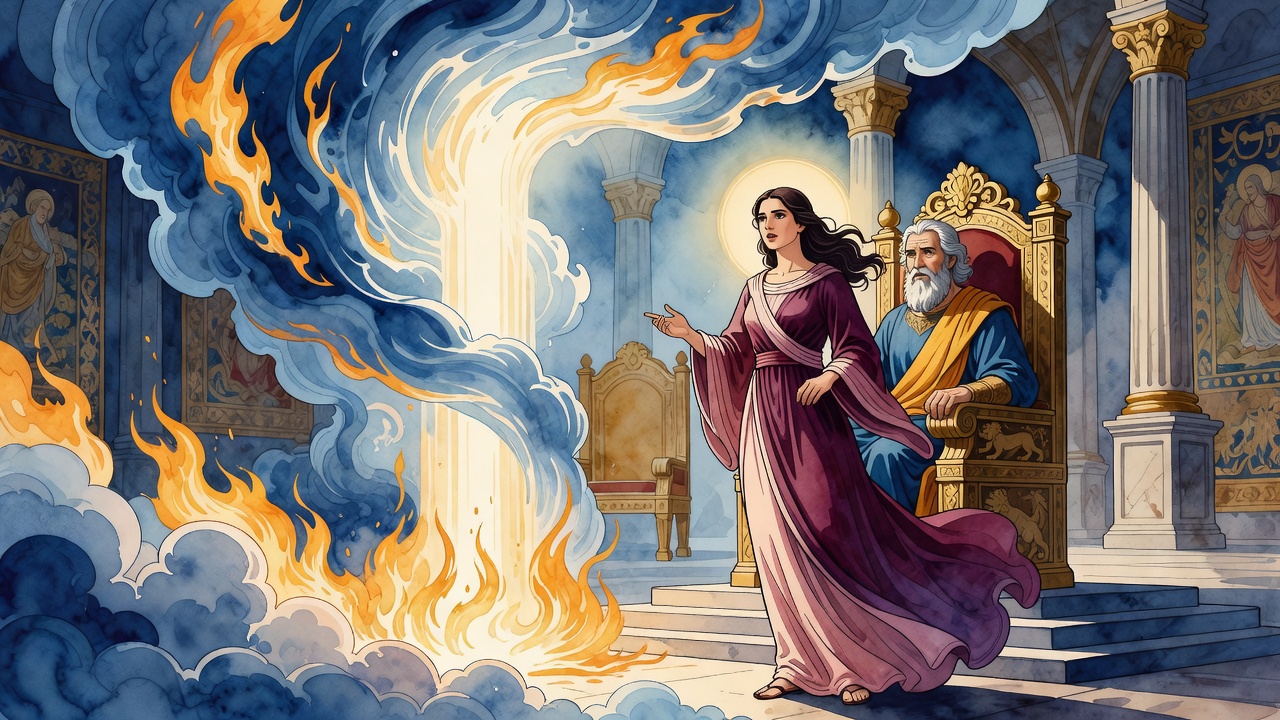
The king asked whose daughter she was and got nothing, again. When she finally answered him, she used the same breath to ask about Vashti.
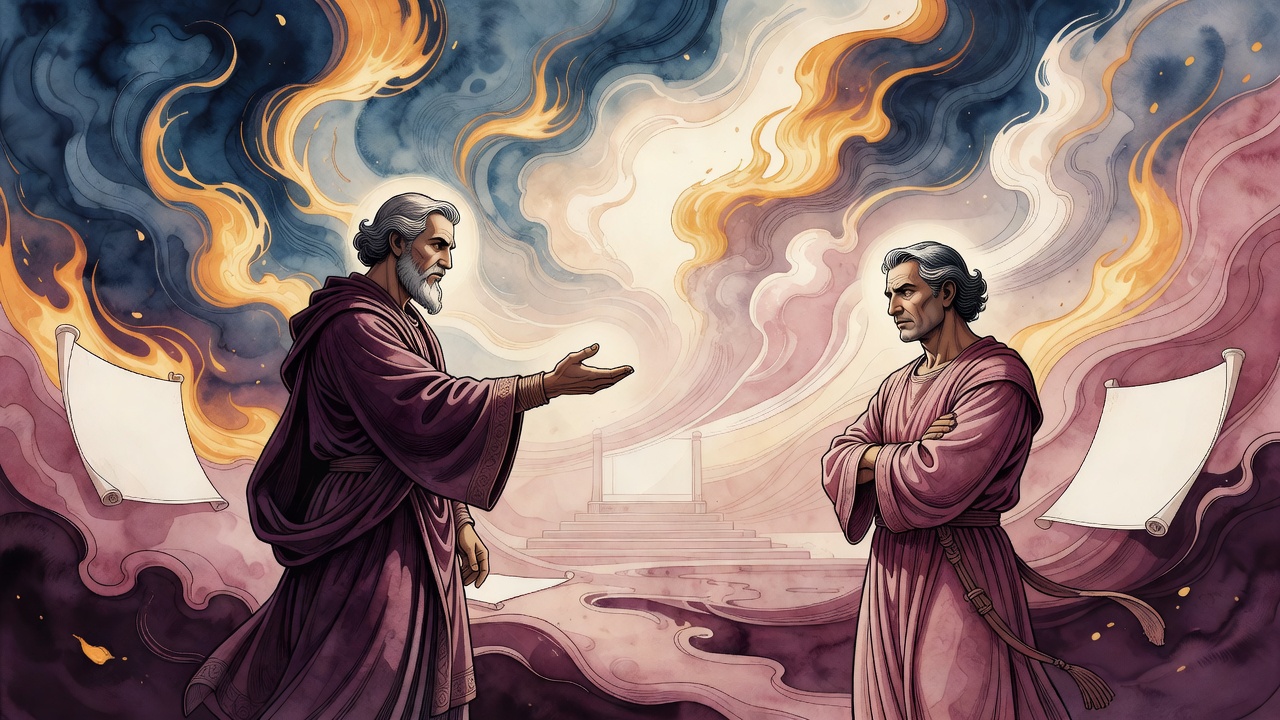
Before the decree, Haman offered Mordecai shalom. Mordecai answered with a verse from Isaiah. Some peace is camouflage for violence.
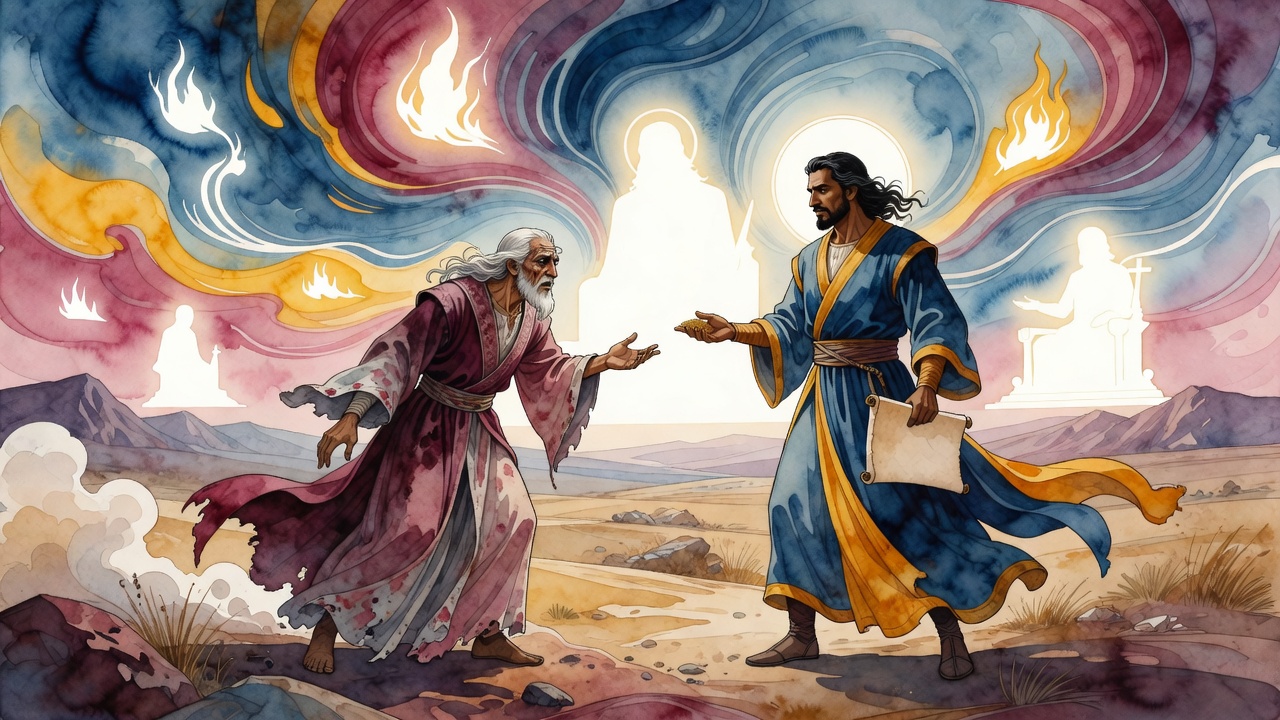
Both men commanded Persian forces on the same campaign. Haman burned through three years of supplies in twelve months and had to beg Mordecai for food.
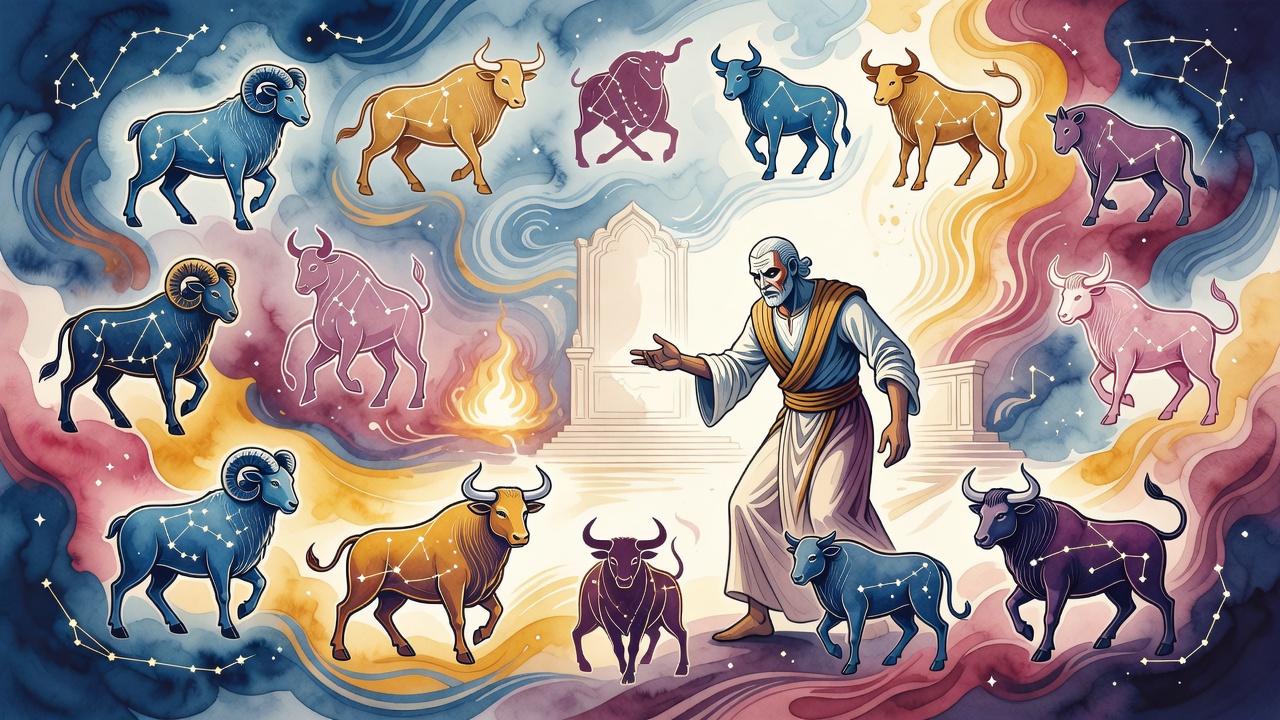
Before he bought the king's ring, Haman called the twelve signs one by one. Each named a reason not to touch Israel. He threw the lot anyway.
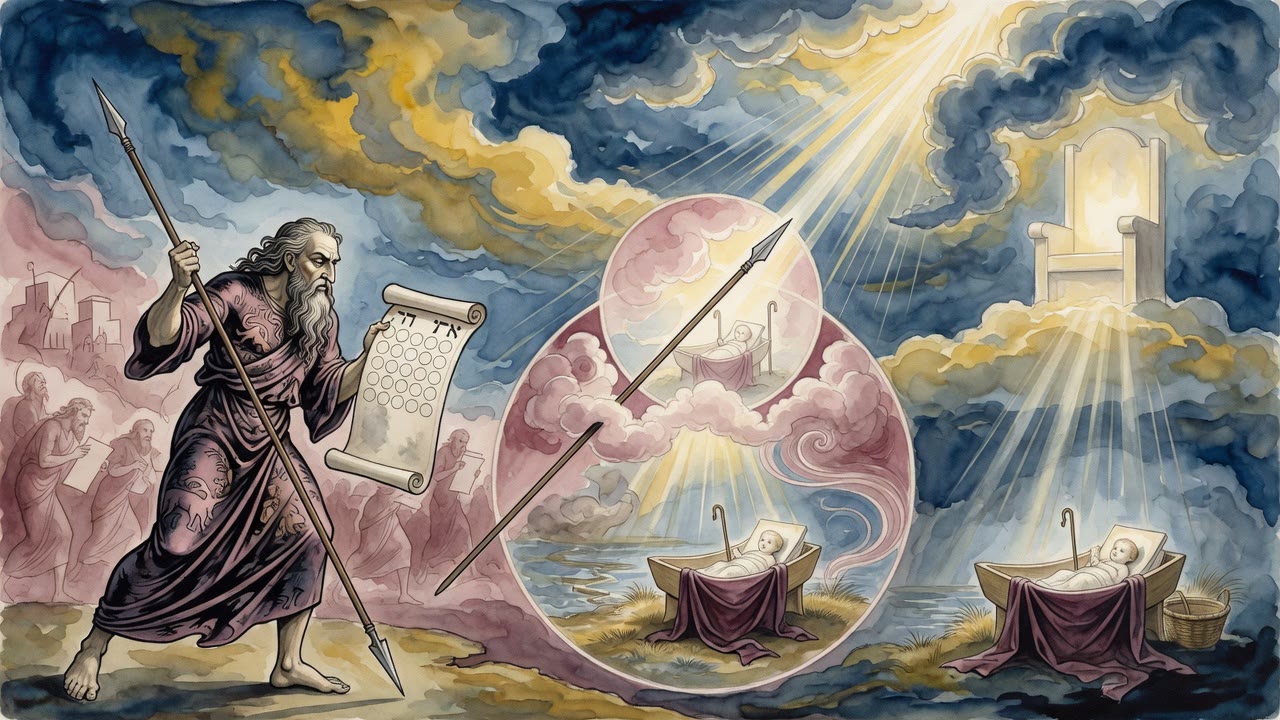
The advisors named the God who drowned Pharaoh. Haman pointed at the burned Temple and called heaven's silence proof.
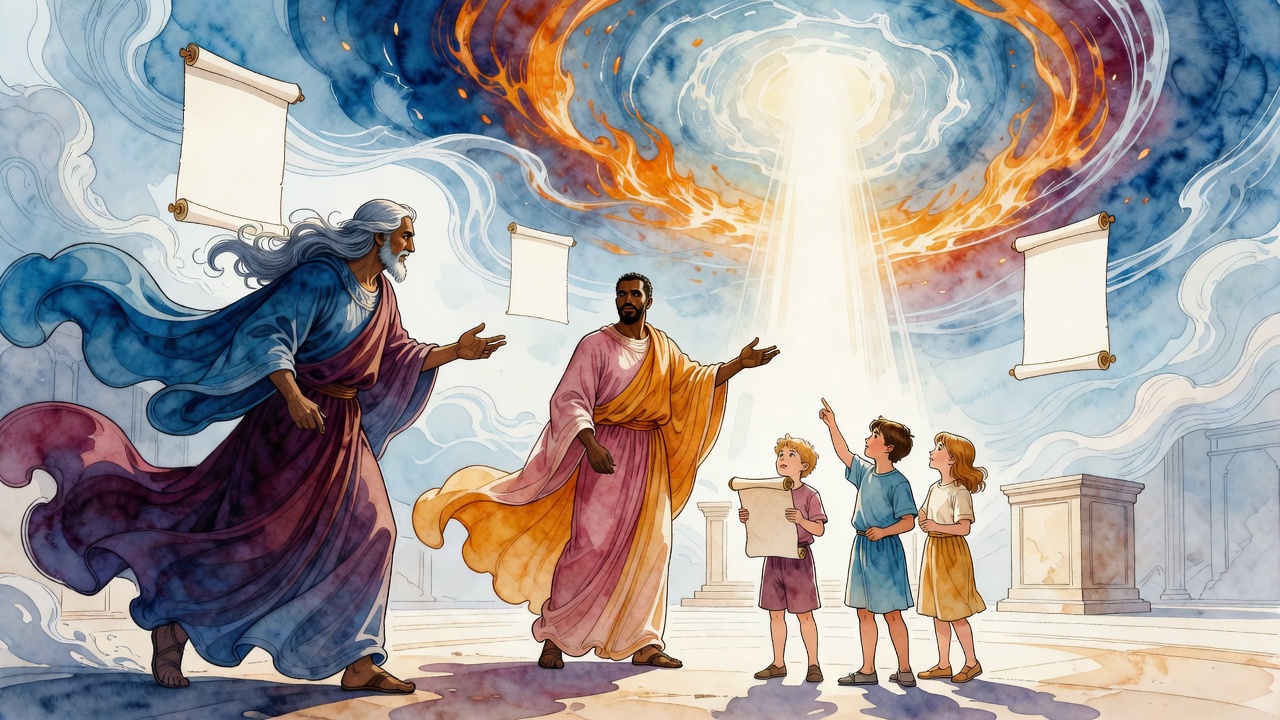
Persians in Shushan had begun telling Jews the date. Mordecai stopped three children walking home from school and asked what they had learned.
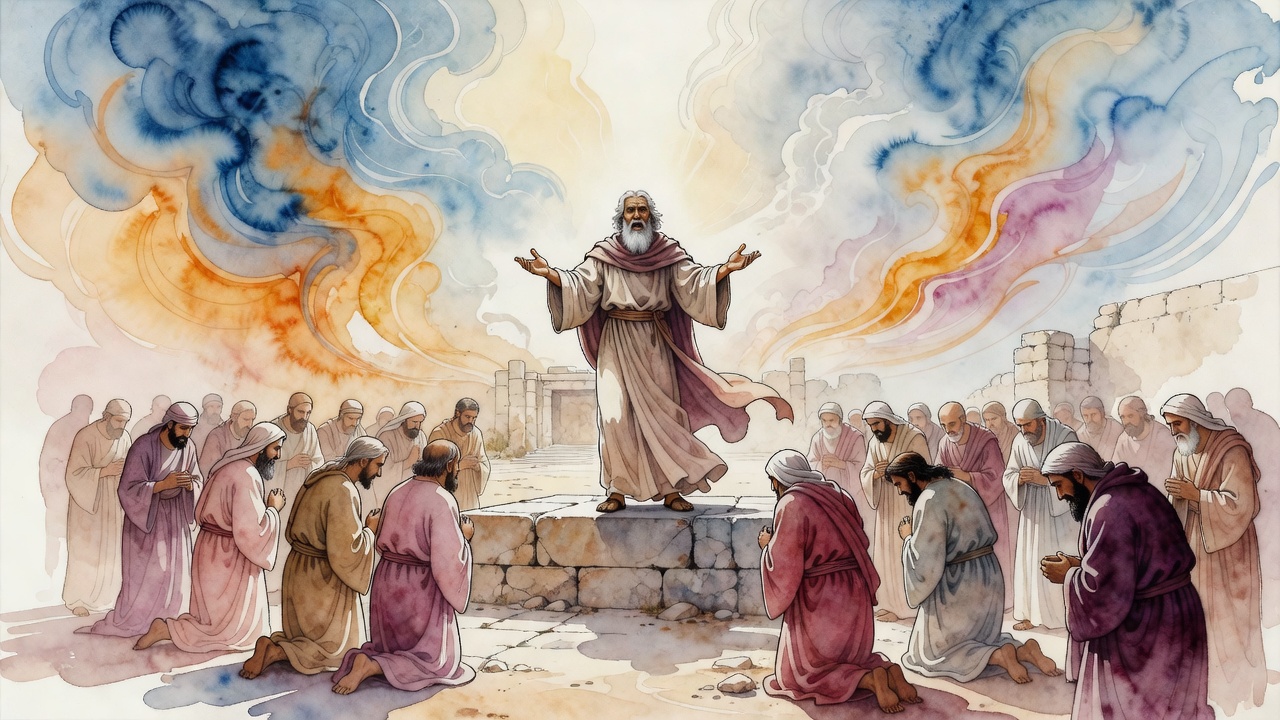
Mordecai's speech before the fast named every protection that was gone. No king, no prophet, no escape route. Then he asked the people to pray anyway.
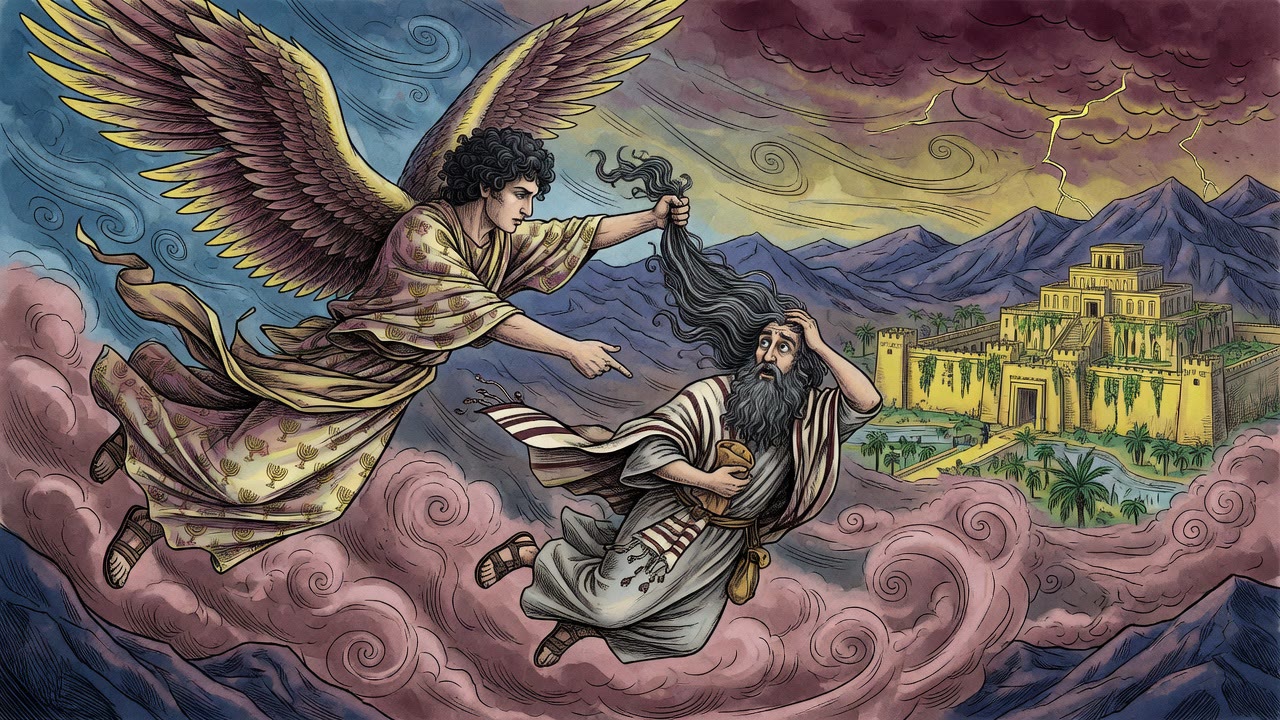
He did not name Moses on the mountain. At the palace gate in Shushan he quoted a foreign king who had sat down in ashes and starved his beasts.
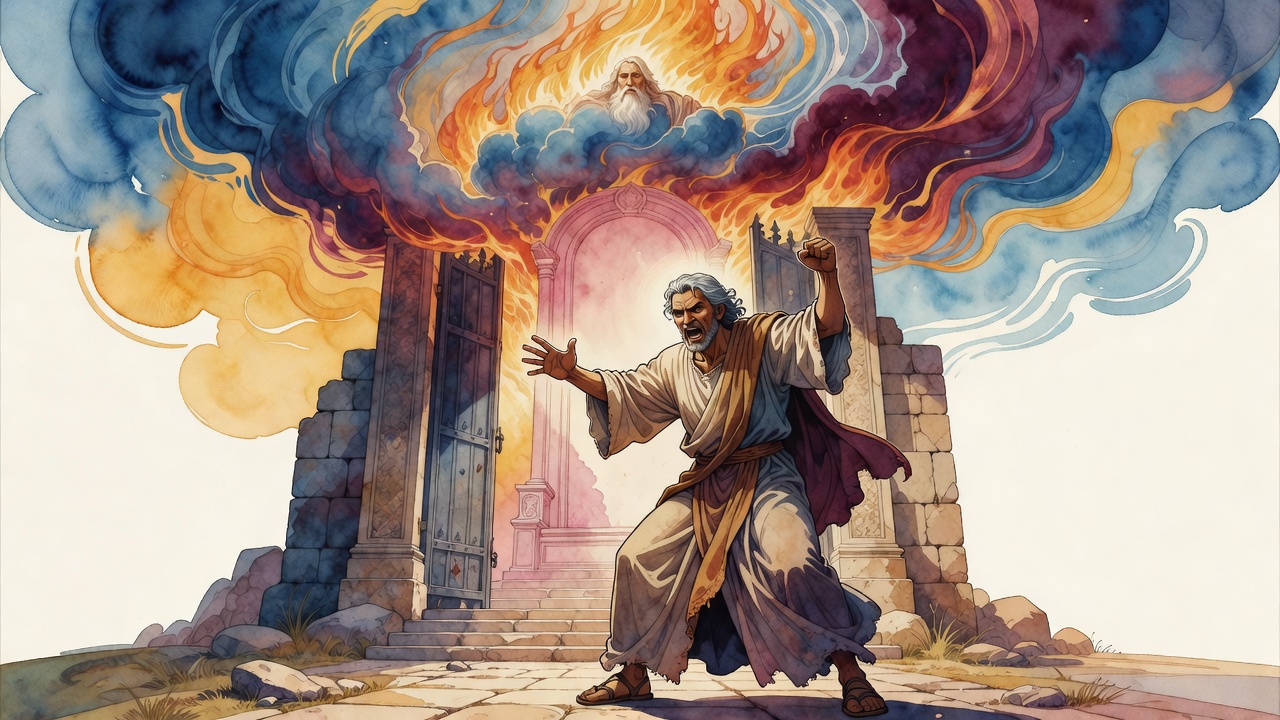
When the decree went out, Mordecai did not weep quietly. He pressed the covenant like a creditor, demanding God answer for the oath sworn to the patriarchs.
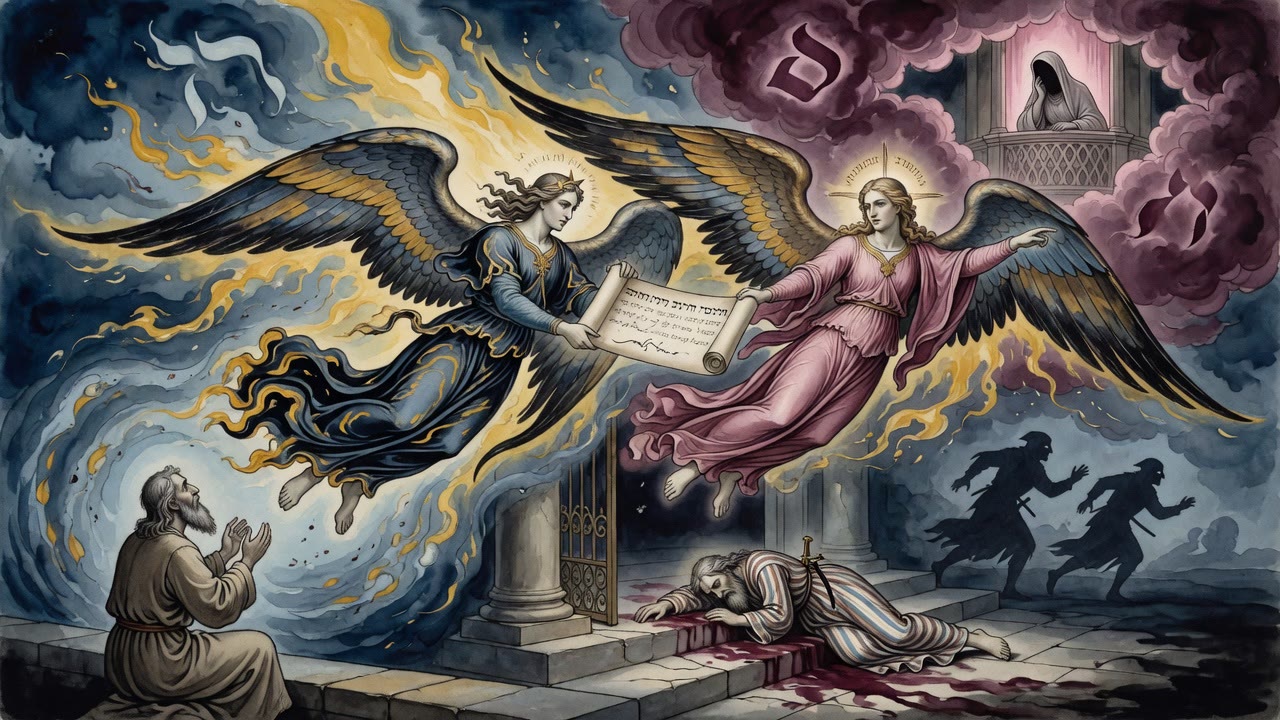
Haman had Hathach killed to cut off Mordecai and Esther. God replaced their go-between with Michael and Gabriel.
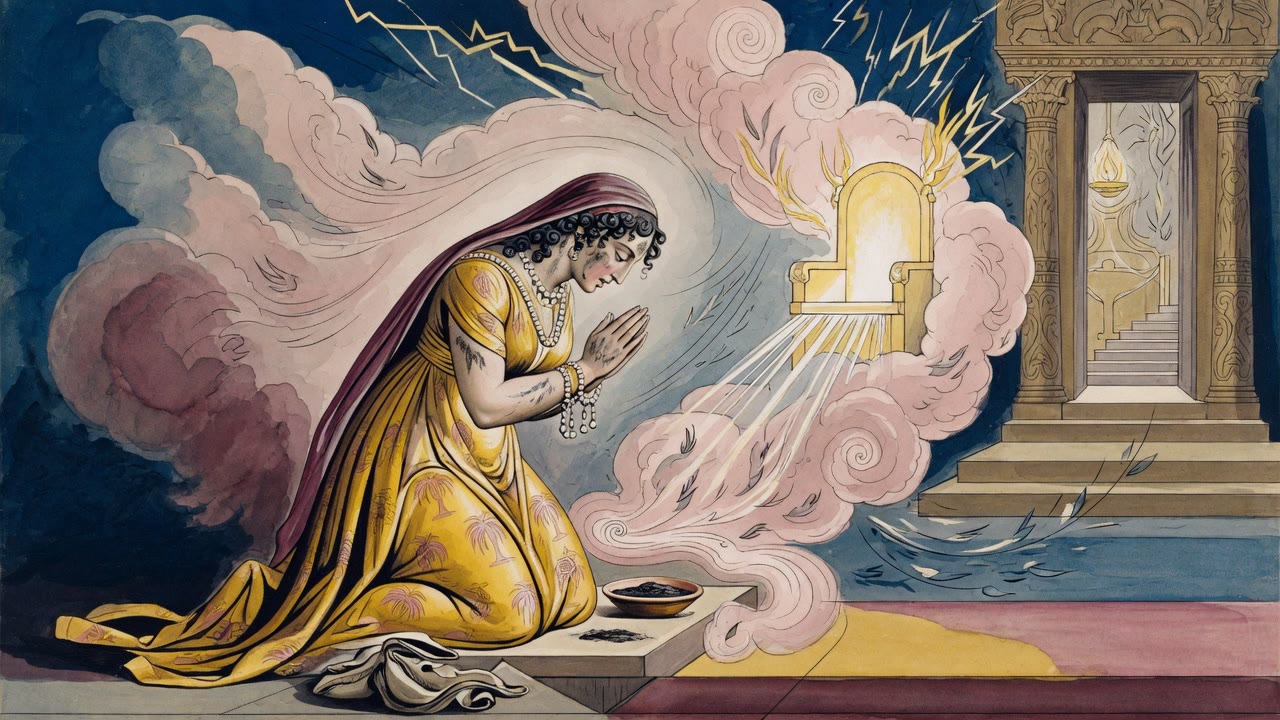
Three days face down in ash, then silk and gold shoes. She told God plainly that she was not asking because she thought herself without blemish.
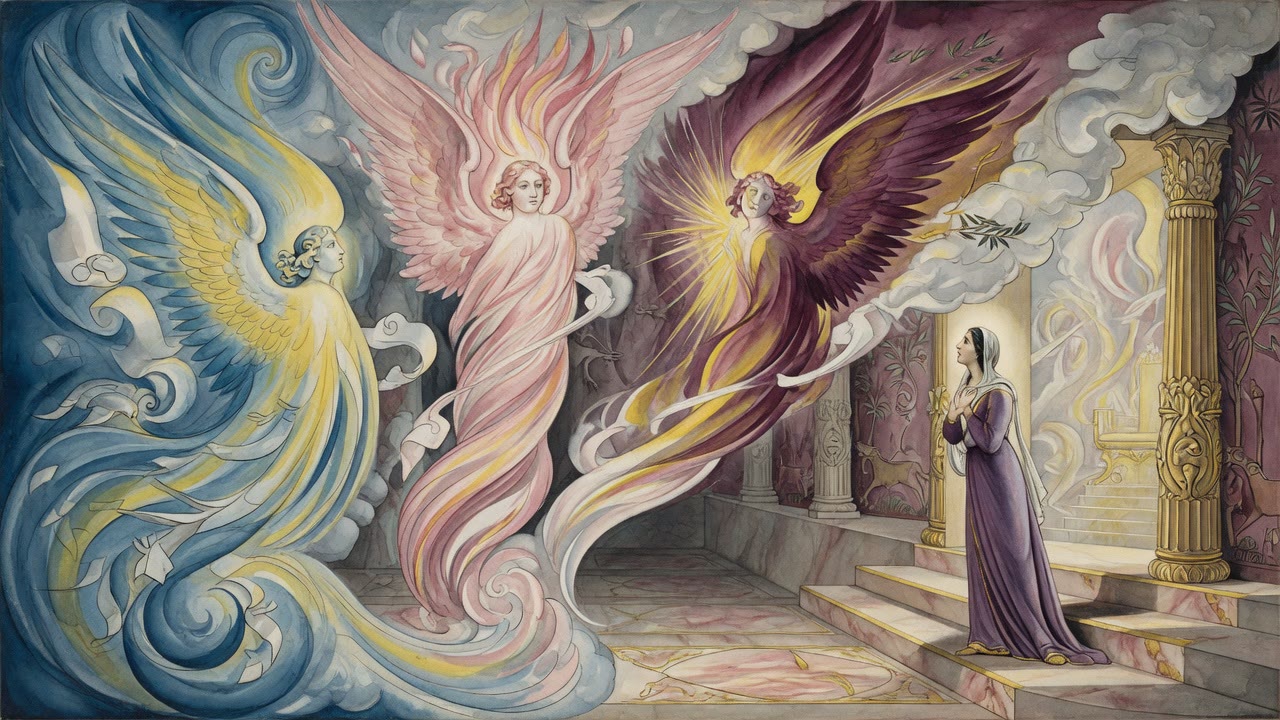
Haman's sons were already dividing her jewels. Esther stood in the fourth chamber and could not take another step toward the throne.
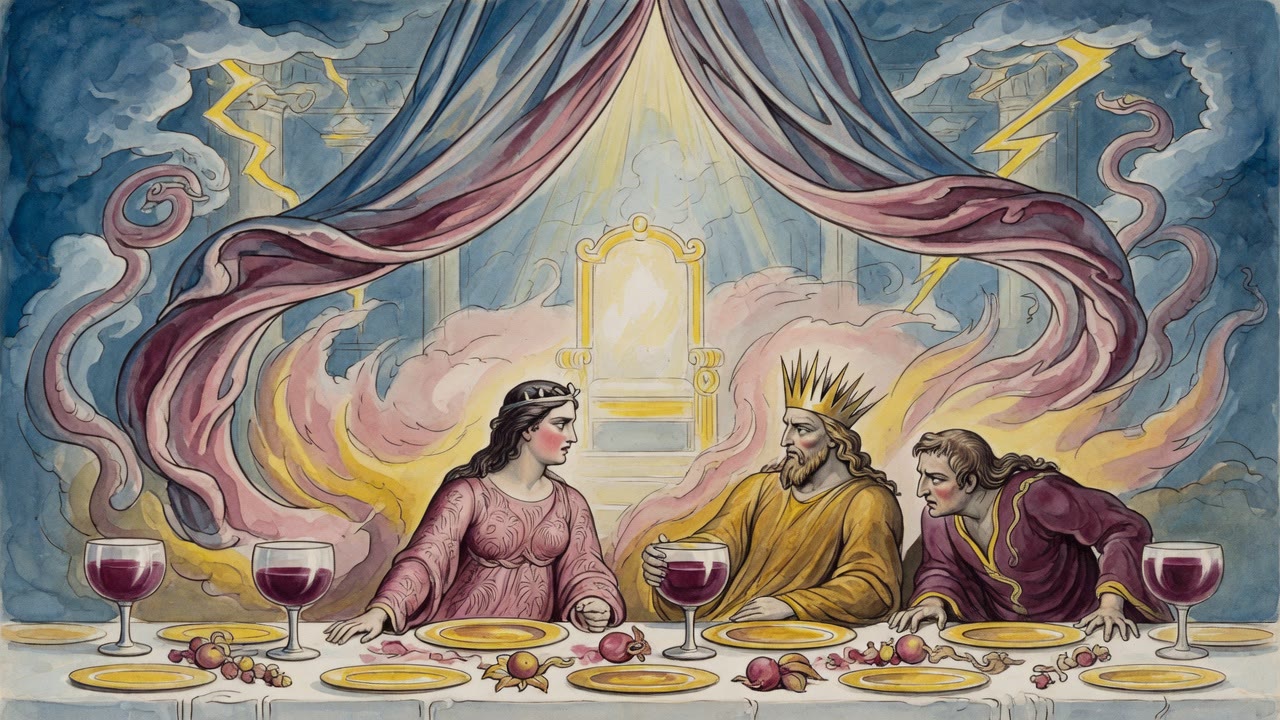
Esther had the king's ear and said nothing. She invited Haman to dinner instead. Then she invited him again. The sages debated her strategy for centuries.
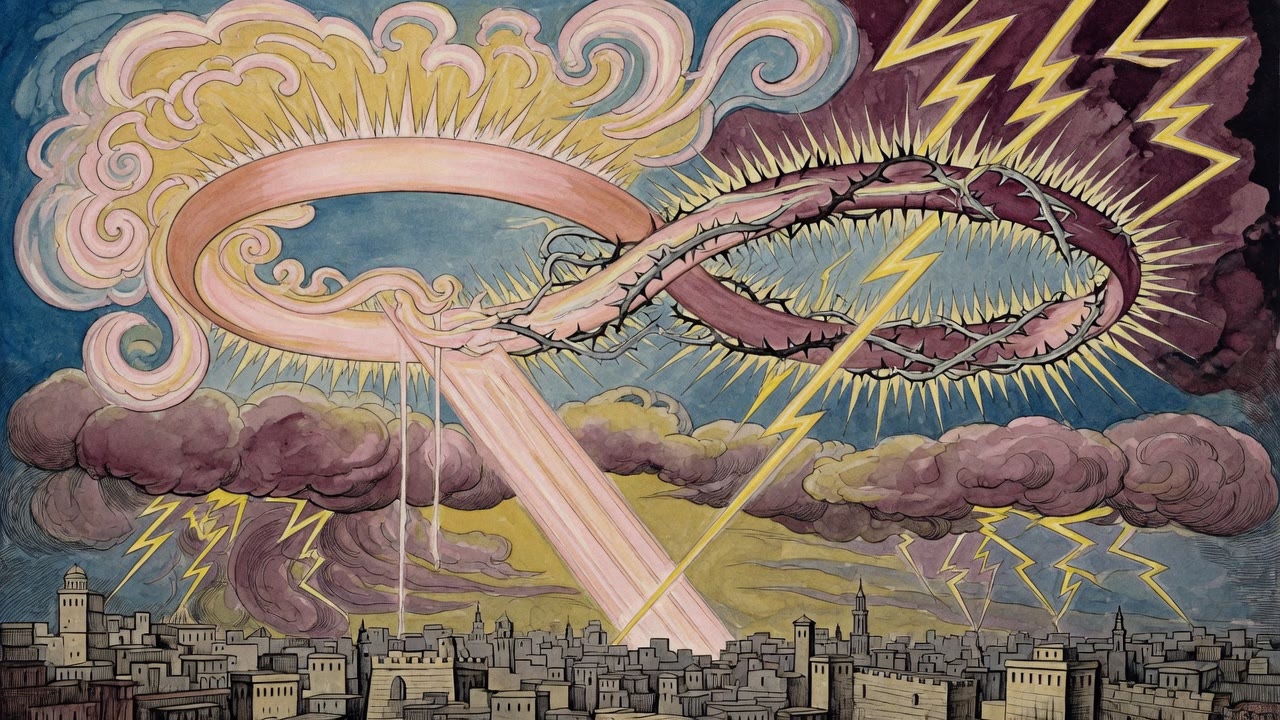
Every man in Susa bowed when Haman rode past. One man at the gate stuck out his knee instead, so that Haman could read what was written on it.
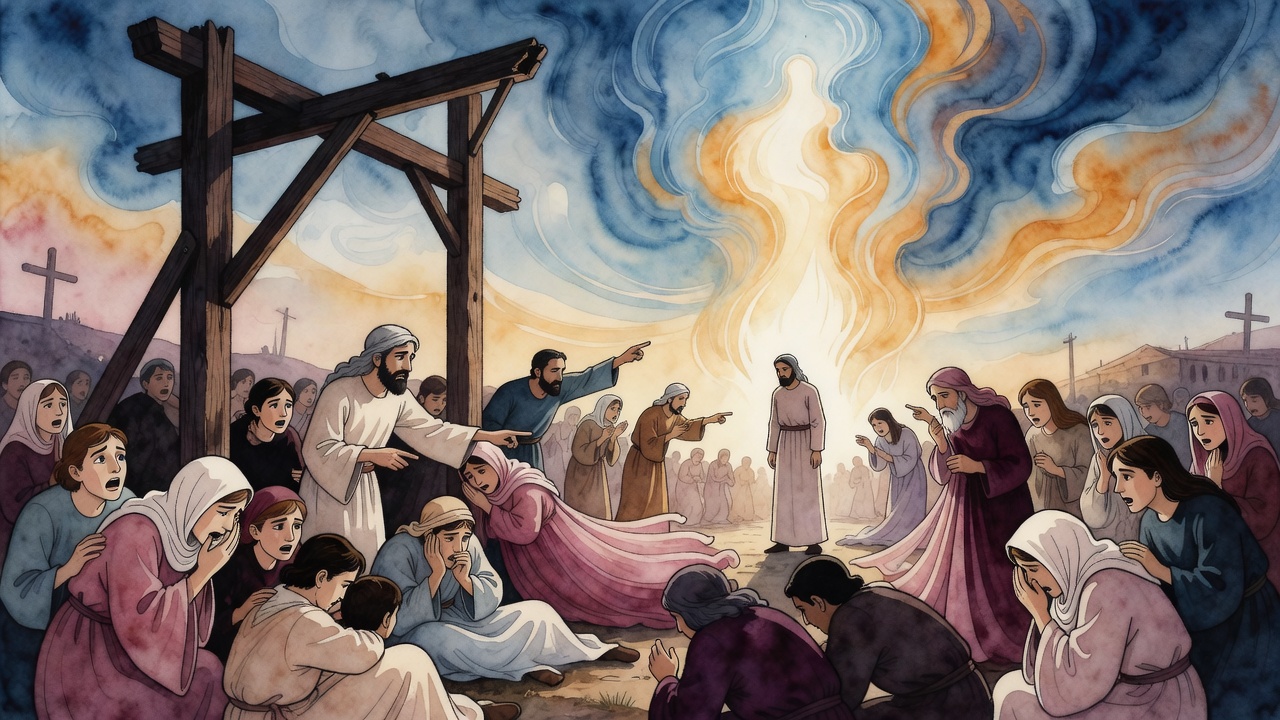
The night the Jewish people were supposed to celebrate liberation, they wept instead. And they blamed Mordecai for everything that was coming.
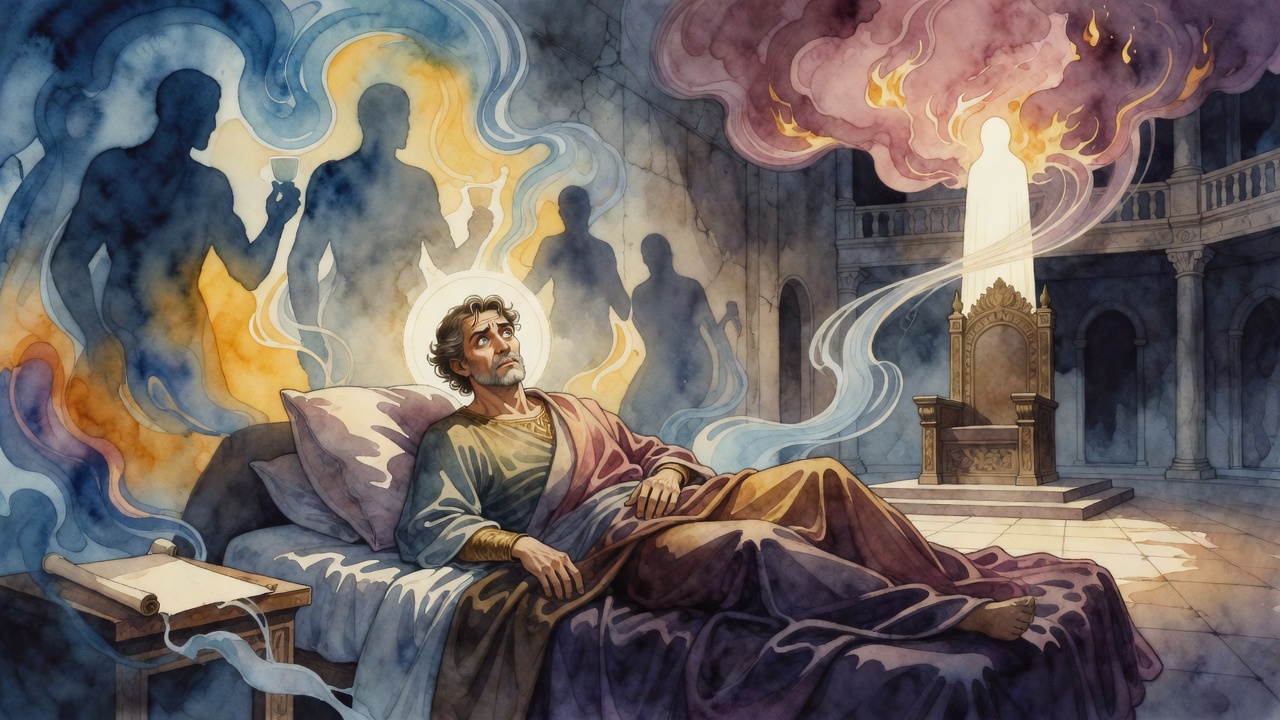
The king lay awake convinced he was being poisoned. When that fear passed, a worse one took its place. His paranoia would save the Jewish people.
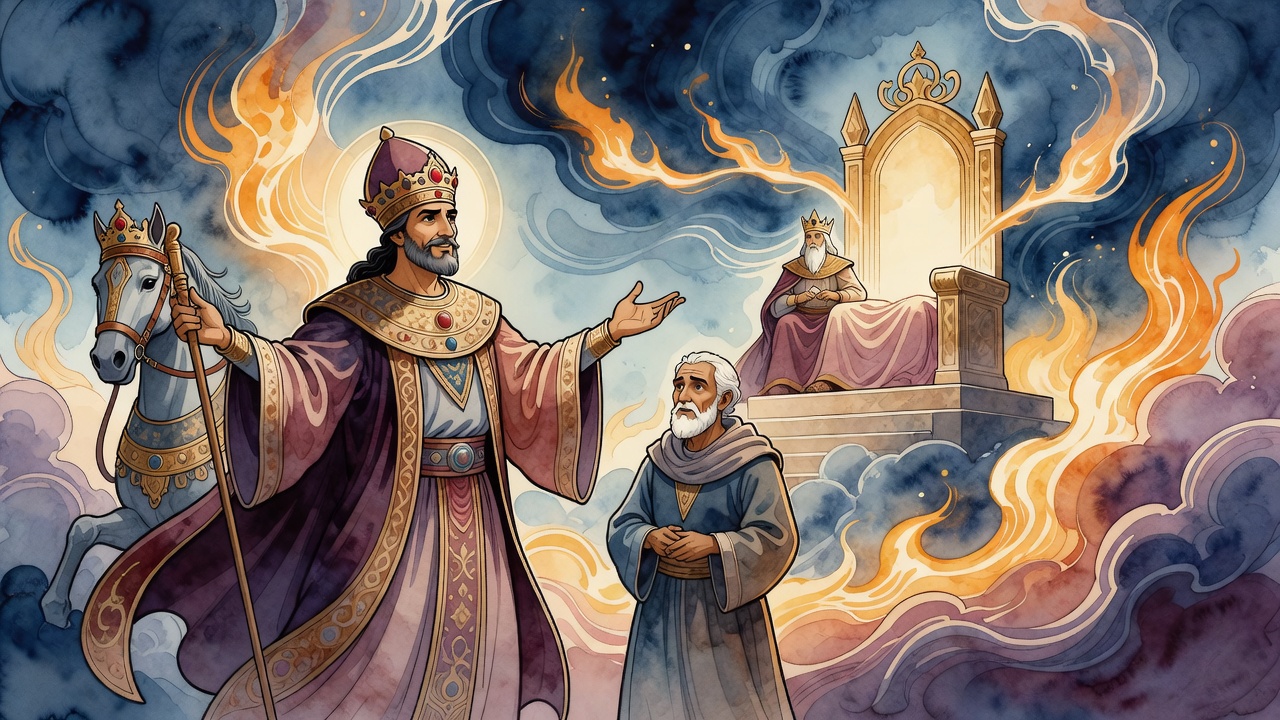
The gallows stood in Haman's courtyard, fifty cubits high. He came for a signature. The king asked a question with no name in it.
