123 myths · Page 3 of 5
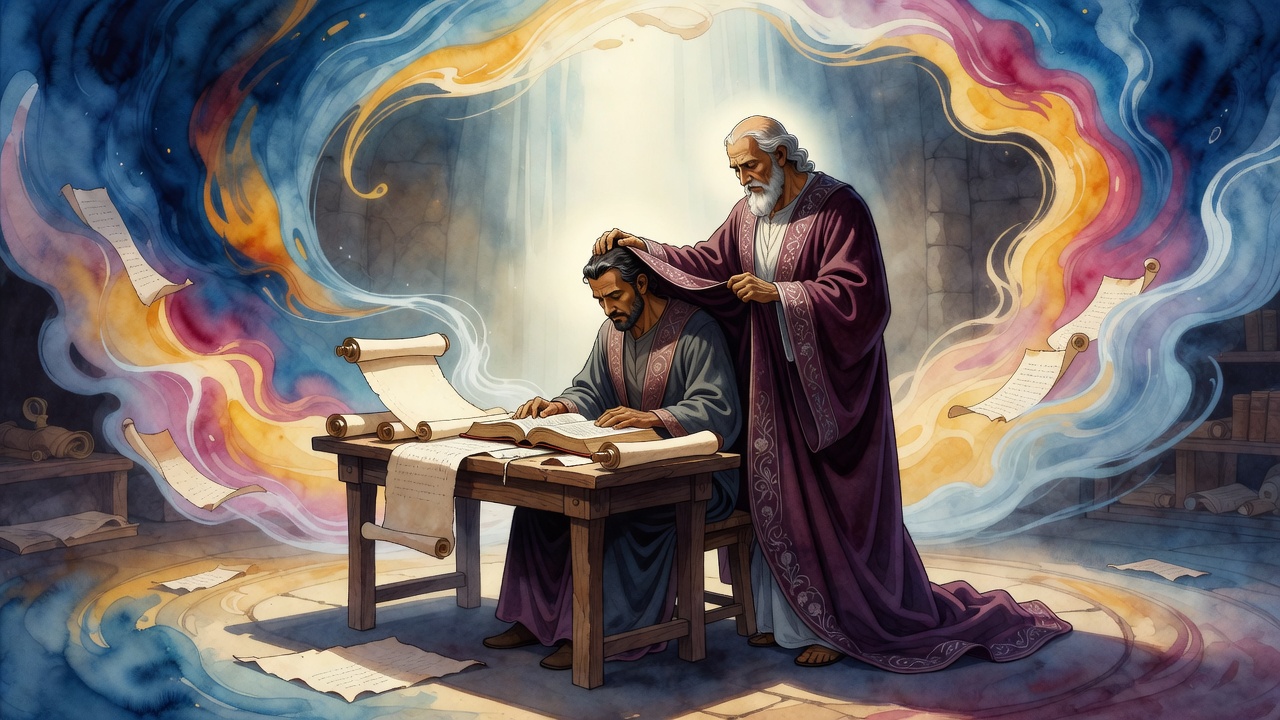
Mordecai still wore sackcloth and asked for a last meal. Haman had come to wash him, because every bathhouse in Shushan was shut.
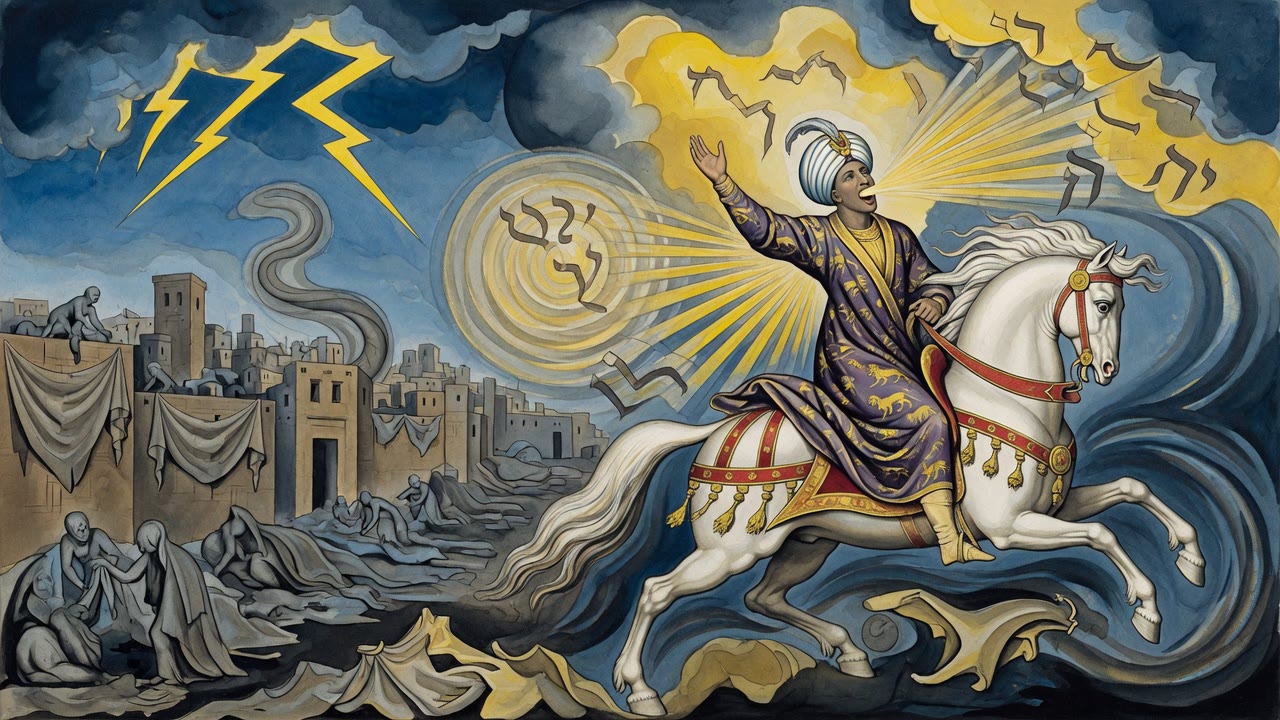
Three days before, Susa had wept in sackcloth. Now Mordecai rode on the royal horse in royal robes and burst into Psalm 30.
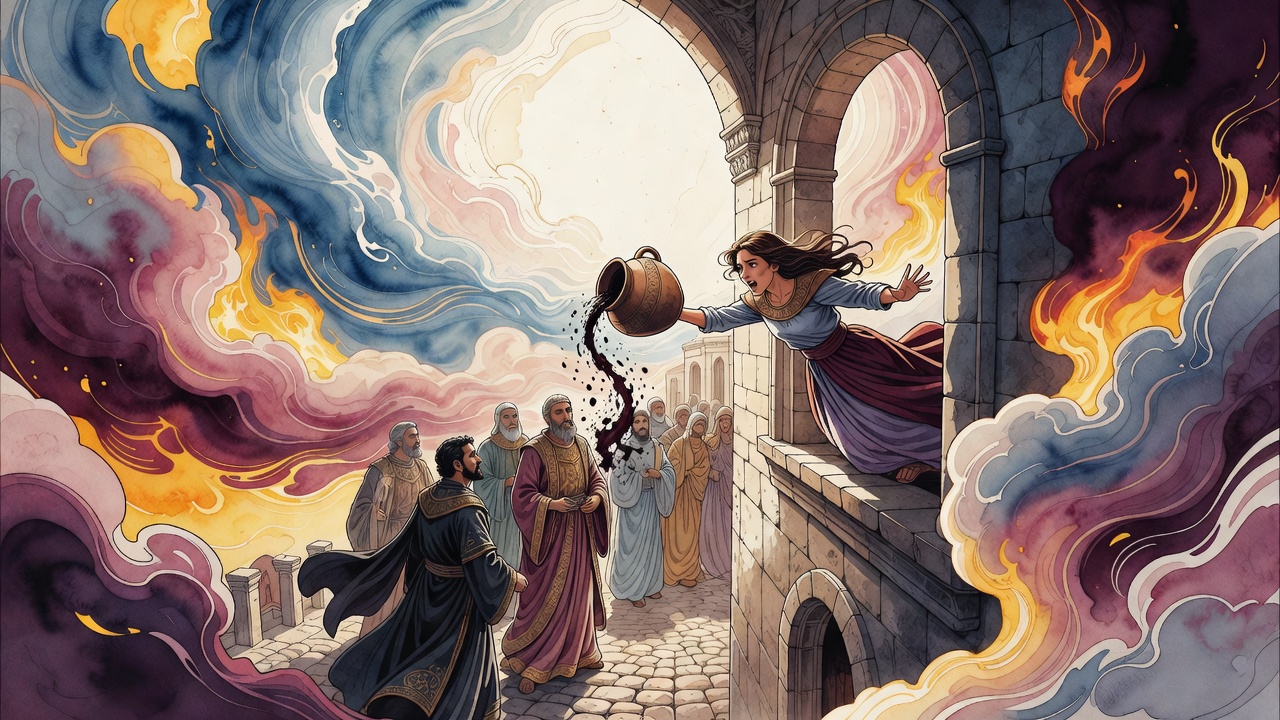
Filth ran into Haman's eyes before he found the window. His daughter was still holding the empty pot over Shushan's street.
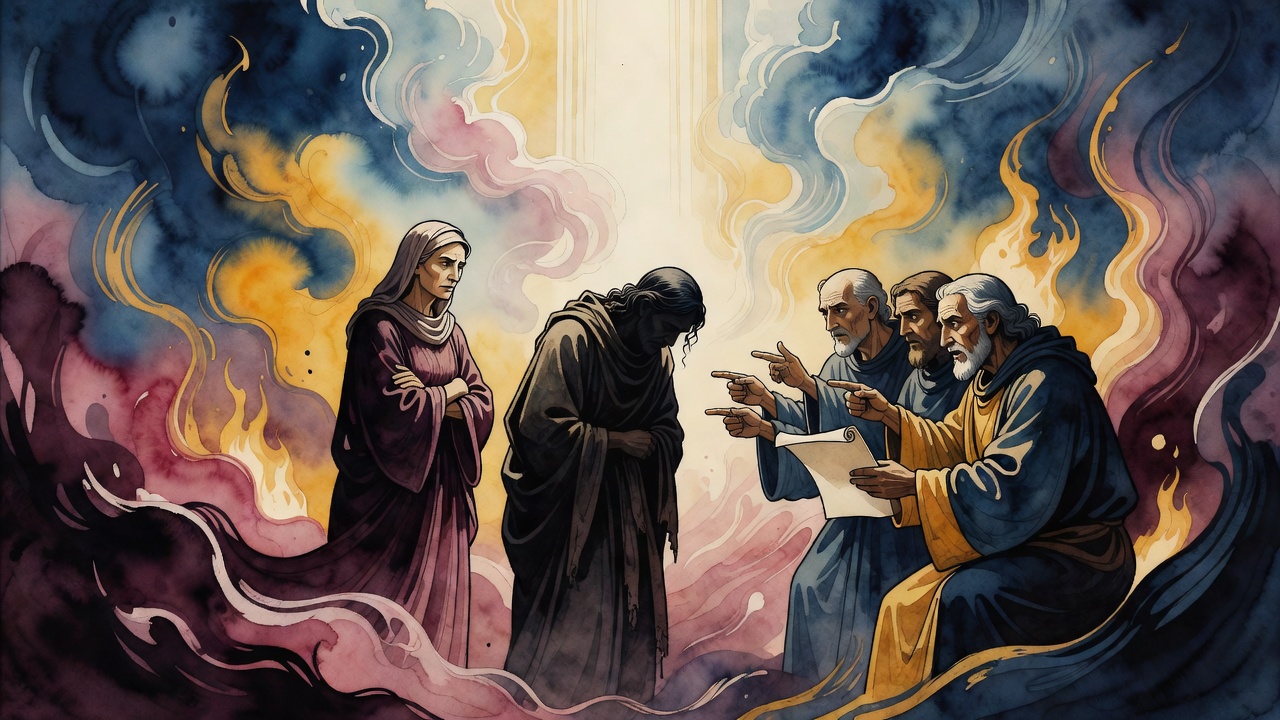
After leading Mordecai through the streets, Haman came home in mourning. His wife and advisors did not comfort him. They delivered a verdict.
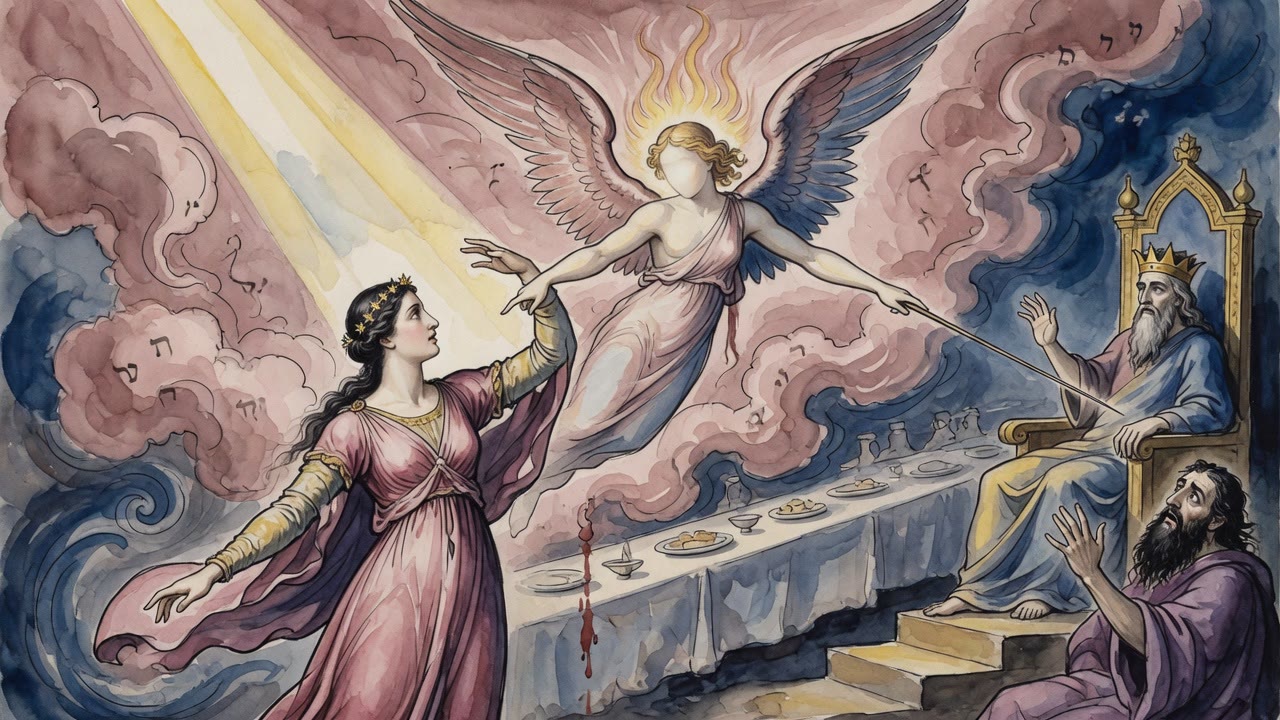
Her arm swung toward the king. An angel turned Esther's finger until it found Haman, the man her mouth was already naming.
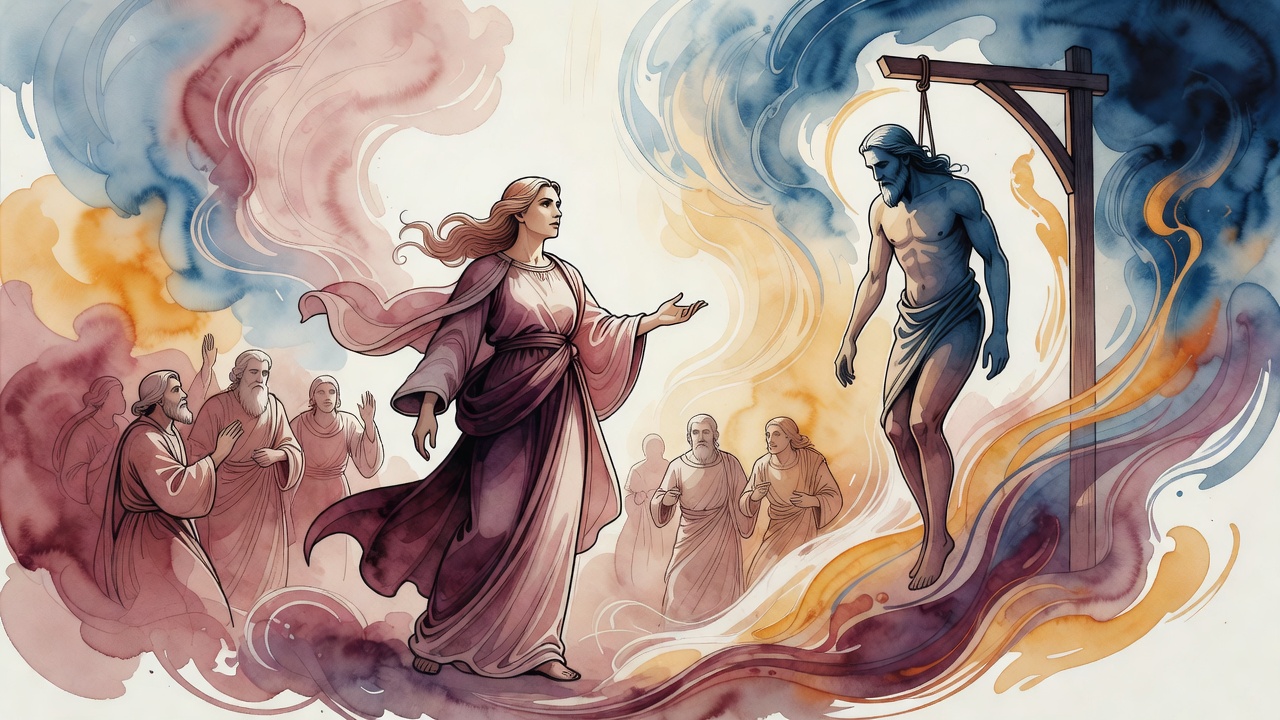
Haman and his ten sons hung on the timber he had cut for Mordecai. Night was coming. Esther told the court the bodies would stay.
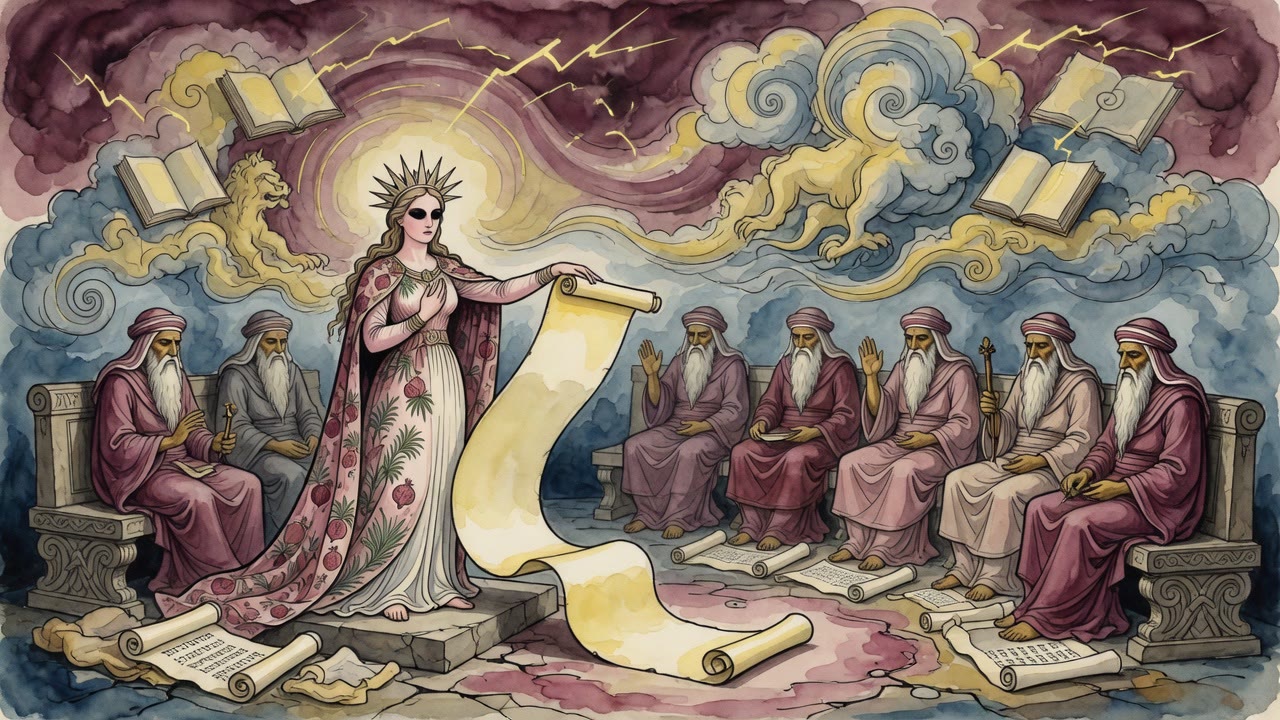
Haman was already on the gallows. Purim already had its dates. Esther still stood at the study hall with a book they would not take.
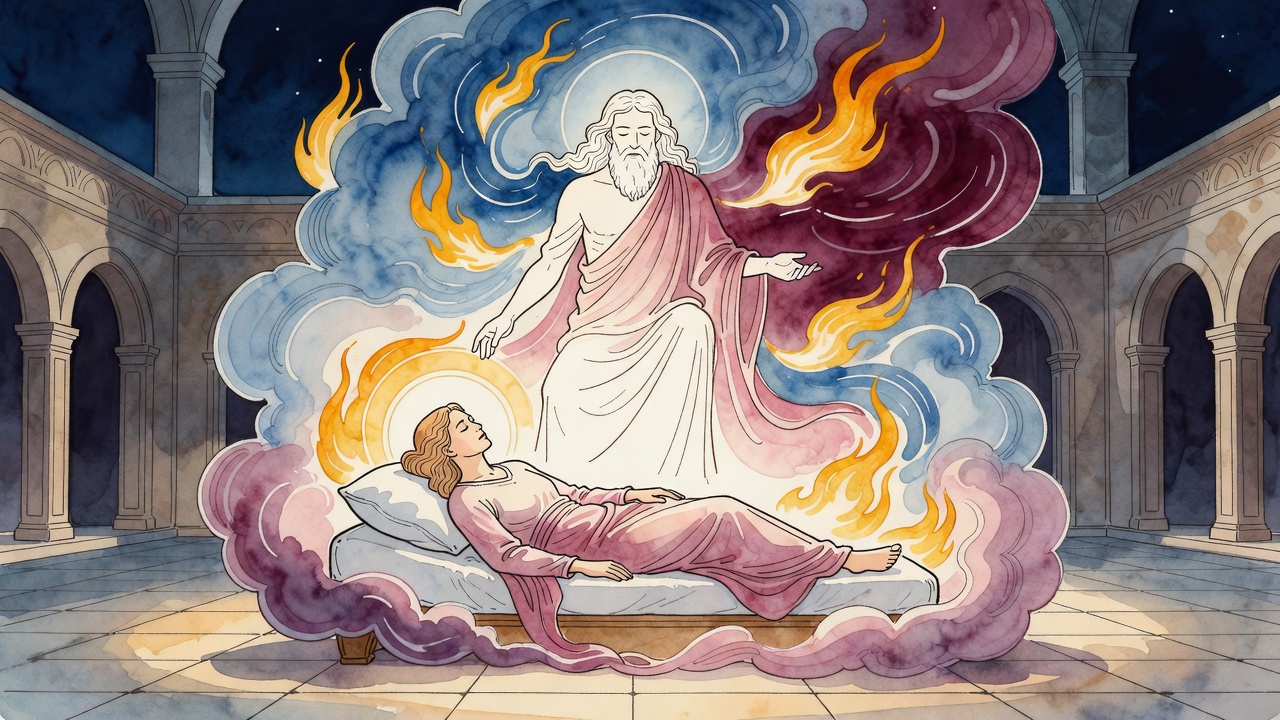
Every night Esther spent in the palace, God set a divine replica in her place, leaving the Shekhinah, the Divine Presence, untouched.
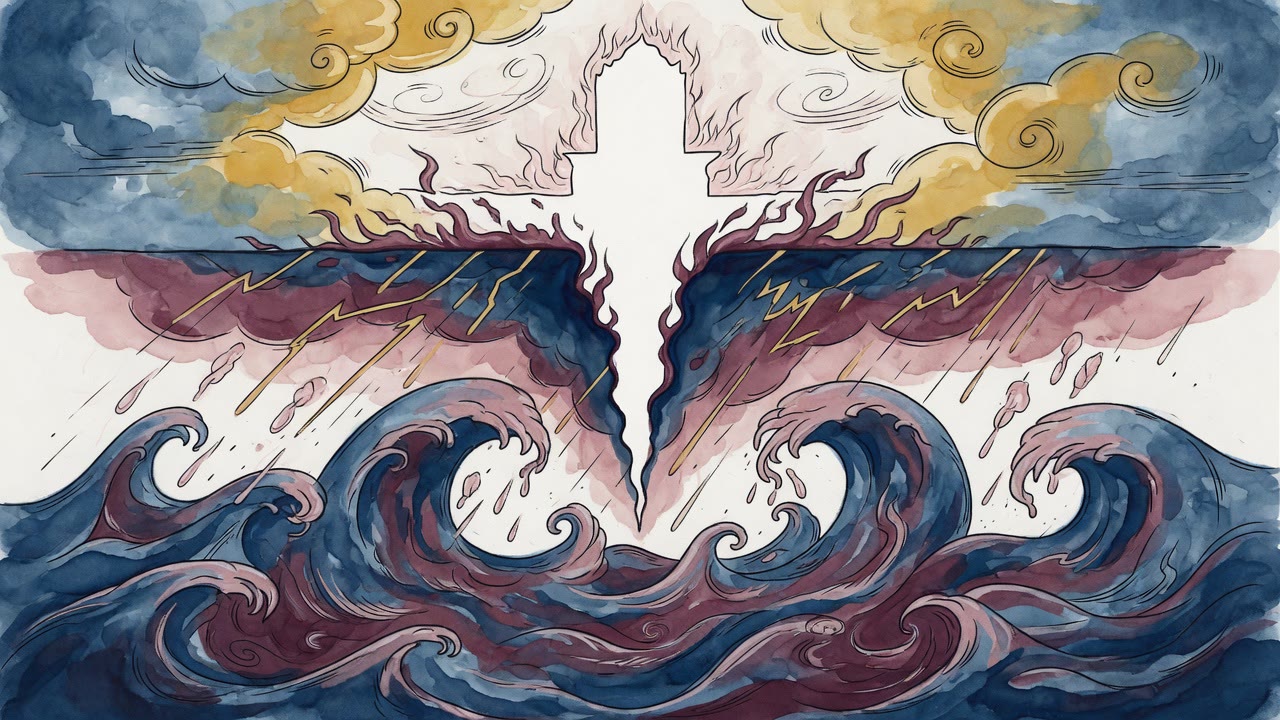
Haman left the queen's first banquet certain he was the only man in Persia she wanted at her table. He had one night left.

Her skin was the color of myrtle. She ate vegetables in the palace and told her heart to seek God's face. A second body went in at night.
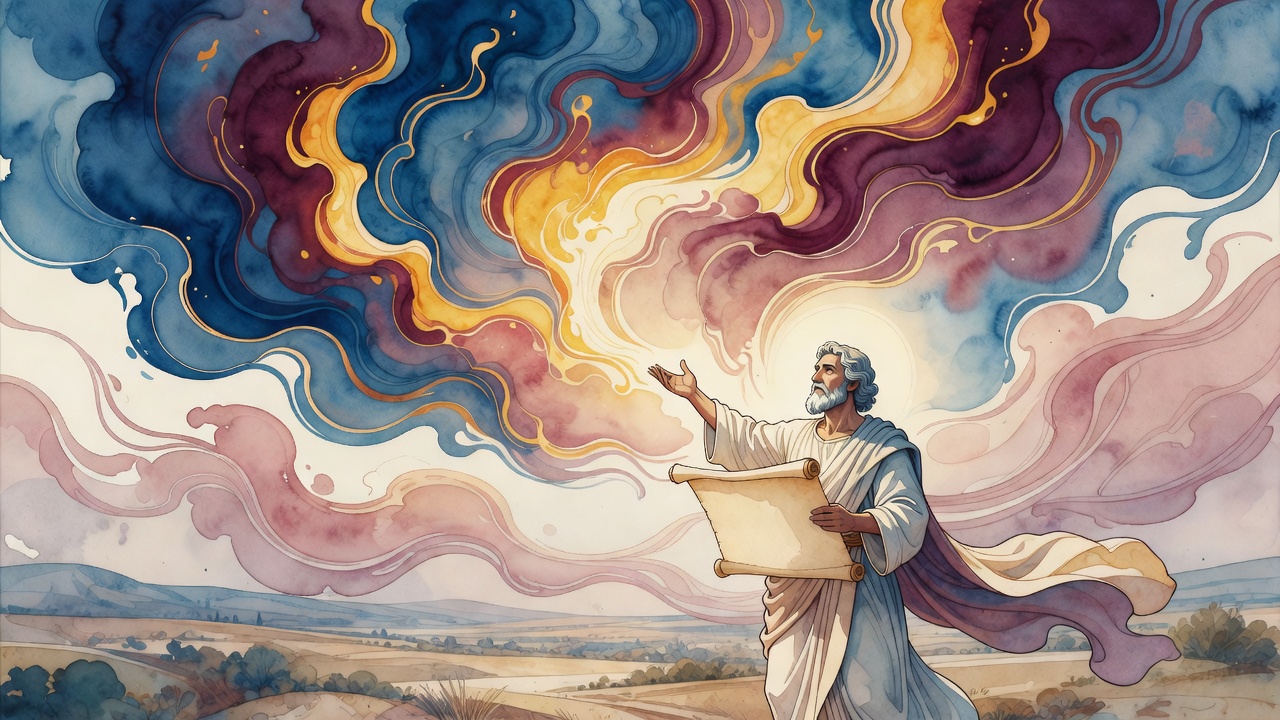
Psalm 106 holds a petition small enough to miss: remember me, O Lord. Midrash Tehillim gives God one answer. Your words are living with me, my child.
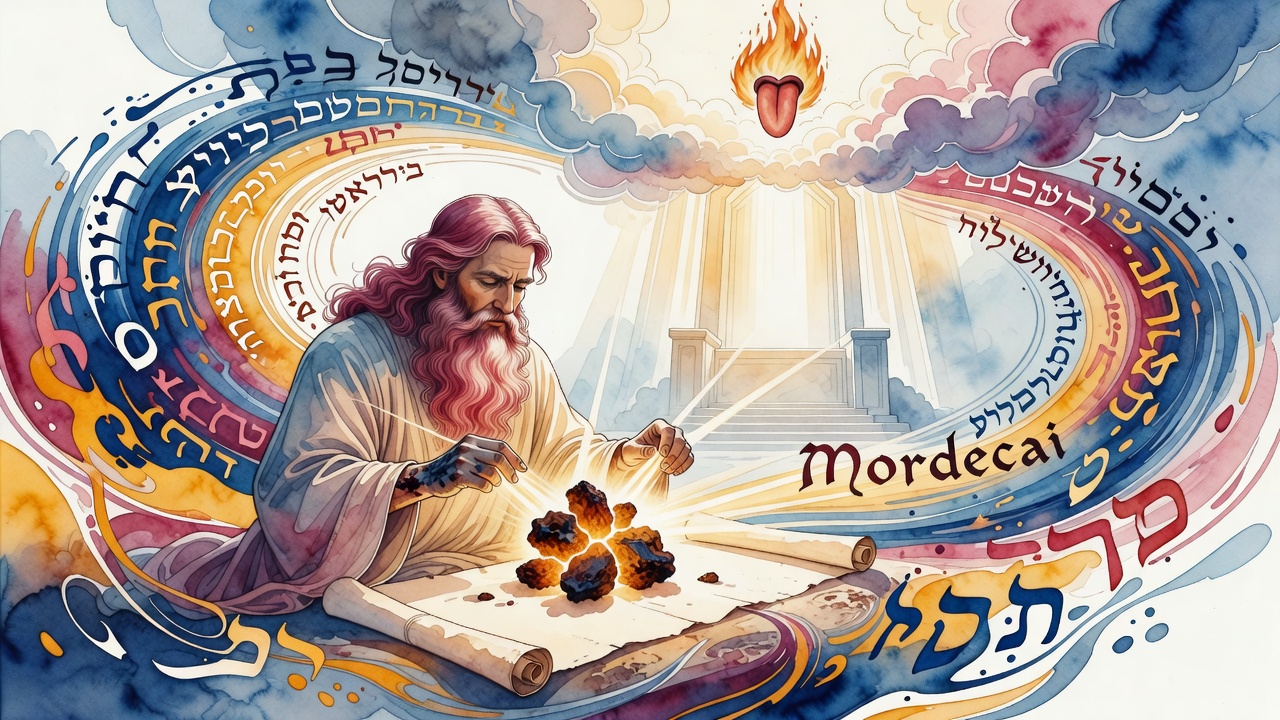
The two eunuchs picked a language nobody in that courtyard was supposed to know. The man sitting at the gate knew seventy of them.
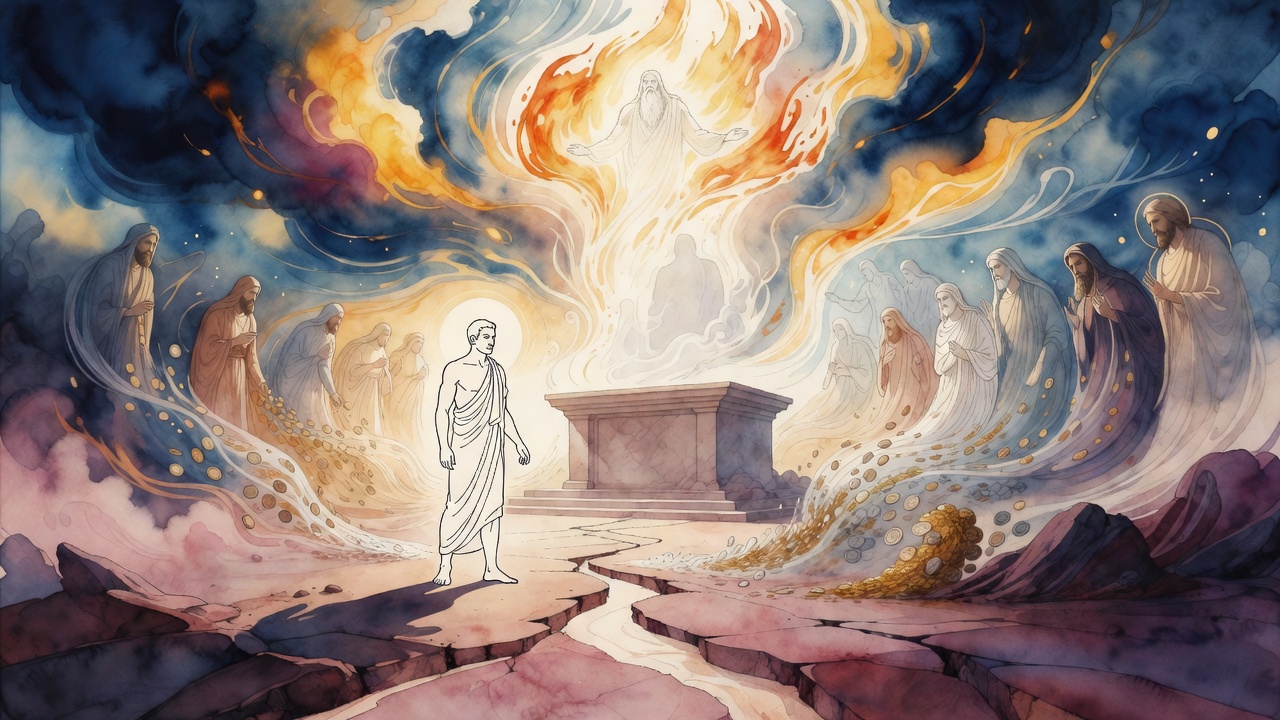
Rachel named him son of my sorrow and died that night. Years later his tribe held the soil where the Temple altar stood.
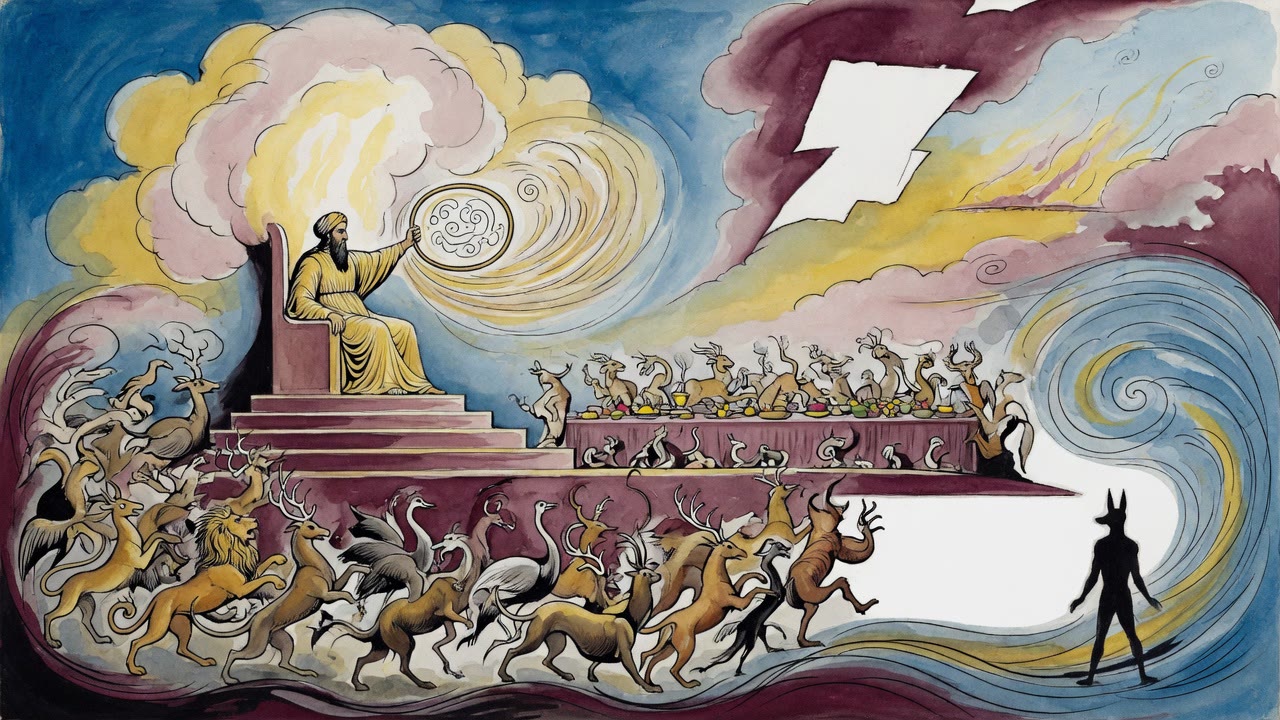
A wasp was eating a spider in the garden and a fool was swinging a stick at both. David asked God what any of the three were good for.
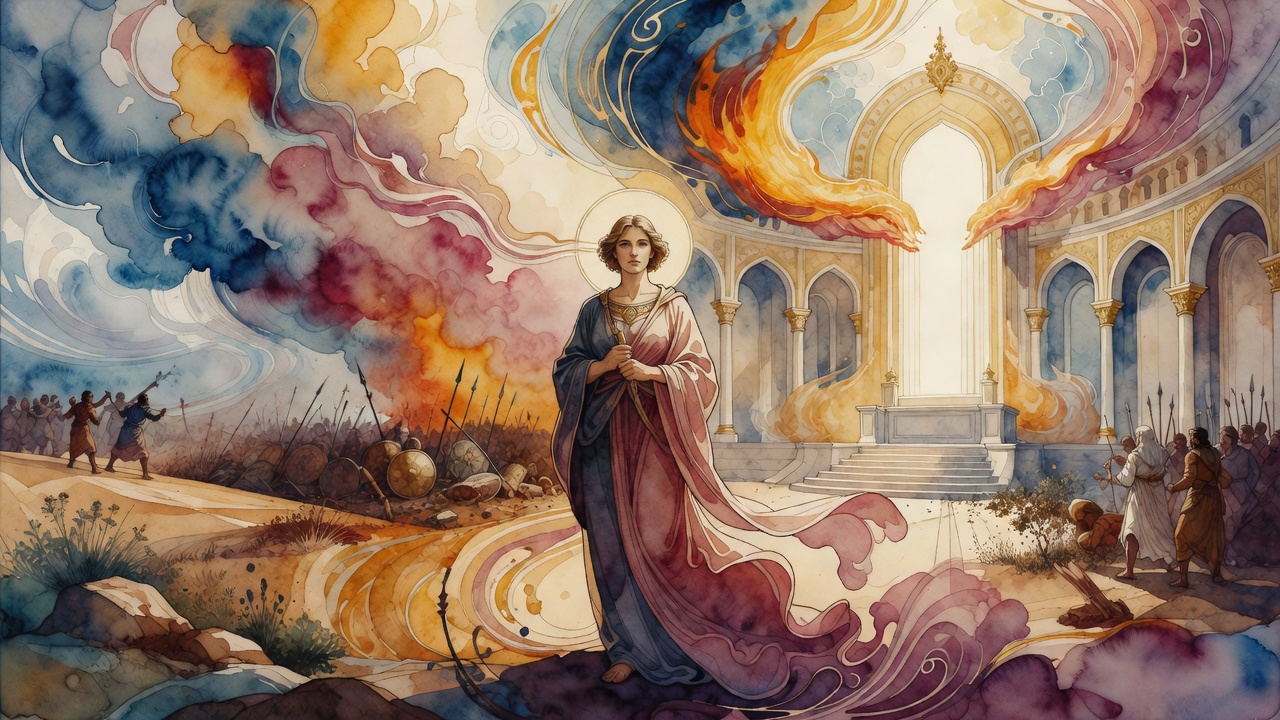
Her father died before he could teach her much. What he did teach her was one promise God made through Moses, and she held God to it on the floor.
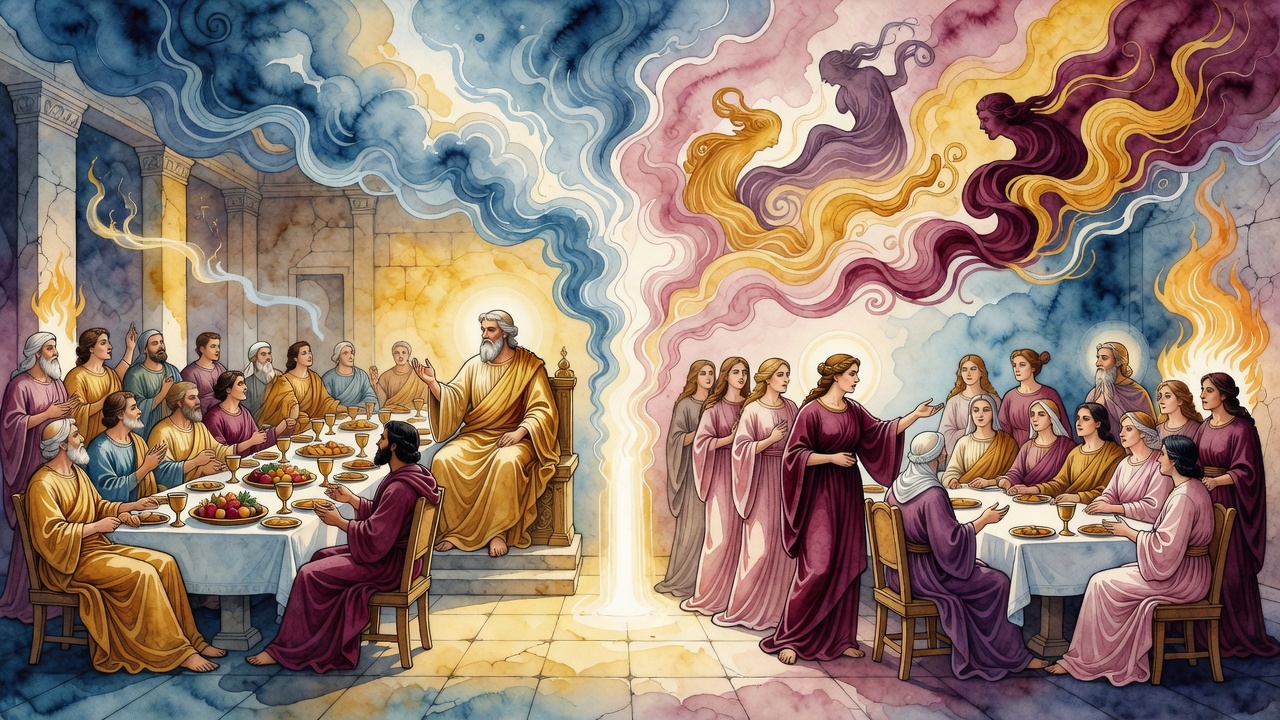
Ahasuerus feasted for six months, then seven days, then sent for Vashti. She was hosting her own banquet. Esther Rabbah found a world of danger in both rooms.
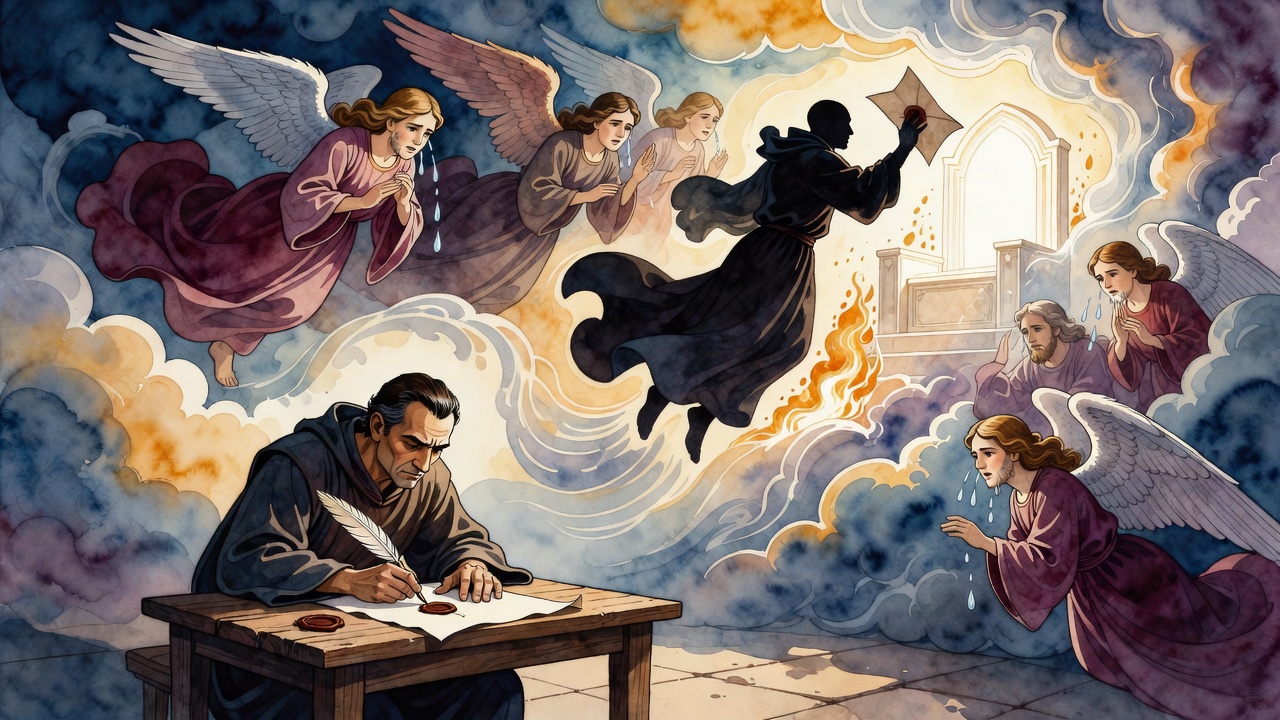
Haman's letter warned that the Jews were an eagle growing new feathers. Mordecai told them to skip Haman's feast. Thousands went anyway.
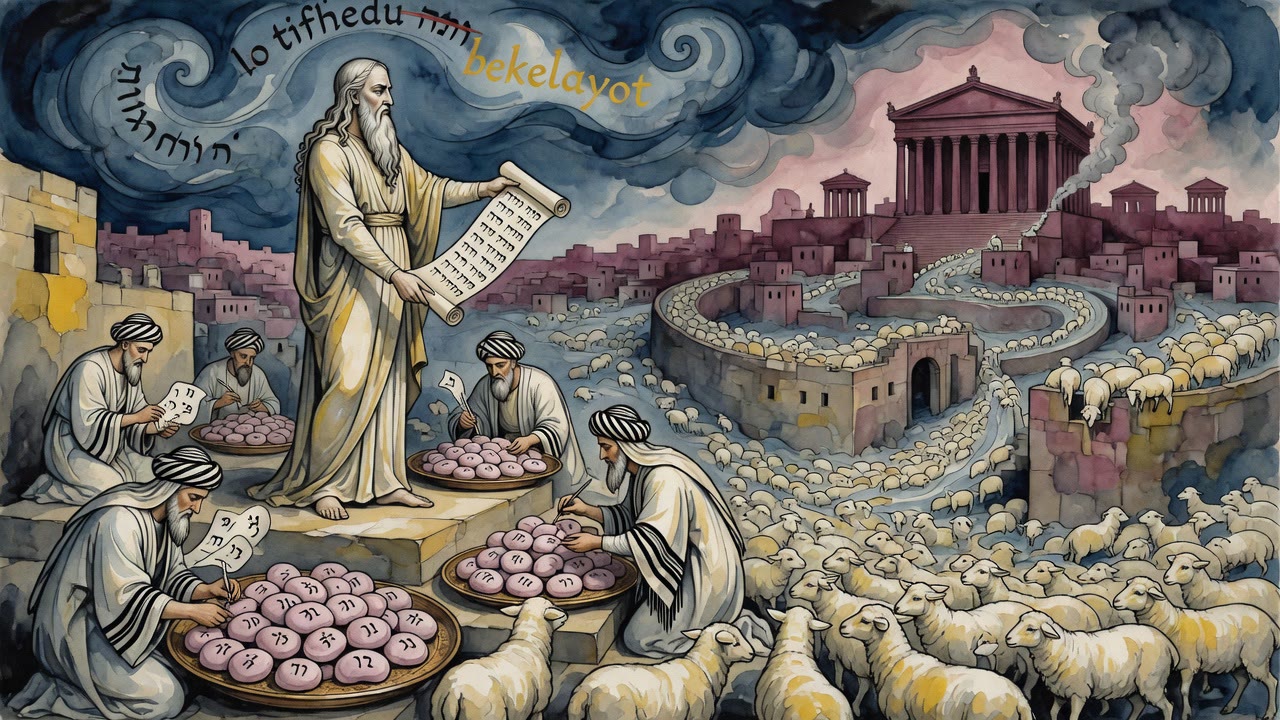
Ahashverosh's six-month feast is not Persian wealth on show. He displays the vessels of the destroyed Temple, turning sacred memory into imperial decor.
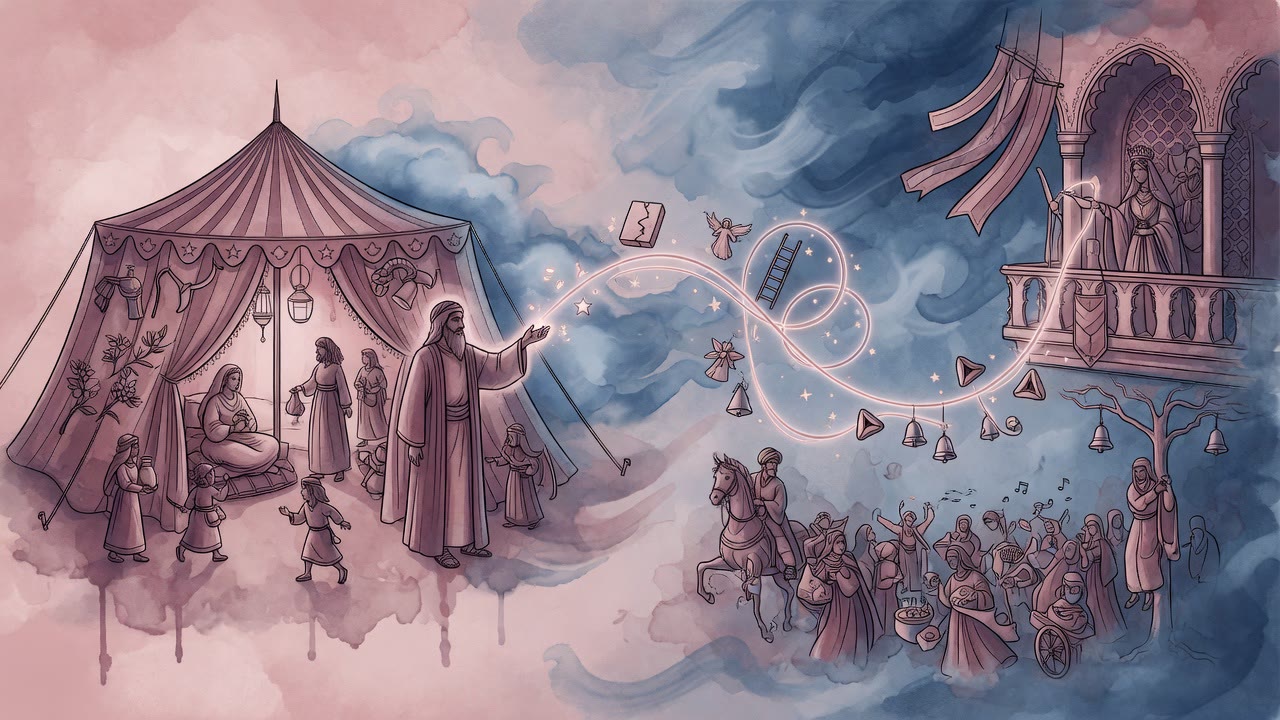
Isaac's bed frame jumped under him. The son at the foot of it still held a bowl of meat. The blessing had already left the room.
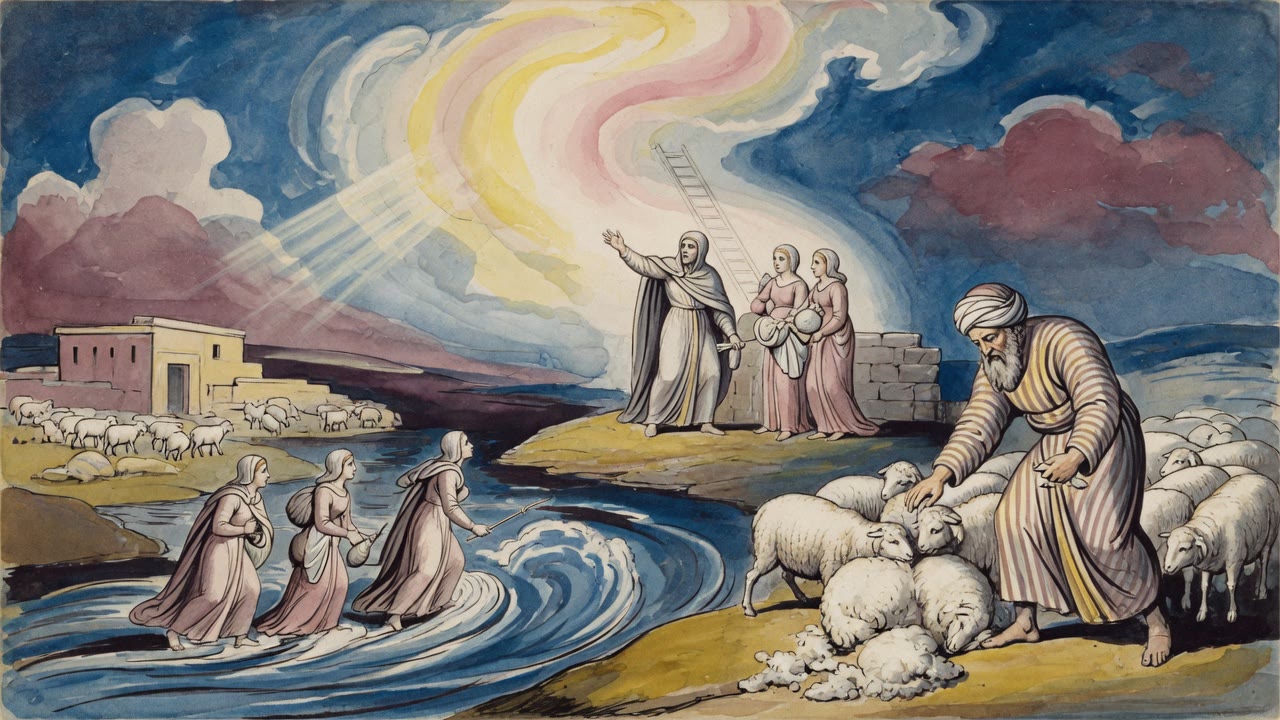
Vashti would not come into the hall. The men who kept Israel's calendar sat in the king's rage and would not give him a clean sentence.
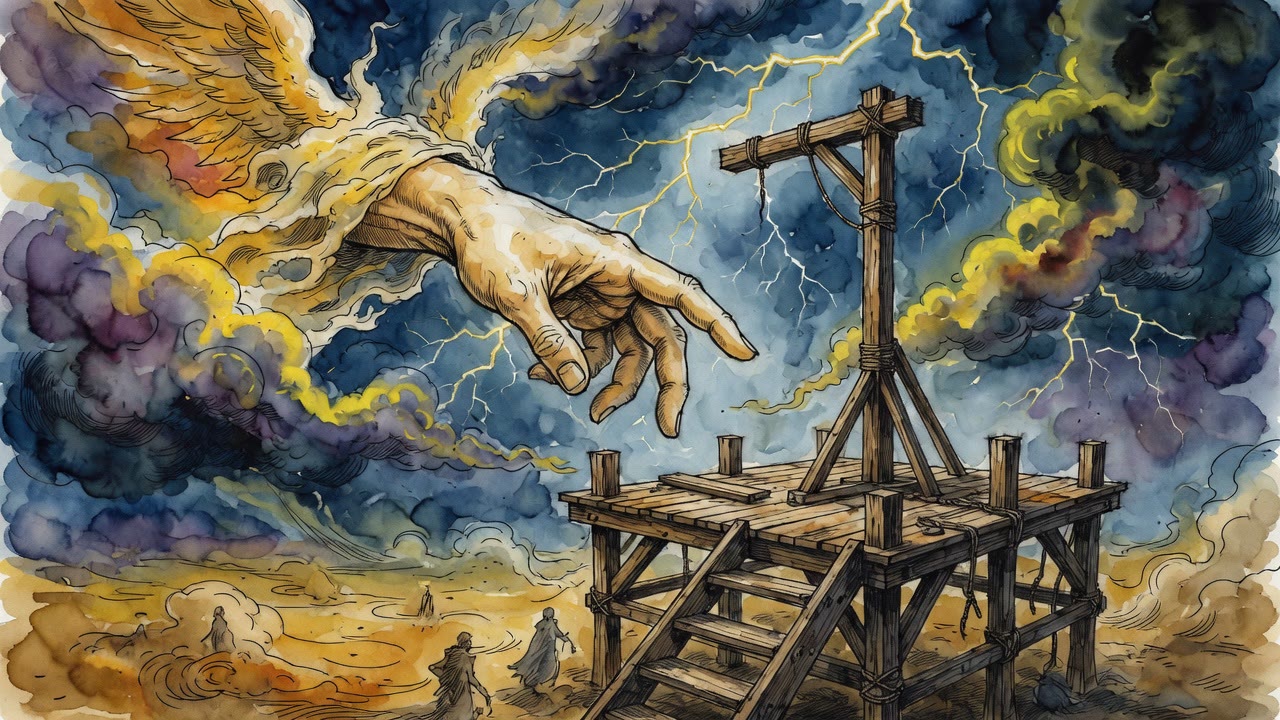
Haman came to the palace at dawn to ask for a hanging. The king spoke first and asked how to honor a favored man, and Haman described a parade for himself.
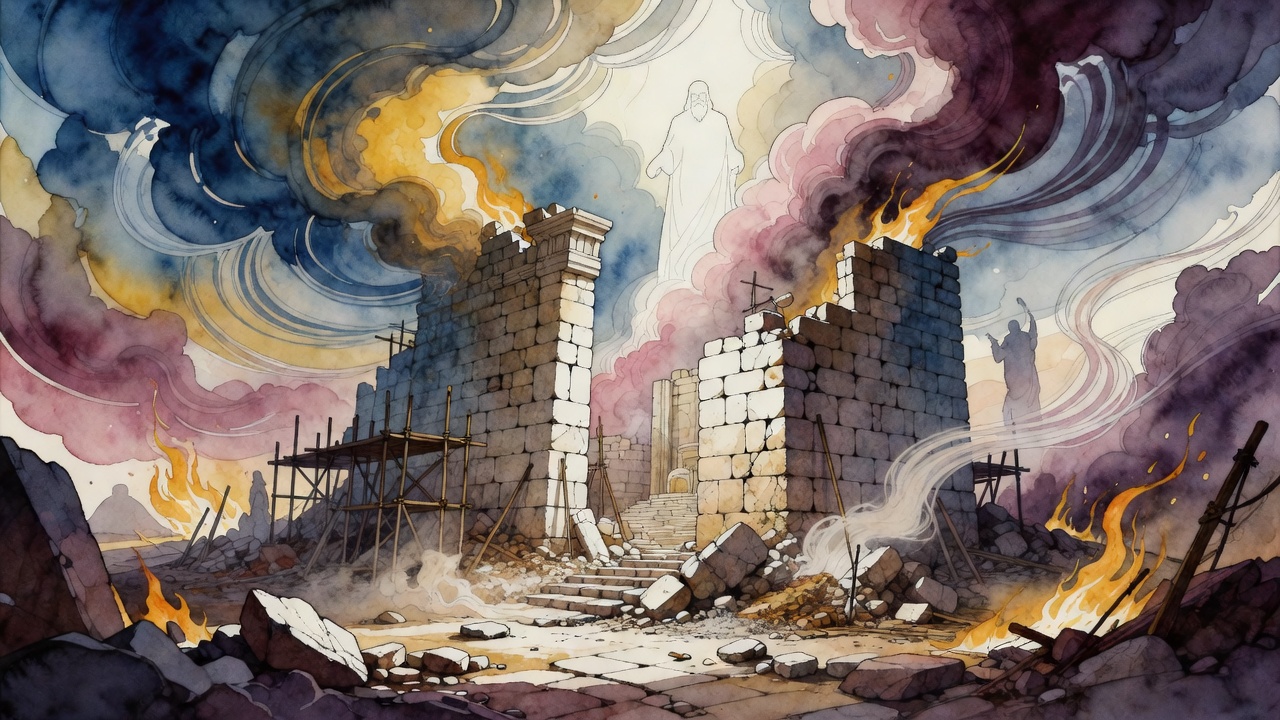
In Midrash Panim Acherim, Purim does not begin in a palace. It begins at a Jerusalem construction site Haman had already moved to stop.
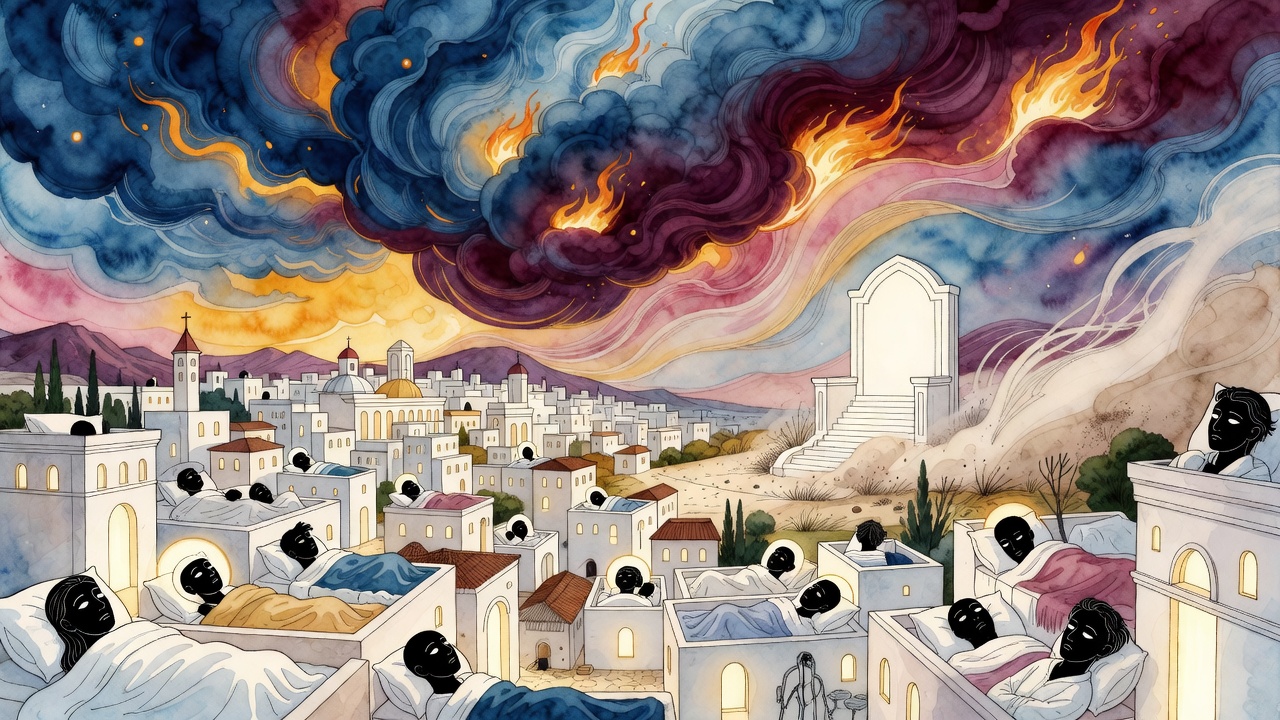
Haman built the gallows and went to bed happy. Nobody else in the world slept. In the cave at Hebron, Abraham turned over in the ground.
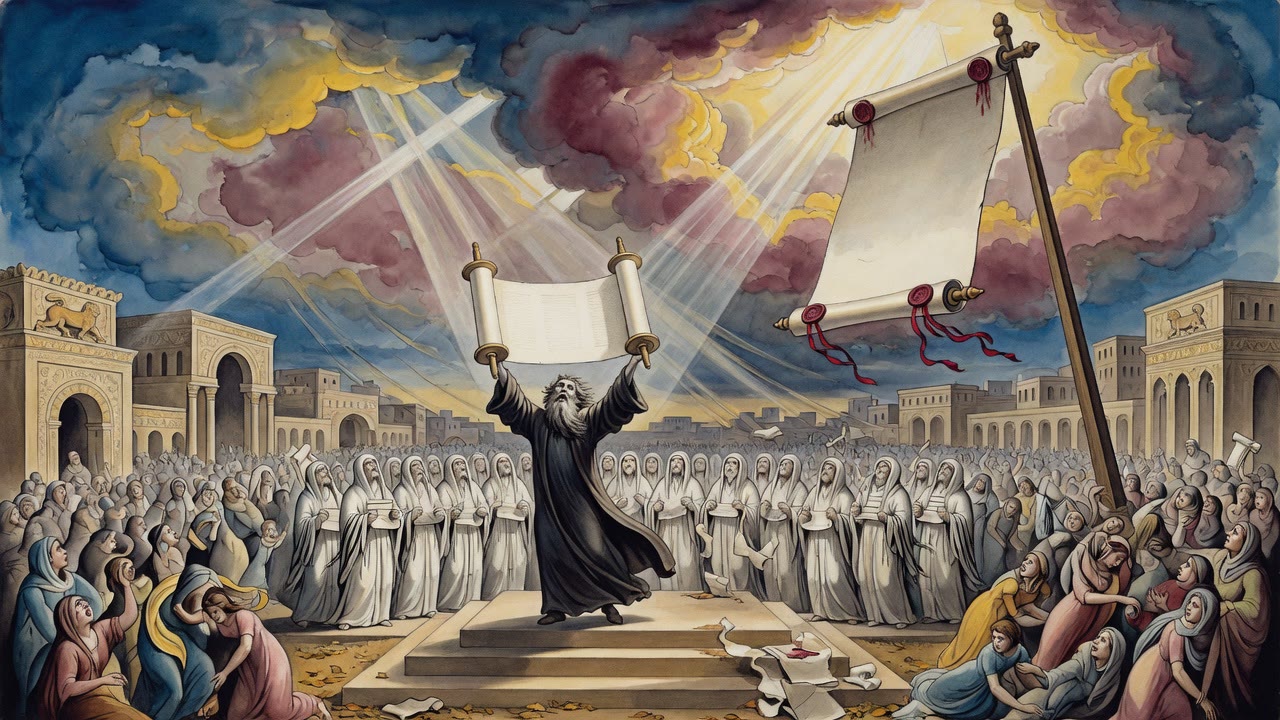
Haman's decree of death hung over the Jews, so Mordecai led twelve thousand priests and a weeping city out into the open, the Torah bared to the sky.
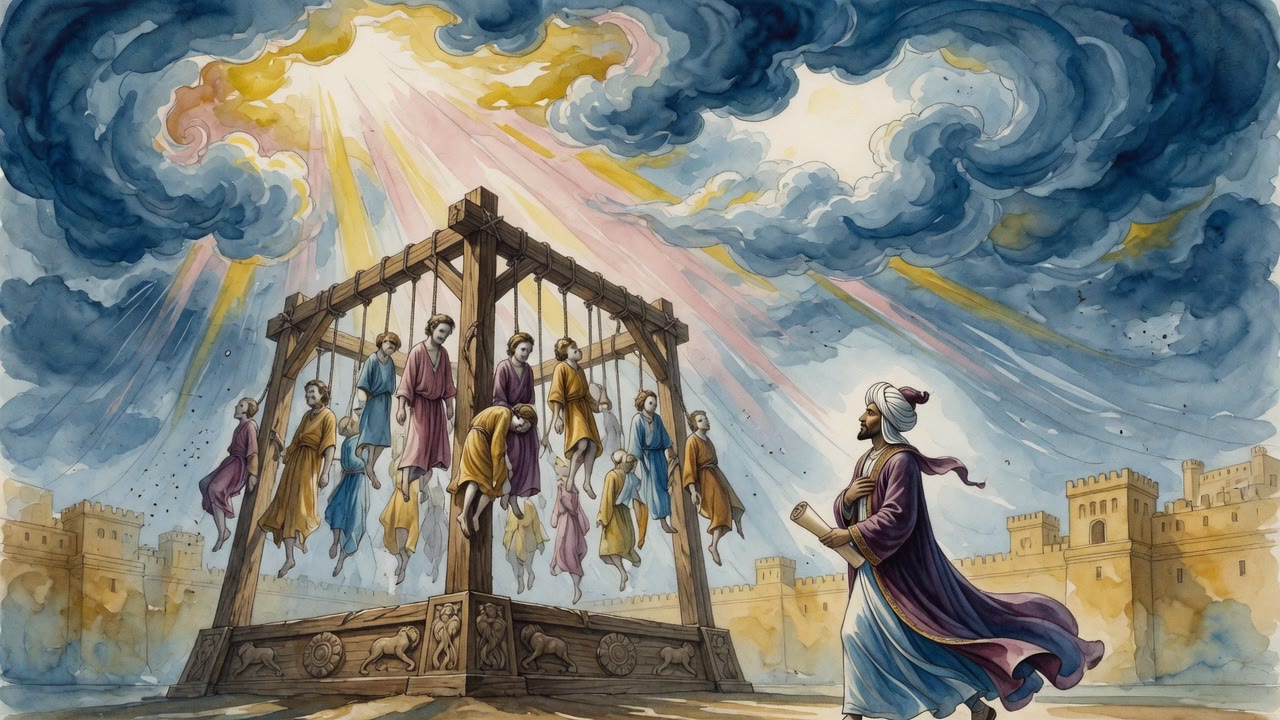
Behind Haman stood Zeresh, who closed every escape but the gallows and measured the beam, until the wood she built took her own sons.
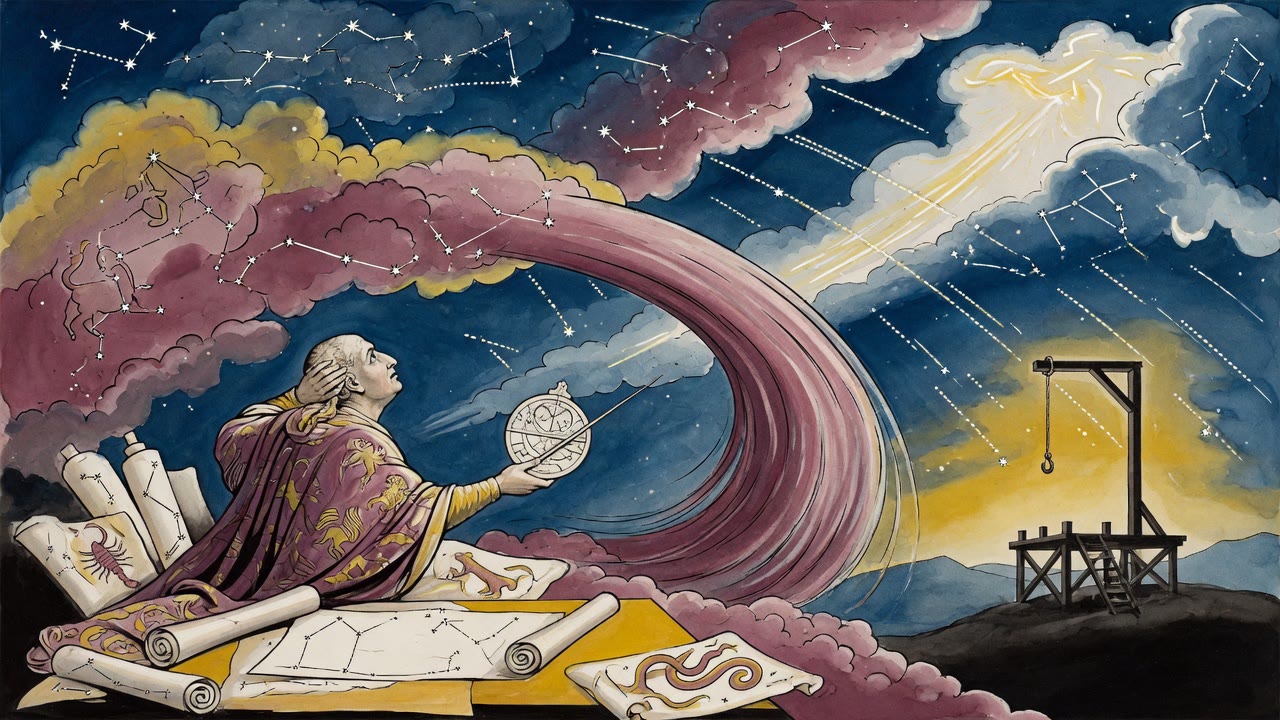
On a Shushan roof he waited for the Lion. The thirteenth of Adar looked safest. He never asked who hung the stars he trusted.
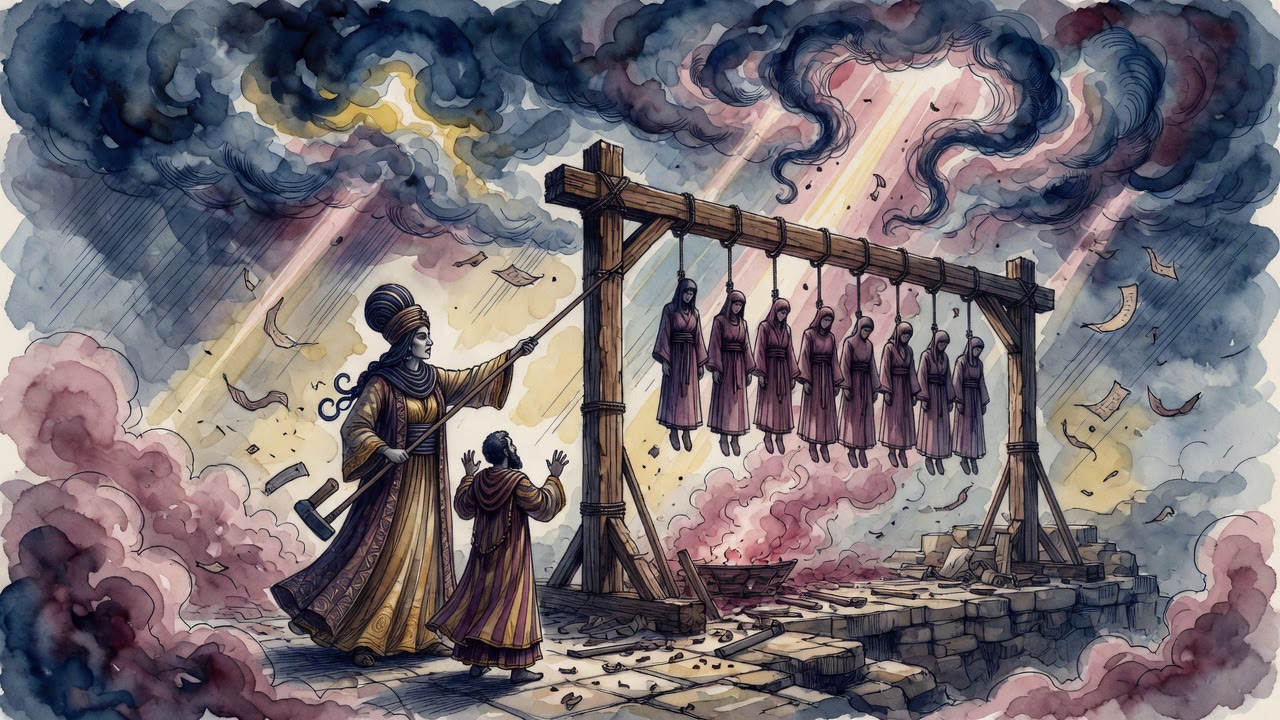
Haman raised a gallows for Mordecai. When the decree flipped, forty sons fell on that wood, and Mordecai walked out in the king's purple.
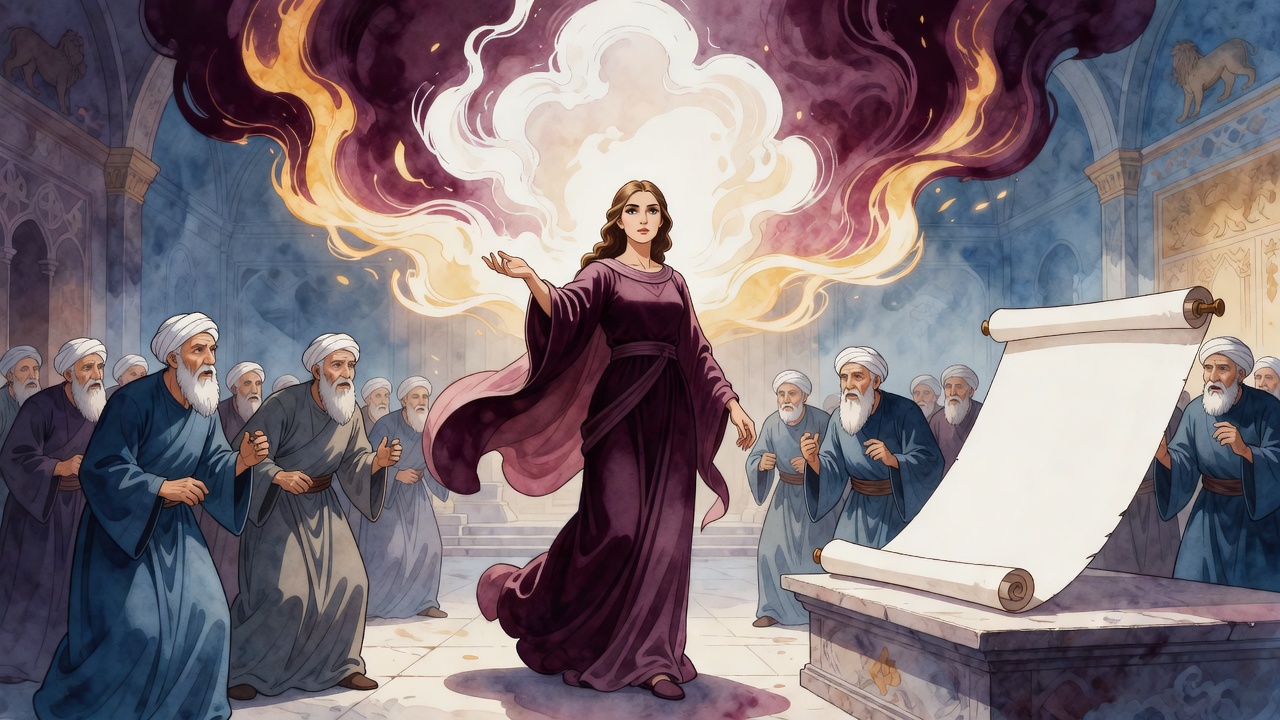
After Shushan was saved, Esther demanded a permanent feast. The sages feared gentile rage until she proved the victory already lived in Persian royal records.
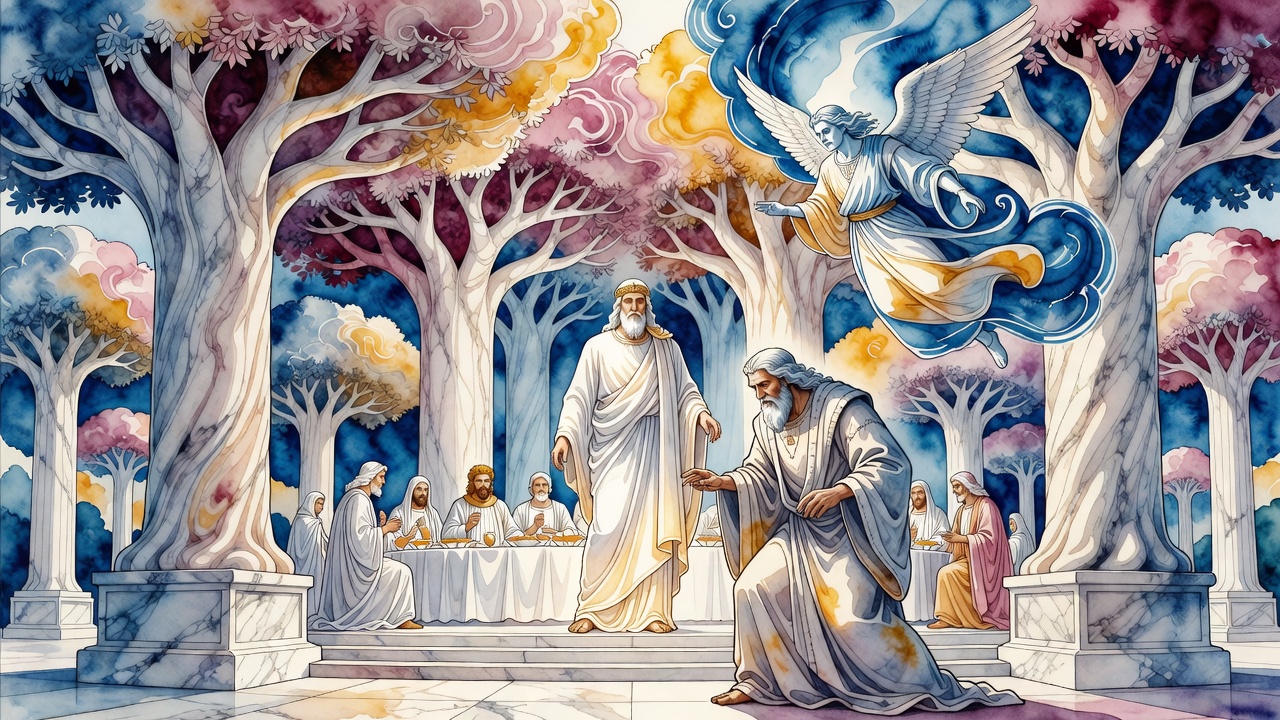
Haman fixed an idol to his robe so every bow in the street became worship. Officials bowed. Judges bowed. Mordecai would not.
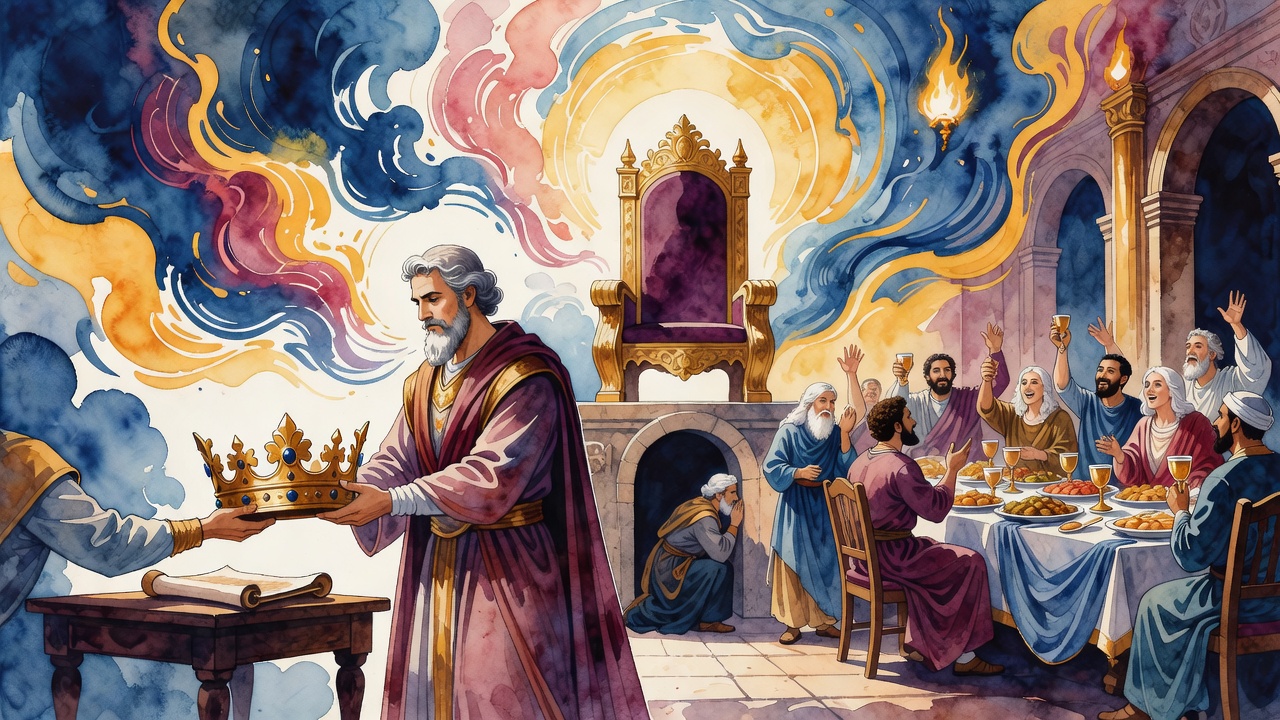
Bigthan and Teresh mixed the poison in Tarsian, sure the Jew at the door would hear only noise. Mordecai knew seventy languages.
