Haman's Wife and Counselors Told Him He Had Already Lost
After leading Mordecai through the streets, Haman came home in mourning. His wife and advisors did not comfort him. They delivered a verdict.
Table of Contents
 Click for full size
The Man Who Came Home Broken
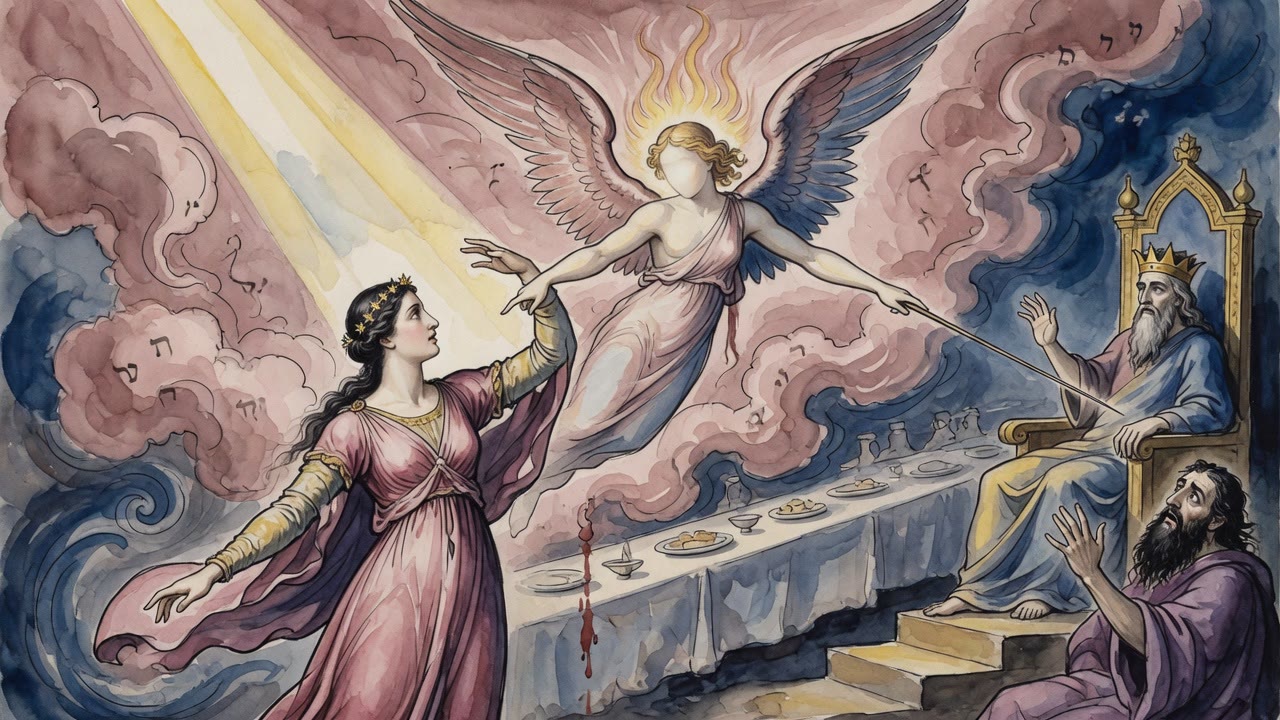
Haman came home with his head covered. He had spent the morning doing the one thing he had spent months trying to prevent: leading Mordecai through the streets of Shushan in royal robes, crying out the king's honor for him, playing the herald for the man he had built a gallows for. His own voice had carried the proclamation through the crowds. His own hand had led the horse. His plan to hang Mordecai at dawn had not simply failed. It had inverted itself completely, and Haman had been the instrument of the inversion.
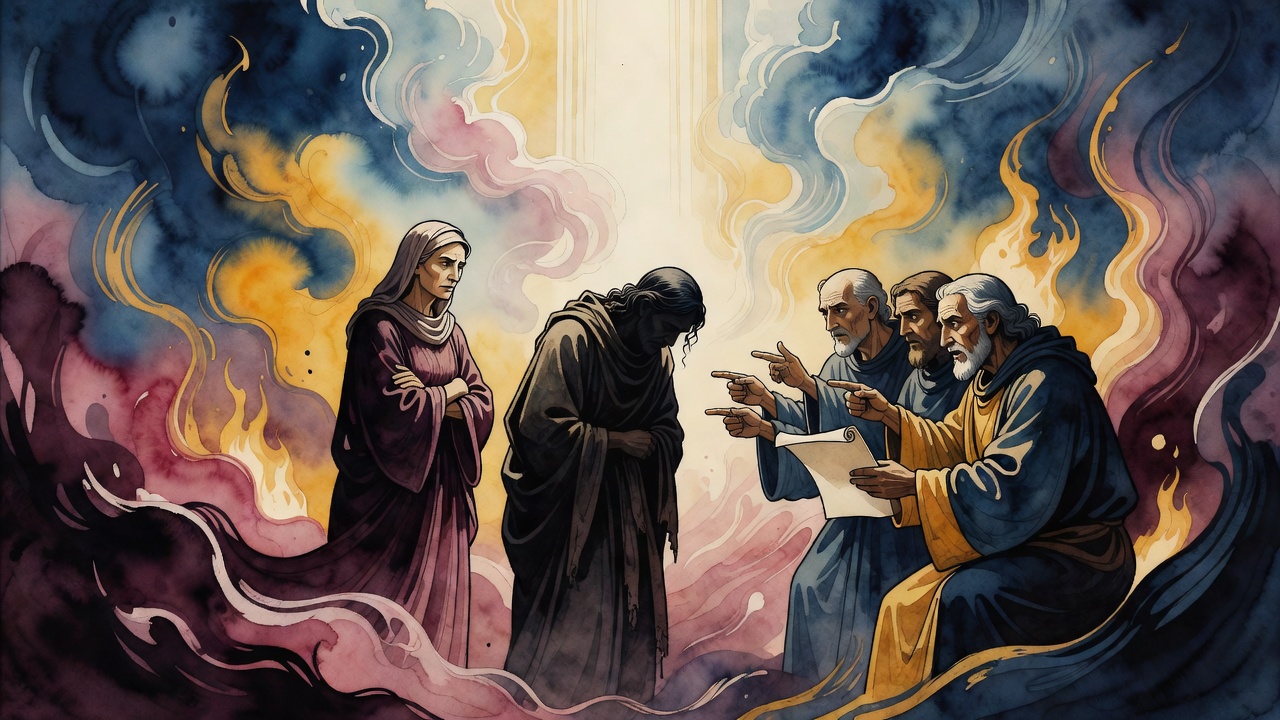
He sat among his wife and friends now. The covering still over his head, the dust of the streets still on him, he lowered himself into their circle. They gathered around him and waited. What could they possibly say?
The Consolation That Was a Verdict
They did not offer comfort. They offered analysis.
If this Mordecai is of the seed of the righteous ones, they told him, you will not be able to prevail against him. If you have already begun to fall before him, you will surely fall, and you will not be able to prevail against him at all.
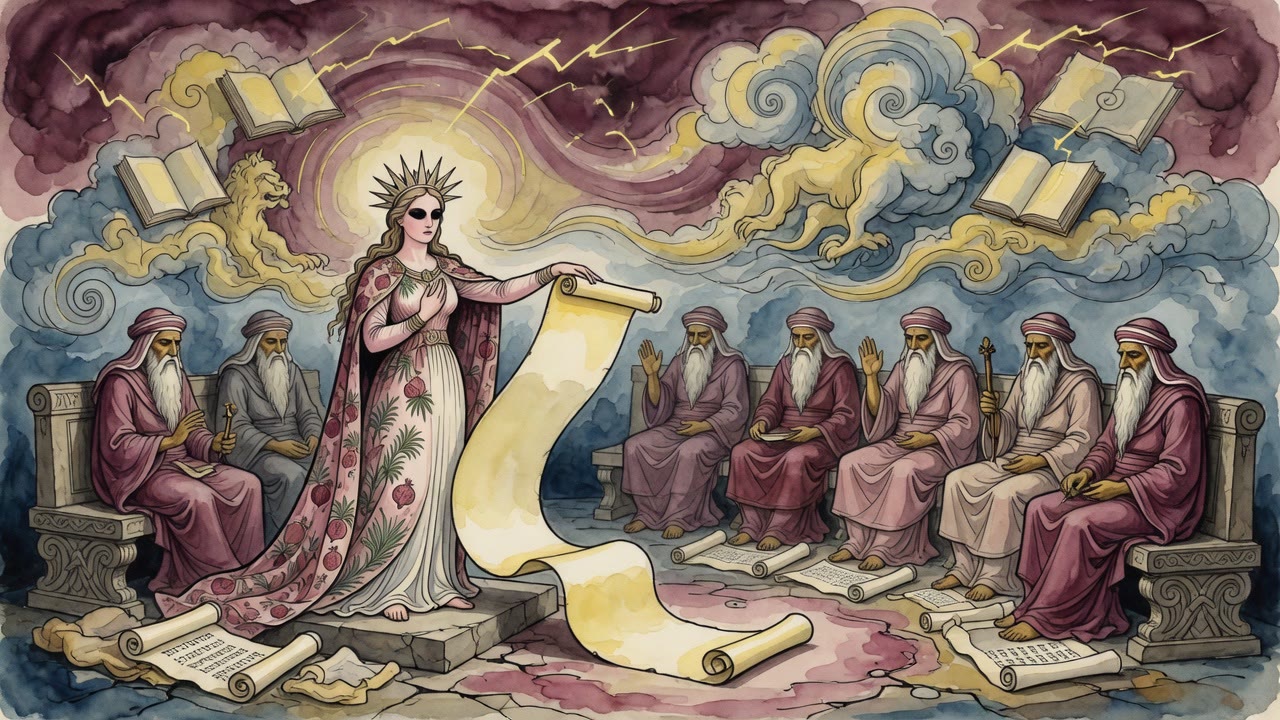
This was not an attempt to reassure Haman that things would work out. It was a pattern reading. His wife Zeresh and his counselors knew enough Jewish history to identify a structure. They ran through the evidence one case at a time. Every ruler who had moved against the patriarchs of Israel had been defeated. The Pharaoh who ordered the male children thrown into the Nile had watched his own firstborn die. The kings who had targeted the descendants of Abraham had found forces arrayed against them that no military calculation had accounted for. The pattern had repeated too many times to be coincidence.
The Structural Argument
What the counselors were describing was not theology in the abstract. They were reading historical precedent the way a lawyer reads case law. The cases kept coming out the same way. If Mordecai was of the line they thought he was, the outcome was already determined. The structure of the thing had already asserted itself. What was coming next was not uncertain.
There is a tradition preserved in sources drawing on Josephus's Antiquities that connects Abraham's first confrontation with the world's power, when the Chaldeans turned against him for questioning the celestial gods, to the same pattern: every concentrated power that moved against the monotheistic line had eventually broken against it. Haman's counselors were placing the Purim situation inside that long sequence, naming it case by case until the conclusion stood there in the room with him.
The Daughters of History
Pirkei DeRabbi Eliezer extends the chain back to its root. The hatred of Amalek toward Israel, which ran through Agag to Haman, was itself an inheritance from Esau's grievance against Jacob. It was not personal. It was transmitted, passed down a bloodline like a debt. Haman had been born into a role in a story that had been running for generations before him, and his counselors, in the moment when they were supposed to be talking him down from despair, were actually telling him that the story had a known ending and he was on the losing side of it.
← All myths