Haman Consulted the Zodiac and Every Sign Refused
Before he bought the king's ring, Haman called the twelve signs one by one. Each named a reason not to touch Israel. He threw the lot anyway.
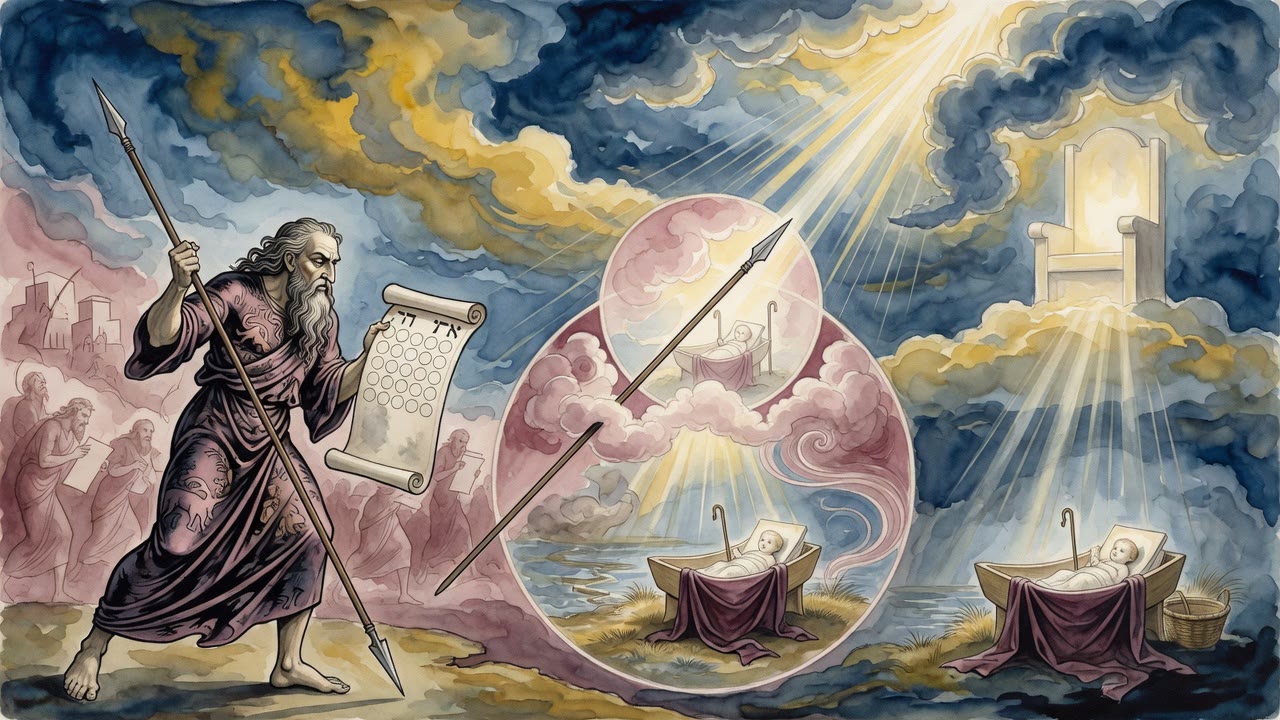
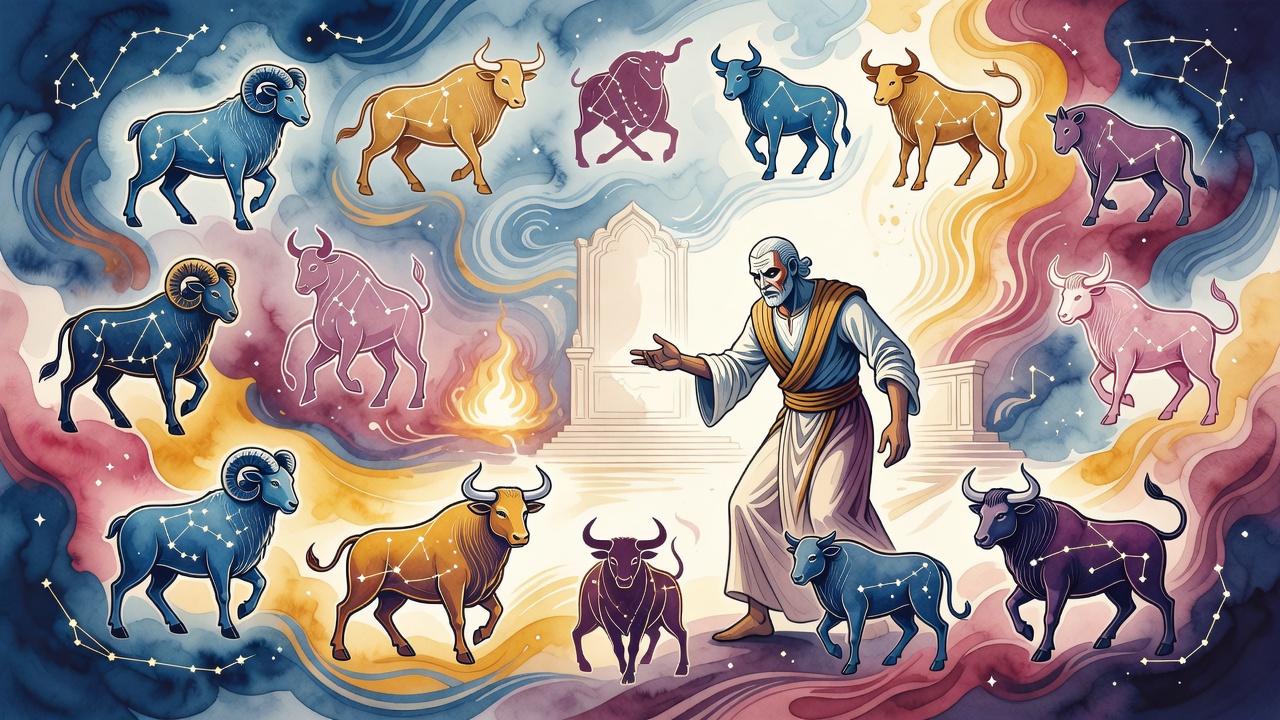
Haman did not throw the lot first. He consulted the twelve constellations of the zodiac the way a general calls scouts, and asked each of them for a month in which Israel could be killed.
 Click for full size
The Ram refused him with a question he had no use for.
The Ram Spoke First
"Israel is a scattered sheep," the Ram said. "How canst thou expect a father to offer his son for slaughter?"
Haman waited for a date. He got a flock and a father who would not send it. He moved on.
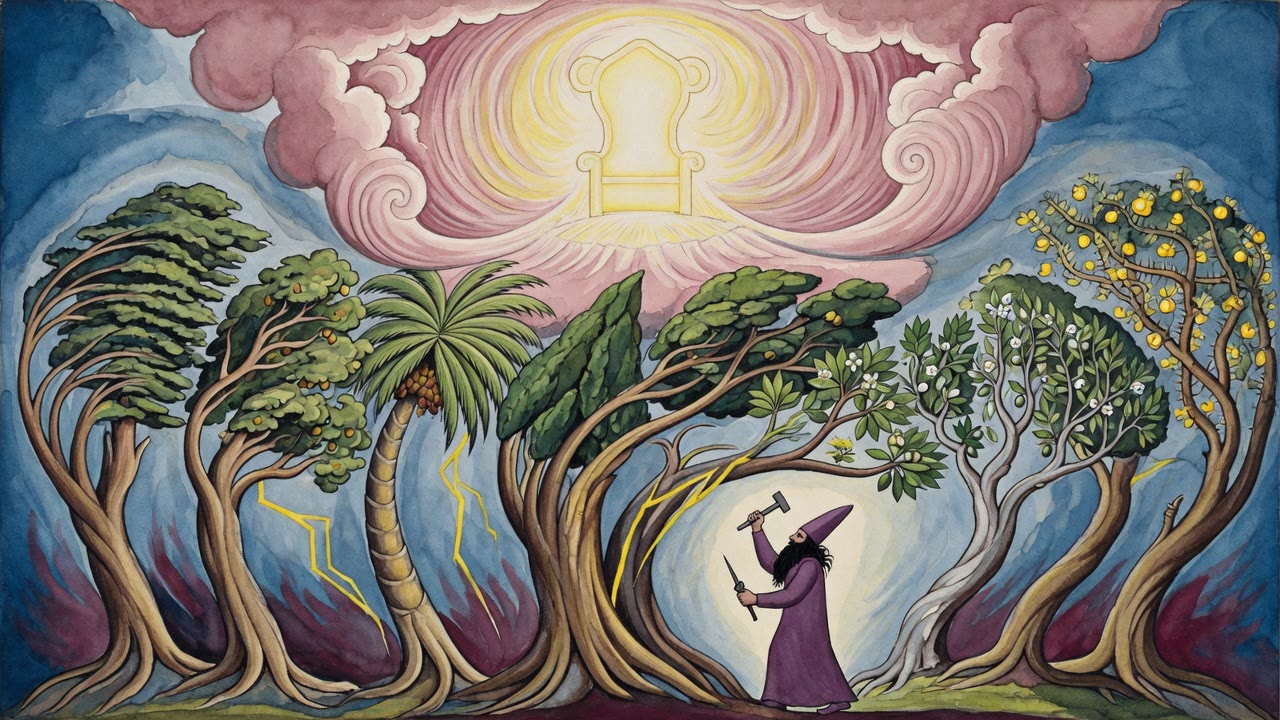
The Bull named Joseph, Israel's ancestor, the firstling bullock in Moses's last blessing (Deuteronomy 33:17). The Twins named Tamar, who bore twin sons to Judah when the line was about to end. The Crab, whose name is scratcher, said that whoever oppresses Israel will be scratched in return. Four signs, and not one of them offered him a clean hour.
Eleven More Refusals
The Lion said Judah was a lion's whelp, and a whelp grows. The Virgin pointed inside the palace, at a Jewish girl already standing where the king could see her. Haman did not know her name yet. He kept walking the wheel.
The Scales said a man who tries to wipe Israel out will be weighed. The Scorpion named the serpent that had failed in the wilderness. The Archer reminded him that Ishmael's arrow against Isaac had missed. The Goat named the ram that had taken Isaac's place on the mountain. The Water-carrier said the sea had already drowned Israel's enemies once, and could do it again.
The Fish spoke last. Israel would multiply like fish, it said, under any net, past any count, too many to catch and too many to number. Every sign had refused him. Haman stood with twelve refusals in his ear and his hand already on the lot.
He Took Adar Anyway
The lot fell on Adar. He read the month as a gift. Moses had died in Adar, and a month that had taken Israel's teacher looked, to Haman, like a month that would take Israel's children. He had heard the whole wheel say no, and he found in one throw a reason to proceed.
He did not ask whether Moses had also been born in Adar. He did not want that kind of news. He wanted a number he could carry into the throne room, and Adar was a number.
He went to Ahasuerus with ten thousand silver talents and a sentence he had already decided to speak.
One People, Asleep
"There is one people," he told the king, "scattered and dispersed among the peoples in all the provinces of your kingdom. Their laws are different. They do not keep the king's laws. It is not worthwhile for the king to tolerate them" (Esther 3:8).
He counted their days off as theft. Shabbat every seven days. The new moon every thirty. Passover in Nisan, Shavuot in Sivan, the new year and the fast and Sukkot in Tishrei. They keep their festivals, he said, and they spit on yours. They observe neither calends nor the king's winter feast.
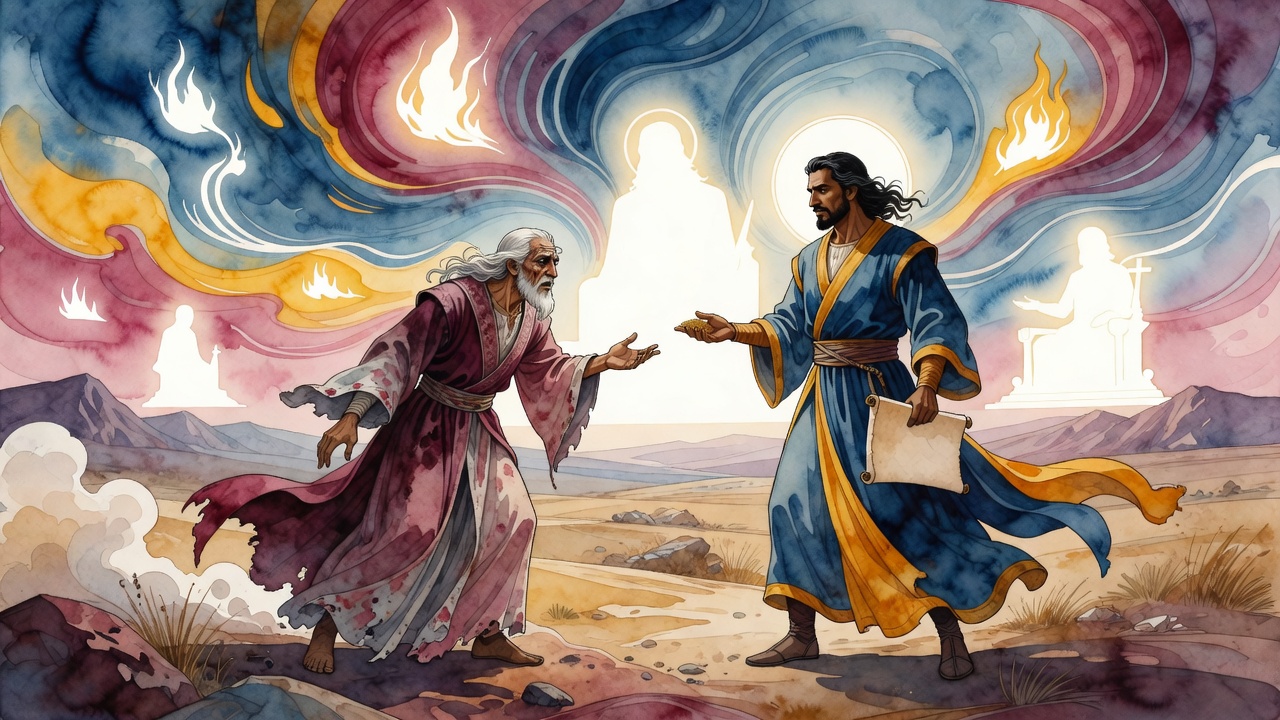
Above, Michael stood and spoke before God. The charge against this people is not idolatry, not blood, not the bed. The charge is that they keep Your laws. God said He had not forsaken them and would not. "The guardian of Israel neither slumbers nor sleeps" (Psalms 121:4). Haman had talked as if God were asleep. God said He would wake against that man and wipe him from the world.
Haman paid the silver. The ring left the king's hand. The edict went out. The twelve signs had already told him how this ends. He had chosen not to hear them.
← All myths